- Hackers hijack a dozen DeFi websites, all registered with Name.com, and steal about $138,000
Twelve DeFi websites, including Flap, Kintsu, Pickle Finance and Origami Finance, were hijacked on 30 October 2026 and served the Step Drainer kit. All 12 domains use Name.com as registrar, and 10 were suspended. The Block traced about $138,000 stolen to three EVM wallets, excluding Solana and Aptos losses. Kintsu and Origami blame Vercel. Projects say their onchain contracts were untouched.
 theblock.coarticlePublished and added 31 Oct 2026
 Binance Hack: Everything You Need to Know About the Biggest Crypto Heist in History
Decrypt's explainer on the roughly $6.4 billion theft from Binance hot wallets across about 10 blockchains. Binance traced it to a compromised DevOps engineer laptop plus further breach points, and on Ethereum the attacker used 50 pre-signed EIP-7702 authorizations to turn a hot wallet into a sweeper. Chainalysis and TRM Labs attribute it to TraderTraitor; Tether and Circle froze about $2.3 billion.
 decrypt.coarticlePublished and added 31 Oct 2026
 Pre-ERC: Agent Pre-Sign Risk Report
 is a draft Ethereum Magicians proposal for an EIP-712-signed report that a risk source, identified by an ERC-8004 identity, returns about one unsigned request. It carries typed findings on tokens, approvals, addresses, payments (x402) and texts, and each finding is marked read or not read. It has no score or verdict, so the consumer applies its own policy. The author's live implementation, toll, runs on Robinhood Chain.
 ethereum-magicians.orgthreadPublished and added 31 Oct 2026
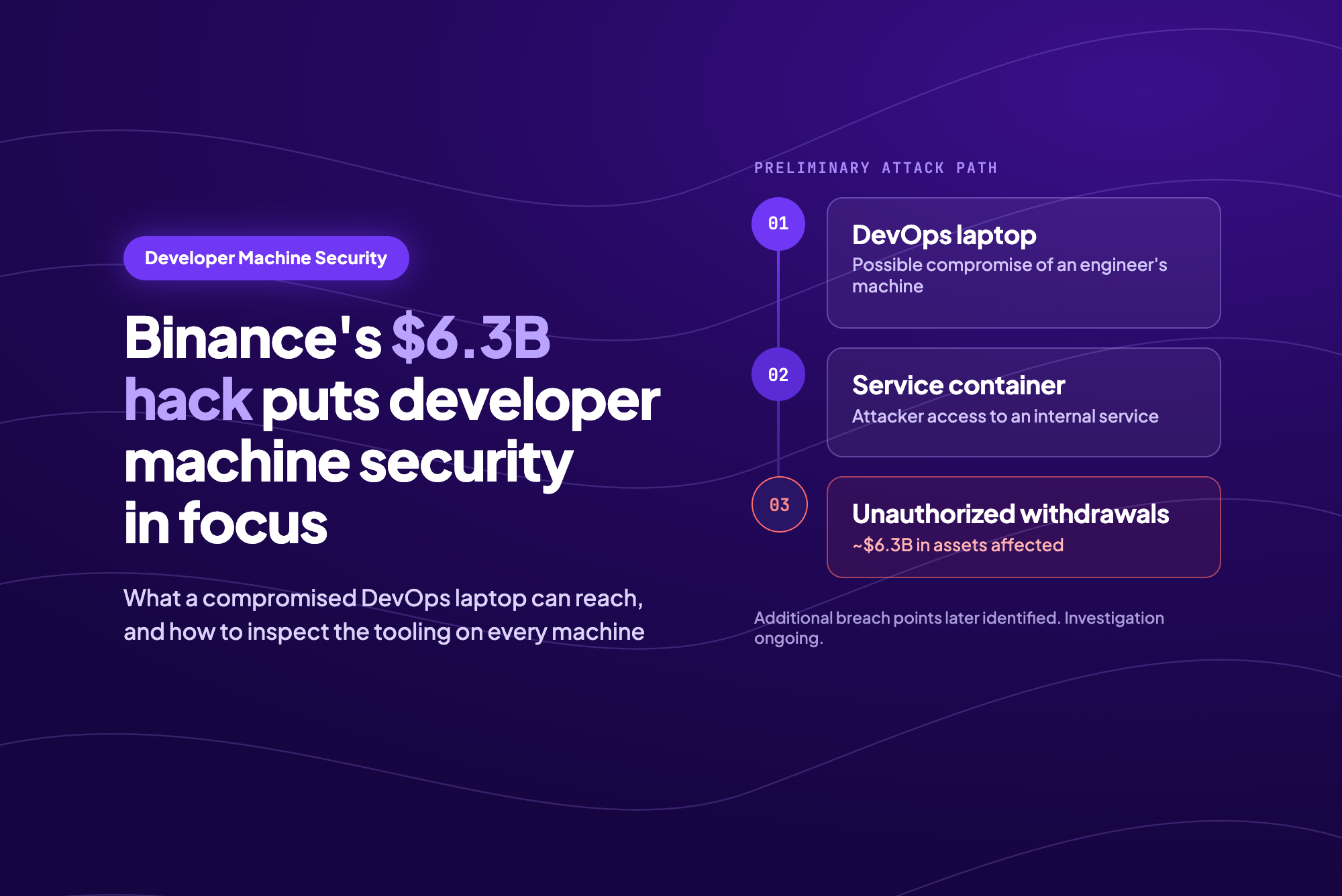 Binance’s $6.3 Billion Hack Puts Developer Machine Security in Focus
StepSecurity's analysis of Binance's 29 October 2026 incident, which Binance puts at about $6.3 billion in affected assets. It covers Binance's disclosure of a possible DevOps laptop compromise, and TRM Labs and Elliptic findings on 50 EIP-7702 authorizations and a persistent delegation. It links this to the Nx, OVHcloud CLI and Claude Code extension compromises, gives an investigation checklist, then describes StepSecurity products.
 stepsecurity.ioarticlePublished and added 30 Oct 2026
 ERC draft: Independent Simulation Result for (STVA)
ERC draft "Independent Simulation Result" (STVA) defines a canonical, content-addressed SimulationResult (success, gasUsed, returnData, stateDiffHash, logsHash, snapshotId, resultHash) that any wallet, hardware device or verifier can recompute from the same VerificationPayload and state snapshot. It targets compromised-frontend and UI/calldata-mismatch attacks, and defines Basic, Standard and Strict compliance levels. Open questions are stateDiff encoding, prestate proofs and binding to capability tokens.
 ethresear.chthreadPublished and added 30 Oct 2026
 Weekly Research Brief: Binance Hacked; Hyperliquid on Wall Street; Prediction Markets’ Brazil ‘Miss’
Galaxy Research's weekly brief of 30 October 2026 opens with the Binance hack: about $6.3b drained across 10 blockchains, attributed by TRM Labs and Chainalysis to TraderTraitor (Lazarus-linked). The attacker used EIP-7702 with 50 pre-signed authorizations on Ethereum, and Binance's preliminary finding is a compromised DevOps laptop reaching a service container. Tether and Circle froze about $2.6b. The other sections cover Hyperliquid and prediction markets.
 galaxy.comarticleAdded 30 Oct 2026
 Here We Go Again: Binance Loses $6.3b in Largest Robbery in History
Galaxy Research newsletter on the roughly $6.3b drained from Binance across 10 blockchains, which TRM Labs and Chainalysis attribute to TraderTraitor. On Ethereum the attacker used EIP-7702 to turn a hot wallet into a sweeper contract backed by 50 pre-signed authorizations. Binance's preliminary finding is a compromised DevOps laptop, with no wallet key leak. Tether, Circle, Ripple and World Liberty froze about $2.7b; Galaxy also assesses Binance's ability to cover losses.
galaxy.comarticleAdded 30 Oct 2026 Binance Just Suffered the Biggest Hack in Crypto History. What Now?
Bankless report on the Binance hack of $6.3 billion, which Binance's preliminary investigation traced to a compromised DevOps engineer's laptop with access to withdrawal-authorizing systems. TRM Labs found valid EIP-7702 authorizations on Ethereum, and nine other chains were drained through normally signed transactions. TRM and Chainalysis link it to North Korea's TraderTraitor. Tether and Circle froze about $3 billion, and Binance says SAFU and corporate cash will cover the losses.
 bankless.comarticlePublished and added 30 Oct 2026
- ERC-8478: x402 Payee Verification for ERC-8004 Agents
ERC-8478 is a draft Ethereum standard that binds the x402 payTo address to an ERC-8004 agent's identity, to stop payee redirection by a hijacked domain, proxy or injected tool result. A payTo must equal the agentWallet or carry an EIP-712 delegation signed by it, and the origin must be listed in the registration file. On Robinhood Chain, 5 of 5,575 x402-responding agents used their agentWallet as payTo (28 October 2026).
ethereum-magicians.orgthreadPublished and added 30 Oct 2026  Secret Service, FBI Join Binance Hack Probe as Circle Freezes $823 Million
Decrypt reports that Binance is working with the FBI and U.S. Secret Service after a theft of about $6.4 billion, which TRM Labs and Chainalysis attribute to North Korea's TraderTraitor group, also linked to the February 2025 Bybit hack. Circle froze about $823 million in USDC and Tether froze USDT, though the page gives differing Tether totals. Binance first suspected a compromised DevOps engineer laptop, found more breach points, and saw no evidence of leaked wallet private keys.
decrypt.coarticlePublished and added 30 Oct 2026- EIP Draft: Permanent EOA Delegation Opt-Out (disable EIP-7702)
Discussion thread for a draft Core EIP that lets an Ethereum EOA permanently disable EIP-7702 delegation. A type-4 set-code transaction with an empty authorization list, destination equal to sender and zero value installs the 0xef0200 marker for 33500 gas. Later authorizations, including clearing to the zero address, are skipped. It does not protect against private-key compromise. Open questions cover the prefix, a dedicated transaction type, gas pricing, and EIP-8151 interaction.
ethereum-magicians.orgthreadPublished and added 30 Oct 2026  Binance Sets Aside $6.34B to Cover Hack Losses, CEO Says 'Your Assets Are Safe'
Decrypt reports on the October 2026 Binance hot-wallet hack, about $6.3 billion, which Binance CEO Richard Teng says the company will cover with over $6.34 billion of its own funds. Teng says the attacker used an EIP-7702 delegation that skipped Binance's approval controls, a self-destruct mechanism to wipe tooling, and more than one breach point beyond a compromised laptop. TRM Labs and Chainalysis attribute the theft to TraderTraitor, and the attacker is still moving funds on Tron.
decrypt.coarticlePublished and added 30 Oct 2026 Trezor warns of suspected crypto-theft implant in hardware wallet
Trezor warns of a suspected crypto-theft implant in a Trezor Safe 5 sold by reseller CryptoBilis in Southeast Asia. An Indonesian buyer found an extra board with a cellular module and antenna between the main board and screen, apparently able to read the recovery phrase and send it over mobile networks. Trezor has not examined the device, advises moving funds to a new wallet for any CryptoBilis purchase since March 2026, and notes a similar Ledger implant was confirmed.
 bleepingcomputer.comarticlePublished and added 30 Oct 2026
 Binance Attacker Used EIP-7702 to Bypass Wallet Controls, Teng Says
The Defiant reports that Binance co-CEO Yi He's colleague Teng says the attacker in a breach Binance estimates at $6.3 billion used EIP-7702 to bypass wallet controls. Binance is rebuilding its withdrawal service, and attackers destroyed tools and traces during the intrusion. Only the teaser loaded, so the technical detail of the EIP-7702 abuse is not in the available text.
 thedefiant.ioarticlePublished and added 30 Oct 2026
 Trezor reveals Malaysian reseller sold wallet with spyware
Trezor says a user reported a Safe 5 wallet bought from Malaysian reseller CryptoBilis in August 2026 with a hidden board between the main board and screen, carrying a cellular module and antenna. The implant allegedly reads the screen, including the wallet backup, and sends it over a mobile network when plugged in. Trezor has not yet examined the device, has dropped CryptoBilis (9 October), and is replacing wallets bought since March 2026.
 protos.comarticlePublished and added 30 Oct 2026
 How the Binance hack happened on-chain on Ethereum
Protos analysis of how the Binance hack played out on Ethereum. The attacker deployed a sweeper contract and sent 50 EIP-7702 authorizations for the Binance 14 hot wallet, signed with its key and using varied nonces to match the wallet's changing count. Other wallets and EVM chains used plain transfers. Binance later removed the delegation, and about $2.4 billion in funds was frozen or blacklisted.
protos.comarticlePublished and added 30 Oct 2026 Binance hack: the largest robbery in financial history
Binance hack analysis from 21shares on the 29 October 2026 theft of about $6.3 billion from Binance. Binance's initial finding points to a compromised DevOps engineer's laptop with no sign of a leaked wallet key. Chainalysis attributes it to North Korea with high confidence, and about $3 billion was frozen by Tether, Circle and the Arbitrum Security Council. The attacker also borrowed about $44.6 million of WETH on Aave. Binance says SAFU and company funds will cover all losses.
 21shares.comarticlePublished and added 30 Oct 2026
 What is EIP-7702? The Ethereum Upgrade Behind the $6.4B Binance Hack
EIP-7702 ("Set Code for EOAs") is the Ethereum change, live since the Pectra upgrade on 7 May 2025, that lets ordinary wallets delegate to smart contract code. The guide covers set-code transactions, delegation indicators, batching, sponsorship and sweeper-contract scams. It then describes the 29 October 2026 Binance theft of about $6.4B, which TRM Labs and Chainalysis attributed to TraderTraitor, where 50 pre-signed authorizations turned a hot wallet into a sweeper.
decrypt.coarticlePublished and added 30 Oct 2026 Binance hack: how a compromised developer laptop can lead to a $6.3 billion breach
Aikido Security's analysis of the roughly $6.3 billion Binance incident, which Binance says may have started with a compromised DevOps engineer's laptop. It sets out what is known (no private key leak, TraderTraitor attribution by TRM Labs and Chainalysis, additional breach points) and a plausible chain from laptop credentials to a withdrawal service. It compares the 2025 Bybit theft and lists mitigations.
 aikido.devarticlePublished and added 30 Oct 2026
 TRM and Chainalysis Tie $6.4B Binance Hack to North Korea's TraderTraitor
TRM Labs and Chainalysis attribute the October 2026 Binance theft, about $6.4 billion across 10 blockchains, to North Korea's TraderTraitor. On Ethereum the attacker used EIP-7702 delegation with 50 pre-signed authorizations to turn a hot wallet into a sweeper, pointing to compromised signing infrastructure. The attacker funded wallets via Tornado Cash, laundered through automation and Aave borrowing, and about $3 billion was frozen.
decrypt.coarticlePublished and added 30 Oct 2026 TRM says Binance crypto hack stole $6.36B across 10 chains, mostly in 20 minutes
Report on the 29 October 2026 Binance theft, which TRM Labs valued at USD 6.36 billion across ten chains, mostly within 20 minutes. TRM attributes it with high confidence to North Korea's TraderTraitor. The attacker used pre-signed EIP-7702 delegations to turn a Binance Ethereum hot wallet into a sweeper. About USD 3 billion was frozen; TRM advises monitoring for unexpected delegations and separating signing infrastructure.
 en.cryptonomist.charticlePublished and added 30 Oct 2026
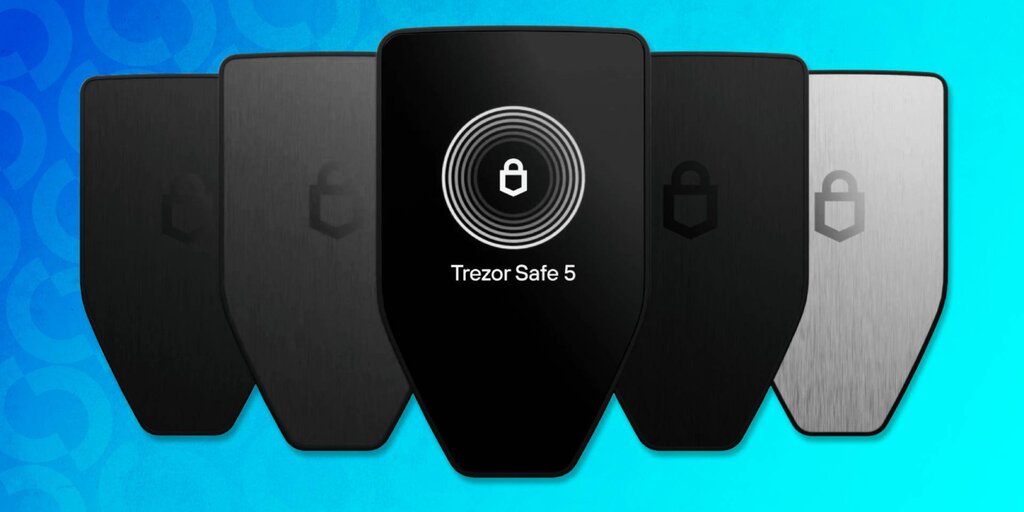 Trezor Warns CryptoBilis Buyers After Report of Hardware Implant in Safe 5
Trezor warned buyers of its wallets from reseller CryptoBilis (March 2026 onward) to move funds, after an Indonesian customer reported a hardware implant in a Safe 5 bought in August 2026. The report describes a board with a cellular module between mainboard and screen that reads the wallet backup and sends it over a mobile network. Trezor has not yet examined the device. It found no tampering in four other CryptoBilis units.
decrypt.coarticlePublished and added 30 Oct 2026 Binance Exploit: Latest Findings and Response
Chainalysis assesses the 29 October 2026 theft of about $6.4 billion from Binance hot wallets as the work of North Korean group TraderTraitor. Attribution rests on on-chain behavior, including real-time commingling with funds from the Bitget exploit, a Tornado Cash-funded operator wallet and signed authorizations that let a hot wallet run attacker code. About $2.8 billion was frozen. Laundering shows automation, with addresses receiving exactly 1 TRX before forwarding funds.
 chainalysis.comarticlePublished and added 30 Oct 2026
 Binance Finds 'Additional Points of Breach' in $6.3B Hack
Binance estimated the October 2026 security incident at about $6.3 billion and said it found "additional points of breach" beyond the compromised DevOps engineer laptop it first named. The attacker reached a service container and submitted unauthorized withdrawals, with no wallet private key leak found. Arkham counted $6.01 billion taken from hot wallets on nine chains; Tether and Circle froze about $1.8 billion in stablecoins. About $3 billion is frozen onchain; withdrawals stay suspended.
decrypt.coarticlePublished and added 30 Oct 2026 Binance links $6.3 billion crypto theft to compromised DevOps laptop
Binance linked the theft of about $6.3 billion in crypto to a compromised DevOps engineer's laptop, which let attackers reach a service container and submit unauthorized withdrawals. TRM Labs and Chainalysis attribute the 29 October 2026 attack to North Korea's TraderTraitor. About $2.7 billion was frozen, and the attackers hold about $2.4 billion. Binance has found no evidence of a leaked wallet private key.
bleepingcomputer.comarticlePublished and added 30 Oct 2026 Trezor hardware implant report: CryptoBilis buyers urged to move funds
Trezor advised everyone who bought wallets from reseller CryptoBilis since March 2026 to move funds to a new wallet with a new recovery phrase. An Indonesian customer reported a Safe 5 bought via Tokopedia in August 2026 with an extra board holding a cellular module that allegedly sends the wallet backup out. Trezor has not yet examined the device. Ledger separately confirmed tampering on CryptoBilis devices in October 2026.
en.cryptonomist.charticlePublished and added 30 Oct 2026 $6 Billion Binance Hack Bears Hallmarks of North Korea’s TraderTraitor
The Binance hack of 29 October 2026 drained about $6.36 billion across ten blockchains in roughly 20 minutes, according to TRM Labs. TRM attributes it with high confidence to North Korea's TraderTraitor, citing a mixer-funded operator wallet, pre-signed transactions and overlap with the Bybit and KelpDAO hacks. Binance's early findings point to a compromised DevOps engineer laptop. Stablecoin issuers froze about $2.7 billion.
 securityweek.comarticlePublished and added 30 Oct 2026
 Binance probes a suspected cryptocurrency breach: $6.3B affected, about $3B frozen
Binance disclosed a suspected security incident on 29 October 2026, estimating $6.3 billion affected and about $3 billion frozen. Binance's early finding is that a compromised DevOps engineer's laptop let an attacker reach a service container and submit unauthorized withdrawals, with no evidence of wallet private-key leakage. TRM Labs suspects TraderTraitor, the group tied to the February 2025 Bybit theft. Tether, Circle and Ripple froze funds.
en.cryptonomist.charticlePublished and added 30 Oct 2026- ERC draft: Independent Simulation Result for (STVA)
ERC draft "Independent Simulation Result" (STVA) defines a canonical, content-addressed SimulationResult structure that wallets, hardware devices or third-party verifiers can recompute from the same VerificationPayload and state snapshot. It specifies fields, a keccak256 or EIP-712 result hash, and Basic, Standard and Strict compliance tiers. The goal is to close UI/calldata mismatch attacks where a compromised frontend serves a false simulation. Open questions cover stateDiff encoding and prestate proofs.
ethereum-magicians.orgotherPublished and added 30 Oct 2026  Trail of Bits (@trailofbits) on X
Trail of Bits post on X summarising Binance's initial investigation into a security incident. Binance suggests a compromised DevOps engineer's laptop let an attacker reach a service container and submit unauthorized withdrawal transactions. The text says no evidence has been found of wallet private key compromise. The fetched text is truncated and gives no further detail.
 x.comthreadPublished and added 30 Oct 2026
 Binance Hacker Hunts for Exit Ramps as DeFi Exchanges Pause Markets
Decrypt reports on wallets linked to the suspected Binance hack (at least $5.5 billion drained, 29 October 2026) that swap freezable stablecoins for ETH via Uniswap and borrow 19,762 ETH on Aave. About 253,000 ETH (roughly $570 million) sits idle in two wallets. Tether, Circle and Ripple froze over $2 billion plus about $200 million RLUSD, and Aave and Kamino paused markets. Tornado Cash appears only as funding for the attack address.
decrypt.coarticlePublished and added 29 Oct 2026 Binance probes potential $5.8 billion crypto-theft hack
Binance is investigating a possible breach involving up to $5.8 billion in assets, which would exceed the $1.5 billion Bybit theft of February 2025. Tether froze over $1.567 billion in USDT and Circle over $800 million in USDC. Arkham tracks 55 addresses labelled "binance-hacker-1029" holding about $5.78 billion, but that is wallet holdings, not a confirmed theft amount. The cause is not yet known.
bleepingcomputer.comarticleAdded 30 Oct 2026, published 29 Oct 2026- Binance Drained of $5.5 Billion in Suspected Hack, Tether and Circle Freeze $1.8 Billion
Decrypt reports that at least $5.57 billion left Binance-linked hot wallets on Ethereum, Bitcoin and Tron on 29 October 2026, which would be the largest crypto hack on record. On-chain analysts point to an EIP-7702 delegation, installed from a Tornado Cash-funded address minutes before the first sweep. Tether and Circle froze about $1.8 billion. Binance has not confirmed the hack, and how the attacker obtained the signature is unknown.
decrypt.coarticlePublished and added 29 Oct 2026  Rekt - SingularityNET - Rekt
SingularityNET exploit (19 September 2026): attackers with signing authority exposed through a cloud infrastructure breach drained 8.72M FET from the Ethereum bridge converter, then minted about 2.3 billion AGIX, NTX, WMTX and CGV. Rekt's transaction-level reconstruction puts gross liquid proceeds near $2.29M, not the $16.77M headline, and traces laundering via Chainflip, Baltex and THORChain. It notes conversionIn() skipped checkLimits() and trusted a single EOA signature.
 rekt.newswriteupAdded 29 Oct 2026
 Rekt - Duelbits - Rekt
Duelbits is a crypto casino that lost an estimated $6.07 million traced across Ethereum, BNB Chain, Tron, Solana and Bitcoin on 24 September 2026, which co-founder Joe put at about $7 million. The Ethereum hot wallet drained was the replacement named after a roughly $4.6 million theft in February 2024. Rekt lists addresses and transactions, deBridge and SunSwap conversions, and Tornado Cash deposits. Duelbits has not published a root cause.
rekt.newswriteupAdded 29 Oct 2026 Rekt - NEAR Intents - Rekt
Rekt News analysis of the 30 September to 1 October 2026 theft of 3.865 million USDT from the NEAR Intents HOT Bridge treasury on BNB Chain, paid out in five signed withdrawals after a 10 USDT deposit. It uses Bitquery's trace of laundering via Chainflip, THORChain, KuCoin and Hyperliquid, and a NEAR regression test showing an oversized refund log made mt_resolve_deposit fail. NEAR said the funds were returned but published no report.
rekt.newsarticleAdded 29 Oct 2026 Rekt - Initia - Rekt
Rekt News post-mortem of the 23 October 2026 Initia exploit. A MoveVM script-caching bug let an attacker credit unbacked WETH, iUSD, AUSD0 and USDC without raising total supply, and bridges paid out about $2.73 million (1.4 million AUSD, 105 ETH, 1.08 million USDC). It includes 0xCanzi's local replay of a stale cached verification, the on-chain laundering timeline, and the Foundation's backing-restoration pledge.
rekt.newsarticleAdded 29 Oct 2026- Treasury Sanctions 11 Over North Korean IT Worker Scheme That Moved Millions in Crypto
Decrypt reports that OFAC sanctioned 10 individuals and one entity on 28 October 2026 over North Korean IT worker schemes. Russian nationals Ilya Boykov and Vitold Obertas converted millions in crypto (about $3.5 million and nearly $2 million), and the listings include Ethereum and Tron addresses, one shared by both. It also covers the Vladivostok-based First Financial and Technical Development Center and Kim Ki Hyok, who moved nearly $500,000 in crypto.
decrypt.coarticlePublished and added 29 Oct 2026  Treasury Sanctions Russians, North Koreans supporting DPRK IT Worker Fraud
Chainalysis analysis of the 28 October 2026 OFAC designation of 10 individuals and one entity (FFTDC) supporting DPRK IT worker schemes. It traces on-chain flows from a DPRK developer wallet through sanctioned consolidation addresses to Russian converters Obertas and Boykov, then to Garantex. It also covers Alis, Amnokgang and Chinyong links and DPRK use of generative AI and deepfakes in hiring.
chainalysis.comarticlePublished and added 28 Oct 2026- Secure Transaction Verification and Authorization (STVA)
Secure Transaction Verification and Authorization (STVA) is a draft Standards Track ERC (created October 2026) by @MATOBOYCRYPTO65. It proposes structured human-readable metadata and semantic intent for transactions and UserOperations, an independent simulation and verification interface, and scoped, revocable capability tokens for privileged operations. It targets blind signing and frontend supply-chain attacks, citing the February 2025 Bybit Safe multisig theft. The page gives only the abstract, motivation and core concepts.
ethresear.chpaperPublished and added 28 Oct 2026  Malicious Firefox Extensions Impersonate Phantom, Jupiter, and Bitget to Steal Wallet Secrets
Socket analysis of three malicious Firefox add-ons impersonating Phantom, Jupiter and Bitget wallets, using Unicode homoglyph names. They steal seed phrases and private keys and send them to brand-named subdomains of bonto[.]io. The Phantom fake adds a runtime loader that fetches and evals a second stage, and bundles a drainer backend with Telegram forwarding. Includes IOCs, hashes and wallet addresses.
 socket.devwriteupPublished and added 27 Oct 2026
 Ethereum fixes Glamsterdam bug that could have sent staking deposits to builders
Glamsterdam deposit bug: Ethereum developers merged a consensus-spec fix on 26 October 2026 for a flaw in the upcoming upgrade. An operator could register as a builder under a public key, then a staking service's validator deposit under the same key would be credited to the builder, so no validator is created and funds are unrecoverable. Pending deposits are now sorted by withdrawal credentials. No losses were reported, and client teams still have to implement the change.
 coindesk.comarticlePublished and added 27 Oct 2026
 Bitcoin Wallet Fixes Critical Flaw That Redirected Funds to Attackers
Electrum 4.8.3, released 24 October 2026, fixes a high-severity flaw in the Bitcoin wallet. Rogue servers could suppress a real payment and inject a fake unconfirmed transaction paying an attacker, so a user's fee-bump became the first transaction broadcast. The fix verifies signatures on wallet-owned inputs, but incoming transactions from external senders stay unverified. One user lost funds on 18 October.
decrypt.coarticlePublished and added 26 Oct 2026- Lean verification of EIP-7002: system-call success and FIFO requests
Lean 4 proofs about the 504-byte EIP-7002 withdrawal-request contract on Ethereum, checked against the Jaune EVM semantics for Prague, Osaka, BPO1 and BPO2. The end-of-block system call always succeeds, using at most 210,000 gas. Requests leave in FIFO order. The post also gives counterexamples: code at the system address drains the queue, and the bytecode's 256-bit fee can undercut the EIP's fee.
ethresear.chwriteupPublished and added 26 Oct 2026  Bitcoin wallet bug let rogue servers steal funds when users tried to speed up payments
Electrum, a Bitcoin software wallet, disclosed on 24 October 2026 a flaw where malicious servers swapped pending transactions for fake ones with invalid signatures that the wallet did not check. When users chose Replace-by-Fee to raise the fee, Electrum signed a valid replacement paying the attacker, and at least one user lost funds. Version 4.8.3 adds signature checks; users of only trusted or self-run servers were not exposed.
coindesk.comarticlePublished and added 26 Oct 2026- A hash-only rollup: OP Stack L2 accounts as Lamport-style hash chains, no ECDSA inside the L2
Hash-only rollup: an OP Stack L2 (chain ID 42069000, live since 30 September 2026) where accounts are keccak-256 hash chains and transactions carry no signatures. Spending uses a commit-reveal step through two new transaction types in op-geth. The post describes a flaw the authors found: unauthenticated commits could be overwritten, which allowed preimage front-running. It was fixed with a first-commit-wins rule on 21 October 2026. It lists the remaining limits: L1 ECDSA, no fault proofs, a centralized sequencer, 160-bit addresses and wallet desync.
ethresear.charticlePublished and added 24 Oct 2026  Electrum wallet security flaw is fixed after a user loses money in fee attack
Electrum 4.8.3, released 24 October 2026, fixes a flaw where a malicious server replaces a user's unconfirmed payment with a conflicting transaction carrying invalid signatures. If the user then bumps the fee with replace-by-fee, the wallet signs a payment to the attacker. One of two reporting users lost funds, and the patch now checks input signatures before accepting such transactions. Bull Bitcoin is adding the same client-side check.
en.cryptonomist.charticlePublished and added 24 Oct 2026 Bitget hacker fund movements top $78.01 million in transfers to new addresses
Bitget breach tracking report: Arkham recorded $19.48 million moved in 52 transfers between 21 and 24 October 2026, and $78.01 million to new addresses from 15 to 23 October. About $242.54 million remains in labeled holdings. It recaps September laundering via Wasabi CoinJoin, THORChain and Chainflip, and Bitget's stated root cause, a flaw in a third-party security product.
en.cryptonomist.charticlePublished and added 24 Oct 2026 Ethereum’s Glamsterdam delay puts Hoodi testnet upgrade on hold over gas risks
Ethereum developers postponed the Glamsterdam upgrade on the Hoodi testnet, set for 26 October 2026, after ChainSecurity found that EIP-8037 and EIP-8038 gas changes can break contract defenses against insufficient gas griefing. ChainSecurity identified 13 real-world contracts where a failed call that should stay retryable could now be recorded permanently. It is disclosing to affected projects, and Hoodi node operators must use client releases that remove the scheduled fork.
en.cryptonomist.charticlePublished and added 24 Oct 2026 Ethereum Devs Postpone Glamsterdam on Hoodi Over Contract Security Risks
Ethereum core developers postponed Glamsterdam on the Hoodi testnet on 22 October 2026, four days before the 26 October activation. ChainSecurity research showed EIP-8037 and EIP-8038 gas repricing can let a contract's failure path succeed where it used to revert, for example a fresh storage write costing 110,020 gas instead of 22,100. This enables "insufficient gas griefing", and ChainSecurity found 13 real-world cases.
bankless.comarticlePublished and added 23 Oct 2026 Ethereum Delays Glamsterdam Testnet Fork Over Gas Security Flaws
Ethereum developers postponed the Glamsterdam hard fork on the Hoodi testnet (due 26 October 2026) after auditor ChainSecurity reported that the gas changes in EIP-8037 and EIP-8038 break assumptions in existing contracts. Gas can be refilled after a failed call and repricing alters call costs, so failure paths that used to revert can now complete, undermining insufficient gas griefing protections. ChainSecurity found 13 real-world examples and is in responsible disclosure.
decrypt.coarticlePublished and added 23 Oct 2026- Ethereum delays Glamsterdam test after security devs flag risk to existing contracts
Ethereum developers cancelled the Glamsterdam activation on the Hoodi testnet, planned for 26 October 2026, after ChainSecurity's 13 October analysis of EIP-8037 and EIP-8038. The gas-accounting changes can restore gas after a reverted state change, letting contracts finish failure-handling code that used to run out of gas. In the other direction, a new storage slot could cost 110,020 gas instead of 22,100. No production protocol is shown to be exploitable.
coindesk.comarticlePublished and added 23 Oct 2026  Crypto exchange CoinDCX ‘lying’ about $16M hack, say blockchain investigators
Protos reports that on-chain investigators, including Darcy of Salus, ZachXBT and SpecterAnalyst, say CoinDCX misattributed about $16M in outflows from compromised wallets. CoinDCX says the addresses were created in January 2025, compromised in July 2025, and that a sweeping process failed. Investigators cite gas distribution, hot wallet transfers as late as May 2026, and funds sent to Huione and Xinbi addresses.
protos.comarticlePublished and added 22 Oct 2026 Coinbase's Plan for a Quantum-Safe Bitcoin
Bankless summary of Coinbase's October 2026 proposal for making Bitcoin quantum-safe. It covers upgradeable address designs (BIP-360 P2MR, P2TRv2, hybrid addresses), four candidate signatures (ML-DSA, SLH-DSA, FN-DSA, SHRINCS) with size and stateful-key-reuse trade-offs, a five-stage migration plan, and a separate track for dormant coins with exposed public keys such as Satoshi's.
bankless.comarticlePublished and added 21 Oct 2026 Cryptocurrency: Security Analysis of Hardware Crypto Wallets
Hackers Arise article on the October 2026 attack in which Ledger Nano X devices sold by the reseller CryptoBilis carried a hidden circuit board that taps the SPI bus to the screen, rebuilds the 24-word recovery phrase and sends it out over LTE. Losses are estimated at $86 million to over $100 million. The device still passes Genuine Check. It lists safe purchasing, checking and recovery steps, plus BIP-39 passphrase and multisig advice.
 hackers-arise.comarticlePublished and added 21 Oct 2026
 PQ-Vault: Provably Quantum-Safe Asset Custody for Unmodified Ethereum
PQ-Vault is a custody design for unmodified Ethereum against quantum key recovery. It combines a quantum-safe vault contract, a proof-of-stake sidechain with compact certificates, and an optimistic dispute protocol. The paper proves that compact certificates with classically chosen parameters fall from 128 to about 60 bits against quantum attackers, and bounds a seed-update stake-steering attack. For 65,536 validators a certificate is 0.8 MB and verifies in about 20 ms, and the vault accepts a checkpoint for about 420,000 gas.
 arxiv.orgpaperAdded 24 Oct 2026, published 21 Oct 2026
 Wallet Linked to Drift Exploit Sends $61 Million in Ethereum to Tornado Cash
Wallets tied to the April 1, 2026 Drift Protocol exploit ($295.7 million, Solana) deposited 25,700 ETH (about $61.56 million) into Tornado Cash over two hours, in 100 ETH and 10 ETH batches matching the mixer's fixed pools. Arkham tracks 71 attacker addresses still holding 81,454 ETH. Mandiant attributed the attack to North Korean group UNC6862, and Drift's DFX recovery pool paid early claims about a penny per dollar.
decrypt.coarticlePublished and added 20 Oct 2026 Stolen Ethereum laundering resumes as 25,700 ETH flow into Tornado Cash mixer
Report on wallets linked to the April 2026 Drift Protocol hack resuming laundering on 20 October 2026. Lookonchain counted 25,700 ETH (about $61.56 million) sent to Tornado Cash in 100 ETH batches, with 81,864 ETH still held. It recaps the six-month fake-VC social engineering, Cursor and VSCode compromise of Security Council devices, and TRM Labs and Chainalysis attribution to DPRK's UNC4736.
en.cryptonomist.charticlePublished and added 20 Oct 2026 ZachXBT Flags $20M XMR Laundering Ring on Hyperliquid
FreedomXMR (FXMR) is a centralized Monero swap service on Hyperliquid Core that appeared in August 2026. ZachXBT's manual review of every inflow above $10K traced over $20M, more than 87% of volume, to ransomware, malware and exploits including DCENT Wallet, Fetch.ai, Axelar and Gamdom. The admin sources XMR liquidity from KuCoin and won the FXMR ticker in an auction for 518.28 HYPE.
bankless.comarticlePublished and added 20 Oct 2026- Trail of Bits (@trailofbits) on X
Trail of Bits thread on Google Quantum AI's March publication of a new Shor's algorithm version aimed at secp256k1, the curve protecting Bitcoin and Ethereum wallets. Google used zero-knowledge proofs to keep the attack details secret, and the post says the secrecy lasted 63 days. The fetched text is cut off after the qubit estimate of roughly 1,200, so later details are missing.
x.comthreadAdded 22 Oct 2026, published 20 Oct 2026 - Pre-ERC: Adoption Profile and Reference Kernel for EOAs Adopting Code via SETCODEFROM
Pre-ERC proposal for EOAs that adopt account code via EIP-8298 SETCODEFROM, which with EIP-8151 retires the secp256k1 key. It lists seven failure modes (FM1-FM7), such as self-recovery lockout, ERC-1271 passing while VERIFY fails, front-runnable initialization and a mutable code source. It proposes requirements R1-R8, a MigrationCheck guard with two routes, and a reference kernel with post-quantum ERC-7913 verifiers.
ethereum-magicians.orgthreadPublished and added 20 Oct 2026  SlowMist Says Qubic Wallet Keys Could Be Recovered From Six Network Samples
SlowMist says Qubic wallet private keys could be recovered from six samples observed on the network. Qubic patch 4.26.4 separates new account seeds from the exposed random stream, but leaves header generation unchanged. The page text holds only the headline and subhead, so the attack mechanics, affected versions and any CVE are not stated.
thedefiant.ioarticlePublished and added 20 Oct 2026- Explained: The Ledger Supply Chain Incident (October 2026)
The Ledger supply chain incident of October 2026: on-chain analysis estimates $93 million was stolen after devices sold by the reseller CryptoBilis carried an implant with an eSIM. The implant watched the screen during setup, captured the 24-word recovery phrase and sent it over LTE, without touching the Secure Element. Tether froze about $10 million USDT. Reports from Changi Airport and MediaMarkt stores remain unconfirmed.
 halborn.comarticleAdded 20 Oct 2026
- Faster, Aggregatable and Quantum Safe Privacy Pools
Ethresear.ch post porting Tornado Cash to Flock, a post-quantum binary-field SNARK, proving a depth-32 SHA-256 withdrawal in about 19.5 ms (203.6 KiB proof), with recursive aggregation at about 0.68 s per withdrawal. It also proposes a ZIP 2005-inspired recovery protocol: wallets derive note secrets from a seed, the pool freezes on a discrete-log break, and users withdraw through a post-quantum verifier. Security is argued under an epoch assumption, with Grover-bounded pre-image attacks.
ethresear.charticlePublished and added 19 Oct 2026 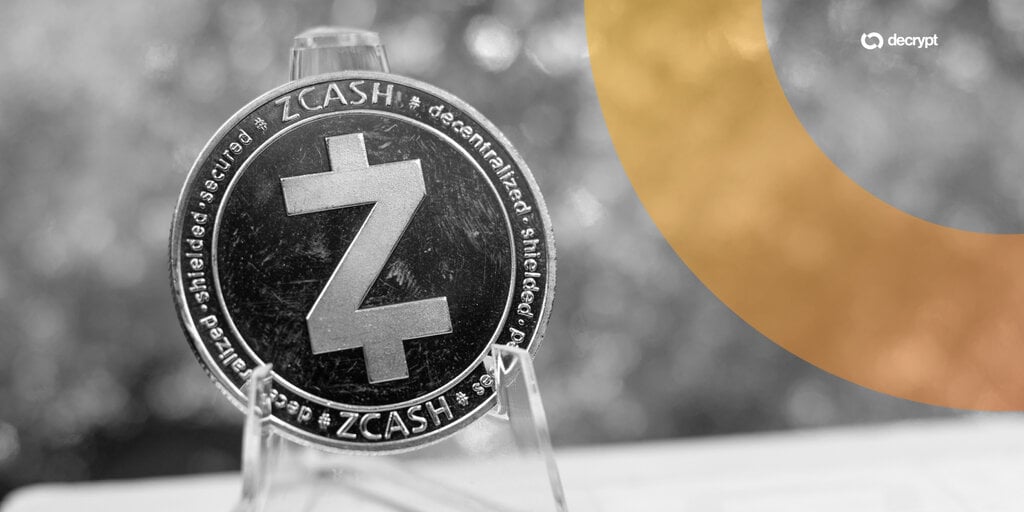 Zcash Developer Zakura Proposes Fix to Stop Quantum Computers Linking Shielded Swaps
Zakura, a Zcash full node developer, proposed one-time incoming viewing keys so a future quantum computer running Shor's algorithm cannot link a user's shielded payments. The target is NEAR Intents swaps, which post a shielded refund address on a public chain. The fix needs no network upgrade and uses private information retrieval for seed restores. Wallets such as Vizor can add it within weeks.
decrypt.coarticlePublished and added 19 Oct 2026 Zcash developers plan a fix to keep ZEC swaps private from future quantum computers
Zakura, a newer version of the Zcash node software, plans to give each ZEC swap through NEAR Intents its own viewing key. Today a refund address posted on NEAR's public chain shares one viewing key with the whole account, so a future quantum attacker running Shor's algorithm could link the account's full payment history. Spending keys stay with the user, and private information retrieval lets wallets find refunds without revealing which addresses they check. Wallets such as Vizor could ship it within weeks.
coindesk.comarticlePublished and added 19 Oct 2026 Bitcoin News (@BitcoinNewsCom) on X
Mark Karpelès, former Mt. Gox CEO, says he is building a low-cost device to detect hidden LTE antenna spy implants in hardware wallets such as Ledger without opening them. It emits weak radio waves and measures resonance frequencies. He plans to publish the PCB designs and specs; the project is at concept stage with a prototype expected within weeks. A linked YouTube video is not covered in the text.
x.comthreadAdded 20 Oct 2026, published 18 Oct 2026 Satoshi-era bitcoin faces a bigger quantum threat after Google’s new Willow breakthrough
CoinDesk reports Google's Science paper showing its Willow chip prepares "magic states" with about 40x fewer errors (about 99.99% fidelity, but only about 8% of attempts survive post-selection) using a method called cultivation. It explains why this lowers one hardware bottleneck for a Shor's-algorithm attack on Bitcoin's ECDSA keys, but does not make an attack 40x cheaper. It also separates coins with permanently exposed public keys (early Satoshi-era outputs, which an offline attacker can target) from hash-hidden keys, where the attacker must race the spend. The article cites Google's March estimate of under 500,000 physical qubits and about 500,000 reliable magic states per second for a roughly nine-minute attack.
coindesk.comarticlePublished and added 17 Oct 2026 Factory Sealed – Rekt (Ledger/CryptoBilis hardware implant drains)
Rekt write-up on LTE-equipped hardware implants found in Ledger Nano X and Flex wallets sold through resellers such as CryptoBilis and MediaMarkt. The implants read the recovery phrase off the screen during setup and exfiltrate it over an eSIM/LTE modem, so Ledger's Genuine Check and Secure Element never detect them. It covers the teardown timeline (Joe Grand, Mark Karpelès, a Japan-based researcher), the 47-minute multi-chain drain (Bitquery estimates about $102M across 324 wallets, unverified by Ledger), the laundering path via USDD, THORChain, Tornado Cash and Zcash, the CryptoBilis ownership change, and the failure of "authorized reseller" trust.
rekt.newswriteupAdded 17 Oct 2026 Weekly Research Brief: Ledger’s $91M Theft, Papertrade
Galaxy Research's weekly brief leads with the roughly $91M theft from Ledger devices sold via the reseller CryptoBilis. A hidden hardware implant read the 24-word recovery phrase off the screen during setup and sent it over LTE through an eSIM, leaving the Secure Element untouched so Genuine Check still passed. Galaxy's onchain tally covers 474 victim addresses, 88% of the value moved in one hour on Oct. 9, and about $56.6M was still parked as of Oct. 15, with Tornado Cash use and a $10M Tether freeze. It places the theft alongside the Coldcard weak-seed, Liquid peg-out and Bitget compromises, and ends with buyer and custody advice. The Papertrade and OCC debanking sections are unrelated to security.
galaxy.comarticleAdded 16 Oct 2026 Inside the $91M Ledger Reseller Wallet Theft
Galaxy Research newsletter piece on the roughly $91M theft from buyers of Ledger hardware wallets sold by the reseller CryptoBilis. A hidden component reads the 24-word recovery phrase off the screen during setup and sends it over LTE via an eSIM. The Secure Element and Genuine Check are untouched, so the check passes on tampered units. It traces the drain across 474 victim addresses on Bitcoin, Ethereum and TRON, including 88% of the value moving in one hour on Oct. 9, and the laundering and freezes (Tornado Cash, Tether). It also places the incident among the quarter's other custody and infrastructure failures (Coldcard weak seeds, Liquid, Bitget) and gives buying and operational guidance.
galaxy.comarticleAdded 16 Oct 2026 Karpelès Reports Ledger Implants in Devices From Two More Resellers
The Defiant reports that Mark Karpelès found hardware implants in Ledger devices bought from two more resellers. Ledger says its inspections of German stock found no tampering and that it has not verified a fund drain tied to a device bought outside Southeast Asia. Ledger's authenticity check cannot detect the added hardware, which shows the limit of attestation against reseller-channel tampering. The page text is only a teaser, so technical detail is limited.
thedefiant.ioarticlePublished and added 16 Oct 2026 Ledger Officially Responds to Hardware Wallet Attack
Ledger disclosed that an organized group bought genuine hardware wallets, implanted hidden components that capture the 24-word recovery phrase during setup and send it over cellular networks, then fed the devices back in through resellers in Southeast Asia. Onchain researchers estimate up to $93M stolen across 300+ wallets, a figure Ledger has not confirmed. Ledger asked regional resellers to suspend sales, found no tampering in samples it inspected, and added reseller rules (no shelf display, report suspicious units, no resale of returned devices). It says its chips, OS and servers were not compromised.
bankless.comarticlePublished and added 15 Oct 2026 Ledger’s Atom device adds tamper detection after a recovery-phrase breach
News report on a Southeast Asia supply-chain breach in which Ledger devices sold via resellers such as CryptoBilis were modified with hidden chips. The chips read 24-word recovery phrases from the screen signals during setup and sent them out over LTE. Tether froze $10M USDT tied to the theft, and Ledger suspended sales in several Asian markets. It also covers Ledger's Android-based Atom signer, which adds a protective enclosure, screen and back-cover removal sensors with their own battery, tamper-evident packaging, and website-only initial sales.
en.cryptonomist.charticlePublished and added 15 Oct 2026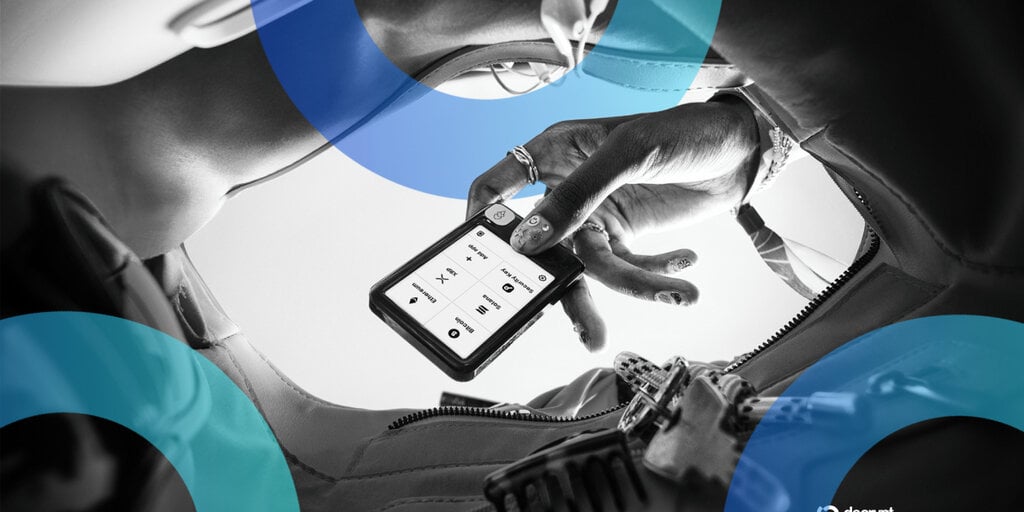 Ledger Asks Resellers in Seven Asian Markets to Pull Devices After Suspected $86M Drain
Ledger asked resellers and distributors in Indonesia, Singapore, Thailand, the Philippines, Vietnam, Malaysia and Hong Kong to pull its hardware wallets while it investigates devices fitted with a hidden implant. Its Donjon team found the implant reads the 24-word recovery phrase from the screen during setup and sends it out over LTE. All confirmed losses trace to devices sold through reseller CryptoBilis, and Specter has traced over $86M in suspected thefts, which Ledger has not verified. Ledger says its own infrastructure and direct channel show no compromise. MediaMarkt Saturn halted sales after a German customer reported an implant, and Trezor is ending reseller authorizations on January 1, 2027.
decrypt.coarticlePublished and added 14 Oct 2026- ERC-8443: Quantum Bridge Shield
Draft ERC from Quantova Inc proposing a "Quantum Bridge Shield" for Ethereum bridges. A committee signs the Merkle root of each message batch with RFC 8554 LMS hash-based signatures instead of ECDSA/BLS keys that Shor's algorithm can break. The guard contract requires a strict majority of distinct unfrozen keys, records used leaves, freezes any key that signs a leaf twice, binds digests to domain, chain, guard and epoch, and applies a 60-second delay. The post gives gas costs (LMS W4 height-10 verification about 205k gas, a LayerZero packet 128,683 gas, worst-case rotation 12.44M gas under the EIP-7825 cap) and cites a NioLabs assessment with no critical or high findings. It is relevant as a worked post-quantum migration design for bridge key custody, including hybrid ECDSA+LMS mode and stateful-signature pitfalls such as leaf reuse and rollback.
ethereum-magicians.orgarticlePublished and added 14 Oct 2026 - ERC: Quantum Bridge Shield
Draft ERC from Quantova Inc that has Ethereum bridges accept cross-chain message batches only when a committee signs the Merkle root with RFC 8554 LMS hash-based signatures. The guard contract requires a strict majority of distinct unfrozen keys, records used leaves, freezes any key that signs a leaf twice, binds digests to domain tag, chain ID, guard address and epoch, and enforces a 60-second delay. It reports gas benchmarks (about 205k per LMS W4 height-10 verify, 12.44M worst-case rotation under EIP-7825), a hybrid LMS+ECDSA migration mode, and a NioLabs assessment with no critical or high findings. It argues that Shor's algorithm makes secp256k1 and BLS committee keys a quantum theft target.
ethereum-magicians.orgpaperPublished and added 14 Oct 2026  Ledger Spyware Scare Spreads Across Asia and Europe
News roundup on hardware implants found in Ledger wallets sold through authorized resellers, starting with CryptoBilis in Southeast Asia and then Singapore, Japan and German MediaMarkt stores. The implants read the 24-word recovery phrase off the screen during setup and send it out over a hidden cellular link, while Ledger's secure chip stays untouched so the devices look genuine. Researchers describe three generations dating to 2025, each harder to detect. Suspected losses are put at $86M (Specter) to $103M (Yfarmx), and neither figure is verified by Ledger.
bankless.comarticlePublished and added 13 Oct 2026 Coinbase advances Bitcoin’s post-quantum readiness while holding about 5% of BTC
Summarizes Coinbase's blog post on preparing Bitcoin and custody infrastructure for post-quantum threats. It covers public-key exposure (an estimated 6.7–7M BTC behind already-exposed keys), BIP 360 (P2MR) and P2TRv2 outputs, 1-of-2 hybrid classical/post-quantum spending paths, and the state-reuse forgery risk of stateful signatures. It also covers candidate schemes (ML-DSA, SLH-DSA, FN-DSA, SHRINCS), MPC/HSM compatibility and side-channel tests, and separate handling of dormant, lost and exposed legacy funds.
en.cryptonomist.charticlePublished and added 13 Oct 2026- Ledger confirms hardware implant in CryptoBilis reseller units as MediaMarkt suspends sales in Europe
Ledger's Donjon team confirmed that Ledger signers sold by the reseller CryptoBilis contain an unauthorized implant. It captures the 24-word recovery phrase during setup and sends it over LTE using a provisioned eSIM. It does not touch the Secure Element, the OS, or transaction signing. Onchain researchers estimate losses above $86M, but Ledger says that figure is unverified. MediaMarkt Saturn halted European Ledger sales after a tampered unit was reported in Germany, and Trezor and OneKey tightened or revoked reseller authorizations. The case shows a reseller-channel tampering risk for hardware wallets.
theblock.coarticlePublished and added 13 Oct 2026  German Ledger reseller pauses sales following $86M draining incident
Protos reports that German retailer MediaMarkt pulled all Ledger products after teardowns of Ledger hardware wallets showed physical spyware implants, tied to an $86M drain of wallets bought from Malaysian reseller CryptoBilis. Ledger's investigation concluded the implant recorded the 24-word recovery phrase and sent it out over an attached eSIM. Mark Karpelès has helped identify implants in dismantled devices from MediaMarkt, LazMall (Philippines), CryptoBilis and Metapod (Singapore airport). Ledger has so far confirmed only the CryptoBilis devices and says it is reviewing reports of implants elsewhere.
protos.comarticlePublished and added 13 Oct 2026 Ledger hardware wallet breach exposes LTE implant stealing recovery phrases
Ledger's Donjon team confirmed on October 10, 2026 a physical implant inside a hardware wallet sold by Malaysia-based reseller CryptoBilis. The implant reads the device display, decodes the 24-word recovery phrase with a microcontroller, and exfiltrates it over LTE via a provisioned eSIM, leaving the Secure Element, OS, transactions and signatures untouched. Onchain investigator Specter traced over $86 million in suspected thefts across Ethereum, Tron and Bitcoin; Ledger advises CryptoBilis buyers to migrate funds to a new device with a new recovery phrase.
en.cryptonomist.charticlePublished and added 13 Oct 2026 Ledger Finds LTE Implant That Stole Recovery Phrases in Suspected $86M Drain
Ledger's Donjon security team confirmed an unauthorized hardware implant inside Ledger signers sold by Southeast Asian reseller CryptoBilis. The implant sits in the enclosure, reads the 24-word recovery phrase from the screen during setup, decodes it with a microcontroller, and exfiltrates it over LTE via a provisioned eSIM, without touching the Secure Element, OS, or signatures. Onchain investigator Specter traced over $86M in suspected thefts across Ethereum, Tron and Bitcoin; Ledger is reviewing reports of tampered devices elsewhere and advises affected buyers to move funds to a new device with a new seed.
decrypt.coarticlePublished and added 13 Oct 2026 $86 Million Crypto Heist Linked to Ledger Signer Hardware Implant
SecurityWeek reports that Ledger signers sold through the Southeast Asia reseller CryptoBilis had a hardware implant soldered onto the circuit board. The implant reads the screen during setup, decodes the 24-word recovery phrase with a microcontroller and sends it over LTE through a provisioned eSIM. Ledger says all confirmed losses trace to CryptoBilis devices and advises buyers from the last 90 days to move funds to a new signer with a new seed. On-chain investigator Specter puts losses at up to $86M, a figure Ledger has not confirmed.
securityweek.comarticlePublished and added 13 Oct 2026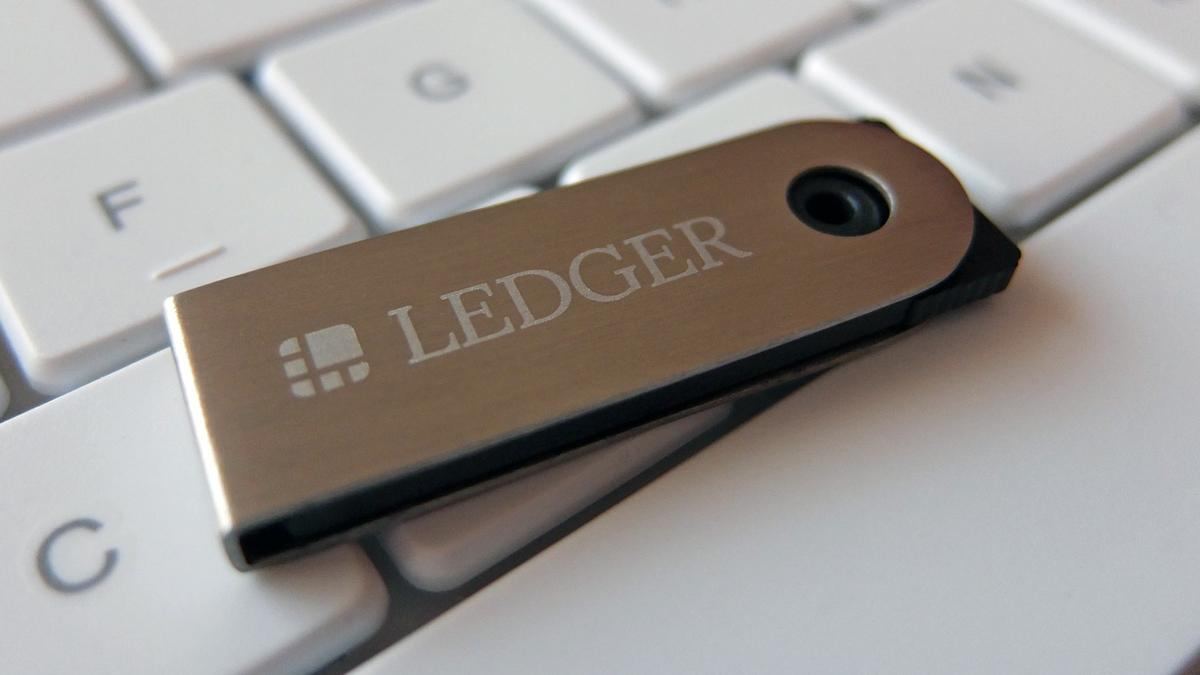 Ledger says 'spy' chip inside CryptoBilis Ledger devices transmitted wallet keys over mobile network
Ledger says some hardware wallets sold by the reseller CryptoBilis contained a covert implant inside the enclosure. Its microcontroller recognised the 24-word recovery phrase when it was displayed during setup and sent it to attackers over LTE using an eSIM. Ledger says its secure element, OS, transaction signing and internal systems were not compromised. Onchain researchers estimate up to $93.2M lost across more than 300 wallets, and Tether froze $10M of USDT. Ledger's guidance is not to initialize units bought from the reseller and to move funds to a new device with a fresh phrase if already used.
coindesk.comarticlePublished and added 13 Oct 2026 Ledger Says CryptoBilis-Sold Wallet Implants Transmit Recovery Phrases Over LTE
The Defiant reports Ledger's claim that hardware wallets sold by the reseller CryptoBilis carried added LTE-capable implants that transmit users' recovery phrases. Ledger says the implant leaves the secure chip and operating system untouched, and that its Genuine Check attestation cannot rule out this kind of tampering. It shows how reseller-channel hardware modification can defeat device attestation and compromise key custody. The fetched page held only the standfirst, so technical details such as the implant's design and how many devices were affected are not confirmed.
thedefiant.ioarticlePublished and added 13 Oct 2026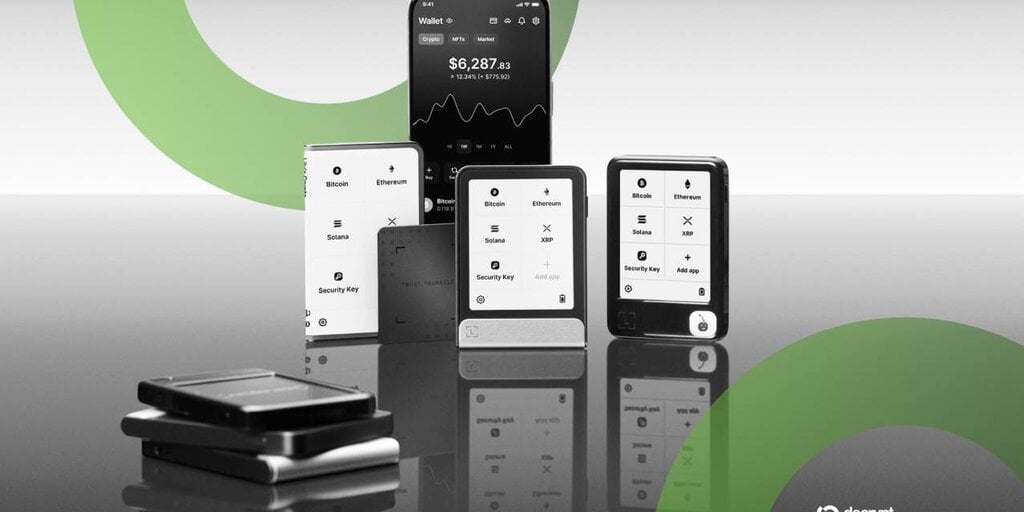 Ledger Says All Confirmed Cases in Suspected $87M Drain Tied to Reseller CryptoBilis
Decrypt reports Ledger's 72-hour update: all confirmed wallet-draining cases involve devices sold by Southeast Asian reseller CryptoBilis, which has stopped hardware wallet sales. Onchain investigators Specter and YFarmX traced over $86M in suspected thefts across Ethereum, Tron and Bitcoin. They describe laundering through Tornado Cash, Zcash's shielded pool and a USDT-to-USDD swap to avoid Tether freezes. An unverified claim of tampered devices (extra cables, LTE module) bought at European retail stores is also covered. Ledger advises CryptoBilis buyers not to set up devices and to move funds to a new seed phrase on a device bought from Ledger.
decrypt.coarticlePublished and added 12 Oct 2026 XRP Ledger’s Payment Engine Had a Counterfeiting Bug Hiding Since 2015
XRP Ledger maintainers disclosed a critical integer overflow in the payment engine, reported via bug bounty in September. A payment consuming hundreds of crafted order-book offers made the buyer's owed sum wrap around to a tiny value while sellers were paid in full, minting XRP. The built-in "no XRP created" invariant check used the same flawed arithmetic and missed it. The fix shipped in 3.4.1 on Sept. 25, bypassing the usual amendment vote and two-week wait for the first time, so the open-source patch would not expose a live exploit. No exploitation evidence was found.
decrypt.coarticlePublished and added 12 Oct 2026 Ledger spyware scare spreads beyond Southeast Asia
Protos reports additional alleged Ledger hardware wallets with physical spyware implants, found in devices from a German MediaMarkt reseller, a Philippine LazMall reseller and a Stax model bought from CryptoBilis. Mark Karpelès found that the implants read the device's screen output to capture seed phrases and evade Ledger's Genuine Check. The earlier CryptoBilis-linked incident of Oct 9 drained over $86M. Ledger told resellers to use only authorized channels and never restock returned units, and teardowns have also shown many devices to be clean.
protos.comarticlePublished and added 12 Oct 2026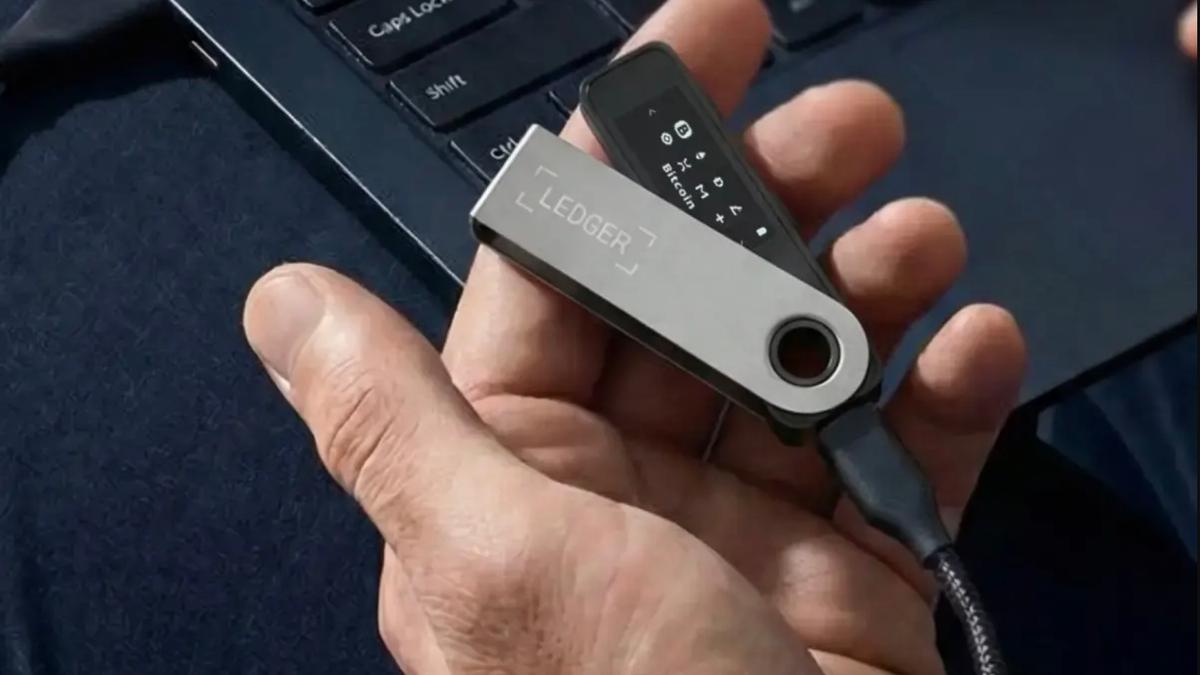 Ledger claims CryptoBilis cases are limited as up to $93M is traced, $10M frozen
CoinDesk reports that up to $93–94.5M in mostly USDT and TRON tokens was drained from 315–521 wallets across six or seven blockchains. The wallets were tied to Ledger hardware wallets sold by the authorized reseller CryptoBilis. Ledger confirmed an unauthorized hardware implant in at least one device but did not say how the devices were tampered with. Tether froze $10M, some funds moved through Tornado Cash and Zcash, and Ledger told affected users not to set up unused devices and to move funds to a new device with a fresh recovery phrase. The figures come from Bitquery and YFarmX onchain estimates, not a confirmed Ledger loss total.
coindesk.comarticlePublished and added 12 Oct 2026
Showing 90 of 220
Show more