 interconnects.aiarticle
6 months to live for open models
Nathan Lambert argues open-weight AI models face a real near-term threat of a US ban or licensing restriction, driven by White House executive-order discussions and a political campaign (led by Anthropic) over Chinese model distillation. He contends the distillation debate is largely regulatory capture, argues APIs aren't demonstrably more secure than open weights, and calls for a US company (Meta, Microsoft, or Reflection AI) to release a frontier-capable open model to defuse the "only China builds open models" framing before any ban solidifies in the next six months.
What it claims
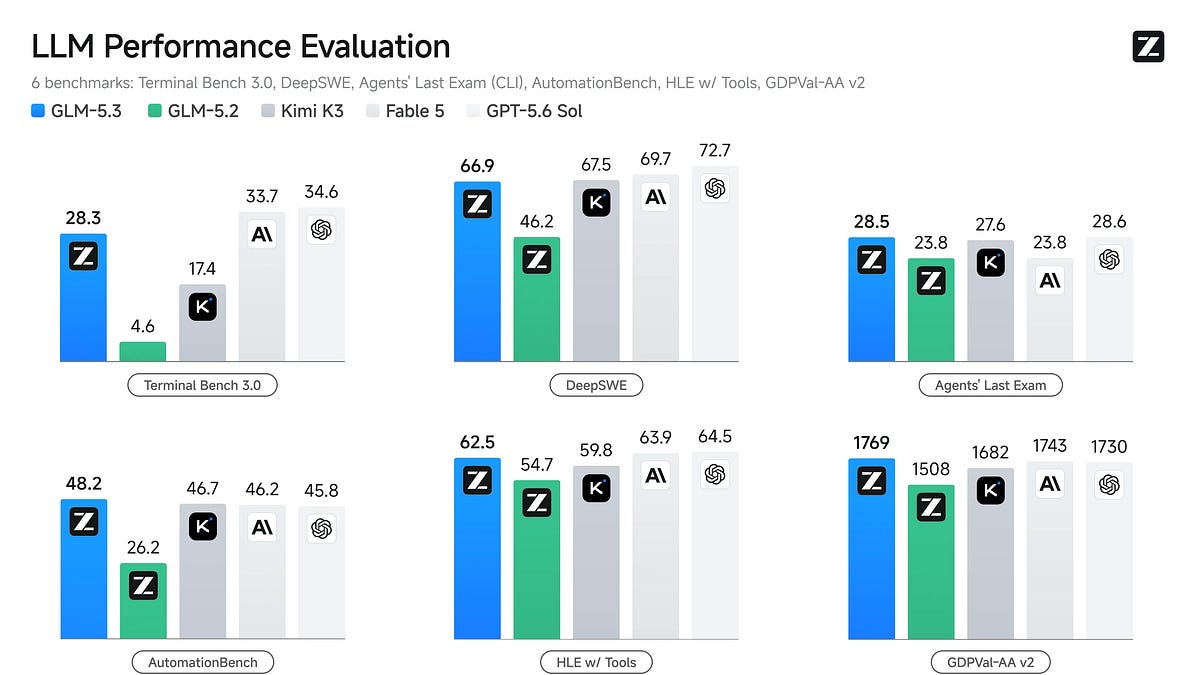
This is an opinion and policy essay, not a technical release. Lambert forecasts that the most likely US action is a ban or indefinite delay on open-weight models "meaningfully above" the capability level of GPT 5.5, Claude Opus 4.8, or GLM-5.2, arriving within about six months because of the steady open/closed capability gap. The trigger would be an open model reaching roughly the general capability of Anthropic's Claude Mythos and getting flagged by the "nascent White House AI model checker." The reported executive-order discussions have no official information behind them. Lambert expects them to cover a) Chinese-origin models and b) government uses only, but treats that as the first domino. He also predicts that once a government "right to review" threshold exists, it will rise more slowly for open models than for closed ones. He gives two reasons: closed models are easier to secure, and closed labs lobby more effectively.
Evidence
The page offers reported events and argument, not data:
- June 9th meeting on model licensing agreements, tied to the Fable and GPT-5.6 rollouts. According to a person familiar with the session, a Reflection AI representative argued that open models should get exemptions based on their capabilities. Reflection has not yet released a public model. DeepSeek and other Chinese open models hold a "substantial lead" among open models.
- API insecurity: Discord users gained unauthorized access to Mythos while it was still in its most limited private beta. Model APIs continue to be jailbroken. Lambert argues this spreads capabilities faster than fine-tuning a 1T+ parameter open model would.
- Unilateral-ban argument: a US-only ban leaves the weights available to bad actors abroad while restricting legitimate users. Lambert says only a global agreement could cap open-source progress, and no such agreement is close.
- Downstream exposure: a ban on Chinese open models would hit US inference providers, fine-tuning companies and products built on continued open-model improvement. Z.ai is cited as a public company under market pressure that shapes its risk behavior.
Lambert also proposes a near-term remedy besides a US frontier open release: a coalition of everyone outside the frontier labs lobbying for a safe rollout of open weights.
Limits
- This is advocacy from an author who says they will be doing policy-focused writing "until this passes."
- The executive-order details are unconfirmed, by the author's own account.
- The June 9th account comes from a single anonymous source.
- Lambert says they are "not a cybersecurity expert" when arguing that APIs are not more secure than open weights.
- The distillation-as-regulatory-capture claim is an interpretation of Anthropic's motives, not documented evidence.
For an engineer, the actionable part is the scoping. If you depend on Chinese-origin open weights near or above the GLM-5.2 tier, especially for government use, that dependency is the most exposed under these forecasts.
Organisations named here
- White House
- Reflection AI
- Anthropic
- Microsoft
- Meta
- Z.ai
- DeepSeek
- Ben Thompson
- Nathan Lambert
Technologies named here
- Fable
- GPT-5.6
- gpt-5.5
- Claude Opus 4.8
- GLM-5.2
- DeepSeek
- Claude Mythos
- Claude Mythos 5.1
- Claude Fable 5.1
Techniques named here
- Distillation
Related in ai-policy

 futureoflife.orgarticle
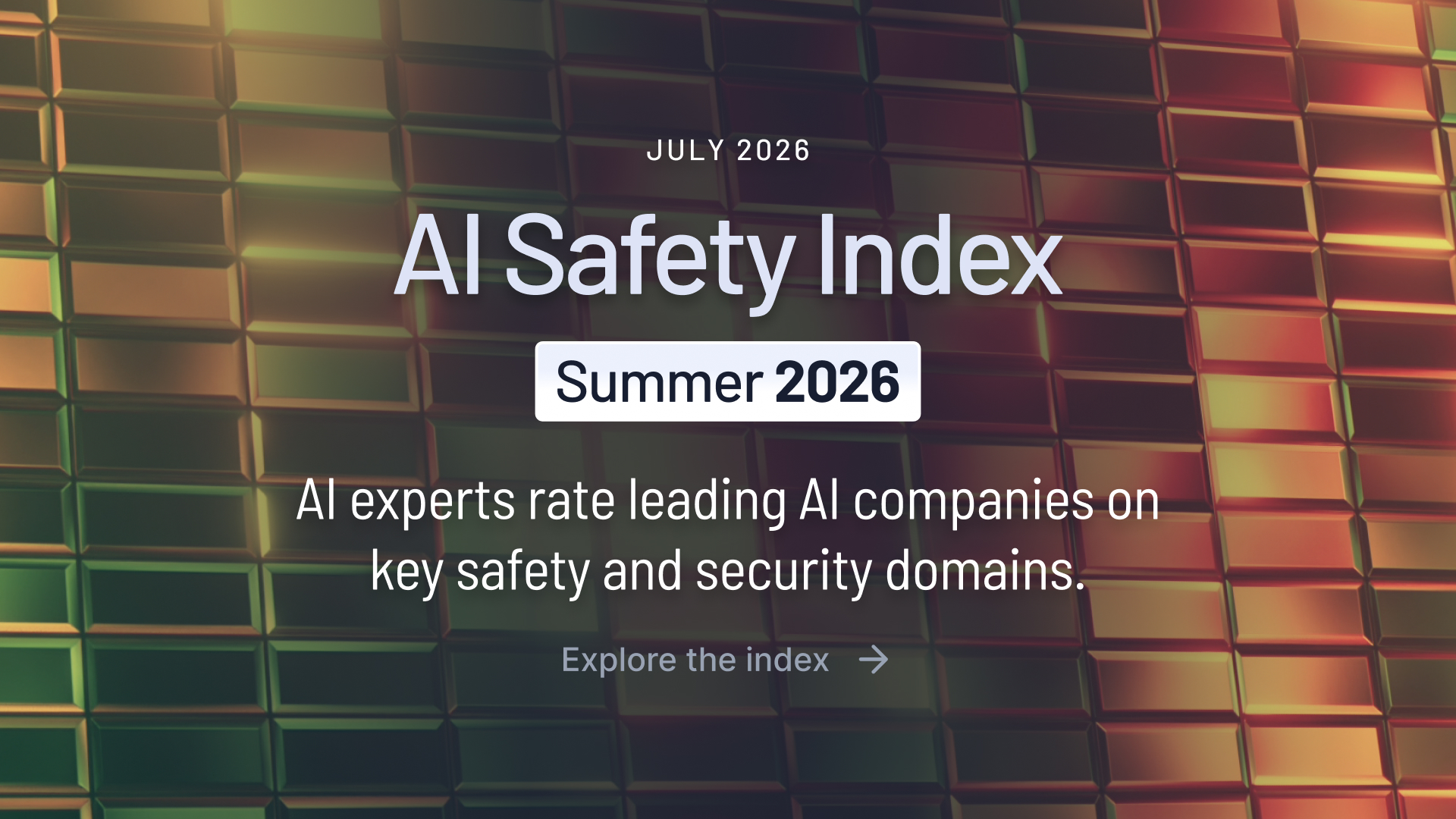
Future of Life Institute AI Safety Index — Summer 2026
 interconnects.aiarticle
Lessons from the hacks
 interconnects.aiarticle