 0xv1n.github.iowriteup
Reversing ELFs on TryHackMe: Crackme8
A TryHackMe 'crackme8' walkthrough that reverses a 32-bit ELF binary using GDB (with pwndbg) to bypass two comparison checks in main() and reach the giveFlag function. The author sets breakpoints, disassembles in Intel syntax, and patches the EAX register live (set $eax=3405705229) to satisfy a hidden magic-number check (0xcafef00d) after passing an argument-count gate, ultimately printing the flag.
What it is
A walkthrough of TryHackMe's Crackme8, a 32-bit ELF. The author uses GDB with pwndbg to read main()'s disassembly and recover the two conditions gating the giveFlag function.
How it works
Initial recon (strings, plus GDB's info variables / info functions) surfaces the giveFlag symbol and "granted/denied" strings but no plaintext flag. The logic is in main(), disassembled via disass main after set disassembly-flavor intel. Two instructions matter:
0x080484ae cmp DWORD PTR [eax],0x2— this checks the argument count, not an argument value.[eax]is argc; execution only falls through to the next gate when exactly one argument is supplied (argc == 2).0x080484e4 cmp eax,0xcafef00d— after that argument is passed throughatoi, the integer result must equal0xcafef00d, i.e. decimal 3405705229.
Both comparisons must succeed to reach giveFlag.
flowchart TD
    A[crackme8] --> B{argc == 2?<br/>cmp [eax],0x2}
    B -- no --> X[Exit / prints denied]
    B -- yes --> C{atoi arg == 0xcafef00d?}
    C -- no --> X
    C -- yes --> F[giveFlag]
What to do
The page's payoff is that the displayed Usage: ./crackme8 password is misleading. The program wants a single numeric argument whose value is 0xcafef00d:
./crackme8 3405705229(3405705229 is the decimal form of 0xcafef00d, the value compared at +73.)
Caveats
The fetched text is truncated mid-sentence in the "Counter-Intuitive inputs" section ("In order to do this from within GDB w…"), so the author's in-debugger method for supplying the argument and the final flag output are not captured here. The single-argument / argc==2 requirement and the target value are the actionable takeaways; the summary's phrasing ("argument value 2") conflates the first gate — it is an argument-count check, not a value of 2.
Techniques named here
- Static analysis / string extraction
- Dynamic analysis via disassembly
- Binary introspection commands
- Breakpoint-based control flow bypass
- Register value patching
Related in Malware & RE

 huntress.comwriteup
Reverse Engineering the Six Stages of MacSync Stealer and RAT
 huntress.comwriteup
Post-DEF CON Phishing Uses Malicious Google Doc to Deliver Malware
 huntress.comwriteup
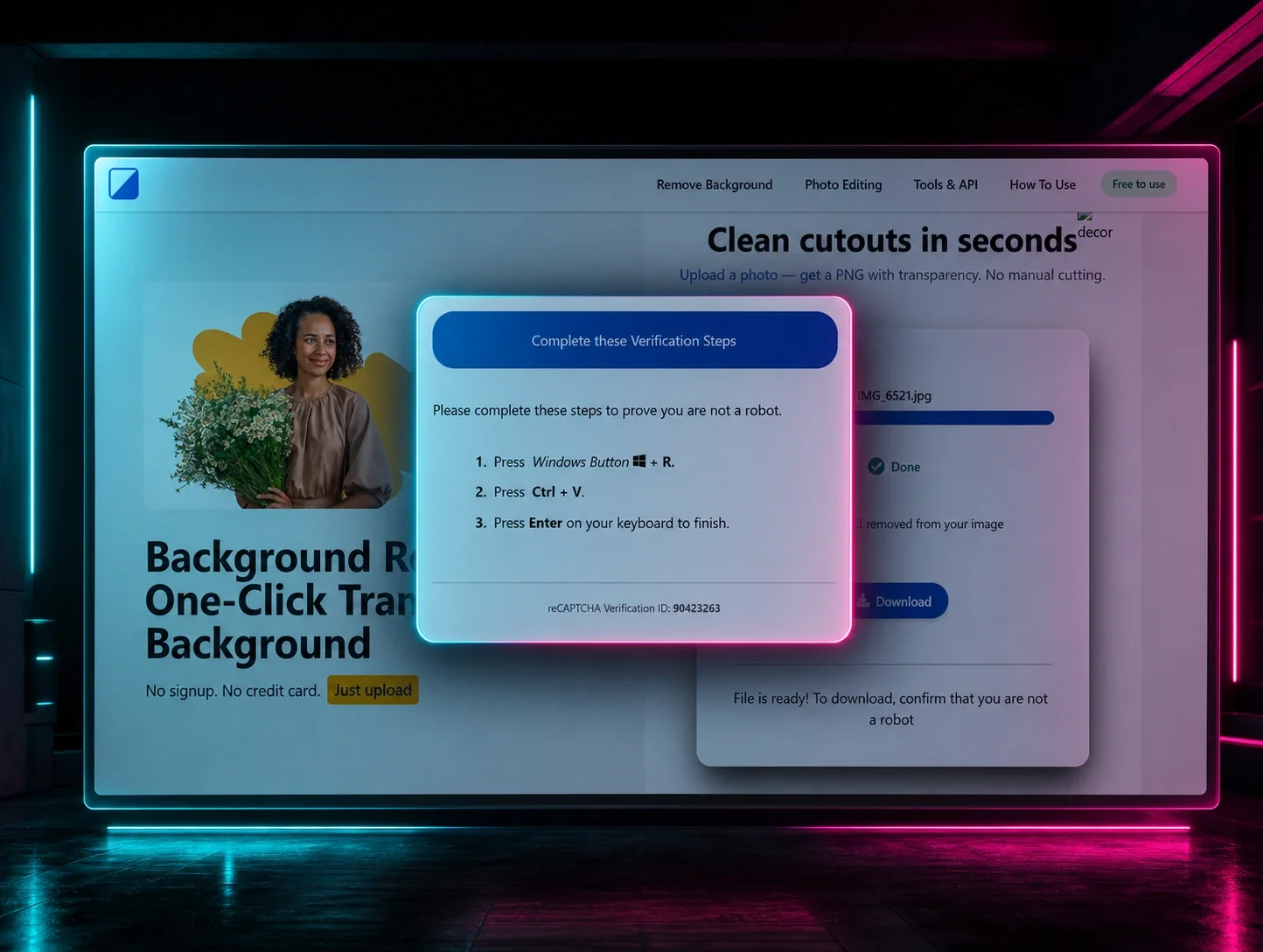
ClickFix Removes Your Background but Leaves the Malware

