 huntress.comwriteup
Up a Creek Without a Command Line: Mapping an Akira Ransomware Attack | Huntress
Huntress researchers reconstruct an Akira ransomware attack timeline using forensic artifacts collected after the Huntress agent was installed post-compromise, including Windows Registry Shellbags, Event Logs, and Akira ransomware log files. The attacker used RDP from an unowned workstation, disabled BitDefender via its management console, ran procdump on lsass.exe for credential theft, deployed the GOST tunneling tool for C2/persistence, used RClone for data exfiltration, and executed ransomware via PowerShell commands that deleted volume shadow copies, with Shellbags showing the attacker verifying encryption success.
What it is
A Huntress forensic case study of a single Akira ransomware intrusion, reconstructed entirely after the fact because the Huntress agent was installed post-compromise (so no live EDR process telemetry existed for the key stages). The value here isn't a new TTP — it's the forensic methodology for reconstructing ransomware activity from residual Windows artifacts when process-level logging was absent.
How it works
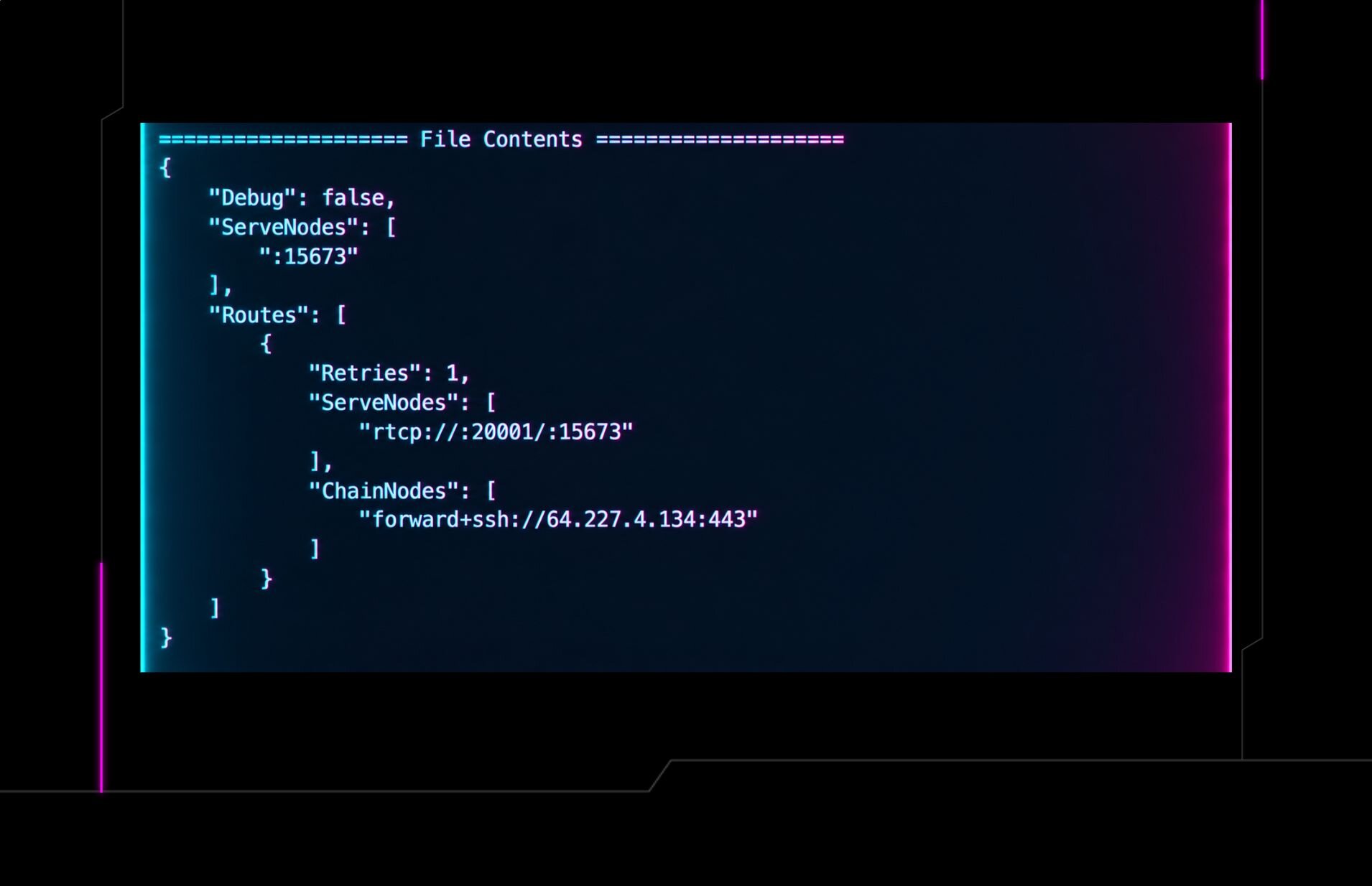
The attacker entered via RDP/Terminal Services from a workstation not owned by the victim organization, logged into the BitDefender management console, and stopped four BitDefender services (Update, Integration, Protected, Security) via that console — a GUI/console-based AV disablement rather than a command-line kill. Credential theft used procdump.exe run from C:\PerfLogs against lsass.exe. The GOST (Go Simple Tunnel) proxy tool was deployed roughly four hours after encryption began, launched as svchost.exe from C:\PerfLogs\Temp\ under the SYSTEM account, loading a malicious config.dll — a masquerade technique (legitimate process name, abnormal directory) that Huntress confirmed via VirusTotal hash lookup. RClone was then run from the same C:\PerfLogs folder for exfiltration.
The forensic reconstruction itself relied on "toolmark" artifacts since no process execution logs existed: Registry Shellbags showed folder-browsing behavior, PowerShell Event Logs captured the shadow-copy-deletion command, and Akira's own log files corroborated timing. The repeatable pattern Huntress found: ransomware launch → PowerShell shadow-copy deletion → Akira log file created → attacker checks the encrypted folder in Explorer (visible via Shellbags) to verify success — and this four-step sequence repeated three additional times across different folders.
Preconditions / Affected
Applies to environments where EDR/agent deployment occurs after initial compromise, limiting available telemetry to artifacts rather than live process data. Relevant to organizations exposing RDP and relying on BitDefender (or similar AV with a web/remote management console an attacker could reach once inside).
What to do
- The shadow-copy deletion command observed:
powershell.exe -Command Get-WmiObject Win32_Shadowcopy , Remove-WmiObject - Monitor
C:\PerfLogsspecifically — it hosted procdump, the GOST-loading svchost.exe/config.dll, and RClone in this incident — for new executables or file creation. - Restrict/monitor RDP access from unrecognized or unowned source workstations.
- Enforce MFA on any exposed remote access.
- Treat AV management console access/service-stop events (Service Control Manager event ID 7036 for AV services) as a high-priority alert.
- Maintain accurate asset inventory and reduce attack surface to narrow what needs monitoring.
flowchart LR
    A[RDP from unowned workstation] --> B[Access BitDefender console]
    B --> C[Stop AV services]
    C --> D[procdump lsass.exe]
    D --> E[GOST tunnel via fake svchost.exe]
    E --> F[RClone exfiltration]
    F --> G[Launch Akira: PS shadow-copy delete]
    G --> H[Verify encryption via Explorer]
    H -->|repeats x4| G
Caveats
Huntress explicitly notes the lack of EDR telemetry for initial access, earlier reconnaissance, and persistence means parts of the attack chain (e.g., exact initial access vector) remain unconfirmed — the timeline is inferred from artifact correlation (Shellbags, Event Logs, Akira logs), not direct process capture.
Technologies named here
- Windows
- Huntress agent
- Bitdefender Endpoint
- svchost.exe
- config.dll
- procdump.exe
- GOST
- RClone
- ngrok
- VirusTotal
- PowerShell
- EDR
- RDP
- Bitdefender
- Procdump
Techniques named here
- RDP/Terminal Services initial access
- Security tool tampering
- Credential Dumping
- Tunneling for persistence/C2
- Data exfiltration via cloud sync tool
- Shadow copy deletion
- Ransomware file encryption
- Forensic artifact analysis
Threat actors named here
- Akira
- UNC5330
Related in Threat Intel
 huntress.comwriteup
Reverse Engineering the Six Stages of MacSync Stealer and RAT
 huntress.comwriteup
AI-Coded Malware | Analyzing Vibe-Coded AD Enumeration | Huntress

 blog.talosintelligence.comtool
Introducing CAIRN: Frontier tracking for AI-integrated malware (Cisco Talos)
 huntress.comwriteup