 huntress.comarticle
Attackers Didn’t Wait for AI. They Built Workflows Around It.
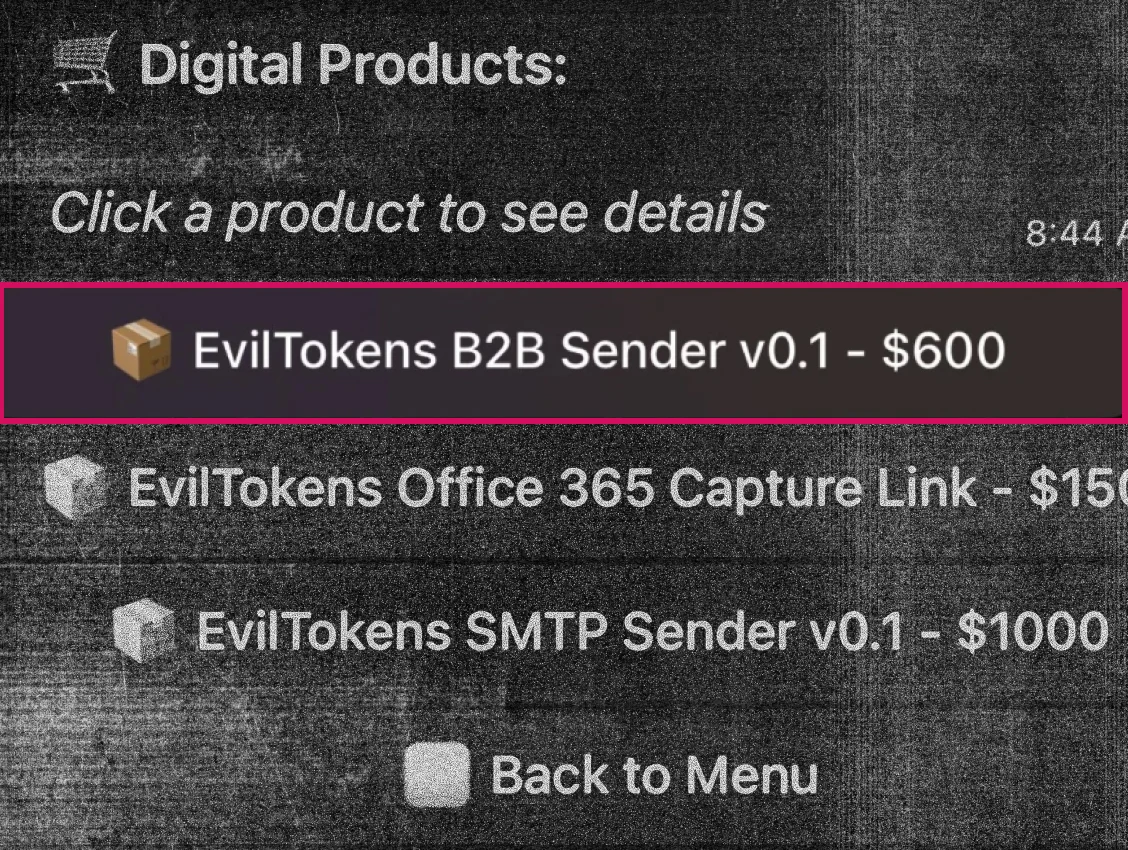
Huntress details three real-world patterns where attackers build workflows around AI adoption rather than attacking AI models themselves: SEO-poisoned/malvertised fake "Claude Code" downloads that deliver credential-stealing malware, an AMOS stealer campaign that spoofs ChatGPT/Grok-style answer pages to trick macOS users into running malicious Terminal commands (ClickFix-style), and the EvilTokens phishing-as-a-service platform, which used Railway infrastructure for on-demand session-token theft and AI-generated, role-tailored phishing lures that bypass email filtering. The piece argues AI isn't the weapon but the accelerant, making malicious activity blend into trusted, expected workflows.
Organisations named here
- ClickFix
- John Hammond
Technologies named here
- Railway
- macOS
- Claude Code
- ChatGPT
- Grok
Techniques named here
- Adversarial poetry prompt injection
- SEO poisoning / malvertising
- Fake AI-generated instructional pages
- AI-tailored phishing lure generation
- Session token theft / device code phishing
- AI-driven signal correlation for social engineering
Threat actors named here
- EvilTokens
- AMOS Stealer
Related in Threat Intel
 huntress.comwriteup
Reverse Engineering the Six Stages of MacSync Stealer and RAT
 huntress.comwriteup
AI-Coded Malware | Analyzing Vibe-Coded AD Enumeration | Huntress

 blog.talosintelligence.comtool
Introducing CAIRN: Frontier tracking for AI-integrated malware (Cisco Talos)
 huntress.comwriteup