 Trezor warns of suspected crypto-theft implant in hardware wallet
Trezor warns of a suspected crypto-theft implant in a Trezor Safe 5 sold by reseller CryptoBilis in Southeast Asia. An Indonesian buyer found an extra board with a cellular module and antenna between the main board and screen, apparently able to read the recovery phrase and send it over mobile networks. Trezor has not examined the device, advises moving funds to a new wallet for any CryptoBilis purchase since March 2026, and notes a similar Ledger implant was confirmed.
 bleepingcomputer.comarticlePublished and added 30 Oct 2026🛡️ Security
 Trezor hardware implant report: CryptoBilis buyers urged to move funds
Trezor advised everyone who bought wallets from reseller CryptoBilis since March 2026 to move funds to a new wallet with a new recovery phrase. An Indonesian customer reported a Safe 5 bought via Tokopedia in August 2026 with an extra board holding a cellular module that allegedly sends the wallet backup out. Trezor has not yet examined the device. Ledger separately confirmed tampering on CryptoBilis devices in October 2026.
 en.cryptonomist.charticlePublished and added 30 Oct 2026🛡️ Security
 Dayjob: Tax – evaluating AI agents on 50 professional tax assignments
DAYJOB: Tax is Surge AI's benchmark of 50 professional tax assignments across eight practice areas, with 1,789 workspace files such as returns, K-1s, ledgers and IRS notices. Claude Sonnet 5.5 leads at a 10.8% pass rate (pass@1, 95% rubric threshold), ahead of Claude Fable 5.1 (9.6%) and Claude Opus 5.5 (9.2%). Case studies show agents missing deadlines and unverified marital-status assumptions.
 surgehq.aiarticleAdded 29 Oct 2026, published 28 Oct 2026🧠 AI
 Cryptocurrency: Security Analysis of Hardware Crypto Wallets
Hackers Arise article on the October 2026 attack in which Ledger Nano X devices sold by the reseller CryptoBilis carried a hidden circuit board that taps the SPI bus to the screen, rebuilds the 24-word recovery phrase and sends it out over LTE. Losses are estimated at $86 million to over $100 million. The device still passes Genuine Check. It lists safe purchasing, checking and recovery steps, plus BIP-39 passphrase and multisig advice.
 hackers-arise.comarticlePublished and added 21 Oct 2026🛡️ Security
- Explained: The Ledger Supply Chain Incident (October 2026)
The Ledger supply chain incident of October 2026: on-chain analysis estimates $93 million was stolen after devices sold by the reseller CryptoBilis carried an implant with an eSIM. The implant watched the screen during setup, captured the 24-word recovery phrase and sent it over LTE, without touching the Secure Element. Tether froze about $10 million USDT. Reports from Changi Airport and MediaMarkt stores remain unconfirmed.
 halborn.comarticleAdded 20 Oct 2026🛡️ Security
 Weekly Research Brief: Ledger’s $91M Theft, Papertrade
Galaxy Research's weekly brief leads with the roughly $91M theft from Ledger devices sold via the reseller CryptoBilis. A hidden hardware implant read the 24-word recovery phrase off the screen during setup and sent it over LTE through an eSIM, leaving the Secure Element untouched so Genuine Check still passed. Galaxy's onchain tally covers 474 victim addresses, 88% of the value moved in one hour on Oct. 9, and about $56.6M was still parked as of Oct. 15, with Tornado Cash use and a $10M Tether freeze. It places the theft alongside the Coldcard weak-seed, Liquid peg-out and Bitget compromises, and ends with buyer and custody advice. The Papertrade and OCC debanking sections are unrelated to security.
 galaxy.comarticleAdded 16 Oct 2026🛡️ Security
 Inside the $91M Ledger Reseller Wallet Theft
Galaxy Research newsletter piece on the roughly $91M theft from buyers of Ledger hardware wallets sold by the reseller CryptoBilis. A hidden component reads the 24-word recovery phrase off the screen during setup and sends it over LTE via an eSIM. The Secure Element and Genuine Check are untouched, so the check passes on tampered units. It traces the drain across 474 victim addresses on Bitcoin, Ethereum and TRON, including 88% of the value moving in one hour on Oct. 9, and the laundering and freezes (Tornado Cash, Tether). It also places the incident among the quarter's other custody and infrastructure failures (Coldcard weak seeds, Liquid, Bitget) and gives buying and operational guidance.
galaxy.comarticleAdded 16 Oct 2026🛡️ Security Karpelès Reports Ledger Implants in Devices From Two More Resellers
The Defiant reports that Mark Karpelès found hardware implants in Ledger devices bought from two more resellers. Ledger says its inspections of German stock found no tampering and that it has not verified a fund drain tied to a device bought outside Southeast Asia. Ledger's authenticity check cannot detect the added hardware, which shows the limit of attestation against reseller-channel tampering. The page text is only a teaser, so technical detail is limited.
 thedefiant.ioarticlePublished and added 16 Oct 2026🛡️ Security
 Ledger Officially Responds to Hardware Wallet Attack
Ledger disclosed that an organized group bought genuine hardware wallets, implanted hidden components that capture the 24-word recovery phrase during setup and send it over cellular networks, then fed the devices back in through resellers in Southeast Asia. Onchain researchers estimate up to $93M stolen across 300+ wallets, a figure Ledger has not confirmed. Ledger asked regional resellers to suspend sales, found no tampering in samples it inspected, and added reseller rules (no shelf display, report suspicious units, no resale of returned devices). It says its chips, OS and servers were not compromised.
 bankless.comarticlePublished and added 15 Oct 2026🛡️ Security
 Ledger’s Atom device adds tamper detection after a recovery-phrase breach
News report on a Southeast Asia supply-chain breach in which Ledger devices sold via resellers such as CryptoBilis were modified with hidden chips. The chips read 24-word recovery phrases from the screen signals during setup and sent them out over LTE. Tether froze $10M USDT tied to the theft, and Ledger suspended sales in several Asian markets. It also covers Ledger's Android-based Atom signer, which adds a protective enclosure, screen and back-cover removal sensors with their own battery, tamper-evident packaging, and website-only initial sales.
en.cryptonomist.charticlePublished and added 15 Oct 2026🛡️ Security Ledger Asks Resellers in Seven Asian Markets to Pull Devices After Suspected $86M Drain
Ledger asked resellers and distributors in Indonesia, Singapore, Thailand, the Philippines, Vietnam, Malaysia and Hong Kong to pull its hardware wallets while it investigates devices fitted with a hidden implant. Its Donjon team found the implant reads the 24-word recovery phrase from the screen during setup and sends it out over LTE. All confirmed losses trace to devices sold through reseller CryptoBilis, and Specter has traced over $86M in suspected thefts, which Ledger has not verified. Ledger says its own infrastructure and direct channel show no compromise. MediaMarkt Saturn halted sales after a German customer reported an implant, and Trezor is ending reseller authorizations on January 1, 2027.
 decrypt.coarticlePublished and added 14 Oct 2026🛡️ Security
 Ledger Spyware Scare Spreads Across Asia and Europe
News roundup on hardware implants found in Ledger wallets sold through authorized resellers, starting with CryptoBilis in Southeast Asia and then Singapore, Japan and German MediaMarkt stores. The implants read the 24-word recovery phrase off the screen during setup and send it out over a hidden cellular link, while Ledger's secure chip stays untouched so the devices look genuine. Researchers describe three generations dating to 2025, each harder to detect. Suspected losses are put at $86M (Specter) to $103M (Yfarmx), and neither figure is verified by Ledger.
bankless.comarticlePublished and added 13 Oct 2026🛡️ Security- Ledger confirms hardware implant in CryptoBilis reseller units as MediaMarkt suspends sales in Europe
Ledger's Donjon team confirmed that Ledger signers sold by the reseller CryptoBilis contain an unauthorized implant. It captures the 24-word recovery phrase during setup and sends it over LTE using a provisioned eSIM. It does not touch the Secure Element, the OS, or transaction signing. Onchain researchers estimate losses above $86M, but Ledger says that figure is unverified. MediaMarkt Saturn halted European Ledger sales after a tampered unit was reported in Germany, and Trezor and OneKey tightened or revoked reseller authorizations. The case shows a reseller-channel tampering risk for hardware wallets.
 theblock.coarticlePublished and added 13 Oct 2026🛡️ Security
 German Ledger reseller pauses sales following $86M draining incident
Protos reports that German retailer MediaMarkt pulled all Ledger products after teardowns of Ledger hardware wallets showed physical spyware implants, tied to an $86M drain of wallets bought from Malaysian reseller CryptoBilis. Ledger's investigation concluded the implant recorded the 24-word recovery phrase and sent it out over an attached eSIM. Mark Karpelès has helped identify implants in dismantled devices from MediaMarkt, LazMall (Philippines), CryptoBilis and Metapod (Singapore airport). Ledger has so far confirmed only the CryptoBilis devices and says it is reviewing reports of implants elsewhere.
 protos.comarticlePublished and added 13 Oct 2026🛡️ Security
 Ledger hardware wallet breach exposes LTE implant stealing recovery phrases
Ledger's Donjon team confirmed on October 10, 2026 a physical implant inside a hardware wallet sold by Malaysia-based reseller CryptoBilis. The implant reads the device display, decodes the 24-word recovery phrase with a microcontroller, and exfiltrates it over LTE via a provisioned eSIM, leaving the Secure Element, OS, transactions and signatures untouched. Onchain investigator Specter traced over $86 million in suspected thefts across Ethereum, Tron and Bitcoin; Ledger advises CryptoBilis buyers to migrate funds to a new device with a new recovery phrase.
en.cryptonomist.charticlePublished and added 13 Oct 2026🛡️ Security Ledger Finds LTE Implant That Stole Recovery Phrases in Suspected $86M Drain
Ledger's Donjon security team confirmed an unauthorized hardware implant inside Ledger signers sold by Southeast Asian reseller CryptoBilis. The implant sits in the enclosure, reads the 24-word recovery phrase from the screen during setup, decodes it with a microcontroller, and exfiltrates it over LTE via a provisioned eSIM, without touching the Secure Element, OS, or signatures. Onchain investigator Specter traced over $86M in suspected thefts across Ethereum, Tron and Bitcoin; Ledger is reviewing reports of tampered devices elsewhere and advises affected buyers to move funds to a new device with a new seed.
decrypt.coarticlePublished and added 13 Oct 2026🛡️ Security $86 Million Crypto Heist Linked to Ledger Signer Hardware Implant
SecurityWeek reports that Ledger signers sold through the Southeast Asia reseller CryptoBilis had a hardware implant soldered onto the circuit board. The implant reads the screen during setup, decodes the 24-word recovery phrase with a microcontroller and sends it over LTE through a provisioned eSIM. Ledger says all confirmed losses trace to CryptoBilis devices and advises buyers from the last 90 days to move funds to a new signer with a new seed. On-chain investigator Specter puts losses at up to $86M, a figure Ledger has not confirmed.
 securityweek.comarticlePublished and added 13 Oct 2026🛡️ Security
 Ledger says 'spy' chip inside CryptoBilis Ledger devices transmitted wallet keys over mobile network
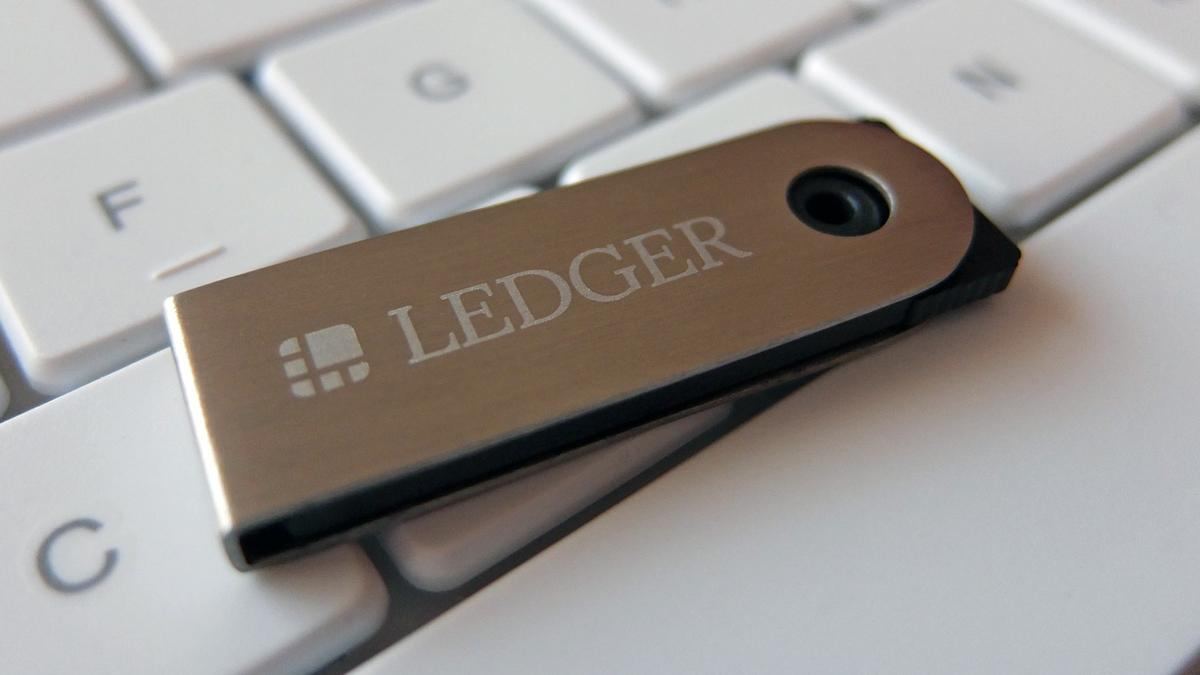
Ledger says some hardware wallets sold by the reseller CryptoBilis contained a covert implant inside the enclosure. Its microcontroller recognised the 24-word recovery phrase when it was displayed during setup and sent it to attackers over LTE using an eSIM. Ledger says its secure element, OS, transaction signing and internal systems were not compromised. Onchain researchers estimate up to $93.2M lost across more than 300 wallets, and Tether froze $10M of USDT. Ledger's guidance is not to initialize units bought from the reseller and to move funds to a new device with a fresh phrase if already used.
 coindesk.comarticlePublished and added 13 Oct 2026🛡️ Security
 Karpelès Says Airport-Bought Ledger Flex Contained Spy Implant
The Defiant reports that Mt. Gox's Mark Karpelès says a Ledger Flex hardware wallet bought at an airport contained a spy implant. The buyer, Ben Yorke, named Metapod as the retailer. Ledger says the verified fund losses in its investigation remain tied to wallets sold by CryptoBilis. The captured text is only the headline and standfirst, so the technical details of the implant are not available. The claim is an allegation of third-party-retailer hardware tampering against a Ledger statement that points elsewhere.
thedefiant.ioarticlePublished and added 13 Oct 2026🛡️ Security Ledger Says CryptoBilis-Sold Wallet Implants Transmit Recovery Phrases Over LTE
The Defiant reports Ledger's claim that hardware wallets sold by the reseller CryptoBilis carried added LTE-capable implants that transmit users' recovery phrases. Ledger says the implant leaves the secure chip and operating system untouched, and that its Genuine Check attestation cannot rule out this kind of tampering. It shows how reseller-channel hardware modification can defeat device attestation and compromise key custody. The fetched page held only the standfirst, so technical details such as the implant's design and how many devices were affected are not confirmed.
thedefiant.ioarticlePublished and added 13 Oct 2026🛡️ Security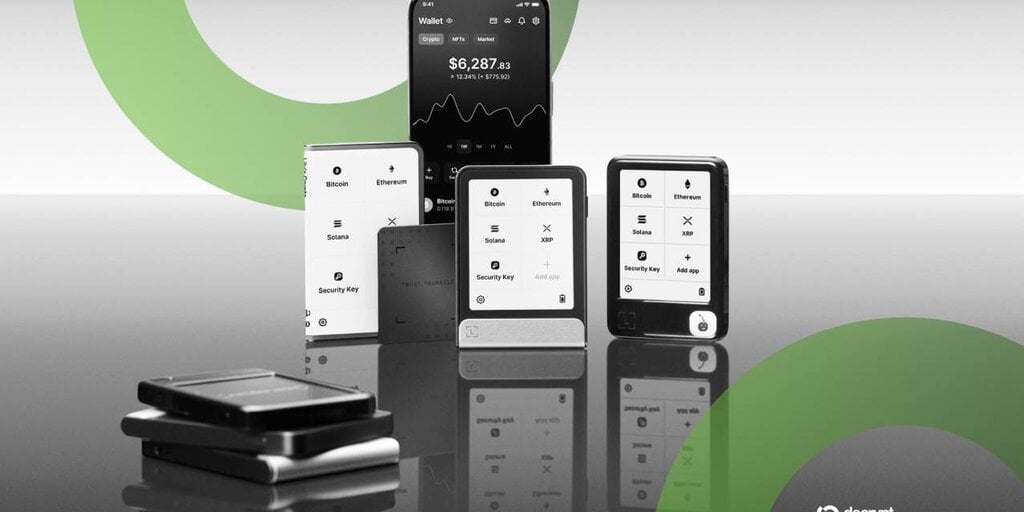 Ledger Says All Confirmed Cases in Suspected $87M Drain Tied to Reseller CryptoBilis
Decrypt reports Ledger's 72-hour update: all confirmed wallet-draining cases involve devices sold by Southeast Asian reseller CryptoBilis, which has stopped hardware wallet sales. Onchain investigators Specter and YFarmX traced over $86M in suspected thefts across Ethereum, Tron and Bitcoin. They describe laundering through Tornado Cash, Zcash's shielded pool and a USDT-to-USDD swap to avoid Tether freezes. An unverified claim of tampered devices (extra cables, LTE module) bought at European retail stores is also covered. Ledger advises CryptoBilis buyers not to set up devices and to move funds to a new seed phrase on a device bought from Ledger.
decrypt.coarticlePublished and added 12 Oct 2026🛡️ Security XRP Ledger’s Payment Engine Had a Counterfeiting Bug Hiding Since 2015
XRP Ledger maintainers disclosed a critical integer overflow in the payment engine, reported via bug bounty in September. A payment consuming hundreds of crafted order-book offers made the buyer's owed sum wrap around to a tiny value while sellers were paid in full, minting XRP. The built-in "no XRP created" invariant check used the same flawed arithmetic and missed it. The fix shipped in 3.4.1 on Sept. 25, bypassing the usual amendment vote and two-week wait for the first time, so the open-source patch would not expose a live exploit. No exploitation evidence was found.
decrypt.coarticlePublished and added 12 Oct 2026🛡️ Security Ledger spyware scare spreads beyond Southeast Asia
Protos reports additional alleged Ledger hardware wallets with physical spyware implants, found in devices from a German MediaMarkt reseller, a Philippine LazMall reseller and a Stax model bought from CryptoBilis. Mark Karpelès found that the implants read the device's screen output to capture seed phrases and evade Ledger's Genuine Check. The earlier CryptoBilis-linked incident of Oct 9 drained over $86M. Ledger told resellers to use only authorized channels and never restock returned units, and teardowns have also shown many devices to be clean.
protos.comarticlePublished and added 12 Oct 2026🛡️ Security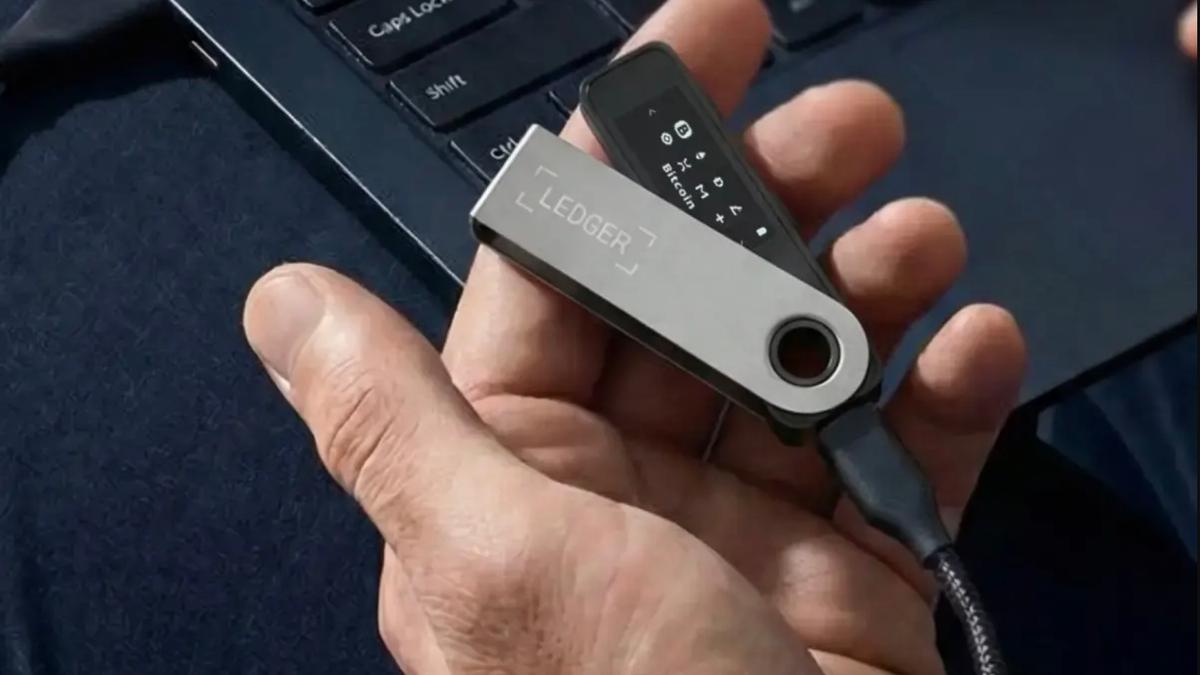 Ledger claims CryptoBilis cases are limited as up to $93M is traced, $10M frozen
CoinDesk reports that up to $93–94.5M in mostly USDT and TRON tokens was drained from 315–521 wallets across six or seven blockchains. The wallets were tied to Ledger hardware wallets sold by the authorized reseller CryptoBilis. Ledger confirmed an unauthorized hardware implant in at least one device but did not say how the devices were tampered with. Tether froze $10M, some funds moved through Tornado Cash and Zcash, and Ledger told affected users not to set up unused devices and to move funds to a new device with a fresh recovery phrase. The figures come from Bitquery and YFarmX onchain estimates, not a confirmed Ledger loss total.
coindesk.comarticlePublished and added 12 Oct 2026🛡️ Security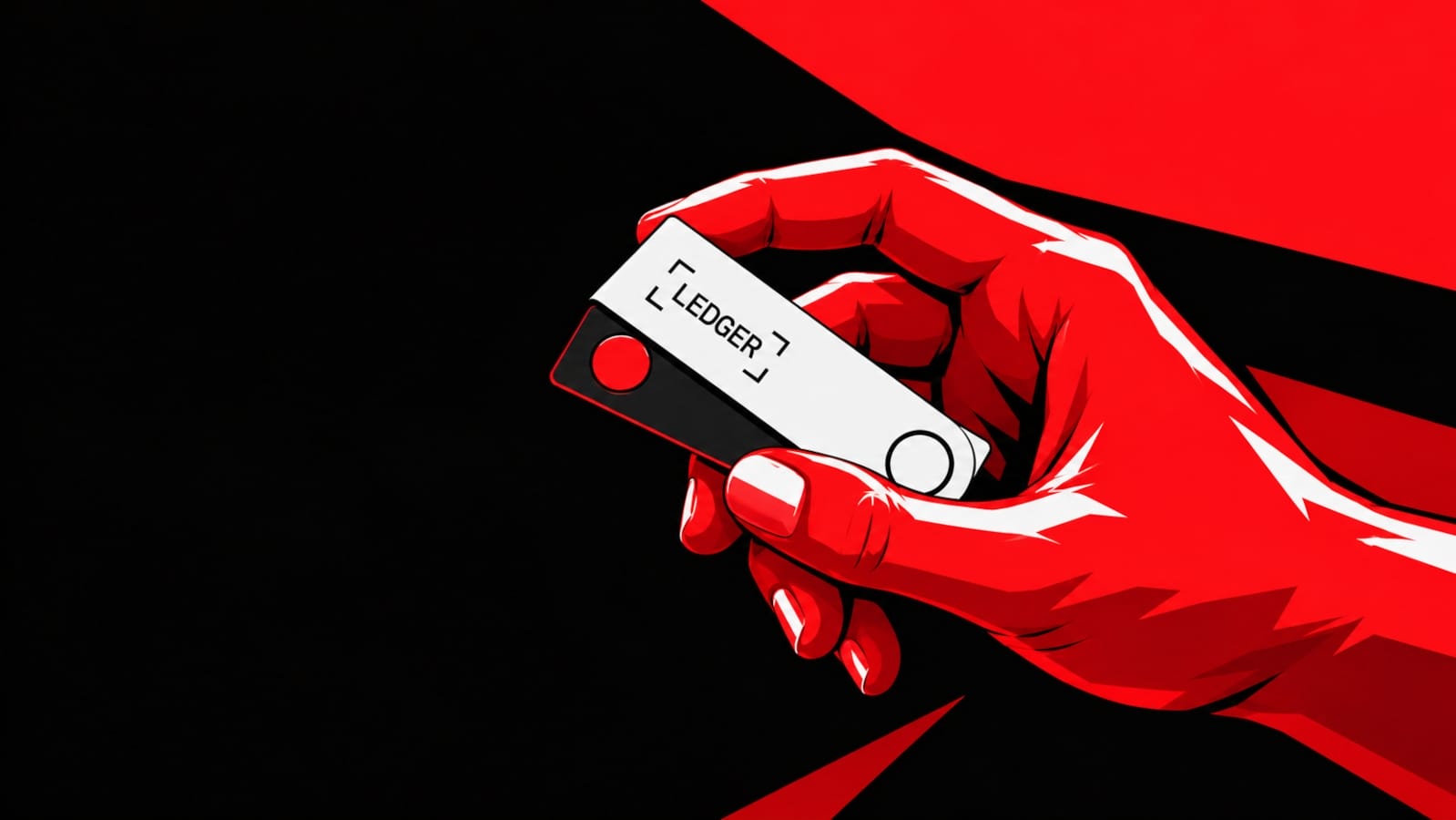 Ledger confirms spy chip implant behind wallet crypto thefts
Ledger confirmed that devices sold by Southeast Asian reseller CryptoBilis carried an unauthorized hardware implant that drained users' crypto wallets. Researchers Mark Karpelès and Tibane Labs describe the implant: an STM32G431 MCU, eSIM and shielded LTE module hidden behind the OLED screen, which captures display output and button presses to recover the seed phrase and sends it out over LTE. The article covers two implant variants, the telltale antenna wire, and Ledger's guidance (avoid unauthorized resellers, move funds to a new seed). Ledger also warns that its Genuine Check cannot detect implants when the original Secure Element is intact.
bleepingcomputer.comarticleAdded 13 Oct 2026, published 12 Oct 2026🛡️ Security Why a bug that could have threatened XRP's 100 billion supply cap stayed hidden for years
CoinDesk reports on an 11-year-old integer-overflow bug in the XRP Ledger's DEX code. Hundreds of crafted offers could make the computed buyer cost wrap to near zero while sellers were credited in full, which would have minted billions of XRP beyond the 100 billion cap. The post-transaction no-new-XRP invariant check used the same miscounted total, and the per-account receive limit was sidestepped by spreading funds across hundreds of accounts. Researcher Cayden Liao and Veria AI reported it on Sept. 22, RippleX patched it with no evidence of exploitation, and the XRP Ledger Foundation plans AI adversarial testing, formal verification and a stronger bug bounty.
coindesk.comarticlePublished and added 12 Oct 2026🛡️ Security Ledger says unauthorized implant found in at least one device sold by CryptoBilis
CoinDesk reports that Ledger confirmed an unauthorized hardware implant in at least one device sold by the Southeast Asian reseller CryptoBilis. On-chain researchers estimate $86–93M was drained from more than 300 wallets across Bitcoin, Ethereum and Tron. Ledger says its internal systems and direct sales are unaffected, and it advises not initializing unused devices and moving funds to a new seed on a device bought directly from Ledger. It also covers the reseller's sales suspension, Ledger's tightened distributor chain-of-custody rules, unverified speculation that the reseller was bought out, and the July 2026 Coldcard seed-generation flaw.
coindesk.comarticlePublished and added 12 Oct 2026🛡️ Security- XRP Ledger patches decade-old bug that could have minted trillions of XRP
The Block reports on the XRP Ledger disclosure of a critical bug that had been in the payment engine since 2015. Order-book offer totals had no overflow check, so a single payment consuming a few hundred crafted offers could wrap the sum and mint spendable XRP past the 100B cap. Veria Labs' AI agent found it and built a working exploit, and RippleX shipped the fix in xrpld 3.4.1 on Sept. 25, bypassing the usual amendment vote to avoid tipping off attackers. The article also covers the $250K bounty, a separate Batch bug, and the closed-source-release criticism.
theblock.coarticlePublished and added 11 Oct 2026🛡️ Security  An XRP Ledger security bug could have created 18.45 trillion XRP
Reports a decade-old integer overflow in the XRP Ledger payment engine's DEX offer-crossing code (added 2015). A single transaction across hundreds of seeded accounts could have minted about 18.45 trillion XRP, because the overflowed total understated what the buyer paid and the mint-check safeguard used the same wrong total. Veria AI found it on 2026-09-21 and reported it through the bug bounty. RippleX reproduced it on a standalone server and shipped xrpld 3.4.1 on 2026-09-25 as binaries only, with no patch source. RippleX's Mayukha Vadari warns that AI makes silent critical patches easy to reverse engineer, and the withheld source drew open-source criticism.
en.cryptonomist.charticlePublished and added 11 Oct 2026🛡️ Security XRP Ledger patched decade-old bug that could create billions of dollars in XRP from nothing
CoinDesk reports that researcher Cayden Liao and Veria AI found a flaw, believed to date to 2015, in the XRP Ledger's built-in exchange. Hundreds of crossed offers made the total XRP owed too large for the software to count correctly. The buyer was charged almost nothing while the sellers were paid in full, so XRP was created from nothing. The bug slipped past the ledger's post-transaction no-new-XRP invariant check, which relied on the miscounted total, and past per-account receive limits, because the XRP was spread across hundreds of accounts. RippleX reproduced it on a standalone server and fixed it in xrpld 3.4.1 on Sept. 25 without disclosing the cause. It found no evidence of exploitation on public networks.
coindesk.comarticlePublished and added 10 Oct 2026🛡️ Security
Showing 30 of 40
Show more