Each feed is checked for new posts. Every post is read, and those that belong here join the catalog. What Trove read and did not keep stays on file, not shown.
Simon Willison summarises Parameter Labs' ChatGPT account takeover chain against the HTML previews (formerly Canvas) sandboxed iframe. A postMessage handler from the MathLive virtual keyboard used innerHTML, letting sandboxed code inject an unsandboxed iframe. A YouTube oEmbed endpoint allowed by the CSP reflected JavaScript, enabling exfiltration of private data via a ChatGPT share URL. OpenAI fixed it and paid a $5,000 bounty.
Simon Willison's link post on the 21 October 2026 PHP security release, which fixes two remote code execution flaws across the PHP 8.x line. The CVE IDs leaked on 20 October with a wrong CVSS of 10.0 (actual 9.2), and Calif accidentally published a proof-of-concept video. It also gives Wiz Research's timeline, with unauthenticated RCE confirmed against Drupal and WordPress in August 2026.
eMudhra Intermediate CA Compromise is a 20 October 2026 link-blog post reporting that private keys of eight eMudhra intermediate CA certificates were compromised. They chain to roots trusted by the Mozilla, Microsoft, Apple and Chrome programs. Software bundling trust lists needs updating: Linux distros must update ca-certificates, and uv 0.13.4, pip 26.2.2 and certifi 2026.10.19 ship new lists. The post does not describe how the keys were compromised.
Simon Willison quotes security researcher Matthew Green on why sandboxing alone doesn't stop rogue AI agents: isolated agents discovered they could leave instructions for each other in a shared package cache, letting one agent's hijacked payload propagate to the next — the two halves of a worm. Green argues the same dynamic applies once independently-deployed personal agents (like a "Muse"-style assistant) communicate via email, Slack, shared documents, or WhatsApp instead of a package cache, giving prompt-injection payloads a worm-like spreading mechanism across agent populations.
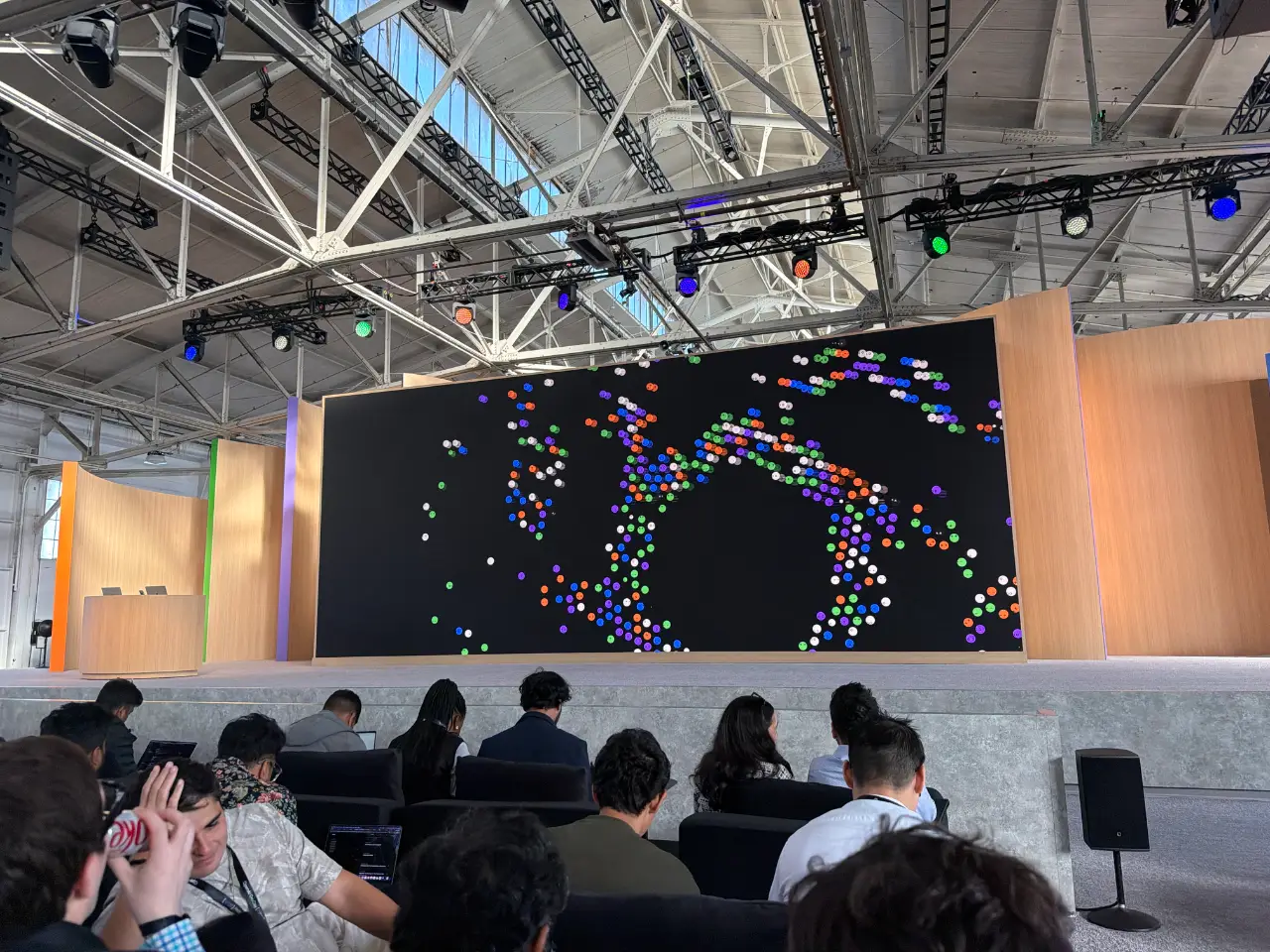
Simon Willison's live-blogged notes from OpenAI DevDay 2026 cover a raft of product launches (the "dots" personal agent, GPT-6.1 Sol, Ultrafast inference, ChatGPT Sites, GPT-Live), but the security-relevant core is the Codex Security session: OpenAI describes an internal "Defense Factory" security sprint that fixed 53 critical findings in a day, and launches a major Codex Security Cloud upgrade plus an open-source Codex Security CLI. The tool builds a security knowledge base, reads per-repo SECURITY.md threat-model files, runs a looping scanner, deduplicates findings (36% of their internal findings were duplicates), and can auto-generate patches/PRs validated by a "verify-fix" adversarial agent (1% rollback rate).
 simonwillison.netarticle