 github.comrepo
0xor0ne Awesome List
0xor0ne's Awesome List is a hand-curated GitHub collection of hundreds of deep-dive security write-ups, CVE analyses, and papers spanning binary exploitation, Linux kernel exploitation (io_uring, netfilter, nf_tables, DirtyPipe, DirtyCred), heap/GLIBC exploitation techniques, secure boot and firmware bypasses on embedded/IoT devices (ESP32, routers, IP cameras, NAS), and hardware/RF hacking (glitching, side channels, BLE/NFC). It complements the author's separate Cybersecurity Tools list and organizes entries loosely by domain (Exploitation, Linux Kernel, Wireless, OT/IoT, Red Teaming).
What it is
0xor0ne's Awesome List is a flat list of roughly 250 titled links to blog posts, write-ups and papers. The page gives titles only, with no descriptions, dates, ratings or per-entry notes. The five domain headings (Exploitation, Linux Kernel, Wireless, OT/IoT Security, Red Teaming and Offensive Security) appear only at the end as links to sub-lists. The main list is not grouped by them.
Entries a reader may want to search for
The list names specific bugs and incidents that the catalog summary does not.
- Linux kernel CVEs: CVE-2022-0435 (remote stack overflow), CVE-2022-0847 (Dirty Pipe, two entries), CVE-2022-2602 (DirtyCred on an io_uring UAF), CVE-2022-27666 (esp6), CVE-2022-29582 and CVE-2021-20226 (io_uring), CVE-2022-32250 (nf_tables and mqueue, two entries), CVE-2022-42703, CVE-2021-22555, CVE-2019-2215, CVE-2017-11176 and EntryBleed (CVE-2022-4543, a KASLR break under KPTI).
- Network devices: Fortigate authentication bypass, Zyxel authentication bypass (CVE-2022-0342), Cisco RV340 SSL VPN RCE, Cisco RV110W patch diffing, Watchguard blind exploits, MikroTik, Netgear Orbi and RAX30, TP-Link Archer C7 and AC1750, Tenda W15Ev2, and the Western Digital PR4100 NAS RCE.
- Cameras and DVRs: TP-Link Tapo C200 unauthenticated RCE (CVE-2021-4045) and Xiongmai DVR overflows.
- Hypervisors and system software: VMware ESXi OpenSLP (CVE-2020-3992 and CVE-2021-21974, two entries), runC container escape (CVE-2019-5736), polkit privilege escalation, and an SQLite flaw ("Stranger Strings").
- Secure boot and hardware: four ESP32 entries (CVE-2020-13629, CVE-2020-15048, EMFI, and PC control during secure boot), the STM32F1 read-out protection break, the MediaTek BootROM glitch, Titan M, Samsung RKP and TrustZone, Huawei's hypervisor, a PCIe DMA attack on a Jetson Nano (CVE-2022-21819), and BitLocker key extraction from a TPM.
- Malware and defence: analyses of BPFDoor, Symbiote, Shikitega, RedXOR and Pegasus for Android, plus entries on spoofing call stacks against EDRs, Linux persistence, and fileless
memfd_create()malware detection. - Learning series: Linux kernel exploitation, SLUB and slab allocator internals, GLIBC heap techniques (House of Rust, House of Muney, safe-linking), ARM64 assembly, Ghidra, Fuzzing101 with LibAFL, and CodeQL.
Caveats
The page does not say which entries have a working exploit, which target versions are affected, or which have patches. The reader has to open each link to find out. Most CVE entries are from 2019 to 2022, and the newest item named is a December 2022 mitigations survey. For current exposure, use the list to find write-ups and check vendor advisories separately.
CVEs named here
- CVE-2022-0435
- CVE-2022-1786
- CVE-2022-2602
- CVE-2022-27666
- CVE-2022-29582
- CVE-2020-6418
- CVE-2022-4543
- CVE-2019-2215
- CVE-2022-42703
- CVE-2022-0847
- CVE-2022-32250
- CVE-2022-21819
- CVE-2021-38003
- CVE-2021-4045
- CVE-2022-41218
- CVE-2022-0342
- CVE-2020-3992
- CVE-2021-21974
- CVE-2021-20226
- CVE-2021-22555
- CVE-2019-5736
- CVE-2020-7958
- CVE-2020-16040
- CVE-2020-13629
- CVE-2020-15048
- CVE-2020-15509
- CVE-2017-11176
Technologies named here
- Linux kernel
- Ghidra
- Binary Ninja
- Android
- radare2
- Google Nest Hub
- Pixel 6
- KLEE
- DynamoRIO
- Netgear
- TP-Link
- Qiling Framework
- Xiongmai DVRs/IoT
- CodeQL
- LibAFL
- VMware ESXi
- Syzkaller
- Cisco RV340
- VMProtect
- Cisco RV110W
- Western Digital PR4100 NAS
- ChipWhisperer
- Samsung S22
- polkit
- Samsung NPU Driver
- Shellcode Mutator
- Huawei Security Hypervisor / NPU Driver
- Tesla Model Y
- GL.iNET GL-MT300N-V2 Router
- Tenda W15Ev2 AC1200 Router
- Zyxel
- FortiGate
- Espressif ESP32
- STM32F1
- Yaesu FT-70D
- Nordic BLE Library
- Docker / runC
- glibc
- SQLite
- Watchguard Firewalls
- LinkSys EA6100 AC1200
- MikroTik
- Furbo Dog Camera
- BMC Firmware
- Qualcomm TrustZone / WLAN / Modem
- MediaTek Basebands / BootROM
- GameBoy Colour
- Jetson Nano
- YubiKey
- QEMU
Techniques named here
- Stack buffer overflow exploitation
- Heap exploitation
- Use-after-free exploitation
- ROP
- ret2bpf
- ret2dl_resolve
- ASLR bypass
- Secure Boot bypass
- Fault injection
- Side-channel power analysis
- DirtyCred exploitation technique
- Safe-Linking bypass
- NFC relay attack
- SIM hijacking
- Call stack spoofing
- Shellcode mutation for detection evasion
- Fileless malware via memfd_create
- Rootkit development
- C2 infrastructure building
- Format string exploitation
- Linux persistence techniques
- Kernel heap feng shui
- Privilege escalation via polkit
- TPM key extraction
- Firmware key extraction via EL3
- Patch diffing
Threat actors named here
- BPFDoor
- Symbiote
- Shikitega
- RedXOR
Related in Malware & RE

 huntress.comwriteup
Reverse Engineering the Six Stages of MacSync Stealer and RAT
 huntress.comwriteup
Post-DEF CON Phishing Uses Malicious Google Doc to Deliver Malware
 huntress.comwriteup
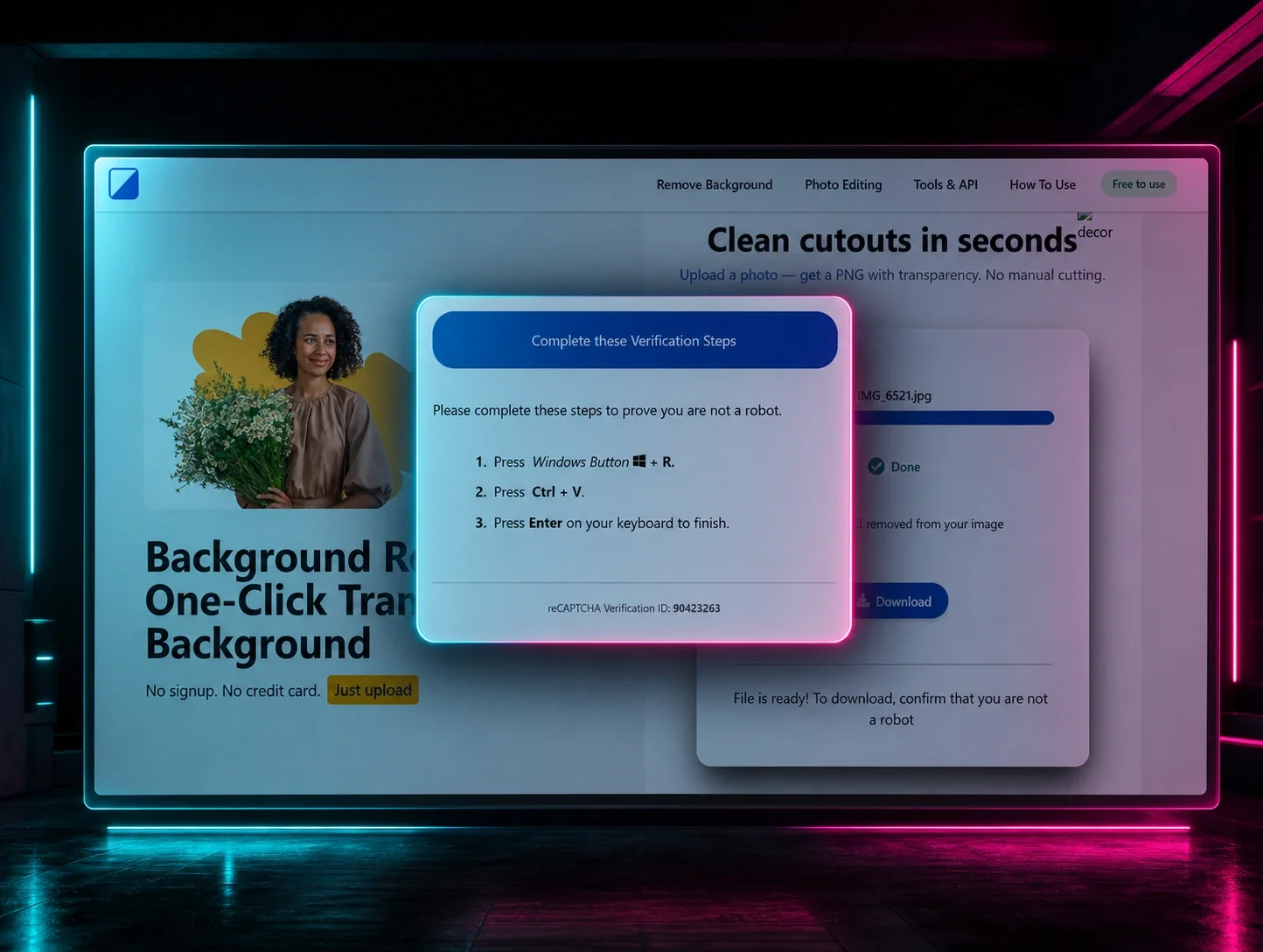
ClickFix Removes Your Background but Leaves the Malware

