Skip to content

61 results for “Droid”

What you seeeverything
“Droid”
bleepingcomputer.comarticle🛡️ Security

New Android SMS of Death exploit can remotely crash unpatched phones

CVE-2026-58882, "SMS of Death", is a zero-click Android denial-of-service flaw in WapPushOverSms.decodeWapPdu, where an unchecked header-length value becomes negative and triggers a NegativeArraySizeException that crashes com.android.phone. A malformed eight-byte WAP Push message to port 2948 can drop calls, including emergency calls, and about 20 messages caused reboot loops. A PoC is public. Google patched Android 14 through 17 in October 2026, but Android 12 and 13 remain vulnerable.

AndroidAndroid Debug BridgeGitHub
CVE-2026-58882SMS of DeathGoogle+3

Mobile Security, Offensive Security· Published and added 31 Oct 2026

blog.cloudflare.comwriteup🛡️ Security

4 real? Tracking exploitation and patching of eMudhra’s weak keys

Cloudflare's follow-up on eMudhra's eight trivially recoverable intermediate CA keys (such as 4, 56 and 66), disclosed 19 October 2026. Pingora logging showed about 22,000 handshakes with the weak keys, including about 160 forged certificates made within hours of disclosure. Probes on 50 million challenge pages show many bots, old browsers and Android WebView still trust the chain.

CloudflarePingoraAndroid WebView+2
eMudhraMozillaDennis Jackson+6

Threat Intel, Blue Team & Detection· Published and added 30 Oct 2026
securityweek.comarticle🛡️ Security

TeamViewer Flaw Could Let Malicious Hosts Take Over Support Technicians’ Machines

CVE-2026-111585 (CVSS 8.8) is an integer overflow in the remote-control screen processing of TeamViewer clients on Windows, macOS, Linux and Android. A malicious or compromised host can announce an oversized screen surface (for example 32768 by 32768 at 32 bpp), forcing a software decode path and an out-of-bounds write that crashes the viewer or runs code. Remedio's research shows a pointer overwrite routed to WinExec. Version 15.83 fixes it, along with CVE-2026-92372, CVE-2026-92374 and six local privilege escalation bugs.

TeamViewerWindowsmacOS+3
CVE-2026-111585CVE-2026-92372CVE-2026-92374+3

AppSec, Offensive Security· Published and added 30 Oct 2026

oversecured.comarticle🛡️ Security

Android security checklist: theft of arbitrary files | Oversecured Blog

Oversecured's Android security checklist on arbitrary file theft from an app's private storage. It covers implicit intents (PICK, GET_CONTENT) returning file:// or content:// URIs, SEND/SEND_MULTIPLE share activities, exported and non-exported FileProviders, path traversal via Uri.getLastPathSegment, WebView, and local NanoHTTPD servers. Each case has vulnerable code, an attacker PoC and fixes such as /proc/self/fd path checks and narrow files-path entries.

AndroidNanoHTTPDFileProvider+2
Oversecuredpath traversalFileUriExposedException+3

Mobile Security, AppSec· Added 29 Oct 2026
oversecured.comwriteup🛡️ Security

Discovering vendor-specific vulnerabilities in Android | Oversecured Blog

Oversecured describes extending its Android scanner to system APIs and to Samsung's Android build, after comparing Google and Samsung framework JARs and about 400 system services. It explains AIDL service permission checks and new control-flow analyses. Examples include Samsung's unchecked semIsBackupEnabled(), a broadcast that reboots the device, and a LaunchAnyWhere in Settings. Samsung had fixed over 60 reported issues.

AndroidSamsungOversecured
LaunchAnyWhereAIDLsystem_server+1

Mobile Security, AppSec· Added 29 Oct 2026

oversecured.comarticle🛡️ Security

Content Providers and the potential weak spots they can have | Oversecured Blog

Oversecured's Android security checklist for Content Providers covers insecure FileProvider path configs, path traversal via decoded Uri.getLastPathSegment(), mismatched readPermission/writePermission, proxying requests to more privileged providers, SQL injection across a shared database, and sensitive actions in providers. Each case has vulnerable manifest and Java code, an attacker PoC and remediation. Real cases from Google and Samsung devices are cited. The page text was truncated near the end.

AndroidSQLiteJava
Oversecuredpath traversalSQL injection+5

Mobile Security, AppSec· Added 29 Oct 2026

oversecured.comwriteup🛡️ Security

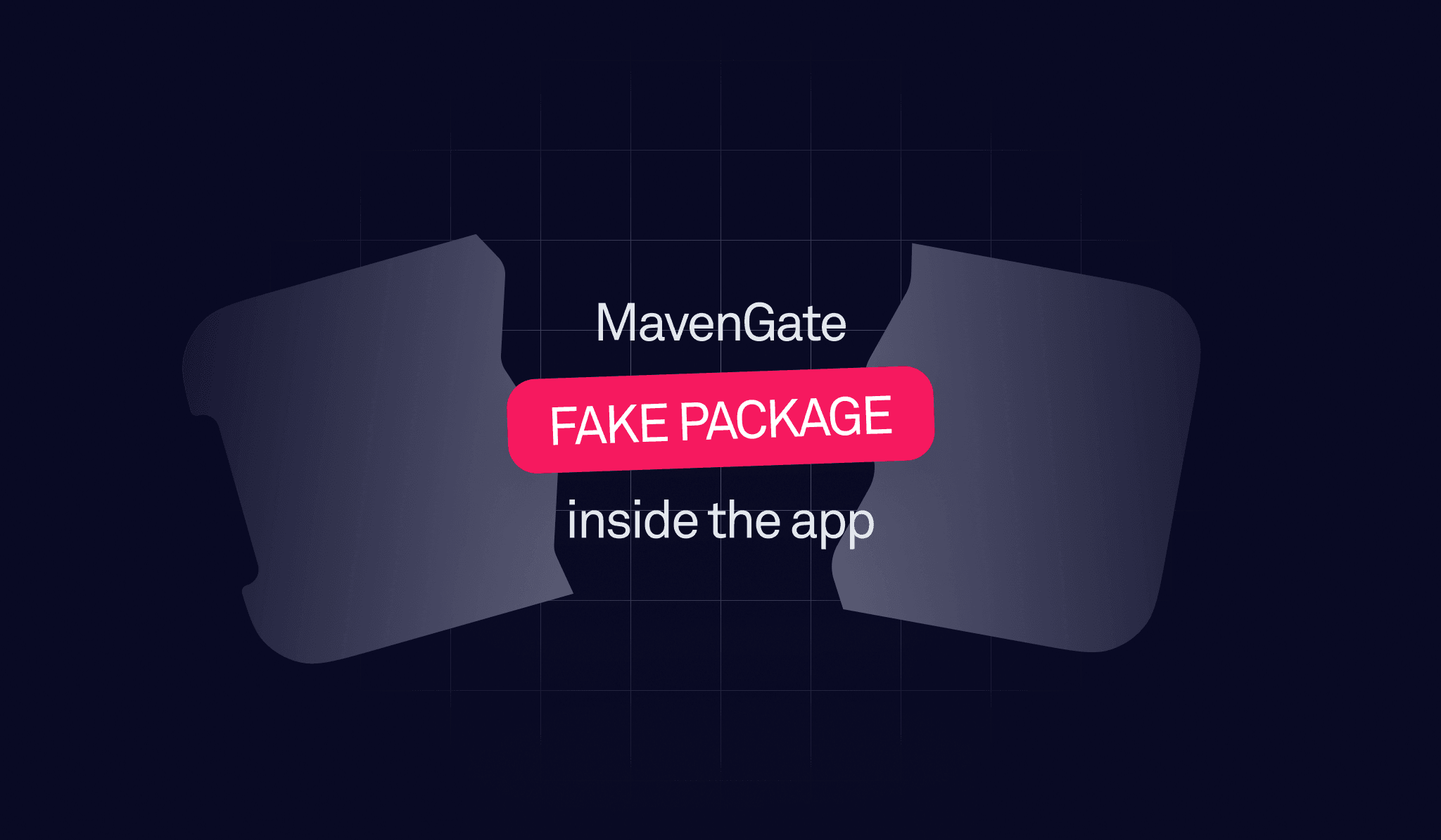
Introducing MavenGate: a supply chain attack method for Java and Android applications | Oversecured Blog

MavenGate is Oversecured's research on hijacking Maven dependencies by buying expired domains behind groupIds on Maven Central and JitPack. It found 6,170 of 33,938 checked domains (18.18%) vulnerable, and tested the attack with its own com.oversecured:hello-world library. It lists defenses (Gradle verification-metadata.xml, PGP signatures) and proposes changes to repository signing.

MavenGradleMaven Central+3
MavenGateOversecuredSonatype+2

Supply Chain, Mobile Security, AppSec· Added 29 Oct 2026

oversecured.comarticle🛡️ Security

Oversecured Apps Care. Part 1: Vulnerability disclosure of 225 Google apps | Oversecured Blog

Oversecured Apps Care, Part 1 (21 March 2024) publishes scanner results for about 224 Google Android apps, drawn from a wider scan of over 6,000 public APKs from 1,000+ companies. Tables per device image (phone, Wear OS, Android Automotive, Android TV) give package names, three finding counts and report links, including android, com.android.settings, gms and Play Store. It invites researchers to report issues to Google for rewards.

AndroidWear OSAndroid Automotive+1
OversecuredOversecured Apps Care

Mobile Security, AppSec· Added 29 Oct 2026

oversecured.comwriteup🛡️ Security

Disclosure of 7 Android and Google Pixel vulnerabilities

Oversecured discloses seven Android vulnerabilities, two of them Pixel-specific, all reported to Google and fixed except one low-severity WebView case. They are the Camera geolocation leak (CVE-2024-0017), a VPN bypass list change (CVE-2023-21383), a Bluetooth permission check flaw (CVE-2024-34719), the WorkSource parcel mismatch (CVE-2023-20963, exploited in the wild by the Pinduoduo app), Device Admin HTML injection (CVE-2021-0600) and a ContentProvider.openFile() caller-context bypass (CVE-2023-21292). Each has root cause and PoC code.

AndroidGoogle PixelWebView+2
CVE-2024-0017CVE-2023-21383CVE-2024-34719+9

Mobile Security, Offensive Security· Added 29 Oct 2026

oversecured.comarticle🛡️ Security

Inside mobile taint analysis: how source-to-sink tracking finds real data-leak paths | Oversecured Blog

Oversecured explains taint analysis for Android and iOS apps and contrasts it with pattern-matching SAST such as MobSF. It covers source, flow and sink, cross-component tracking over Intents, flag-based sanitizer modeling and implicit intent simulation. The case study is an unsafe Class.forName().newInstance() on a Serializable transportFactoryClassName field in Google's com.google.auth.oauth2 credential classes, which Google fixed with a $3,133.70 bounty.

AndroidiOSOversecured+3
intent redirectionpath traversalSSRF+4

Mobile Security, AppSec· Added 29 Oct 2026

oversecured.comarticle🛡️ Security

Android deep link vulnerabilities: how intent filters lead to account takeover | Oversecured Blog

Oversecured's article on Android deep-link vulnerabilities covers five patterns: custom scheme hijacking, open redirect into WebView, limited and full intent redirection, and domain takeover via an expired whitelist entry. It shows bypass payloads, intent selector abuse, and the HierarchicalUri reflection bypass. It also compares what SAST and DAST can find and gives a checklist for pentesters.

AndroidOAuthChrome+1
deep link hijackingcustom scheme hijackingopen redirect+8

Mobile Security, AppSec· Added 29 Oct 2026

oversecured.comarticle🛡️ Security

PCI DSS and Mobile Apps: A Simple Guide | Oversecured Blog

Guide to PCI DSS v4.0.1 scope for mobile apps, with a mapping of common Android and iOS finding types to the requirements they break (Req 2, 3, 4, 6, 7). It covers which app behaviors bring an app into scope and gives three anonymized cases: cleartext HTTP in a vendor native library, hardcoded keys in a third-party SDK, and an implicit Intent leaking data. It argues for testing the shipped binary and keeping a current component inventory.

AndroidiOS
PCI DSSPCI Security Standards CouncilQualified Security Assessor+5

Mobile Security, GRC· Added 29 Oct 2026

securityweek.comarticle🛡️ Security

Dead Popcorn Time Updater Put Millions of Computers at Risk of Takeover

Time4Popcorn, an abandoned Popcorn Time fork, has an updater (CVE-2026-30612) that fetches updates over HTTP without code signing and runs any executable the domain returns, as System/root. Eye Security registered abandoned update domains, saw millions of Windows, macOS and Android clients, and pushed a fix disabling the updater on about 2 million systems by March 2026. Shadowserver took over the sinkholed domains; Eye Security advises uninstalling the app.

Popcorn TimeWindowsmacOS+2
CVE-2026-30612Eye SecurityShadowserver Foundation+2

Threat Intel, AppSec· Published and added 27 Oct 2026

x.comthread🧠 AI

Akash Rajagopal (@akashsairaja) on X

Ollama overview thread by Akash Rajagopal on X. It lists six steps: install on macOS, Linux, Windows or Docker; run `ollama run gemma4`; use the REST API on localhost:11434 (/api/chat); call it from ollama-python and ollama-js; llama.cpp as the README's supported backend; and `ollama launch claude` to connect Claude Code. Codex, OpenCode, Copilot CLI and Droid also work. The thread cites 184k GitHub stars and an MIT licence.

Ollamallama.cppClaude Code+10
Gemma 4Akash Rajagopal

inference, coding-agents· Added 27 Oct 2026, published 26 Oct 2026

decrypt.coarticle🧠 AI

Google Quietly Updates Privacy Policy to Let Gmail and Photos Data Feed Ads

Google revised its privacy policy, effective 16 October 2026, so that content from Gmail, Drive and Google Photos can personalize ads if users connect it to other Google services, which includes Personal Intelligence in AI Mode and Gemini. The setting is off by default, advertisers do not see the underlying content, and users can opt out under Connected Content apps in Data & privacy settings. Android Authority first spotted the change, and previously collected data may remain in Search history.

GeminiGmailGoogle Photos+1
GoogleDecryptAndroid Authority

ai-policy· Published and added 24 Oct 2026

decrypt.coarticle🧠 AI

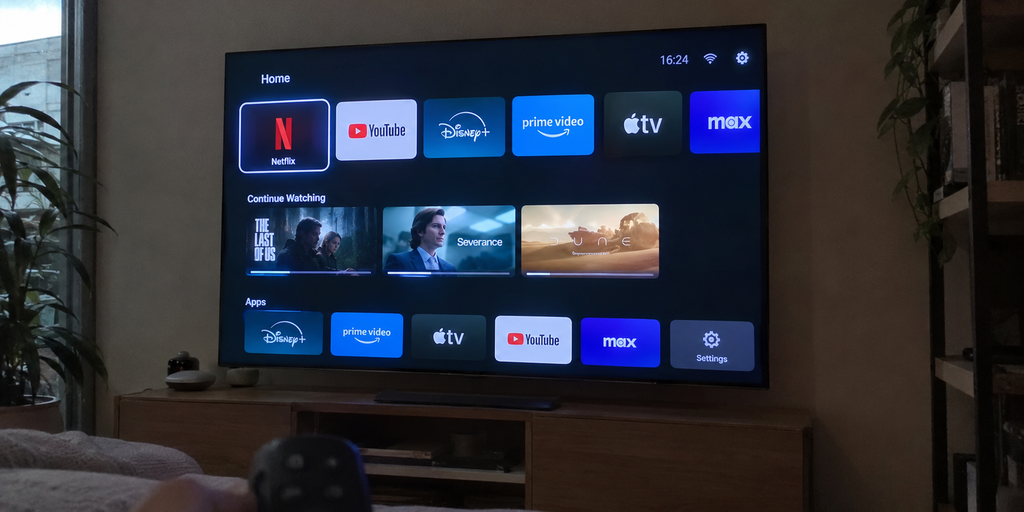
People Are Vibe Coding the Ads Out of Their Smart TVs: Here's How

Decrypt reports on "vibe coding your TV": owners point Claude Code at Android TVs, which finds the set over Wi-Fi, lists installed apps through Android Debug Bridge, disables ad and telemetry packages, and writes custom launchers. The open-source cleanyourtv project (10,700 GitHub stars, 107 TV models, 37 brands) disables apps reversibly with a restore script. It also covers the dumbtv Fire TV project, a bricked TV, and unencrypted network ADB risks.

Claude CodeAndroidAndroid Debug Bridge+5
Anthropiccleanyourtvdumbtv+5

coding-agents· Published and added 20 Oct 2026

x.comthread🛡️ Security

CyrilXBT (@cyrilXBT) on X

REA (github.com/morluto/rea) is an open-source tool that lets an agent such as Claude Code run reverse-engineering tools (Ghidra, IDA, JADX) on a local machine and return findings with evidence. Targets named are desktop apps, compiled programs and games, Android apps, website network traffic, and firmware or binaries. The post claims a DX Ball sound function was rebuilt to byte-identical code. Setup is `npx rea-agents setup`, and the author says to use it only on software you own or may analyze.

Claude CodeGhidraIDA Pro+2
READX Ball

Malware & RE, AI Security· Added 19 Oct 2026, published 17 Oct 2026

x.comthread🧠 AI

CyrilXBT (@cyrilXBT) on X

REA (repo github.com/morluto/rea) is an open-source tool that lets a coding agent such as Claude Code do reverse engineering. The agent gets an app and a question, REA picks Ghidra, IDA or JADX, runs it locally and returns findings with evidence. Targets include desktop apps, compiled programs and games, Android apps, web traffic and firmware. Setup is `npx rea-agents setup`. The tweet's author claims it rebuilt a DX Ball sound function that compiles to identical code.

Claude CodeGhidraIDA+5
READX Ball

coding-agents, agents· Added 19 Oct 2026, published 17 Oct 2026

en.cryptonomist.charticle🛡️ Security

Ledger’s Atom device adds tamper detection after a recovery-phrase breach

News report on a Southeast Asia supply-chain breach in which Ledger devices sold via resellers such as CryptoBilis were modified with hidden chips. The chips read 24-word recovery phrases from the screen signals during setup and sent them out over LTE. Tether froze $10M USDT tied to the theft, and Ledger suspended sales in several Asian markets. It also covers Ledger's Android-based Atom signer, which adds a protective enclosure, screen and back-cover removal sensors with their own battery, tamper-evident packaging, and website-only initial sales.

LedgerAndroid
CryptoBilisTether

Hardware & RF, Blockchain· Published and added 15 Oct 2026

securityweek.comarticle🛡️ Security

Novel Android RAT ‘Hirudo’ Replaces Banking Apps With Trojanized Copies

SecurityWeek covers ThreatFabric's findings on Hirudo, an Android banking trojan/RAT delivered via droppers hidden in fake shopping, adult video and short drama apps. It replaces eight Indonesian banking apps with modified copies containing a hooking engine that spoofs signing certificates and hides Accessibility services, screen capture and Play Integrity checks, while providing WebRTC screen viewing, camera access and SMS theft. ThreatFabric advises banks to enforce Play Integrity server-side, use behavioral analytics, treat Accessibility signals as risk inputs, and keep backend transaction-risk controls.

Android
HirudoThreatFabricPlay Integrity+2

Mobile Security, Threat Intel, Malware & RE· Published and added 15 Oct 2026

hackers-arise.comarticle🛡️ Security

SDR (Signals Intelligence) for Hackers: Scanning Wireless Devices Using FieldWatch

Overview of FieldWatch, a free open-source Android app that passively listens to Wi-Fi and Bluetooth with the phone's own radios and matches them against an editable catalog of about 250 device signatures (trackers, drones, cameras, body cams, mesh radios). It supports alerts, recorded sessions, path maps, Remote ID drone and pilot location, GNSS interference/spoofing detection and export to TAK/ATAK. The article also covers its limits (no direction finding, no Bluetooth Classic, cellular or full Wi-Fi traffic, pattern matches only) and sideloading from the official GitHub repo on Android 10+.

FieldWatchAndroidTAK+1
Remote IDGNSS interferenceGPS spoofing+2

Hardware & RF, Mobile Security· Published and added 13 Oct 2026

securityweek.comarticle🛡️ Security

Small AI Models May Soon Be Able to Self-Replicate on IoT Devices, Anthropic Warns

SecurityWeek summarizes Anthropic Frontier Red Team research on AI worms that run small open-weight models directly on compromised IoT devices. A 26B model split across 15 ~$55 Android TV boxes ran at 0.39 tokens/s; a 9B model got inference running on 8 of 9 hardware types, and only GLM-5.2 completed full replication across eight emulated Android devices (4 of 5 runs). Anthropic projects ≤30B models reaching that level by end of 2026, estimates a Kimwolf-sized botnet would host ~133,000 copies worth at most ~40 H100s, and notes defenders can spot large model transfers in ISP traffic and cut the target pool by removing default passwords.

AndroidGLMLLM+1
Anthropic Frontier Red TeamKimwolfMirai+2

AI Security, Hardware & RF· Published and added 13 Oct 2026

securityweek.comarticle🧠 AI

Small AI Models May Soon Be Able to Self-Replicate on IoT Devices, Anthropic Warns

SecurityWeek summarizes Anthropic Frontier Red Team research on AI worms that carry their own open-weight model onto compromised IoT devices. A 26B model sharded across 15 cheap Android TV boxes ran at 0.39 tokens/s. A 9B model got inference running on 8 of 9 hardware types. In a closed network of 8 emulated Android devices, only GLM-5.2 completed the full replication cycle, reaching all 8 devices in 4 of 5 runs. Models of 30B or fewer parameters handle individual steps but fail when chaining them. Anthropic projects they reach GLM-5.2's level by end of 2026, and estimates a Kimwolf-sized botnet would offer at most about 40 H100s of compute. Defenders can detect large model transfers and sustained unusual device-to-device traffic, and removing default passwords shrinks the target pool.

GLMAndroidNVIDIA H100
AnthropicFrontier Red TeamGLM-5.2+4

ai-safety, inference, evals· Published and added 13 Oct 2026

en.cryptonomist.charticle🧠 AI

Anthropic tests AI autonomous replication across eight nodes in four of five trials

The article reports Anthropic research (William Zhou and Daniel Freeman) on whether small open models can autonomously replicate onto unfamiliar IoT and consumer hardware. Qwen3.5-9B established inference on eight of nine hardware types using the Memento harness (built on the Pi coding agent). GLM-5.2 completed a simplified end-to-end replication across eight emulated Android nodes in four of five trials, and reached seven nodes in the fifth. Gemma4-26B-A4B was sharded by pipeline parallelism across 15 low-RAM Android TV boxes at 0.39 tokens/s. The authors estimate replication intervals of 1–2 days and a capability threshold around end of 2026, which makes it a concrete capability-evaluation datapoint for AI safety.

PiQwen3.5GLM+6
AnthropicWilliam ZhouDaniel Freeman+7

ai-safety, evals, agents· Published and added 12 Oct 2026

en.cryptonomist.charticle🛡️ Security

Anthropic tests AI autonomous replication across eight nodes in four of five trials

News write-up of an Anthropic research post (William Zhou, Daniel Freeman) testing whether small open-weight models can act as autonomous worms. Qwen3.5-9B established inference on eight of nine hardware types, and GLM-5.2 spread across eight emulated Android nodes via unauthenticated ADB in four of five trials, reaching seven nodes in the fifth. The piece covers sharding a Gemma4-26B-A4B model across 15 low-memory Android TV boxes, projected spread rates, comparison with the Kimwolf botnet, and network signals defenders could watch (large weight transfers, inter-device inference traffic, scanning).

AnthropicAndroidQwen+2
GLM-5.2KimwolfMemento+5

AI Security, Hardware & RF· Published and added 12 Oct 2026

anthropic.compaper🛡️ Security

AI models may be capable of self-replicating without access to a datacenter

Anthropic's Frontier Red Team tests whether small open-weight models (≤30B) can autonomously replicate across commodity IoT devices. They ran Gemma4-26B-A4B over 15 off-brand Android TV boxes at 0.39 tok/s with pipeline parallelism. A Qwen3.5-9B-class model set up inference on 8 of 9 hardware types, and only GLM-5.2 completed end-to-end worm replication in an 8-node redroid ADB network, spreading to 8/8 nodes in 4 of 5 trials and 7/8 in the other. It also estimates spread using the Kimwolf botnet's size (~133k replicas, about 40 H100s of compute), shows notes inherited between generations improve Qwen3.5-9B's setup success (45% to 61–84%), and projects small models reaching the capability floor by end of 2026. It closes with defensive points: drive R0 below 1, and harden IoT devices.

GLMQwenAndroid+2
KimwolfMiraiMemento+8

AI Security, Threat Intel, Hardware & RF· Published and added 12 Oct 2026

anthropic.comwriteup🧠 AI

AI models may be capable of self-replicating without access to a datacenter

Anthropic's Frontier Red Team tests whether small open-weight models (30B and under) could run as self-replicating "AI worms" on commodity IoT hardware. A 9B model set up inference on 8 of 9 hardware types. In an 8-node Android emulator fleet only GLM-5.2 replicated end to end. Gemma4-26B-A4B was sharded across 15 ~$55 Android TV boxes at 0.39 tok/s. Qwen3.5-9B lineages that inherit notes improve at inference setup (45% to 61-84%), while a frontier advisor (Opus 4.8) doesn't help. An ECI trend fit puts small models at GLM-5.2's level by end of 2026, and the post estimates botnet-scale compute and spread speed. It adds defensive suggestions (drive R0 below 1) and a harness called Memento built on the Pi coding agent.

PiMementoPetals+10
AnthropicGLM-5.2Gemma 4+14

ai-safety, evals, inference· Published and added 12 Oct 2026

simonkoeck.comwriteup🛡️ Security

I Found a $90k Remote Code Execution Vulnerability in Google

Writeup of an unauthenticated RCE on Google's shared DevSite platform (developers.google.com, firebase.google.com, developer.android.com and others). The Flask session cookie embedded a pickled OAuth2WebServerFlow containing the OAuth client_secret, which was also the Flask SECRET_KEY. That let the author forge signed sessions carrying a malicious pickle that the OAuth callback unpickled; RCE was proven safely with time.sleep timing and negative controls. It earned a $90,000 bounty and lists a four-part fix.

FlaskPythonOAuth+1
Google Bug HuntersDevSitepickle deserialization+3

AppSec, Identity & Access· Published and added 12 Oct 2026

securityweek.comarticle🛡️ Security

Pre-Baked Firmware Malware Hits Budget Android Devices in 150+ Countries

SecurityWeek reports on Bitdefender's analysis of 'Midnight Mimosa,' a firmware-level malware campaign preinstalled on budget MediaTek-based Android devices across 150+ countries, giving attackers system-level privileges to silently install/remove apps and run ad fraud and click fraud botnets. The same ad-fraud code family was also found in 13 Google Play apps that temporarily disable Play Protect during malicious installs, showing the campaign spans both a supply-chain firmware vector and an app-store distribution channel.

AndroidMediaTekGoogle Play
Midnight MimosaBitdefender

Mobile Security, Supply Chain, Threat Intel· Published and added 9 Oct 2026

securityweek.comarticle🛡️ Security

Android’s October 2026 Updates Patch 25 Vulnerabilities

SecurityWeek summarizes Google's October 2026 Android Security Bulletin (2026-10-01 patch level), which fixes 25 vulnerabilities — 7 in Framework and 18 in System, including 7 critical bugs. The most severe is a critical local privilege-escalation flaw in System requiring no user interaction or extra execution privileges; the bulletin also covers a System RCE bug, Google Play system updates for Telephonycore/WiFi, and separate Pixel and Android Automotive OS fixes (including critical Bluetooth, GDMC, and GSA issues). Google reports no evidence of in-the-wild exploitation.

Android

Mobile Security· Published and added 7 Oct 2026

Showing 30 of 61

Show more