Skip to content

189 results for β€œBun”

What you seeeverything
decrypt.coarticleπŸ›‘οΈ Security

Claude-Built Linux Exploit Targets Bug That Ubuntu Still Hasn't Patched

CVE-2026-98432 is a CVSS 9.8 Linux kernel race condition present since version 4.4. Anthropic says Claude, using an unreleased internal model, wrote a remote root exploit for it that needs a multipath TCP listener. Red Hat shipped fixes on 1 November 2026 (RHSA-2026:93412), while Ubuntu still lists 16.04 to 26.10 as vulnerable. Red Hat offers a partial firewall mitigation.

Linux kernelUbuntuClaude+2
CVE-2026-98432AnthropicRed Hat+2

Offensive Security, AI SecurityΒ· Published and added 2 Nov 2026

jfrog.comadvisoryπŸ›‘οΈ Security

Your Artifactory is fine. Your Linux kernel hosting it might not be.

CVE-2026-98432 is a race-condition use-after-free in the Linux kernel's IPv4 TCP connection setup, present since Linux 4.4 and scored 9.8 by the kernel team. Anthropic reported on 27 October 2026 that Claude wrote a remote root exploit against MPTCP listeners. JFrog lists fixed kernel versions, distro patch status as of 30 October, changelog check commands for Debian, Ubuntu and RHEL, and mitigations where no fix exists.

Linux kernelJFrog ArtifactoryGo+3
CVE-2026-98432use-after-freeAnthropic+2

Cloud & Infra, AI SecurityΒ· Published and added 2 Nov 2026

alignmentforum.orgarticle🧠 AI

Some β€œcoherence arguments” are two different things in a trenchcoat

Steven Byrnes posted "Some coherence arguments are two different things in a trenchcoat" on the AI Alignment Forum on 2 November 2026. It is an 11-minute post tagged Coherence Arguments and AI. By its title it argues that some coherence arguments bundle two separate claims together. The fetched page held no body text, so the specific claims are not confirmed.

Steven ByrnesAI Alignment Forum

ai-safetyΒ· Published and added 2 Nov 2026

blog.trailofbits.comarticleπŸ›‘οΈ Security

Backporting security fixes at scale with Codex

Trail of Bits describes a Codex (GPT-5.6) workflow that backports security fixes to stable Linux kernel trees, Ubuntu LTS and Fedora. By 29 October 2026 it had helped land fixes for 149 CVEs in stable kernels. Agents find missing fixes, adapt patches and assemble validation evidence; a human review takes about 30 minutes to 3 hours. It also sizes the unfixed-CVE backlog in kernel branches, Debian 13 and Ubuntu 26.04.

CodexLinux kernelLinux+3
CVE-2026-98432Trail of BitsPatch the Planet+1

AI Security, AppSec, Cloud & InfraΒ· Published and added 2 Nov 2026

blog.trailofbits.comarticle🧠 AI

Backporting security fixes at scale with Codex

Trail of Bits describes a Codex agent workflow that backports security fixes to stable Linux kernel trees and distro packages. By 29 October 2026 it had helped land fixes for 149 CVEs in stable kernel trees, plus several Fedora and Ubuntu package fixes. Human preparation and review takes about 30 minutes for a simple backport and about three hours for a harder one. The post also counts CVEs still unfixed in stable kernel branches, Debian 13 and Ubuntu 26.04.

CodexLinuxUbuntu+2
Trail of Bits

coding-agentsΒ· Published and added 2 Nov 2026

aikido.devadvisoryπŸ›‘οΈ Security

Critical Linux kernel TCP vulnerability can allow remote code execution (CVE-2026-98432)

CVE-2026-98432 is a use-after-free in the Linux kernel IPv4 TCP handshake (tcp_v4_syn_recv_sock, ip_options_build), present since kernel 4.4 and rated 9.8 by the kernel CVE team. Anthropic reports a Claude research model wrote a remote root exploit against hosts with an MPTCP listener. The post lists AWS, Ubuntu and Red Hat patch status, interim mitigations (disable MPTCP, drop IP-options packets) and the uname -r check. No in-the-wild attacks were reported as of 29 October 2026.

Linux kernelMPTCPGo+3
CVE-2026-98432CVE-2025-98432use-after-free+5

Cloud & Infra, AI SecurityΒ· Published and added 2 Nov 2026

x.comthread🧠 AI

Luke The Dev (@iamlukethedev) on X

Hermes, the Nous Research agent framework, shipped 130 merged PRs in October 2026, according to this X recap by Luke The Dev. Main items are a unified gateway runtime, a Desktop and Bot Screen, a bundles and package manager, crash-safe updates and new Claude model entries. Ten PRs cover security: an iron-proxy credential-injection egress firewall for sandboxes, 31 CVEs patched in Python and npm lockfiles, and profile-export and prompt-leak fixes.

Hermesiron-proxyPython+2
Nous ResearchLuke The Dev

agents, ai-infraΒ· Added 2 Nov 2026
bleepingcomputer.comarticleπŸ›‘οΈ Security

Alpine Linux rebuilds GitLab after attempted RCE attack

Alpine Linux rebuilt its GitLab server and reset all passwords after attackers tried to exploit CVE-2026-97229, a maximum-severity integer overflow in the Onigmo regex engine bundled with Ruby, on October 20-21. Eight worker crashes occurred and four were partially successful. Missing logs and outbound connection records meant compromise could not be ruled out. Alpine had run GitLab 19.3.4, then 19.3.6, which lacked the Ruby patch; the fixed image is alpinelinux/gitlab:19.3.6 with Ruby 3.3.13.

GitLabAlpine LinuxDocker+1
CVE-2026-97229integer overflowOnigmo

Supply Chain, Blue Team & Detection, DevSecOpsΒ· Published and added 1 Nov 2026

x.comthread🧠 AI

Prasenjit Sarkar (@stretchcloud) on X

Campfire is a free, open-source, self-hosted tool that runs Claude Code, Codex, Goose, Aider and OpenHands side by side in one browser tab. Each agent gets its own git worktree, with permission voting (30 second timer, majority rules), session replay, cross-backend agent races and a shared semantic memory layer. Installs with bunx the-campfire. The post also compares Clawboo, Conductor, Vibe Kanban and Crystl.

CampfireClawbooClaude Code+8
Boo ZeroConductorVibe Kanban+2

agents, coding-agentsΒ· Added 1 Nov 2026, published 31 Oct 2026

blog.talosintelligence.comwriteupπŸ›‘οΈ Security

Appraisal by AI: Model-driven victim prioritization in the VOLTA infostealer

VOLTA (VOLTA-AUTODOXER) is a self-deleting Windows infostealer that, after theft and live session-based enrichment, POSTs an evidence bundle to OpenRouter so an LLM can rank the victim's assets by monetization value. It falls back across a Claude, Kimi and Gemini chain when a model refuses. Talos covers the builder model, the Chrome App-Bound Encryption bypass, the volta_debug.txt artifact and countermeasures such as blocking Chrome --headless.

OpenRouterClaudeGemini+3
VOLTACLOSEDQUORUMCAIRN+3

Malware & RE, Threat Intel, AI SecurityΒ· Published and added 31 Oct 2026

status.bunny.netadvisoryπŸ›‘οΈ Security

Bunny CDN Security Incident

Bunny CDN status-page notice, posted 28 October 2026, about unauthorized access at an infrastructure provider that hosted one bunny.net CDN node in Armenia. Traffic was stopped within 20 minutes and the server wiped. No access to the node was found, but cached content, Pull Zone configs and TLS certificates could have been exposed, so all platform certificates were reissued. Customers with their own certificates should rotate them with new private keys.

Bunny CDNTLS
bunny.netb-cdn.netbunny.run

Threat Intel, Cloud & InfraΒ· Added 31 Oct 2026, published 30 Oct 2026

latent.spacearticle🧠 AI

[AINews] Building AIE CODE: The top Coding Agent Conference

AINews issue for 28 to 29 October 2026 from Latent Space. It opens with a preview of the AIE CODE summit (themes: Scaling without Slop, System One models, Increasing Ambition, with Jarred Sumner on Bun in Rust). It then recaps Twitter and Reddit news: Mistral Large 4 open weights (1.05T total, 52B active), Artificial Analysis benchmarks, Gemini 4 Carbon, Qwen4 rumours, Claude Code quota complaints and OpenAI frontier-run monitoring. Text was cut before the end.
BunRustvLLM+17
Latent SpaceAI EngineerAIE CODE+37

models, coding-agents, evalsΒ· Published and added 30 Oct 2026

rekt.newsarticle🧠 AI

Rekt - News or Hype?

Rekt's "News or Hype?" compares four October 2026 AI headlines with their sources. These are Justin Drake's "bunker mode" ECDSA warning, Anthropic's Claude tracing NIST curve seeds to lrand48, OpenAI's agent spending Sepolia ETH from a default-mnemonic account, and Wiz's "AI uncovers" PHP RCE claim of 70% reach. It ends with four questions for checking claims.

ECDSABitcoinEthereum+11
CVE-2026-109618CVE-2026-109619Justin Drake+17

ai-safety, agents, ai-policyΒ· Added 30 Oct 2026

rekt.newsarticleπŸ›‘οΈ Security

Rekt - News or Hype?

Rekt News piece tracing three AI-security headlines back to their sources. It covers Justin Drake's October 2026 "bunker mode" warning about AI breaking ECDSA, OpenAI's report of a model spending Sepolia test ETH from a default developer mnemonic, and Wiz's "70% of the Internet" claim for PHP CVE-2026-109618 and CVE-2026-109619. It closes with four questions for checking a claim.

OpenAIPHPEthereum+3
CVE-2026-109618CVE-2026-109619Justin Drake+13

AI Security, otherΒ· Added 29 Oct 2026

github.comrepoπŸ›‘οΈ Security

Show HN: Auto Dismiss Mac OS "Allow <app> to find devices on local networks?"

dontallow is a two-file Swift launchd agent for macOS 15 and later that clicks "Don't Allow" on the "find devices on local networks" prompt. It watches the UserNotificationCenter process through an Accessibility observer, supports pause and allowlist, and can decode the Local Network rule store to show orphaned rows. It explains why Chromium temp-bundle paths make the prompt recur, and gives a PPPC profile route for fleets.

macOSSwiftlaunchd+2
Local Network privacy promptPPPCTCC

Cloud & InfraΒ· Added 30 Oct 2026, published 29 Oct 2026

ubuntu.comadvisoryπŸ›‘οΈ Security

CVE-2026-98432: 9.8 CVE affecting all Ubuntu versions

CVE-2026-98432 is a Linux kernel use-after-free in the IPv4 TCP stack, tracked by Ubuntu (published 15 October 2026, updated 29 October 2026). ireq_opt/inet_opt were freed with plain kfree() while another CPU built a SYNACK under RCU, so ip_options_build() read freed memory; the fix uses kfree_rcu(). Ubuntu rates it High priority, CVSS v3.1 9.8 and v4.0 8.3. The page text does not list per-release package status.

Linux kernelUbuntuCVSS
CVE-2026-98432use-after-free

Cloud & InfraΒ· Added 30 Oct 2026, published 29 Oct 2026

gist.github.comwriteup🧠 AI

Claude Code regularly sends each background agent’s transcript to its model

no-agent-summary.js is a roughly 70-line Bun preload by Flamerix AI that stops Claude Code from re-sending each background agent's full transcript to its model every ~30 seconds for a status-line summary. The write-up cites OpenTelemetry measurements of 18 to 26 percent of spend (since version 2.1.232), explains the setTimeout hook, and gives install and verify steps. It was tested on Linux with Claude Code 2.1.257 to 2.1.312.

Claude CodeBunOpenTelemetry+2
AnthropicFlamerix AIDRIM+1

coding-agents, ai-infraΒ· Added 30 Oct 2026, published 29 Oct 2026

alpinelinux.orgwriteupπŸ›‘οΈ Security

GitLab Security Incident: Attempted Exploitation of CVE-2026-97229

Alpine Linux incident report on attempted exploitation of CVE-2026-97229 (CVSS 10.0), a regex-evaluation bug in Ruby's Onigmo engine reachable through GitLab CI configuration. An attacker crashed workers 8 times on 20 and 21 October 2026. Upgrading to GitLab 19.3.6 did not fix it because the patch sits in GitLab's bundled Ruby. Alpine rebuilt the instance and found no tampering with aports or releases.

GitLabRubyDocker+1
CVE-2026-97229Onigmoaports

Blue Team & Detection, Supply Chain, AppSecΒ· Added 29 Oct 2026, published 28 Oct 2026

huntress.comwriteupπŸ›‘οΈ Security

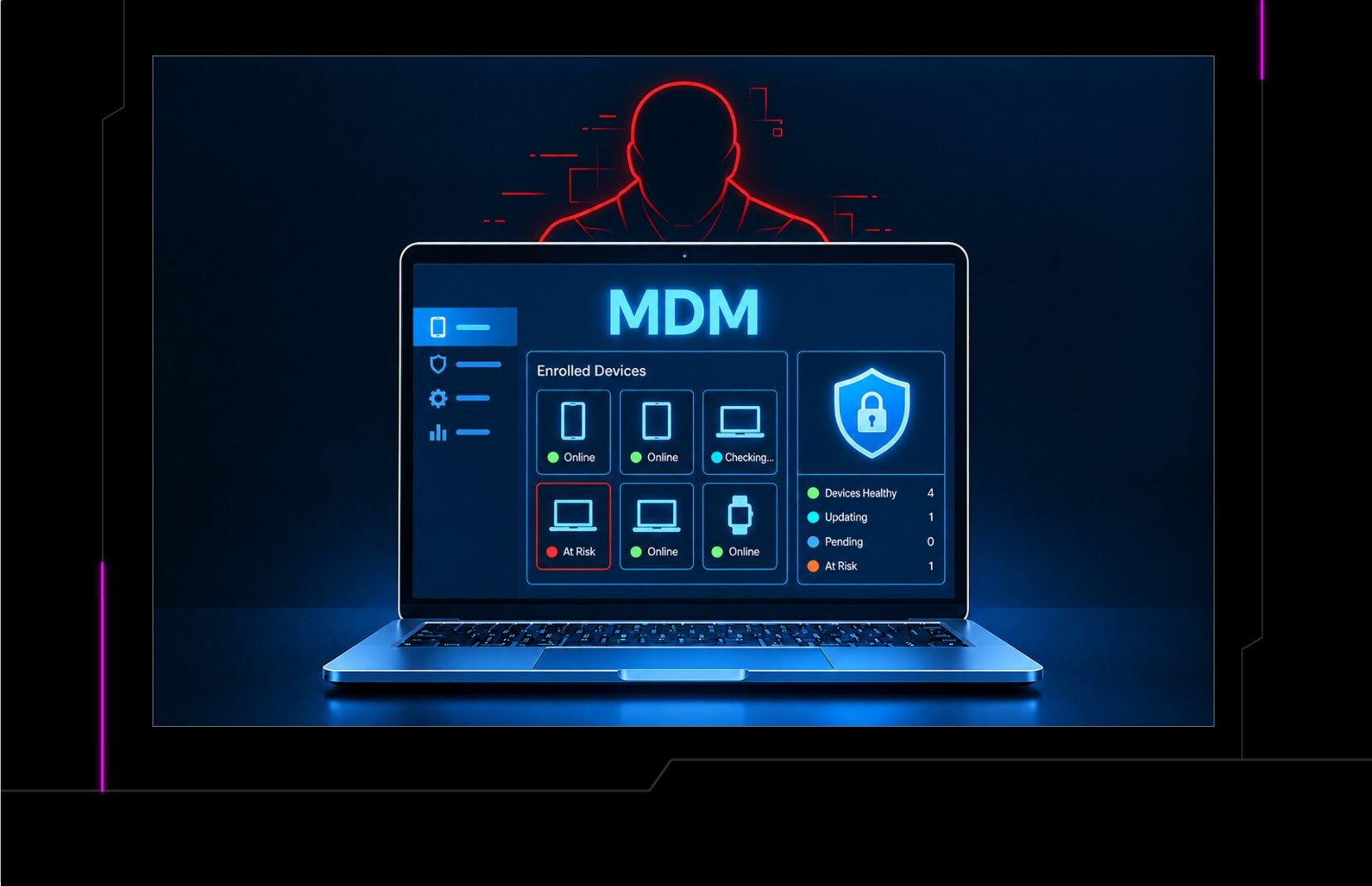
Managed for Malice: How Attackers Turn MDM into Remote Access

Huntress describes two incidents where attackers enrolled victims in attacker-controlled MDM tenants (Hexnode and Rippling) and used them to push ScreenConnect as SYSTEM. One began with a fake DocuSign MSI that bundled Hexnode; the other with a fake Teams calendar link leading to Rippling enrollment. Removing ScreenConnect did not stop reinstalls. The post lists IOCs, a detection chain and mitigations.

HexnodeRipplingScreenConnect+3
Huntressphishingsocial engineering+3

Threat Intel, Blue Team & Detection, Mobile SecurityΒ· Published and added 28 Oct 2026

x.comadvisoryπŸ›‘οΈ Security

lee1981 (@lee1981b) on X

CVE-2026-92885 is a critical (CVSS 3.1 9.8, CWE-287) authentication bypass in the Qode Membership WordPress plugin, versions through 2.0.6.2. A misspelled variable in the Facebook token-verification guard skips provider checks, so an unauthenticated attacker with a public nonce can get a session cookie for an existing account, including an administrator. The post gives the fix (2.0.6.3, bundled in Bridge 30.9), KEV/EPSS/SSVC status, and a SOC log-correlation and remediation plan.

WordPressQode MembershipBridge+3
CVE-2026-92885CWE-287Wordfence+4

AppSec, Identity & Access, Blue Team & DetectionΒ· Added 31 Oct 2026, published 28 Oct 2026

socket.devwriteupπŸ›‘οΈ Security

Malicious Firefox Extensions Impersonate Phantom, Jupiter, and Bitget to Steal Wallet Secrets

Socket analysis of three malicious Firefox add-ons impersonating Phantom, Jupiter and Bitget wallets, using Unicode homoglyph names. They steal seed phrases and private keys and send them to brand-named subdomains of bonto[.]io. The Phantom fake adds a runtime loader that fetches and evals a second stage, and bundles a drainer backend with Telegram forwarding. Includes IOCs, hashes and wallet addresses.

FirefoxTelegramCloudflare+3
bonto.ioPhantomJupiter+14

Threat Intel, Malware & RE, BlockchainΒ· Published and added 27 Oct 2026

blog.trailofbits.comarticleπŸ›‘οΈ Security

Backporting security fixes to stable releases

Trail of Bits argues that stable and LTS software, such as Ubuntu 26.04 LTS, Debian 13 and stable Linux kernel branches, carries many known CVEs that were fixed upstream but never backported. It measures the gap using the kernel CVE team's vulns.git (18 September 2026) and Debian and Ubuntu CVE feeds. Using Codex with GPT-5.6, the team got 142 fixes covering 90 CVEs applied to stable kernel trees and has begun sending patches to distributions.

Linux kernelDebianUbuntu+2
Trail of BitsPatch the PlanetGPT-5.6 Sol

AppSec, AI SecurityΒ· Published and added 27 Oct 2026

x.comthread🧠 AI

Prasenjit Sarkar (@stretchcloud) on X

Campfire is a self-hosted workspace by Prasenjit Sarkar that runs Claude Code, Codex, Goose, Aider and OpenHands side by side in one tab. Risky actions go through permission voting: a majority approves, any single deny blocks, and a 30 second timer ends the wait. Session replay shows which file or tool call triggered an action. The post cites Forever Security's report of a planted AGENTS.md. Codex followed it first time over 90% of the time and Claude Code about half the time. Try it with "bunx the-campfire".

Claude CodeCodexGoose+7
CampfirePrasenjit SarkarForever Security+2

coding-agents, agentsΒ· Added 28 Oct 2026, published 27 Oct 2026

socket.devarticleπŸ›‘οΈ Security

eMudhra, Brotli, and the Long Tail of a Security Fix

Socket post on why fixing the eMudhra weak-key intermediate CA incident (October 2026) and Brotli memory corruption CVE-2026-111497 takes more than updating Node.js. Bundled Brotli copies in Bun, Python Requests and .NET, Go binaries needing rebuilds, and per-program certificate stores all leave stale copies. It lists steps: track bundled components, keep a rebuild path, use workarounds, and verify the shipped artifact.

Node.jsBrotliBun+6
CVE-2026-111497eMudhraOneCRL+6

Supply Chain, AppSecΒ· Published and added 26 Oct 2026

securityweek.comarticleπŸ›‘οΈ Security

Node2Shell: Brotli Flaw Triggers Patching Across Microsoft, Node.js, Python Packages

CVE-2026-111497 (Node2Shell) is an out-of-bounds write in Google's Brotli decoder, versions 1.0.3 through 1.2.0, rated CVSS v4 9.2. Fixed in Brotli 1.0.10, 1.1.1 and 1.2.1, with patches from Node.js, Microsoft (.NET, Visual Studio, PowerShell on October 25), PyPI Brotli and brotlicffi, Bun, Envoy and Istio. Imperva showed code execution on Node.js 24.22.0 arm64; no in-the-wild exploitation is reported and some researchers say it only enables DoS.

BrotliNode.jsPython+3
CVE-2026-111497Node2ShellHTTP2Shell+5

AppSec, Supply ChainΒ· Published and added 26 Oct 2026

wiz.ioadvisoryπŸ›‘οΈ Security

Broccoli2shell: Everything You Need To Know About The Critical Brotli Decoder Vulnerability

CVE-2026-111497 (Broccoli2Shell, also Node2Shell and HTTP2Shell) is an out-of-bounds write in the upstream Brotli C decoder. It affects Node.js, Bun, Envoy Proxy, Istio and Python packages, and can lead to memory corruption, information disclosure, crashes or RCE when untrusted Brotli data is decompressed. Wiz reports 91% of cloud environments have vulnerable resources. The post lists patching, inventory, rebuild and temporary mitigation steps.

BrotliNode.jsBun+3
CVE-2026-111497Broccoli2ShellNode2Shell+8

AppSec, Cloud & InfraΒ· Published and added 25 Oct 2026

opensourcemalware.comwriteupπŸ›‘οΈ Security

Brotlipocalypse

Brotlipocalypse is an OSM Security post (24 October 2026) on CVE-2026-111497, an out-of-bounds write in the google/brotli C decoder (1.0.3 through 1.2.0). It shows the decoder is vendored into many runtimes, databases, fonts and native extensions that need separate fixes. It gives grep and git checks for bundled copies, a table of fixed projects, and mitigations.

BrotliNode.jsPyPI+3
CVE-2026-111497PYSEC-2026-4322PYSEC-2026-4323+4

Supply Chain, AppSecΒ· Published and added 24 Oct 2026

bankless.comarticleπŸ›‘οΈ Security

Crypto's Two Answers to AI Bug Hunters

Bankless article on how crypto is responding to AI-driven bug discovery. It cites Bitcoin Core's 22 October 2026 policy change to fix and ship bugs findable with a simple LLM prompt instead of embargoing them, DefiLlama's 112 hacks over $1M in 2026 versus 70 in 2025, and the Initia exploit (~$2.7M). It contrasts an agility approach (Starknet, bunker mode) with minimalism and AI-assisted formal verification (Anthropic and Theorem proofs across 123 libraries).

BitcoinEthereumClaude+3
Antoine PoinsotInitiaStarknet+10

AI Security, otherΒ· Published and added 23 Oct 2026

x.comadvisoryπŸ›‘οΈ Security

lee1981 (@lee1981b) on X

CVE-2026-111497 is an out-of-bounds write in the Brotli decoder bundled with Node.js (CWE-787, CWE-252), rated CVSS v4.0 9.2 by the Google CNA and High by the Node.js project. Fixes are Node 22.23.4, 24.22.1 and 26.12.1, and 24.22.1 still labels Brotli 1.2.0 because the fix was cherry-picked. The post gives a SOC trail from input to worker, with remediation and verification steps. It notes no KEV match, CISA SSVC exploitation none, and only unverified public lab claims.

Node.jsBrotliCVSS+3
CVE-2026-111497CWE-787CWE-252+3

Blue Team & Detection, AppSecΒ· Added 26 Oct 2026, published 23 Oct 2026

stepsecurity.ioarticleπŸ›‘οΈ Security

eMudhra / emSign CA Compromise: What Python, pip, and CI/CD Users Need to Update

Guidance on the October 2026 eMudhra / emSign CA incident, where eight intermediate CA certificates had private keys generated with insufficient randomness. It explains why updating certifi alone does not fix pip's vendored bundle, and lists fixed versions (certifi 2026.10.19, pip 26.2.2, Python 3.15.1, 3.14.9, 3.13.17). StepSecurity's OpenSSL 4.0.3 tests showed the older bundle accepted seven emSign paths, while both corrected bundles rejected all fourteen.

pipPythoncertifi+3
eMudhraemSigncertificate authority compromise+3

Supply Chain, DevSecOpsΒ· Published and added 22 Oct 2026

horizon3.aiarticleπŸ›‘οΈ Security

PHP2Shell Exposure Depends on More Than Whether You Use PHP

Horizon3.ai post on assessing exposure to PHP2Shell (CVE-2026-109618, CVE-2026-109619), two memory-handling flaws in PHP. It says affected PHP may be bundled in third-party products, containers or managed hosting, and that finding it shows a remediation need, not proven exploitability. It lists questions to ask hosting providers and says Horizon3.ai has validated exploitation under specific preconditions that are still being characterized.

PHP
CVE-2026-109618CVE-2026-109619PHP2Shell

AppSec, Offensive SecurityΒ· Added 29 Oct 2026, published 22 Oct 2026

aikido.devadvisoryπŸ›‘οΈ Security

Node2Shell: Node.js Brotli vulnerability allows remote code execution (CVE-2026-111497)

Node2Shell (CVE-2026-111497) is an out-of-bounds write in the Brotli decoder bundled with Node.js and Bun, triggered by malformed compressed input and rated high by Node.js, with possible remote code execution. Fixed in Node.js 22.23.4, 24.22.1 and 26.12.1 and Bun 1.4.4. The post covers exposure via Express 5, body-parser 2.x, fetch() and node:zlib, stopgaps, and a timeline with public proofs of concept on 22 October 2026.

Node.jsBunExpress+3
CVE-2026-111497Node2ShellCWE-787+1

AppSecΒ· Published and added 22 Oct 2026

endorlabs.comarticleπŸ›‘οΈ Security

eMudhra CA Compromise: The Trust Stores You Didn't Patch | Endor Labs

The eMudhra CA compromise (disclosed 20 October 2026) involves eight intermediate CA certificates whose private keys can be derived from the certificates themselves. They chain to AAA Certificate Services and three other roots. Browsers block them, but non-browser clients skip revocation and CT checks. Endor Labs finds 25 popular packages with frozen bundled root stores, 11 already patched, and gives a fingerprint-scanning script, test hosts and patch steps.

Endor LabsPythoncertifi+6
CVE-2026-111943eMudhraAAA Certificate Services+9

Supply Chain, AppSec, DevSecOpsΒ· Published and added 21 Oct 2026

danielmangum.comarticleπŸ›‘οΈ Security

Your MCU likely escaped the eMudhra intermediate CA compromise

Analysis of the eMudhra intermediate CA compromise disclosed 20 October 2026, in which eight intermediate CA private keys were weak P-384 keys (top 376 bits zero, one key equal to 4) and publicly accessible. It explains web PKI chains and why browsers enforcing Certificate Transparency were not exposed. It argues MCU firmware that bundles only the single root it needs, as in Zephyr's HTTP GET sample, is likely safe unless it trusts an eMudhra or Sectigo cross-signing root.

ZephyrOpenSSLFirefox+1
eMudhraSectigoCertificate Transparency+6

Hardware & RF, otherΒ· Added 22 Oct 2026, published 21 Oct 2026

opensourcemalware.comwriteupπŸ›‘οΈ Security

LiteLLM 1.107.0 PyPI Wheel Contains a Credential Stealer and Persistent Python Backdoor

LiteLLM 1.107.0 macOS x86-64 PyPI wheel analyzed by OpenSourceMalware contains three injected files (cook.pth, cook.py, sitecustomize.py) that run on every Python start. The payload, called privcollect, steals browser, SSH, cloud, CI/CD and AI-tool credentials, then uploads an AES/RSA-encrypted bundle to www.litellm.dev/healthcheck. A forked loader also fetches domain.txt from GitHub and executes /codepy hourly. The post lists IOCs, hashes and remediation steps.

LiteLLMPyPIPython+1
privcollectTeamPCPUpwind+4

Supply Chain, Malware & RE, Threat IntelΒ· Published and added 21 Oct 2026

simonwillison.netarticleπŸ›‘οΈ Security

eMudhra Intermediate CA Compromise

eMudhra Intermediate CA Compromise is a 20 October 2026 link-blog post reporting that private keys of eight eMudhra intermediate CA certificates were compromised. They chain to roots trusted by the Mozilla, Microsoft, Apple and Chrome programs. Software bundling trust lists needs updating: Linux distros must update ca-certificates, and uv 0.13.4, pip 26.2.2 and certifi 2026.10.19 ship new lists. The post does not describe how the keys were compromised.

Pythonpipuv+2
eMudhra

otherΒ· Added 21 Oct 2026, published 20 Oct 2026

x.comrepoπŸ›‘οΈ Security

Panos Gkatziroulis πŸ¦„ (@ipurple) on X

Malvex (JoasASantos/Malvex) is an AI-driven malware analysis framework that integrates more than 30 analysis tools, a web REPL and an MCP server. Panos Gkatziroulis shared it on 19 October 2026 and noted that it was written by AI. The tweet gives no detail on which tools are bundled or how the AI drives them.

Model Context ProtocolGitHubLLM
Malvex

Malware & RE, AI SecurityΒ· Added 22 Oct 2026, published 19 Oct 2026

safeguard.sharticleπŸ›‘οΈ Security

MemTensor Compromise: Poisoned MemOS Releases on npm and PyPI

MemTensor MemOS compromise: three malicious versions of @memtensor/memos-cloud-openclaw-plugin on npm and MemoryOS 2.0.34 on PyPI (23 September 2026) bundled a Go binary, sckit, that harvested credentials and environment secrets and reported to skyleen.fr. The post gives OSV IDs, grep and find commands for exposure checks, safe versions (0.1.20, 2.0.33), rotation steps, and the missing gitHead as a provenance signal.

npmPyPIOpenClaw+3
MemTensorMemOSsckit+6

Supply Chain, AI Security, Blue Team & DetectionΒ· Added 19 Oct 2026, published 18 Oct 2026

github.comrepoπŸ›‘οΈ Security

AikidoSec/safe-chain

Aikido Safe Chain is an open-source local proxy and shell-alias wrapper for npm, yarn, pnpm, bun, pip, uv, poetry, pipx and pdm. It checks every package download, including deep dependencies, against the Aikido Intel malware feed and blocks malicious packages before install. It also enforces a configurable 48-hour minimum package age by suppressing too-new versions in registry metadata. It supports custom registries and a self-hosted malware-list mirror, and has CI/CD install recipes for GitHub Actions, Azure Pipelines, CircleCI, Jenkins, Bitbucket and GitLab.

Aikido SecuritynpmPyPI+3
Aikido IntelSafe Chain

Supply Chain, DevSecOpsΒ· Added 17 Oct 2026

x.comadvisoryπŸ›‘οΈ Security

lee1981 (@lee1981b) on X

CyberForge CVE of the Day #080 covers CVE-2026-99999 ("PwnEscape"), a Linux kernel IPv4 checksum-completion flaw. Crafted checksum metadata can trigger a deferred write into an already-validated IPv4 header, which allows host memory disclosure from a guest or microVM over virtio-net and TAP. It gives upstream fixed branches (5.10.272 to 7.2.11), Amazon Linux, Red Hat and Ubuntu status, CVSS 9.3, EPSS 0.211% and a SOC investigation trail. No IOCs were verified.

Linux kernelKVMFirecracker+6
CVE-2026-99999PwnEscapesandbox escape+5

Cloud & Infra, Blue Team & DetectionΒ· Added 19 Oct 2026, published 17 Oct 2026

x.comthread🧠 AI

Romy (@0xBunny) on X

Tweet from 0xBunny announcing an update to Jev Workflows, an open-source workflow toolkit. It adds native Claude Code support alongside Codex, an opt-in Jev 1.14, experimental image/Box questions, shared QQ contract sync and local CI. Features were also mirrored to a sibling project called QQ. It is free, with no plugin quotas, and links to a GitHub repo.

Claude CodeCodexGitHub
JevQQ

coding-agentsΒ· Added 17 Oct 2026, published 16 Oct 2026

x.comthread🧠 AI

44er (@44errrr) on X

Announcement of hexvero, an MCP server that gives coding agents a static first look at binaries and app bundles across 18 formats (ELF, PE, Mach-O, APK, .NET, Go, Wasm, Electron, SQLite). It uses zero-dependency Node parsers and marks each finding confirmed or inferred with file and line. Its tool catalog is 3,043 tokens, against a claimed 509,696 for the established reverse-engineering MCP server. Paged output with a byte budget shrinks a 541 MB Electron app to a 15 KB result, 1.3 MB of JSON to 7.9 KB, and a 450 KB build diff to 1.2 KB. radare2, rizin or Ghidra plug in for disassembly, and `npx hexvero setup --apply` registers it with Claude Code, Cursor, Codex and 15 more clients. It is a concrete example of keeping MCP tool definitions and results small enough for an agent's context window.

Model Context ProtocolNode.jsnpm+12
hexvero

mcp, coding-agentsΒ· Added 15 Oct 2026, published 14 Oct 2026

x.comtoolπŸ›‘οΈ Security

44er (@44errrr) on X

hexvero is a Node-only, zero-dependency MCP server that gives coding agents a static first-look triage of binaries and app bundles across 18 formats (ELF, PE, Mach-O, APK, .NET, Go, Wasm, Electron, SQLite). Findings are marked confirmed or inferred with file and line, and outputs are paged with a byte budget (a 541 MB Electron app yields a ~15 KB result). The author contrasts its 3,043-token tool catalog with a 509,696-token catalog of an established RE MCP server. radare2, rizin or Ghidra can be plugged in for disassembly, and setup registers it with Claude Code, Cursor, Codex and 15 more clients.

Model Context ProtocolGhidraNode.js+3
hexvero

Malware & RE, AI SecurityΒ· Added 15 Oct 2026, published 14 Oct 2026

securityweek.comarticleπŸ›‘οΈ Security

Canonical Websites Disrupted in Second DDoS Attack This Year

SecurityWeek reports that Canonical's main web properties (ubuntu.com, canonical.com, the Ubuntu blog and developer site, and the security advisory pages and API) were hit by a sustained DDoS attack confirmed on October 8. Downtime was a little over four hours. Launchpad and the Snap Store appeared unaffected. The attack's size and origin are undisclosed and nobody has claimed it. It follows a more disruptive April attack that took down Launchpad and the Snap Store and was claimed by The Islamic Cyber Resistance in Iraq – 313 Team. It is unclear whether the two are linked.

Ubuntu
The Islamic Cyber Resistance in Iraq – 313 TeamCanonicalLaunchpad+1

Threat IntelΒ· Published and added 12 Oct 2026

decrypt.coarticleπŸ›‘οΈ Security

How Zcash Plans to Hide Your Keys From AI and Quantum Attacks

Decrypt reports that Zakura, which builds a Zcash full node, expects post-quantum signature opcodes in Zcash in January, to enable hash-based signatures for transparent pools. The plan rotates to a fresh transparent address after every transaction so public keys stay hidden, and adds a WOTS hash-based backup signature. Private information retrieval, shipping this week in the Vizor wallet, stops servers from linking the rotated addresses. It follows Justin Drake's "bunker mode" warning that AI-driven math could break ECDSA. The plan covers only transparent payments, and no activation date has been confirmed.

ZcashVizor
ZakuraRoman AkhtarievJustin Drake+4

BlockchainΒ· Published and added 11 Oct 2026

github.comrepo🧠 AI

sepehr071/iran-mcp

iran-mcp is an open-source catalog of 39 MCP servers (488 tools) that let AI agents query Iranian websites such as Digikala, Torob, Divar, Snappfood, Jabama, Paziresh24, TSETMC and qavanin.ir, with prices normalised to Toman. Most servers are unofficial, read-only Python packages run with uvx; three are official hosted servers. It ships Claude Code plugins, Agent Skills, bundles, proxy lists and a machine-readable servers.json.

Model Context ProtocolPythonPyPI+11
DigikalaTorobDivar+10

mcp, coding-agentsΒ· Added 24 Oct 2026, published 11 Oct 2026

x.comrepoπŸ›‘οΈ Security

Dan Kornas (@DanKornas) on X

Arcjet JS SDK is an Apache-2.0 JavaScript monorepo that adds runtime security checks to AI apps, agents and HTTP endpoints. It ships framework SDKs (Next.js, Node.js, Bun, Deno, Fastify, NestJS) plus a Guard API for agent tool calls, MCP handlers, queue workers and background jobs that have no HTTP request object. Features include prompt injection detection, sensitive-information detection (PII, credit cards, custom patterns) and token-bucket, fixed-window and sliding-window rate limiting.

ArcjetModel Context ProtocolNode.js+3

AI Security, AppSecΒ· Published and added 11 Oct 2026

x.comrepo🧠 AI

Dan Kornas (@DanKornas) on X

Arcjet JS SDK is an open-source (Apache-2.0) JavaScript monorepo that adds runtime security to AI apps, agents and HTTP endpoints. It ships request SDKs for Next.js, Node.js, Bun, Deno, Fastify and NestJS. It also has a Guard API for places with no HTTP request object, such as agent tool calls, MCP handlers, queue workers and background jobs. Built-in checks cover prompt-injection detection, sensitive-information detection (PII, credit cards, custom patterns) and token-bucket, fixed-window or sliding-window rate limits, including token budgets.

Arcjet JS SDKJavaScriptNext.js+6
ArcjetDan Kornas

ai-infra, agentsΒ· Published and added 11 Oct 2026

coindesk.comarticleπŸ›‘οΈ Security

Zcash developers set January target for quantum-resistant payments after β€˜bunker mode’ scare

Zcash developer Roman Akhtariev, writing for the Zakura client team, announced a January target for adding post-quantum signature opcodes supporting hash-based signatures to Zcash's transparent (public) payment pool, which holds about 70% of issued ZEC. The move responds to Ethereum researcher Justin Drake's "bunker mode" warning that AI could soon break the elliptic-curve math behind Bitcoin and Ethereum wallet keys. Zakura has also built a private-information-retrieval balance-lookup tool, now experimentally available in the Vizor wallet, that lets a wallet check address balances without revealing to the server which addresses are linked, separate from the shielded-pool quantum-recovery work still needed to defend against store-now-decrypt-later attacks.

ZcashVizor
Roman AkhtarievJustin DrakeML-DSA+1

BlockchainΒ· Published and added 9 Oct 2026

opensourcemalware.comtalkπŸ›‘οΈ Security

The OpenSourceMalware Show #24

Weekly OpenSourceMalware podcast episode discussing three fresh supply-chain attacks: the Tensorlake AI-agent SDK compromised via a preinstall-triggered Mini Shai-Hulud-derived worm (setup.mjs + math_symbol.js, run via Bun) that steals credentials; a Contagious Interview-style attack where a cloned GitHub repo drops a malicious .npmrc pointing npm install at a Chinese mirror (npmmirror.com) to resolve a hidden package; and 42 malicious RubyGems published by "Ghost Dev" that typosquat/brandjack crypto tooling, sleep 20–40 minutes via extconf.rb to evade detection, then either open a reverse shell or deploy a Python-based "Wallet Guard" crypto-theft kit targeting TronLink, MetaMask, Phantom, Binance, Coinbase, Trust Wallet, Exodus, and Electrum. The hosts also discuss multi-package "combined payload" evasion and how AI-driven slopsquatting is making cross-ecosystem typosquats more effective.

npmRubyGemsBun+2
Mini Shai-HuludContagious InterviewDPRK+16

Supply Chain, Malware & REΒ· Published and added 9 Oct 2026

thedefiant.ioarticleπŸ›‘οΈ Security

Coinbase Cryptographer Calls Drake's 'Bunker Mode' Warning 'The Very Definition of FUD'

News piece reporting that a Coinbase cryptographer dismissed Justin Drake's proposal for Ethereum validators/users to adopt a 'bunker mode' against AI-accelerated cryptanalysis as unfounded FUD. Vitalik Buterin weighed in that AI-accelerated math risk is real but should be pointed at lattice-based cryptography rather than elliptic-curve schemes like ECDSA used by Ethereum, while a former Ethereum Foundation researcher argued bunker mode would not help if the curves actually broke.

Ethereum
Vitalik ButerinJustin DrakeECDSA+1

BlockchainΒ· Published and added 8 Oct 2026

cointelegraph.comarticleπŸ›‘οΈ Security

Vitalik Buterin backs crypto β€˜bunker mode’ amid rapid AI math advances

Ethereum researcher Justin Drake, backed by Vitalik Buterin, warns that rapid AI progress in mathematics (citing OpenAI's recent batch of math findings and a 10,000-agent solve of Navier-Stokes) could break ECDSA-based wallet signatures before quantum computers ever do, and that lattice-based post-quantum schemes may not be safe either. They recommend a controlled 'bunker mode' migration of crypto holdings to fresh addresses whose public keys have never been exposed on-chain, while cautioning that botched migrations carry their own risk.

EthereumOpenAI
Vitalik ButerinJustin DrakeHaseeb Qureshi+2

BlockchainΒ· Published and added 8 Oct 2026

bankless.comarticleπŸ›‘οΈ Security

Vitalik Flags AI Risk to Crypto, Warns Against Rushed Wallet Moves

Vitalik Buterin responds to Ethereum Foundation researcher Justin Drake's bunker mode proposal, agreeing AI-accelerated cryptanalysis could break ECDSA, the signature scheme behind most crypto wallets, in months not years, and that lattice-based schemes like ML-DSA billed as quantum-safe could also take serious hits within two years. Buterin gives practical key-hygiene advice such as keeping funds in addresses that never exposed a public key and rotating multisig signer keys after every operation with offchain signature collection, while warning that botched migrations cost more than hacks.

Ethereum
Vitalik ButerinJustin DrakeECDSA

BlockchainΒ· Published and added 8 Oct 2026

decrypt.coarticleπŸ›‘οΈ Security

Will AI Break Crypto Encryption? Ethereum’s Vitalik Buterin Weighs In on 'Bunker Mode' Shift

Decrypt reports on Ethereum co-founder Vitalik Buterin's warning that AI-driven advances in mathematics could plausibly break lattice-based cryptography within two years, a day after Ethereum Foundation researcher Justin Drake urged the industry to adopt "bunker mode" β€” moving funds to addresses whose public keys have never been exposed. The piece covers pushback on reusing public keys, the tradeoff between quantum-resistant lattice schemes (used by projects like Cardano) and their potential AI-math vulnerability, and Buterin's preference shift toward hash-based cryptography, with commentary from BIP-360 co-author Isabel Foxen Duke and Charlie Quant Lab's Ananda Banerjee urging calm preparation over panic.

EthereumCardano
Vitalik ButerinIsabel Foxen DukeAnanda Banerjee+7

BlockchainΒ· Published and added 8 Oct 2026

cybersecuritynews.comarticleπŸ›‘οΈ Security

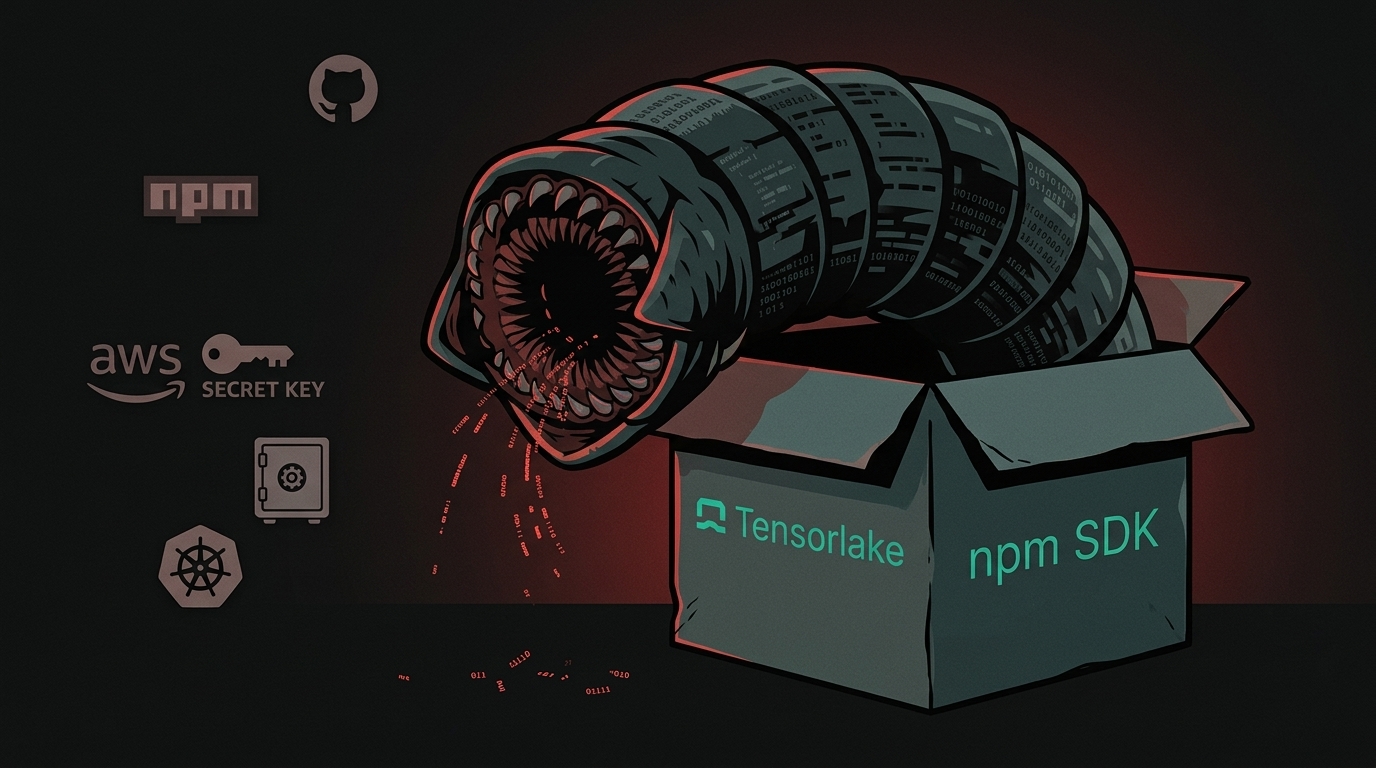
Tensorlake npm Package Compromised to Spread Shai-Hulud Worm

The tensorlake npm package, version 0.5.144 released 8 October 2026, carried a new Shai-Hulud worm variant, per Aikido's analysis. A preinstall script runs node lib/setup.mjs, downloads Bun and launches lib/Math_Symbol.js, which steals cloud, CI/CD, SSH, Vault, browser and crypto-wallet secrets. It reaches C2 iseekaigogo[.]com or an Ethereum smart-contract dead drop, and has a wipe dead-man's switch tied to a GitHub token.

npmBunEthereum+2
Shai-HuludEtherHidingiseekaigogo[.]com+2

Supply Chain, Threat Intel, Malware & REΒ· Added 19 Oct 2026, published 8 Oct 2026

decrypt.coarticleπŸ›‘οΈ Security

Morning Minute: Ethereum Researcher Says AI May Break Crypto Encryption Before Quantum

A daily crypto-market newsletter segment reporting Ethereum Foundation researcher Justin Drake's warning that AI, not quantum computing, may be the first to break ECDSA β€” the elliptic-curve signature scheme securing Bitcoin and Ethereum β€” potentially within months by recovering private keys from exposed public keys using large GPU clusters. Drake calls for industry-wide "bunker mode": migrating self-custodied funds to fresh addresses whose public keys remain hashed/hidden, and names exchanges (Binance, Bitbank, Robinhood, Bitfinex, Tether) he wants to harden cold storage. The article also notes a concurrent Europol report flagging crypto wallets with already-revealed public keys as the main weak point for future quantum/AI attacks, since those cannot be retroactively protected.

BitcoinEthereumOpenAI
Justin DrakeEuropolbunker mode+1

BlockchainΒ· Published and added 8 Oct 2026

coindesk.comarticleπŸ›‘οΈ Security

Bitcoin and ether holders urged to enter β€˜bunker mode’ against possible AI attacks

Ethereum researcher Justin Drake and co-founder Vitalik Buterin warn that rapid AI progress in mathematics could break the elliptic-curve signatures securing Bitcoin and Ethereum wallets within months - far sooner than quantum computers are expected to - urging large holders to enter bunker mode by migrating funds to addresses whose public keys have never been exposed onchain. Buterin also flags that lattice-based post-quantum schemes, the basis of NIST's signature standard, could face similar AI-driven erosion, pushing Ethereum's long-term roadmap toward hash-based signatures instead. The piece grounds the warning in already-documented AI-assisted exploit discovery: a 5-year-old Coldcard hardware-wallet firmware bug drained over 1,367 BTC, BTCPay Server Lightning-node thefts, Core Lightning bugs surfaced via AI-generated audits, and Anthropic's demonstration of AI models writing working exploits against simulated DeFi contracts.

BitcoinEthereumColdcard+3
Justin DrakeVitalik ButerinCoinkite+3

Blockchain, AI SecurityΒ· Published and added 8 Oct 2026

en.cryptonomist.charticleπŸ›‘οΈ Security

AI risk to crypto wallets: Ethereum researcher warns keys could be cracked in months

Ethereum Foundation researcher Justin Drake warned on October 7, 2026 that advances in AI and mathematics could break ECDSA β€” the signature scheme securing blockchain transactions β€” within months, potentially letting an attacker recover a private key in about a week using a large GPU cluster. He urged gradual "bunker mode" preparation rather than panic: rotating funds into fresh addresses whose public keys have never been exposed on-chain, strengthening cold storage, and accelerating Ethereum's move toward hash-based signature schemes such as SPHINCS for critical signers like oracles and L2 security councils.

EthereumECDSASPHINCS
Justin DrakeEthereum FoundationWu Blockchain+1

BlockchainΒ· Published and added 8 Oct 2026

aikido.devwriteupπŸ›‘οΈ Security

tensorlake NPM package compromised with Shai Hulud worm

Aikido details a new Shai-Hulud worm wave that compromised the tensorlake npm package (v0.5.144, 100k+ lifetime installs) via a hijacked GitHub maintainer identity. The malware's preinstall script drops the Bun runtime to run an obfuscated payload that exfiltrates CI/cloud secrets, browser crypto-wallet extension data (via a bundled HackBrowserData binary), uses a blockchain dead-drop (an Ethereum contract queried via public RPC nodes) to resolve a fallback C2, and includes a GitHub-token-triggered dead-man's switch that wipes infected machines. The post includes full IOCs: file hashes, the C2 domain iseekaigogo[.]com, and the threat actor's wallet/contract addresses.

npmBunEthereum+3
Shai-Huludtensorlakeiseekaigogo[.]com+4

Supply Chain, Malware & REΒ· Published and added 8 Oct 2026

Showing 60 of 189

Show more