Skip to content

66 results for β€œHTML”

What you seeeverything
simonwillison.netarticleπŸ›‘οΈ Security

How We Took Over ChatGPT Accounts

Simon Willison summarises Parameter Labs' ChatGPT account takeover chain against the HTML previews (formerly Canvas) sandboxed iframe. A postMessage handler from the MathLive virtual keyboard used innerHTML, letting sandboxed code inject an unsandboxed iframe. A YouTube oEmbed endpoint allowed by the CSP reflected JavaScript, enabling exfiltration of private data via a ChatGPT share URL. OpenAI fixed it and paid a $5,000 bounty.

ChatGPTOpenAIMathLive+2
Parameter Labssandbox escapeContent Security Policy bypass+2

AppSec, AI SecurityΒ· Published and added 31 Oct 2026

parameter.aiwriteupπŸ›‘οΈ Security

Do the math: How we took over ChatGPT accounts

Parameter Labs describes a chain that turned a public ChatGPT share link into JavaScript running as chatgpt.com in the victim's session. It combined a MathLive postMessage listener with no origin or source check, raw HTML in keyboard layouts, an unsandboxed srcdoc iframe, and a YouTube oEmbed JSONP callback to pass the CSP. The code read private conversations through backend APIs. OpenAI fixed it on 26 October 2026 and rated it P1.

ChatGPTOpenAIMathLive+2
Parameter Labssandbox escapeXSS+2

AppSecΒ· Added 1 Nov 2026, published 31 Oct 2026
oversecured.comwriteupπŸ›‘οΈ Security

Disclosure of 7 Android and Google Pixel vulnerabilities

Oversecured discloses seven Android vulnerabilities, two of them Pixel-specific, all reported to Google and fixed except one low-severity WebView case. They are the Camera geolocation leak (CVE-2024-0017), a VPN bypass list change (CVE-2023-21383), a Bluetooth permission check flaw (CVE-2024-34719), the WorkSource parcel mismatch (CVE-2023-20963, exploited in the wild by the Pinduoduo app), Device Admin HTML injection (CVE-2021-0600) and a ContentProvider.openFile() caller-context bypass (CVE-2023-21292). Each has root cause and PoC code.

AndroidGoogle PixelWebView+2
CVE-2024-0017CVE-2023-21383CVE-2024-34719+9

Mobile Security, Offensive SecurityΒ· Added 29 Oct 2026

orca.securityadvisoryπŸ›‘οΈ Security

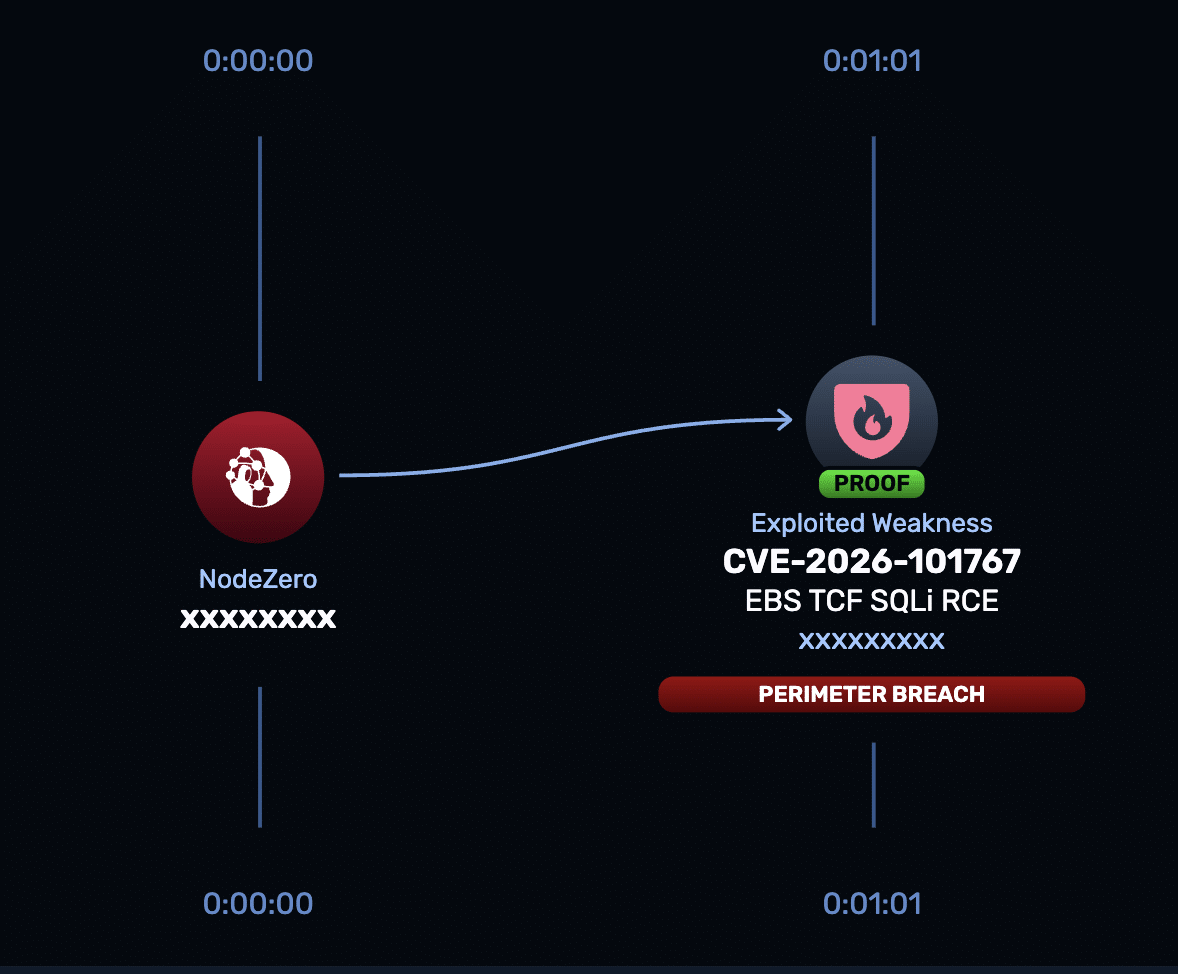
CVE-2026-101767: Critical Oracle EBS SQL Injection Actively Probed in the Wild

CVE-2026-101767 is a CVSS 9.8 unauthenticated SQL injection in Oracle E-Business Suite's Application Object Library, reachable through the /OA_HTML/AppsTCFServer servlet (GanttDataServer) and chainable to OS command execution. It affects versions 12.2.3 to 12.2.15 and was fixed in the October 2026 Critical Patch Update. Horizon3.ai found it, and Defused saw probing on honeypots on 27 October 2026. Interim mitigation is removing the servlet from the URL firewall allowlist.

Oracle E-Business Suite
CVE-2026-101767Horizon3.aiDefused+5

AppSec, Threat IntelΒ· Published and added 28 Oct 2026

securityweek.comarticleπŸ›‘οΈ Security

Chrome and Firefox Updates Patch Over 200 Vulnerabilities

Chrome 156 and Firefox 159 security updates fix over 200 vulnerabilities. Chrome 156 patches 52 flaws, four critical, including CVE-2026-118306, a FileSystem memory corruption bug that allows code execution outside the sandbox via a crafted HTML page. Firefox 159 fixes 167 flaws, 108 high severity, mostly use-after-free, plus Thunderbird and ESR releases. No in-the-wild exploitation is reported.

ChromeFirefoxThunderbird+1
CVE-2026-118306use-after-freesandbox escape

AppSec, otherΒ· Published and added 28 Oct 2026

x.comthread🧠 AI

Manoj | The AI Dude (@Manojkumar2257) on X

heditor is an open-source (MIT) agent skill from pycodebr that has Claude Code, Codex, Cursor or OpenCode edit talking-head videos. It transcribes with faster-whisper, picks a 30-70s segment, cuts frame-accurately, builds HTML + GSAP motion graphics, mixes audio at -14 LUFS, and runs QA with vision-reviewed previews. It offers 42 named styles and a long-form mode with chapters, SRT/VTT and lower thirds. Install: npx skills add pycodebr/heditor -g.

Claude CodeCodexCursor+6
heditorpycodebr

coding-agents, prompting, multimodalΒ· Added 28 Oct 2026, published 27 Oct 2026

arxiv.orgpaper🧠 AI

Tessera: Structure-Completed Evidence Units for Web Retrieval-Augmented Generation

Tessera is a training-free evidence delivery layer for web retrieval-augmented generation. It rebuilds retrieved pages' HTML into fine-grained evidence units, each completed with page title, section path and table headers, then packs the relevant units into the reader context at the same token budget. Tracing evidence over full English Wikipedia shows chunking loses table and infobox content. Tessera adds 5 to 6 accuracy points on three QA benchmarks and carries over to agentic search.

RAGHTML
TesseraWikipedia

llm-apps, researchΒ· Added 28 Oct 2026, published 27 Oct 2026

horizon3.aiadvisoryπŸ›‘οΈ Security

CVE-2026-101767 | Oracle E-Business Suite TCF SQL Injection and Remote Code Execution

CVE-2026-101767 is an unauthenticated SQL injection in the Oracle E-Business Suite Thin Client Framework servlet (/OA_HTML/AppsTCFServer, oracle.apps.fnd.tcf.SocketServer), CVSS 3.1 9.8. It runs SQL as the APPS user and chains to OS commands as the EBS account. Affects 12.2.3 to 12.2.15, fixed in the Oracle October 2026 CPU (20 October 2026). The page lists mitigations, IOCs and a timeline.

Oracle E-Business SuiteCVSS
CVE-2026-101767CWE-89Horizon3.ai+3

AppSec, Offensive Security, Blue Team & DetectionΒ· Added 29 Oct 2026, published 20 Oct 2026

hackers-arise.comarticleπŸ›‘οΈ Security

Digital Forensics: Analyzing Systems with Live-Forensicator

Live-Forensicator is a cross-platform (Windows, Linux, macOS) live response toolkit built around Forensicator.ps1. The Hackers Arise walkthrough runs it on Windows with case details, then reads the HTML report: event log summary (Event IDs 4624, 4798, 4799, 4688) and a risk rating. It also shows optional AI analysis through Ollama with a Mistral model, configured in config.json, and warns that the tool triggers AV and that AI slows runs.

PowerShellWindowsOllama+2
Live-ForensicatorForensicator.ps1WinPmem+7

Blue Team & Detection, LearningΒ· Published and added 20 Oct 2026

hackers-arise.comarticleπŸ›‘οΈ Security

Open-Source Intelligence (OSINT): Turn One Username into a Full Digital Dossier with Maigret

Hands-on walkthrough of Maigret, an open-source Python tool that checks a username against 3,000+ sites (top 500 by default) and builds a profile dossier by parsing public profile pages and recursively searching newly found usernames. Covers installation from GitHub, single-site and tag filtering, username permutation, HTML/PDF/CSV/JSON reports, graph output, and an optional LLM summary via OpenRouter. Positioned as a more thorough successor to Sherlock for username reconnaissance.

MaigretPythonKali Linux+2
Sherlock

OSINT, LearningΒ· Published and added 16 Oct 2026

cloud.google.comwriteupπŸ›‘οΈ Security

Investigating Ephemeral Supply Chain Tampering

GTIG and Mandiant report on UNC7017, which tampered with AOMEI update servers in five to ten minute windows between April and July 2026. Edited down_html.ini and Notifycfg.ini files delivered the CROSSROAD downloader and SHINYROAD PocketPy backdoor, plus Adaptix C2 and WebDAV NTLM coercion. The post covers infrastructure shifts, YARA rules, IOCs, and vendor and SOC guidance on point-in-time triage failures.

AOMEI BackupperRadminAdaptix C2+3
UNC7017CROSSROADSHINYROAD+10

Supply Chain, Threat Intel, Malware & RE, Blue Team & DetectionΒ· Added 29 Oct 2026, published 15 Oct 2026

arxiv.orgpaperπŸ›‘οΈ Security

BrowseSafe++: Benchmarking Prompt Injection Detection Across Web Contexts, Languages, and Browser Views

BrowseSafe++ extends BrowseSafe to 38,675 paired attacked/clean web pages, most with prompt injections observed in the wild on production sites. Pages cover twelve site types, 24 attack types and 18 injection locations, each given as HTML, Markdown, accessibility tree and screenshot with a user task and expected answer. The authors train BrowseSafe-Guard, two 0.8B detectors (text and screenshot) that beat a frontier-model-based detector on F1 with low false positives and low inference cost. BrowseSafe-Adapt rewrites injections using browser-agent feedback, raising attack success from a few percent to up to 95.41%.

LLM
BrowseSafe++BrowseSafeBrowseSafe-Guard+3

AI SecurityΒ· Added 15 Oct 2026, published 12 Oct 2026

hackers-arise.comwriteupπŸ›‘οΈ Security

Artificial Intelligence (AI) in Cybersecurity, Part 28: Using ADStrike to Compromise Active Directory

ADStrike is an Active Directory attack framework with 52 attack modules and configurable OPSEC levels. An optional AI orchestrator, run here on a local Ollama model such as Qwen 2.5-coder 7b, picks the next tool from each step's output. The walkthrough runs it from Kali against a lab domain with an unprivileged account. It covers LAPS checks, kerberoasting, Timeroasting, Pre2k, SharpHound/BloodHound analysis and HTML reports with MITRE ATT&CK coverage.

ADStrikeActive DirectoryOllama+3
kerberoastingTimeroastingPre2k+3

Offensive Security, AI SecurityΒ· Published and added 12 Oct 2026

github.comtoolπŸ›‘οΈ Security

derailed/popeye

Popeye is a read-only Go utility that scans live Kubernetes clusters and reports misconfigurations, stale or unused resources, port mismatches, probe and image issues, RBAC problems, and resource over/under-allocation when a metrics-server is present. It is configurable with a spinach.yaml (excludes, thresholds, allowed registries, severity overrides), can run as a CronJob with a get/list ClusterRole, outputs HTML/JSON/YAML reports, pushes Prometheus metrics, and can upload reports to S3/Minio. It lints what is actually deployed rather than manifests on disk.

KubernetesGoDocker+2
Popeyespinach.yaml

Cloud & Infra, DevSecOpsΒ· Added 12 Oct 2026

opensourcemalware.comwriteupπŸ›‘οΈ Security

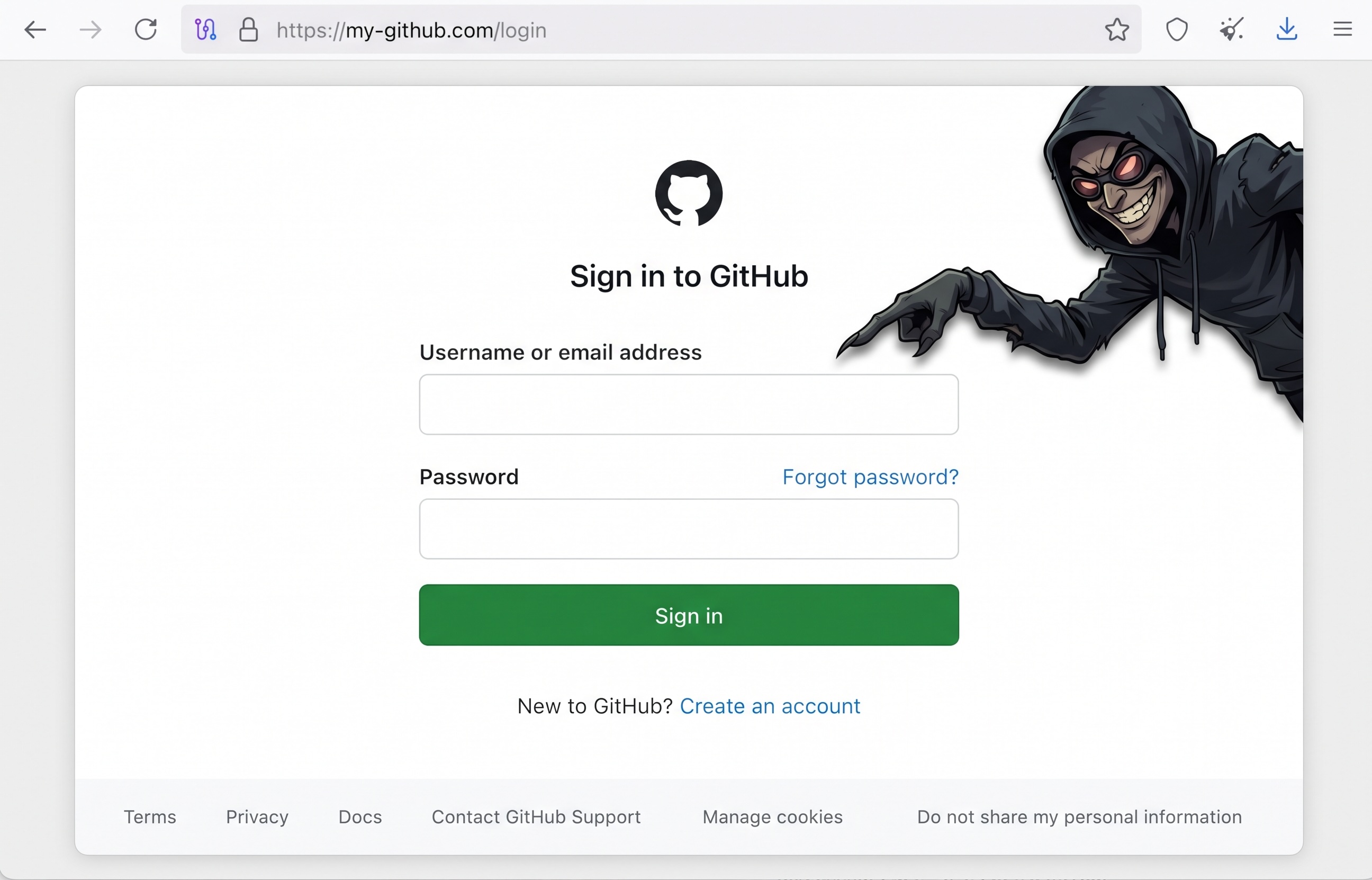
GhostAction Phishing Campaign

OpenSourceMalware analyzes a targeted phishing email from my-github[.]com (same server 193.32.204[.]199 as GhostAction's CI/CD exfiltration) that impersonated a GitHub new-sign-in alert. Recovered HTML and a HAR show a GitHub reverse proxy that captures passwords and TOTP codes, rewrites GitHub subdomains, and injects JavaScript that silently completes an OAuth device flow with repo, workflow and read:org scopes, then exfiltrates the token to TCP/8443. It includes a per-session redirect controller, mutable redirect behavior seen in URLScan, a victim's audit-log outcome (MFA stopped escalation), IOCs, and response guidance.

GitHubOAuthGitHub Actions+2
GhostActionmy-github.com193.32.204.199+6

Threat Intel, Supply Chain, Identity & AccessΒ· Published and added 11 Oct 2026

github.comrepoπŸ›‘οΈ Security

https://github.com/dmdhrumilmistry/security-harness

security-harness is an open-source Claude Code plugin (also packaged for Gemini CLI, Codex and opencode) that orchestrates subagents β€” sh-recon, sh-hunter, sh-chainer, sh-verifier, sh-reporter β€” through a static-analysis pipeline covering 15 vulnerability classes (IDOR/BOLA, SQLi, XSS, SSRF, injection, auth, deserialization, path traversal, secrets, CSRF, XXE, open redirect, crypto, race conditions, file upload), producing README/JSON/SARIF/HTML/PDF reports with PoCs, CVSS and CWE/OWASP mappings. It also ships sh-pr-review, a per-PR merge-gate skill that posts inline findings and a commit status scoped only to code the PR itself introduced or aggravated, with caching, dedup via fingerprints, and a scheduled GitHub Action that keeps its per-class knowledge bases fresh by having one AI agent draft updates from allowlisted sources (OWASP, PortSwigger Research, CWE/CAPEC, HackerOne) while a separate adversarial reviewer agent fails-closed against prompt injection before auto-merge.

Claude CodeGemini CLISARIF+3
IDORBOLASSRF+1

AppSec, AI Security, DevSecOpsΒ· Added 2 Oct 2026, published 29 Sep 2026

simonwillison.netwriteup🧠 AI

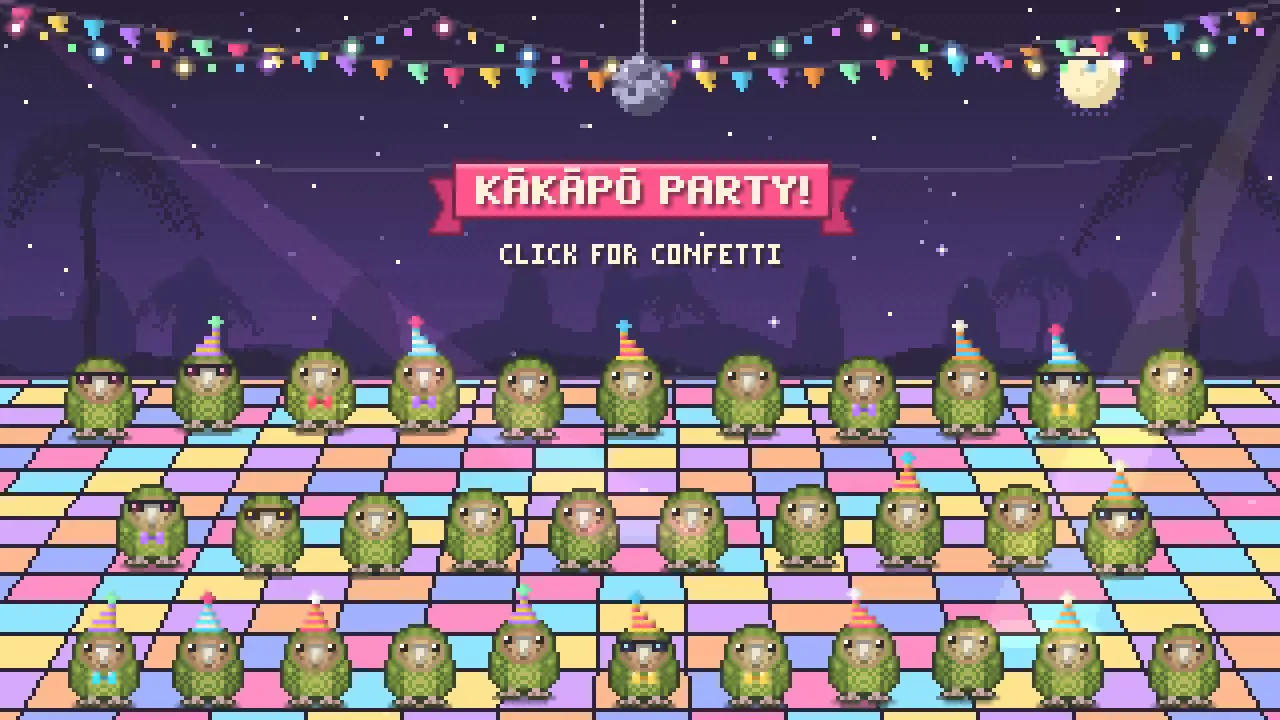
Kākāpō Party

Simon Willison describes prompting Claude Opus 5.5 with reference photos to generate an animated pixel-art HTML5 canvas scene (kākāpō parrots partying with confetti), then using a local Claude Code session to drive Playwright, click through the page at scripted timestamps, and record a 15-second video of the result for a keynote slide. The post includes the full Playwright script Claude Code produced, showing how a coding agent can be tasked with browser automation and video capture as an end-to-end deliverable, not just code generation.

Claude CodeClaude Opus 5.5Playwright+2

multimodal, coding-agentsΒ· Added 29 Sep 2026, published 26 Sep 2026

securitylabs.datadoghq.comwriteupπŸ›‘οΈ Security

Discovering and exploiting a remote code execution vulnerability in OpenCode (GHSA-632h-h47v-g4x4)

GHSA-632h-h47v-g4x4 is an RCE in OpenCode's /global/upgrade endpoint, fixed in 1.18.22. The target value reached `npm install -g opencode-ai@TARGET`, so an attacker could supply a malicious tarball URL with a preinstall script. A text/plain HTML form bypassed CORS through top-level navigation because the handler parsed JSON without checking Content-Type. Affects 1.14.30 to 1.18.21 installed via npm, pnpm or Bun.

OpenCodenpmpnpm+2
GHSA-632h-h47v-g4x4AnomalyDatadog Security Labs+4

AppSec, AI Security, Offensive SecurityΒ· Added 29 Oct 2026, published 24 Sep 2026

huntress.comwriteupπŸ›‘οΈ Security

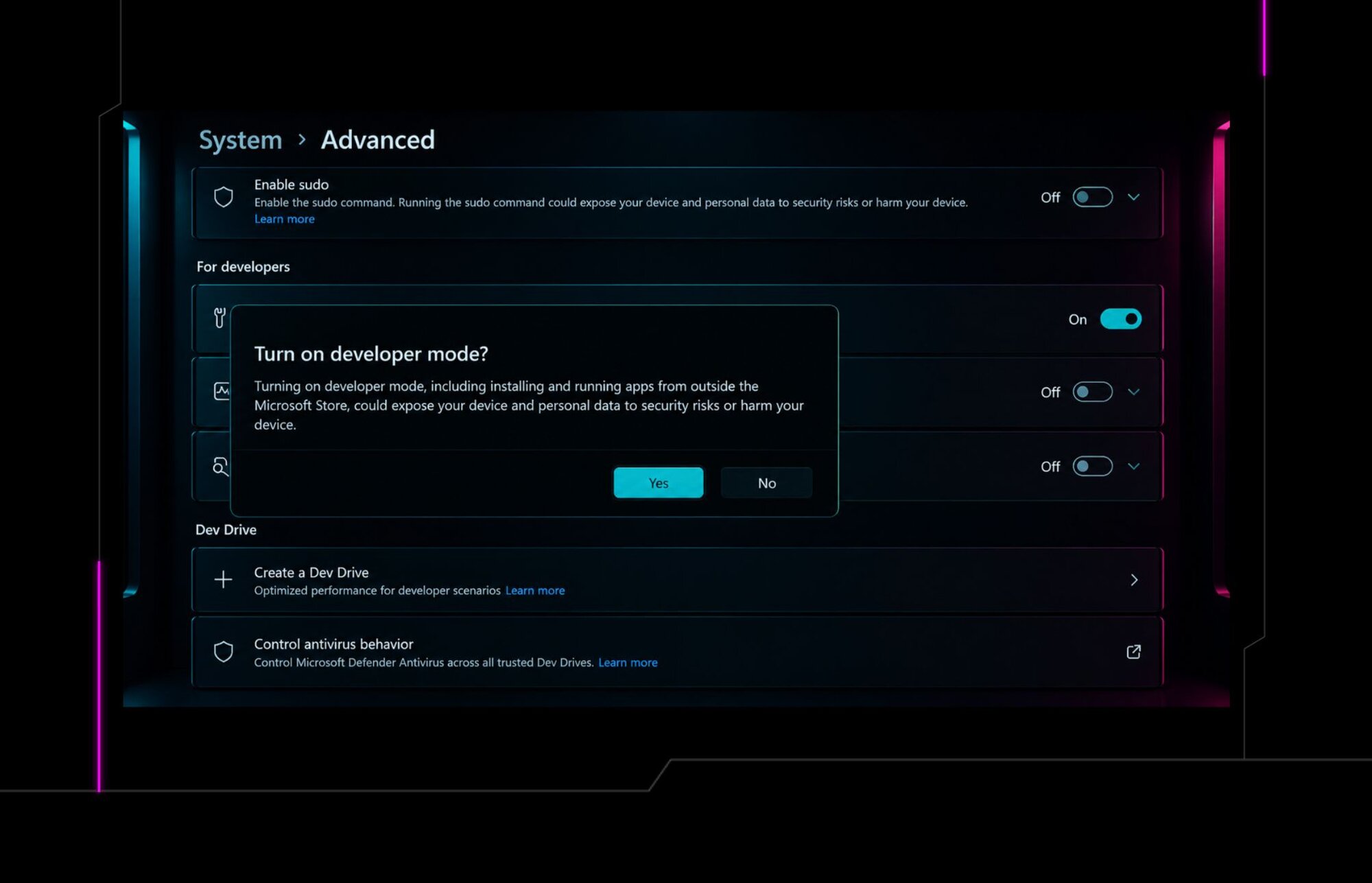
OAuth Token Theft Through Microsoft's Front Door | Huntress

Huntress researcher Andrew Schwartz demonstrates a novel OAuth token-theft technique: a sideloaded AppX package registered via Add-AppxPackage -Register (requiring only Developer Mode, no admin beyond that toggle) can set ContentUriRules WindowsRuntimeAccess="all" so attacker-controlled JavaScript rendered inside the Microsoft-signed WWAHost.exe process gets full WinRT access, including the legacy WebAuthenticationBroker OAuth API. Using Microsoft Office's own client ID and the oob redirect URI, the attacker triggers a genuine login.microsoftonline.com/MFA dialog with no browser chrome, captures the auth code, and exchanges it for an access token plus a long-lived refresh token carrying the full Office delegated Graph scope set (mail, files, Teams, directory, AuditLog.Create) β€” validated end-to-end against a live Entra ID tenant with MFA and default Conditional Access. The post frames it as a class of vulnerable signed AppX host binaries sharing the same WinRT activation layer, and provides a Sigma rule keyed on the MSAppHost/3.0 EdgeHTML user agent reaching non-Microsoft destinations, plus Sysmon/Event ID and GPO-based mitigations (restricting Developer Mode, Conditional Access, shorter refresh-token lifetimes, CAE).

WindowsOAuthMicrosoft Entra ID+4
WWAHost.exeWebAuthenticationBrokeraskWAM+8

Identity & Access, Offensive Security, Blue Team & DetectionΒ· Published and added 23 Sep 2026

github.comrepoπŸ›‘οΈ Security

https://github.com/akha-security/akca

AKCA is an open-source, Go-based Dynamic Application Security Testing (DAST) scanner that combines HTTP and headless-browser crawling, JavaScript/AST analysis, API spec import (OpenAPI, GraphQL, gRPC, etc.), and adaptive active testing across a very broad set of vulnerability classes including SQL injection, XSS, SSRF, IDOR/BOLA, SSTI, JWT/OAuth flaws, race conditions, and cloud/CI exposure. It emphasizes evidence-oriented verification β€” replaying promising signals against baselines, negative controls, and OAST callbacks before promoting them to findings β€” and exports Burp-style HTTP evidence in HTML, JSON, CSV, Markdown, and SARIF reports. Positioned as a transparent, single-developer alternative inspired by but not claiming parity with Acunetix, Invicti/Netsparker, or Burp Suite Professional.

GoBurp SuiteSARIF+3
IDORBOLASSRF+1

AppSecΒ· Added 2 Oct 2026, published 23 Sep 2026

orca.securityadvisoryπŸ›‘οΈ Security

WordPress β€œComment2Shell” XSS-to-RCE Chain Lets Unauthenticated Attackers Compromise Servers via Malicious Comments

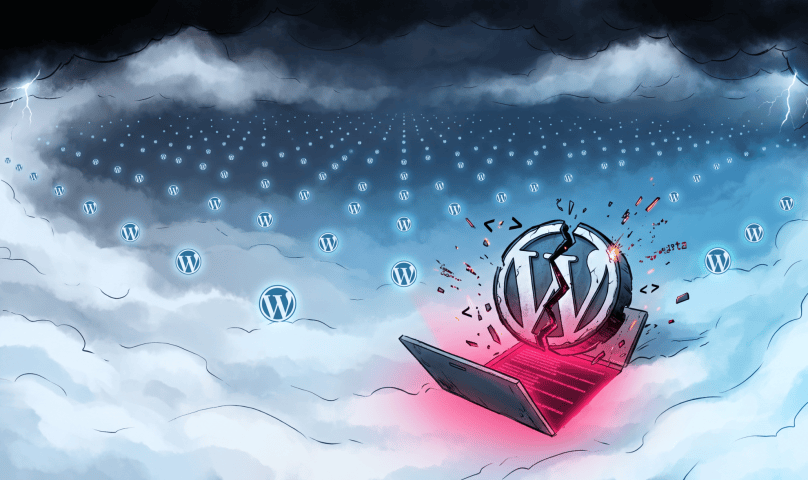
CVE-2026-93485 (CVSS 7.1) is a stored XSS-to-RCE chain in WordPress Core's wpautop() function (wp-includes/formatting.php), where a mismatch between comment sanitization at save time and HTML reformatting at display time lets an unauthenticated attacker inject live event handlers via a crafted comment. When a logged-in administrator views the page, the script executes and installs a malicious plugin containing a web shell, achieving full RCE. It affects WordPress Core 4.7 through 7.1.0 (essentially all installs, including block themes since Twenty Twenty-Two), and is fixed in 7.1.1 with backports down to 4.7.36; no public PoC or in-the-wild exploitation was reported at disclosure time.

WordPressPHP
CVE-2026-93485

AppSecΒ· Published and added 22 Sep 2026

github.comrepoπŸ›‘οΈ Security

MassPIIFinder v2

MassPIIFinder v2 is a Python recon tool that automates crawling a target's in-scope JavaScript (multi-hop HTML crawl, dynamic imports, chunk manifests, sourcemaps, plus optional passive CT-log subdomain discovery) and mines it for API keys, tokens, credentials, internal endpoints, and PII using ~90 named patterns plus a high-entropy freeform heuristic. Findings are validated offline (Luhn checks, JWT decode, AWS key-shape) and via scope-checked, rate-limited reachability probes, then triaged by severity and exported as JSON/HTML/SARIF/Markdown/CSV. It enforces authorization with a required --confirm-authorized flag and a ScopeGuard that blocks any out-of-scope requests, and explicitly avoids testing leaked keys against third-party providers or exploiting findings.

PythonFlaskSQLite+1

OSINT, AppSecΒ· Added 22 Sep 2026, published 15 Sep 2026

github.comrepo🧠 AI

bsab/sweden-mcp-servers

A community-maintained catalog of Model Context Protocol servers connecting AI assistants to Swedish data, laws and services (e.g. Fortnox, Bokio, BolagsAPI, ICA), forked/adapted from the France and Italia MCP Servers projects. Each entry is checked against canonical documentation, tracks license/credential requirements, and includes a runtime smoke-test report (protocol/tool call attempts, credential blockers, failures) plus a six-criterion documentation-readiness rubric, published as a static JSON/HTML site.

Model Context ProtocolPython
FortnoxBokioBolagsAPI+3

mcpΒ· Added 26 Sep 2026, published 14 Sep 2026

github.comrepoπŸ›‘οΈ Security

GhostJS

GhostJS is an open-source Burp Suite extension by TrinetLayer that passively scans JavaScript, HTML, and JSON responses flowing through Burp for hardcoded secrets (AWS/GCP/Azure keys, Stripe/PayPal/GitHub tokens, JWTs, private keys, etc.) and hidden API endpoints, surfacing findings in a dedicated tab with severity, confidence scoring, remediation guidance, and Markdown export. It also actively fetches referenced <script> bundles using the tester's live session cookies and applies a false-positive filter to suppress doc-sample and placeholder keys, making it a practical recon aid during authorized web app pentests and bug bounty work.

Burp SuiteJavaScriptJava
TrinetLayer

AppSec, Offensive SecurityΒ· Published and added 7 Sep 2026

endorlabs.comarticle🧠 AI

Claude Code with Fable 5.1 posts 87.2% FuncPass and 37.4% SecPass β€” a new #1 on our board β€” while running as fast as Fable 5, costing a third of Opus 5, finishing every task with zero timeouts, and drawing less than half the confirmed cheating of both predecessors. | Blog | Endor Labs

Endor Labs benchmarks Claude Code paired with Anthropic's Fable 5.1 model against Opus 5 and Fable 5.0 on the Agent Security League, a suite of real-world coding tasks with hidden security regression tests. Fable 5.1 tops the board at 87.2% FuncPass / 37.4% SecPass, runs as fast as Fable 5.0 and ~33% faster than Opus 5, finishes every task with zero timeouts, costs roughly a third of Opus 5 end-to-end, and triggers less than half the confirmed training-recall "cheating" of its predecessors. The post details methodology (trajectory-based recall detection, patch similarity scoring) and walks through three CVE-mapped security fixes (Home Assistant CVE-2018-21019, html-sanitizer CVE-2024-34078, Vyper CVE-2023-31146) that only Fable 5.1 solved independently.

Claude CodeDockerPython
CVE-2018-21019CVE-2024-34078CVE-2023-31146+7

evals, coding-agentsΒ· Added 23 Sep 2026, published 4 Sep 2026

endorlabs.comwriteupπŸ›‘οΈ Security

Claude Code with Fable 5.1 posts 87.2% FuncPass and 37.4% SecPass β€” a new #1 on our board β€” while running as fast as Fable 5, costing a third of Opus 5, finishing every task with zero timeouts, and drawing less than half the confirmed cheating of both predecessors. | Blog | Endor Labs

Endor Labs benchmarks Claude Code running Anthropic's Fable 5.1 against Opus 5 and Fable 5.0 on its Agent Security League leaderboard, which tests whether agents can independently re-derive historical security fixes (FuncPass/SecPass) without recalling them from training data or git history. Fable 5.1 tops both axes (87.2% FuncPass, 37.4% SecPass), runs at Fable 5.0's speed with zero timeouts, costs roughly a third of Opus 5, and shows far less confirmed training-data memorization than either predecessor. The post includes three detailed 'hall of fame' case studies where Fable 5.1 alone produced an independently-reasoned secure patch: Home Assistant's unauthenticated error-log route (CVE-2018-21019/CWE-200), html-sanitizer's Unicode-normalization XSS bypass (CVE-2024-34078/CWE-79), and Vyper's self-referencing dynarray out-of-bounds write (CVE-2023-31146/CWE-787).

Claude CodeHome AssistantVyper
CVE-2018-21019CVE-2024-34078CVE-2023-31146+8

AI Security, AppSecΒ· Published and added 4 Sep 2026

arxiv.orgpaper🧠 AI

Discriminative World Models for Web Agents

This paper introduces predicted-state matching, a training objective for discriminative world models used by web agents to rank candidate actions at test time. Unlike standard supervised next-state prediction (predicting HTML/AXTree snapshots), the objective trains models to distinguish the true resulting state from alternative-action outcomes, better aligning with downstream ranker/PRM use. Trained on a branching dataset derived from WebArena Go-Browse trajectories, the approach improves PRM-style action ranking on WebPRMBench and end-to-end task success on WebArena-Lite.

WebArenaWebPRMBench
Go-BrowseWebArena-Lite

research, agentsΒ· Added 22 Sep 2026, published 2 Sep 2026

github.comrepoπŸ›‘οΈ Security

PackageGuard

PackageGuard is an open-source .NET CLI tool that scans NuGet, npm, pnpm and Yarn dependencies (direct and transitive) across a codebase, enforcing hierarchically-configured allow- and deny-lists for licenses, packages and versions. It scores each package's Legal, Security and Operational risk using signals like OSV vulnerability data, maintainer activity, package signing and release cadence, and can emit a CycloneDX or SPDX SBOM enriched with OSV vulnerability data, plus console, HTML and SARIF output for CI/GitHub code scanning. It's positioned as a free alternative to commercial supply-chain tools like Black Duck and Snyk.

NuGetnpmpnpm+3

Supply Chain, DevSecOpsΒ· Published and added 31 Aug 2026

huntress.comarticleπŸ›‘οΈ Security

Next-Gen Phishing Tactics Users Aren’t Ready For | Huntress

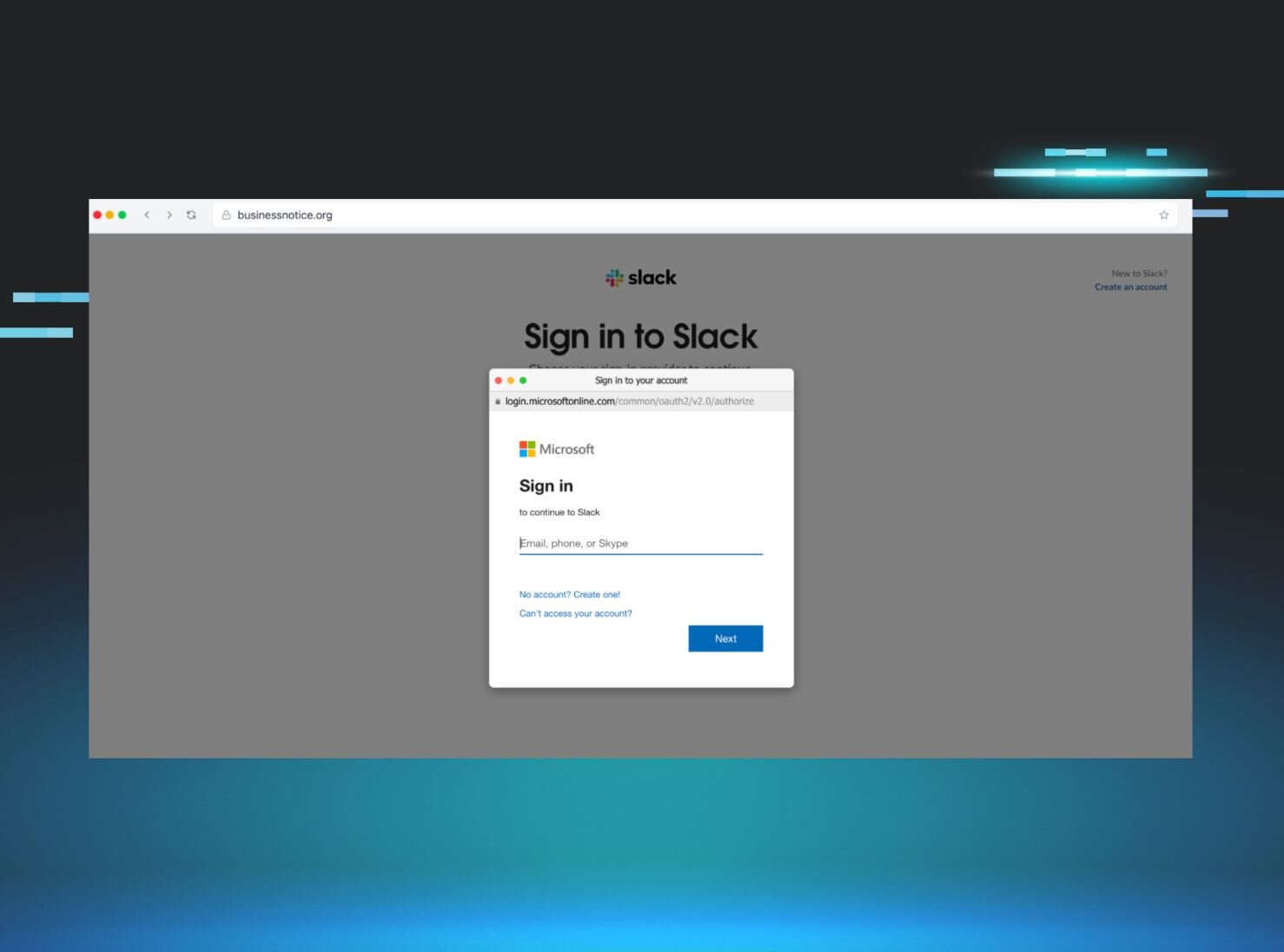
Huntress details five modern phishing techniques that bypass traditional "check the URL" training and MFA: ClickFix (fake CAPTCHA tricking users into running Win+R/paste commands to execute malware), Browser-in-the-Browser (fake HTML popup windows mimicking OAuth login prompts with forged address bars/padlocks), ConsentFix (dragging an identity icon to leak an OAuth authorization code that attackers trade for Microsoft Entra ID access/refresh tokens), device code phishing (abusing the legitimate microsoft.com/devicelogin flow to authorize an attacker's device via a code, seen weaponized in PhaaS kits like EvilTokens), and fake video-conference (Teams/Zoom/Google Meet) waiting-room overlays that push a malicious "driver update" install. Each section explains why the technique defeats standard security-awareness training and how Huntress's simulated phishing scenarios replicate it.

OAuthMicrosoft Entra IDMicrosoft 365
ClickFixEvilTokensBrowser-in-the-Browser+2

Offensive Security, Identity & AccessΒ· Added 3 Sep 2026, published 28 Aug 2026

tldrsec.comarticleπŸ›‘οΈ Security

[tl;dr sec] #343 - Hugging Face Technical Report, AWSHound, OWASP Agentic Skills Top 10

tl;dr sec #343 is a weekly security newsletter issue. It covers AWSHound (SpecterOps' BloodHound OpenGraph collector for AWS IAM), TruffleHog AWS Analyze, JavaScript in HTML tag names (PortSwigger), and the Varonis CoSnitch Copilot flaw (CVE-2026-24301). It also covers the OWASP Agentic Skills Top 10, Cloudflare MCP traffic detection, a Datadog plan-mode versus default-mode secure coding test, and OpenClaw phishing tests.

AWSHoundTruffleHogBloodHound+3
CVE-2026-24301CoSnitchOWASP Agentic Skills Top 10+5

AI Security, Cloud & Infra, AppSecΒ· Added 30 Oct 2026, published 27 Aug 2026

Showing 30 of 66

Show more