Skip to content

48 results for β€œYARA”

What you seeeverything
github.comrepoπŸ›‘οΈ Security

Show HN: VoidAccess – open-source dark web OSINT, from query to a graph

VoidAccess is a self-hosted, MIT-licensed dark web OSINT platform that runs a 13-step pipeline from a research query to a relationship graph. It collects from Tor indexes, paste sites, code forges, security feeds and .onion seeds, applies content-safety filters, and exports STIX 2.1, MISP, Sigma, YARA, Snort, Suricata, CSV and JSON. It runs as a CLI with SQLite or as a Docker Compose stack with PostgreSQL, FastAPI and Next.js.

TorPythonDocker+3
LockBitSTIX 2.1MISP+6

OSINT, Threat IntelΒ· Added 21 Oct 2026, published 20 Oct 2026

en.cryptonomist.charticleπŸ›‘οΈ Security

Broadcom Wi-Fi vulnerability leaves over 1.5 million Belgian gateways exposed

A Broadcom SDK flaw in the WPS code that reassembles fragmented EAP messages allows a buffer overflow and unauthenticated code execution over Wi-Fi, bypassing WPA2/WPA3 passwords. Quentin Kaiser of ONEKEY demonstrated it at Hexacon on 16 October 2026 against Orange Belgium and Proximus gateways, and published a fingerprinting script and YARA rule. Broadcom's 2018 patch was incomplete, it refused a CVE, and over 1.5 million Belgian gateways are exposed.

Broadcom SDKeCosLinux+2
Quentin KaiserONEKEYHexacon+14

Hardware & RF, Offensive SecurityΒ· Published and added 19 Oct 2026

x.comthreadπŸ›‘οΈ Security

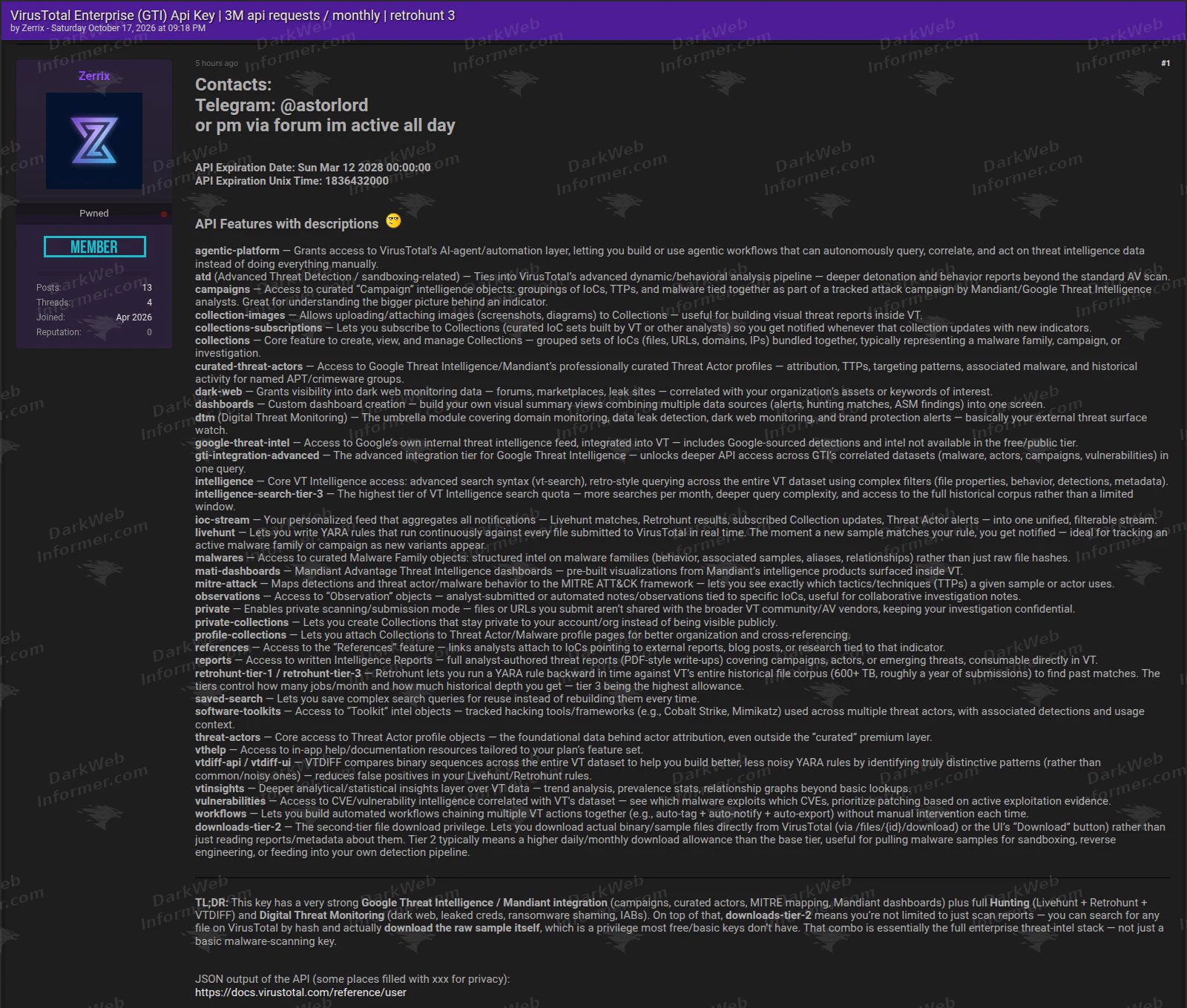
Dark Web Informer (@DarkWebInformer) on X

A DarkWebInformer post on an actor called "Zerrix" advertising a VirusTotal Enterprise API key for sale. The seller claims 3 million requests per month, Retrohunt Tier 3 (YARA search over historical samples), Google Threat Intelligence and Mandiant access, sample downloads and private scanning, valid until 12 March 2028. How the key was obtained is not stated, and the post says its authenticity is unverified.

VirusTotalYARA
ZerrixRetrohuntGoogle Threat Intelligence+2

Threat IntelΒ· Added 19 Oct 2026, published 18 Oct 2026

x.comthreadπŸ›‘οΈ Security

lee1981 (@lee1981b) on X

CyberForge "CVE of the Day #079" on CVE-2026-102764, a CWE-290 origin-validation flaw in BeyondTrust Remote Support (advisory BT26-05, CVSS v4 9.3) that allows appliance file operations. It summarises Mandiant/GTIG's exploited intrusion chain (SAWFLY web shell, BARECLAW backdoor, root escalation, persistence) and gives an investigation trail: patch-state verification (BT26-05-RS), evidence preservation, hunting leads with SHA-256 hashes and YARA rules, permission/session correlation, and remediation including clean redeployment and credential rotation. It separates vendor facts from the intrusion's observed behaviour and notes that KEV and EPSS have no entries.

BeyondTrust Remote SupportYARASIEM+2
CVE-2026-102764BT26-05CWE-290+7

Blue Team & Detection, Threat IntelΒ· Added 18 Oct 2026, published 16 Oct 2026
cloud.google.comwriteupπŸ›‘οΈ Security

ARMORY CASTLE Exploits BeyondTrust

ARMORY CASTLE (formerly UNC5221), a suspected PRC-nexus actor, exploited BeyondTrust Remote Support zero-day CVE-2026-102764 in August 2026, per Mandiant incident response. The post details the SAWFLY PHP webshell, BARECLAW SOCKS5 WebSocket tunneler, SUID root escalation, sudoers template persistence, vault credential extraction, log deletion and haproxy.conf changes. It adds YARA rules, detection ideas and patch-first remediation (BT26-05).

BeyondTrust Remote SupportPHPHAProxy+3
CVE-2026-102764CVE-2023-46805CVE-2024-21887+9

Threat Intel, Blue Team & Detection, Malware & REΒ· Added 29 Oct 2026, published 15 Oct 2026

cloud.google.comwriteupπŸ›‘οΈ Security

Investigating Ephemeral Supply Chain Tampering

GTIG and Mandiant report on UNC7017, which tampered with AOMEI update servers in five to ten minute windows between April and July 2026. Edited down_html.ini and Notifycfg.ini files delivered the CROSSROAD downloader and SHINYROAD PocketPy backdoor, plus Adaptix C2 and WebDAV NTLM coercion. The post covers infrastructure shifts, YARA rules, IOCs, and vendor and SOC guidance on point-in-time triage failures.

AOMEI BackupperRadminAdaptix C2+3
UNC7017CROSSROADSHINYROAD+10

Supply Chain, Threat Intel, Malware & RE, Blue Team & DetectionΒ· Added 29 Oct 2026, published 15 Oct 2026

unit42.paloaltonetworks.comwriteupπŸ›‘οΈ Security

Unit 42 Uncovers PEERSTITCH, a Stealthy FortiGate Implant

PEERSTITCH is a memory-resident ARM64 implant that Unit 42 found in a September 2024 telecom intrusion (cluster CL-STA-0954, aka UNC5820). Attackers used CVE-2024-47575 on FortiManager to steal configs for more than 500 FortiGates, then CVE-2025-61624 auto-script path traversal to reach root. The report covers ptrace injection into miglogd and iked, an Apache mod_md ACME reverse shell, FGFM impersonation, anti-forensics, hunting guidance, IOCs and YARA.

FortiManagerFortiGateFortiOS+3
CVE-2024-47575CVE-2025-61624CVE-2024-26009+10

Threat Intel, Malware & RE, Blue Team & DetectionΒ· Added 30 Oct 2026, published 14 Oct 2026

x.comthreadπŸ›‘οΈ Security

lee1981 (@lee1981b) on X

Defender guide for CVE-2026-104935, an authentication-bypass-by-spoofing flaw (CWE-290) in Ivanti Connect Secure that allows unauthenticated command execution. It is confirmed exploited and CISA KEV-listed, with a CNA CVSS 8.6. It covers the fixed-release matrix (25.1.1.2, 22.8R2.5, 25.1.3.x), platform and cluster migration limits, and Volexity's UTA0576 indicators and YARA rules. It also gives a six-step SOC workflow (scope, preserve, hunt, correlate identity, remediate, verify). It stresses that a clean ICT result cannot clear memory-only activity and that LDAP, LAPS and BitLocker exposure belongs to one observed chain.

Ivanti Connect SecureVPNYARA+3
CVE-2026-104935CWE-290UTA0576+6

Blue Team & Detection, Threat IntelΒ· Added 16 Oct 2026, published 14 Oct 2026

github.comrepoπŸ›‘οΈ Security

chainguard-dev/malcontent

malcontent is Chainguard's open-source malware/supply-chain discovery tool that analyzes binaries (ELF, Mach-O, PE, a.out) and scripting-language source across Linux, macOS and Windows using 14,500+ YARA rules (including third-party rules from Avast, Elastic, FireEye, Mandiant, Nextron and ReversingLabs). Its standout feature is differential analysis ("mal diff"), which compares two versions of a build artifact or OCI image against a known-good baseline to surface newly introduced risky behaviors β€” the technique the project demonstrates on the 3CX supply-chain compromise by flagging unexpected high-risk changes to libffmpeg. It also supports threshold-based scanning ("mal scan") and unfiltered capability enumeration ("mal analyze"), and is designed to run inside CI/CD pipelines, including air-gapped environments via embedded rules.

YARAGoRust+4
3CX Compromise

Supply Chain, Malware & RE, Blue Team & DetectionΒ· Added 8 Oct 2026

github.comrepoπŸ›‘οΈ Security

target/strelka

Strelka is Target's open-source, container-based real-time file scanning system for threat hunting, threat detection, and incident response, built in Go and Python. It runs 50+ scanners (YARA, PE parsing, encrypted ZIP cracking, entropy analysis, etc.) to extract metadata and content from files at enterprise scale, which can feed a SIEM for alerting on suspicious artifacts like an Emotet-laden encrypted ZIP payload.

DockerGoPython+1
Laika BOSSEmotet

Blue Team & DetectionΒ· Added 8 Oct 2026

github.comrepoπŸ›‘οΈ Security

deepfence/YaraHunter

YaraHunter is Deepfence's open-source scanner that applies YARA rulesets against container images, running Docker containers, and filesystems to detect indicators of compromise such as malware and cryptominers. It supports CI/CD build-time scanning, at-rest image scanning, and runtime container scanning, with JSON output for automation, and is designed to eventually integrate into the Deepfence ThreatMapper platform. The README walks through detecting the XMRig cryptominer inside a container image as a worked example.

DockerYARA
XMRig

Blue Team & Detection, DevSecOps, Malware & REΒ· Added 8 Oct 2026

github.comrepoπŸ›‘οΈ Security

CAIRN β€” Cisco Talos AI-Malware-Hunting Toolkit

CAIRN is a Cisco Talos research toolkit that identifies and attributes AI-integrated malware purely from VirusTotal metadata β€” no binary downloads or detonation β€” by running a tiered YARA ontology (T1/T2/T3) over composed scan text (AV strings, PE resources, Sigma/sandbox behavioral data, embedded URLs) and layering on sentence-transformer embeddings with HDBSCAN clustering for semantic family attribution. It has produced confirmed family reports for AI-malware such as PROMPTLOCK, LAMEHUG, PROMPTSTEAL, QUIETVAULT, CLOSEDQUORUM, and FRUITSHELL, each cross-verified by hands-on Talos reverse engineering before publication.

VirusTotalYARASQLite+2
PROMPTLOCKHONESTCUEPROMPTFLUX+7

AI Security, Threat Intel, Malware & REΒ· Added 30 Sep 2026

cloud.google.comwriteupπŸ›‘οΈ Security

Defending Against Active Exploitation of Citrix NetScaler ADC and Gateway Appliances

Mandiant and GTIG report on exploitation of the Citrix NetScaler ADC and Gateway zero-day CVE-2026-88772, active since early September 2026, alongside CVE-2026-88771. It covers the DTLS-triggered NSPPE crash, httpd.conf persistence via .deb and .sig handlers, SUID /bin/sh, and the WHIPSHOT web shell and SLAPSHOT tunneler. It gives hunting commands, log artifacts, YARA rules, patched builds and containment steps.

Citrix NetScalerPHPPython+3
CVE-2026-88772CVE-2026-88771WHIPSHOT+6

Threat Intel, Blue Team & Detection, Malware & REΒ· Added 29 Oct 2026, published 29 Sep 2026

arxiv.orgpaperπŸ›‘οΈ Security

Aray: Deterministic-First Synthesis of Benign Artifacts for YARA Validation

Aray is a deterministic-first YARA interpreter and positive-fixture synthesizer that generates benign, YARA-matching ELF/PE/generic artifacts to validate detection rules without storing or distributing live malware samples. Conventional code (not a generative model) canonicalizes rules, derives witnesses from regex/hex declarations, and performs extraction, layout, and binary serialization; an LLM is only permitted to propose constructive rule normalizations or residual-semantics judgments, never backend source or binary structure, and the pipeline supports a zero-inference execution path. Evaluated against 416 public YARA rules, it achieved 406/416 (97.6%) matches to the original upstream rule, with the design explicitly motivated by containment concerns raised by the July 2026 OpenAI–Hugging Face agent incident.

YARALangGraphOpenAI
OpenAI–Hugging Face incident

Blue Team & Detection, AI SecurityΒ· Added 26 Sep 2026

agentthreatrule.orgotherπŸ›‘οΈ Security

Agent Threat Rules (ATR) β€” Sigma/YARA-style open detection format for AI agent threats

Agent Threat Rules (ATR) is an open, versioned YAML rule format for detecting AI-agent security threats β€” prompt injection, tool poisoning, credential exfiltration, unauthenticated agent execution β€” positioned as "what Sigma is to SIEM and YARA is to malware." Rules carry permanent ATR-YYYY-NNNNN IDs, declare detection conditions against fields like LLM I/O, tool-call args, or SKILL.md content, and map back to OWASP Agentic/LLM Top 10, MITRE ATLAS, SAFE-MCP, and NIST AI RMF; a reference TypeScript engine and Python wrapper ship MIT-licensed. Governance is transitioning from a single BDFL maintainer to a Technical Steering Committee, and the spec is notably transparent about its own limits, withdrawing previously published per-lane false-positive figures after discovering a tainted benign corpus.

SigmaYARAMITRE ATLAS+3
OWASP Top 10 for LLM ApplicationsOWASP Top 10 for Agentic ApplicationsNIST AI RMF+2

AI Security, Blue Team & DetectionΒ· Added 26 Sep 2026

atredis.comwriteupπŸ›‘οΈ Security

Finding Gadgets Like It's 2026 (Atredis Partners)

Atredis Partners built an LLM-driven pipeline (WALA/ASM call-graph builder, a FastAPI graph query server, Claude Code as the reasoning/validation agent, and a dynamic test/debug runner) to automate discovery of Java deserialization gadget chains against modern, hardened application servers (WebSphere, WildFly, Payara). The project found 17 confirmed chains, 6 novel, including CB1-Shaded-RCE β€” a chain that bypasses JPMS's TemplatesImpl restrictions via a shaded/relocated copy of Xalan's XSLTC shipped inside WildFly's JSTL jar, giving RCE on the latest WildFly on JDK 21 β€” plus a novel JNDI-injection chain in Payara via AttributeComparator/InjectableJMSContext. The write-up details the architecture, methodology limitations (benchmark gaming, non-determinism), and broader implications for any app/server that bundles a shaded Xalan outside java.xml, with tooling released on GitHub (atredispartners/llmchainhunter).

JavaClaude CodeWildFly+3
GadgetInspectorJPMSTemplatesImpl+10

AppSec, AI Security, Offensive SecurityΒ· Added 25 Sep 2026

blog.talosintelligence.comarticleπŸ›‘οΈ Security

Trust and the enticing consultancy offer

Talos's weekly Threat Source newsletter opens with a first-person account of a social-engineering scam targeting security professionals: an unsolicited $300 "consultancy" offer that escalates into pressure to extract non-public insights from employers, a pattern the author links to fake-recruiter/trojanized-job-offer schemes. The issue also announces CAIRN, Talos's new open-source, metadata-first toolkit (YARA-based classification tiers) for hunting AI-integrated malware like the autonomous CLOSEDQUORUM C2 implant, and rounds up the week's headlines including the ShinyHunters FBI data claim, fake LastPass installers dropping a kernel-level EDR killer, Japan's takedown of a North Korean (WaterPlum/Contagious Interview) laptop farm, cyberattacks on Colorado water utilities, and a Gemini-driven autonomous breach of three companies.

YARAGemini
WaterPlumContagious InterviewDPRK+6

Threat Intel, AI SecurityΒ· Added 7 Oct 2026, published 24 Sep 2026

blog.talosintelligence.comwriteupπŸ›‘οΈ Security

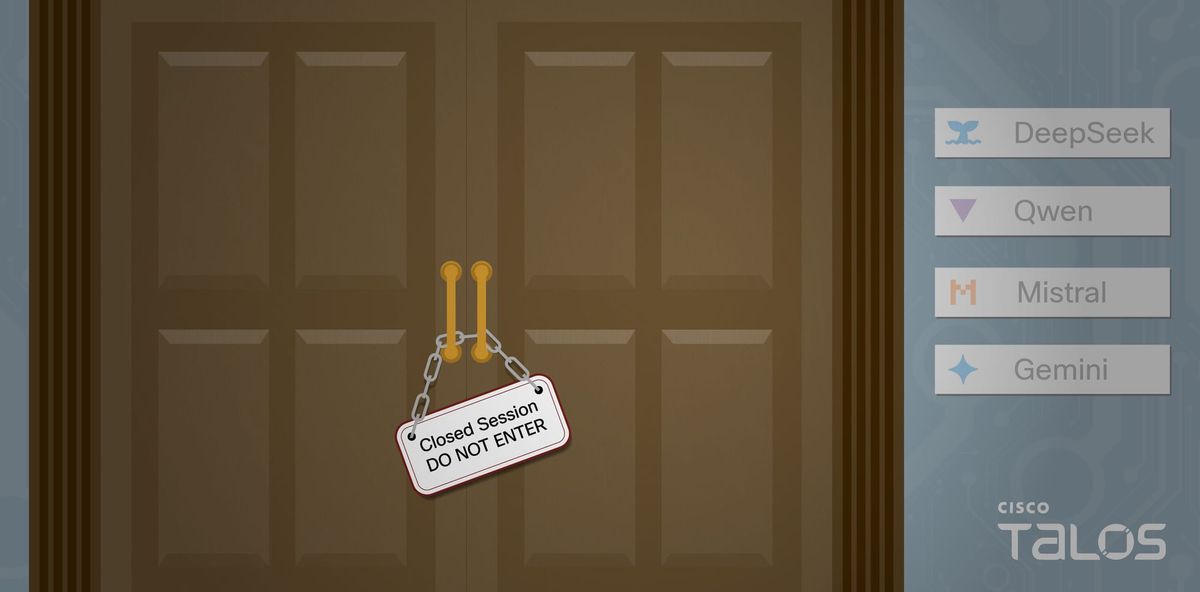
The Closed Quorum: Inside the First Reported Autonomous AI C2 Implant

Cisco Talos' CAIRN project documents CLOSEDQUORUM, a 64-bit Go Windows implant that replaces traditional C2 infrastructure with a panel of up to four commercial LLM providers (DeepSeek, Qwen, Mistral, Gemini) that vote on the implant's next action via plurality voting, with each model queried against a structured JSON decision schema constrained to inject/persist/steal/move actions. Once deployed it autonomously dumps LSASS credentials, steals browser passwords and crypto wallets (MetaMask, Exodus, Ethereum), and exfiltrates AES-256-GCM-encrypted data to an operator's Discord webhook, all without further human tasking. The post details the developer's apparent credentials-as-a-service distribution model, deterministic tie-breaking favoring DeepSeek, and provides SHA256 hashes plus a YARA detection rule for the family (formerly tracked as BALZAK).

GoWindowsDeepSeek+3
CLOSEDQUORUMCAIRNBALZAK

AI Security, Malware & RE, Threat IntelΒ· Added 30 Sep 2026, published 22 Sep 2026

blog.talosintelligence.comtoolπŸ›‘οΈ Security

Introducing CAIRN: Frontier tracking for AI-integrated malware (Cisco Talos)

Cisco Talos introduces CAIRN (Cognitive Artifact Intelligence Research Network), an open-source toolkit that hunts, classifies, and tracks AI-integrated malware entirely from metadata (VirusTotal strings, sandbox behavior, AV labels) without downloading or executing binaries. It combines acquisition filters (e.g. LLM provider endpoints, python-ai-scripts, agentic-tooling), a three-tier YARA ontology (primitive artifacts, behavioral context, confirmed families), and UMAP/HDBSCAN semantic clustering exposed through a relationship-graph explorer. Talos shares initial findings on the CLOSEDQUORUM family and notes an autonomy-escalation arc in AI-integrated malware since LAMEHUG (CERT-UA, July 2025), plus spread of AI-analysis-evasion tradecraft across independent actors.

YARASQLiteVirusTotal
CLOSEDQUORUMLAMEHUGCERT-UA

Blue Team & Detection, AI Security, Threat IntelΒ· Added 27 Sep 2026, published 22 Sep 2026

github.comrepoπŸ›‘οΈ Security

ThreatIntel-Aggregator

ThreatIntel-Aggregator is a self-hosted FastAPI/Next.js platform that polls 60+ tiered security RSS feeds (CISA, Talos, Unit42, etc.), runs AI triage to score severity and tag MITRE ATT&CK TTPs, extracts IOCs/CVEs, and correlates findings against a RunZero asset inventory to surface org-level exposure. Its Detections module goes further: it catalogs AI-generated or locally-imported detection rules (KQL/Sigma/YARA/Suricata/SPL), statically validates them, runs AI-driven MITRE alignment checks against technique coverage, tracks detection "rot," and can sync Hunts/Analytics Rules to a live Microsoft Sentinel workspace. It's designed to run standalone with zero cloud dependency or fully integrated with Azure/Entra/Sentinel, with all storage in Postgres and auth via Entra SSO or a local API key.

Microsoft SentinelMITRE ATT&CKKQL+3
CISA KEV

Threat Intel, Blue Team & DetectionΒ· Added 22 Sep 2026, published 17 Sep 2026

github.comrepoπŸ›‘οΈ Security

DeathShotXD/0xCr0ssCrush

Research project on two signed vulnerable Windows drivers, DCRCVDrv.sys (MOCOMSYS) and Alinubx.sys (CnCrypt), abused by the Cruciferra MaaS loader to kill AV/EDR processes. It documents their devices, IOCTLs (0x2205C0, 0x222024) and the termination chain (ObOpenObjectByPointer -> ZwTerminateProcess), and gives annotated disassembly, hash-level sample provenance and blocklist-status snapshots. It includes a Rust lab harness with hash validation and dry-run, plus Sigma, YARA and telemetry guidance. Findings carry evidence labels, and the test matrix is limited to Windows 11 24H2 with HVCI disabled.

WindowsRustSigma+2
BYOVDCruciferraDCRCVDrv.sys+7

Malware & RE, Blue Team & Detection, Offensive SecurityΒ· Added 11 Oct 2026, published 14 Sep 2026

proofpoint.comwriteupπŸ›‘οΈ Security

Once in a BlueMoon: Multiple State-Aligned Threat Actors Rapidly Adopt Novel Chrome/Windows Zero-Day Chain

Proofpoint details "BlueMoon," a novel exploit kit chaining a Chrome V8 type-confusion RCE (CVE-2026-85046), a V8 sandbox escape via WebAssembly metadata corruption (CVE-2026-87491), and a Windows kernel LPE (CVE-2026-85880) to break out of the browser sandbox. Within days of first use by China-aligned TA412 (28 Aug 2026), the kit was independently adopted by UNK_LateNight (delivering ShadowPad to US aerospace targets), UNK_DoubleCheck (Rust-based loader against a Vietnamese manufacturer), and UNK_QuietRacket (custom malware against Indonesia/Singapore government and finance targets). The piece analyzes exploit internals (Maglev/TurboFan JIT bug, reflective DLL loading, ALPC/WNF kernel exploitation), flags artifacts suggesting AI-assisted exploit development (debug comments, handover markdown files, v8CTF references), profiles the GemStone Chromium-extension credential-theft backdoor deployed via Secure Preferences forgery, and provides IOCs, ET rules, and a YARA rule for detection.

ChromeWindowsMicrosoft Edge+3
CVE-2026-85046CVE-2026-87491CVE-2026-85880+10

Threat Intel, Malware & RE, Offensive SecurityΒ· Added 26 Sep 2026, published 9 Sep 2026

cloud.google.comarticleπŸ›‘οΈ Security

Financially Motivated Threat Actor BREEZE COMET Targets Brazil

BREEZE COMET (formerly UNC5669) is a financially motivated actor that Mandiant and GTIG track for intrusions into Brazilian banks, fintechs and retailers to make fraudulent Pix, STR and Boleto transfers. The report covers initial access (vishing, RMM tools, compromised government sites, rogue devices), custom backdoors COBALTSPIN, LIGHTPAINT, MILDFROST, KICKPLATE and BOATBEAM, and LLM-assisted scripting. It includes hardening guidance, SecOps rule names and YARA rules.

Active DirectoryKubernetesAnyDesk+3
BREEZE COMETUNC5669Plump Spider+16

Threat Intel, Malware & RE, Blue Team & DetectionΒ· Added 29 Oct 2026, published 1 Sep 2026

pgj11.comwriteupπŸ›‘οΈ Security

pgj11: Analysis of Bincrypter and gsocket (gs-netcat)

Deep-dive reverse engineering of a real-world incident where a WordPress site compromised via CVE-2026-18322 was used to drop a bincrypter-obfuscated, statically-linked gs-netcat (gsocket) 1.4.42beta5 binary as a reverse-shell tunnel, persisted via crontab and masquerading as "netd"/"[kthreadd]". The author fully unravels bincrypter's multi-stage shell obfuscation (character-separator tricks, AES-256-CBC/openssl decryption, memfd_create fileless ELF execution via a Perl one-liner) and reveals a custom THC UPX build with zeroed magic bytes/PackHeader used to hide payload identification, along with gsocket's self-embedded XOR-encoded operator configuration. Releases two open-source tools (Bincrypter-Extract, Gsocket-Config-Extract), YARA rules, and an ImHex pattern file, plus full IOCs (C2 IP, GSRN secret, process/memfd artifacts).

gsocketbincrypterWordPress+3
CVE-2026-18322THChackerschoice+4

Malware & RE, Threat Intel, Offensive SecurityΒ· Published and added 31 Aug 2026

arcticwolf.comwriteupπŸ›‘οΈ Security

Dark Caracal Reloaded: GoCaracal β€” New Go Malware With Ethereum-Based C2 Fallback

Arctic Wolf Labs documents GoCaracal, a previously undocumented modular Go-based malware framework attributed with medium confidence to Dark Caracal (linked to Lebanon's GDGS), deployed alongside an updated Bandook variant in a June 2026 intrusion against a Venezuelan communications organization. The extended GoCaracal build features a novel Ethereum smart-contract (BulletproofC2) fallback that lets operators update C2 addresses via on-chain transactions without redeploying malware, and analysis of 249 samples traces the framework's four-phase development from January to July 2026. The report includes delivery-chain details (SVG phishing, URL shorteners, Delphi loader), infrastructure analysis (AEZA Group, AlexHost hosting), a YARA rule, and IOCs for detection.

GoEthereumSolidity+1
Dark CaracalGoCaracalBandook+6

Threat Intel, Malware & RE, BlockchainΒ· Added 26 Sep 2026, published 26 Aug 2026

tldrsec.comarticleπŸ›‘οΈ Security

[tl;dr sec] #342 - Figma's Agentic Detection, Agent Identity, Uber's Agent-(E)DR

tl;dr sec #342 is a weekly security newsletter issue. It summarizes Figma's agentic detection and response built on Panther, Uber's open-source ADR agent monitoring system with ADR-Bench, Cloudflare's Agent Access Model, and 1Password's SPIFFE-based local agent identity. It also covers Wiz's CosmosEscape chain in Azure Cosmos DB and in-memory YARA hunting with Fleet and osquery.

PantherAzure Cosmos DBosquery+3
CosmosEscapeAgent Access ModelBeyond Zero+8

AI Security, Blue Team & Detection, Identity & AccessΒ· Added 30 Oct 2026, published 20 Aug 2026

securitylabs.datadoghq.comwriteupπŸ›‘οΈ Security

N4D Mesh Controller: New infrastructure, a UPX-packed agent labeled "go-titan," and how to hunt for it

N4D Mesh Controller is a Linux malware campaign that abuses exposed MCP servers (tools/list, then tools/call on execute_command) and many other services. Datadog executed a UPX-packed, garble-obfuscated Go agent (33.8-go-titan) fetched from 209.99.186.235 in isolated microVMs and an offline replay lab. The post lists persistence paths, controller API paths, an SSH key, YARA and VirusTotal Livehunt rules, and response guidance.

Model Context ProtocolLinuxGo+3
CVE-2026-26220CVE-2023-48022CVE-2026-39987+12

Malware & RE, Threat Intel, Blue Team & Detection, AI SecurityΒ· Added 29 Oct 2026, published 20 Aug 2026

theravenfile.comwriteupπŸ›‘οΈ Security

MAJINAHANASHI RANSOMWARE: Yet Another JapaneseΒ Locker

Deep-dive intelligence report on Majinahanashi, a Japanese-themed ransomware group that emerged in August 2026, covering its Tor data-leak site (math-captcha gated, non-vanity domain), victimology (15 victims across Europe/Asia/Latin America, avoiding US/English-speaking countries), and technical analysis of its C/C++ locker sample. The malware uses AES-256 with RSA-wrapped per-file keys, appends the .MAJIN extension, deletes shadow copies/USN journals/event logs via vssadmin/bcdedit/fsutil, hijacks the desktop wallpaper, and uses WFP-based network filtering plus I/O priority manipulation to suppress EDR/backup traffic (targeting CrowdStrike, SentinelOne, Defender, Veeam, etc.). The article includes a full YARA detection rule, the ransom note text, BTC/qTOX/email contact IOCs, and threat-actor profiling ("THE DOCTOR CAME" persona) plus links to Mimikatz and Advanced IP Scanner usage.

YARAnginxFlask+4
MajinahanashiTHE DOCTOR CAMEYurei+4

Threat Intel, Malware & RE, Blue Team & DetectionΒ· Added 3 Sep 2026, published 14 Aug 2026

github.comrepoπŸ›‘οΈ Security

Awesome Malware Analysis

Awesome Malware Analysis is a curated GitHub list aggregating hundreds of tools and resources across the malware analysis lifecycle: honeypots (Cowrie, Dionaea, Conpot), sample repositories (VirusShare, Malshare, theZoo, VX Underground), IOC/threat-intel platforms (MISP, YARA, ThreatCrowd, URLhaus), online sandboxes (VirusTotal, Cuckoo Sandbox, Hybrid Analysis, any.run), static/dynamic RE tools (IDA Pro, Ghidra, Radare2, x64dbg, angr), deobfuscation utilities, network traffic analyzers (Wireshark, Bro, mitmproxy), and memory forensics frameworks (Volatility, Rekall). It also links essential books, blogs, and training material (Practical Malware Analysis, REMnux, FLARE VM) making it a de facto index for the malware analysis community.

YARAVirusTotalGhidra+3
Zeus trojan

Malware & RE, Threat Intel, Blue Team & DetectionΒ· Published and added 31 Jul 2026

github.comrepoπŸ›‘οΈ Security

radare2

radare2 (r2) is a free and open-source command-line reverse engineering framework providing disassembly, binary analysis, debugging (local and remote via gdb/windbg), emulation via ESIL, and hex editing/forensics across an enormous range of CPU architectures and executable file formats (ELF, PE, Mach-O, DEX, WASM, etc.). It is extensible via r2pipe scripting and the r2pm package manager, with a large plugin ecosystem including r2ghidra (decompiler), r2frida (dynamic instrumentation), r2yara, radius2 (symbolic execution), and r2dec.

GhidraFridaYARA

Malware & REΒ· Published and added 31 Jul 2026

aikido.devarticleπŸ›‘οΈ Security

How Aikido Intel detects malware and vulnerabilities first

Aikido describes the internal architecture of Aikido Intel, its real-time supply-chain intelligence feed that monitors over 4 million packages across ecosystems like npm, PyPI, and Packagist for malware and undisclosed vulnerabilities. The pipeline combines extraction/deobfuscation, static rule matching (Opengrep, YARA-X), npm sandbox detonation for dynamic behavior analysis, an AI triage layer that traces cross-file attack chains, and human researcher review, claiming median detection times under 6-8 minutes and citing their role in surfacing s1ngularity and the Shai-Hulud/Shai-Hulud 2.0 npm worm campaigns. It also mentions Aikido Safe Chain, a free tool that blocks installs of malicious or very new npm packages, and notes Intel protects Packagist downloads via Composer.

Aikido SecuritynpmPyPI+5
s1ngularityShai-HuludShai-Hulud 2.0+1

Supply Chain, Malware & REΒ· Added 3 Sep 2026, published 13 Jul 2026

github.comrepoπŸ›‘οΈ Security

DataDog/guarddog

GuardDog is DataDog's CLI tool that scans PyPI, npm, Go modules, Rust crates, RubyGems, GitHub Actions, and VSCode extensions for malicious packages using YARA-based static analysis and registry metadata detectors. It correlates code capabilities with threat indicators (mapped to MITRE ATT&CK stages) to produce a 0-10 risk score, aiming to reduce alert fatigue compared to traditional SAST tools, and runs archive extraction and source analysis inside a kernel-level sandbox (Landlock/Seatbelt via nono) to mitigate path-traversal/code-execution vulnerabilities such as CVE-2022-23530, CVE-2022-23531, CVE-2026-22870, and CVE-2026-22871.

PyPInpmGitHub Actions+3
CVE-2022-23530CVE-2022-23531CVE-2026-22870+1

Supply Chain, DevSecOps, Blue Team & DetectionΒ· Published and added 11 Jul 2026

opensourcemalware.comtalkπŸ›‘οΈ Security

The OpenSourceMalware Show #12

Episode 12 of the OpenSourceMalware Show covers three security stories and features an extended interview with Mikael Barbero, Head of Security at the Eclipse Foundation, about securing Open VSX. The interview details Open VSX's pre-publish YARA/AI-assisted malware scanning pipeline, quarantine-and-human-review workflow, token expiration and revocation overhaul, namespace/publisher verification, and detection of 'sleeper' extensions that turn malicious after an update (as seen with GlassWorm-style campaigns). The quick-hits segment covers Paul McCarty's PolinRider research showing a DPRK automated repo-hijacking campaign spreading into Go and PHP ecosystems via Packagist/Go registry packaging of GitHub repos, a cybersecurity startup caught publishing seven infostealer npm packages to manufacture its own threat data, and MeetingTV's lawsuit against Palo Alto Networks/Koi Security alleging an AI-hallucinated domain on a C2 IOC list caused real business harm.

Open VSXnpmGo+5
Lazarus GroupDPRKContagious Interview+10

Threat Intel, Supply ChainΒ· Added 3 Sep 2026, published 9 Jul 2026

github.comrepoπŸ›‘οΈ Security

ZX41R/awesome-reverse-engineering-and-malware-analysis

A curated, upkept "awesome list" for reverse engineering and malware analysis that organizes hundreds of resources into guided learning tracks (Windows malware triage-to-config-extraction, Linux/ELF reversing, exploit development, firmware & embedded, mobile, anti-analysis) plus a full taxonomy covering foundations, RE tooling (IDA, Ghidra, Binary Ninja, radare2, x64dbg), malware analysis/unpacking/YARA/C2 tracking, fuzzing (AFL++, libFuzzer), firmware, mobile, OS internals, LOLBAS/GTFOBins living-off-the-land resources, DFIR, and threat intelligence. It also surfaces niche researcher communities like Kanxue, 52pojie, Tuts4You, the WASM Russian RE forum, 0x00sec, and back.engineering (VTIL/VMProtect devirtualization work), with every link manually vetted and dead links pruned.

GhidraIDAradare2+3
VMProtectVTILKanxue+3

Malware & RE, Offensive Security, Hardware & RFΒ· Added 30 Sep 2026, published 6 Jul 2026

securitylabs.datadoghq.comarticleπŸ›‘οΈ Security

Introducing GuardDog 3.0: new YARA rules engine, risk scoring, and sandboxing

Datadog Security Labs details GuardDog 3.0, an open-source PyPI/npm/Go malicious-package scanner, which replaces its Semgrep-based detections with a YARA rules engine (via yara-python) for better performance at scale, adds a risk-scoring engine that correlates capability rules (e.g., network access) with threat-indicator rules (e.g., suspicious domains, deobfuscation routines) into a 0-10 risk score, and sandboxes the scanning process itself with nono-py to contain vulnerabilities in GuardDog's own extraction/scanning code. The post also covers their continuous evaluation pipeline, which clusters their 27k+ open malicious-package dataset with TLSH before sampling to compute precision, recall, F1, and MCC nightly in CI.

GuardDogYARASemgrep+4
Shai-HuludTLSH

Supply Chain, Blue Team & DetectionΒ· Added 14 Sep 2026, published 26 Jun 2026

github.comrepoπŸ›‘οΈ Security

SkillSpector

SkillSpector is NVIDIA's open-source scanner for AI agent skills (used by Claude Code, Codex CLI, Gemini CLI, etc.), detecting 71 vulnerability patterns across 17 categories including prompt injection, data exfiltration, privilege escalation, MCP tool poisoning, and supply-chain issues via static analysis, AST checks, YARA rules, and optional LLM semantic evaluation. It cites research showing 26.1% of a 31,132-skill sample contain vulnerabilities and 5.2% show likely malicious intent, and can run as a CLI, MCP server, or install gate producing JSON/SARIF risk scores and DO_NOT_INSTALL/CAUTION/SAFE recommendations.

Model Context ProtocolClaude CodeYARA+3
Agent Skills in the Wild: An Empirical Study of Security Vulnerabilities at Scale (Liu et al., 2026)

AI SecurityΒ· Published and added 14 Jun 2026

github.comrepoπŸ›‘οΈ Security

mthcht/awesome-lists

mthcht/awesome-lists is a large, continually updated GitHub collection of threat-hunting IOC lists: suspicious named pipes, Windows services/tasks/firewall rules/ports, user-agents, mutex names, hostnames, MAC addresses, USB IDs, phishing/sinkholed/dyndns domains, HijackLibs, TOR node lists, LOLDrivers hashes, malicious bootloaders and SSL certificates, VPN provider IP ranges, YARA rules, offensive/greyware tool keyword detection patterns, Microsoft Defender/ClamAV signature lists, and RMM detection artifacts. It also links out to DFIR/threat-hunting courses, labs, and CTF-style datasets (SANS FOR500/FOR508, TheDFIRReport labs, Splunk BOTS, Xintra APT emulation) useful for blue teams building detections or hunting.

YARAWindows DefenderClamAV+2
LOLDriversHijackLibs

Blue Team & Detection, LearningΒ· Added 3 Sep 2026, published 10 Jun 2026

socket.devwriteupπŸ›‘οΈ Security

Socket: Coruna Respawned

Socket's Threat Research team analyzed a repository takeover of the popular npm package art-template, whose versions 4.13.5 and 4.13.6 were backdoored to inject a script loader (v3.jiathis[.]com) that redirects through a watering hole to a Safari/iOS browser exploit delivery framework nearly identical to Google's previously-reported Coruna exploit kit. The writeup provides a full multi-layer deobfuscation of the implant (UTF-16 packing, base64/eval chains, per-string XOR), maps its version-gated payload flags to specific WebKit CVEs (CVE-2021-30952, CVE-2022-48503, CVE-2023-43000, CVE-2024-23222), documents WASM-based JIT fingerprinting/anti-bot probes and CPU-architecture discrimination, and links the campaign to threat actor UNC6691 via content-addressed URL scheme, YARA matches, and C2 domain patterns, ending with concrete detection recommendations and IOCs.

npmiOSJavaScript+3
CVE-2021-30952CVE-2022-48503CVE-2023-43000+5

Supply Chain, Mobile Security, Threat Intel, Malware & REΒ· Published and added 22 May 2026

retooling.iowriteupπŸ›‘οΈ Security

Inside Microsoft Defender's Signature World

RETooling researchers reverse-engineer Microsoft Defender Antivirus (MDA), detailing the .vdm signature database format, the MpEngine.dll module loading/signal-dispatch process, and the internal structure of PEHSTR and PEHSTR_EXT byte/string-matching signatures used to detect PE malware. The post decodes the wildcard opcode family (0x90 0x01–0x05) used in Defender signatures and shows Yara-equivalent translations plus a worked example bypassing a Plugx.C detection by modifying a single matched byte, framing the work as groundwork for adversary emulation and signature evasion.

Windows DefenderYARA
REToolingRecon 2024Plugx.C+3

Malware & RE, Offensive SecurityΒ· Added 3 Sep 2026, published 22 May 2026

github.comrepoπŸ›‘οΈ Security

paralax/SeldomMonster

SeldomMonster is a collection of Model Context Protocol servers built for Gemini CLI (but MCP-generic) that wrap free/community cyber threat intel APIs β€” GreyNoise, Malpedia, OpenCTI, AlienVault OTX, ransomware.live, IBM X-Force, YaraHub, blockchain transaction lookups, and r/netsec/r/blueteamsec feeds β€” plus a separate set of macOS tools (Nmap as the only third-party dependency) for discovering and hacking devices on the local network. It's a practical toolkit for wiring an LLM agent directly into IOC enrichment, ransomware tracking, and local network recon/exploitation workflows.

Model Context ProtocolGemini CLINmap+3
MalpediaOTXIBM X-Force+4

Threat Intel, Offensive SecurityΒ· Published and added 12 May 2026

github.comrepoπŸ›‘οΈ Security

0xMohammedHassan/morphkatz

MorphKatz is a static C++20 Windows x64 tool that rewrites PE binaries and raw shellcode into semantically identical but byte-different variants using a Zydis-powered CFG-aware disassembler/encoder, YAML rewrite rules, and EFLAGS liveness tracking. It targets two audiences: detection engineers who can measure what percentage of their YARA/Defender/Elastic/Sigma rules survive N polymorphic variants (--variants, --target, --bisect against a live Defender via MpCmdRun), and authorized red-teamers who need reproducible, seed-based, rule-cited evasion runs with JSON/HTML diff reports for engagement deliverables. It explicitly excludes ML-behavioral evasion and live pop-malware obfuscation, restricting mutations to author-audited, semantically-proven equivalence rules.

WindowsYARASigma+3
HackTool:Win32/AmDisable!MTB

Blue Team & Detection, Offensive Security, Malware & REΒ· Published and added 7 May 2026

huntress.comwriteupπŸ›‘οΈ Security

Dissecting CrashFix: KongTuke's New Toy

Huntress dissects a KongTuke campaign built around NexShield, a malicious Chrome extension impersonating uBlock Origin Lite that induces a deliberate browser DoS/crash and then displays a fake "CrashFix" repair prompt to trick users into pasting a malicious PowerShell command via the Windows Run dialog. The command abuses finger.exe as a LOLBin to fetch and execute layered, obfuscated PowerShell that profiles the victim (domain-joined vs standalone, AV, VM checks), uses weekly-rotating DGA domains, an AMSI patch bypass, and a two-layer AES+XOR encrypted .NET loader ("GateKeeper") with anti-sandbox fingerprinting, ultimately dropping ModeloRAT β€” a newly documented, RC4-encrypted Python RAT reserved for domain-joined corporate hosts β€” while non-domain targets currently only receive a "TEST PAYLOAD" response. The post includes full IOCs and YARA rules for GateKeeper, MintsLoader, and ModeloRAT.

PowerShellChrome.NET+3
KongTukeCrashFixNexShield+7

Threat Intel, Malware & RE, Blue Team & DetectionΒ· Added 3 Sep 2026, published 16 Jan 2026

blog.deeb.charticleπŸ›‘οΈ Security

A Idealistic View of Malware Analysis Definitions

A blog post attempting precise definitions for commonly confused malware analysis terms: static vs dynamic analysis, and heuristic vs deterministic (signature-based) detection. It uses a real YARA rule for PWS:Win32/Frethog.AB and the Mimikatz string 'Mimikatz_OpenInternalConfig()' to illustrate that signatures can be either precise/deterministic or generic/heuristic, and argues the heuristic/deterministic line is often blurry and context-dependent (e.g., LSASS access looking suspicious to a red teamer but normal to a sysadmin).

YARAMimikatz
PWS:Win32/Frethog.ABMimikatz_OpenInternalConfig()

Malware & RE, LearningΒ· Added 3 Sep 2026, published 13 Jan 2026

huntress.comwriteupπŸ›‘οΈ Security

ESXi Exploitation in the Wild

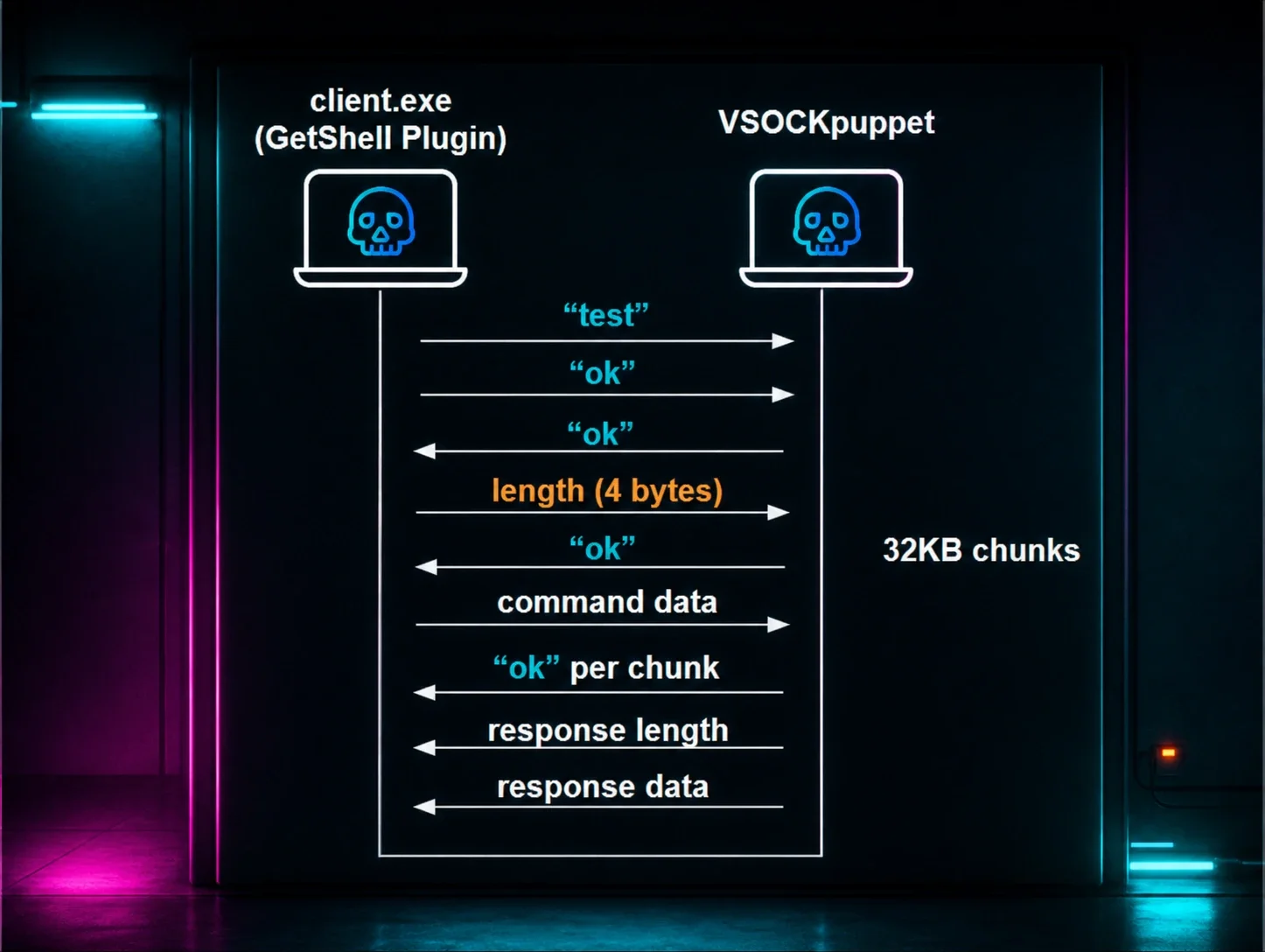
Huntress details a December 2025 intrusion where a threat actor, after gaining initial access via a compromised SonicWall VPN and Domain Admin credentials, deployed a full ESXi VM-escape toolkit against a domain controller's ESXi host. The toolkit β€” orchestrator "MAESTRO" (exploit.exe), kernel driver "MyDriver.sys" loaded via KDU (BYOVD), and VSOCK-based backdoor "VSOCKpuppet" β€” chains CVE-2025-22226 (HGFS out-of-bounds read info leak), CVE-2025-22224 (VMCI TOCTOU out-of-bounds write, VMX code execution) and CVE-2025-22225 (arbitrary write sandbox escape) to defeat ASLR and pivot from a guest VM to full hypervisor compromise, supporting 155 ESXi builds (5.1–8.0). Simplified-Chinese PDB paths dated over a year before VMware's public disclosure point to a well-resourced developer, likely Chinese-speaking, possibly building this as a sellable zero-day toolkit; Huntress provides YARA/Sigma detections and hardening recommendations.

VMware ESXiSonicWallImpacket+6
CVE-2025-22224CVE-2025-22225CVE-2025-22226+4

Malware & RE, Threat Intel, Cloud & InfraΒ· Added 3 Sep 2026, published 7 Jan 2026

blog.deeb.charticleπŸ›‘οΈ Security

Avred background: Advances in Reversing Defender Signature Format

A blog post building on retooling.io's reverse engineering of Microsoft Defender's WdFilter.sys signature format, explaining how signatures use weighted sub-rules with a score threshold (dominant vs non-dominant matches) and five wildcard opcode types (90 01–90 05) for byte-sequence, placeholder, and regex-like matching, translating each into equivalent YARA rule syntax. It ties these findings back to why certain Avred signature-breaker techniques (like NOP/register wildcarding) fail to evade detection, giving practical insight into how Defender signatures are structured and matched.

Windows DefenderYARAAvred
WdFilter.sys

Malware & RE, Blue Team & DetectionΒ· Added 3 Sep 2026, published 30 Jun 2024

dfir.chwriteupπŸ›‘οΈ Security

From Dangerous PHP Functions to Webshell Hunting

A DFIR practitioner deploys four PHP webshells (popen-based, proc_open-based, p0wny-shell, and Weevely) on a test web server, then tests whether common webshell YARA rulesets (nsacyber, Florian Roth's Thor rules) can detect them via Velociraptor hunts. The rules only catch p0wny-shell due to its many code-execution keywords, missing the simpler popen/proc_open shells and Weevely entirely, exposing brittleness in signature-based webshell detection. The author proposes a semi-automatic approach combining Velociraptor/DetectRaptor with manual review, web-log frequency analysis, and UAC-generated bodyfile/mactime timelines to hunt webshells more reliably.

PHPYARAVelociraptor+3
Florian RothnsacyberDetectRaptor+4

Blue Team & Detection, Offensive SecurityΒ· Added 3 Sep 2026, published 17 Jun 2024

dfir.chwriteupπŸ›‘οΈ Security

Two in a row - You mitigated wrong (Kentico CMS RCE)

A DFIR consultant details two investigations (five months apart) into a compromised IIS/Kentico CMS server. Attackers exploited a Kentico Staging SyncServer .NET deserialization RCE (via a public exploit and a Metasploit module using the WindowsIdentity gadget chain) to plant a rewrite-rule redirect to Vietnamese black-hat SEO content, then later returned with a malicious IIS native module (HTTPCacheLog.dll) that hooked BeginRequest to execute commands from HTTP cookies, plus multiple .ashx webshells and PrintNotifyPotato.exe for privilege escalation. The piece walks through using Chainsaw, Sysmon, PowerShell logs, and Velociraptor/YARA hunts to trace the intrusion and lists file-hash IOCs.

IISMetasploitSysmon+5
PrintNotifyPotatoDotNetDeserializationWindowsIdentity gadget chain+3

Blue Team & Detection, AppSecΒ· Added 3 Sep 2026, published 6 Mar 2024

bencteux.frarticleπŸ›‘οΈ Security

ELearnSecurity Certified Threat Hunting Professional (eCTHPv2) review

A former eCIR holder reviews INE/eLearnSecurity's eCTHPv2 (Certified Threat Hunting Professional) certification, breaking down its three modules (intro to threat hunting, network hunting, endpoint hunting) and the practical labs covering YARA rule writing, Redline and Volatility memory analysis, Zeek/Rita and Netminer network analysis, and SIEM (Splunk/ELK) log hunting. It also details the 48-hour hands-on exam format and notes recent course updates covering AMSI bypass, Cobalt Strike execute-assembly, and reflective DLL loading detection, while flagging weak lab infrastructure (laggy RDP, slow Splunk labs) and thin network-hunting coverage relative to the endpoint module.

VolatilityYARASplunk+3
eLearnSecurityINESlavi Parpulev

Learning, Blue Team & DetectionΒ· Added 3 Sep 2026, published 10 Jul 2022