Skip to content

1208 results for β€œGo”

What you seeeverything
x.comthread🧠 AI

Prasenjit Sarkar (@stretchcloud) on X

Campfire is a free, open-source, self-hosted tool that runs Claude Code, Codex, Goose, Aider and OpenHands side by side in one browser tab. Each agent gets its own git worktree, with permission voting (30 second timer, majority rules), session replay, cross-backend agent races and a shared semantic memory layer. Installs with bunx the-campfire. The post also compares Clawboo, Conductor, Vibe Kanban and Crystl.

CampfireClawbooClaude Code+8
Boo ZeroConductorVibe Kanban+2

agents, coding-agentsΒ· Added 1 Nov 2026, published 31 Oct 2026
bleepingcomputer.comarticleπŸ›‘οΈ Security

Northflank security breach leads to abuse of customers' AI API keys

Northflank, a cloud application hosting platform, disclosed a breach on 30 October 2026 after a Wiz threat alert and told customers to assume all environment variables were decrypted and to rotate secrets. Customers reported unauthorized use of AI API keys. Wiz's "Black October for AI Developer Platforms" report counts at least nine incidents, including Railway, OpenCode, Warp and Lightning AI, and describes LLMJacking, with about 2.5 million Amazon Bedrock calls costing roughly $100,000 in two cases. Northflank has not said how attackers got in.

NorthflankWizAWS Bedrock+3
LLMJackingBlack October for AI Developer PlatformsRailway+2

Threat Intel, AI Security, DevSecOpsΒ· Published and added 31 Oct 2026

bleepingcomputer.comarticleπŸ›‘οΈ Security

New Android SMS of Death exploit can remotely crash unpatched phones

CVE-2026-58882, "SMS of Death", is a zero-click Android denial-of-service flaw in WapPushOverSms.decodeWapPdu, where an unchecked header-length value becomes negative and triggers a NegativeArraySizeException that crashes com.android.phone. A malformed eight-byte WAP Push message to port 2948 can drop calls, including emergency calls, and about 20 messages caused reboot loops. A PoC is public. Google patched Android 14 through 17 in October 2026, but Android 12 and 13 remain vulnerable.

AndroidAndroid Debug BridgeGitHub
CVE-2026-58882SMS of DeathGoogle+3

Mobile Security, Offensive SecurityΒ· Published and added 31 Oct 2026

x.comarticle🧠 AI

Lewis - Policifyai (@Policifyai) on X

Policifyai's October 2026 roundup lists model releases by date with prices and benchmark scores: GPT-6.1 Sol and Terra, Claude Sonnet 5.5 and Haiku 5.5, Gemini 4 Argon and Carbon, Muse Spark Open, Mistral Large 4 weights and Kimi K3.1 Pro. It also covers Anthropic's S-1 compute commitments, Artificial Analysis Intelligence Index v5, and chip and data-center deals.

CodexHugging FaceMixture of Experts+6
OpenAIAnthropicGoogle+43

models, ai-infra, evalsΒ· Added 1 Nov 2026, published 31 Oct 2026

securityweek.comarticleπŸ›‘οΈ Security

Syrian Hacker Gets Prison Time in US After Over a Decade on the Run

Ahmad Umar Agha (Th3Pr0), a Syrian Electronic Army member, received a 42-month US sentence in the Eastern District of Virginia, over 12 years after he was first charged in June 2014. He compromised about 47 Western media, company, NGO and government targets, including the 2013 Associated Press Twitter takeover that caused a flash crash. Accomplice Firas Dardar remains at large.

Twitter
Syrian Electronic ArmyAhmad Umar AghaTh3Pr0+5

Threat IntelΒ· Published and added 31 Oct 2026
latent.spacearticle🧠 AI

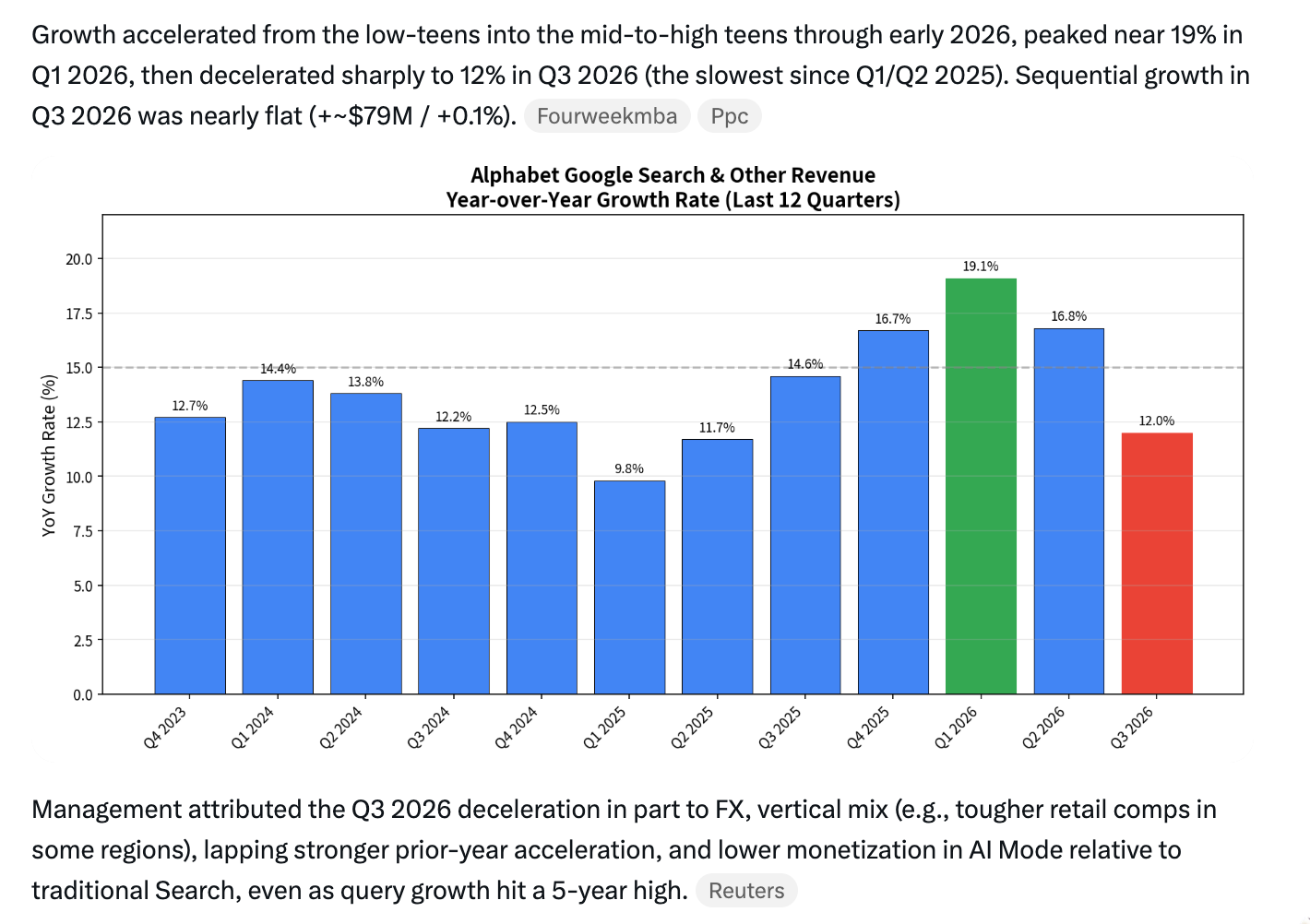
[AINews] Google admits AI Mode hurts Search revenue; -15% $500B drop worst since 2004 IPO. AI Bear Market coming?

AINews issue for 29 to 30 October 2026 from Latent Space. It opens on Google's admission that AI Mode monetises worse than classic Search, which preceded a roughly 15% share drop. It then recaps Claude Ultra dropping the 5-hour limit, Gemini 4 Carbon, Mistral Large 4, Nemotron 3.5, Artificial Analysis Index v5, Unsloth GGUF disputes, and the Anthropic S-1 filing.

Claude CodeClaudeGemini+17
GoogleAnthropicOpenAI+46

ai-policy, models, evalsΒ· Published and added 31 Oct 2026

huggingface.copaper🧠 AI

Your Benchmark Is an Empirical Measure Over Difficulty

The paper treats a benchmark as an empirical measure over item difficulty and formalizes two failure modes: measure mismatch (benchmark difficulty distribution differs from the intended one) and coverage gaps (uncovered difficulty regions that hide localized training progress). It proposes two diagnostic metrics with theoretical guarantees and analyzes 25 popular benchmarks across 7 domains using estimated item difficulties. It also introduces BenchFill, a difficulty-targeted item rewriting algorithm that reduces local coverage gaps.

BenchFill

evals, researchΒ· Added 31 Oct 2026
x.comadvisoryπŸ›‘οΈ Security

ClioBitcoinBank πŸ΄β€β˜ οΈ (@ClioBitcoinBank) on X

lnd v0.20.7 and v0.21.6 are Lightning Network Daemon releases announced by Clio Bitcoin Bank. They include a Go-specific mitigation, with the MPTCP flag turned off, for CVE-2026-98432, a use-after-free in the Linux kernel's IPv4 TCP code. The post recommends all users update. It gives no exploit or impact detail.

lndLinux kernelGo+2
CVE-2026-98432use-after-freeClio Bitcoin Bank

Cloud & InfraΒ· Published and added 31 Oct 2026

bleepingcomputer.comarticleπŸ›‘οΈ Security

Critical Linux kernel flaw allows remote root attacks on MPTCP servers

CVE-2026-98432 is a use-after-free race condition in the Linux kernel IPv4 TCP code (tcp_v4_syn_recv_sock, ireq_opt), affecting kernels back to 4.4 and rated 9.8 by the kernel CVE team (Red Hat rates it 5.9). Anthropic researchers say an unreleased Claude model built an exploit that bypassed KASLR and got remote root on an MPTCP listener in about 53 minutes. The article lists distro patch status and CIQ's nftables mitigation for IP options; disabling MPTCP alone does not help. No in-the-wild exploitation is reported.

Linux kernelAnthropicClaude+2
CVE-2026-98432use-after-freeKASLR bypass+4

Offensive Security, AI Security, Cloud & InfraΒ· Published and added 30 Oct 2026

galaxy.comarticleπŸ›‘οΈ Security

Here We Go Again: Binance Loses $6.3b in Largest Robbery in History

Galaxy Research newsletter on the roughly $6.3b drained from Binance across 10 blockchains, which TRM Labs and Chainalysis attribute to TraderTraitor. On Ethereum the attacker used EIP-7702 to turn a hot wallet into a sweeper contract backed by 50 pre-signed authorizations. Binance's preliminary finding is a compromised DevOps laptop, with no wallet key leak. Tether, Circle, Ripple and World Liberty froze about $2.7b; Galaxy also assesses Binance's ability to cover losses.

EthereumBitcoinTether+3
TraderTraitorLazarus GroupBinance+7

Blockchain, Threat IntelΒ· Added 30 Oct 2026

blog.cloudflare.comwriteupπŸ›‘οΈ Security

4 real? Tracking exploitation and patching of eMudhra’s weak keys

Cloudflare's follow-up on eMudhra's eight trivially recoverable intermediate CA keys (such as 4, 56 and 66), disclosed 19 October 2026. Pingora logging showed about 22,000 handshakes with the weak keys, including about 160 forged certificates made within hours of disclosure. Probes on 50 million challenge pages show many bots, old browsers and Android WebView still trust the chain.

CloudflarePingoraAndroid WebView+2
eMudhraMozillaDennis Jackson+6

Threat Intel, Blue Team & DetectionΒ· Published and added 30 Oct 2026
blog.googlearticle🧠 AI

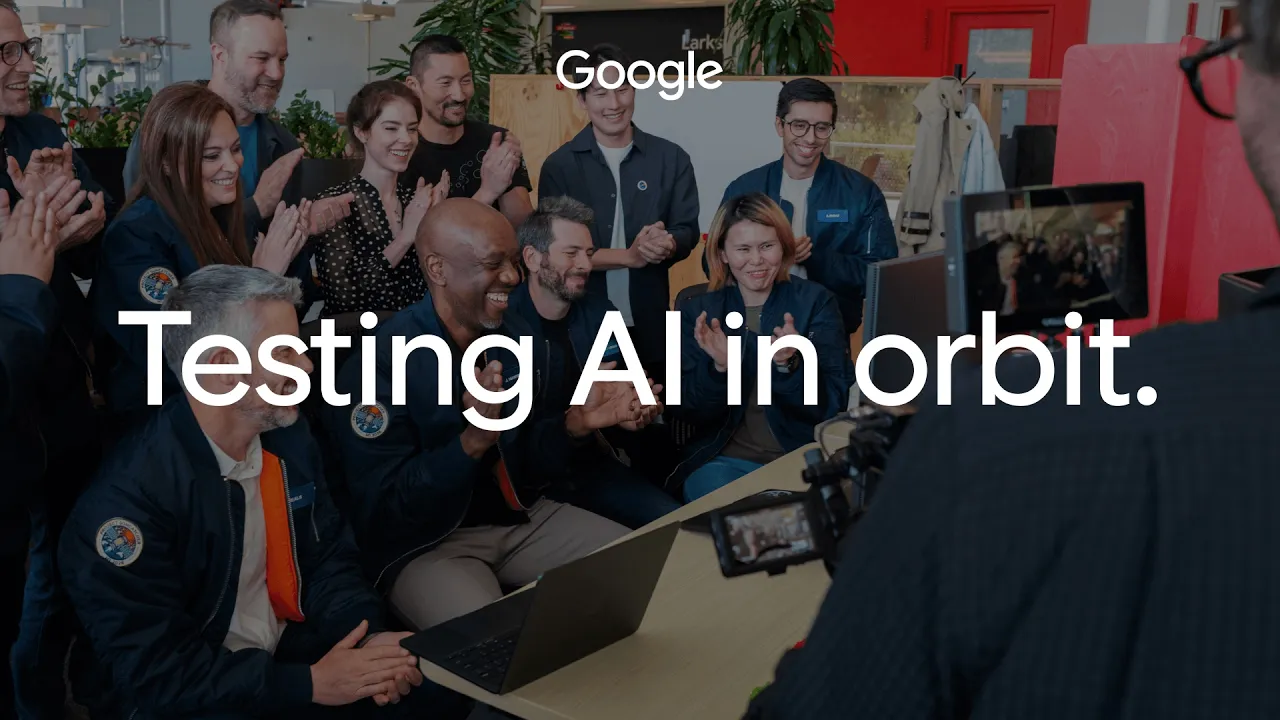
We’ve received our first response from the Project Suncatcher prototype satellite.

Project Suncatcher is a Google research effort to power AI compute in space. Its prototype satellite launched on 1 October 2026 and, after commissioning, returned the first AI response from a data-center-class TPU in orbit: a haiku from the onboard Gemma 4 open model, downlinked over Svalbard. Next come thermal-stress and radiation tests, then twin interconnected satellites in 2027.

TPUGemma
GoogleGemma 4Project Suncatcher+1

inference, ai-infraΒ· Published and added 30 Oct 2026

securityweek.comarticleπŸ›‘οΈ Security

In Other News: Anthropic Breach Dispute, UEFI Flaw Hits Most Servers, Cloudflare AI Data Leak

SecurityWeek's weekly roundup of 30 October 2026 covers CVE-2026-97631, a 16-year-old buffer overflow in TianoCore EDK II that affects PXE network boot on most servers. It also covers a Cloudflare Workers AI cross-tenant leak caused by an SGLang bug, Anthropic's dispute with Cathedral over a bug bounty intrusion, and fake AI bots probing for secrets. Other items include AI-assisted ransomware (Gold Ogre, Aur0ra), the NIK C2 framework, and North Korean IT worker sanctions.

TianoCore EDK IISGLangCloudflare Workers+3
CVE-2026-97631CathedralCequence+9

Threat Intel, AI Security, Hardware & RFΒ· Published and added 30 Oct 2026

securityweek.comarticleπŸ›‘οΈ Security

Passkeys Are Better Than Passwords. But They Are Not Enough.

Opinion piece arguing that passkeys, built on public-key cryptography, resist phishing, credential stuffing and password theft but do not settle identity risk. Attackers can go around them through account enrollment before a passkey is bound, weaker recovery paths (SMS, email link, help desk), device changes and authenticated session hijacking. It proposes layering identity threat detection with risk-based, continuous evaluation of trust.

passkeysMFA
adversary-in-the-middleMFA fatigueSIM swapping+3

Identity & AccessΒ· Published and added 30 Oct 2026

cyberplace.socialthreadπŸ›‘οΈ Security

Backdoors in official Claude Code extensions

GossiTheDog's Mastodon post reports that the Anthropic Claude Code Visual Studio extension, as installed in Cursor, contains malware that creates a remote access Trojan on desktops. It links to a phorion.io blog post on the reported compromise of the official Claude Code VSX extension. The post gives no technical detail, indicators or dates itself.

Claude CodeCursorOpen VSX+1
Anthropicremote access Trojan

Supply Chain, Threat IntelΒ· Added 31 Oct 2026, published 30 Oct 2026

securityweek.comarticleπŸ›‘οΈ Security

$2 Million+ Drained From Polymarket Traders in New Supply Chain Attack

Polymarket halted trading on 29 October after users reported unauthorized withdrawals traced to malicious JavaScript served from DebugBear's real user monitoring snippet. Hudson Rock's sample abused the authenticated session to sell positions or send tokens to a hard-coded address, without exfiltrating credentials. Loss estimates range from $2.19 million to $2.71 million (GoPlus), and Polymarket pledged reimbursement.

PolymarketDebugBearJavaScript
Hudson RockGoPlusArkham+2

Supply Chain, Threat IntelΒ· Published and added 30 Oct 2026

x.comthreadπŸ›‘οΈ Security

ESET Research (@ESETresearch) on X

ESET Research thread summarising its APT Activity Report for April to September 2026 on Russia-aligned groups targeting Ukrainian defense, government and infrastructure. Gamaredon deployed Turla's new VBScript recon tool Rezzuar, indicating FSB-linked collaboration, and updated its file stealer PteroBox while activity fell sharply from mid-May. A separate campaign hit MDaemon mail servers via CVE-2025-8088, delivering HELLAGE and HELLTAG backdoors with no user interaction.

MDaemonClamAVWinRAR+1
CVE-2025-8088GamaredonTurla+6

Threat IntelΒ· Added 31 Oct 2026, published 30 Oct 2026

ethereum-magicians.orgotherπŸ›‘οΈ Security

ERC draft: Independent Simulation Result for (STVA)

ERC draft "Independent Simulation Result" (STVA) defines a canonical, content-addressed SimulationResult structure that wallets, hardware devices or third-party verifiers can recompute from the same VerificationPayload and state snapshot. It specifies fields, a keccak256 or EIP-712 result hash, and Basic, Standard and Strict compliance tiers. The goal is to close UI/calldata mismatch attacks where a compromised frontend serves a false simulation. Open questions cover stateDiff encoding and prestate proofs.

EthereumrevmSafe
ERC-7730Scoped Capability TokensUI/calldata mismatch+5

BlockchainΒ· Published and added 30 Oct 2026

vulncheck.comtoolπŸ›‘οΈ Security

VulnCheck - Outpace Adversaries

VulnCheck Open Source is an index of VulnCheck's open-source tooling for its vulnerability and exploit intelligence. It lists a Python API client, a CLI, a GitHub Action for CI/CD, go-exploit (a Go exploit framework), an MCP server for delivering intelligence to AI clients, and VulnCheck Insights, a Chrome extension that highlights CVEs, CPEs and PURLs on web pages and enriches them. The page gives only one-line descriptions.

GoPythonGitHub Actions+2
VulnCheckgo-exploitVulnCheck Insights+2

Offensive Security, DevSecOpsΒ· Added 29 Oct 2026

oversecured.comwriteupπŸ›‘οΈ Security

Discovering vendor-specific vulnerabilities in Android | Oversecured Blog

Oversecured describes extending its Android scanner to system APIs and to Samsung's Android build, after comparing Google and Samsung framework JARs and about 400 system services. It explains AIDL service permission checks and new control-flow analyses. Examples include Samsung's unchecked semIsBackupEnabled(), a broadcast that reboots the device, and a LaunchAnyWhere in Settings. Samsung had fixed over 60 reported issues.

AndroidSamsungOversecured
LaunchAnyWhereAIDLsystem_server+1

Mobile Security, AppSecΒ· Added 29 Oct 2026

oversecured.comarticleπŸ›‘οΈ Security

Content Providers and the potential weak spots they can have | Oversecured Blog

Oversecured's Android security checklist for Content Providers covers insecure FileProvider path configs, path traversal via decoded Uri.getLastPathSegment(), mismatched readPermission/writePermission, proxying requests to more privileged providers, SQL injection across a shared database, and sensitive actions in providers. Each case has vulnerable manifest and Java code, an attacker PoC and remediation. Real cases from Google and Samsung devices are cited. The page text was truncated near the end.

AndroidSQLiteJava
Oversecuredpath traversalSQL injection+5

Mobile Security, AppSecΒ· Added 29 Oct 2026

oversecured.comarticleπŸ›‘οΈ Security

Oversecured Apps Care. Part 1: Vulnerability disclosure of 225 Google apps | Oversecured Blog

Oversecured Apps Care, Part 1 (21 March 2024) publishes scanner results for about 224 Google Android apps, drawn from a wider scan of over 6,000 public APKs from 1,000+ companies. Tables per device image (phone, Wear OS, Android Automotive, Android TV) give package names, three finding counts and report links, including android, com.android.settings, gms and Play Store. It invites researchers to report issues to Google for rewards.

AndroidWear OSAndroid Automotive+1
OversecuredOversecured Apps Care

Mobile Security, AppSecΒ· Added 29 Oct 2026

oversecured.comwriteupπŸ›‘οΈ Security

Disclosure of 7 Android and Google Pixel vulnerabilities

Oversecured discloses seven Android vulnerabilities, two of them Pixel-specific, all reported to Google and fixed except one low-severity WebView case. They are the Camera geolocation leak (CVE-2024-0017), a VPN bypass list change (CVE-2023-21383), a Bluetooth permission check flaw (CVE-2024-34719), the WorkSource parcel mismatch (CVE-2023-20963, exploited in the wild by the Pinduoduo app), Device Admin HTML injection (CVE-2021-0600) and a ContentProvider.openFile() caller-context bypass (CVE-2023-21292). Each has root cause and PoC code.

AndroidGoogle PixelWebView+2
CVE-2024-0017CVE-2023-21383CVE-2024-34719+9

Mobile Security, Offensive SecurityΒ· Added 29 Oct 2026

oversecured.comarticleπŸ›‘οΈ Security

Inside mobile taint analysis: how source-to-sink tracking finds real data-leak paths | Oversecured Blog

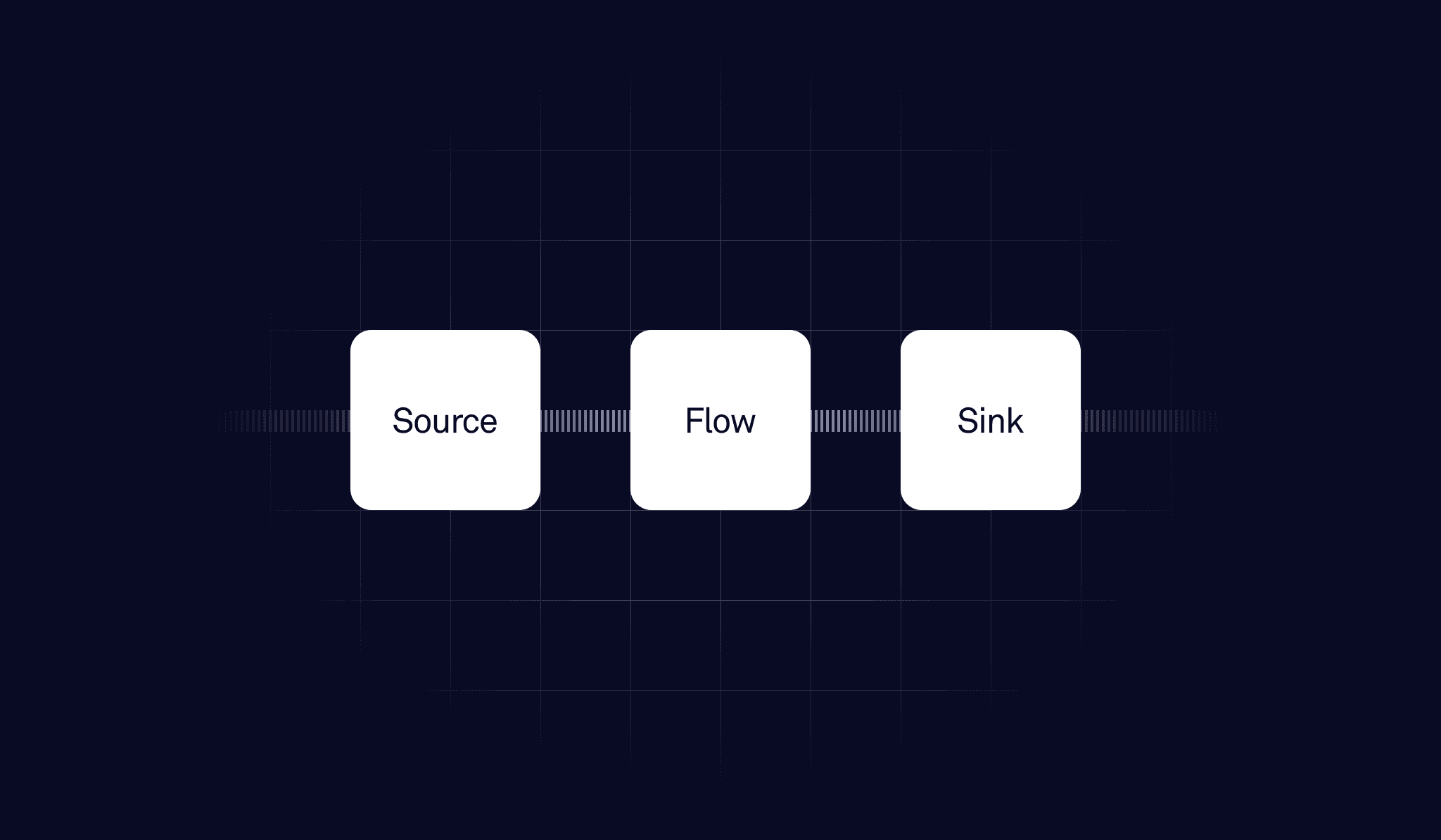
Oversecured explains taint analysis for Android and iOS apps and contrasts it with pattern-matching SAST such as MobSF. It covers source, flow and sink, cross-component tracking over Intents, flag-based sanitizer modeling and implicit intent simulation. The case study is an unsafe Class.forName().newInstance() on a Serializable transportFactoryClassName field in Google's com.google.auth.oauth2 credential classes, which Google fixed with a $3,133.70 bounty.

AndroidiOSOversecured+3
intent redirectionpath traversalSSRF+4

Mobile Security, AppSecΒ· Added 29 Oct 2026

oversecured.comarticleπŸ›‘οΈ Security

Vulnerabilities that lead to account takeover in banking and fintech mobile apps | Oversecured Blog

Oversecured guide to eight vulnerability categories that lead to account takeover in mobile banking and fintech apps: WebView JavaScript bridge token leakage, Intent Redirection, hardcoded tokens, deeplink hijacking, insecure token storage, localhost OAuth listeners, AIDL abuse and weak biometric auth. It includes a WebView PoC based on Samsung SmartThings CVE-2022-30746 and maps findings to OWASP MASVS, PCI DSS and PSD2. It argues taint analysis plus dynamic PoC is needed to find multi-component chains.

AndroidiOSOAuth+1
CVE-2022-30746Intent Redirectiondeeplink hijacking+9

Mobile Security, AppSec, Identity & AccessΒ· Added 29 Oct 2026

x.comthread🧠 AI

Prasenjit Sarkar (@stretchcloud) on X

A thread on Cloudflare's agent-readiness scan and the AgentReady.org open spec for "Agent Experience", developed with Vercel, Stripe, Auth0, Mintlify, Google, Netlify and Elementor. The scan grades whether agents can find a site (robots.txt, DNS), read clean Markdown, pass bot rules, and discover an MCP server or API catalog. One quoted example raised a score from 20 to 67 by shipping an API catalog with Link headers, an MCP server card, a skills index and an AI catalog file.

Model Context ProtocolCloudflareMarkdown
AgentReady.orgOraNick Launches+7

mcp, agentsΒ· Added 30 Oct 2026, published 29 Oct 2026

blog.talosintelligence.comarticleπŸ›‘οΈ Security

A quiet week in infosec <.<

Cisco Talos Threat Source newsletter for the week of the PHP and Node.js vulnerability news cycle. It summarises NIK C2, a Go-based Windows implant that dumps credentials, streams keystrokes, deploys screen-locking ransomware and uses a victim's hijacked OpenAI API keys to analyse stolen data. It also lists weekly headlines (CISA KEV PHP bugs, Brotli flaw, Gheist GitHub token theft), Talos links and top malware hashes.

GoWindowsOpenAI+3
NIK C2PHP2ShellNode2Shell+7

Threat Intel, AI SecurityΒ· Published and added 29 Oct 2026

arxiv.orgpaper🧠 AI

Retrieving from Your Own Mistakes: On-Policy Training of Embedding Models for Multi-Hop Retrieval-Augmented Generation

On-policy state training is a method for training chain embedding retrievers for multi-hop RAG on the states the encoder itself reaches, including those built on its own wrong retrievals. Each state is labeled with the earliest missing gold passage, other missing gold passages are masked, and updates are contrastive and mixed with teacher-forced states. It retrieves complete evidence more often than teacher-forced training and graph-based systems, and transfers to harder long-chain HotpotQA and 2WikiMultiHopQA variants the authors built.

RAGon-policy state trainingcontrastive learning+1
HotpotQA2WikiMultiHopQAarXiv

research, llm-apps, trainingΒ· Added 31 Oct 2026, published 29 Oct 2026

arxiv.orgpaper🧠 AI

Don't Lose the Thread: Empowering Long-Horizon LLM Agents with Cognitive Resource Self-Allocation

CORAL (Cognitive Resource Self-Allocation) is an agent-callable working-memory toolset that lets an LLM agent checkpoint task progress and verified facts, then reset its cluttered context and resume from a clean state. A Multi-episode Agentic Reinforced Policy Optimization algorithm trains the checkpointing. With an 8B model it reaches 42.8% average accuracy on GAIA, uses 6-7x fewer input tokens than a ReAct agent, and adds 8.0 points to a proprietary agent on BrowseComp.

LLMReActCORAL
Multi-episode Agentic Reinforced Policy OptimizationGAIABrowseComp

agents, research, trainingΒ· Added 31 Oct 2026, published 29 Oct 2026

arxiv.orgpaper🧠 AI

Decompose, Estimate, Select: Coverage-Aware Context Construction for Long-Form RAG

Decompose, Estimate, Select is a coverage-aware retrieval pipeline for long-form RAG. It splits a query into subquestions, ranks candidates with a coverage-trained bi-encoder, predicts a document-by-subquestion coverage matrix with a cross-encoder, and picks documents by greedy maximum-marginal coverage. On TREC RAG 2024, Ξ±-nDCG@10 rises from 0.625 to 0.702 (gold-nugget bound 0.718). A grounded self-feedback loop raises V_strict by 0.086 over two passes.

RAGbi-encodercross-encoder+1
TREC RAG 2024Ξ±-nDCG@10V_strict

llm-apps, researchΒ· Added 31 Oct 2026, published 29 Oct 2026

securityweek.comarticle🧠 AI

Google Touts Powerful Cybersecurity Capabilities in Gemini 4 Carbon Model

Gemini 4 Carbon is Google's new frontier model, announced with scores of 88.2% on SEC-bench Pro, 54.8% on ExploitGym and 71.0% on CWE-bench. Google says it beats GPT-6 Astra, Claude Opus 5.5 and Claude Fable 5.1 on these, with no guardrails. Access is limited to Fairwind Program partners at first. Pricing starts at $2 input and $10 output per million tokens, rising to $4 and $20.

Gemini
GoogleGemini 4 CarbonGemini 4 Argon+13

models, evalsΒ· Published and added 29 Oct 2026

securityweek.comarticleπŸ›‘οΈ Security

Google Touts Powerful Cybersecurity Capabilities in Gemini 4 Carbon Model

Gemini 4 Carbon is a Google frontier model announced with restricted access for cyber defenders through the Fairwind Program (650+ organizations). Google reports 88.2% on SEC-bench Pro, 54.8% on ExploitGym and 71.0% on CWE-bench, ahead of GPT-6 Astra and Claude models, with no guardrails. It also cites prompt injection and cheating-resistance results, and pricing of $2/$10 per million tokens.

GeminiGPT-6 AstraWiz+1
Gemini 4 CarbonGemini 4 ArgonFairwind Program+6

AI SecurityΒ· Published and added 29 Oct 2026

eprint.iacr.orgpaperπŸ›‘οΈ Security

Quasi-polynomial time algorithms for block basis reduction of linear codes

Kolesnikov and Novoselov give block basis reduction (BKZ) algorithms for linear codes that need polynomial or quasi-polynomial numbers of calls to a minimum weight codeword oracle at fixed block size. The earlier Ghentiyala and Stephens-Davidowitz bounds are exponential. The paper adds a truncated BKZ and a DeepBKZ variant, with an implementation for block sizes 2 to 24 and approximation-factor estimates on random codes.

BKZDeepBKZminimum weight codeword problem+4

otherΒ· Added 31 Oct 2026, published 29 Oct 2026

blog.talosintelligence.comwriteupπŸ›‘οΈ Security

NIK C2: The new AI-enabled command-and-control framework

NIK C2 is a newly observed C2 framework with a Go-based 64-bit Windows implant that embeds an OpenAI Chat Completions client (ai_generate command), falling back to the victim's OPENAI_API_KEY. Talos details its 52+ commands, AES-256-GCM over WebSocket with HTTP fallback, credential, wallet and keystroke theft, screen-lock ransomware, AMSI bypass and anti-debug. It also lists a live C2 at 87.120.196[.]120 and total-sitevv[.]lol.

GoOpenAIWindows+3
NIK C2nik_panel87.120.196[.]120+9

Malware & RE, Threat Intel, AI SecurityΒ· Published and added 29 Oct 2026

aikido.devarticleπŸ›‘οΈ Security

Ghost in the PHP2Shell: Why coordinated disclosure and patching will start moving faster

Aikido's analysis of the PHP2Shell disclosures (CVE-2026-109618 and CVE-2026-109619), published October 2026. It covers the timeline: the CVE IDs leaked on 20 October, PHP moved its release to 21 October, and Amazon reports exploitation attempts from 17 October. It cites Censys data (32.5 million services still affected on 27 October) and argues that AI-driven discovery and exploit building call for shorter embargoes and faster patching.

PHPAikido SecurityCodex+2
CVE-2026-109618CVE-2026-109619PHP2Shell+8

AI Security, AppSecΒ· Added 28 Oct 2026, published 29 Oct 2026

blog.googlearticle🧠 AI

How Gemini is helping students and teachers in the classroom

Google reports two classroom studies of Gemini. In a 10-week RCT with over 1,100 UK students (ages 12-15) on Eedi, Gemini-based AI tutoring matched human tutors on in-platform tasks and quizzes, with expert approval of responses rising from 76% to 95%. Gains did not appear on STAR standardized tests. A yearlong Italian study of 1,600 teachers found lessons co-designed with Gemini shifted toward collaborative work.

GeminiGemini for Education
GoogleEediSTAR+3

research, evals, ai-policyΒ· Added 30 Oct 2026, published 29 Oct 2026

securityweek.comarticleπŸ›‘οΈ Security

HHS Filing Puts iRhythm Data Breach Toll at 8.2 Million

The June 2026 iRhythm data breach is now listed on the HHS breach portal as affecting 8,179,772 people, the same figure given to the Oregon Attorney General. Attackers took data from third-party-hosted business applications, including names, addresses, birth dates, contact details, and account, serial and insurance numbers, and tried to extort a ransom. iRhythm reports no impact on its products or clinical systems and offers no free credit monitoring.

iRhythmHHSHIPAA+2

Threat IntelΒ· Published and added 29 Oct 2026

latent.spacearticle🧠 AI

[AINews] Gemini 4 Carbon tops leaderboards, launches for cyber defenders

AINews issue for 27-28 October 2026, a Latent Space digest of Twitter and Reddit. It leads with Google DeepMind's Gemini 4 Carbon: claimed cyber scores (SEC-bench Pro 88.2%, ExploitGym 54.8%, CWE-bench 71.0%), #1 on Artificial Analysis Intelligence Index v5 at 59, and access limited to cyber defenders through the Fairwind Program. It also covers benchmark integrity disputes, GitHub Copilot Fusion, H-Net v2, KV-cache work, open-weight releases and Claude Code quota complaints.

GeminiClaude CodeGoogle Antigravity+12
Gemini 4 CarbonGemini 4 ArgonGoogle DeepMind+39

models, evals, coding-agentsΒ· Published and added 29 Oct 2026

endorlabs.comarticleπŸ›‘οΈ Security

ADLC metrics: How to measure agentic development security | Endor Labs

ADLC metrics is an Endor Labs guide to measuring security in the agentic development lifecycle, where AI coding agents write much of the code. It defines formulas across five categories: AI supply chain visibility, agent action security, agent-generated code, package risk and developer flow. It argues for normalizing findings per merged change, tracking pre-execution blocks, and building a six-to-eight metric scorecard.

Claude CodeCodexCursor+3
ADLCOWASP Top 10 for LLM ApplicationsAgent Security League+4

AI Security, AppSec, DevSecOpsΒ· Published and added 29 Oct 2026

endorlabs.comarticle🧠 AI

ADLC metrics: How to measure agentic development security | Endor Labs

ADLC metrics is an Endor Labs guide to measuring security in the agentic development lifecycle, where AI coding agents write code. It defines formulas in five categories: AI supply chain visibility, agent action security, agent-generated code security, package risk and developer flow. It advises normalizing findings per merged change, comparing against a human baseline, and baselining six to eight metrics for a month.

Claude CodeCodexCursor+4
Endor LabsAURIOWASP+4

coding-agents, ai-policyΒ· Published and added 29 Oct 2026

socket.devwriteupπŸ›‘οΈ Security

Searchjacked: Hidden Browser Extensions Hijack Searches for 13 Million Users

Searchjacked is Socket's research on 319 browser extensions (about 13.44M users over a decade) that hijack searches to earn ad revenue. The fetched text attributes 200 extensions to named operators such as Intango, System1, Perion, Mutual Media and Kinner Lake, and 119 to unknown operators like "SecuryBrowse" and "Bing-Search". It lists the Yahoo and Bing monetization IDs used to link them. The narrative and technical mechanics are not in the fetched text.

Chrome Web StoreChrome
SearchjackedIntangoLumio+20

Threat Intel, Supply ChainΒ· Published and added 29 Oct 2026

arxiv.orgpaper🧠 AI

DICE: Decentralized Incentive-driven Federated Learning for Efficient & Scalable Customization of Pretrained Models in Web3

DICE is a blockchain-powered federated learning (BCFL) algorithm for customizing large pretrained models among untrusted Web3 participants. It combines dynamic progressive learning and model slice verification, so hardware-limited participants can train part of the model, with a tree-structured committee consensus protocol and an efficiency-driven incentive scheme to scale to more data holders. Experiments cover vision and language models.

federated learningblockchain-powered federated learningprogressive learning+1
arXiv

research, trainingΒ· Added 31 Oct 2026, published 29 Oct 2026

securitylabs.datadoghq.comwriteupπŸ›‘οΈ Security

Node2Shell: Reproducing CVE-2026-111497 in the Node.js Brotli decoder

Node2Shell is Datadog Security Labs' analysis of CVE-2026-111497, an out-of-bounds write in the Google Brotli 1.2.0 decoder, fixed in Node.js 22.23.4, 24.22.1 and 26.12.1 on 21 October 2026. It explains the unchecked return value in DecodeBlockTypeAndLength(), the read and write primitives, and why code execution is still engineering effort. It lists inbound and outbound exposure paths, behavioral detections and what WAFs miss.

BrotliNode.jsBun+3
CVE-2026-111497Node2ShellCISA KEV+3

AppSec, Blue Team & Detection, Offensive SecurityΒ· Published and added 29 Oct 2026

bleepingcomputer.comarticleπŸ›‘οΈ Security

Police seize Virtualine bulletproof service tied to ransowmare, cybercrime

Virtualine, a bulletproof hosting service also operating as Secury, Massgod, Spamhouse, Lanedo and Omegatech, had its main domain seized by the FBI with German, Dutch and UK partners. Chainalysis and TRM Labs traced its Bitcoin payments to ransomware (5% of flows), a Russian drug market (about 44%), sextortion and the StealC infostealer. Dutch police seized dozens of servers in Limburg and recovered data on over 3,000 customers.

Bitcoin
VirtualineSecuryMassgod+14

Threat IntelΒ· Added 30 Oct 2026, published 28 Oct 2026

arxiv.orgpaper🧠 AI

Gold vs.~Translation: Are We Measuring Language, Knowledge, or Locality in Translated Benchmarks?

Gold vs. Translation is an October 2026 arXiv study of whether DeepL-translated MMLU measures the same thing as native benchmarks. It compares seven pairings against six native benchmarks in five Nordic and Baltic languages, using 29 models. Translated MMLU adds predictive value for curriculum-overlap benchmarks such as Skolprov (Ξ”RΒ²=.128) but not for Sweden-specific SwedishFacts (p=.242).

LLM
MMLUDeepLSkolprov+2

evals, researchΒ· Added 30 Oct 2026, published 28 Oct 2026

decrypt.coarticle🧠 AI

OpenAI Plans to Buy Google's AI Chips as It Looks Beyond Nvidia: Report

Decrypt reports, citing The Information, that OpenAI plans to buy Google TPUs rather than rent them, to reduce dependence on Nvidia. Neither company has confirmed, and price, volume and timing are undisclosed. The article covers OpenAI's TPU optimization job listing, its Broadcom-built JalapeΓ±o inference chip due end of 2026, Nvidia and AMD deals, and Anthropic's multi-gigawatt TPU agreement.

TPUJalapeΓ±oGoogle Cloud
OpenAIGoogleNVIDIA+10

inference, ai-infraΒ· Published and added 28 Oct 2026

x.comthread🧠 AI

Laban (@lunkertw) on X

An X post summarising five AI items: Google DeepMind's Gemini 4 Carbon (88.2% SEC-bench Pro, 54.8% ExploitGym, 71.0% CWE-bench, 59 on Artificial Analysis Intelligence Index v5.0), Ed Zitron's critique of Anthropic's S-1, a Utah Claude Code pilot, and the repos beenuar/AiSOC and expo/skills. In the Utah pilot, 34 developers in 10 agencies took part over four weeks, 80% had a working setup within 30 minutes, and 71% saved over 20 hours. It gives short summaries and links, not primary analysis.

Claude CodeModel Context ProtocolPython+6
Google DeepMindGemini 4 CarbonSEC-bench Pro+9

models, coding-agents, ai-policyΒ· Added 29 Oct 2026, published 28 Oct 2026

arxiv.orgpaper🧠 AI

AskStream: When and What to Ask Proactively under Uncertainty in Streaming Video Understanding

AskStream is a multi-turn benchmark for streaming video understanding that adds a third proactive action, ask, alongside wait and answer, for cases where video or user information is incomplete. It has 438 videos, 2,714 manually annotated frame-level time windows (wait, ask, answer), four task categories and eight subtasks. The strongest model reaches only 52.18% on the proposed Ask-F1 metric, in both multiple-choice and open-ended settings.

multimodal large language model
AskStreamAsk-F1arXiv

evals, multimodal, researchΒ· Added 30 Oct 2026, published 28 Oct 2026

x.comthread🧠 AI

Niko (@nikolayxyz) on X

Gemini 4 Carbon is Google's new frontier model, announced in a post by nikolayxyz that quotes Google's launch text. It ranks #1 on v5.0 of the Artificial Analysis Intelligence Index with 59 points, ahead of Opus 5.5 and GPT-6 Astra. Intro pricing is $2 input and $10 output per million tokens. Access starts for cyber defenders first, as Gemini 4 Argon's did. The captured text is cut off before the rollout details.

Gemini
Gemini 4 CarbonGemini 4 ArgonGoogle+4

models, evalsΒ· Added 29 Oct 2026, published 28 Oct 2026

x.comthread🧠 AI

🚨 AI News | TestingCatalog (@testingcatalog) on X

Gemini 4 Carbon is a new Google model, announced in a TestingCatalog post on X as taking first place on the Artificial Analysis V5 ranking. It is rolling out to cyber defenders first. Reported scores are 88.2% on SEC-bench Pro (finding vulnerabilities), 54.8% on ExploitGym (exploitation) and 71.0% on CWE-bench (patching). The post calls it a large step up from Gemini 4 Argon, released two weeks earlier. It gives no technical detail beyond these claims.

Gemini
GoogleGemini 4 CarbonGemini 4 Argon+4

models, evalsΒ· Added 30 Oct 2026, published 28 Oct 2026

blog.googlearticleπŸ›‘οΈ Security

Gemini 4 Carbon

Gemini 4 Carbon is Google's frontier model, announced with cybersecurity results: 88.2% on SEC-bench Pro (finding vulnerabilities), 54.8% on ExploitGym (exploitation) and 71.0% on CWE-bench (patching). Google reports 0.0% attack success on Gray Swan's indirect prompt injection benchmark. Access starts with a subset of cyber defenders through the Fairwind Program. Pricing is $2 per million input tokens and $10 per million output tokens.

Gemini
Gemini 4 CarbonGemini 4 ArgonFairwind Program+6

AI SecurityΒ· Added 29 Oct 2026, published 28 Oct 2026

blog.googlearticle🧠 AI

Gemini 4 Carbon

Gemini 4 Carbon is Google's frontier model, announced two weeks after Gemini 4 Argon. It scores 59 on Artificial Analysis Intelligence Index v5.0, 88.2% on SEC-bench Pro, 54.8% on ExploitGym and 71.0% on CWE-bench. Pricing is $2 per million input and $10 per million output tokens. Access starts with a subset of cyber defenders through the Fairwind Program.

Gemini
Gemini 4 CarbonGemini 4 ArgonGoogle+10

models, evals, ai-safetyΒ· Added 29 Oct 2026, published 28 Oct 2026

deepmind.googlearticleπŸ›‘οΈ Security

Gemini 4 Carbon: Our next frontier model

Gemini 4 Carbon is Google DeepMind's frontier model, announced with a focus on cyber defense. DeepMind reports 88.2% on SEC-bench Pro (finding vulnerabilities), 54.8% on ExploitGym (exploitation) and 71.0% on CWE-bench (patching), run without guardrails. It also reports 0.0% attack success on Gray Swan's indirect prompt injection benchmark. Access starts with a subset of cyber defenders via the Fairwind Program.

Gemini
Gemini 4 CarbonGemini 4 ArgonSEC-bench Pro+6

AI Security, AppSecΒ· Published and added 28 Oct 2026

deepmind.googlearticle🧠 AI

Gemini 4 Carbon: Our next frontier model

Gemini 4 Carbon is Google DeepMind's new frontier model, announced two weeks after Gemini 4 Argon. It ranks #1 on Artificial Analysis Intelligence Index v5.0 at 59 and scores 88.2% on SEC-bench Pro, 54.8% on ExploitGym and 71.0% on CWE-bench. Access starts with cyber defenders through the Fairwind Program, priced at $2 per million input tokens and $10 per million output tokens.

Gemini
Gemini 4 CarbonGemini 4 ArgonGoogle DeepMind+12

models, evals, ai-safetyΒ· Published and added 28 Oct 2026

decrypt.coarticle🧠 AI

House Oversight Chair Comer Probes Delaware Plan for AI-Run Companies

House Oversight Chairman James Comer opened an investigation on 26 October 2026 into Delaware's proposed Artificial Intelligence Company (AIC), a legal entity run day-to-day by an AI agent. His letter to Gov. Matt Meyer requests documents, including internal AI chat logs, by 9 November. The AIC would run in a 30-month sandbox with a single member shielded from debts, and Delaware's draft legislation is expected in January 2027.

James ComerHouse Oversight CommitteeMatt Meyer+8

ai-policyΒ· Published and added 28 Oct 2026

securityweek.comarticleπŸ›‘οΈ Security

TLS Flaws Found in GoAhead Web Server Used in Hundreds of Millions of Devices

FoxIO disclosed three TLS flaws in the GoAhead embedded web server from EmbedThis, used on hundreds of millions of IoT, OT and network devices. CVE-2026-115881 (CVSS 9.1) leaves revoked client certificates accepted under mTLS with OpenSSL; CVE-2026-115884 (7.4) bypasses chain-length limits with LibreSSL; a third Mbed TLS bug (5.9, no CVE) weakens TLS 1.2 DHE. GoAhead 6.1.1 fixes the OpenSSL and Mbed TLS issues, and FoxIO released PoC code and fingerprints.

GoAheadOpenSSLMbed TLS+2
CVE-2026-115881CVE-2026-115884FoxIO+4

Hardware & RF, AppSecΒ· Published and added 28 Oct 2026

eprint.iacr.orgpaperπŸ›‘οΈ Security

Shor's algorithm compiled on cat qubits: 22 593 qubits for RSA-2048 in 3.14 days

Shor's algorithm compiled on cat qubits is an IACR ePrint (2026/2665) giving an end-to-end resource estimate on superconducting cat qubits, using repetition and LDPC cat codes. Factoring RSA-2048 needs about 23,000 cat qubits and 3.14 days, assuming phase-flip noise p_Z = 5e-4 and no bit-flips. secp256k1 ECDLP needs at most 30,000 qubits and 1 hour. A space-for-time trade runs RSA-2048 in 1.25 hours on about 611,000 qubits.

Bitcoin
Shor's algorithmRSA-2048secp256k1+5

otherΒ· Published and added 28 Oct 2026

securityweek.comarticleπŸ›‘οΈ Security

China-Linked Hackers Exploit PHP2Shell to Root Firewalls

A China-linked actor chained PHP2Shell (CVE-2026-109618, CVE-2026-109619) with the Fragnesia Linux kernel privilege escalation (CVE-2026-46300) to root firewalls and drop PHP webshells, per Dream. Using FOFA, the actor narrowed 19,000 firewalls to 240 targets and rooted 24 on 23-24 October. On two US government-affiliated devices it used a reverse SSH tunnel, hit the firewall management server, and attempted LDAP and Active Directory abuse.

PHPLinux kernelSSH+2
CVE-2026-109618CVE-2026-109619CVE-2026-46300+7

Threat Intel, Offensive SecurityΒ· Published and added 28 Oct 2026

akamai.comarticleπŸ›‘οΈ Security

TLP Is Not a Suggestion

Akamai SIG argues that vendors and researchers broke embargo norms during the October 2026 PHP2Shell leak, when the PHP fix shipped a day early on 21 October. It explains the four TLP 2.0 labels, tabulates past embargo breaks (Heartbleed, a collapsed six-month kernel-era embargo, the Alibaba Cloud and MIIT case), and lists seven practices, such as no proofs of concept or CVE numbers before the fix.

PHP
CVE-2026-111497PHP2ShellTraffic Light Protocol+11

otherΒ· Added 30 Oct 2026, published 28 Oct 2026

arxiv.orgpaper🧠 AI

CALM: Conflict-Aware Lifecycle Memory Governance for Long-Horizon Language Agents

CALM is a conflict-aware lifecycle memory governance framework for long-horizon language agents. It turns records into evidence-grounded memory cells, updates their validity and lifecycle states from support, conflict and dependency signals, and admits evidence at query time through training-free or learned gating based on temporal applicability. It beats baselines on LongMemEval-S and LoCoMo with Qwen and GPT backbones, and keeping superseded records helps earlier-state reasoning.

LLMQwen
CALMLongMemEval-SLoCoMo+1

agents, researchΒ· Added 30 Oct 2026, published 28 Oct 2026

Showing 60 of 1208

Show more