Appraisal by AI: Model-driven victim prioritization in the VOLTA infostealer
VOLTA (VOLTA-AUTODOXER) is a self-deleting Windows infostealer that, after theft and live session-based enrichment, POSTs an evidence bundle to OpenRouter so an LLM can rank the victim's assets by monetization value. It falls back across a Claude, Kimi and Gemini chain when a model refuses. Talos covers the builder model, the Chrome App-Bound Encryption bypass, the volta_debug.txt artifact and countermeasures such as blocking Chrome --headless.
 blog.talosintelligence.comwriteupPublished and added 31 Oct 2026🛡️ Security
 Police seize Virtualine bulletproof service tied to ransowmare, cybercrime
Virtualine, a bulletproof hosting service also operating as Secury, Massgod, Spamhouse, Lanedo and Omegatech, had its main domain seized by the FBI with German, Dutch and UK partners. Chainalysis and TRM Labs traced its Bitcoin payments to ransomware (5% of flows), a Russian drug market (about 44%), sextortion and the StealC infostealer. Dutch police seized dozens of servers in Limburg and recovered data on over 3,000 customers.
 bleepingcomputer.comarticleAdded 30 Oct 2026, published 28 Oct 2026🛡️ Security
 International Law Enforcement Seizes Domain of Virtualine Bulletproof Hosting Service
Virtualine is a bulletproof hosting provider whose domain virtualine.net was seized on 27 October 2026 by the FBI Washington Field Office and the Eastern District of Virginia, with German, Dutch and UK police support. Chainalysis and OverRIPE gave intelligence support. The post lists aliases (Secury, Massgod, Spamhouse, Lanedo, Omegatech), forum advertising on Exploit.in and HackForums, and unhosted bitcoin payments tied to ransomware, infostealers and scam infrastructure.
 chainalysis.comarticlePublished and added 27 Oct 2026🛡️ Security
 LiteLLM Compromised in Fresh Supply Chain Attack
LiteLLM version 1.107.0 was published with malware to PyPI and Docker Hub on October 21, for about three hours and roughly 49,000 downloads. Attackers used GitHub CLI OAuth tokens, likely leaked through Claude Code into LiteLLM logs, to disable branch protections, redirect the releaser to a lookalike repository and sign poisoned artifacts. The payload is an infostealer and RAT; Wiz saw Amazon Bedrock abuse. The last clean version is 1.106.2.
 securityweek.comarticlePublished and added 23 Oct 2026🛡️ Security
 LiteLLM compromised again: infostealer and RAT found in version 1.107.0
LiteLLM 1.107.0 was compromised on 21 October 2026: the seven compiled PyPI wheels and the official Docker image carried an infostealer and a RAT. The attacker used the maturin `data = "cook"` directive in pyproject.toml to inject cook.pth, cook.py and sitecustomize.py without touching the source repo. The post lists stolen data, the hourly C2 polling via GitHub, wheel hashes, file and network IOCs, and check steps.
 aikido.devwriteupPublished and added 21 Oct 2026🛡️ Security
 GhostAction Copycats PolinRider by Hiding a Stealer in a Fake Font File
Analysis of a new GhostAction Stage 2 found in 94 compromised GitHub repos: a hidden .vscode/tasks.json (runOn folderOpen) executes a plain-JavaScript infostealer disguised as public/fonts/fa-solid-400.woff2. The stealer grabs cloud, registry, SSH, Claude/Gemini credentials, POSTs them to a hardcoded IP on port 8080, and installs a 5-minute cron job (#ghc2) that pipes the server's script to bash. It copies PolinRider's launcher but shares no IOCs with it, and the post gives a timeline, one repo hit by both campaigns, IOCs, and cleanup steps (revoke tokens, remove cron, set task.allowAutomaticTasks off).
 opensourcemalware.comwriteupAdded 15 Oct 2026, published 16 Oct 2026🛡️ Security
 ORCAGen: Orchestrating Context-Aware Malware Deception with RAG-Guided Generative AI
ORCAGen uses RAG over a curated knowledge base of malware procedures and active-defense strategies, plus structured prompting, to have LLMs generate proof-of-concept malware and matching deception orchestration code offline. Strategies are validated against the PoC malware before being added to a runtime playbook that enforces only the verified, deterministic logic. It is evaluated on GPT-4o, GPT-5.5, Gemini 3.5 Flash, Qwen3-Coder and Claude Sonnet 4.5 over synthesized scenarios and 150 real keylogger, infostealer and ransomware samples, measuring execution success, hallucination rate, refinement effort, deception effectiveness and runtime overhead.
 arxiv.orgpaperAdded 9 Oct 2026, published 8 Oct 2026🛡️ Security
 Trump Mobile leaks data of Donald Trump staffers
Ransomware/extortion group BYOD leaked data on 3,615 Trump Mobile customers, including names, emails, phone numbers, addresses and order details, including several Trump Organization staff and advisors. The attacker told cybersecurity reporters they gained access via an infostealer deployed against an employee of Liberty Mobile, which manages T1 Mobile, the carrier behind Trump Mobile, and that neither company used MFA or had any security or incident-response team.
 protos.comarticlePublished and added 6 Oct 2026🛡️ Security
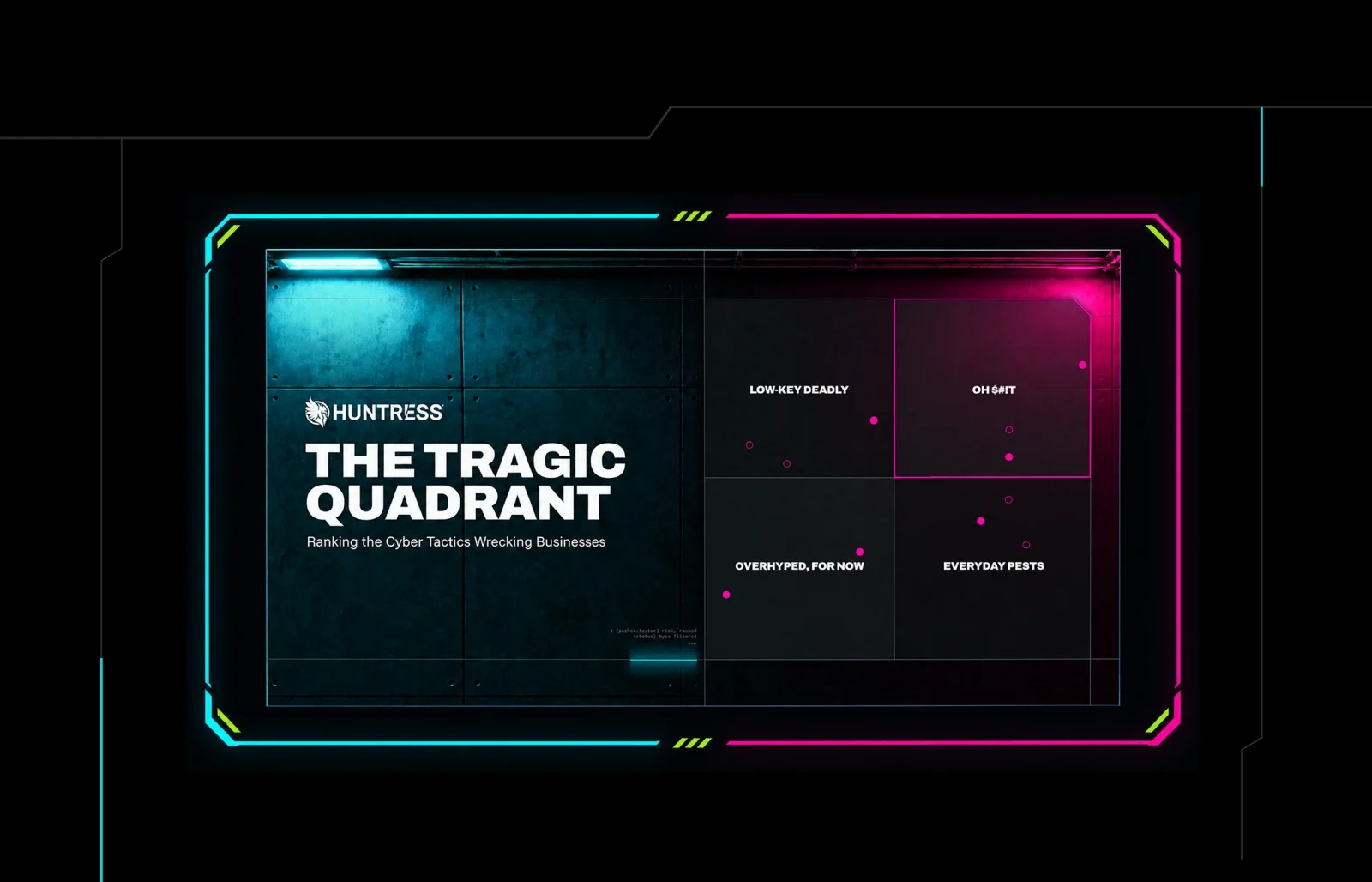
- Huntress Tragic Quadrant: Top Cyber Threats Wrecking Businesses
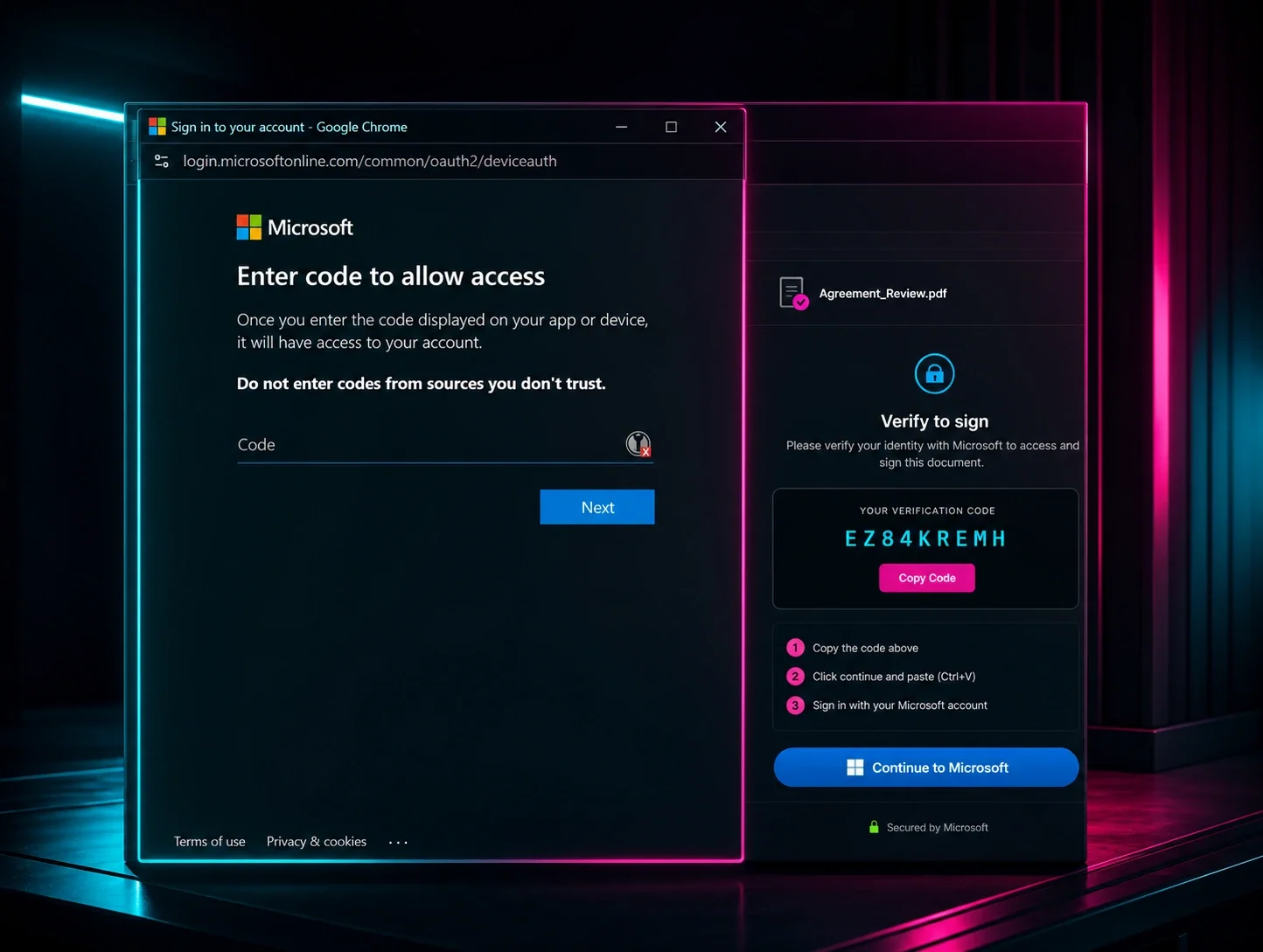
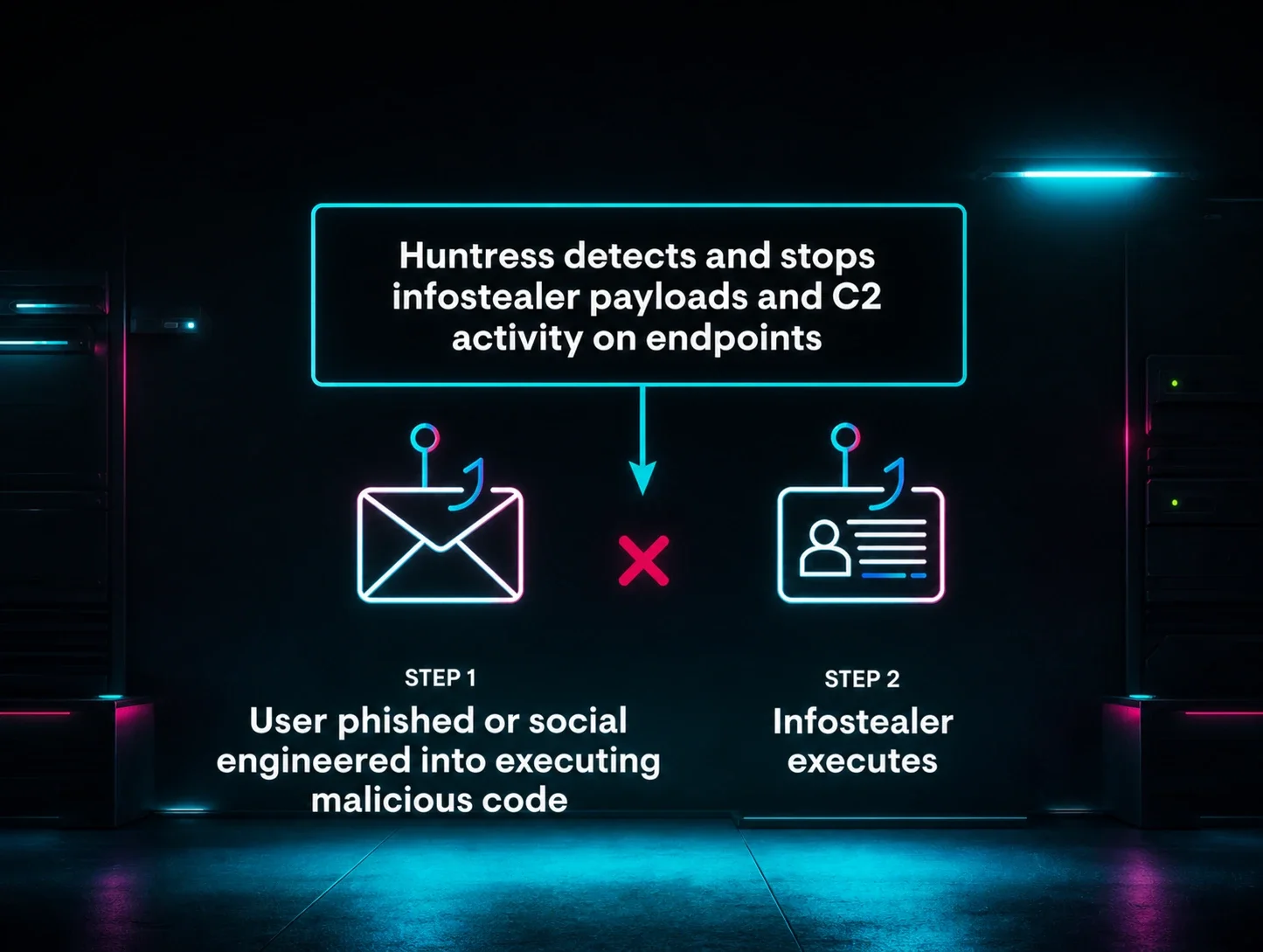
Huntress's "Tragic Quadrant" ranks the cyber threats its SOC sees most often against small/mid-sized businesses by prevalence and blast-radius risk, drawing on 2026 telemetry from 5M+ endpoints and 15M identities. It highlights RMM abuse (45% of endpoint incidents in Q1 2026), mailbox-rule manipulation feeding BEC (24.6% of ITDR signals), AiTM session-token theft bypassing MFA (18.9% of identity threats), plus device code phishing (the EvilTokens PhaaS kit hit 344 orgs in 16 days using Railway-hosted infrastructure and spoofed Cisco/Trend Micro/Mimecast redirect links), ClickFix clipboard-paste infections leading to LummaC2 infostealer compromise, and emerging AI-platform abuse (the FakeAgent campaign hosted a malicious Claude Artifact on claude.ai to drop SectopRAT, hitting 29 organizations in two days).
 huntress.comarticlePublished and added 1 Oct 2026🛡️ Security
 Nearly 800 Malicious npm Packages Deliver Cross-Platform RAT and Infostealer
The Hacker News details a campaign of nearly 800 (later 1,033) malicious npm packages delivering the WEL1DROPPER downloader — dubbed Flooding Dropper by Sonatype — which fetches cross-platform RAT/infostealer payloads via Cloudflare Workers or DNS TXT-record fallback from wel1.ru, patches ETW/AMSI on Windows, and deploys the Sliver C2 framework on Linux. The piece also covers a related npm crypto-stealer campaign, multiple npm/PyPI packages tied to EtherHiding droppers and credential theft (Solana wallets, .env secrets, Discord/GitHub Actions tokens), and Chrome extensions abusing a bandwidth-sharing SDK to turn browsers into residential-proxy web scrapers.
 thehackernews.comarticleAdded 26 Sep 2026🛡️ Security
 FakeGit Campaign Uses 7,600 GitHub Repositories to Spread SmartLoader Malware
Researchers at Island identified nearly 7,600 malicious GitHub repositories (from ~6,600 fake profiles) making up the "FakeGit" campaign, with over 800 posing as AI Skills or MCP servers (for Gmail, WhatsApp, Databricks, Jenkins, Docker, etc.) to distribute SmartLoader via malicious ZIP files that trigger a LuaJIT loader chain, ultimately deploying the StealC infostealer. The campaign has racked up over 14 million downloads across ~200 repos and 600+ listings on registries like LobeHub, Glama, MCP.so, and MCP Market. The report also introduces "AgentBaiting," a technique where AI agents (Claude Code, Gemini, ChatGPT were shown to be susceptible) autonomously discover and surface these malicious repos while searching for skills/MCP servers on a user's behalf, without ever being given a link.
thehackernews.comarticleAdded 26 Sep 2026🛡️ Security The Infostealer Incursion: How Stolen Credentials Breach Cloud, Code, and AI Environments
Wiz Research analyzed infostealer-harvested secrets (via its NordStellar integration) to map exactly which credentials malware families like Lumma, RedLine, and Vidar target across AWS, Azure, GCP, GitHub, GitLab, and AI platforms, and how those secrets translate into cloud account takeover. It gives concrete file paths and artifacts attackers hunt for (~/.aws/sso/cache OIDC tokens, Azure accessTokens.json, GCP credentials.db/access_tokens.db, GitHub gh hosts.yml and SSH keys, GitLab Runner config.toml, OpenAI/ChatGPT session cookies, and Claude Code's ~/.claude/.credentials.json OAuth tokens), plus stats: three malware families cause 85.7% of incidents, AWS/GCP account for 46%/13% of stolen secrets, GitHub ~10%, AI platforms ~5%. It also covers CI/CD-targeting infostealers (Miasma, TeamPCP) and session-cookie hijacking as an MFA bypass technique.
 wiz.iowriteupAdded 27 Sep 2026, published 25 Sep 2026🛡️ Security
- DarkMe RAT: A VB6 APT Trojan Turned Conventional Infostealer
Huntress details a 2026 DarkMe RAT campaign that ditches the zero-days (CVE-2023-38831, CVE-2024-21412) previously used by the Water Hydra/EvilNum-linked group in favor of a plain phishing email delivering a disguised .pif file. The writeup reverse-engineers the full chain — msiexec pulling a wrapped MSI, a WSF stager, three obfuscated VB6 loader DLLs (Coconout.dll, Use.dll, Finalized.dll), a novel 329-app "inverted sandbox" gate, process hollowing into a signed clspack.exe, and Locked:// protocol-handler persistence — and corrects prior public reporting by showing the payload's "single-byte XOR" is actually a broken RC4 implementation. It closes with fresh C2 infrastructure (thatawful[.]boutique, port 7712), OSINT on delivery domains (including a related ClickFix/Efimer campaign), and concrete Sigma-style hunting rules and remediation steps.
huntress.comwriteupAdded 23 Sep 2026, published 22 Sep 2026🛡️ Security  WeaselBiscuit Strips BeaverTail and OtterCookie Down to Essentials
OpenSourceMalware researchers detail WeaselBiscuit, a newly discovered lightweight JavaScript infostealer found hidden in 11+ npm packages (e.g. process-tailwind, engin1, the @biz44 scope), which shares tradecraft with DPRK-linked BeaverTail/OtterCookie but strips out wallet-draining, password decryption, and remote-shell features. The writeup walks through the full infection chain - a package auto-running a detached Node loader, fetching a Base64-encoded second stage from Npoint dead-drop URLs, and beaconing to a hardcoded HTTP C2 (103.170.217.184:8787) - plus its capabilities (Chrome extension-storage theft, clipboard capture, Windows keylogging) and a campaign-cluster graph tying packages together via shared hashes and resolver URLs. Attribution to DPRK is explicitly labeled a tentative hypothesis rather than confirmed.
opensourcemalware.comwriteupPublished and added 17 Sep 2026🛡️ Security- Grand Theft Auto VI hype leads to malware
Huntress analyzed a fake GTA6 game ISO (some padded to 100GB+ with junk data) distributed via SEO poisoning, gaming forums, and torrents ahead of the game's real release. The ISO's "installer" drops a Russian-language crack-themed installer that stages multiple NJRAT copies, a DCRAT implant, the Mercurial Grabber infostealer (exfiltrating browser/Discord/Roblox/Minecraft data via Discord webhooks), Chaos ransomware repurposed as a destructive wiper (with a fake "license not found" error to mask the compromise), and an unexplained Yandex Browser install. The writeup includes IOCs (C2 IPs, ngrok tunnel, hosts-file modifications, malicious Discord webhook URL) and notes current Windows Defender detects the components.
huntress.comwriteupAdded 11 Sep 2026, published 9 Sep 2026🛡️ Security - archcanary
Archcanary is a read-only, layered detection scanner for Arch Linux (and derivatives like EndeavourOS/Manjaro) that checks installed packages, pacman logs, systemd units, eBPF programs, ld.so.preload, DKMS kernel modules, and npm/bun/yarn/pnpm caches against curated and third-party (aur-audit.wtako.net) threat lists. It was built in direct response to a 2026 AUR supply-chain attack in which commit forgery was used to impersonate maintainers and inject npm/bun install hooks delivering an infostealer (Discord tokens, GitHub PATs, SSH keys, Vault tokens) and a CAP_BPF eBPF rootkit into 1600+ PKGBUILDs, plus a separate Russian-spam PKGBUILD injection campaign. It integrates with yay/paru pre-build hooks, systemd timers, auditd, and Lynis, and originated as a fork/expansion of lenucksi/aur-malware-check.
 github.comrepoPublished and added 21 Aug 2026🛡️ Security
 The OpenSourceMalware Show #18
Episode 18 of the OpenSourceMalware Show discusses the compromise of Rust maintainer 'dhrundy' that pushed malicious versions of arrayref (245M+ downloads), internment, and append-only-vec with a typosquatted build dependency executing a remote binary at compile time, which Wiz Research ties to DPRK infrastructure shared with the Mastra and Axios npm compromises. It also covers StubMaker, a campaign that started as RubyGems typosquats of bundler/i18n/rake/activesupport and shares byte-identical payloads (a 22MB Rust loader with an embedded Go infostealer, including a Chrome App-Bound Encryption bypass) with a 40-package npm typosquatting cluster targeting axios, chalk, commander, lodash, react and typescript, with signs it also hit PowerShell. The hosts also note a rising trend of attackers bundling compiled C++/Rust/Go binaries in npm/RubyGems packages (a red flag for analysts) and a PolinRider reinfection wave now using NullReceiver instead of EtherHiding for stage-two C2 hiding.
opensourcemalware.comtalkAdded 3 Sep 2026, published 21 Aug 2026🛡️ Security Popular Rust crates arrayref, append-only-vec, and internment compromised in Supply Chain Attack
Aikido researchers detail a supply-chain compromise of three popular Rust crates maintained by the same author, arrayref with 244M downloads, append-only-vec with 4M, and internment with 14M, that were modified to add a single malicious manifest dependency, proc-macro1, a typosquat of proc-macro2. Because the dependency's build.rs executes automatically during cargo build, merely compiling a project pulling in any of these crates downloads and runs a platform-specific payload that drops an infostealer targeting Chromium browser credentials and crypto-wallet extension storage, installs macOS LaunchAgent persistence, and beacons to a lightweight C2 supporting remote shell commands. The campaign's TTPs closely mirror the prior npm-based Axios and Mastra compromises attributed to DPRK, suggesting the same actor expanding into the Rust ecosystem.
aikido.devwriteupAdded 3 Sep 2026, published 20 Aug 2026🛡️ Security- Post-DEF CON Phishing Uses Malicious Google Doc to Deliver Malware
Huntress researchers document a phishing campaign targeting Black Hat/DEF CON attendees via X DMs impersonating a CoinDesk exec, luring victims into opening a weaponized Google Doc with a custom Google Apps Script sidebar that runs a fake "decryption" flow before delivering ClickFix-style commands or a manual "update" that drops malware. On macOS this delivers AMOS infostealer plus a LaunchDaemon-based polling backdoor with SOCKS5 proxy capability; a follow-up fake DocSend/Dropbox installer delivers a ClickOnce/NSIS loader chain on Windows that installs NetSupport RAT, a process-hollowed rogue Certificate Authority that MITMs VirusTotal traffic, and an incomplete Ledger wallet-targeting implant. The piece includes deep technical detail on the loader's C2 protocol, stolen/fraudulent code-signing certificates, and infrastructure patterns (multi-branded loader domains), plus mitigation guidance and a link to published IOCs.
huntress.comwriteupAdded 3 Sep 2026, published 19 Aug 2026🛡️ Security  Windows Infostealer Hits npm and Ruby
Follow-up analysis showing that the RubyGems StubMaker typosquatting campaign and a separately-discovered 40-package npm typosquatting campaign (targeting chalk, commander, lodash, typescript, react, axios) are run by the same threat actor: both use install-time hooks (extconf.rb vs postinstall.js) to fetch a Rust loader from the same GitHub release, which decrypts a byte-for-byte identical Go infostealer confirmed by matching SHA-256 hashes. The stealer harvests browser credentials (bypassing Chromium app-bound encryption), crypto wallets/seed phrases, and Telegram data, exfiltrating via Gofile to a webhook at dresslee.com, and includes WSL-to-Windows sandbox escape logic. The post publishes full network/file IOCs and hashes and argues network-layer blocking (C2 IP and webhook domain) is more durable than package-name blocklisting.
opensourcemalware.comwriteupAdded 3 Sep 2026, published 19 Aug 2026🛡️ Security- MacSync Stealer: How a Google Search for Claude Led to a macOS Infostealer
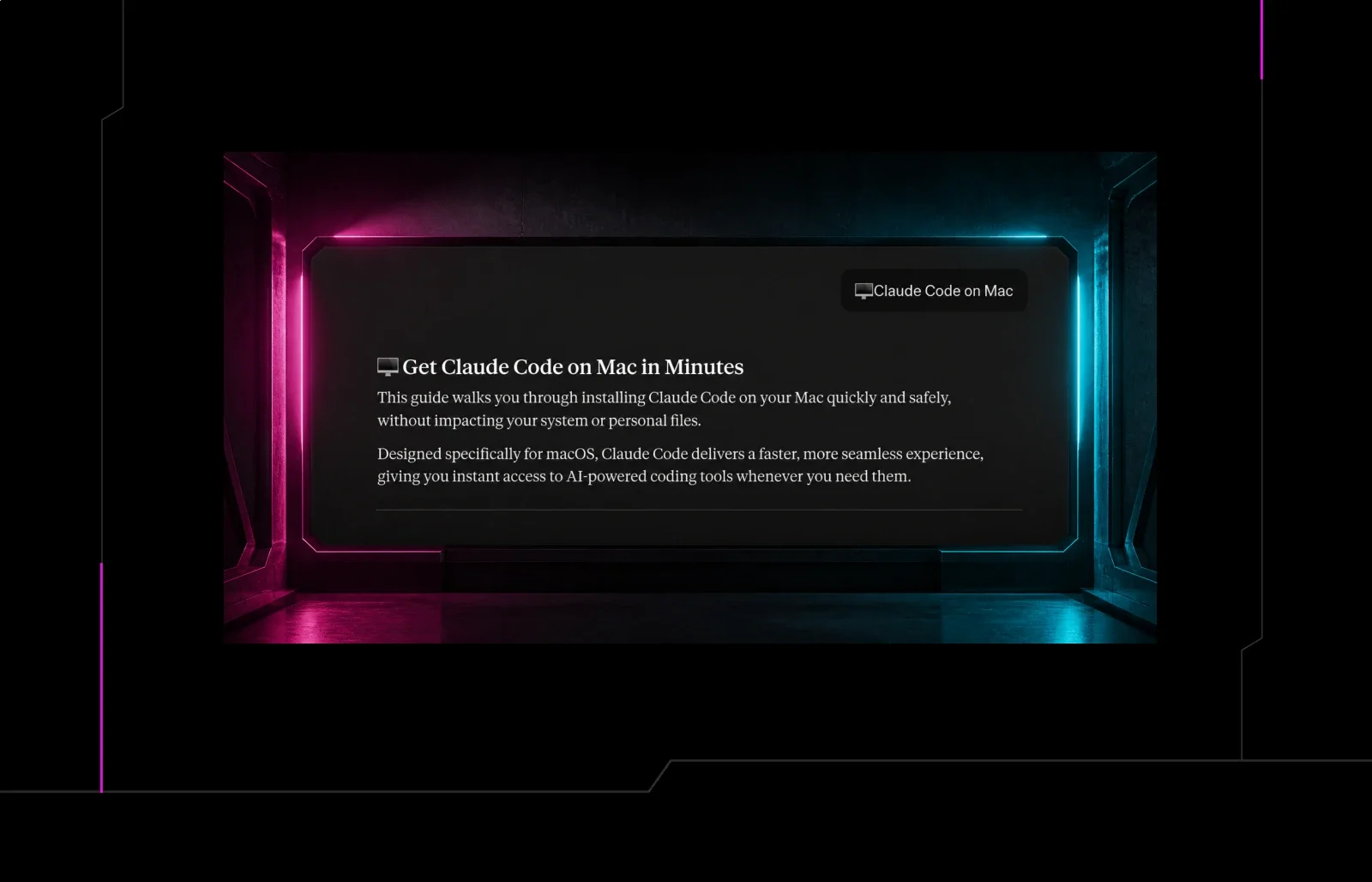
Huntress SOC analysts reverse-engineer MacSync, a macOS infostealer/RAT distributed via a sponsored Google Ads link to a fake "Apple Support"-branded claude.ai shared conversation that uses ClickFix to trick victims into pasting a curl/zsh loader into Terminal. The six-stage chain runs a polymorphic gzip/Base64 loader, an in-memory AppleScript stealer that harvests Chromium Safe Storage keys, keychain secrets, Telegram/SSH/cloud credentials, abuses TCC (Full Disk Access and Screen Recording) prompts, drops a Mach-O RAT with WebSocket/TLS C2 and an XOR-obfuscated fallback domain, and trojanizes 84 crypto wallet extensions/apps to phish seed phrases. The piece also compares it to prior AMOS Stealer and SectopRAT ClickFix campaigns and offers behavior-based detection guidance.
huntress.comwriteupAdded 3 Sep 2026, published 17 Aug 2026🛡️ Security  StubMaker RubyGems Campaign Delivers a Windows Infostealer
Researchers identified "StubMaker," a RubyGems typosquat campaign (brumdler, brundlef, and 15 packages typosquatting bundler/i18n/rake/activesupport) that abuses the extconf.rb native-extension hook to fake a successful build while beaconing victim OS info and, on Windows, downloading a Rust loader (main.exe) from a GitHub release. The loader decrypts an embedded 11MB Go infostealer entirely in memory, which injects an embedded DLL (abe_payload.dll) into Chromium browsers via the elevation-service COM object to defeat Application-Bound Encryption and steal passwords, cookies, payment cards, crypto wallets/seed phrases, and Telegram data, exfiltrating via Gofile and a webhook at dresslee.com. The piece also details how RubyGems.org's namespace-reclaim behavior let a different account (mod8rz41mje) take over the yanked "brumdler" name to relaunch the campaign, and includes full IOCs and hashes.
opensourcemalware.comwriteupAdded 3 Sep 2026, published 16 Aug 2026🛡️ Security Russian AI Slopsquatting Publishes 700+ Malicious NPM Packages
OpenSourceMalware documents WEL1DROPPER (aka Flooding Dropper), a campaign that published 788+ slopsquatted npm packages (e.g. checkout-mobile-bnpl) which execute on require() with no install script, downloading cross-platform RAT/infostealer payloads via rotating Cloudflare Workers URLs with a DNS TXT-record fallback channel. The writeup reverse-engineers the Linux (UPX-packed ELF) and macOS (universal Mach-O) second-stage payloads, detailing anti-analysis checks, LaunchAgent persistence disguised as com.apple.windowserver.helper, XOR-obfuscated C2 domains, a suspected Sliver C2 final stage, and ties the campaign to Russian financial-sector lures and the earlier Moika npm campaign.
opensourcemalware.comwriteupAdded 3 Sep 2026, published 6 Aug 2026🛡️ Security PolinRider Caused Dozens of npm, Go, PHP Compromises
OpenSourceMalware's research ties together JFrog's, Nextron's, and Socket's separate reports on compromised html-to-gutenberg/fetch-page-assets npm packages, 16 Go modules, and Joyfill's poisoned beta releases, attributing all of them to DPRK's PolinRider campaign via shared XOR keys, TRON/Aptos wallets, C2 infrastructure, and the fa-solid-400.woff2 loader file hash. The piece argues these aren't targeted account takeovers but automated propagation from infected maintainer machines (via temp_auto_push.bat git history rewriting and stolen .npmrc tokens), and uses GH Archive to prove that 43 of 64 analyzed Go module pseudo-version timestamps were forged to appear years older than the actual malicious push. Delivered payloads include InvisibleFerret/DEV#POPPER RAT and the OmniStealer Python infostealer, and the article links a PolinRider crossover into a compromised Packagist/PHP package (roberts/leads) via shared C2 infrastructure.
opensourcemalware.comwriteupAdded 3 Sep 2026, published 31 Jul 2026🛡️ Security Socket: Fake Corepack Site Distributes Infostealer and Proxyware to Developers
Socket's Threat Research team analyzed corepack[.]org, a fake site impersonating the Node.js Corepack tool that exploits its 2025 removal from Node.js bundling to rank in search results and trick developers into downloading a fake VPN installer. The installer drops OpenShield (an infostealer with browser-data/SSH-key theft, PowerShell execution, and run-key persistence) plus a bandwidth-sharing proxyware component that turns victim machines into proxy exit nodes, while a second click path delivers adware/trojan activity via OperaGXSetup.exe. The post includes full IOCs and details community/OpenJS Foundation takedown efforts against the domain.
 socket.devwriteupPublished and added 25 Jul 2026🛡️ Security
 The OpenSourceMalware Show #14
Podcast/blog recap covering multiple threat-intel items: skepticism over OpenAI's claim that one of its models caused the Hugging Face breach during a sandboxed security test; Island's "AgentBaiting" campaign of 7,000+ malicious GitHub repos (800+ posing as AI skills/MCP servers) that hide malicious instructions in natural language rather than code; a new wave of 2,539 RubyGems packages resembling Socket's earlier GemStuffer exfiltration campaign; disclosure that a RubyGems CDN caching flaw leaked users' API credentials for years (fixed, users being notified); Jamf's CrashStealer macOS infostealer (impersonating Apple's crash reporter) plus discovery of a parallel RAT track from the same actor; an infostealer-fundamentals primer on exfiltration-point-based "kill chain" tracing; and original research tying Checkmarx's ChainVeil/ViteVenom npm typosquat campaign to DPRK's PolinRider operation via five byte-for-byte identical wallet/XOR-key IOCs.
opensourcemalware.comtalkAdded 3 Sep 2026, published 23 Jul 2026🛡️ Security AgentBaiting: How Fake AI Skills Deliver Malware at Scale
Island Research uncovered the FakeGit campaign: roughly 7,600 malicious GitHub repositories (from ~6,600 fake developer profiles), over 800 of which impersonate AI Skills or MCP servers for tools like Gmail, WhatsApp, Databricks, Jenkins, and Docker, collectively logging 14M+ downloads and 600+ listings across registries like LobeHub, Glama, MCP.so, and MCP Market. Malicious READMEs and bundled ZIPs (e.g. Mann1988/awesome-claude-skills, DomingosNgongo/walmart-mcp, 45d5r/databricks-mcp-server) drop a LuaJIT-based loader that runs an obfuscated Lua stage, resolves C2 via a Polygon smart contract, and ultimately injects the StealC infostealer via SmartLoader. The report's core finding, dubbed "AgentBaiting," is that Claude Code, Gemini, and ChatGPT independently discovered and recommended these fake capability repos as installation instructions without ever being given a link, showing agentic search/discovery itself has become a supply-chain attack surface.
 island.iowriteupAdded 22 Jul 2026🛡️ Security
- What Are Initial Access Brokers?
Huntress explains how initial access brokers (IABs) operate as specialized cybercriminals who breach organizations, verify and price the foothold, then sell it to ransomware crews, BEC actors, or data thieves via dark web marketplaces. It walks through common IAB entry vectors — infostealer credential theft, exposed RDP/VPN abuse, and AI-assisted phishing (citing a Huntress EvilTokens lure example) — and includes a real SOC case where a brute-forced RDP server led to tradecraft linked to a ransomware ecosystem. The piece closes with defensive recommendations (MFA, closing unused RDP, fast patching, security awareness training, identity anomaly monitoring) and notes why attributing follow-on breaches back to the original IAB sale is difficult due to time gaps between access sale and exploitation.
huntress.comarticleAdded 3 Sep 2026, published 21 Jul 2026🛡️ Security  Socket: Operation Muck and Load
Socket details "Operation Muck and Load," a campaign starting with a malicious Go module (github.com/kaleidora/dnsub-scanning-tool) that impersonates a DNS scanner but launches hidden PowerShell to fetch and decode a multi-layer, XOR-encrypted loader. The loader resolves encrypted payload locations from public dead drops (Pastebin, GitHub, YouTube, Instagram, Telegram, Google Docs), retrieves a password-protected .7z archive masquerading as Microsoft Photos, and deploys AsyncRAT/Quasar/Remcos-style RATs and Vidar infostealer. Pivoting from the module, Socket uncovered 222 GitHub repositories across 190 accounts using automated force-push workflows tied to a single email (ischhfd83@rambler.ru) to fake activity and credibility, some directly hosting Vidar, XMRig/BitMiner, and trojan loaders.
socket.devwriteupPublished and added 16 Jul 2026🛡️ Security- Every Ransomware Attack Has a Backstory
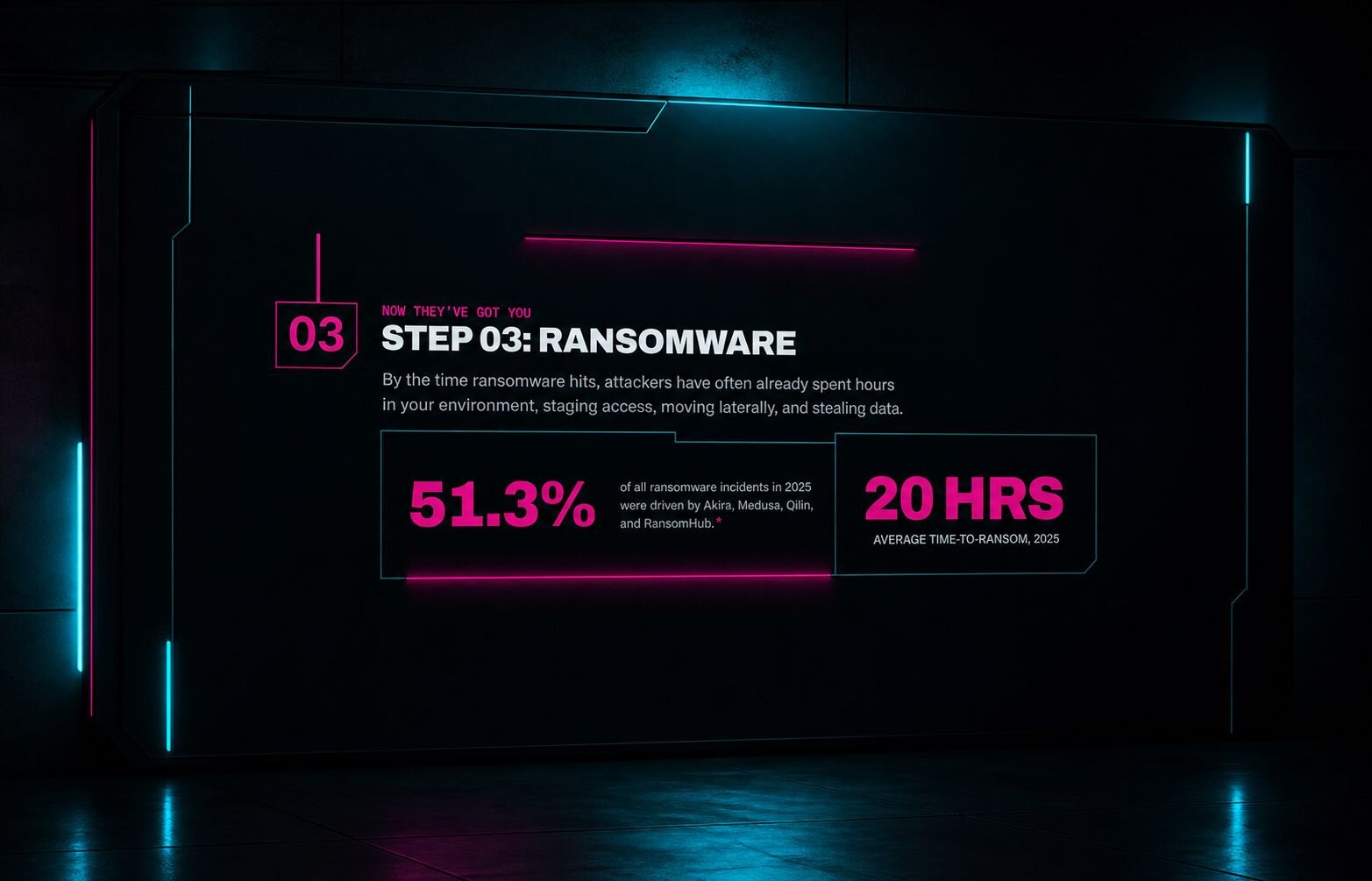
Huntress walks through the ransomware attack chain as a repeatable assembly line: initial access brokers selling footholds (often via infostealers, phishing, or unpatched internet-facing systems), Living-off-the-Land abuse of PowerShell and RMM tools to blend in, and ransomware as the final, visible stage. It cites a real cluster of six ransomware intrusions traced back to the same exposed Citrix NetScaler gateway and session-theft trick culminating in DragonForce ransomware, plus 2026 Cyber Threat Report stats: 37.2% of identity attacks involved suspicious logins, a 277% YoY spike in RMM abuse, ~20 hours average attacker dwell time before detonation, and Akira/Medusa/Qilin/RansomHub driving 51.3% of 2025 ransomware incidents.
huntress.comarticleAdded 3 Sep 2026, published 15 Jul 2026🛡️ Security 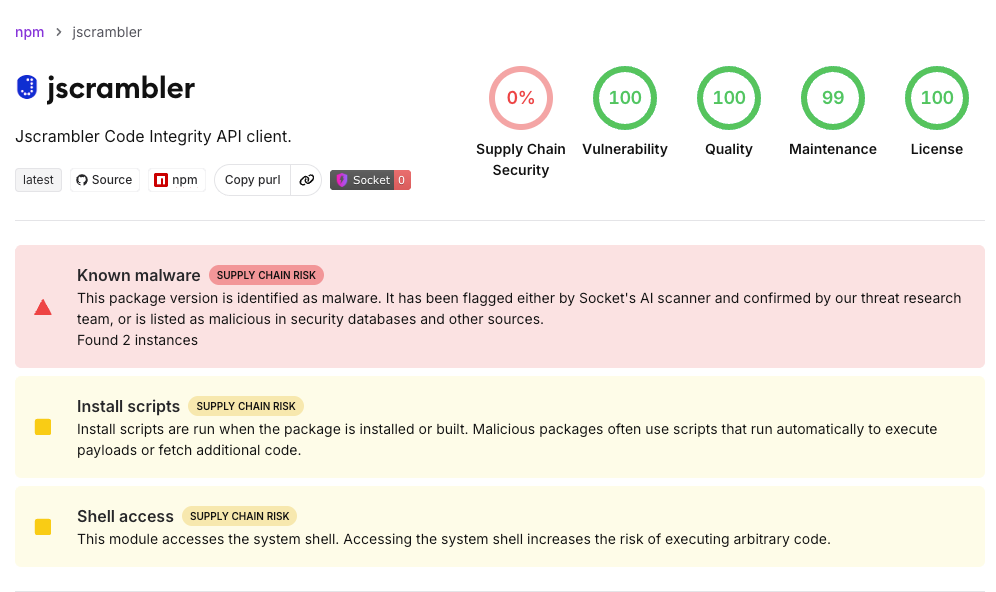 jscrambler npm Package Compromised in Supply Chain Attack
Socket's research team documents a supply chain compromise of the jscrambler npm package (v8.14.0+), where a stolen publishing credential was used to push malicious releases that drop platform-specific Rust-built infostealer binaries via a preinstall hook. The campaign evolved over the incident to evade scanners by moving the dropper from install scripts into a self-executing function inside index.js/CLI code (defeating --ignore-scripts), and the payload targets crypto wallets, cloud credentials (AWS/GCP/Azure), browser data, Discord/Slack/Telegram, and notably AI coding assistant configs (Claude Desktop, Cursor, Windsurf, VS Code) for MCP server credentials. Includes detailed RE of the ChaCha20-Poly1305 string-encryption scheme and full IOC hash list.
socket.devwriteupAdded 21 Sep 2026, published 11 Jul 2026🛡️ Security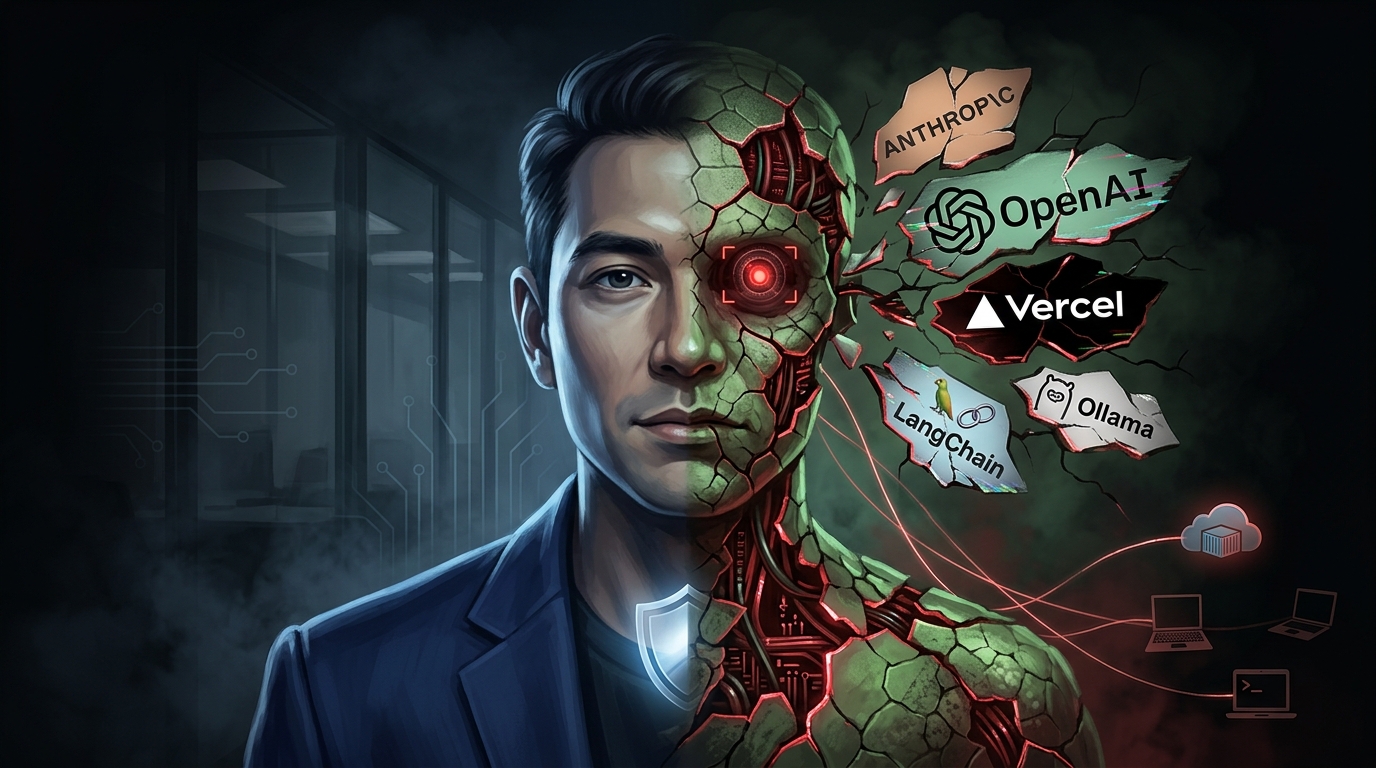 Cybersecurity Startup Publishes Infostealers to NPM
A security research team traces six typosquatted npm packages (anthropic-toolkit, ai-sdk-helpers, ollama-helpers, openai-agents-helpers, @langgraphjs/toolkit, and @aspect-security/argon2) impersonating Anthropic, Vercel, Ollama, OpenAI, LangChain, and Aspect Security back to the founder of a stealth-mode cybersecurity startup. The packages use npm preinstall/postinstall hooks to silently exfiltrate a rich identity fingerprint — hostname, git/GitHub emails, SSH key comments, reflog committer emails, AWS/GCP config metadata, corporate DNS domain, and host project name — to a Google Cloud Run endpoint, while deliberately avoiding literal credentials to look benign and offering a fake telemetry opt-out. The writeup also documents version backfilling to fake package maturity and shows the payload evolving from a crude April beacon to a polished June "identity graph" collector, with full IOCs provided.
opensourcemalware.comwriteupAdded 3 Sep 2026, published 9 Jul 2026🛡️ Security The OpenSourceMalware Show #12
Episode 12 of the OpenSourceMalware Show covers three security stories and features an extended interview with Mikael Barbero, Head of Security at the Eclipse Foundation, about securing Open VSX. The interview details Open VSX's pre-publish YARA/AI-assisted malware scanning pipeline, quarantine-and-human-review workflow, token expiration and revocation overhaul, namespace/publisher verification, and detection of 'sleeper' extensions that turn malicious after an update (as seen with GlassWorm-style campaigns). The quick-hits segment covers Paul McCarty's PolinRider research showing a DPRK automated repo-hijacking campaign spreading into Go and PHP ecosystems via Packagist/Go registry packaging of GitHub repos, a cybersecurity startup caught publishing seven infostealer npm packages to manufacture its own threat data, and MeetingTV's lawsuit against Palo Alto Networks/Koi Security alleging an AI-hallucinated domain on a C2 IOC list caused real business harm.
opensourcemalware.comtalkAdded 3 Sep 2026, published 9 Jul 2026🛡️ Security- Deceptive Installers: How Fake Apps Target macOS
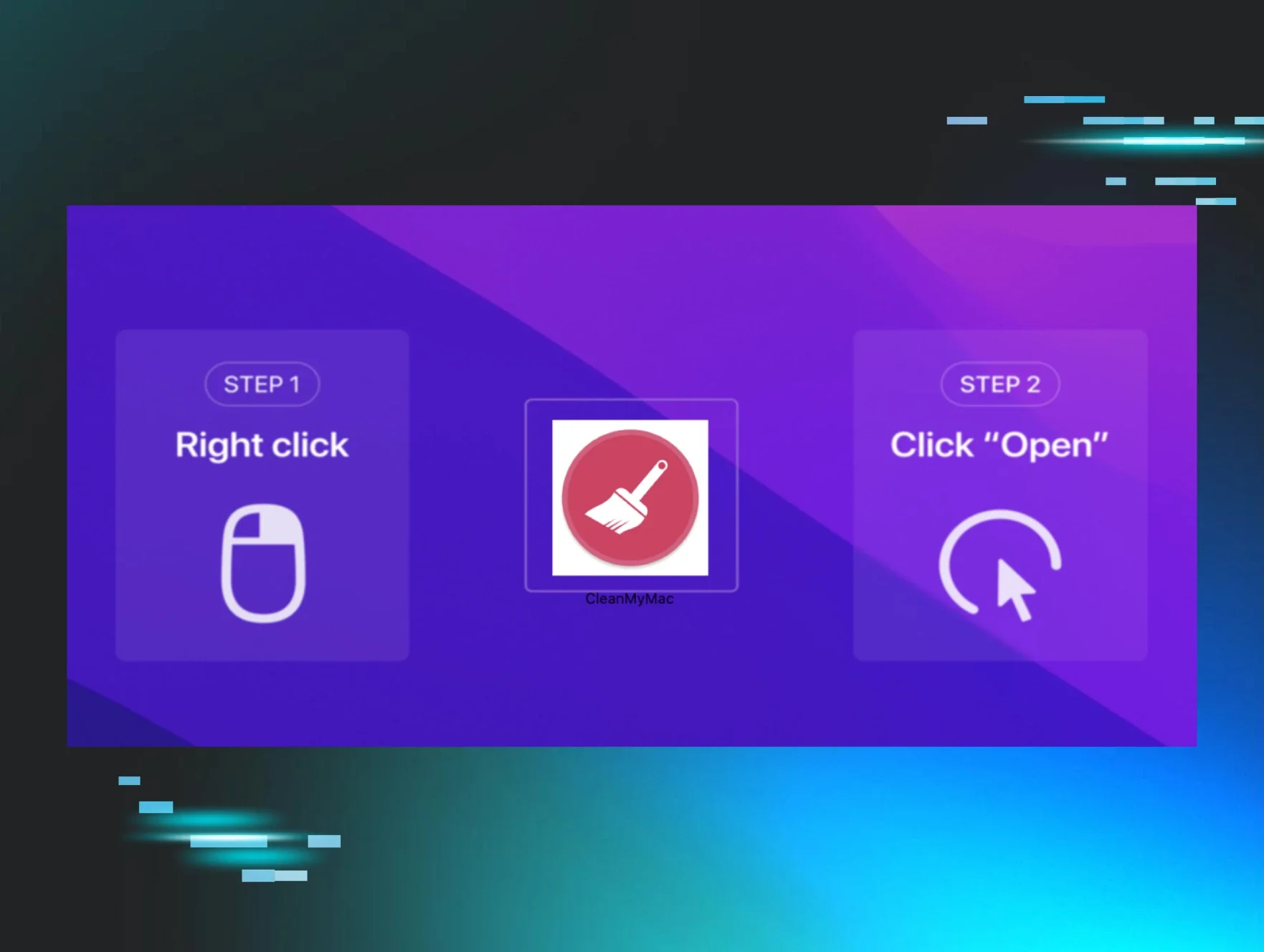
Huntress breaks down the dominant macOS infostealer delivery method: weaponized .dmg disk images that mimic legitimate installers and use branded background images, filename tricks ("Drag to Terminal"), or fake "cracked software" framing to trick users into manually overriding Gatekeeper. It covers named stealer families (AMOS, Poseidon, Odyssey, MacSync) that skip persistence entirely and instead do smash-and-grab credential/cookie/crypto-wallet theft before exfiltrating to C2. The post also details Huntress's detection approach — monitoring Endpoint Security API "mount" events for virtual disk images, checking for hidden .background directories, running Apple Vision OCR against embedded instruction images, and fuzzy-matching suspicious filenames — to catch the attack before the payload ever executes.
huntress.comwriteupAdded 3 Sep 2026, published 10 Jun 2026🛡️ Security  DECODING GRIXBA — A PLAY RANSOMWARE SCANNER
A side-by-side reverse-engineering analysis of four Grixba samples (v1 through v3, Sept 2022 to Nov 2024), the custom .NET infostealer/network scanner built by the Play ransomware group to map security tools, credentials, and remote-management software before encryption. The piece traces the binary growth from 164KB to 727KB (adding XOR-encrypted inf_g.dll, SQLite-based ExportData.db output, forged SentinelOne PE metadata, and PIA VPN C2) then its deliberate regression to 118KB to shed public IOCs, backed by MITRE ATT&CK sandbox findings, a shared mutex fingerprint, a weakness scorecard per version, and a full SHA-256/IP/onion IOC table.
 theravenfile.comwriteupAdded 3 Sep 2026, published 8 Jun 2026🛡️ Security
 Secret Scanning Dev Workstations with bagel + Fleet
Describes an open-source workflow combining bagel (a Go-based CLI secret scanner for developer home directories, from Boost Security) with Fleet/osquery to detect and enforce policy on clear-text secrets on macOS workstations. The author's PoC repo, fleebag, packages bagel as a scheduled LaunchAgent, provides an osquery policy query using Fleet's parse_json table to flag critical findings, and shows how to gate SSO login via Entra Conditional Access until secrets are remediated, framed as a response to infostealer/supply-chain worm campaigns like Shai-Hulud.
 recyclebin.zipwriteupAdded 3 Sep 2026, published 4 Jun 2026🛡️ Security
 The Software Supply Chain Malware Landscape: January - May 2026
OpenSourceMalware analyzes its threat database (166,000+ records) to surface three supply-chain malware trends for Jan 1-May 18 2026: npm and PyPI malicious-package growth is now tracking at similar velocity (driven by dual-ecosystem campaigns like Contagious Interview and a Telegram-exfiltration infostealer cluster), account takeovers (led by TeamPCP's Trivy compromise and Mini Shai-Hulud campaign) are rising but coexist with more surgical dependency-confusion/typosquat attacks like Stardrop and events-channel, and malicious ClawHub AI-skill submissions (707 analyzed) increasingly target non-developer roles such as marketing and sales alongside the usual crypto and developer victims. The piece uses download-count as a proxy to distinguish ATO from born-bad malicious packages and highlights under-monitored non-engineer credential exposure as an emerging risk.
opensourcemalware.comarticleAdded 3 Sep 2026, published 3 Jun 2026🛡️ Security Threat Actor Targets Crypto Organizations | Wiz Blog
Wiz CIRT and Wiz Research detail JINX-0164, a previously untracked financially-motivated threat actor targeting cryptocurrency organizations since mid-2025. The group uses LinkedIn-based social engineering to deliver macOS malware (the Python-based AUDIOFIX infostealer/RAT and the Go-based MINIRAT backdoor), steals developer and cloud credentials, hijacks Git commits to propagate through CI/CD infrastructure, and trojanized the npm package @velora-dex/sdk in a supply-chain attack. The post includes full IOCs, C2 domains, and detection guidance (e.g., GitHub Vigilant Mode, audit log correlation) and notes tactical overlaps with North Korean clusters like UNC1069/Sapphire Sleet without confirmed attribution.
wiz.iowriteupAdded 5 Sep 2026, published 27 May 2026🛡️ Security- From Cookies to Keys: The Threat of Session Hijacking
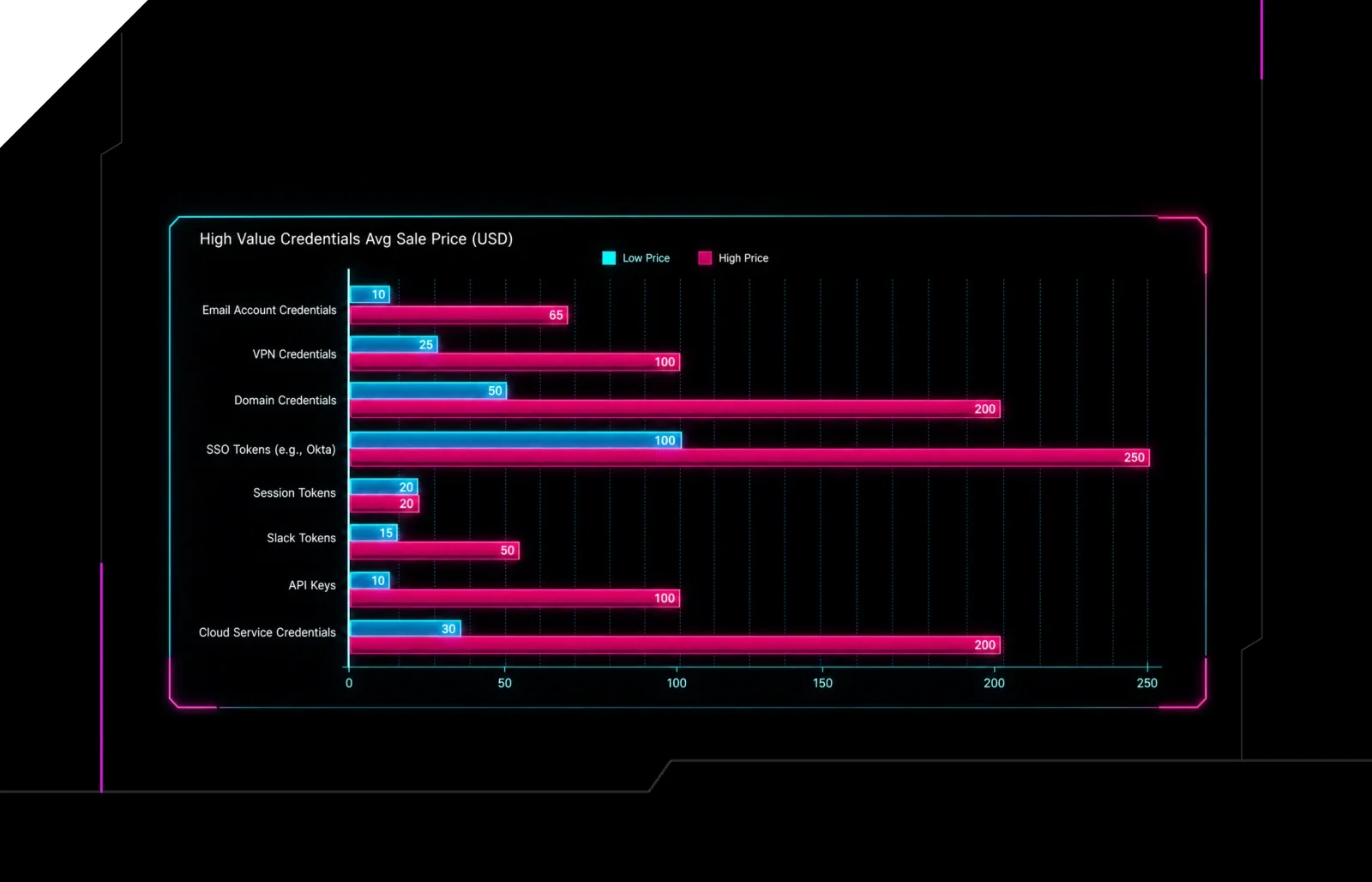
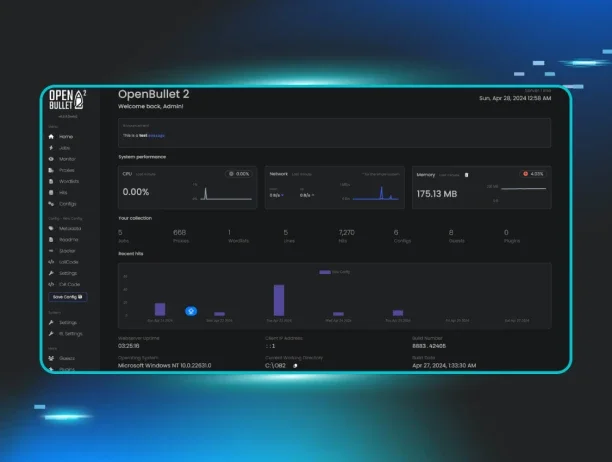
Huntress breaks down how session hijacking has overtaken password theft, with infostealer malware (e.g. RedLine) harvesting browser cookies/tokens for Google Workspace, Microsoft 365, Slack, GitHub, and AWS. It details the dark-web economy for these tokens (pricing from $5 logs up to $1,000+ "Developer Access Bundles" resold by initial access brokers), the replay tooling used (OpenBullet, StealyBot), and defensive measures like short-lived sessions, Secure/HttpOnly cookies, and canary credentials.
huntress.comarticleAdded 3 Sep 2026, published 26 May 2026🛡️ Security  Malware Analyst Course Bundle
A paid course bundle from Hackers Arise, taught by Master OTW, covering hands-on malware analysis and reverse engineering: static and dynamic analysis, binary unpacking, and IOC extraction using tools like Ghidra, x64dbg, PE-Bear, and REMnux against live ransomware, infostealer, and trojan samples. It targets threat hunters and reverse engineers looking to build practical skills in dissecting malicious code, uncovering persistence mechanisms, and tracing network activity.
 hackersarise.thinkific.comcourseAdded 3 Sep 2026, published 13 May 2026🛡️ Security
 Socket: 5 Malicious NuGet Packages Target Chinese .NET Developers
Socket's Threat Research Team uncovered five malicious NuGet packages (IR.DantUI, IR.OscarUI, IR.Infrastructure.Core, IR.Infrastructure.DataService.Core, IR.iplus32) published by account bmrxntfj that typosquat Chinese .NET UI/infrastructure libraries like AntdUI, together accumulating ~65,000 downloads. Each package wraps a .NET Reactor-protected infostealer that hooks the CLR JIT (patching clrjit.dll!getJit) via a module initializer to decrypt and run malicious code on load, harvesting credentials from 12 browsers, 8 desktop crypto wallets, 5 wallet extensions, SSH keys, and local files, exfiltrating to dns-providersa2[.]com. The researchers also detail a novel attribution technique pivoting on the .NET Reactor's operator-specific RSA-1024 public key via VirusTotal Intelligence search, linking the campaign to related stealer samples and a live memory dump that exposed the full C2 configuration.
socket.devwriteupPublished and added 7 May 2026🛡️ Security- Social Engineering Leveled Up. Has Your Security Program?
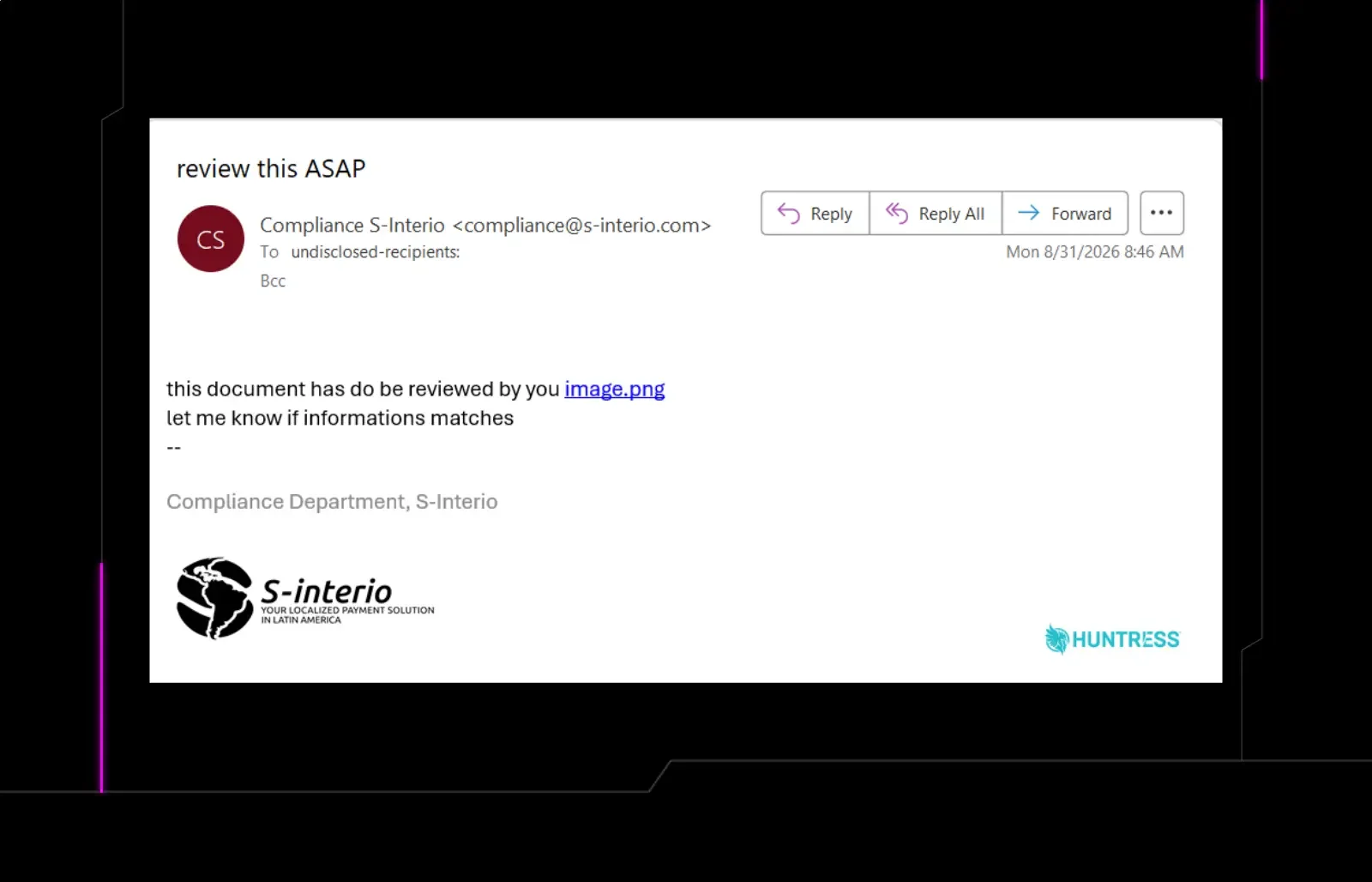
Huntress blog on how social engineering has outpaced traditional prevention-focused security programs, citing specific campaigns: EvilTokens, a phishing-as-a-service operation that weaponized the Railway cloud deployment platform and Cloudflare Workers to run OAuth device code phishing against 340+ organizations, and a campaign using fake ChatGPT/Grok search results to trick macOS users into installing the AMOS infostealer. Also discusses AI-driven deepfake identity attacks and alert fatigue undermining detection.
huntress.comarticleAdded 3 Sep 2026, published 1 May 2026🛡️ Security - That “Friendly” Prompt is ClickFix
Huntress overview of ClickFix, a social-engineering technique that tricks users into pasting and executing attacker-supplied commands into PowerShell, Run dialogs, or terminals (via fake CAPTCHA/human-verification or tech-support lures) rather than delivering malware through links or attachments. The post cites Huntress 2026 Cyber Threat Report data showing ClickFix accounts for over 50% of malware loader activity and walks through variant types and a real intrusion chain leading to LummaC2 infostealer compromise.
huntress.comarticleAdded 3 Sep 2026, published 25 Mar 2026🛡️ Security - Something Phishy in the /tmp Folder
Huntress's AI-Centric SOC details an incident where a user was tricked by a fake "macOS Protection Service" pop-up into entering their password, launching the MacSync infostealer. MacSync harvested Apple Keychain credentials, Chrome/Safari cookies, 200+ crypto wallets, and documents into /tmp/salmonela/, zipped the loot, and used curl to POST it to a C2 server before Huntress Managed EDR flagged the LOOBins-based activity, isolated the host, and stopped exfiltration.
huntress.comwriteupAdded 3 Sep 2026, published 18 Mar 2026🛡️ Security - How Threat Actors Abuse Remote Management Tools | Huntress
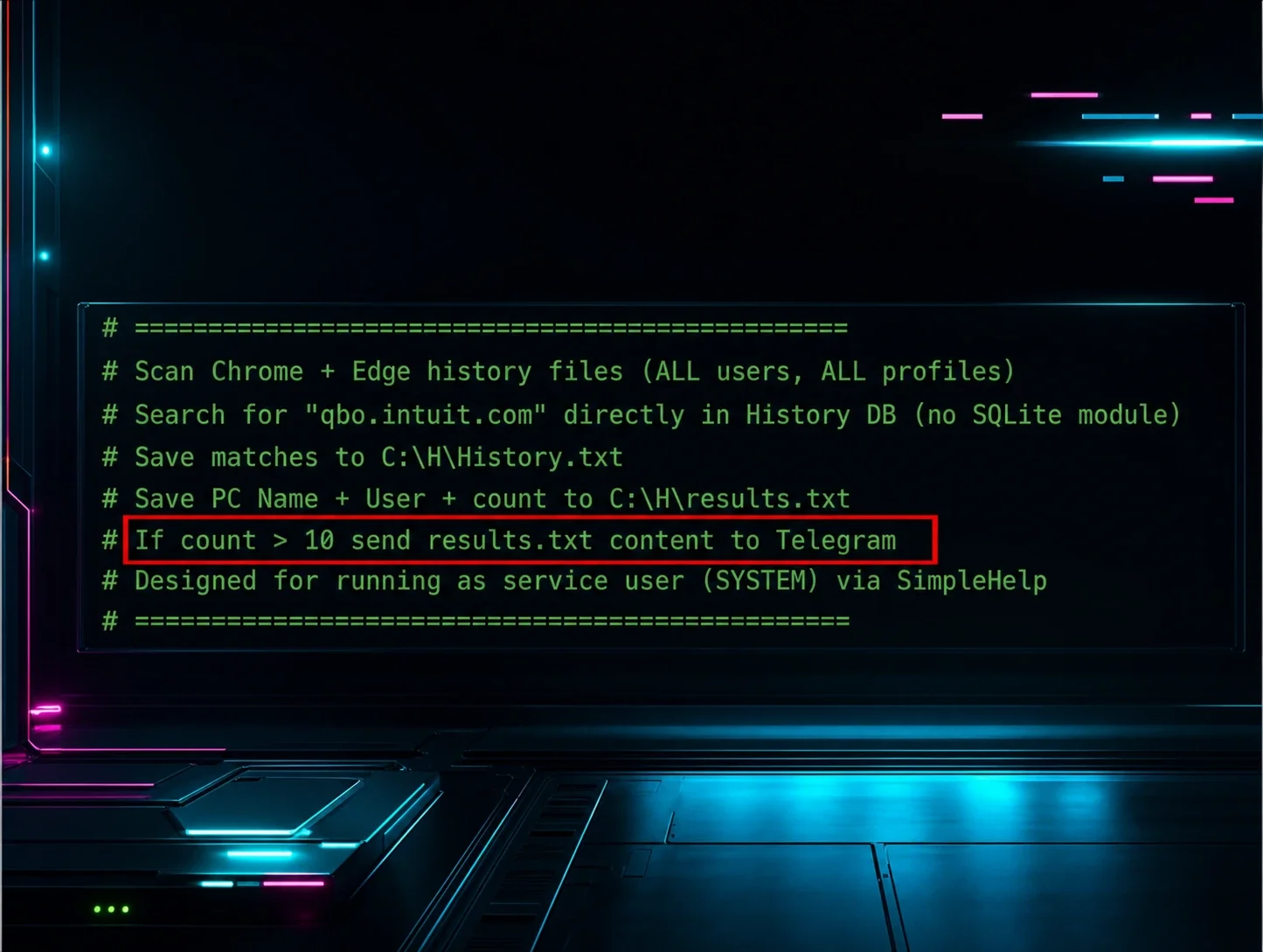
Huntress details how low-skill threat actors daisy-chain legitimate RMM tools (ScreenConnect, Action1, HeartbeatRM, AnyDesk, Atera, etc.) via invitation and Social Security themed lures, LLM-generated infostealer scripts, and multi-fallback browser download tricks hosted on GitHub repos (VH851, Drasticc) to gain and disguise persistent access. It also documents firsthand observation of an actor who signed up to Huntress itself, revealing their toolchain (DeepSeek, Email Extractor, Proxy SwitchyOmega, 9Proxy, CertifyTheWeb, Sordum Hide from Uninstall List, and a fake Windows Security PIN harvesting binary pin.exe) and victim data such as W-9 forms and SSNs collected via Telegram based exfiltration.
huntress.comwriteupAdded 3 Sep 2026, published 11 Mar 2026🛡️ Security - How Fake OpenClaw Installers Spread GhostSocks Malware
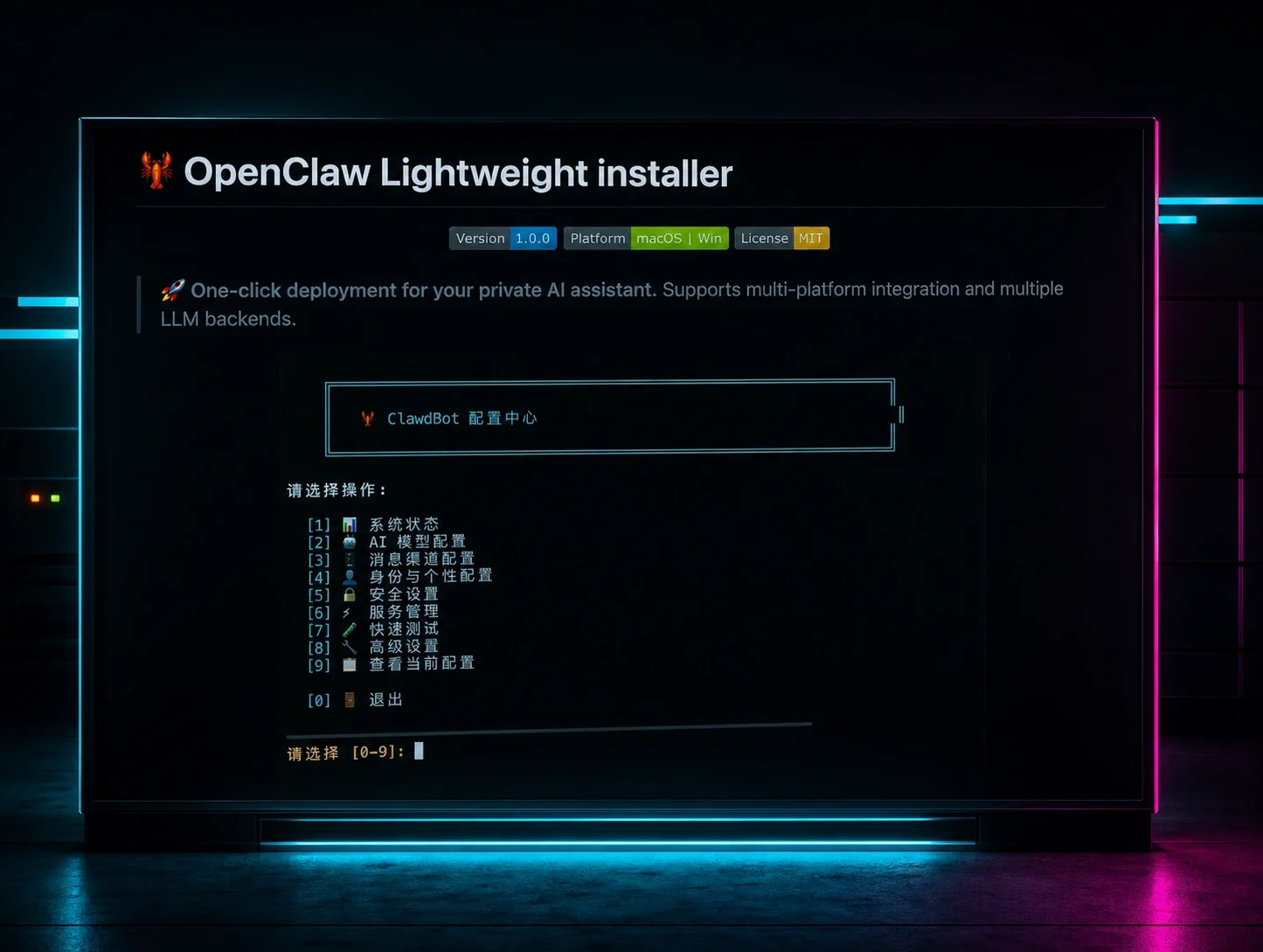
Huntress investigated malicious GitHub repositories impersonating OpenClaw installers (Feb 2-10, 2026) that were surfaced as the top Bing AI search result for "OpenClaw Windows." The Windows installer deployed a new packer dubbed Stealth Packer alongside Vidar and PureLogs infostealers and GhostSocks — a BlackBasta-linked SOCKS backconnect proxy malware that routes attacker traffic through the victim's machine to bypass MFA and anti-fraud checks — while a parallel macOS campaign delivered a signed Mach-O AMOS stealer variant via a fake "puppeteerrr/dmg" repo, later detected by an Apple XProtect update. The blog includes full technical teardown, GitHub account/organisation abuse patterns, and IOCs.
huntress.comwriteupAdded 3 Sep 2026, published 4 Mar 2026🛡️ Security - #ShadyHacks with Kyle Hanslovan
Huntress CEO Kyle Hanslovan demonstrates a full modern account-takeover chain against Microsoft 365: buying stolen credentials on a dark web marketplace, using a ChatGPT-crafted phishing email with a fake SharePoint link to trigger a ClickFix-style CAPTCHA that tricks the victim into pasting a PowerShell command, stealing active session cookies with an infostealer, and importing them via the Cookie Editor browser extension to bypass MFA entirely. It then covers post-compromise tradecraft — malicious inbox rules to forward/hide sensitive emails, Teams-based social engineering of IT support to register new MFA devices, and abusing email-based password resets on non-SSO apps (payroll, CRM) — plus defensive recommendations (conditional access, inbox rule auditing, DMARC/DKIM/BIMI, session revocation processes, security awareness training).
huntress.comwriteupAdded 3 Sep 2026, published 26 Nov 2025🛡️ Security - ClickFix Gets Creative: Malware Buried in Images
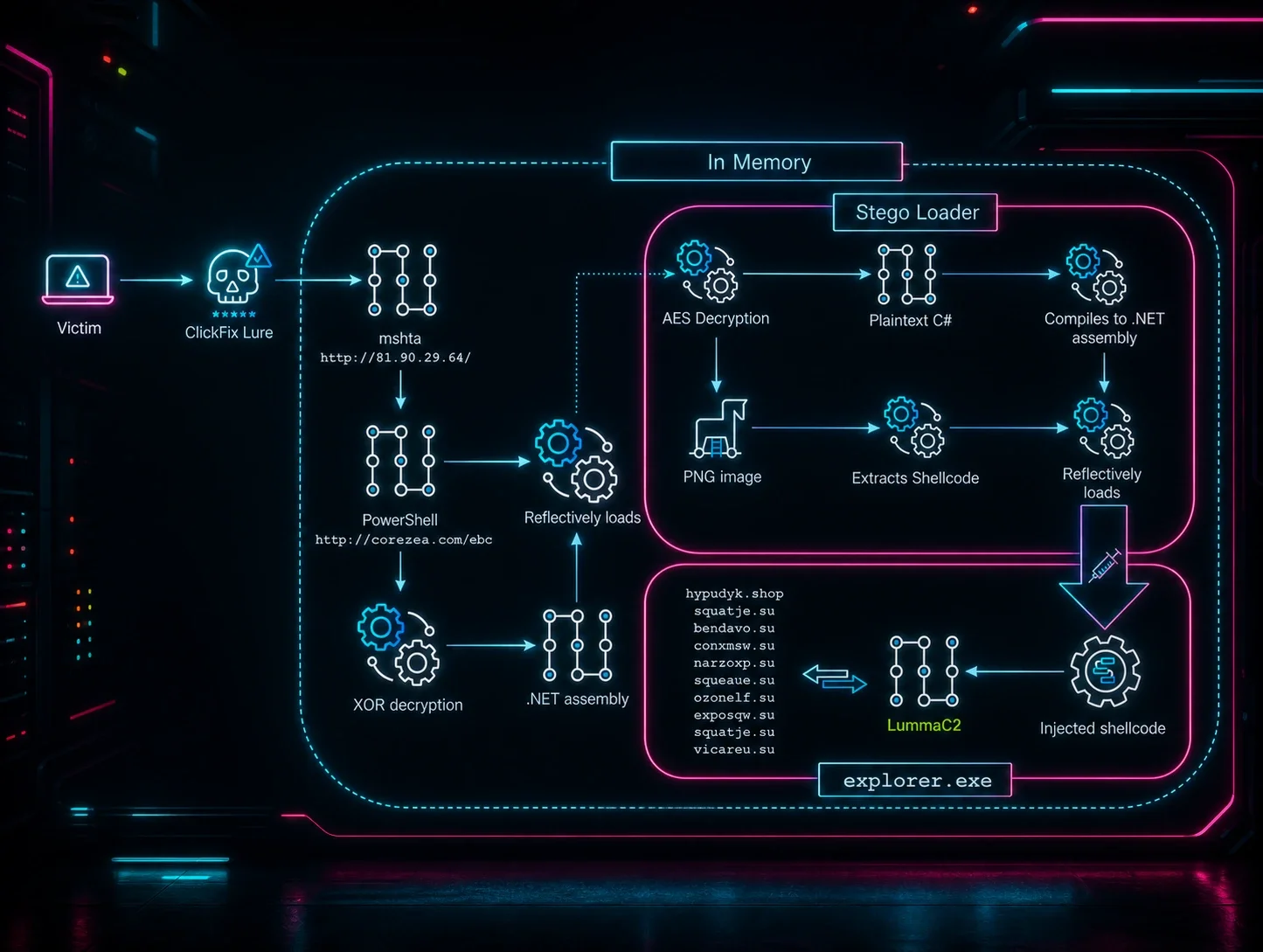
Huntress documents a multi-stage ClickFix campaign (fake "Human Verification" and fake Windows Update lures) that copies an mshta command to the clipboard, which chains through obfuscated PowerShell and reflectively-loaded .NET assemblies to a custom steganographic loader. The loader extracts Donut-packed shellcode encoded in the pixel data of an AES-encrypted PNG (via a red-channel XOR scheme) and injects it into explorer.exe, ultimately deploying LummaC2 or Rhadamanthys infostealers; the writeup includes deobfuscation walkthroughs (dnSpy), a Python re-implementation of the stego algorithm, IOCs, and mitigation guidance (disabling the Run box, RunMRU auditing).
huntress.comwriteupAdded 3 Sep 2026, published 24 Nov 2025🛡️ Security - Threats Plague Educational Organizations
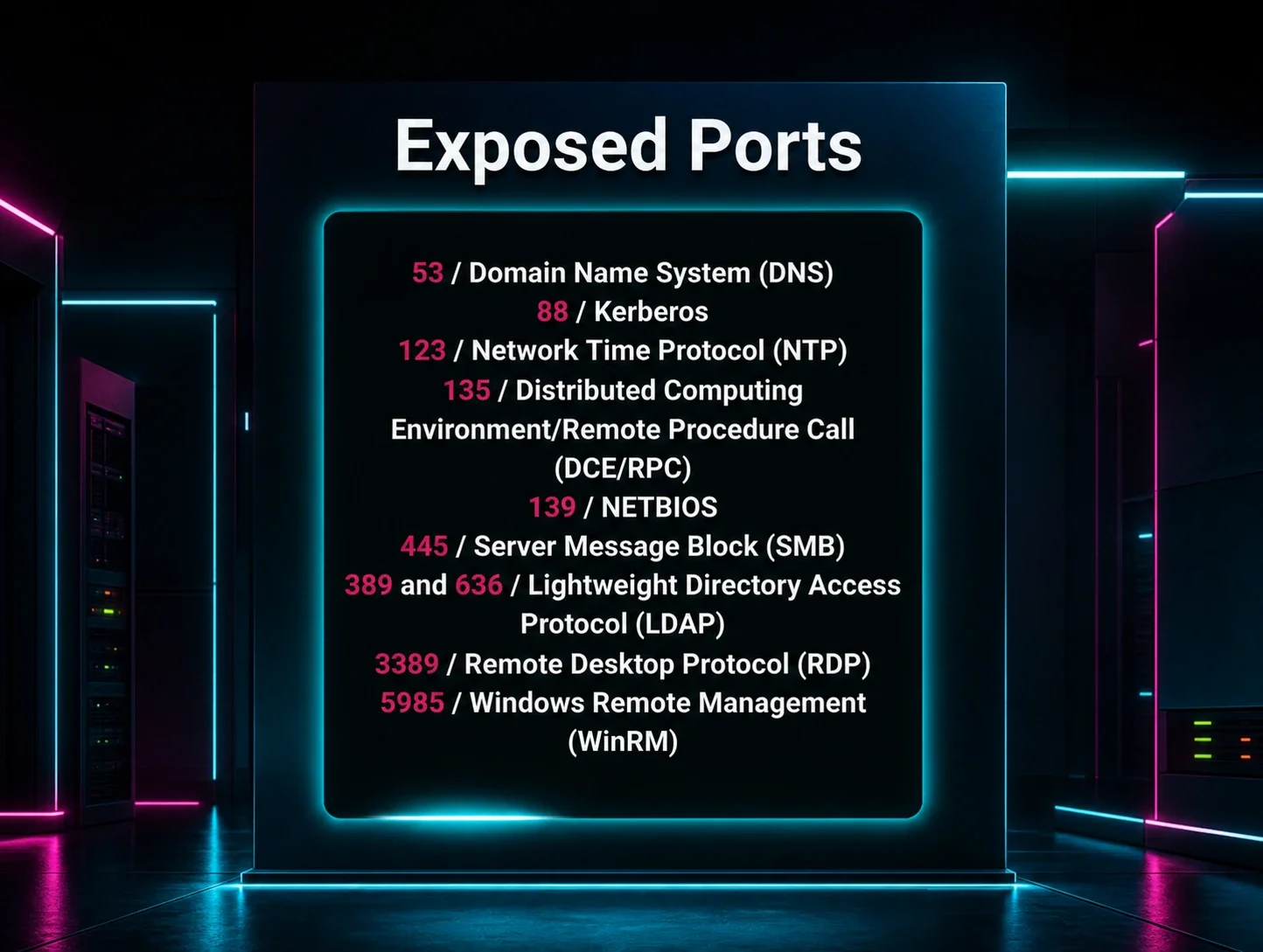
Huntress details three real 2025 incidents against the education sector: an RDP brute-force into a school district's exposed domain controller (10 open ports), an Atera RMM instance at an MSP compromised to deploy AnyDesk and add a backdoor local admin account "WDAGUtilltyAccount" with the reused password Ujmqaz5055 across multiple downstream school customers, and an RClone-based exfiltration of a high school's financial and family-email directories following RDP brute-forcing. It also cites Huntress 2025 Cyber Threat Report stats showing education as 21% of all observed incidents, with malicious scripts, Chromeloader infostealers, and RMM abuse being the top threat categories, alongside references to prior breaches (PowerSchool, LAUSD, Howard University, Minneapolis Public Schools/Medusa ransomware).
huntress.comwriteupAdded 3 Sep 2026, published 13 Nov 2025🛡️ Security - Deobfuscating Files for Flags: Huntress CTF 2025 Retro
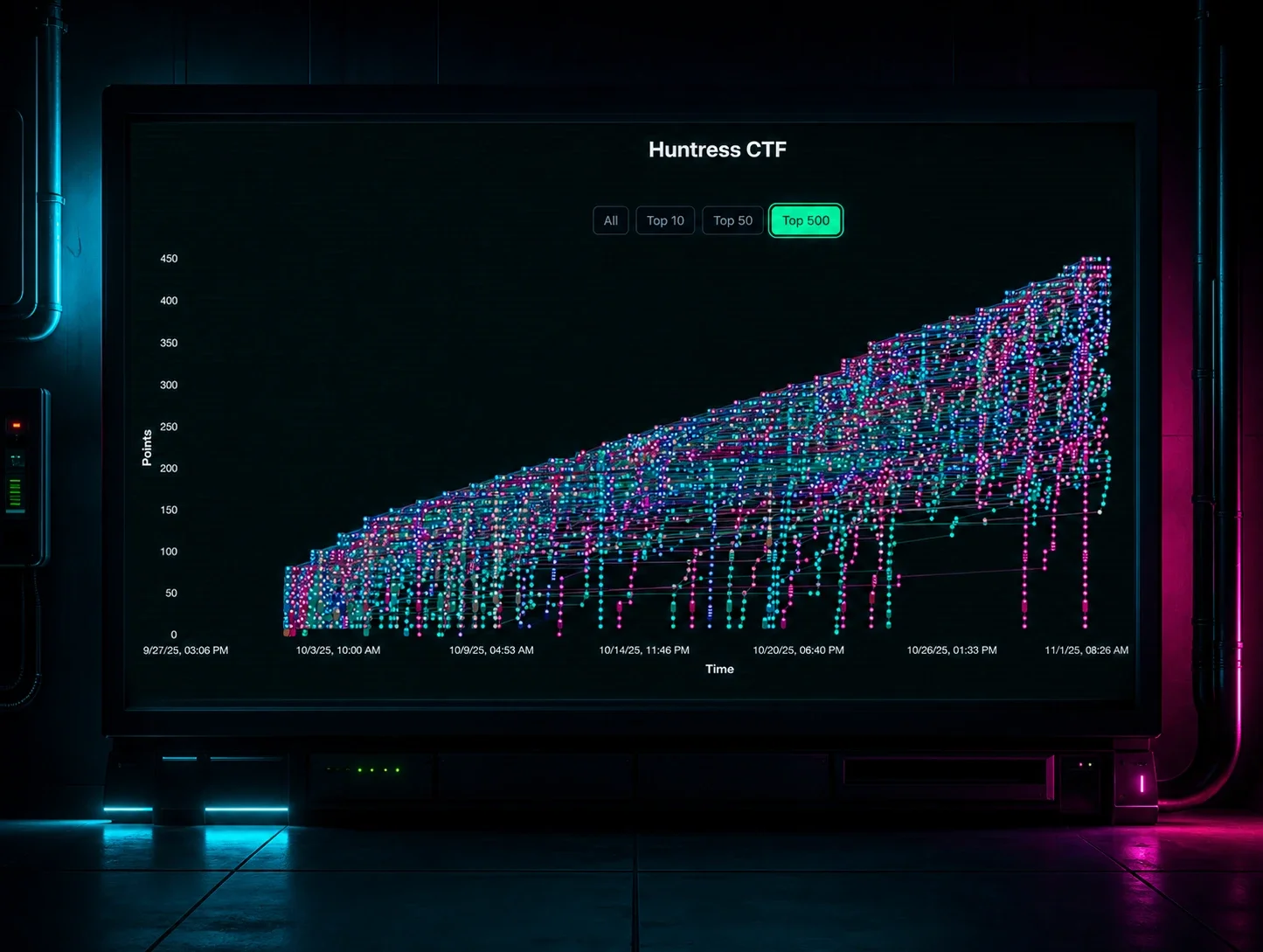
Huntress's recap of its October 2025 CTF event (11,898 registered users, 6,892 teams), covering challenge highlights like an AutoIT-decompiled cryptocurrency stealer ('Sandy'), a Rust-reimplemented supply-chain malware challenge ('Rust Tickler'), a Lua infostealer ('My Hawaii Vacation'), a Linux kernel rootkit reverse-engineering challenge ('Root Canal'), a nested PowerShell malware challenge ('Lizard'), an EntraID phishing challenge ('Angler'), and OSINT/DFIR challenges, with links to community-authored writeups for several. It also notes operational bloopers, including a database overload from launch traffic and participants triggering real Microsoft Defender alerts by analyzing malware outside isolated VMs.
huntress.comarticleAdded 3 Sep 2026, published 6 Nov 2025🛡️ Security