 PHP2Shell: From the attacker’s perspective
PHP2Shell is the public exploit for CVE-2026-109618 (corrupted internal state at the memory limit, allowing hijack during cleanup) and CVE-2026-109619 (double free used to leak memory and defeat ASLR). Orca ran the GitHub tool unchanged against an unpatched PHP server and got command execution. It then built its own exploit with AI from the patch, which worked on PHP 8.4.26 and WordPress. Fixed in 8.2.35, 8.3.36, 8.4.27 and 8.5.12.
 orca.securitywriteupPublished and added 26 Oct 2026🛡️ Security
- PHP2Shell: pre-auth RCE via PHP memory-limit fatal errors (CVE-2026-109618/109619)
PHP2Shell is Calif's writeup of pre-auth RCE in PHP (CVE-2026-109618, CVE-2026-109619) triggered by memory_limit fatal errors that leave dangling state. It covers a HashTable bucket bug in _zend_hash_str_add_or_update_i, a Session upload-progress stale-pointer bug, and an unserialize destructor-list primitive that reaches PHP-FPM. It lists affected apps (WordPress, Drupal, Joomla, Magento and others) and gives temporary mitigations.
 calif.iowriteupAdded 23 Oct 2026🛡️ Security
 “Next Exploit Opportunities”: How a Threat Actor Used AI to Help Plan and Execute Multiple Types of Cybercrime Activities
Unit 42 analysis of a threat actor, BUGSTER, who ran the Hermes Agent framework with jailbroken DeepSeek V4 and Cursor to plan and run cybercrime. Activity included a WordPress brute force, a MongoDB exfiltration of over 5,200 student records at an Indian university, VoIP fraud planning, Wi-Fi cracking via Vast.ai GPUs, and crypto whale reconnaissance. The report covers the actor's prompt-level safety override, infrastructure (162.243.3[.]92) and attribution.
 unit42.paloaltonetworks.comwriteupAdded 30 Oct 2026, published 21 Oct 2026🛡️ Security
 PHP2Shell: AI uncovers critical RCE vulnerabilities affecting 70% of the Internet
PHP2Shell is Wiz Research's disclosure of memory-safety bugs in core PHP, grouped under two CVEs (up to CVSS 9.2) and fixed in patched releases on 21 October 2026. The post details four bugs, all triggered by out-of-memory fatal errors that leave stale state: an upload-progress unserializer use-after-free, a session-ID memory disclosure, a fatal-error backtrace use-after-free and an OPcache type confusion. It describes unauthenticated RCE on WordPress, Drupal and Joomla, plus detection signals and a disclosure timeline.
 wiz.iowriteupPublished and added 21 Oct 2026🛡️ Security
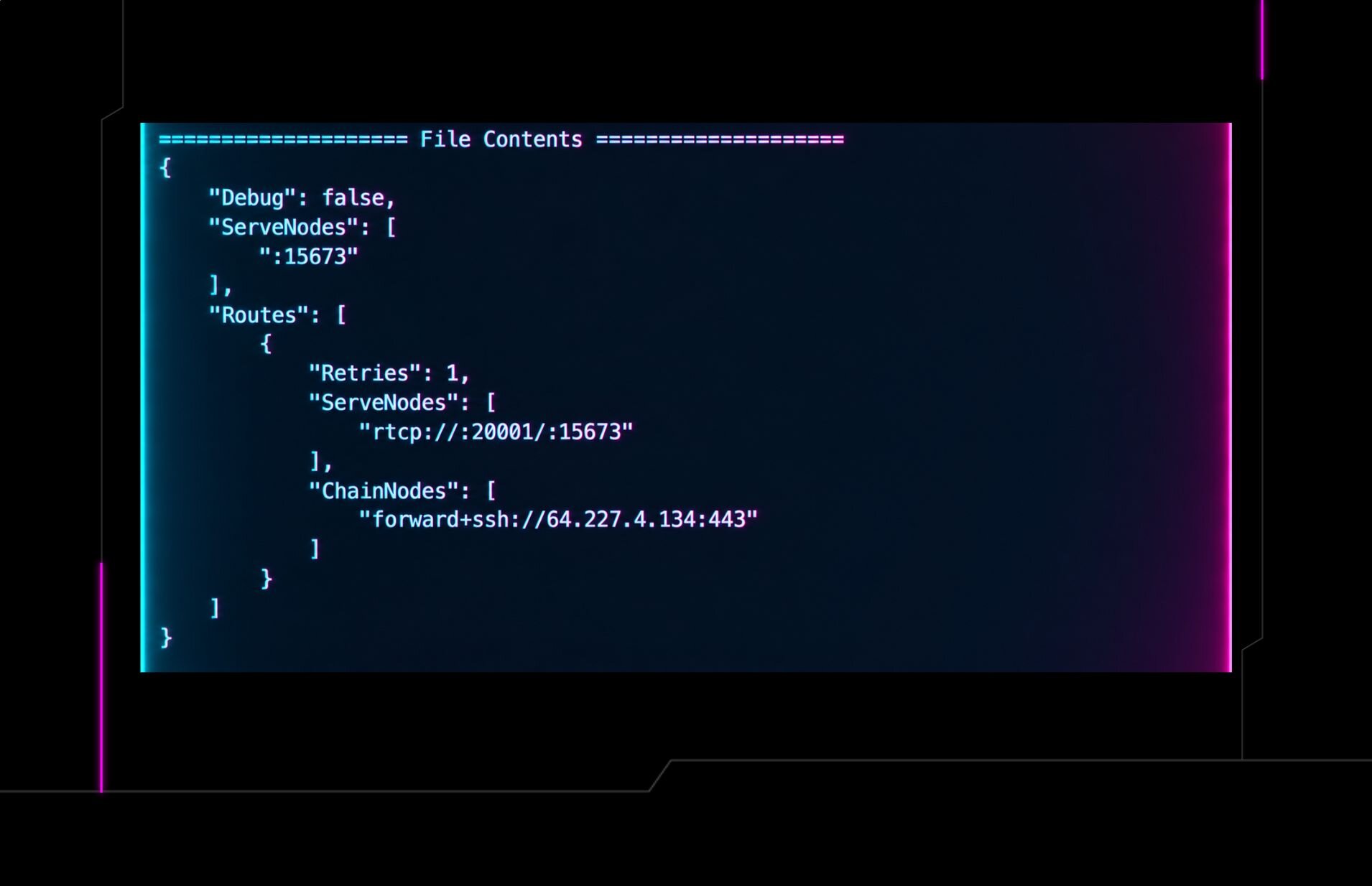
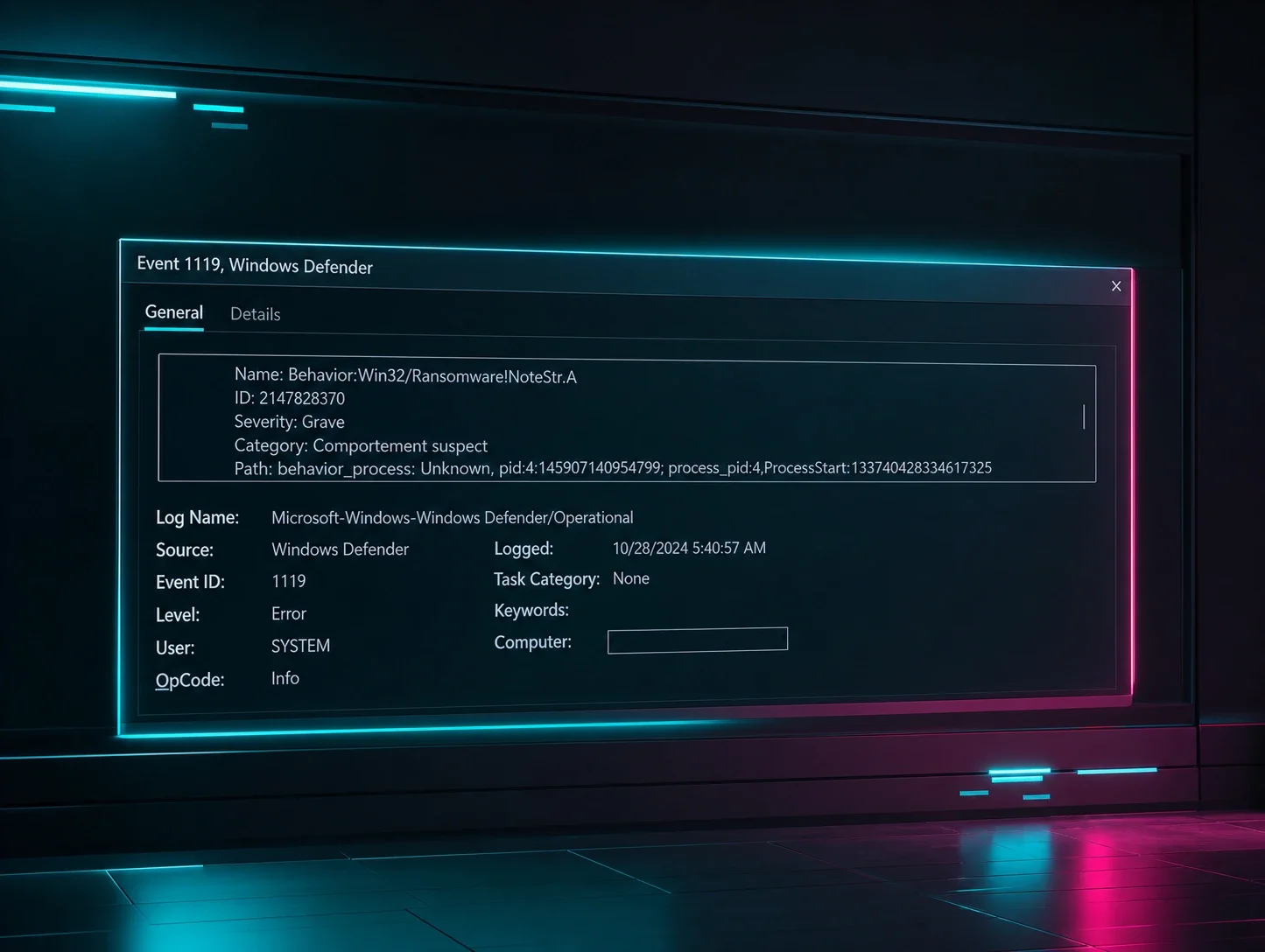
- Up a Creek Without a Command Line: Mapping an Akira Ransomware Attack | Huntress
Huntress researchers reconstruct an Akira ransomware attack timeline using forensic artifacts collected after the Huntress agent was installed post-compromise, including Windows Registry Shellbags, Event Logs, and Akira ransomware log files. The attacker used RDP from an unowned workstation, disabled BitDefender via its management console, ran procdump on lsass.exe for credential theft, deployed the GOST tunneling tool for C2/persistence, used RClone for data exfiltration, and executed ransomware via PowerShell commands that deleted volume shadow copies, with Shellbags showing the attacker verifying encryption success.
 huntress.comwriteupPublished and added 6 Oct 2026🛡️ Security
 Star Blizzard refines phishing and malware delivery with the RedFlick technique
Microsoft details how Russian FSB-linked threat actor Star Blizzard evolved its phishing and malware delivery tradecraft throughout 2026, introducing a new technique dubbed "RedFlick" that uses scheduled tasks to deploy the CosmicPulse backdoor with only a single user interaction, down from the multi-step ClickFix chains used previously. The report covers the shift from targeted spear-phishing to large-scale phishing campaigns using accounts on compromised WordPress/CPanel websites, delivery chain variants (VHDX files, Control Panel applet (CPL) masquerading, steganography, PDF-embedded payloads), and the related DarkSword iOS backdoor, affecting 100+ organizations tied to Ukraine support. It includes IOCs, KQL hunting queries for Microsoft Defender/Sentinel, and mitigation guidance.
 microsoft.comwriteupAdded 7 Oct 2026, published 29 Sep 2026🛡️ Security
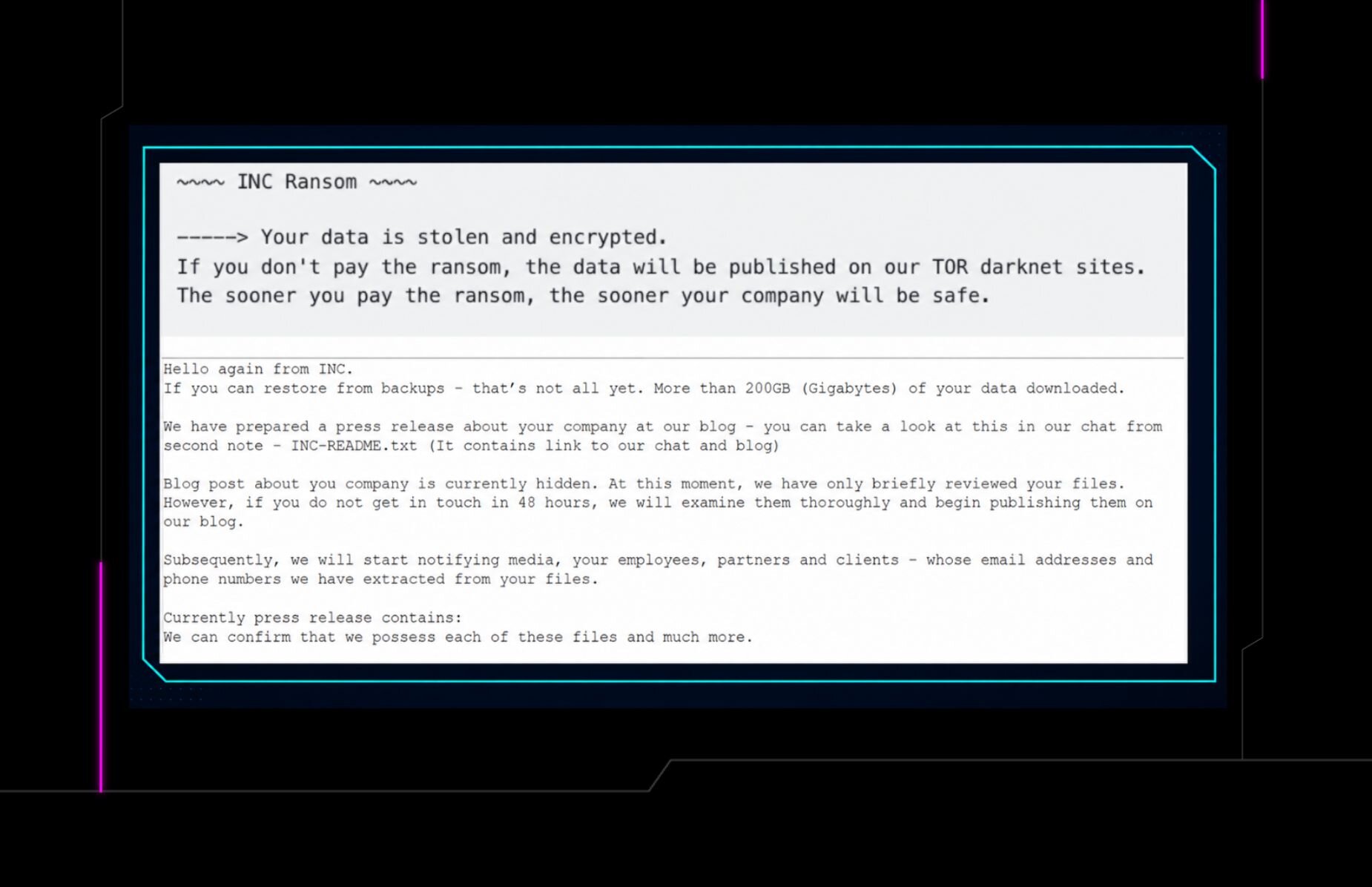
- The Tale of Two INC Ransom Notes: A Ransomware Timeline | Huntress
Huntress details a post-incident investigation into an INC ransomware attack that hit 175+ endpoints, reconstructed from surviving EDR telemetry and Windows event logs rather than live detection. The intrusion shows a 17-day gap between initial scheduled-task persistence and RDP lateral movement (possibly an initial access broker), and a second wave using AnyDesk, a BYOVD tool (hwau.exe loading the HwAudio kernel driver) to disable security controls, and Impacket's atexec.py to deploy INC ransomware. Attackers dropped two distinct ransom notes 53 minutes apart: a standard INC-README.txt and a detailed DATALEAK_PRESS_RELEASE.txt threatening to notify media, employees and partners with a full inventory of stolen files.
huntress.comwriteupAdded 22 Sep 2026, published 21 Sep 2026🛡️ Security - pgj11: Analysis of Bincrypter and gsocket (gs-netcat)
Deep-dive reverse engineering of a real-world incident where a WordPress site compromised via CVE-2026-18322 was used to drop a bincrypter-obfuscated, statically-linked gs-netcat (gsocket) 1.4.42beta5 binary as a reverse-shell tunnel, persisted via crontab and masquerading as "netd"/"[kthreadd]". The author fully unravels bincrypter's multi-stage shell obfuscation (character-separator tricks, AES-256-CBC/openssl decryption, memfd_create fileless ELF execution via a Perl one-liner) and reveals a custom THC UPX build with zeroed magic bytes/PackHeader used to hide payload identification, along with gsocket's self-embedded XOR-encoded operator configuration. Releases two open-source tools (Bincrypter-Extract, Gsocket-Config-Extract), YARA rules, and an ImHex pattern file, plus full IOCs (C2 IP, GSRN secret, process/memfd artifacts).
 pgj11.comwriteupPublished and added 31 Aug 2026🛡️ Security
- Thousands of Hacked WordPress Sites, One Operation: Unmasking StopAndProtect
Check Point Research reports on "StopAndProtect," an operation behind the compromise of thousands of WordPress sites, tracing the infrastructure and tactics back to a single actor or campaign. The piece appears to unmask the operators and methods used for mass WordPress exploitation, based on the title and URL alone since the fetched page content could not be processed for this classification pass.
 research.checkpoint.comwriteupAdded 26 Sep 2026, published 18 Aug 2026🛡️ Security
 Exploitation in the Wild of wp2shell
Wiz Research documents active in-the-wild exploitation of "wp2shell," a pre-auth RCE chain in WordPress Core (CVE-2026-63030 and CVE-2026-60137) affecting every WordPress version since December 2025, discovered by Searchlight Cyber using GPT-5.6 Sol. Attackers abuse the WordPress REST API batch endpoint (/wp-json/batch/v1) to achieve unauthenticated RCE, then deploy malicious plugins/webshells (including a disguised "CMSmap" plugin and a custom REST endpoint backdoor), enumerate users, and attempt LFI against wp-config for credential theft. The post details post-exploitation TTPs, detection signatures (HTTP 207 responses, wp2shell/rezwp2shell user agents), IOCs, and WAF/plugin-based mitigations.
wiz.iowriteupAdded 3 Sep 2026, published 20 Jul 2026🛡️ Security Unauthenticated RCE in WordPress core (wp2shell), via SQL injection
WordPress core versions 6.9.0-6.9.4 and 7.0.0-7.0.1 (plus 7.1 beta) contained an unauthenticated remote code execution flaw stemming from REST API batch-route confusion at /wp-json/batch/v1 that chains into SQL injection, exploitable against a stock install with no plugins. WordPress shipped emergency fixes (6.9.5, 7.0.2, 7.1 beta2) and enabled forced auto-updates given the scale of exposure (500M+ WordPress sites); a separate SQLi patched in the same round affects 6.8.x, fixed in 6.8.6. Researcher Adam Kues (Searchlight Cyber) reported the flaw and released a checker tool at wp2shell.com; the post also covers interim mitigations (blocking the batch route via WAF/plugin) for sites that can't patch immediately.
 aikido.devwriteupAdded 3 Sep 2026, published 17 Jul 2026🛡️ Security
- It’s Not Safe To Pay SafePa
Huntress details two firsthand incident-response engagements against SafePay, a closed (non-RaaS) double-extortion ransomware group active since late 2024 that has claimed 270+ victims in 2025. The writeup covers the intrusion chains (RDP access, Defender disabling via LOLBins, ShareFinder.ps1 share discovery, WinRAR/FileZilla staging and exfiltration, regsvr32-loaded locker.dll encryption), reverse-engineers the ransomware binary showing heavy code overlap with leaked LockBit Black source (including a Cyrillic-language kill switch, XOR string obfuscation, token impersonation via DuplicateToken/ZwSetThreadInformation, and custom anti-analysis thread creation), and provides Sigma detection rules for Defender-tampering-via-GUI and the CMSTPLUA/ICMLuaUtil COM UAC bypass technique.
huntress.comwriteupAdded 3 Sep 2026, published 17 Jul 2026🛡️ Security - CitrixBleed 2 (CVE-2025-5777) 7Steps to Dragonforce Ransomware | Huntress
Huntress's Tactical Response team documents a repeatable intrusion cluster (tracked by Sophos as STAC3725) where an initial access broker exploits CVE-2025-5777 "CitrixBleed 2," a pre-auth memory overread in NetScaler ADC/Gateway login endpoints, to leak process heap and hijack valid Citrix session tokens even past MFA. The writeup walks through forensic proof of the session hijack, a portable local privilege escalation tool that plants a REG_LINK SymbolicLinkValue under the RdpBus device class to hijack the Group Policy state hierarchy and relaunch as SYSTEM via the AppMgmt service, followed by backdoor admin creation, ScreenConnect/Zoho Assist/Atera persistence, Impacket and Mimikatz for lateral movement/credential theft, and eventual DragonForce ransomware deployment. Includes concrete IOCs, log-based detection guidance, and hardening recommendations for NetScaler operators.
huntress.comwriteupAdded 3 Sep 2026, published 9 Jul 2026🛡️ Security - AI-Coded Malware | Analyzing Vibe-Coded AD Enumeration | Huntress
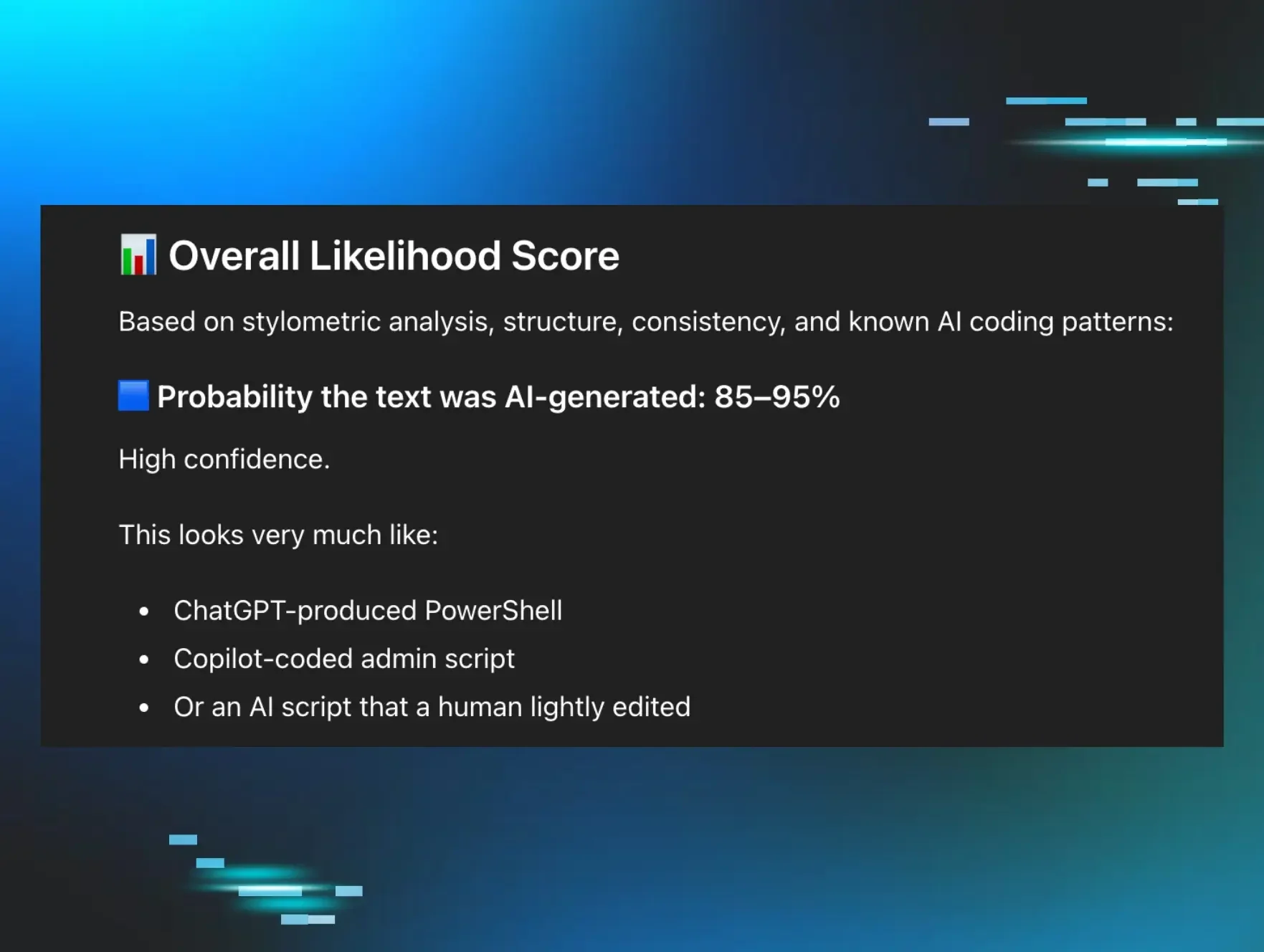
Huntress recovered and reconstructed "Untitled1.ps1," a PowerShell Active Directory enumeration script used by an attacker during a June 3 incident via RDP access with compromised credentials, and identified it as AI-generated ("vibe-coded") based on artifacts like an unedited LLM placeholder hostname, a "FULLY FIXED" prompt-iteration title, over-engineered five-method DC-discovery fallback logic, and gratuitous colored console/HTML reporting output. The attack chain paired this bespoke recon tool with off-the-shelf abuse of s5cmd (legitimate AWS S3 CLI used for exfiltration) and SharpShares (share enumeration), illustrating how LLM-generated one-off malware evades hash/signature-based detection and pushes defenders toward behavioral analytics on Active Directory enumeration patterns.
huntress.comwriteupAdded 3 Sep 2026, published 8 Jul 2026🛡️ Security - Lateral Movement Attack: Techniques, Detection & Prevention
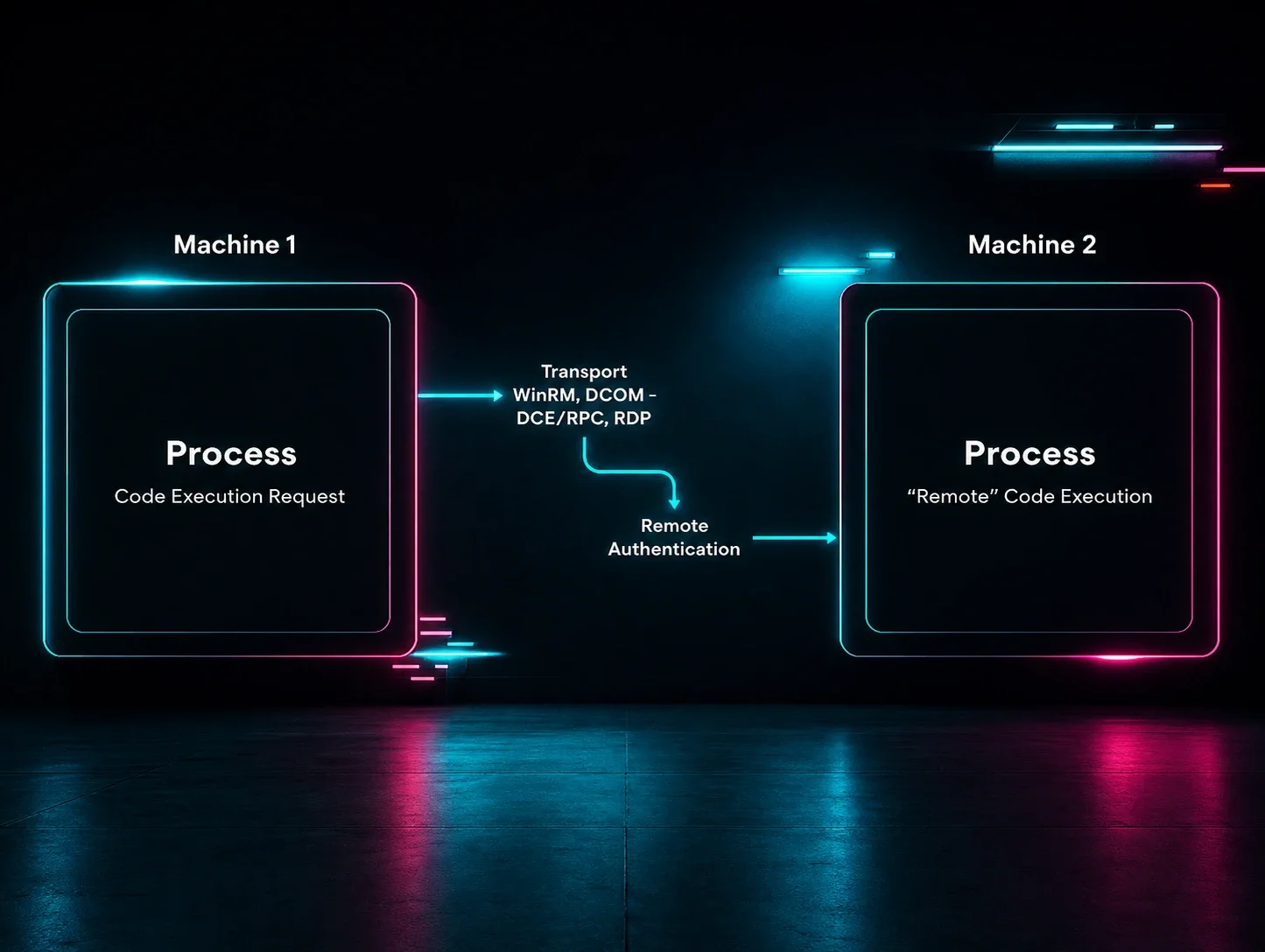
Huntress details how its Managed EDR and ITDR products detect lateral movement by correlating remote authentication events with subsequent process execution (action pillars: initial code execution, transport, remote authentication, remote code execution) rather than tracking source-side network connections. The piece walks through real-world scenarios including MMC20.Application DCOM abuse, LSASS credential dumping via rundll32/comsvcs.dll (as used by Impacket dcomexec.py and NetExec mmcexec.py), SQL Admin account abuse to enable RDP, and ransomware-precursor activity (shadow copy deletion, ntds.dit exfiltration) caught before payload deployment.
huntress.comwriteupAdded 3 Sep 2026, published 1 Jul 2026🛡️ Security 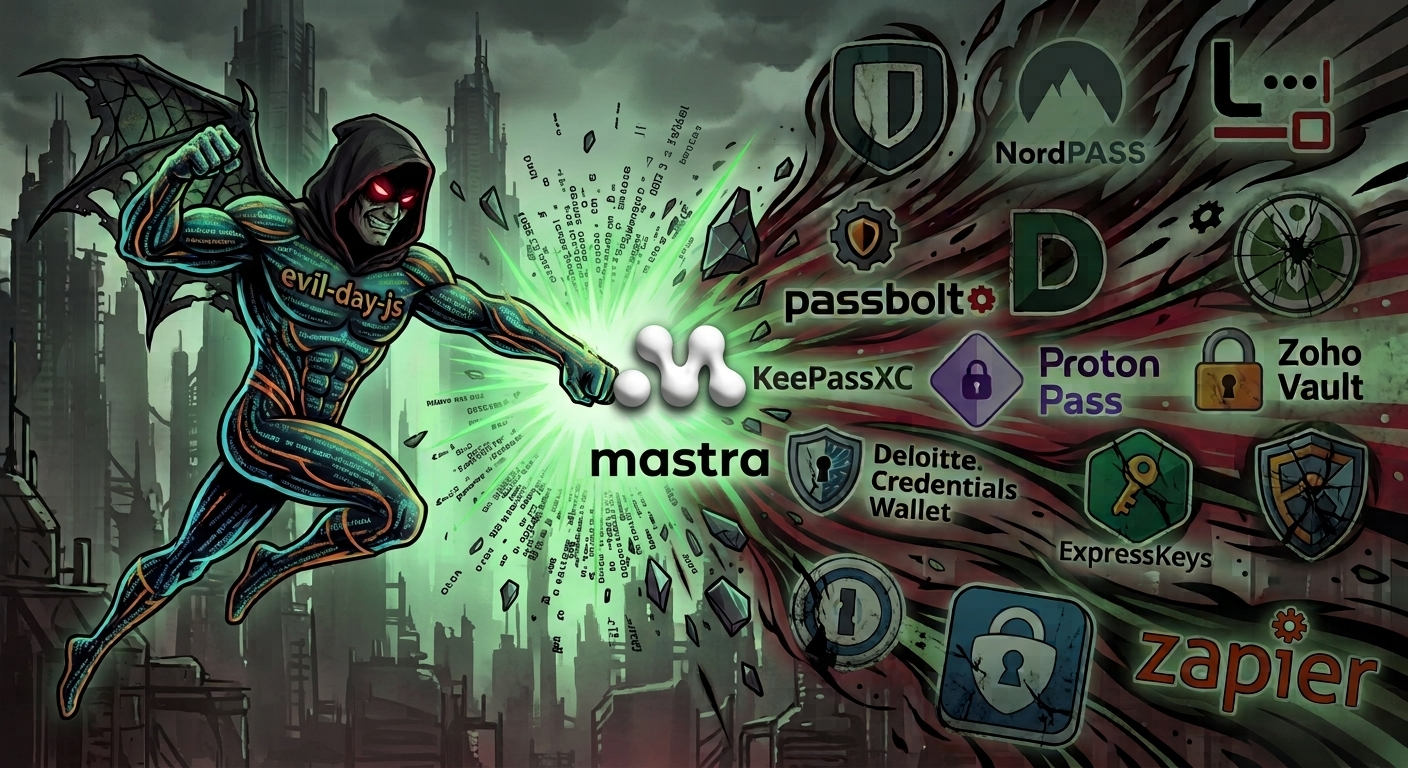 Mastra Attack Targets Crypto, Password Managers, Authenticators, and Zapier
A threat actor took over a dormant maintainer account and republished 140+ packages in the @mastra npm scope (including @mastra/core, ~918K weekly downloads), injecting a typosquat of dayjs called easy-day-js as a new dependency in every manifest. A clean 1.11.21 version was published first, then a weaponized 1.11.22 tagged latest was pulled in via caret-range resolution, delivering a two-stage cross-platform backdoor that disables TLS validation, self-deletes, installs OS-specific persistence disguised as Node/NVM tooling, and steals browser history plus data from 166 crypto-wallet, password-manager (1Password, Bitwarden, LastPass, Dashlane, NordPass, Proton Pass, KeePassXC, Zoho Vault, Kaspersky), MFA-authenticator, and Zapier browser extensions. The report ties the campaign's Hostwinds infrastructure, clean-then-armed typosquat, and TLS-off/detached/self-delete dropper pattern to the same playbook Microsoft attributed to Lazarus Group in the earlier axios npm compromise, and compares its extension targeting to the "HyperHives" ClickFix campaign, noting npm's lack of provenance enforcement (provenance: no on the malicious wave) as the control gap that let it through.
 opensourcemalware.comwriteupAdded 3 Sep 2026, published 18 Jun 2026🛡️ Security
- Inside the RaaS Ecosystem: Operators, Affiliates & Attack Tradecraft | Huntress
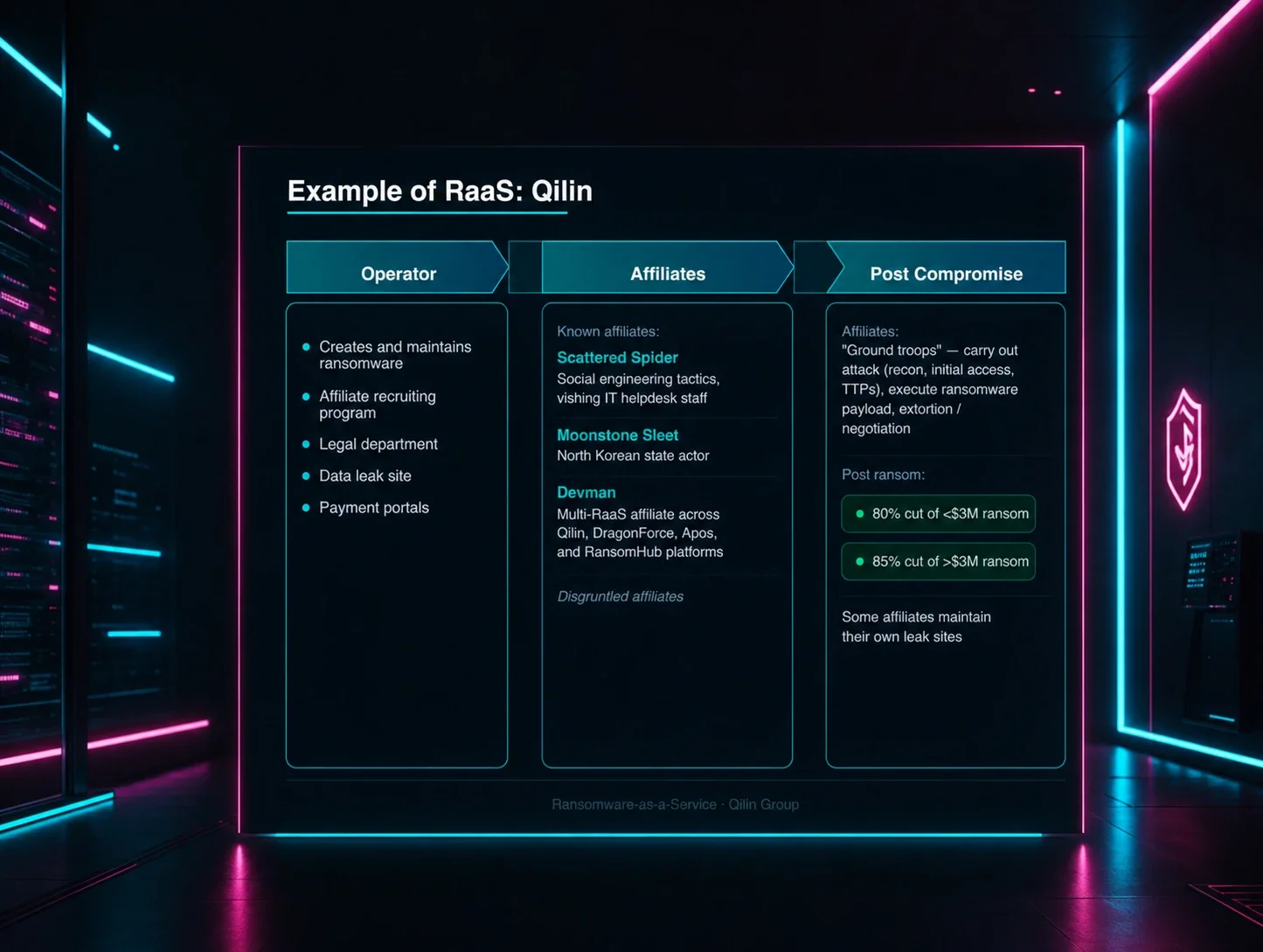
Huntress breaks down the ransomware-as-a-service (RaaS) ecosystem, explaining how operators (e.g., Qilin) provide the malware and infrastructure while diverse affiliates (Scattered Spider, Moonstone Sleet, Devman) handle intrusion, meaning the same ransomware brand can involve very different attack chains. It details real-world tradecraft: initial access via RDP abuse, vulnerable edge appliances like SonicWall VPNs (preceding Akira deployment), and rogue RMM tools (ScreenConnect, TeamViewer, Bomgar), plus persistence via hidden user accounts and RMMs like AnyDesk/Chrome Remote Desktop, defense evasion via EDR/AV killers and BYOVD, and exfiltration using 7-Zip, MegaSync, RClone, S5cmd, and finger.exe.
huntress.comwriteupAdded 3 Sep 2026, published 20 May 2026🛡️ Security - Komari Red: The Monitoring Tool with a Built-in Reverse Shell
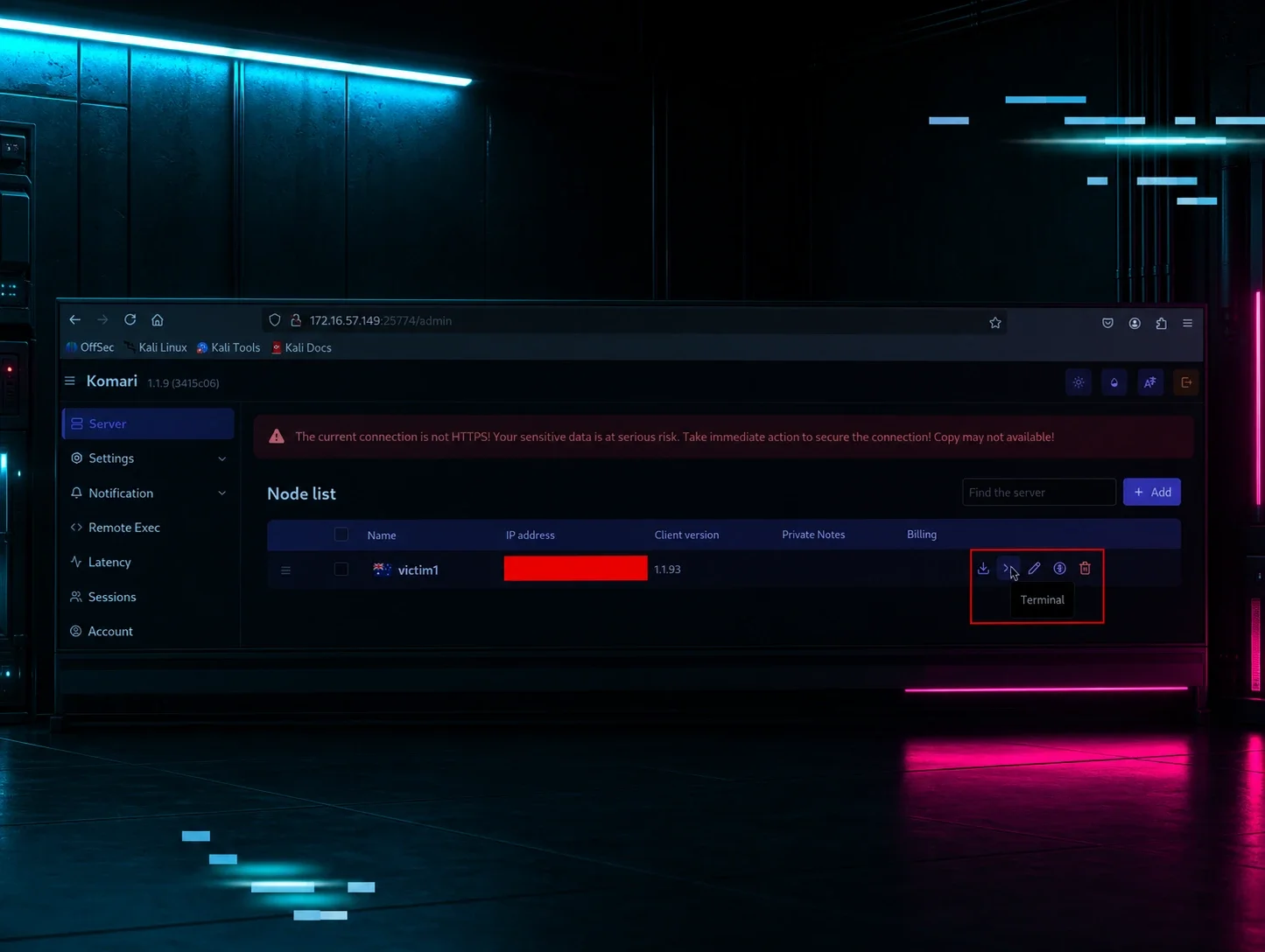
Huntress details a live intrusion where an attacker used stolen SSLVPN credentials, Impacket's smbexec.py (a customized fork with randomized artifact names) for lateral movement and registry-hive dumping, then enabled RDP via reg/netsh changes to interactively install the open-source "Komari" monitoring agent as a SYSTEM-level service named "Windows Update Service" via NSSM. Unlike other abused RMM/monitoring tools (Velociraptor, SimpleHelp, ScreenConnect, AnyDesk, Nezha, Atera), Komari ships arbitrary command exec, an interactive PTY reverse shell, and distributed ping/port-scanning enabled by default over a WebSocket that blends in as normal HTTPS traffic — turning a legitimate 4.3k-star GitHub monitoring tool into an out-of-the-box botnet-style C2 with no weaponization required.
huntress.comwriteupAdded 3 Sep 2026, published 30 Apr 2026🛡️ Security - Decoding NightSpire: Ransomware IOCs Aren't Set in Stone
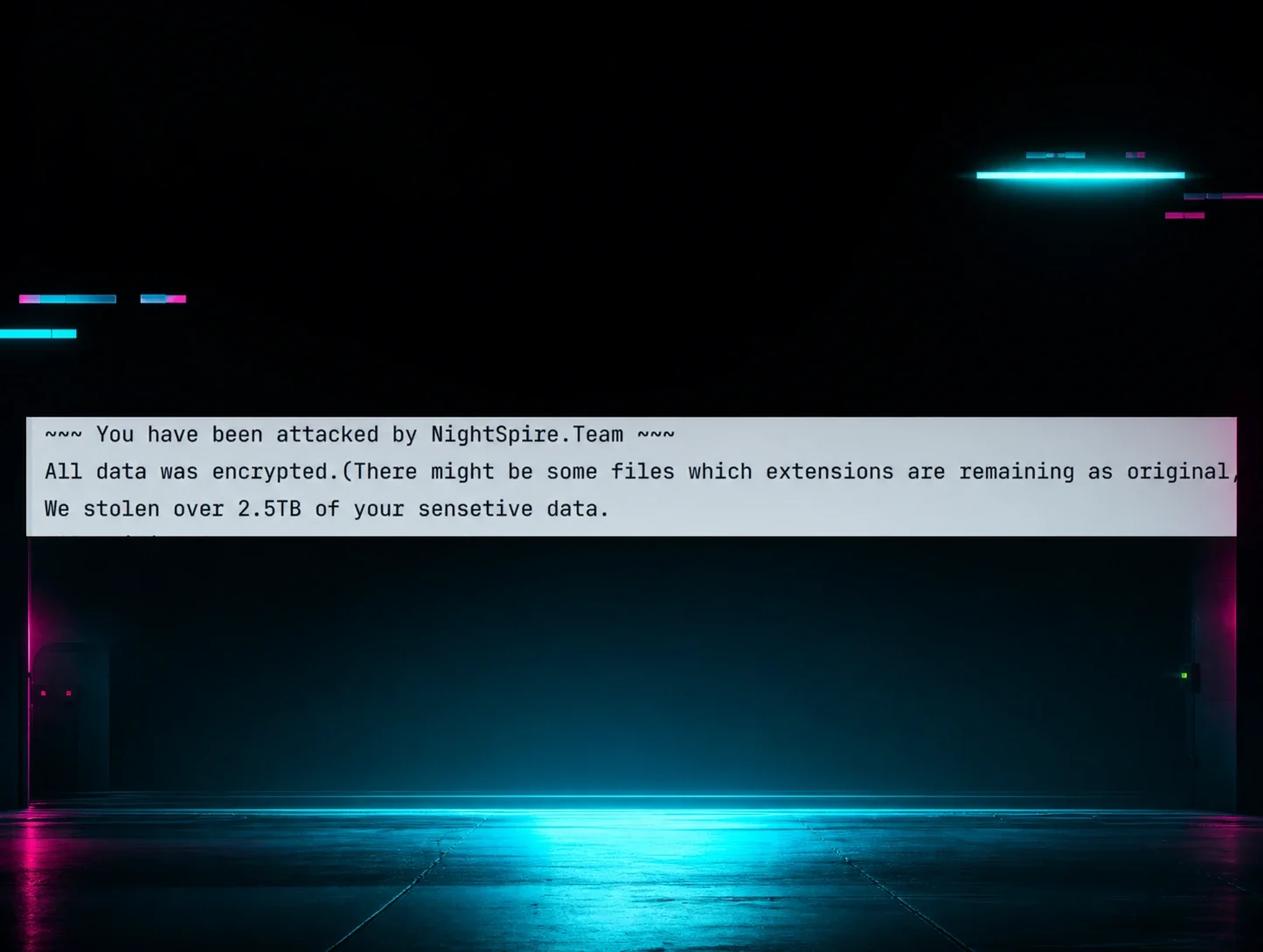
Huntress details two NightSpire ransomware incidents (December 2025 and March 2026) it responded to, showing how the threat actor's tooling and TTPs differed markedly between attacks despite the same ransomware family. In the March 2026 case the attacker used RDP for initial access, then Chrome Remote Desktop and AnyDesk for persistence, Everything and 7-Zip for data staging, MEGASync for exfiltration, and VMware Workstation/WPS Office for other purposes — none of it relying on native LOLBins like WMI or PsExec seen in public NightSpire reporting. The piece argues that because ransomware like NightSpire (and RaaS families such as Akira and Sodinokibi) may be run by shifting affiliates, IOCs and TTP clusters attributed to "the group" often aren't consistent across incidents.
huntress.comwriteupAdded 3 Sep 2026, published 7 Apr 2026🛡️ Security - How the Huntress SOC Stopped a VPN-Based Ransomware Attack
Huntress SOC incident writeup describing how attackers breached a small US construction manufacturer via a VPN lacking two-factor authentication, then used RDP for reconnaissance, dumped credentials after lateral movement, and attempted to disable Microsoft Defender and the Huntress EDR agent. The SOC's triage, support, and tactical response teams detected the activity via Managed EDR, isolated the network, reviewed VPN logs, and remediated by disabling compromised accounts and enabling 2FA before ransomware deployment occurred.
huntress.comwriteupAdded 3 Sep 2026, published 13 Mar 2026🛡️ Security - Unmasking an Attack Chain of MuddyWater
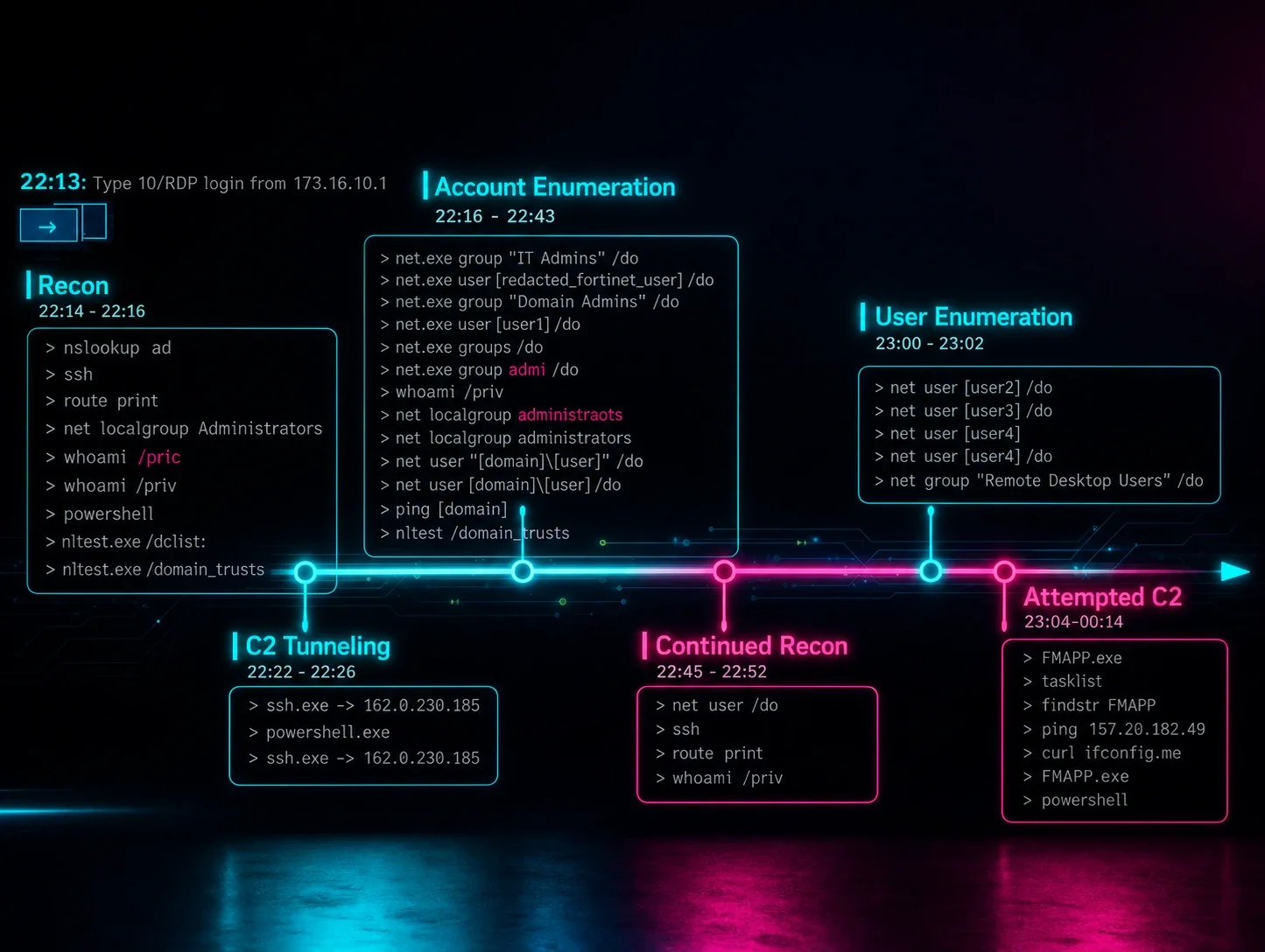
Huntress reconstructs an end-to-end intrusion timeline attributed to the Iranian-linked APT MuddyWater, discovered by pivoting on indicators from a Hunt.io blog and matching them against historical incident data for an Israeli customer. The attacker gained initial access via RDP, established reverse SSH tunnels through OpenSSH (-R 10841, then 8585) to a C2 IP flagged in a Group-IB report, and deployed malware via DLL side-loading — launching the legitimate FMAPP.exe (Fortemedia) to load a malicious FMAPP.dll that beaconed to 157.20.182[.]49. The piece includes command-line-level timeline detail (including attacker typos) useful for detection engineering and control-efficacy review.
huntress.comwriteupAdded 3 Sep 2026, published 6 Mar 2026🛡️ Security - Local administrator account remote logon in Windows
A pentest writeup explaining why remote logons with a shared local administrator account (e.g. from a gold image) fail against tools like psexec/smbexec/WinRM due to UAC's LocalAccountTokenFilterPolicy registry key, and how attackers can still succeed either by flipping that key, abusing the RID 500 Administrator account (governed by the separate FilterAdministratorToken key, which is unfiltered by default), or by using protocols not subject to UAC token filtering such as SSH and RDP. The author demonstrates the failure and bypass end-to-end using nxc (NetExec) and Impacket against a Windows 11 target from Kali Linux, and notes LAPS as an effective mitigation for RID 500 abuse.
 bencteux.frwriteupAdded 3 Sep 2026, published 31 Jan 2026🛡️ Security
- Reflecting on AI in 2025: Faster Attacks, Same Old Tradecraft
Huntress reviews four 2025 intrusions where adversaries used LLMs (ChatGPT, DeepSeek, Gemini) to draft PowerShell tradecraft: an RDP-brute-forced credential dumper, a Veeam credential-theft script (v.ps1) over WinRM, an iterated Chrome/Edge history-scraping script chain (qb_check.ps1 → coinbase_check.ps1 → secure.chase.ps1) exfiltrating to Telegram, and a fully-featured Chrome extension RAT ("Telegram Agent + Cookies") beaconing to a C2 for cookie/screenshot/history exfiltration. The pattern across cases: AI speeds up authoring (odd comments, Cyrillic strings, verbose AI-style formatting) but doesn't produce novel primitives, so existing detections (EDR, telemetry, MFA, segmentation) still catch it.
huntress.comwriteupAdded 3 Sep 2026, published 12 Jan 2026🛡️ Security - PeerBlight Linux Backdoor Exploits React2Shell CVE-2025-55182
Huntress details in-the-wild exploitation of CVE-2025-55182 ("React2Shell"), an unauthenticated RCE in React Server Components caused by insecure deserialization of the React Flight protocol's "thenable" chunk handling, affecting Next.js and other React-based apps. Post-exploitation payloads include PeerBlight (a musl-compiled Linux backdoor using BitTorrent DHT as fallback C2, sharing config-schema and XOR encryption traits with the Pink botnet and persistence code overlapping RotaJakiro), CowTunnel (an FRP-based reverse tunnel wrapping xfrpc for SOCKS5/TCP/HTTP/FTP/RDP proxying and a telnetd backdoor), ZinFoq (a Go post-exploitation implant with hex-encoded HTTPS C2, reverse PTY shells, and SOCKS5 pivoting), and a Kaiji botnet variant with hardware watchdog abuse. The piece includes detailed C2 protocol reversing (DGA algorithm, DHT config-distribution and RSA-signature verification) and dozens of observed C2/scanner IOCs across five real intrusion cases.
huntress.comwriteupAdded 3 Sep 2026, published 10 Dec 2025🛡️ Security - Threats Plague Educational Organizations
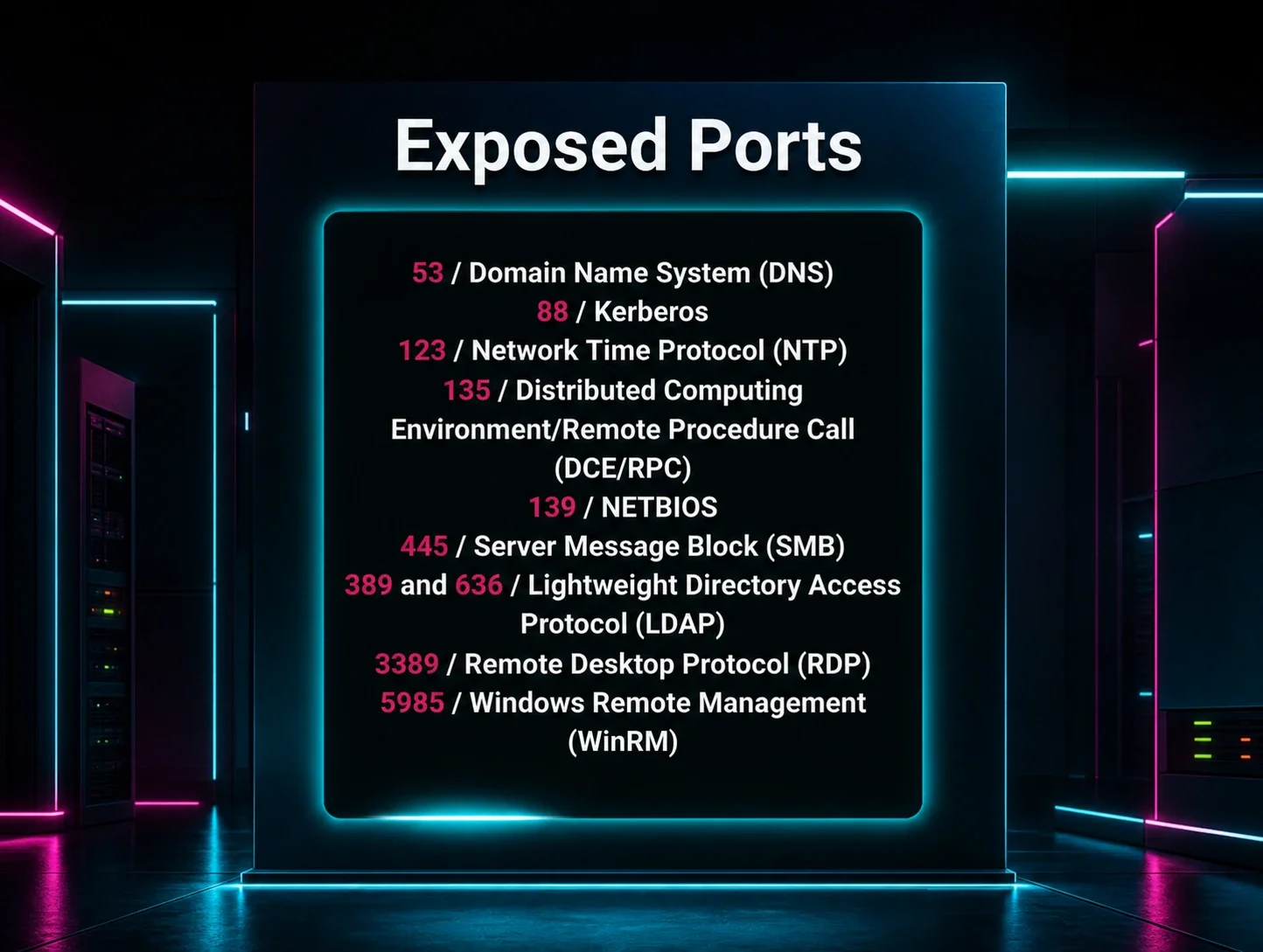
Huntress details three real 2025 incidents against the education sector: an RDP brute-force into a school district's exposed domain controller (10 open ports), an Atera RMM instance at an MSP compromised to deploy AnyDesk and add a backdoor local admin account "WDAGUtilltyAccount" with the reused password Ujmqaz5055 across multiple downstream school customers, and an RClone-based exfiltration of a high school's financial and family-email directories following RDP brute-forcing. It also cites Huntress 2025 Cyber Threat Report stats showing education as 21% of all observed incidents, with malicious scripts, Chromeloader infostealers, and RMM abuse being the top threat categories, alongside references to prior breaches (PowerSchool, LAUSD, Howard University, Minneapolis Public Schools/Medusa ransomware).
huntress.comwriteupAdded 3 Sep 2026, published 13 Nov 2025🛡️ Security - Detecting insiders on GNU/Linux servers
A practical guide to building an auditd-based Linux intrusion detection ruleset covering reconnaissance (tcpdump/wireshark/nmap install and execution), privilege escalation (setuid/setgid syscalls, sudoers and /etc/passwd modification, process injection via ptrace and process_vm_writev), container escape via host filesystem remounting, lateral movement (xfreerdp), persistence (SSH authorized_keys, cron, systemd units, udev rules), and detection evasion via /dev/shm. Each rule is accompanied by working C PoCs and ausearch log output to validate detection, plus discussion of auditd's limitations (no path globbing, kernel syscalls only, incomplete file-change detection). Based on the author's incident response and pentesting experience, the rules and full ruleset are published on a companion GitHub repo.
bencteux.frwriteupAdded 3 Sep 2026, published 21 Apr 2025🛡️ Security - Today I Learned - NSG Flow Log
A short DFIR.ch "Today I Learned" post walking through enabling Azure NSG Flow Logs (v2), storing them in a Storage Account, and parsing the flowTuple JSON schema (timestamp, src/dst IP/port, protocol, direction, allow/deny, flow state B/C/E). It highlights use cases like detecting RDP brute-force attempts and integrating logs into Sentinel/Splunk/ELK for network monitoring and incident response.
 dfir.chwriteupAdded 3 Sep 2026, published 21 Sep 2024🛡️ Security
- Sysrv Infection (Linux Edition)
DFIR case study reversing a Sysrv botnet crypto-mining ELF binary (VirusTotal sample 41hs1z) found on a Linux endpoint, covering the initial ldr.sh loader script, Go binary reversing in Ghidra (using Max Kersten's GhidraScripts to recover strings/function names obscured by Go compilation), and dynamic analysis via strace showing the process masquerading as kthreaddk, establishing cron-based persistence at randomized paths, using a localhost TCP mutex port, and writing an XMRig-style config.json pointing to C2 194.38.23.2:8080. It also documents the malware's WordPress exploit (matched to Exploit-DB code) and hardcoded brute-force credential lists used for propagation.
dfir.chwriteupAdded 3 Sep 2026, published 14 Apr 2024🛡️ Security - MicroSocks: Convenient access through a compromised SonicWall SMA
DFIR investigation by a researcher into a SonicWall SMA compromise where the threat actor exploited CVE-2021-20039 (authenticated command injection) to drop the previously-known wafxSummary web shell, then months later placed a second binary, wafySummary, identified as the open-source MicroSocks SOCKS5 proxy. The attacker used MicroSocks to tunnel RDP traffic into the internal network, avoiding further malware deployment and detection for nearly 11 months before deploying Abyss ransomware. Includes reproduction steps confirming the binary's SOCKS proxy functionality and its VirusTotal PUA detection.
dfir.chwriteupAdded 3 Sep 2026, published 30 Mar 2024🛡️ Security - Nmap - detecting the network mapper
A blue-team writeup arguing that broad scan detection at the Internet perimeter is low-value noise, and that scan detection is most valuable inside the network perimeter after initial compromise. It then catalogs specific network signatures Nmap leaves in DNS, FTP, HTTP, RDP, SIP, SMB, SSH, and SMTP probes (e.g. the NSE User-Agent, mstshash=nmap RDP cookie, SSH-x.x-NmapNSE client string, IEUser@ FTP password) that can be used to build reliable detection rules.
bencteux.frwriteupAdded 3 Sep 2026, published 3 Jan 2023🛡️ Security  Azure Virtual Machine Execution Techniques
Details five ways to execute code on an Azure VM beyond RDP/SSH: the Run Command agent, Custom Script Extension, Desired State Configuration (DSC) extension abuse, VM Application Definitions, and Hybrid Worker Groups — all running as SYSTEM/root by default. For each technique the author gives the exact PowerShell/Az cmdlets (including PowerZure's Invoke-AzureRunProgram and Invoke-AzureVMCustomScriptExtension), on-disk artifact paths, and the specific Azure Activity Log events (e.g. 'Run Command on Virtual machine', 'Create or Update Virtual Machine Extension') defenders should correlate on.
 hausec.comwriteupAdded 3 Sep 2026, published 4 May 2022🛡️ Security