 Inside mobile taint analysis: how source-to-sink tracking finds real data-leak paths | Oversecured Blog
Oversecured explains taint analysis for Android and iOS apps and contrasts it with pattern-matching SAST such as MobSF. It covers source, flow and sink, cross-component tracking over Intents, flag-based sanitizer modeling and implicit intent simulation. The case study is an unsafe Class.forName().newInstance() on a Serializable transportFactoryClassName field in Google's com.google.auth.oauth2 credential classes, which Google fixed with a $3,133.70 bounty.
 oversecured.comarticleAdded 29 Oct 2026🛡️ Security
 Vulnerabilities that lead to account takeover in banking and fintech mobile apps | Oversecured Blog
Oversecured guide to eight vulnerability categories that lead to account takeover in mobile banking and fintech apps: WebView JavaScript bridge token leakage, Intent Redirection, hardcoded tokens, deeplink hijacking, insecure token storage, localhost OAuth listeners, AIDL abuse and weak biometric auth. It includes a WebView PoC based on Samsung SmartThings CVE-2022-30746 and maps findings to OWASP MASVS, PCI DSS and PSD2. It argues taint analysis plus dynamic PoC is needed to find multi-component chains.
oversecured.comarticleAdded 29 Oct 2026🛡️ Security China APT Uses AI Pentest Tool Artex in ConnectWise Attacks
Storm-0940, a China-linked APT, used the open source AI penetration testing framework Artex to automate a mid-October 2026 campaign against ConnectWise customers, per Microsoft. Artex drove reconnaissance, password spraying and OAuth application abuse at more than 2,900 attempts per minute, with sign-in attempts against over 2,250 tenants. Attackers modified application credentials for persistence, and Microsoft advises correlating service principal sign-ins with Graph activity.
 securityweek.comarticlePublished and added 23 Oct 2026🛡️ Security
 LiteLLM Compromised in Fresh Supply Chain Attack
LiteLLM version 1.107.0 was published with malware to PyPI and Docker Hub on October 21, for about three hours and roughly 49,000 downloads. Attackers used GitHub CLI OAuth tokens, likely leaked through Claude Code into LiteLLM logs, to disable branch protections, redirect the releaser to a lookalike repository and sign poisoned artifacts. The payload is an infostealer and RAT; Wiz saw Amazon Bedrock abuse. The last clean version is 1.106.2.
securityweek.comarticlePublished and added 23 Oct 2026🛡️ Security The Current Landscape of OAuth Attacks
Unit 42 survey of OAuth attacks that steal tokens after MFA, so access survives password resets. It covers account hijacking (device authorization and authorization code misuse), permission hijacking (vague or impersonating app names), and malicious redirects, including the error-triggered redirect campaign Microsoft documented in March 2026. It also describes COSF and OAuth-as-a-service flaws, PhaaS and LLM evasion trends, and defenses such as admin-only consent and redirect_uri audits.
 unit42.paloaltonetworks.comarticleAdded 30 Oct 2026, published 22 Oct 2026🛡️ Security
 ARTEX in the Wild: Storm-0940 Expands Targeting of IT and Software Vendors
Wiz Research reports an actor overlapping with Storm-0940 that used ARTEX, an open-source autonomous AI penetration-testing agent, against IT and software vendors in October 2026. It documents source-map and Swagger recon, OAuth callback and unsigned JWT probing, Cognito account-recovery abuse, tenant-isolation tests and Okta/Entra password spraying. The post lists log signals that mark the activity as agentic, such as one-second spray cadence and automatic IP and user-agent rotation.
 wiz.ioarticlePublished and added 22 Oct 2026🛡️ Security
- Passkeys Raise the Bar. Here’s Where Attackers Can Still Get In.
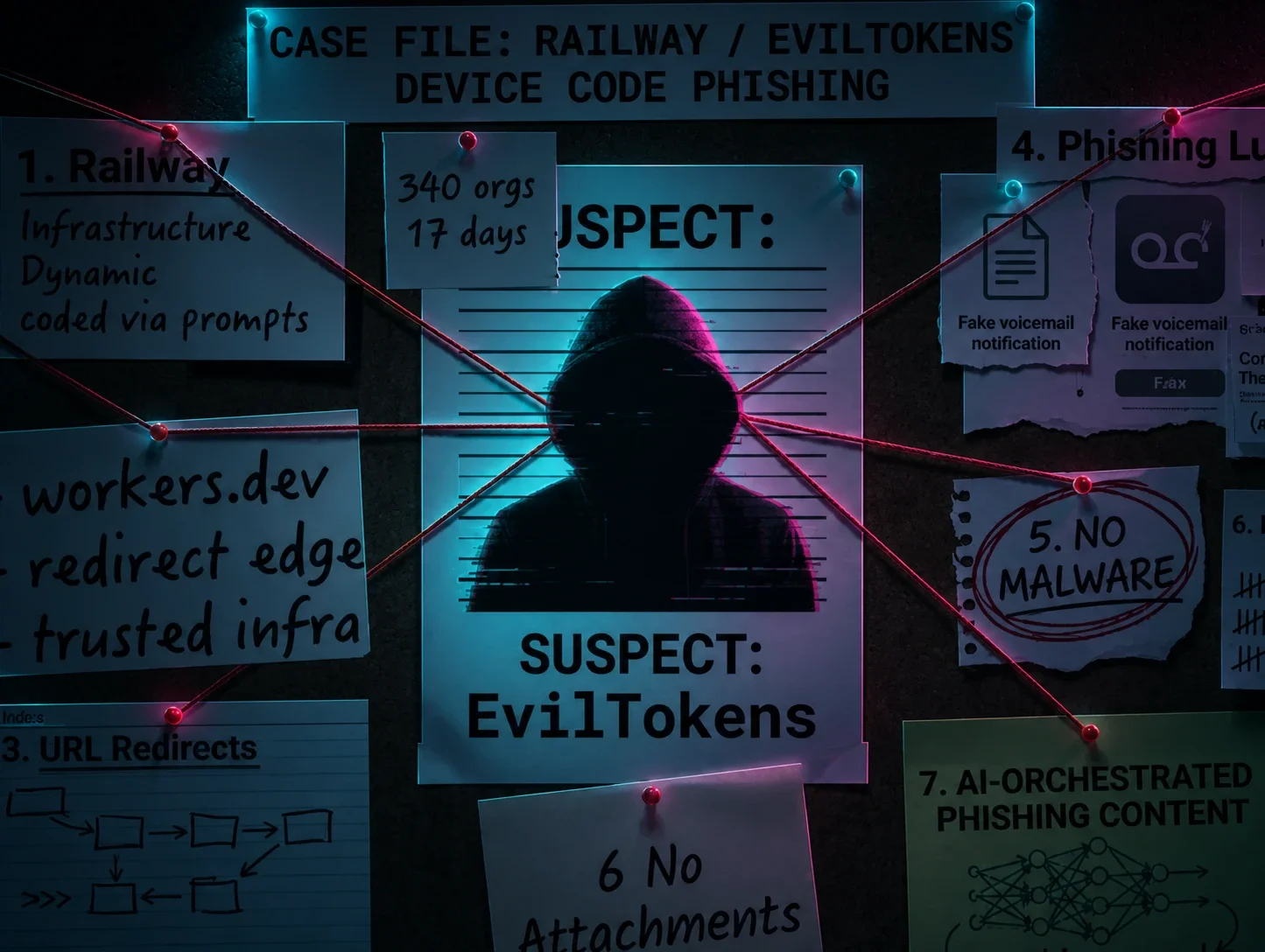
Huntress post on where accounts remain exposed after a passkey rollout. It covers passkey-themed social engineering, the EvilTokens device-code phishing campaign (344 organizations in about 16 days), weak enrollment and recovery, SpecterOps research on Windows WebAuthn hooking on compromised endpoints, and the trade-offs between synced and device-bound passkeys. It closes with ITDR-style post-login monitoring, containment steps (revoke sessions, remove rogue authenticators, hunt inbox rules, OAuth grants, forwarding), and a five-question deployment checklist.
 huntress.comarticlePublished and added 14 Oct 2026🛡️ Security
 SAP Patches Critical NetWeaver, S/4HANA Vulnerabilities
SecurityWeek summarizes SAP's October 2026 Security Patch Day (22 notes, four critical). Critical flaws: CVE-2026-89111 (CVSS 10) OAuth2 SSRF in SAP Cloud SDK for Python that leaks client credentials via the tenant_subdomain parameter; CVE-2026-89110 (9.9) NetWeaver broken access control allowing ABAP code execution through Fiori rule definition input; CVE-2026-89107 (9.9) S/4HANA Visual Composer code injection; and CVE-2026-89108 (9.1) missing authorization check in Manufacturing Integration and Intelligence allowing admin account creation. SAP reports no exploitation in the wild.
securityweek.comarticlePublished and added 14 Oct 2026🛡️ Security Top MCP security resources — October 2026
Adversa AI's October 2026 MCP security roundup, aggregating and synthesizing 15 resources: authentication-bypass vulnerabilities in LiteLLM's MCP endpoint (CVE-2026-59822, now CISA KEV), Grafana's MCP server session spoofing/SSRF (CVE-2026-19516), an MCP Python SDK OAuth-fallback flaw exploited by a malicious server returning a 404, and an Obot gateway route-matching bypass reopening GHSA-vw82. It also covers detection failures (two malicious MCP servers passing five scanners including Cisco mcp-scanner and Snyk agent-scan, 12% of 82,000 public MCP configs hardcoding secrets), a malicious npm wallet-signing package (gadgethumans-mcp), the A2M agent-hijacking attack technique, and CoSAI's MCP Security v2.0 governance model.
 adversa.aiarticlePublished and added 8 Oct 2026🛡️ Security
 30+ MCP CVEs in Two Months: What the Early-2026 Vulnerability Wave Means for Your MCP Supply Chain
Analysis of 30+ CVEs filed against Model Context Protocol servers, clients, SDKs, and proxies in the first two months of 2026, showing the flaws concentrated in plumbing (proxies, registries, transports) rather than tool implementations. It walks through CVE-2025-6514 (CVSS 9.6 RCE in mcp-remote via unsanitized OAuth authorization_endpoint URLs shelled out to launch a browser), the chained Atlassian MCP server CVEs (CVE-2026-27825/CVE-2026-27826), unauthenticated public registries, and a systemic stdio-transport advisory, then ties the findings to the NSA's May 2026 MCP security CSI and the OWASP MCP Top 10.
 bex.coarticleAdded 26 Sep 2026, published 23 Sep 2026🛡️ Security
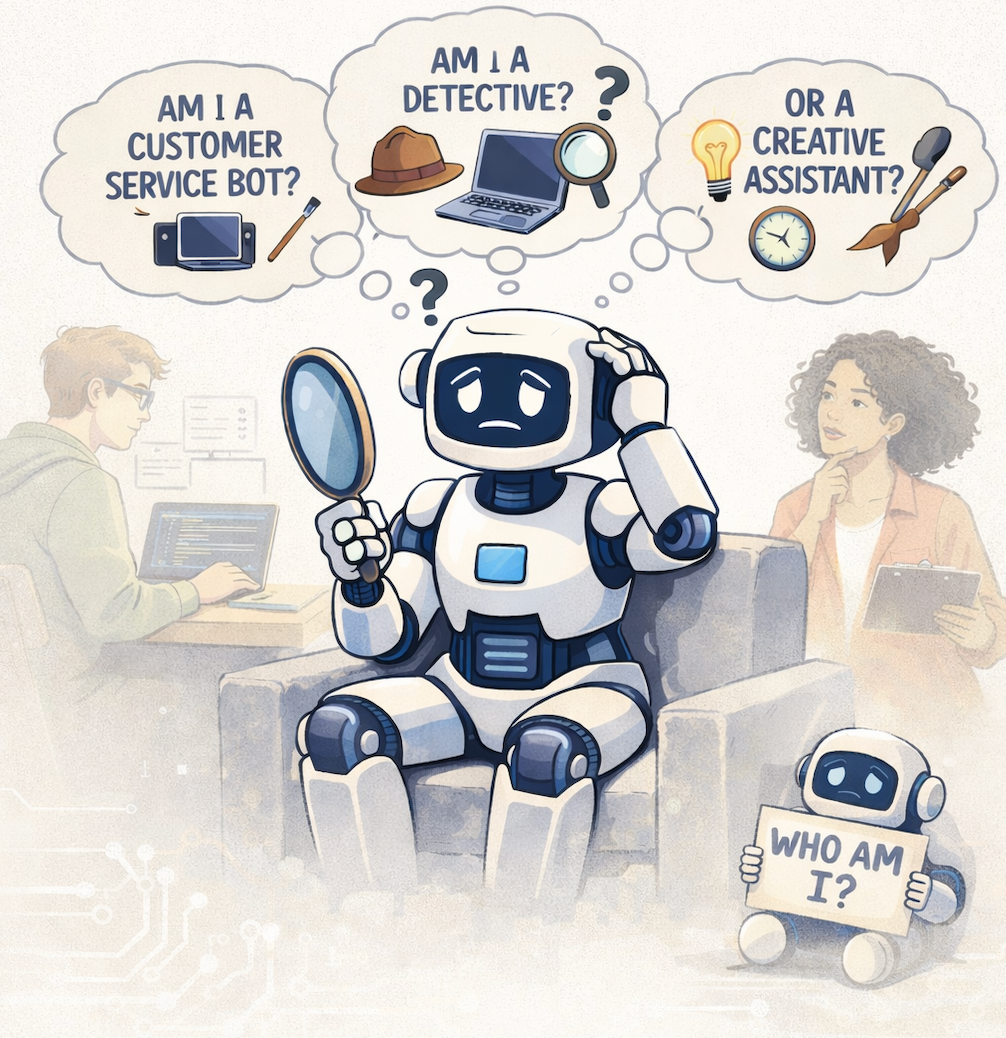 Solving the Identity Crisis for AI Agents (Uber)
Uber describes how it extended its Zero Trust stack to give AI agents verifiable identities: workloads get SPIRE SVIDs, an Agent Registry validates agent-to-workload binding, and a Security Token Service mints single-hop, short-lived JWTs (based on OAuth 2.0 Token Exchange, RFC 8693) that embed the full actor chain from human to agents. An MCP Gateway enforces tool-level policy and an SDK-integrated A2A client makes secure propagation the default. It addresses delegation, provenance loss across agent hops, and auditability, and notes alignment with IETF WIMSE drafts.
 uber.comarticleAdded 18 Sep 2026🛡️ Security
- Next-Gen Phishing Tactics Users Aren’t Ready For | Huntress
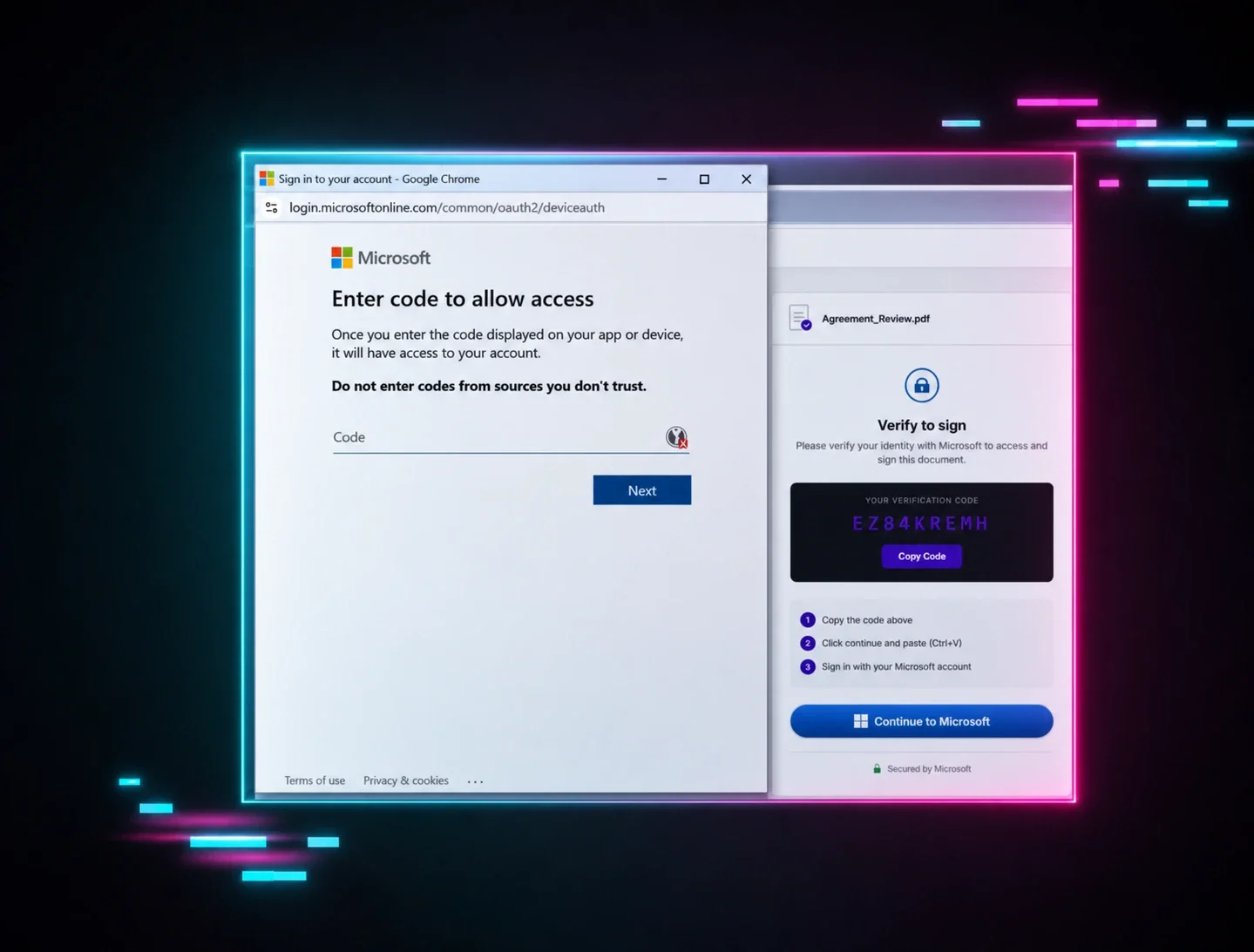
Huntress details five modern phishing techniques that bypass traditional "check the URL" training and MFA: ClickFix (fake CAPTCHA tricking users into running Win+R/paste commands to execute malware), Browser-in-the-Browser (fake HTML popup windows mimicking OAuth login prompts with forged address bars/padlocks), ConsentFix (dragging an identity icon to leak an OAuth authorization code that attackers trade for Microsoft Entra ID access/refresh tokens), device code phishing (abusing the legitimate microsoft.com/devicelogin flow to authorize an attacker's device via a code, seen weaponized in PhaaS kits like EvilTokens), and fake video-conference (Teams/Zoom/Google Meet) waiting-room overlays that push a malicious "driver update" install. Each section explains why the technique defeats standard security-awareness training and how Huntress's simulated phishing scenarios replicate it.
huntress.comarticleAdded 3 Sep 2026, published 28 Aug 2026🛡️ Security - GitLab 19.3 release
GitLab 19.3 release notes cover dozens of features, with a significant cluster around AI agent tooling: a new "Flow Creator" foundational agent that generates runnable flow YAML for the GitLab Duo Agent Platform from natural language, GitLab Duo CLI plugin/marketplace support (compatible with existing Claude Code plugin marketplace files), new MCP tools (get_merge_request, list_merge_requests), pre-registered MCP OAuth applications, and a redesigned Agentic Chat UI for VS Code/JetBrains. It also ships GA features for Duo-based merge-conflict and review-discussion resolution, and security/SAST features like Agentic SAST vulnerability resolution flows.
 docs.gitlab.comarticleAdded 22 Sep 2026, published 27 Aug 2026🧠 AI
 The New MCP Roadmap
The Model Context Protocol Core Maintainers publish an updated roadmap covering five priority areas: agentic messaging primitives (server-initiated events, maturing the Tasks extension SEP-2663), HTTP-native transport unification (including local servers over Streamable HTTP/stdio), agent identity and enterprise security (DPoP, Workload Identity Federation, ID-JAG grant, token exchange, engagement with IETF OAuth and WIMSE working groups), improved tool-call result primitives and progressive tool discovery, and SDK developer experience. It also recaps the previous roadmap's shipped work in the 2026-07-28 spec release — removal of protocol-level sessions/handshake for stateless horizontal scaling, server/discover, cacheable list results, Multi Round-Trip Requests (SEP-2322), issuer validation, issuer-bound client credentials, and Client ID Metadata Documents (CIMD).
 blog.modelcontextprotocol.ioarticleAdded 7 Oct 2026, published 22 Aug 2026🧠 AI
- The New MCP Roadmap
Official blog post from the Model Context Protocol Core Maintainers laying out the updated project roadmap, with a significant authorization/identity component: it recaps the 2026-07-28 spec release's security work (issuer validation, issuer-bound client credentials, Client ID Metadata Documents as the preferred client registration path, and a now-stable Enterprise-Managed Authorization extension) and names "Agent identity and enterprise-ready security" as a top priority going forward. That upcoming work covers finalizing DPoP, defining agent identity and delegation through Workload Identity Federation, the ID-JAG grant, and standard token exchange, plus deeper engagement with the IETF OAuth and WIMSE standards groups — aimed at moving MCP server authorization away from long-lived API keys toward cryptographically bound, delegated agent identities.
blog.modelcontextprotocol.ioarticleAdded 8 Oct 2026, published 22 Aug 2026🛡️ Security 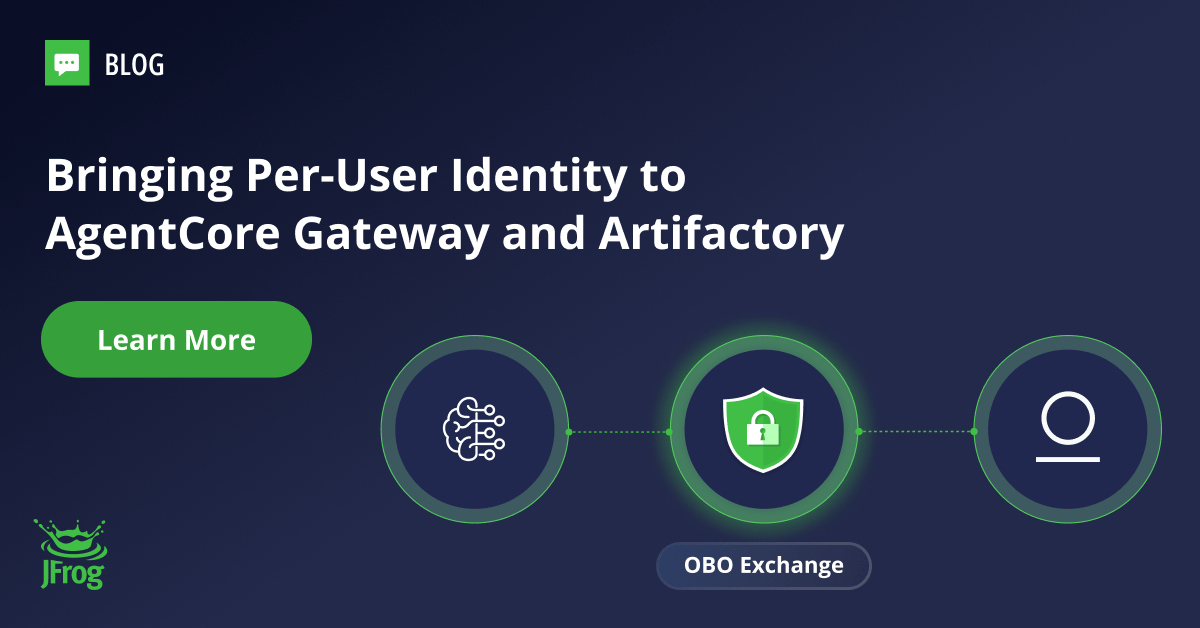 JFrog: Propagating User Identity From AI Agents to Your Tools
JFrog explains how to propagate end-user identity across the 'second hop' when AI agents call tools through Amazon Bedrock AgentCore Gateway, focusing on On-Behalf-Of (OBO) token exchange to authenticate to JFrog Artifactory as the actual user rather than a shared service credential. It compares OBO against header whitelisting and three-legged OAuth, explaining why shared credentials break audit fidelity, least privilege, and containment for agentic systems, and provides a CLI-driven procedure to configure OBO between AgentCore Identity and Artifactory's MCP server.
 jfrog.comarticlePublished and added 21 Aug 2026🛡️ Security
 Going with the Flow(s): Distinct Clusters Target Individuals of Interest to Russia
GTIG report on three suspected Russian espionage clusters (UNC6293, UNC7005, UNC5976) that abuse legitimate authentication flows against academics, diplomats and defense personnel. It covers app password, OAuth and device code phishing, WhatsApp device linking, VIDAR and ATOMIC stealers, ENGINELIGHT, HEADRUSH and the hospitality captive portal campaign. It links UNC6293 and UNC7005 to ICE RELIC (formerly APT29) with moderate confidence and gives hardening advice.
 cloud.google.comarticleAdded 29 Oct 2026, published 20 Aug 2026🛡️ Security
- How the LSHIY Password-Spraying Attack Abuses OAuth’s ROPC Grant
Huntress blog recap of a Tradecraft Tuesday broadcast breaking down the LSHIY password-spraying campaign, which hit Microsoft Azure CLI tenants via IPv6 ranges from BYOIP provider LSHIY LLC, generating over 81 million login attempts and 78 account compromises in a two-week window. The campaign abuses OAuth's deprecated Resource Owner Password Credentials (ROPC) grant at the tenant token endpoint to mint delegated tokens that bypass MFA and Conditional Access Policies when valid credentials are entered. After LSHIY's takedown the actor pivoted to FranTech IPv6 ranges and Tor exit nodes; mitigations include disabling ROPC, restricting Azure CLI for non-admins, and enforcing unscoped Conditional Access covering all users, apps, and client types.
huntress.comarticleAdded 3 Sep 2026, published 22 Jul 2026🛡️ Security 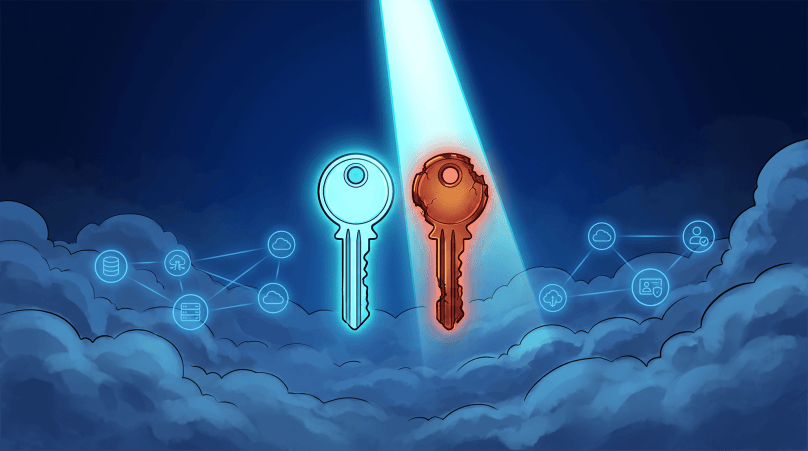 Orca Security: ITDR for the Cloud
Orca Security explainer defining Identity Threat Detection and Response (ITDR) for cloud environments, distinguishing it from IAM, PAM, EDR, and CIEM as a runtime behavioral-detection layer for identity abuse rather than a preventive/posture control. It covers cloud-specific attack patterns like leaked AWS access-key abuse, AssumeRole/PassRole privilege escalation, OAuth consent phishing, and federation/token abuse, and details how ITDR baselines identity behavior (especially machine/non-human identities) using cloud audit logs like CloudTrail to detect impossible travel and anomalous role assumption, ending with Orca's agentless CIEM+ITDR platform pitch.
 orca.securityarticlePublished and added 3 Jul 2026🛡️ Security
 And another one. GitHub ships break-glass credential revocation
Aikido Security breaks down GitHub's newly shipped self-service credential revocation for Enterprise, which lets org owners bulk-revoke PATs, SSH keys, and OAuth tokens for compromised accounts in one action instead of hunting down individual tokens. The piece ties the feature's timing to a string of 2026 incidents caused by incomplete credential rotation: the Trivy GitHub Actions compromise that force-pushed 75 malicious version tags and cascaded into Checkmarx, and Microsoft's durabletask package/repo being repeatedly compromised via the same never-fully-rotated account (Miasma worm). It also explains why atomic rotation is infeasible at scale and recommends pinning GitHub Actions to commit SHAs instead of tags.
 aikido.devarticleAdded 3 Sep 2026, published 1 Jul 2026🛡️ Security
- The Hacker's 2026 Playbook: Dark Web Tactics Targeting You
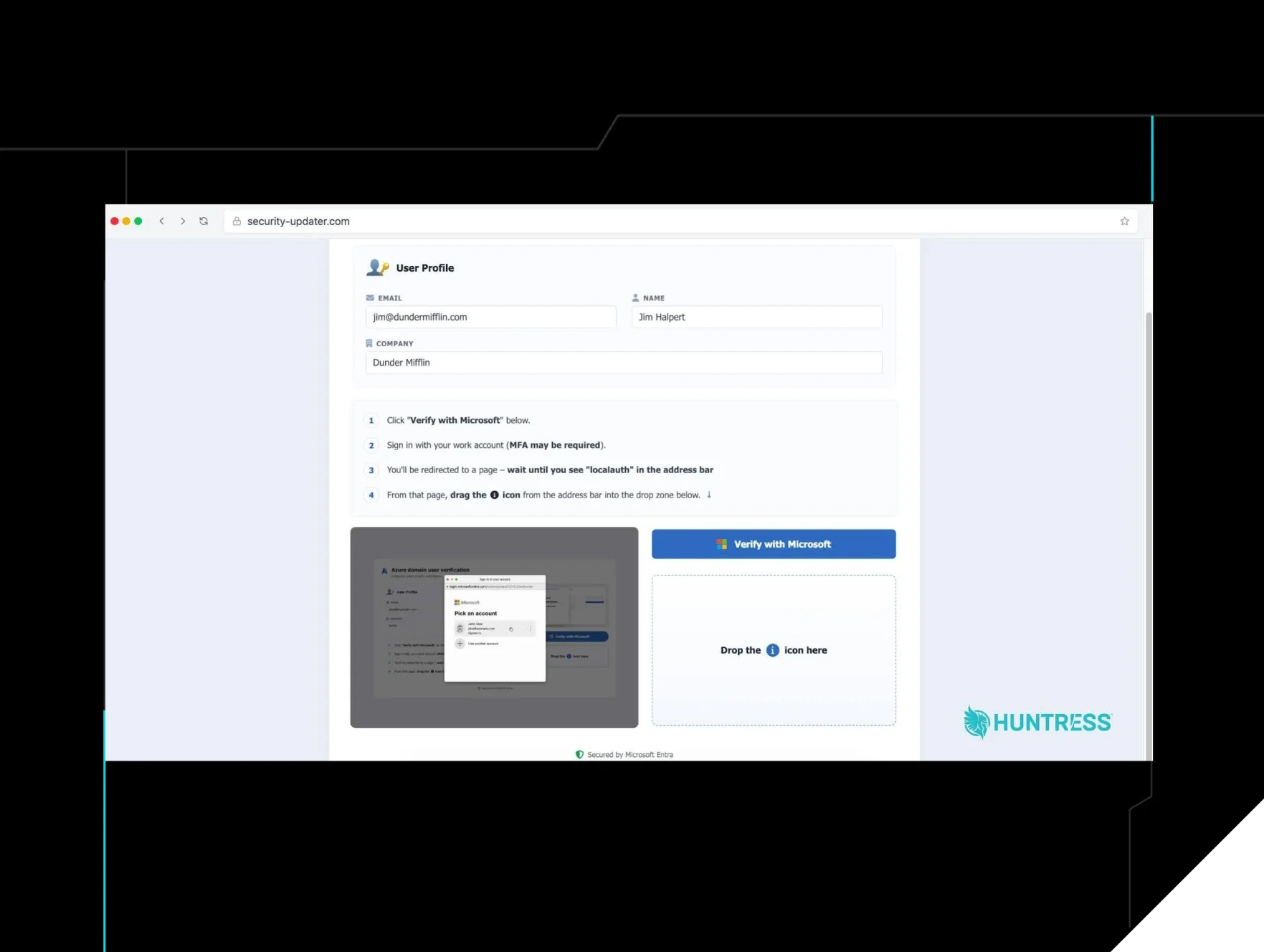
Huntress details ConsentFix, an evolution of ClickFix that abuses Microsoft 365 OAuth sign-in flows: victims are phished via password-protected Dropbox or DocSend lures, shown a fake Microsoft sign-in page, and tricked into dragging a localhost callback link into their browser, which exfiltrates OAuth tokens and hijacks the session without needing a password or triggering MFA. A cybercrime forum post published the full technique with working code and infrastructure such as Cloudflare Pages, workers.dev, and Pipedream webhooks, and showed attackers using LinkedIn, ZoomInfo, and Hunter.io to profile victims before sending lures.
huntress.comarticleAdded 3 Sep 2026, published 29 Jun 2026🛡️ Security  When a vendor's breach becomes yours: lessons from the Klue incident
Snyk discloses and analyzes a supply-chain breach at Klue, a market-intelligence SaaS platform, in which attackers used a long-forgotten integration-prototype credential to gain a foothold, then harvested OAuth tokens used for Klue's Salesforce integrations to directly query and exfiltrate customer CRM data across multiple downstream organizations (also affecting Recorded Future, Tanium, Huntress, and Jamf). Extortion attempts followed the exfiltration, and Snyk confirms it was among the affected customers, with impact limited to business contact fields and support-case titles/descriptions in its Salesforce environment. The piece illustrates how a single stale non-human credential and standing OAuth tokens can turn one vendor compromise into a multi-tenant cascade.
 snyk.ioarticleAdded 3 Sep 2026, published 23 Jun 2026🛡️ Security
- We Need to Talk About Device Code Phishing
Huntress recaps a Tradecraft Tuesday episode explaining device code phishing, where attackers generate legitimate Microsoft OAuth device authorization codes and phish victims into entering them, instantly receiving valid session tokens that bypass MFA. It covers the technique's origin (Dr. Nestori Syynimaa/AADInternals, 2020), Storm-2372's February 2025 Teams-lure campaign, and a March 2026 EvilTokens PhaaS campaign that abused Railway.com as a clean-IP token-harvesting relay against 344 organizations, plus mitigations like Microsoft's Conditional Access block, device registration monitoring, and disabling device code flow.
huntress.comarticleAdded 3 Sep 2026, published 22 Jun 2026🛡️ Security  Orca Security: Securing Shadow AI: How to Detect Unapproved LLMs in Your Cloud
Orca Security outlines a detection framework for "shadow AI" — unsanctioned LLM usage via IDE extensions (Cursor), MCP servers, and embedded SaaS/CI-CD AI features that bypass traditional CASB/DLP tools because they ride on already-trusted OAuth tokens and API calls. The framework has three steps: mapping non-human identities and OAuth scope sprawl, auditing CI/CD pipelines and SaaS platforms for embedded AI (checklist includes scanning .env files, package manifests, GitHub Actions/GitLab CI/Jenkins steps, and outbound traffic to LLM endpoints), and assessing each tool by data exposure vs. write/action authority. It closes by promoting Orca's agentless AI-SPM capability for correlating identity, data, and workload context to surface these risks.
orca.securityarticlePublished and added 1 Jun 2026🛡️ Security What MDM can't protect on developer machines (and what to do about it)
Aikido Security argues that MDM (Jamf, Kandji, Intune) and EDR (CrowdStrike, SentinelOne) operate at the OS/application layer and are blind to the modern developer attack surface: npm/pip package installs with postinstall hooks, VS Code/IDE extensions, browser extensions, and MCP servers used by AI coding tools. It walks through the Nx Console extension compromise that exposed 3,800 GitHub repos, the Cyberhaven and Vercel/Context.ai OAuth-token browser-extension chain, the Mini Shai-Hulud npm worm, and the postmark-mcp malicious MCP server as evidence, then recommends a 48-hour minimum package age, disabling postinstall scripts by default, auditing extensions, and monitoring AI tool installs (pitching Aikido Device Protection/Safe Chain as the fix).
aikido.devarticleAdded 3 Sep 2026, published 28 May 2026🛡️ Security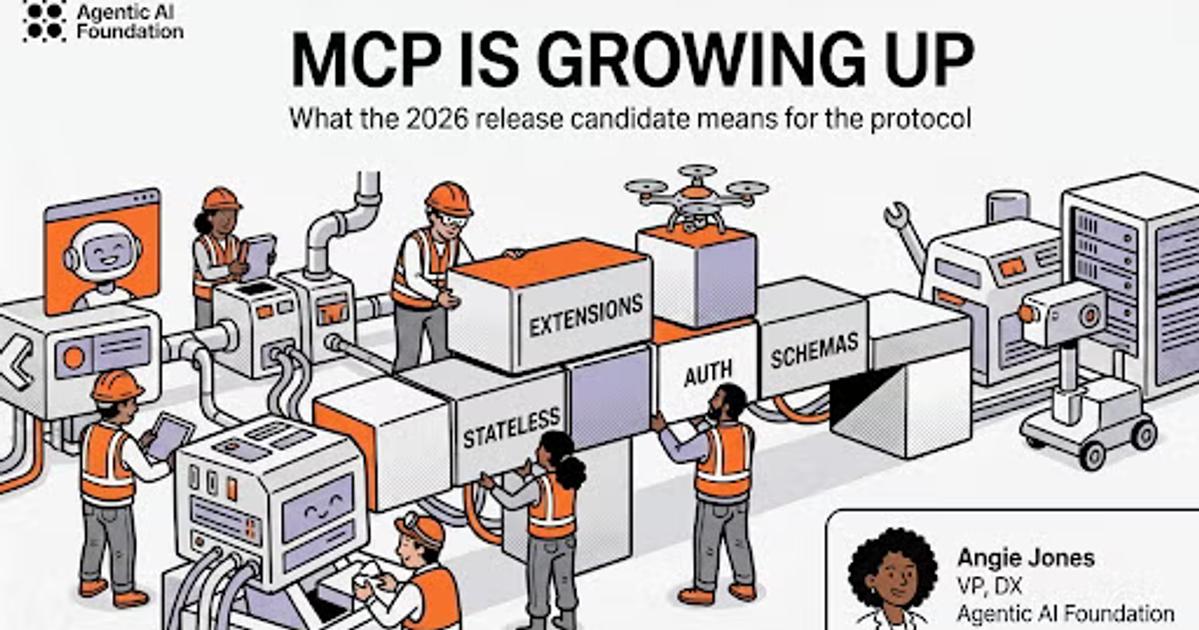 MCP Is Growing Up (Agentic AI Foundation analysis of 2026-07-28 spec)
An in-depth breakdown of the MCP 2026-07-28 specification release candidate: the protocol layer becomes stateless (no more Mcp-Session-Id, with application state moved into explicit handles like basket_id), extensions get formal reverse-DNS identifiers and independent versioning (with MCP Apps and Tasks as the first examples), Roots/Sampling/Logging are deprecated under a new feature lifecycle policy, OAuth/OpenID Connect rules are tightened for one-client-to-many-servers deployments, and tool schemas gain full JSON Schema 2020-12 support. The piece argues these changes reflect MCP deliberately narrowing scope and building governance maturity (conformance-test requirements, 12-month deprecation windows) so the protocol can scale safely in production agentic systems.
 aaif.ioarticleAdded 4 Oct 2026, published 27 May 2026🧠 AI
 AWS MCP Server (GA)
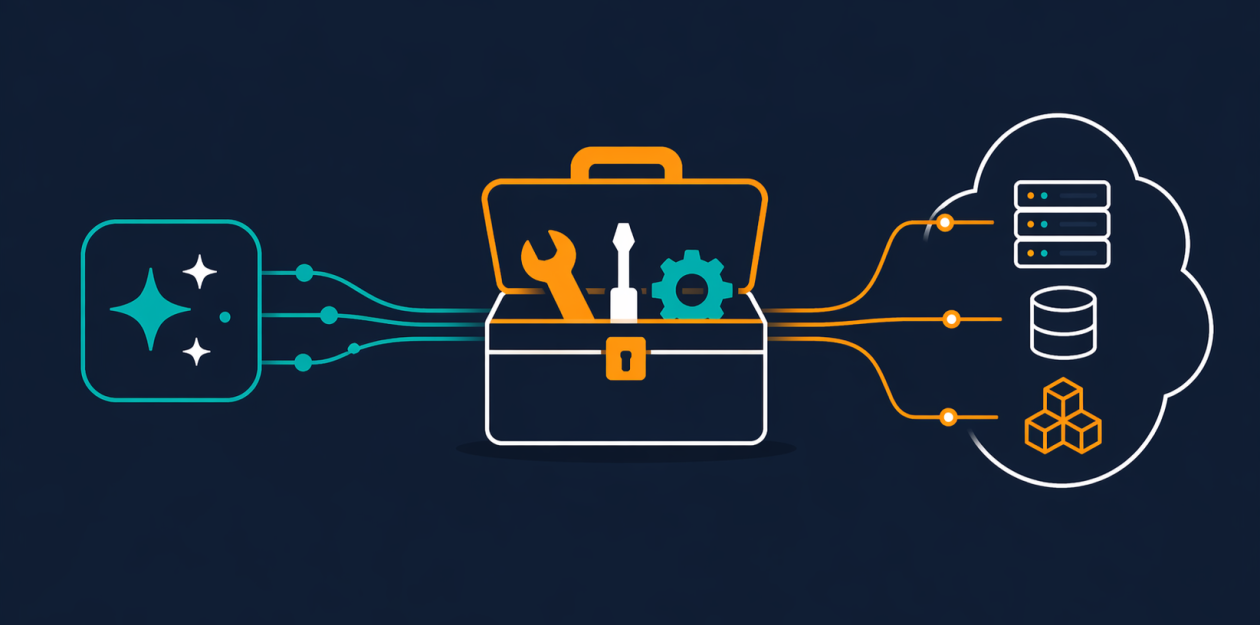
AWS announces general availability of the AWS MCP Server, a managed remote MCP server giving AI coding agents (Claude Code, Cursor, Codex, Kiro) authenticated access to all AWS APIs via IAM SigV4 through a small tool set (call_aws, search_documentation, read_documentation, and the new run_script). Security-relevant design choices include a network-isolated sandbox for server-side script execution that inherits only IAM permissions, new IAM context keys for fine-grained access without a separate MCP permission, and enterprise controls to separate human vs. agent permissions via IAM/SCP with CloudWatch metrics and CloudTrail logging for auditing agent API calls. Since MCP only supports OAuth 2.1, an open-source MCP Proxy for AWS bridges local IAM credentials to the server.
 aws.amazon.comarticlePublished and added 24 May 2026🛡️ Security
- The 2026-07-28 MCP Specification Release Candidate
The MCP (Model Context Protocol) team announces the 2026-07-28 spec release candidate, the largest revision since launch, which removes the protocol-level session/handshake in favor of a stateless request model and restructures server-to-client interactions. The security-relevant core is a set of authorization SEPs that harden OAuth 2.0/OIDC usage: clients must validate the `iss` parameter per RFC 9207 to mitigate authorization-response mix-up attacks, declare `application_type` during Dynamic Client Registration to avoid redirect-URI misclassification, bind credentials to the issuing authorization server, and clarify scope accumulation during step-up auth. A related change requires that server-initiated requests (e.g. elicitation prompts) only be issued while actively processing a client-originated call, closing a class of out-of-nowhere prompt/consent issue for agentic clients.
blog.modelcontextprotocol.ioarticleAdded 28 Jul 2026, published 21 May 2026🛡️ Security - How EvilTokens Turbocharges Old School Phishing with AI
Huntress and Microsoft detail EvilTokens, a phishing-as-a-service (PhaaS) platform sold on Telegram for ~$1,500 that automates OAuth device code phishing to steal valid session tokens and bypass MFA entirely, relaying attacks through the Railway PaaS. The kit integrates AI to generate role-specific, contextually accurate lures, dynamically generate device codes to remove timing constraints, and automatically draft follow-on wire-fraud emails in the victim's own voice after mailbox compromise — a campaign that hit 344 organizations across five countries in 16 days and evaded Cisco Secure Email, Trend Micro, and Mimecast. The piece also covers sibling PhaaS kits (Tycoon2FA, BlueKit, Kali365) and recommends conditional access restrictions, phishing-resistant FIDO2/passkey MFA, and refresh-token revocation as mitigations.
huntress.comarticleAdded 3 Sep 2026, published 11 May 2026🛡️ Security  Salesforce Connected Apps Audit Guide
A step-by-step guide for Salesforce admins to audit Connected Apps (OAuth-based integrations) following attacks where users were tricked into authorizing a fake Data Loader app that exfiltrated data instead of the genuine tool. It covers reviewing installed vs. user-authorized apps, blocking unrecognized or unused apps, enforcing 'Admin Approved Users' with Permission Sets, requiring high-assurance (MFA) sessions, and enabling API Access Control to allowlist which Connected Apps can use Salesforce APIs.
 salesforceben.comarticlePublished and added 5 May 2026🛡️ Security

Showing 30 of 32
Show more