 NIK C2: The new AI-enabled command-and-control framework
NIK C2 is a newly observed C2 framework with a Go-based 64-bit Windows implant that embeds an OpenAI Chat Completions client (ai_generate command), falling back to the victim's OPENAI_API_KEY. Talos details its 52+ commands, AES-256-GCM over WebSocket with HTTP fallback, credential, wallet and keystroke theft, screen-lock ransomware, AMSI bypass and anti-debug. It also lists a live C2 at 87.120.196[.]120 and total-sitevv[.]lol.
 blog.talosintelligence.comwriteupPublished and added 29 Oct 2026🛡️ Security
- Up a Creek Without a Command Line: Mapping an Akira Ransomware Attack | Huntress
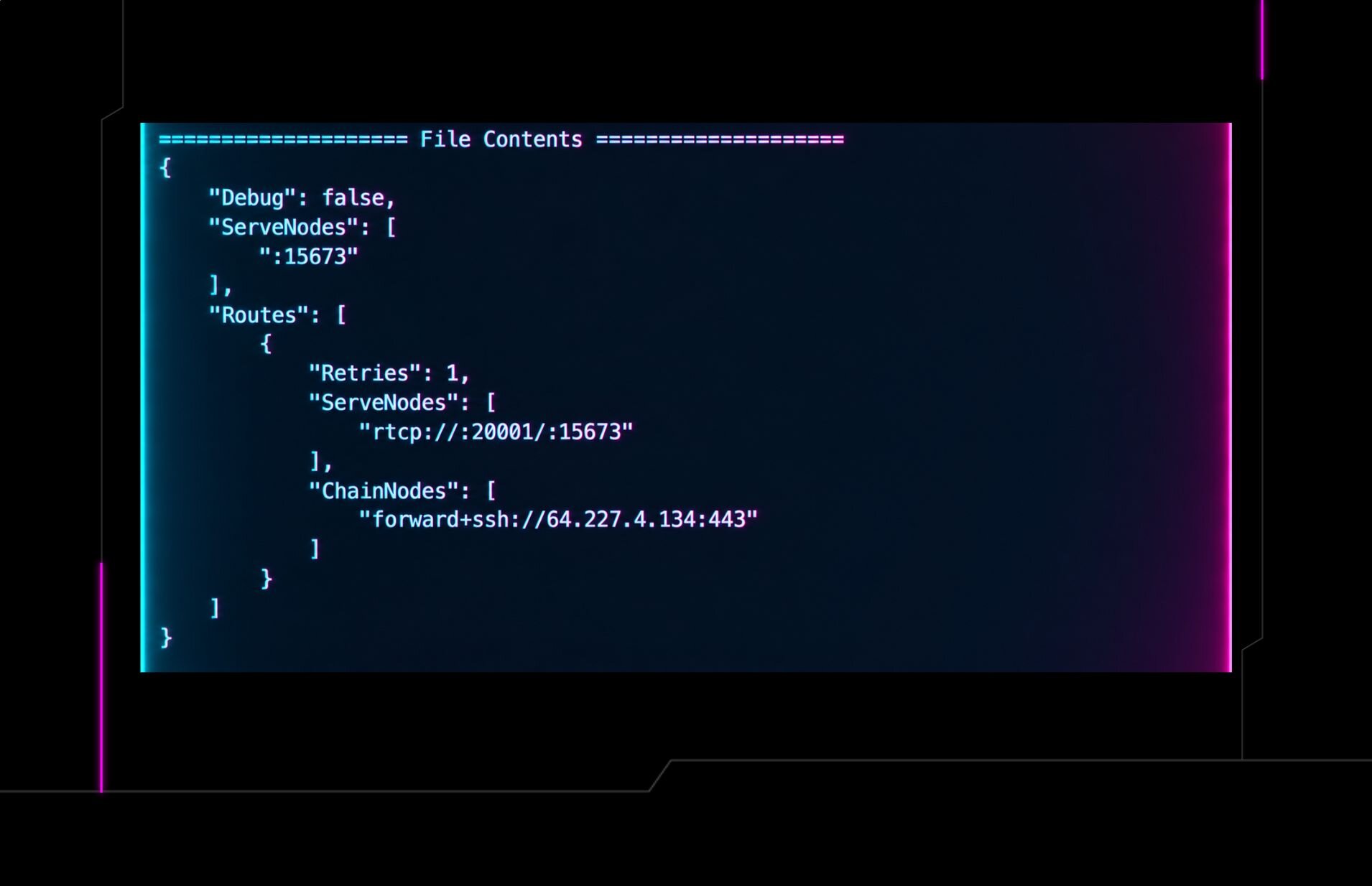
Huntress researchers reconstruct an Akira ransomware attack timeline using forensic artifacts collected after the Huntress agent was installed post-compromise, including Windows Registry Shellbags, Event Logs, and Akira ransomware log files. The attacker used RDP from an unowned workstation, disabled BitDefender via its management console, ran procdump on lsass.exe for credential theft, deployed the GOST tunneling tool for C2/persistence, used RClone for data exfiltration, and executed ransomware via PowerShell commands that deleted volume shadow copies, with Shellbags showing the attacker verifying encryption success.
 huntress.comwriteupPublished and added 6 Oct 2026🛡️ Security
- The First 24 Hours: What Happens When Ransomware Lands
An hour-by-hour ransomware incident response playbook written by UnderDefense CEO Nazar Tymoshyk and published on Huntress's blog, covering confirmation, containment, exfiltration detection, backup/recovery pitfalls, and root-cause investigation in the first 24 hours of an attack. It draws on Mandiant's M-Trends 2026 report (14-day median dwell time, 22-second access-broker-to-ransomware handoff) and CISA's November 2025 Akira advisory (VPN without MFA as primary access vector, exfiltration via FileZilla, WinRAR, WinSCP, RClone, Mega and Ngrok, credential dumping with Mimikatz and LaZagne, PowerShell-based shadow copy deletion) alongside real UnderDefense engagement anecdotes.
huntress.comwriteupAdded 3 Oct 2026, published 2 Oct 2026🛡️ Security  Storm-3168: Agentic-driven cloud attacks using compromised service principals
Microsoft Security Research documents an Azure-focused campaign by Storm-3168 (aka JADEPUFFER, discovered by Sysdig as the first documented agentic ransomware operation), using two compromised service principals to enumerate an Azure tenant and then execute a seven-minute destructive sequence deleting 100+ Storage Accounts, a Key Vault, a Function App, and attempting (unsuccessfully, due to API version mismatch) to delete Azure SQL databases. Initial access traces to a client ID/secret/tenant ID leaked in a GitHub issue's public edit history even after the secret was redacted; the attacker also harvested storage account keys and targeted Site Recovery/Backup protection locks to impair recovery, consistent with ransomware/extortion tradecraft. The post includes a MITRE ATT&CK mapping (T1190, T1078.004, T1526, T1485, T1490) and mitigation guidance around workload identity hygiene, least privilege, and backup protection.
 microsoft.comwriteupAdded 7 Oct 2026, published 25 Sep 2026🛡️ Security
- The Tale of Two INC Ransom Notes: A Ransomware Timeline | Huntress
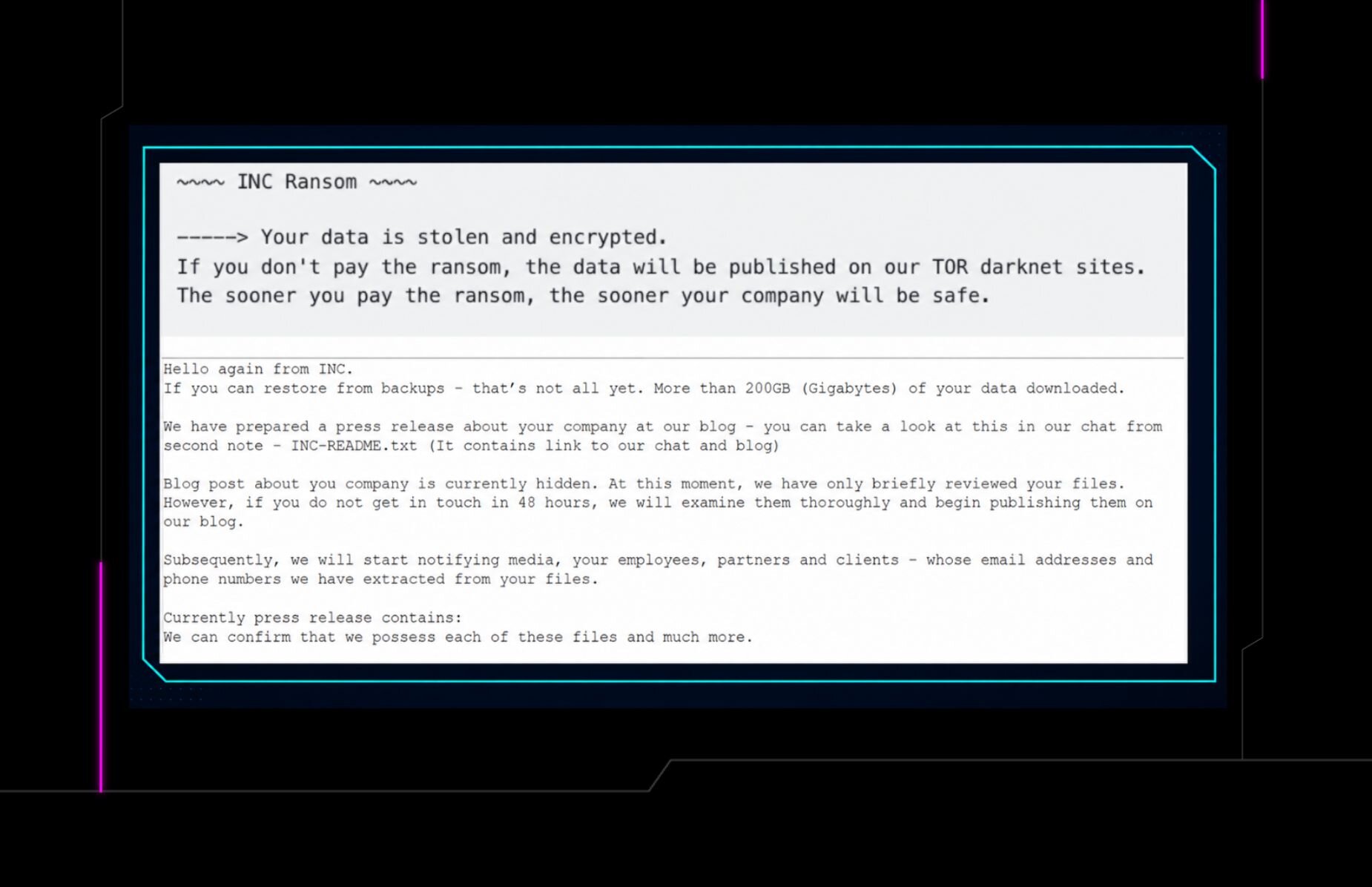
Huntress details a post-incident investigation into an INC ransomware attack that hit 175+ endpoints, reconstructed from surviving EDR telemetry and Windows event logs rather than live detection. The intrusion shows a 17-day gap between initial scheduled-task persistence and RDP lateral movement (possibly an initial access broker), and a second wave using AnyDesk, a BYOVD tool (hwau.exe loading the HwAudio kernel driver) to disable security controls, and Impacket's atexec.py to deploy INC ransomware. Attackers dropped two distinct ransom notes 53 minutes apart: a standard INC-README.txt and a detailed DATALEAK_PRESS_RELEASE.txt threatening to notify media, employees and partners with a full inventory of stolen files.
huntress.comwriteupAdded 22 Sep 2026, published 21 Sep 2026🛡️ Security - Ready, Settra, Go: New Settra Ransomware Variant Deploys MeshAgent RMM
Huntress analysts detail two Settra ransomware incidents (July and September) observed in customer environments, documenting the threat actor's use of the MeshAgent RMM for persistence, BYOVD via the gdrv.sys driver, and anti-forensic techniques including Windows Event Log clearing, reagentc /disable, diskpart-based recovery partition removal, and cipher.exe free-space wiping. The post includes specific IOCs — C2 IPs 45.13.122[.]7 and 193.5.65[.]114, the recurring workstation name WIN-LIVFRVQFMKO, and the RESTORE_FILES.txt ransom note — supplementing prior public reporting from MoxFive and SOCRadar on this newer ransomware variant first seen in June.
huntress.comwriteupAdded 22 Sep 2026, published 17 Sep 2026🛡️ Security  SETTRA RANSOMWARE
A continuously-updated threat-intel profile of the Settra ransomware group, which emerged June 2026 and has listed 64+ victims across the US, Germany, UK and Canada while avoiding healthcare targets. The analysis covers Settra's Tor-hosted data leak site (protected by Techaro's Anubis anti-bot proof-of-work with EdDSA-signed JWT challenge cookies), its use of multiple rotating onion file servers for leak distribution, extensive AI-assisted victim profiling (bank details, termination letters, financials), likely use of RClone for TB-scale exfiltration, and a walkthrough of its TOX-based and web-based negotiation panel including observed ransom demand negotiation from $900k down to $500k.
 theravenfile.comwriteupPublished and added 14 Sep 2026🛡️ Security
 Active exploitation of Cisco Secure Firewall Management Center vulnerabilities
Cisco Talos details active exploitation of CVE-2026-20079 (CVSS 10.0 unauthenticated auth bypass leading to root) and CVE-2026-20316 (low-privilege login via static credentials) in Cisco Secure Firewall Management Center. Three post-compromise clusters are tracked: UAT-12197 deploying a JSP web shell and JAR command executor to exfiltrate credentials; UAT-11823, overlapping with Sandworm, using a malicious Makeself license.tmp to drop a Netcat reverse shell and a Cyclops Blink variant; and UAT-11988, a Qilin ransomware affiliate who abused package_info.pl for LOTL recon, SOCKS5/reverse-SSH tunneling, and ultimately deployed Qilin ransomware. Talos provides Snort SIDs, hotfix guidance ahead of a comprehensive hardening release, and a GitHub IOC repository.
blog.talosintelligence.comwriteupAdded 7 Oct 2026, published 9 Sep 2026🛡️ Security- Grand Theft Auto VI hype leads to malware
Huntress analyzed a fake GTA6 game ISO (some padded to 100GB+ with junk data) distributed via SEO poisoning, gaming forums, and torrents ahead of the game's real release. The ISO's "installer" drops a Russian-language crack-themed installer that stages multiple NJRAT copies, a DCRAT implant, the Mercurial Grabber infostealer (exfiltrating browser/Discord/Roblox/Minecraft data via Discord webhooks), Chaos ransomware repurposed as a destructive wiper (with a fake "license not found" error to mask the compromise), and an unexplained Yandex Browser install. The writeup includes IOCs (C2 IPs, ngrok tunnel, hosts-file modifications, malicious Discord webhook URL) and notes current Windows Defender detects the components.
huntress.comwriteupAdded 11 Sep 2026, published 9 Sep 2026🛡️ Security  Incident response guide for AWS CloudTrail investigations – Part 1 | Amazon Web Services
AWS Security Blog's SIRT team walks through two real-world CloudTrail investigation scenarios: a cross-account S3 role abuse leading to targeted deletion of financial/PII/backup data with ransomware implications, and an unauthenticated console session that pivoted through AWS CloudShell to deploy a CloudFormation stack named "CRYPTO" for cryptocurrency mining. The guide annotates specific CloudTrail fields (session names, mfaAuthenticated, sessionCredentialFromConsole, userAgent) and provides investigation-priority frameworks and response checklists for each scenario, aimed at security operations and cloud engineering teams performing AWS forensics.
 aws.amazon.comwriteupAdded 21 Sep 2026, published 3 Sep 2026🛡️ Security
 Inside 90 days of attacks on AI infrastructure
Wiz Threat Research ran honeypots across LiteLLM, Flowise, LangChain, Langflow, ChromaDB, Ollama and other AI/ML services for 90 days, capturing active exploitation of an MCP Gateway auth bypass (CVE-2026-59822) and an MCP server test-endpoint command injection (CVE-2026-42271, in CISA KEV, chainable with Starlette CVE-2026-48710 for unauthenticated RCE and linked to Qilin ransomware exploitation) used to deploy fileless cryptominers. It also documents blind prompt injection campaigns against LangChain, Flowise, OpenWebUI, and Node-RED agents that trigger OS command execution confirmed via out-of-band DNS callbacks to OAST domains.
 wiz.iowriteupAdded 3 Sep 2026, published 27 Aug 2026🛡️ Security
 VEEAM UNDER FIRE: Understanding CVE-2026–44963 & Ransomware Group Exploit Claims
Analysis of CVE-2026-44963, a critical (CVSS 9.4) unsafe-deserialization RCE in Veeam Backup & Replication 12.x rooted in BinaryFormatter/.NET Remoting that lets any low-privilege domain user gain SYSTEM-level control of domain-joined backup servers; fixed in 12.3.2.4854. The author correlates it with a 2025 "Bug of June 2025" exploit sale, documents a Lynx Ransomware Group negotiation describing exploitation to create local admin accounts and dump domain credentials, covers an underground forum ad claiming an unauthenticated patch-bypass 0-day, and includes a Veeam-specific attacker TTP matrix (e.g. CVE-2023-27532 credential harvesting) plus defense recommendations.
theravenfile.comwriteupAdded 3 Sep 2026, published 20 Aug 2026🛡️ Security MAJINAHANASHI RANSOMWARE: Yet Another Japanese Locker
Deep-dive intelligence report on Majinahanashi, a Japanese-themed ransomware group that emerged in August 2026, covering its Tor data-leak site (math-captcha gated, non-vanity domain), victimology (15 victims across Europe/Asia/Latin America, avoiding US/English-speaking countries), and technical analysis of its C/C++ locker sample. The malware uses AES-256 with RSA-wrapped per-file keys, appends the .MAJIN extension, deletes shadow copies/USN journals/event logs via vssadmin/bcdedit/fsutil, hijacks the desktop wallpaper, and uses WFP-based network filtering plus I/O priority manipulation to suppress EDR/backup traffic (targeting CrowdStrike, SentinelOne, Defender, Veeam, etc.). The article includes a full YARA detection rule, the ransom note text, BTC/qTOX/email contact IOCs, and threat-actor profiling ("THE DOCTOR CAME" persona) plus links to Mimikatz and Advanced IP Scanner usage.
theravenfile.comwriteupAdded 3 Sep 2026, published 14 Aug 2026🛡️ Security- Akira Hits Safe Mode: Ransomware Rebooting Around EDR
Huntress details an Akira ransomware intrusion from August 2026 that followed the group's usual SonicWall SSL VPN → domain controller → AD enumeration → WinRAR/s5cmd exfiltration → detonation playbook, but with a new twist: the affiliate ran msconfig.exe to force a reboot into Safe Mode with Networking (MITRE T1688), which killed the Huntress agent and Windows Defender real-time protection while preserving network access, after pre-registering an AnyDesk service to survive the minimal Safe Mode driver set. The blog notes Safe Mode's constrained virtual memory appears to have caused akira.exe to crash with out-of-memory errors, accidentally sabotaging the attacker's own encryption run, and closes with detection guidance for boot-configuration changes, Safe Mode Kernel-Boot/Kernel-General event IDs, and Safe Boot registry tampering.
huntress.comwriteupAdded 3 Sep 2026, published 12 Aug 2026🛡️ Security  CRPX0 — SCAMMER TURNED RANSOMWARE OPERATOR
In-depth OSINT/threat-intel investigation into CRPX0, a ransomware group that emerged in July 2026 with 47 listed victims (mostly healthcare, mainly US/Turkey targets), tracing its origins to a prior "Flash Token" crypto/USDT money-laundering scam service run by the same operators. The piece covers domain registration analysis (REGRU-SU abuse, reused 2021 domain), dark web/clear web leak sites, RaaS/HaaS/affiliate program offerings, ClickFix-based payload delivery targeting Windows via EXE/DLL, YouTube affiliate-panel promotion analysis (voice/locale clues suggesting China), TOX/Session ID and Bitcoin address correlation, and real IP address deanonymization, concluding with IOCs and MITRE ATT&CK mapping.
theravenfile.comwriteupAdded 3 Sep 2026, published 3 Aug 2026🛡️ Security INC RANSOMWARE: THREAT INTELLIGENCE
A researcher deanonymizes INC ransomware's Tor negotiation panel (incpaykabjqc2mtdxq6c23nqh4x6m5dkps5fr6vgdkgzp5njssx6qkid.onion) to a real IP (178.20.41.208, Russia, nginx/Yii PHP backend) running on unusual port 1002, then reverse-engineers the panel's bundled React/Redux/Socket.io JavaScript to map its API endpoints, socket events, JWT-based auth, and leak/ransom-tracking features. The piece also correlates nine clearweb domains and ~170 IPs used by the group over 2023–2025 (65% Russia-hosted, CDN rotation patterns, Cloudflare fronting on one domain) and analyzes 108 ransomware builder samples to infer RaaS versioning, a 2024 forum sale, and links to spin-off groups Lynx and Sinobi.
theravenfile.comwriteupAdded 3 Sep 2026, published 24 Jul 2026🛡️ Security AI Security Briefing
Sysdig's Threat Research Team documented JADEPUFFER, an attack it says was run end-to-end by an AI agent without human operators. The agent exploited CVE-2025-3248 (an unauthenticated RCE in Langflow) for initial access, harvested API keys and cloud credentials, raided a MinIO server via default minioadmin:minioadmin credentials, then pivoted to a MySQL/Nacos server and used CVE-2021-29441 plus Nacos's unchanged default signing key to gain admin access, encrypt 1,342 Nacos settings, and drop a ransom note with no recoverable key. Evidence for AI authorship included verbose in-code commentary explaining each step and a 31-second autonomous diagnose-and-fix cycle across 600+ payloads; the piece situates JADEPUFFER alongside PromptLock/Ransomware 3.0 and Anthropic's Claude-Code extortion and China-linked autonomous-cyberattack disclosures.
 thehackernews.comwriteupPublished and added 18 Jul 2026🛡️ Security
- It’s Not Safe To Pay SafePa
Huntress details two firsthand incident-response engagements against SafePay, a closed (non-RaaS) double-extortion ransomware group active since late 2024 that has claimed 270+ victims in 2025. The writeup covers the intrusion chains (RDP access, Defender disabling via LOLBins, ShareFinder.ps1 share discovery, WinRAR/FileZilla staging and exfiltration, regsvr32-loaded locker.dll encryption), reverse-engineers the ransomware binary showing heavy code overlap with leaked LockBit Black source (including a Cyrillic-language kill switch, XOR string obfuscation, token impersonation via DuplicateToken/ZwSetThreadInformation, and custom anti-analysis thread creation), and provides Sigma detection rules for Defender-tampering-via-GUI and the CMSTPLUA/ICMLuaUtil COM UAC bypass technique.
huntress.comwriteupAdded 3 Sep 2026, published 17 Jul 2026🛡️ Security  KUDANKULAM NUCLEAR POWER PLANT LEAK: AN ACCIDENTAL DISCLOSURE
An OSINT investigator analyzes a WorldLeaks ransomware group data leak of Reliance Infrastructure (hosted by third-party vendor Yotta), which exposed 14.3GB / ~19,000 files related to India's Kudankulam Nuclear Power Plant (KNPP) — including RFC drawings, PPS fencing designs, HVAC/fire specs, and vendor/employee records. The piece profiles WorldLeaks (a Hive/Hunters International spin-off), lists MD5/SHA-256 hashes for its RustyRocket exfiltration tool, and discusses supply-chain vendor risk, industrial espionage by nation-state actors (Lazarus/DPRK, China), and insider credential trading as threats to critical nuclear infrastructure.
theravenfile.comwriteupAdded 3 Sep 2026, published 17 Jul 2026🛡️ Security- CitrixBleed 2 (CVE-2025-5777) 7Steps to Dragonforce Ransomware | Huntress
Huntress's Tactical Response team documents a repeatable intrusion cluster (tracked by Sophos as STAC3725) where an initial access broker exploits CVE-2025-5777 "CitrixBleed 2," a pre-auth memory overread in NetScaler ADC/Gateway login endpoints, to leak process heap and hijack valid Citrix session tokens even past MFA. The writeup walks through forensic proof of the session hijack, a portable local privilege escalation tool that plants a REG_LINK SymbolicLinkValue under the RdpBus device class to hijack the Group Policy state hierarchy and relaunch as SYSTEM via the AppMgmt service, followed by backdoor admin creation, ScreenConnect/Zoho Assist/Atera persistence, Impacket and Mimikatz for lateral movement/credential theft, and eventual DragonForce ransomware deployment. Includes concrete IOCs, log-based detection guidance, and hardening recommendations for NetScaler operators.
huntress.comwriteupAdded 3 Sep 2026, published 9 Jul 2026🛡️ Security - Plain Text Passwords: The Risks of Storing Them
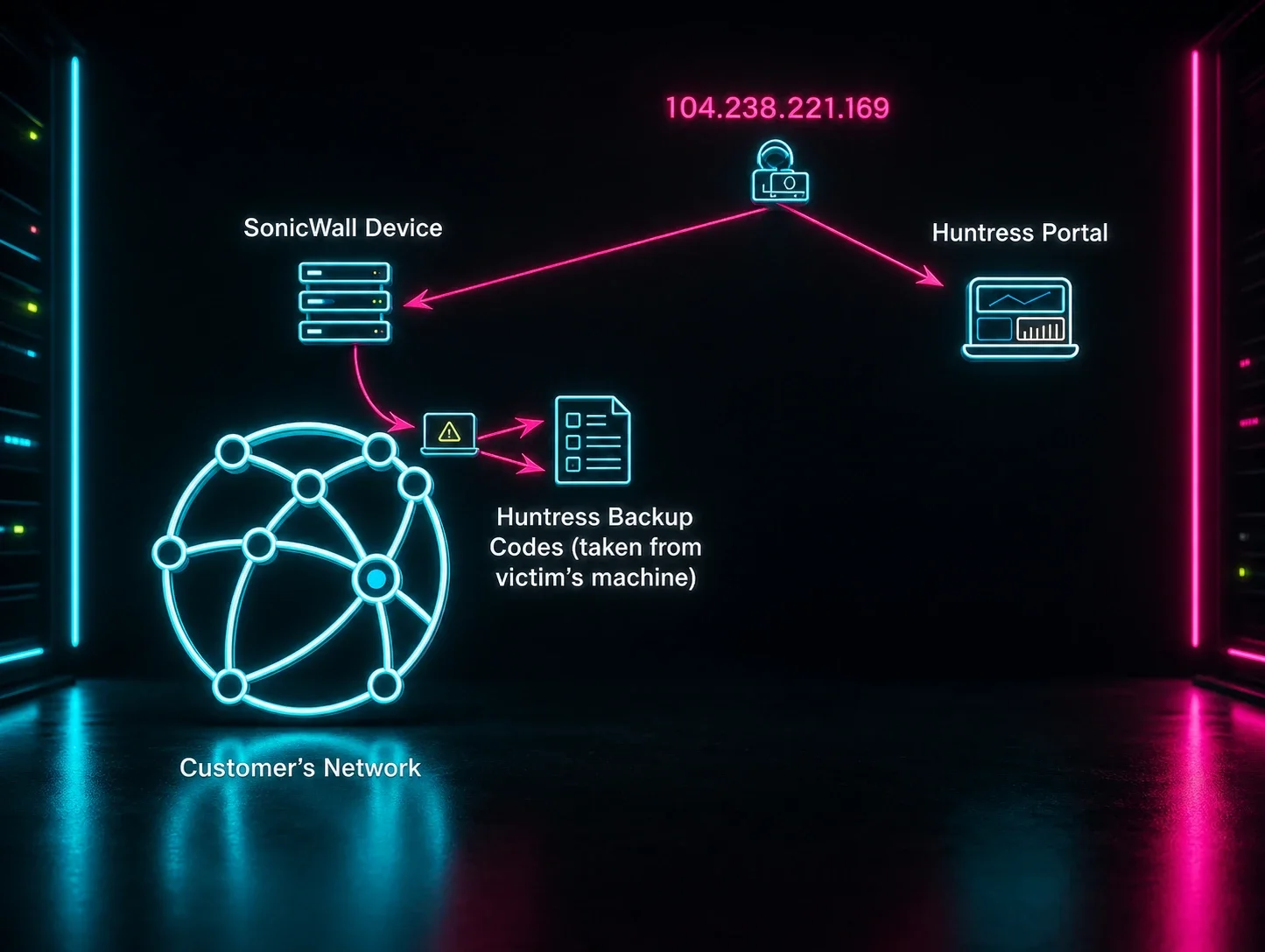
Huntress incident writeup detailing how a threat actor exploited a SonicWall VPN vulnerability to gain initial access, deployed Akira ransomware, and found a plaintext file of Huntress MFA recovery codes on a security engineer's desktop. The attacker used those codes to bypass MFA, log into the victim's Huntress portal from IP 104.238.221.69, close active incident reports, and uninstall EDR agents to blind defenses — while also exporting a certificate via certutil for potential persistence. The piece frames this as a case study for why plaintext password/recovery-code storage is dangerous and recommends hashing (Argon2/bcrypt), salting, and password managers instead.
huntress.comwriteupAdded 3 Sep 2026, published 6 Jul 2026🛡️ Security - Lateral Movement Attack: Techniques, Detection & Prevention
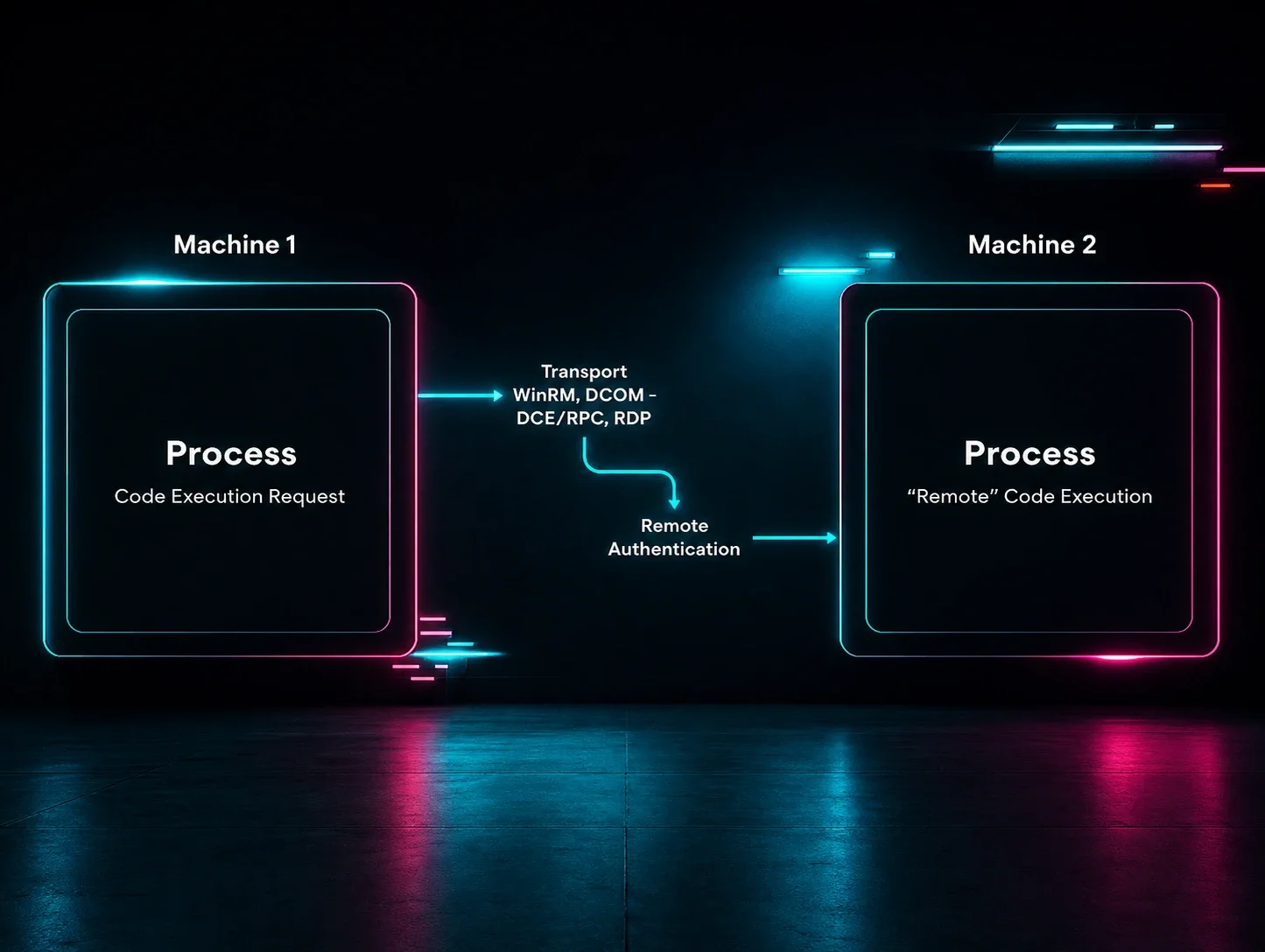
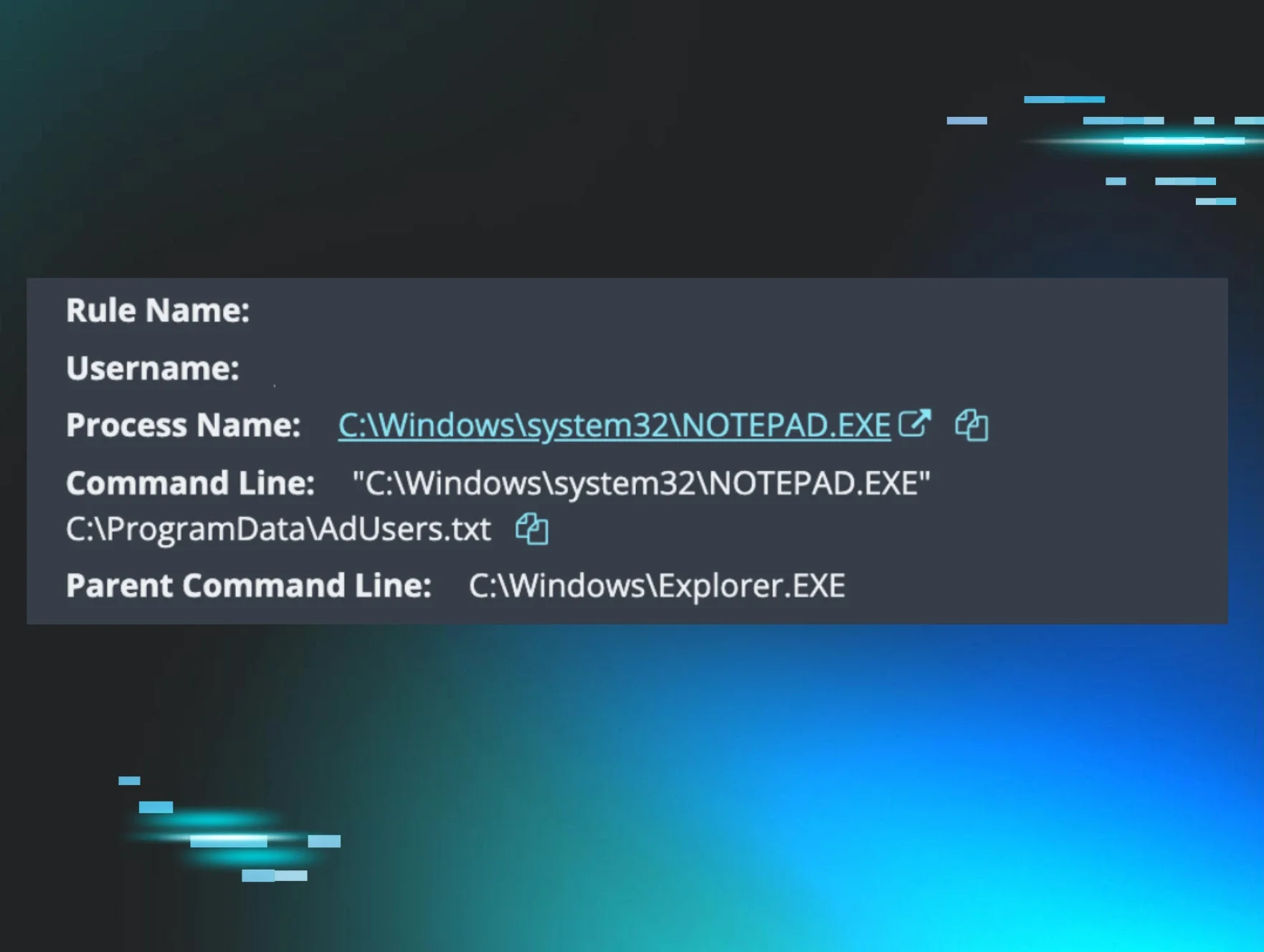
Huntress details how its Managed EDR and ITDR products detect lateral movement by correlating remote authentication events with subsequent process execution (action pillars: initial code execution, transport, remote authentication, remote code execution) rather than tracking source-side network connections. The piece walks through real-world scenarios including MMC20.Application DCOM abuse, LSASS credential dumping via rundll32/comsvcs.dll (as used by Impacket dcomexec.py and NetExec mmcexec.py), SQL Admin account abuse to enable RDP, and ransomware-precursor activity (shadow copy deletion, ntds.dit exfiltration) caught before payload deployment.
huntress.comwriteupAdded 3 Sep 2026, published 1 Jul 2026🛡️ Security - Akira, LimeWire, and the Sour Taste of Data Exfiltration
Huntress SOC details an Akira ransomware incident where a threat actor accessed a hypervisor, spun up a new VM (bypassing EDR since it lacked the Huntress agent), disabled Microsoft Defender, and deployed a renamed akira.exe encryptor. Notably, the actor exfiltrated staged WinRAR archives via Easyupload.io, a file-upload service run by the rebranded former peer-to-peer client LimeWire, alongside earlier use of WinSCP for exfiltration.
huntress.comwriteupAdded 3 Sep 2026, published 12 Jun 2026🛡️ Security  DECODING GRIXBA — A PLAY RANSOMWARE SCANNER
A side-by-side reverse-engineering analysis of four Grixba samples (v1 through v3, Sept 2022 to Nov 2024), the custom .NET infostealer/network scanner built by the Play ransomware group to map security tools, credentials, and remote-management software before encryption. The piece traces the binary growth from 164KB to 727KB (adding XOR-encrypted inf_g.dll, SQLite-based ExportData.db output, forged SentinelOne PE metadata, and PIA VPN C2) then its deliberate regression to 118KB to shed public IOCs, backed by MITRE ATT&CK sandbox findings, a shared mutex fingerprint, a weakness scorecard per version, and a full SHA-256/IP/onion IOC table.
theravenfile.comwriteupAdded 3 Sep 2026, published 8 Jun 2026🛡️ Security- The Gentleman Ransomware | Defense Evasion TTPs Uncovered | Huntress
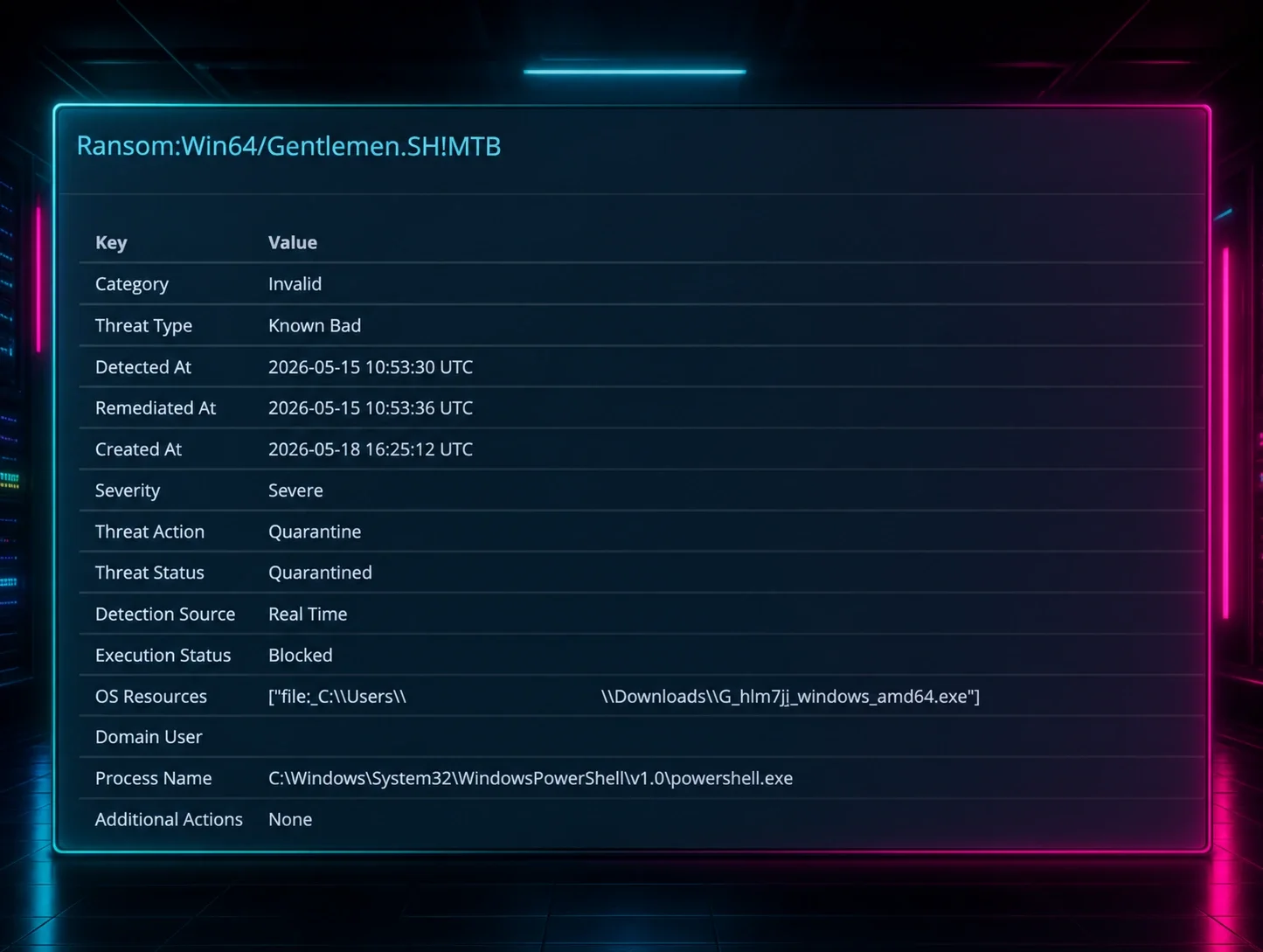
Huntress SOC details two Gentlemen ransomware incidents showing Windows Event Log clearing, PowerShell-based Defender tampering, and Scheduled Task persistence via a fake svchost32.exe creating a SOCKS proxy C2 connection. Ties findings to a leaked internal RaaS database revealing CVE-2024-55591 exploitation and infrastructure links to Qilin and Lazarus Group.
huntress.comwriteupAdded 3 Sep 2026, published 21 May 2026🛡️ Security - Inside the RaaS Ecosystem: Operators, Affiliates & Attack Tradecraft | Huntress
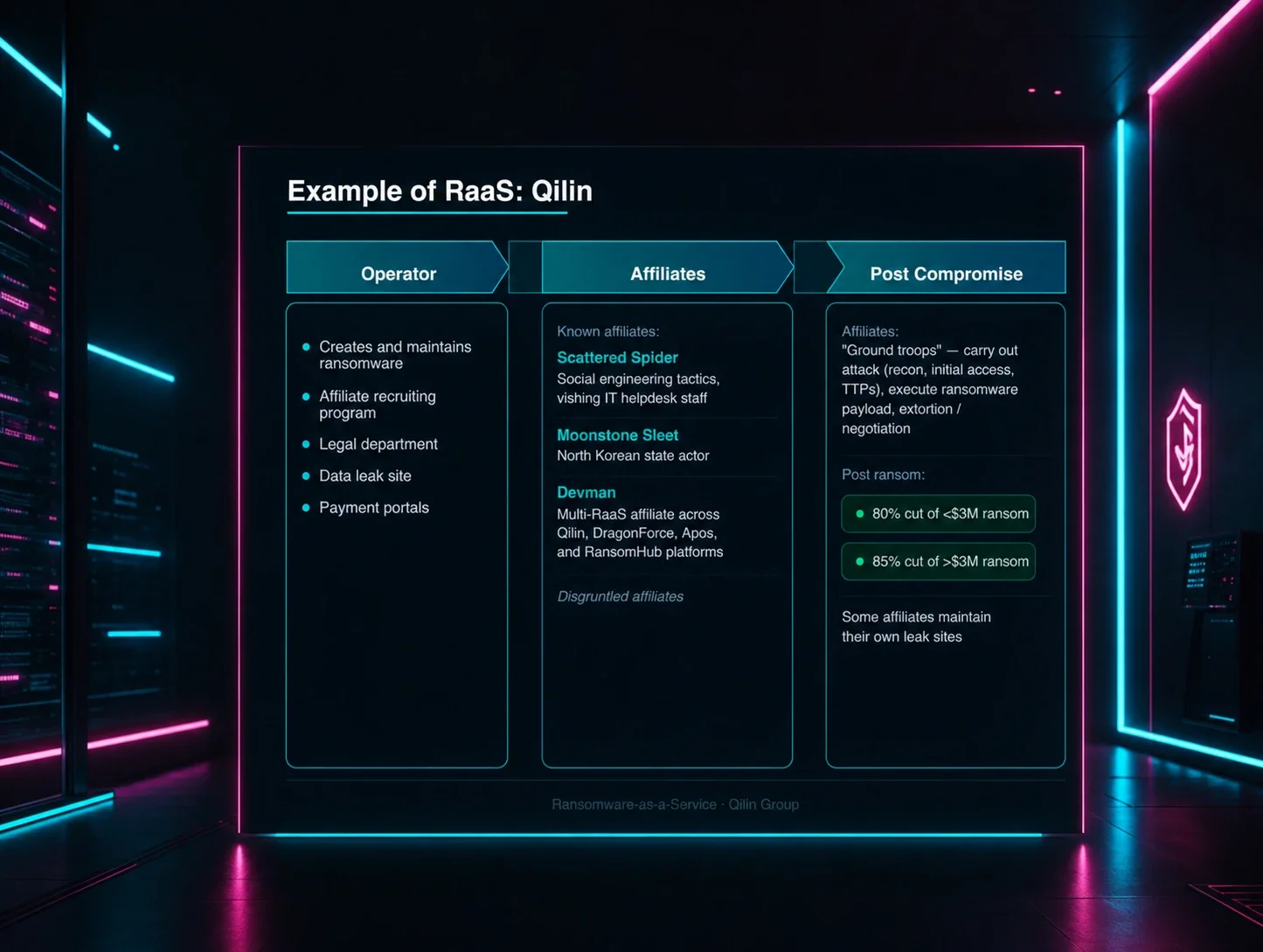
Huntress breaks down the ransomware-as-a-service (RaaS) ecosystem, explaining how operators (e.g., Qilin) provide the malware and infrastructure while diverse affiliates (Scattered Spider, Moonstone Sleet, Devman) handle intrusion, meaning the same ransomware brand can involve very different attack chains. It details real-world tradecraft: initial access via RDP abuse, vulnerable edge appliances like SonicWall VPNs (preceding Akira deployment), and rogue RMM tools (ScreenConnect, TeamViewer, Bomgar), plus persistence via hidden user accounts and RMMs like AnyDesk/Chrome Remote Desktop, defense evasion via EDR/AV killers and BYOVD, and exfiltration using 7-Zip, MegaSync, RClone, S5cmd, and finger.exe.
huntress.comwriteupAdded 3 Sep 2026, published 20 May 2026🛡️ Security  GITHUB LEAK: YOUR CODE @ RISK! – THE RAVEN FILE
Analysis of a claimed BreachForums leak by threat actor TeamPCP of ~4K GitHub private repositories, including two leaked Rails controller files (OrganizationsController, PullRequestsController) that the author dissects for internal architecture details — OFAC/trade-compliance gating, CAPTCHA logic, org deletion "danger zone" tokens, database cluster topology, Voltron graceful-timeout feature flags, PR stacking, and JA3-TLS-fingerprint-based anonymous rate limiting. The piece also links TeamPCP to a lookalike domain (git-service.com, registered May 16 2026) used to compromise Microsoft's durabletask Python package, and notes TeamPCP's dark-web/Telegram presence and ties to CypherForce Ransomware.
theravenfile.comwriteupAdded 5 Sep 2026, published 20 May 2026🛡️ Security- Uptick in Bomgar RMM Exploitation
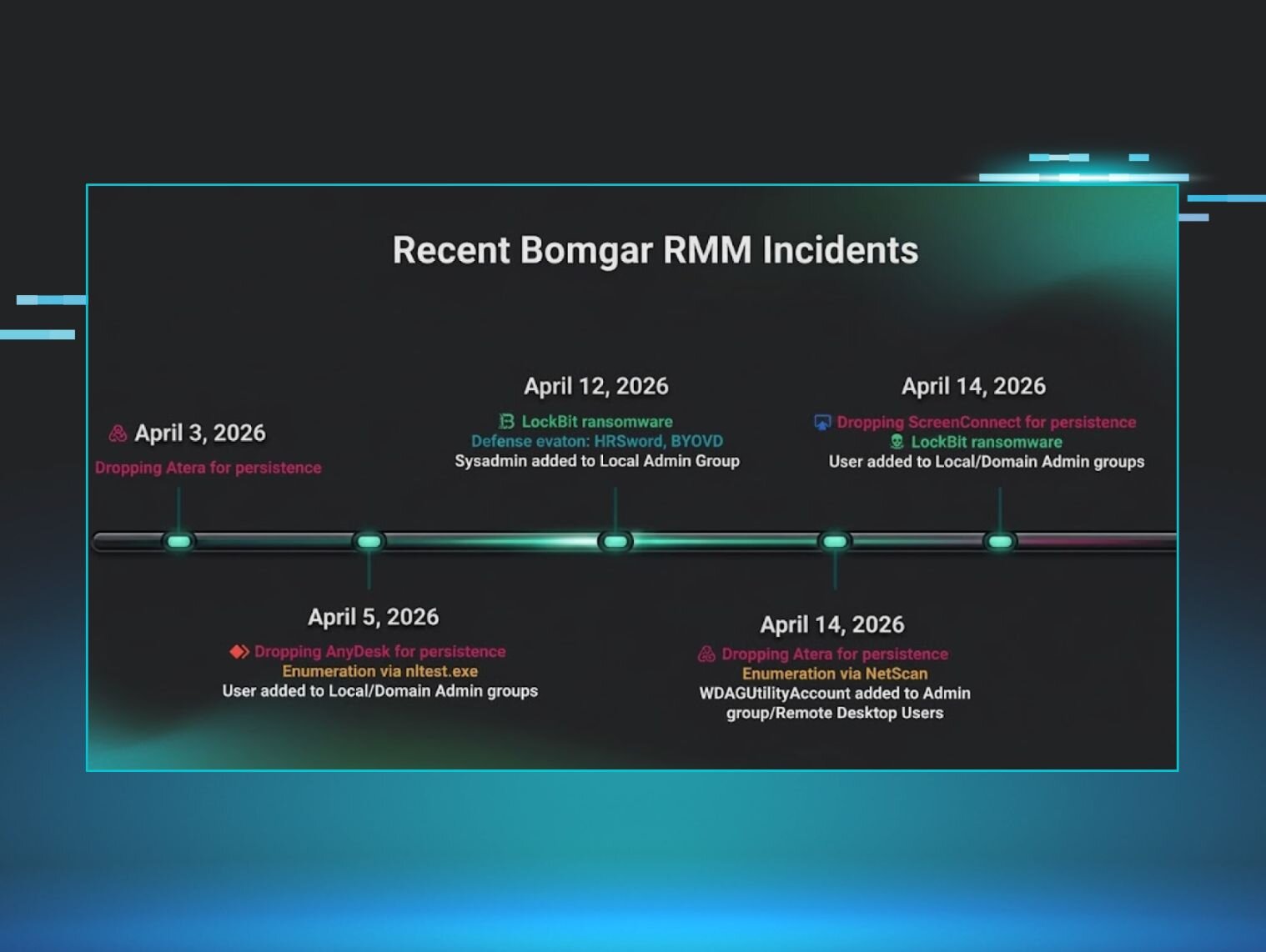
Huntress SOC documents an ongoing wave of exploitation of CVE-2026-1731, an unauthenticated RCE in Bomgar (rebranded BeyondTrust Remote Support/Privileged Remote Access), first disclosed in February 2026 and patched in versions 25.3.2/25.1. Attackers are using compromised outdated Bomgar instances — including at an MSP and a dental software vendor — to add rogue domain admin accounts, deploy LockBit ransomware (likely via a leaked LockBit 3.0 builder), drop the BYOVD EDR-killer PoisonKiller, and pivot to additional RMM tools like AnyDesk, Atera, ScreenConnect, and a renamed SimpleHelp for persistence across downstream customer environments.
huntress.comwriteupAdded 3 Sep 2026, published 17 Apr 2026🛡️ Security - Decoding NightSpire: Ransomware IOCs Aren't Set in Stone
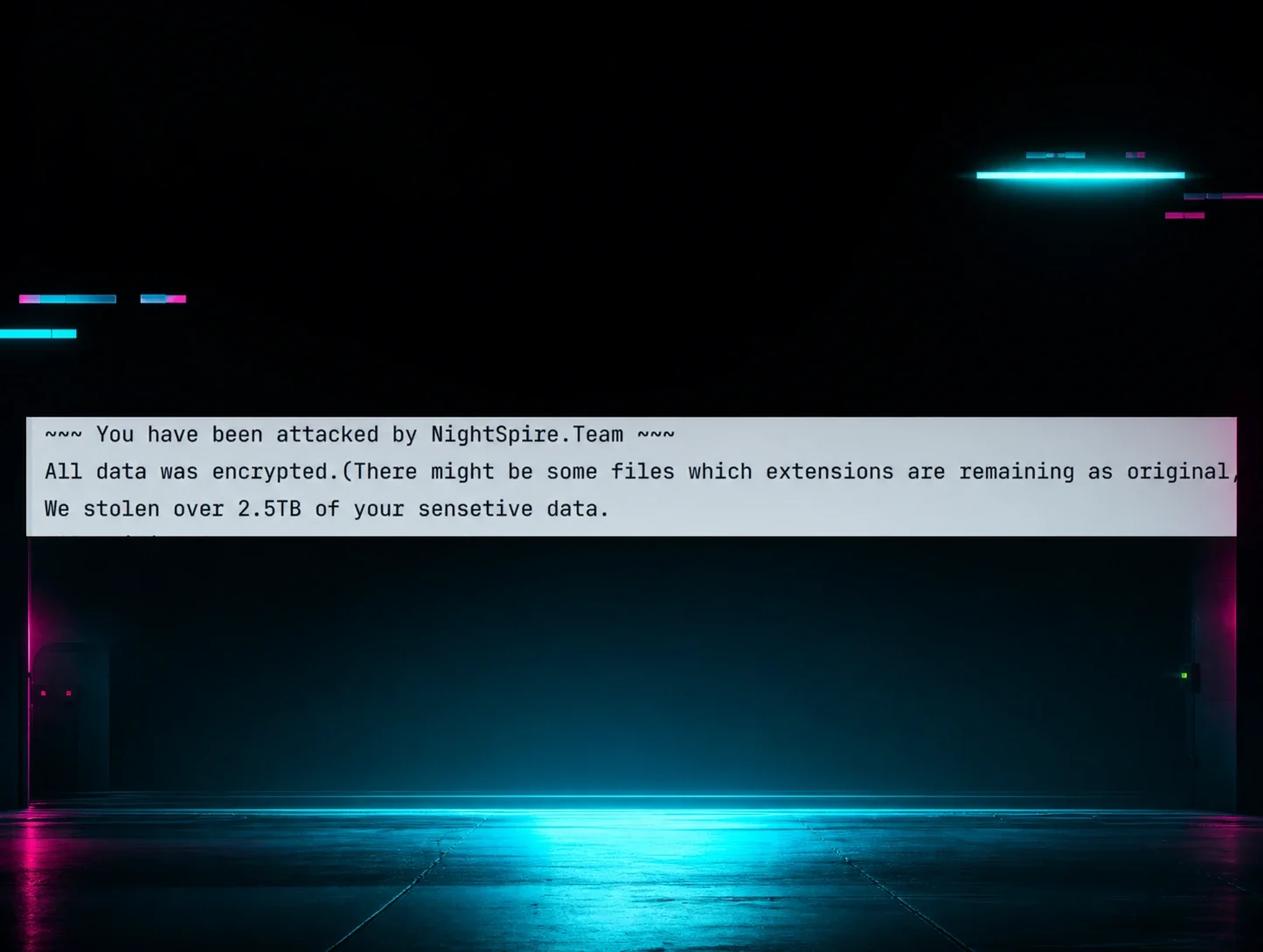
Huntress details two NightSpire ransomware incidents (December 2025 and March 2026) it responded to, showing how the threat actor's tooling and TTPs differed markedly between attacks despite the same ransomware family. In the March 2026 case the attacker used RDP for initial access, then Chrome Remote Desktop and AnyDesk for persistence, Everything and 7-Zip for data staging, MEGASync for exfiltration, and VMware Workstation/WPS Office for other purposes — none of it relying on native LOLBins like WMI or PsExec seen in public NightSpire reporting. The piece argues that because ransomware like NightSpire (and RaaS families such as Akira and Sodinokibi) may be run by shifting affiliates, IOCs and TTP clusters attributed to "the group" often aren't consistent across incidents.
huntress.comwriteupAdded 3 Sep 2026, published 7 Apr 2026🛡️ Security - How a Tax Search Leads to Kernel-Mode AV/EDR Kill
Huntress Tactical Response documents an active malvertising campaign (since Jan 2026) that uses Google Ads for tax-form searches (W-2/W-9) to deliver rogue ScreenConnect installers, leading to a BYOVD EDR killer that abuses a previously undocumented signed Huawei audio driver to terminate Defender, Kaspersky, and SentinelOne from kernel mode. The attack chain includes dual commercial cloaking services (JustCloakIt, Adspect) to evade researchers, a multi-stage crypter using a 2GB memory allocation trick to evade AV, stacked RMM tools (ScreenConnect, FleetDeck) for persistence, and post-EDR-kill LSASS dumping plus lateral credential harvesting via NetExec - consistent with a pre-ransomware/IAB playbook. The report also links a fake Chrome update page with Russian-language JS comments to the same operator's infrastructure.
huntress.comwriteupAdded 3 Sep 2026, published 19 Mar 2026🛡️ Security



Showing 30 of 39
Show more