- Chainalysis security breach exposed customer data and raised phishing risk
Chainalysis confirmed on 30 October 2026 that an external actor accessed its systems and internal tools earlier in October, using what it called "offensive agentic techniques". Exposed data covers some customers' names, emails, job titles, user IDs and role labels. Chainalysis says it has found no access to passwords, session tokens or investigation content so far, and customers should expect targeted phishing. Affected-customer counts and the exploited vulnerabilities are not disclosed.
 en.cryptonomist.charticlePublished and added 31 Oct 2026🛡️ Security
 Passkeys Are Better Than Passwords. But They Are Not Enough.
Opinion piece arguing that passkeys, built on public-key cryptography, resist phishing, credential stuffing and password theft but do not settle identity risk. Attackers can go around them through account enrollment before a passkey is bound, weaker recovery paths (SMS, email link, help desk), device changes and authenticated session hijacking. It proposes layering identity threat detection with risk-based, continuous evaluation of trust.
 securityweek.comarticlePublished and added 30 Oct 2026🛡️ Security
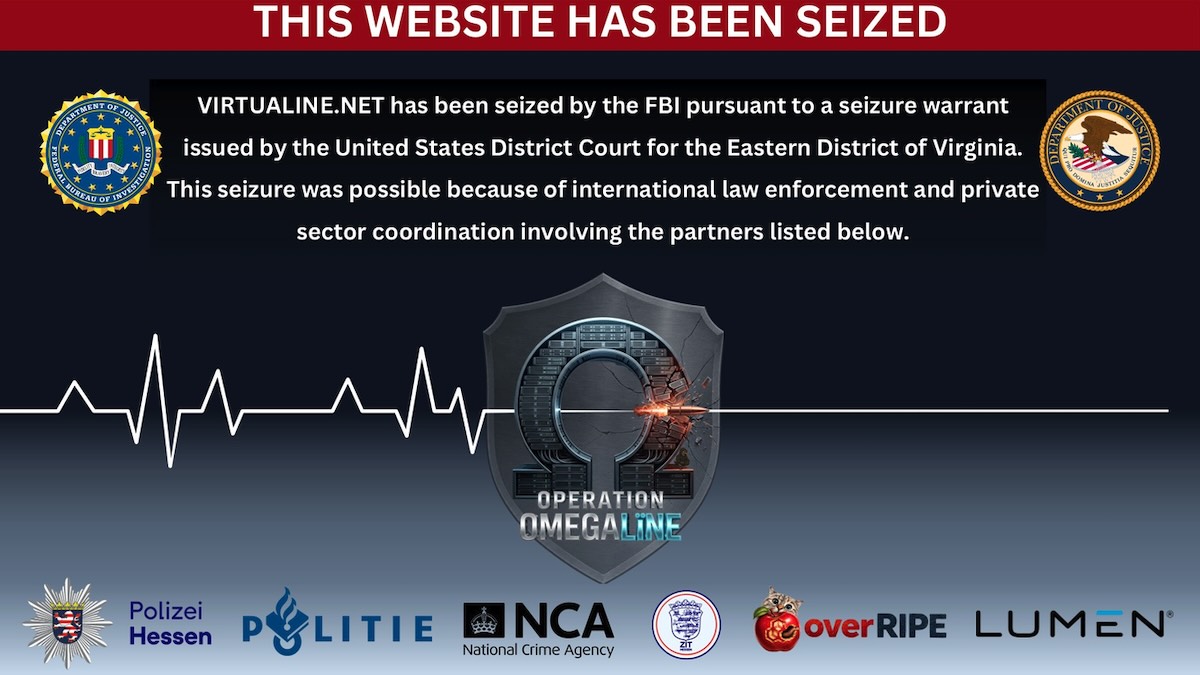 Bulletproof Host Virtualine Loses Its Domain to FBI Seizure
Virtualine is a Russian-speaking bulletproof hosting provider whose domain virtualine.net the FBI seized. Court documents say it hosted phishing, spam, carding and illicit content, and ignored abuse reports. TRM Labs says it received more illicit-attributed cryptocurrency than any other labeled bulletproof host, mostly from a Russian drug marketplace (44%) and a sextortion scheme (17%), and later from StealC operators in 2026.
securityweek.comarticlePublished and added 30 Oct 2026🛡️ Security Chrome extensions with 13.4 million installs caught hijacking searches
BleepingComputer reports Socket researcher John Tuckner's findings on 319 Chrome extensions with 13.4 million installs that hijack the default search engine. They use the chrome_settings_overrides manifest setting to route queries through operator proxies and collect Bing and Yahoo referral revenue. The proxy can later redirect to phishing or malware. Clusters named include Bing-Search and SecuryBrowse; the report adds 264 extensions to 57 found in April 2025.
 bleepingcomputer.comarticleAdded 30 Oct 2026, published 29 Oct 2026🛡️ Security
 IR trends Q3 2026: Actors impersonate IT help desks in vishing attacks as ransomware activity increases
Cisco Talos Incident Response Q3 2026 trends report. Phishing led initial access at 37 percent, with vishing and IT help desk impersonation to get RMM access; public-facing exploitation followed at 33 percent. Ransomware reached 27 percent of engagements (Qilin, Rhysida, Interlock, new VYPR), with EDR killers via BYOVD and WDAC. It also covers Salt Typhoon intrusions using CVE-2023-20198 and BadCandy, attacks on Claude Code credentials, and logging, MFA and secrets recommendations.
 blog.talosintelligence.comarticlePublished and added 29 Oct 2026🛡️ Security
 Crypto wallet maker Keystone to destroy almost 19,000 devices after security breach
Keystone, a hardware wallet maker, will destroy 18,835 unsold devices after an attacker used a flaw in a third-party data monitoring tool to breach its website on 20 October 2026. The breach exposed 25,964 buyer records and a factory-set authenticity key that cannot be changed, so counterfeit wallets could pass checks. An automated deletion tool had failed unnoticed against the 180-day retention policy. The report also covers a Foundation breach with 23,000 phishing attempts.
 coindesk.comarticlePublished and added 27 Oct 2026🛡️ Security
 Keystone to destroy almost 19,000 wallets after device key leak
Keystone confirmed a breach of Shopify customer records (about 26,000 plus 13,000 incomplete orders), in which the attacker also took the WebAuth key used to verify device authenticity. It will destroy almost 19,000 unshipped wallets and issue a new key. Foundation Passport phishing emails (over 20,000) came from compromised Cloudflare API keys, and old WooCommerce database copies kept personal data past the stated 60-day deletion.
 protos.comarticlePublished and added 26 Oct 2026🛡️ Security
- Unboxing Phishing Kits: Huntress Examines 3 Real Kits
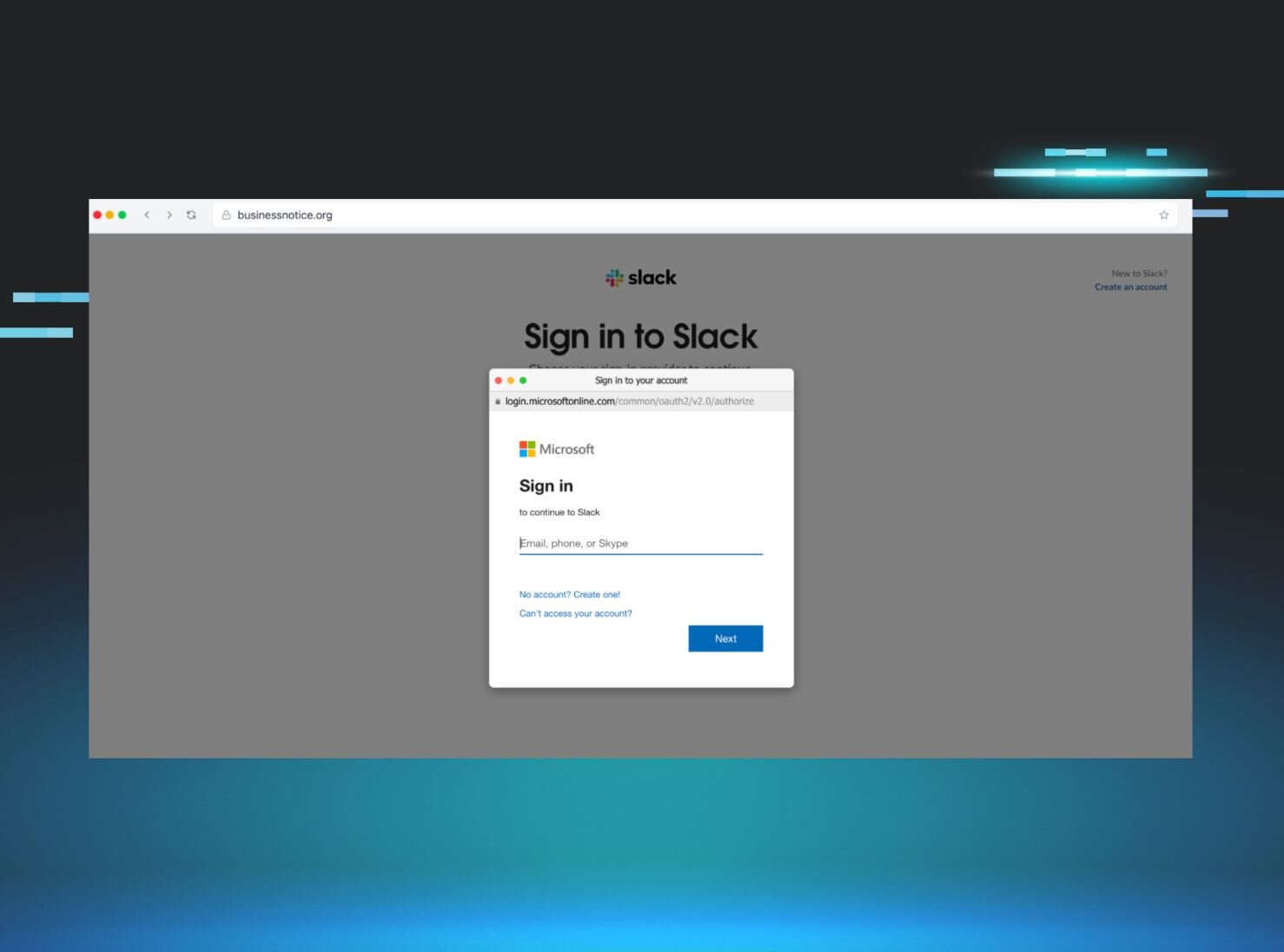
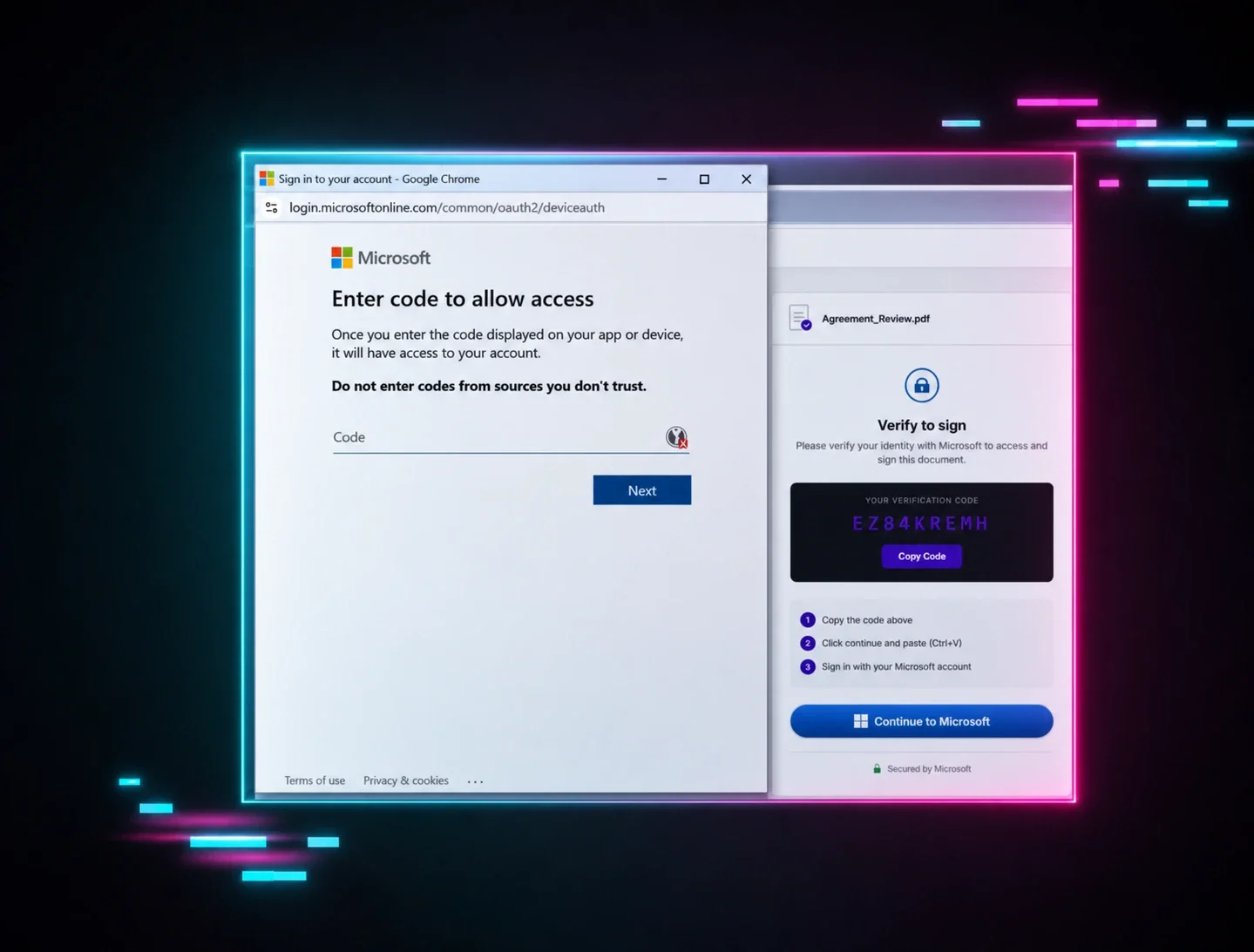
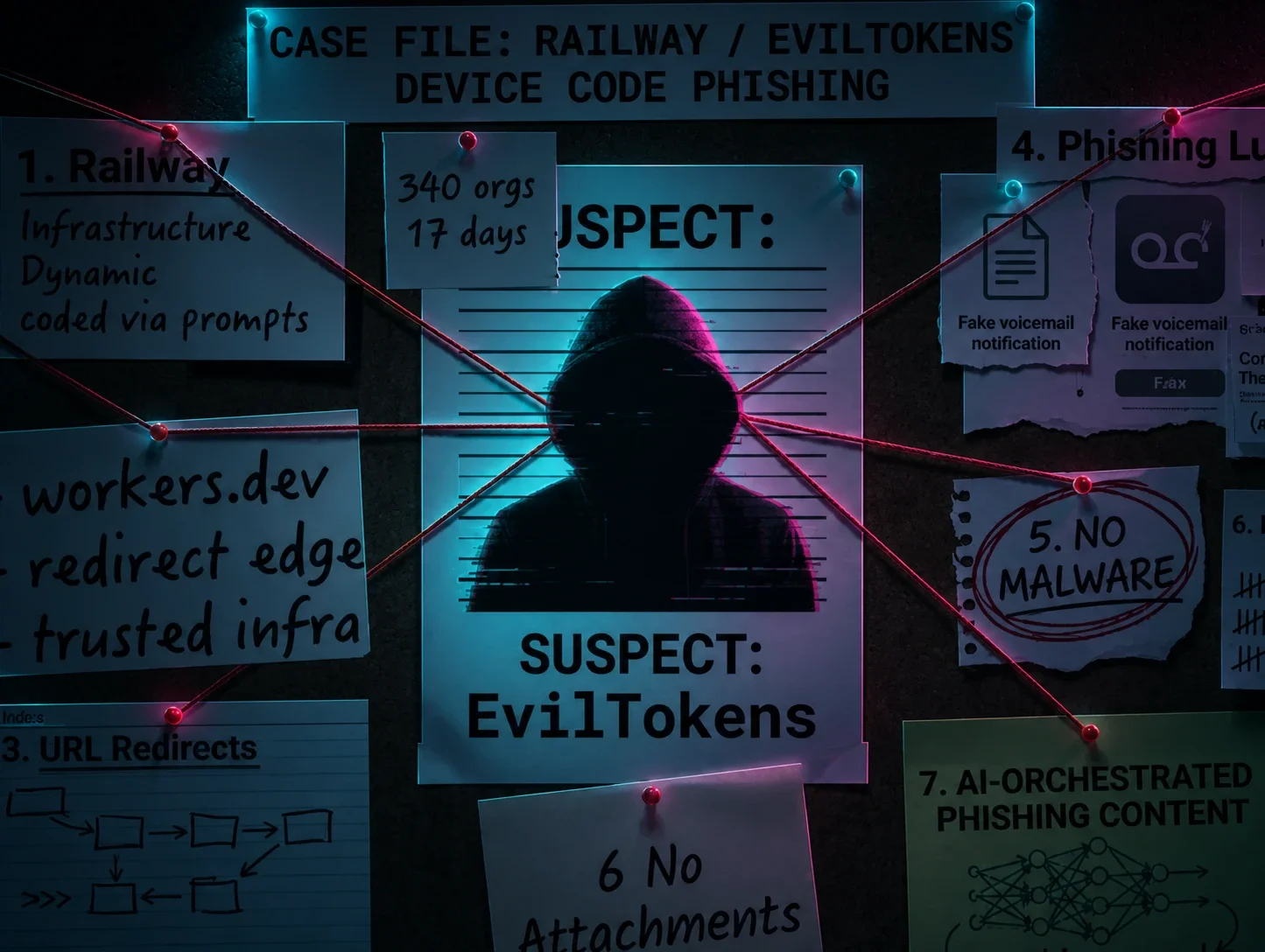
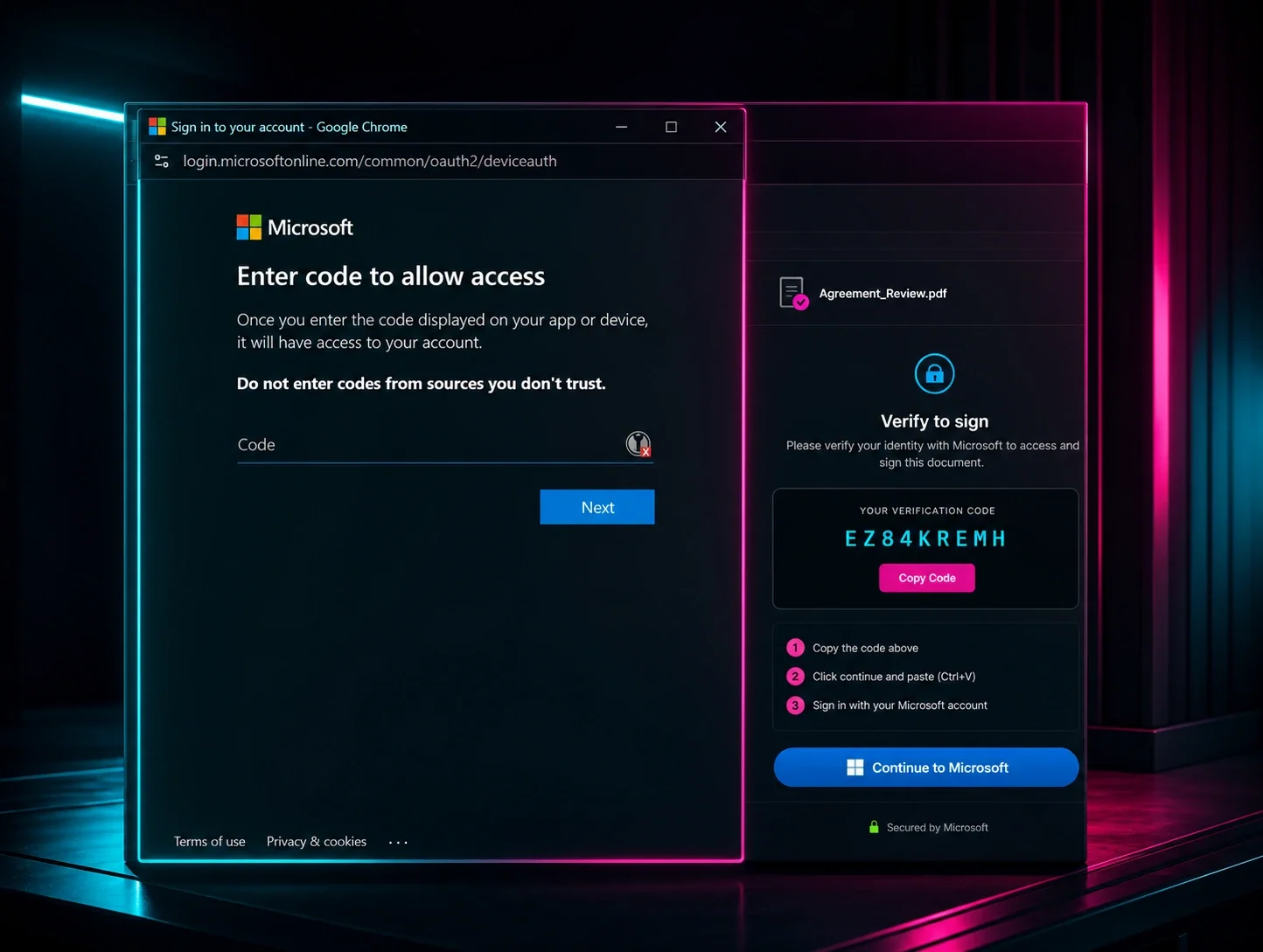
Recap of a Huntress Tradecraft Tuesday session (October 2026) on phishing kits that target Microsoft 365 tokens, including EvilTokens (a device-code phishing campaign abusing Railway) and the Kali365 control panel. It explains device-code phishing, adversary-in-the-middle and token replay. It lists detections (unfamiliar cloud sign-ins, device-code auth, new devices) and response steps (revoke refresh tokens, remove rogue devices, block device-code flow).
 huntress.comarticlePublished and added 22 Oct 2026🛡️ Security
 Social Engineering: Exploiting Human Psychology in Offensive Security
Hackers Arise explainer on the human psychology that social engineers exploit. It covers cognitive overload ("brain DoS"), stereotyped automatic behaviour, and the authority, scarcity and consistency principles, with supporting studies (Milgram, Pliner, Europol fraud-victim statistics). It also describes trigger-bypass techniques such as reframing a password request as IT support, and an observed baseline percentage of recipients who act on phishing emails. It closes with organisational and personal defences.
 hackers-arise.comarticlePublished and added 15 Oct 2026🛡️ Security
- Passkeys Raise the Bar. Here’s Where Attackers Can Still Get In.
Huntress post on where accounts remain exposed after a passkey rollout. It covers passkey-themed social engineering, the EvilTokens device-code phishing campaign (344 organizations in about 16 days), weak enrollment and recovery, SpecterOps research on Windows WebAuthn hooking on compromised endpoints, and the trade-offs between synced and device-bound passkeys. It closes with ITDR-style post-login monitoring, containment steps (revoke sessions, remove rogue authenticators, hunt inbox rules, OAuth grants, forwarding), and a five-question deployment checklist.
huntress.comarticlePublished and added 14 Oct 2026🛡️ Security  The hidden network: Inside the phishing infrastructure ecosystem powering global cybercrime
Microsoft Threat Intelligence maps a Chinese-language cybercrime ecosystem: the YAM Store (Storm-3119), an initial access broker that hijacks Microsoft 365/Azure Education tenants and resells accounts, licenses and SharePoint/OneDrive storage, and the Storm-2990 phishing kits (CoGUI, Haozi, Iron Man System) sold via Telegram. It details the five-stage broker pipeline (app-only client-secret abuse, PnP Management Shell service principal, Graph permissions, Cloudflare DNS management), kit evasion features (geofencing, fake CAPTCHA, WebSocket/Telegram live interaction, 2,335+ templates), downstream device-code phishing and card fraud, and lists mitigations such as passkeys, phishing-resistant MFA and Conditional Access. Microsoft's DCU facilitated a disruption with law enforcement; kits sent over one billion messages since January 2026.
 microsoft.comarticlePublished and added 14 Oct 2026🛡️ Security
 Microsoft Disrupts Chinese-Language Phishing Market Behind 1B+ Messages
Microsoft and Health-ISAC seized domains tied to YAM Store (Storm-3119), an access broker that hijacks Microsoft 365 and Azure for Education tenants, and to the Storm-2990 phishing kits CoGUI, Haozi and Iron Man, under a Southern District of Florida order. The services sent over 1B malicious messages since January 2026 to 75,000+ organizations in 150+ countries; Microsoft disabled 20,000+ accounts and is blocking 100,000+ domains. Iron Man offers 2,335+ templates and real-time OTP capture, and Resecurity found it needs regular contact with a vendor licensing server, a dependency defenders can exploit.
securityweek.comarticlePublished and added 14 Oct 2026🛡️ Security Ledger says Southeast Asia reseller linked to $86M draining
Protos reports that Ledger users who bought devices from the Malaysian/Southeast Asian reseller CryptoBilis have been drained of an estimated $72M to over $86M, per on-chain tracing by analysts Specter and Tanuki42. Ledger told CryptoBilis to pause sales and shipments, and advised buyers from the past 90 days not to set up their devices, or to move funds to a new signer if they already had. The article cites Mark Karpelès on reseller wallets found tampered with and implanted with spyware, and Taylor Monahan warning that there is no sign of a zero-day and that panic migration invites phishing and fake-ad drainers.
protos.comarticlePublished and added 9 Oct 2026🛡️ Security Security Awareness Training Isn’t Dead, but It Needs a Rethink
A SecurityWeek feature surveying security practitioners and a cognitive psychologist on whether security awareness training against social engineering actually works. It identifies "compliance theater" (annual checkbox training mandated by insurers/regulators) as a core failure mode, notes studies showing phishing-simulation gains fade within months, and argues AI-generated phishing/voice cloning at machine speed has outpaced human-focused training, pushing experts toward behavioral nudges and technical controls instead of awareness alone.
securityweek.comarticlePublished and added 8 Oct 2026🛡️ Security FortiBleed Attackers Locking Victims Out of Fortinet Devices
The FortiBleed campaign targets internet-exposed Fortinet FortiGate firewalls and SSL VPN appliances using stolen credentials and brute force. SOCRadar confirms about 86,644 compromised devices in 194 countries. A joint FBI and US Secret Service advisory says attackers change passwords and delete accounts to lock victims out and keep persistence, and lists hardening steps such as phishing-resistant MFA and credential resets.
securityweek.comarticlePublished and added 8 Oct 2026🛡️ Security The ASOS Incident: When Attackers Use the Channels Customers Trust
Rapid7 analyzes the ASOS incident, in which attackers sent a hostile push notification through ASOS's own mobile app claiming its Snowflake environment was compromised and directing customers to a Telegram channel; ASOS confirmed unauthorized access to third-party customer-communication platforms and possible exposure of names/contact details, while Snowflake denied any platform compromise. The piece argues that abusing a legitimate, trusted app/channel defeats typical phishing-awareness heuristics (odd sender, wrong domain) and makes the case for MDR that correlates identity, SaaS, and cloud-integration activity across providers to catch misuse of legitimate access rather than relying on known-bad indicators.
 rapid7.comarticlePublished and added 7 Oct 2026🛡️ Security
 One breach, please, and make no mistakes
Cisco Talos commentary arguing that today's public AI-agent attacks (citing Hugging Face, DSEWiki, and RubyGems incidents) resemble loud, high-volume pentests rather than stealthy red-team operations, and that agent swarms will grow quieter and more OPSEC-conscious over time. The piece lays out concrete resilience steps: rehearsed incident response plans mapped to the incident lifecycle, assumed-breach attack-path mapping (including Active Directory GPO abuse paths), AI-specific tabletop exercises, end-to-end hardening with phishing-resistant MFA (FIDO2/passkeys), broad EDR and east-west traffic visibility, and watching for early noisy indicators like WAF/SQLi spikes and non-browser user agents.
blog.talosintelligence.comarticlePublished and added 7 Oct 2026🛡️ Security Blinder Tunnel Campaign Targets Iraqi Infrastructure
Unit 42 details "Blinder Tunnel," a campaign by Iranian state-aligned actor CL-STA-1178 (linked to Elastic's "The Shelby Strategy") that impersonated Dubai Airports recruiters to deliver a trojanized Visual Studio coding-challenge archive against an Iraqi critical-infrastructure target, with related activity against UAE aviation and Israeli entities via Google Drive-themed phishing. The report dissects a three-stage infection chain (weaponized .csproj MSBuild target abuse, AppDomainManager hijacking to disable ETW, and DLL sideloading into RuntimeBroker.exe) that deploys ShelbyLoader V2, the ShelbyC2 V2 RAT, PsProxy.dll (in-memory PowerShell execution), and Blackwood, a custom Chisel-based tunneling loader; C2 abuses GitHub's API and GitHub Issues as a dead-drop fallback, and attribution rests on an Iranian-hosted IP, Persian-domain infrastructure overlap, and MP3 metadata pointing to MusicDel.ir. Includes full IOCs (hashes, IPs, phishing domains, registry keys).
 unit42.paloaltonetworks.comarticlePublished and added 6 Oct 2026🛡️ Security
- Huntress Tragic Quadrant: Top Cyber Threats Wrecking Businesses
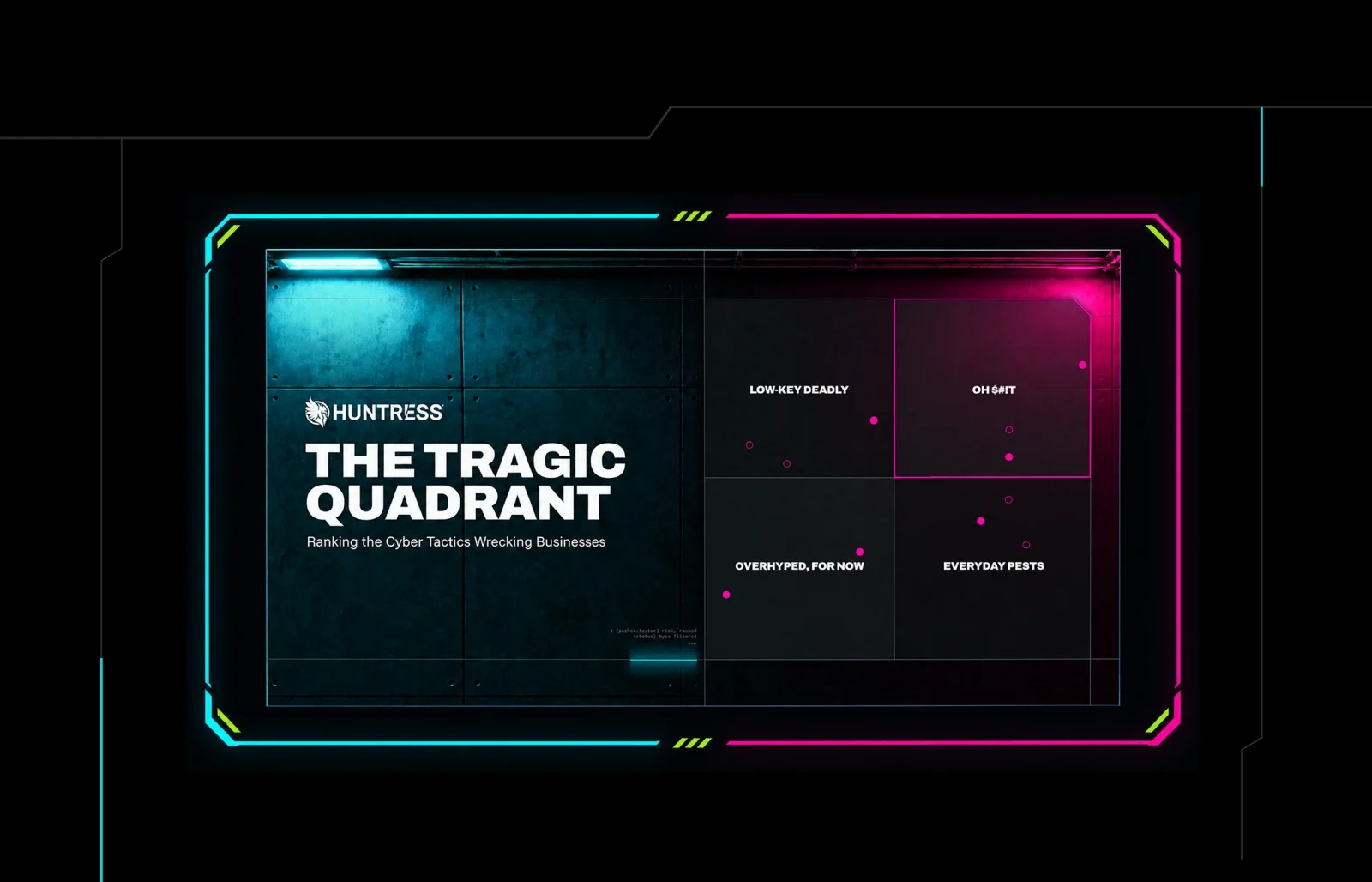
Huntress's "Tragic Quadrant" ranks the cyber threats its SOC sees most often against small/mid-sized businesses by prevalence and blast-radius risk, drawing on 2026 telemetry from 5M+ endpoints and 15M identities. It highlights RMM abuse (45% of endpoint incidents in Q1 2026), mailbox-rule manipulation feeding BEC (24.6% of ITDR signals), AiTM session-token theft bypassing MFA (18.9% of identity threats), plus device code phishing (the EvilTokens PhaaS kit hit 344 orgs in 16 days using Railway-hosted infrastructure and spoofed Cisco/Trend Micro/Mimecast redirect links), ClickFix clipboard-paste infections leading to LummaC2 infostealer compromise, and emerging AI-platform abuse (the FakeAgent campaign hosted a malicious Claude Artifact on claude.ai to drop SectopRAT, hitting 29 organizations in two days).
huntress.comarticlePublished and added 1 Oct 2026🛡️ Security  How AI Is Reshaping Crypto Security, with Michael Coates
An interview with Solana Foundation CISO Michael Coates dissects the July 2026 Coldcard hardware-wallet hack, where a 2021 code change swapped a hardware RNG for a software pseudo-random source, collapsing seed entropy from 128 to ~40 bits and letting attackers offline-brute-force and drain ~$116M in Bitcoin from 5,200+ wallets without touching a device — despite prior audits that only checked whether a value was set, not its source. Coates draws lessons on distrusting single audits, using multi-sig to remove single points of failure (including the wrench attack), and phishing-resistant hardware keys (e.g. YubiKey) as the fix for pixel-perfect deepfake and phishing attacks. He also discusses AI's cat-and-mouse effect on offense vs. defense, Anthropic's disclosed Claude-driven Chinese state espionage campaign, and Solana's STRIDE continuous security-rating program for DeFi as an automated, computer-scale response to agentic nation-state threats.
 solana.comarticleAdded 29 Sep 2026, published 19 Sep 2026🛡️ Security
 Detecting and countering misuse of AI: September 2026
Anthropic Threat Intelligence report covering misuse of Claude disrupted between December 2025 and August 2026 across seven harm areas. The visible cyber section details a Russian espionage actor (GTG-20006, linked to Midnight Blizzard) that used AI agents to rebuild malware flagged by security products, ran DNS hijacking via hotel WiFi vendors, and used device-code phishing against Microsoft 365. It also covers ShinyHunters-affiliated smash-and-grab extortion (GTG-50014), a Chinese-speaking exploit-foundry group running agent swarms for appliance zero-day research (GTG-10007), and fraudulent AI resellers that harvest API keys (GTG-50021). IOCs are included. Only the first 40k of ~220k characters were seen.
 anthropic.comarticleAdded 18 Sep 2026🛡️ Security
 Building an AI Detection Engine That Understands Agent Intent
Wiz describes an AI detection engine that analyzes model input/output telemetry (prompts, system prompts, tool calls, reasoning) rather than just outputs, in order to catch shifts in AI agent intent such as indirect prompt injection. It walks through OpenAI's disclosed Hugging Face/ExploitGym incident and an internal support-agent phishing-relay scenario, then describes a staged pipeline (regex/SLM candidation, light LLM filtering, deep LLM analysis, correlation with cloud/runtime telemetry) validated against a benchmark of 100+ simulated scenarios covering 57 injected attacks and 45 benign workflows across CI/CD, DevOps, data analyst, support, CLI, and cloud auditor agent personas.
 wiz.ioarticlePublished and added 17 Sep 2026🛡️ Security
- Best Practices for Good Endpoint Hardening | Huntress
A Huntress SOC-informed guide to endpoint hardening, explaining why checklist-only compliance approaches fail and detailing real intrusion paths observed in incidents: internet-exposed RDP brute-forced by scanners, RMM tool abuse delivered via phishing (277% spike in 2025), and ClickFix attacks that trick users into pasting malicious commands into the Windows Run prompt. It closes with a practical weekly checklist covering external exposure scanning, local admin rights reduction, Windows Defender tamper protection, and disabling SMBv1/legacy protocols.
huntress.comarticleAdded 11 Sep 2026, published 10 Sep 2026🛡️ Security 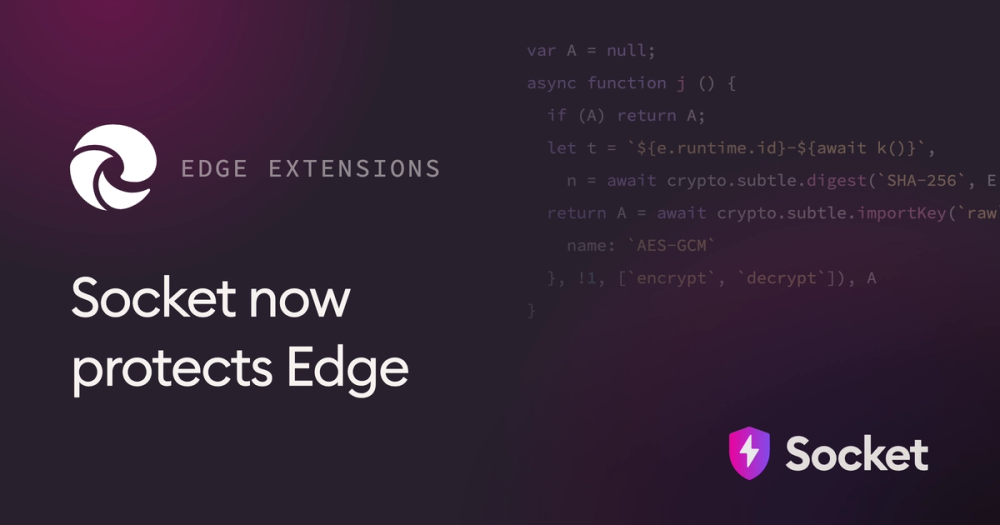 Socket: 18 Malicious Microsoft Edge Extensions Found
Socket announces extension security coverage for Microsoft Edge Add-ons and discloses research into 18 malicious Chrome extensions and one Edge extension delivering an extensible malware framework. Five extensions were purchased from legitimate developers and turned malicious via updates; the framework included 16 modules covering a multi-chain wallet drainer, Ledger/Trezor recovery-phrase phishing, credential/form theft, crypto exchange session harvesting, CSP-header stripping, and a persistent WebSocket C2 channel. The Edge version of "Enable Right Click & Copy — Smart Unlock + OCR" remained live and received a new C2 domain even after the Chrome listing was removed.
 socket.devarticlePublished and added 30 Aug 2026🛡️ Security
- Next-Gen Phishing Tactics Users Aren’t Ready For | Huntress
Huntress details five modern phishing techniques that bypass traditional "check the URL" training and MFA: ClickFix (fake CAPTCHA tricking users into running Win+R/paste commands to execute malware), Browser-in-the-Browser (fake HTML popup windows mimicking OAuth login prompts with forged address bars/padlocks), ConsentFix (dragging an identity icon to leak an OAuth authorization code that attackers trade for Microsoft Entra ID access/refresh tokens), device code phishing (abusing the legitimate microsoft.com/devicelogin flow to authorize an attacker's device via a code, seen weaponized in PhaaS kits like EvilTokens), and fake video-conference (Teams/Zoom/Google Meet) waiting-room overlays that push a malicious "driver update" install. Each section explains why the technique defeats standard security-awareness training and how Huntress's simulated phishing scenarios replicate it.
huntress.comarticleAdded 3 Sep 2026, published 28 Aug 2026🛡️ Security  [tl;dr sec] #343 - Hugging Face Technical Report, AWSHound, OWASP Agentic Skills Top 10
tl;dr sec #343 is a weekly security newsletter issue. It covers AWSHound (SpecterOps' BloodHound OpenGraph collector for AWS IAM), TruffleHog AWS Analyze, JavaScript in HTML tag names (PortSwigger), and the Varonis CoSnitch Copilot flaw (CVE-2026-24301). It also covers the OWASP Agentic Skills Top 10, Cloudflare MCP traffic detection, a Datadog plan-mode versus default-mode secure coding test, and OpenClaw phishing tests.
 tldrsec.comarticleAdded 30 Oct 2026, published 27 Aug 2026🛡️ Security
 Shai-Hulud was the best thing to happen to supply chain security
Aikido Security tracks npm's Trusted Publishing (OIDC-based, short-lived credential) adoption over 18 months and shows it only spiked after each major supply-chain attack rather than from advisories or blog posts — jumping from a ~40/week baseline to 430/week after the Nx Console/AntV compromise, yet still leaving 40,369 of the top 51,370 packages (75% of download volume) on long-lived tokens. It chronicles the full attack progression from credential-phishing (Debug/Chalk, Axios) through Pwn Request-driven CI compromise (S1ngularity, Shai-Hulud 2.0) to the Mini Shai-Hulud II/TanStack attack, which poisoned the GitHub Actions cache to extract a live OIDC token from runner memory and publish packages with valid SLSA Build Level 3 provenance — proving Trusted Publishing itself can be turned into the attack vector rather than just bypassed. It closes by arguing the security community should proactively pressure high-download holdout maintainers rather than wait for the next worm.
 aikido.devarticleAdded 3 Sep 2026, published 24 Aug 2026🛡️ Security
 Going with the Flow(s): Distinct Clusters Target Individuals of Interest to Russia
GTIG report on three suspected Russian espionage clusters (UNC6293, UNC7005, UNC5976) that abuse legitimate authentication flows against academics, diplomats and defense personnel. It covers app password, OAuth and device code phishing, WhatsApp device linking, VIDAR and ATOMIC stealers, ENGINELIGHT, HEADRUSH and the hospitality captive portal campaign. It links UNC6293 and UNC7005 to ICE RELIC (formerly APT29) with moderate confidence and gives hardening advice.
 cloud.google.comarticleAdded 29 Oct 2026, published 20 Aug 2026🛡️ Security
- Five Years, 88,000 Backdoors, and a Pair of Handcuffs: Inside the Global Manhunt That Ended in an Arrest
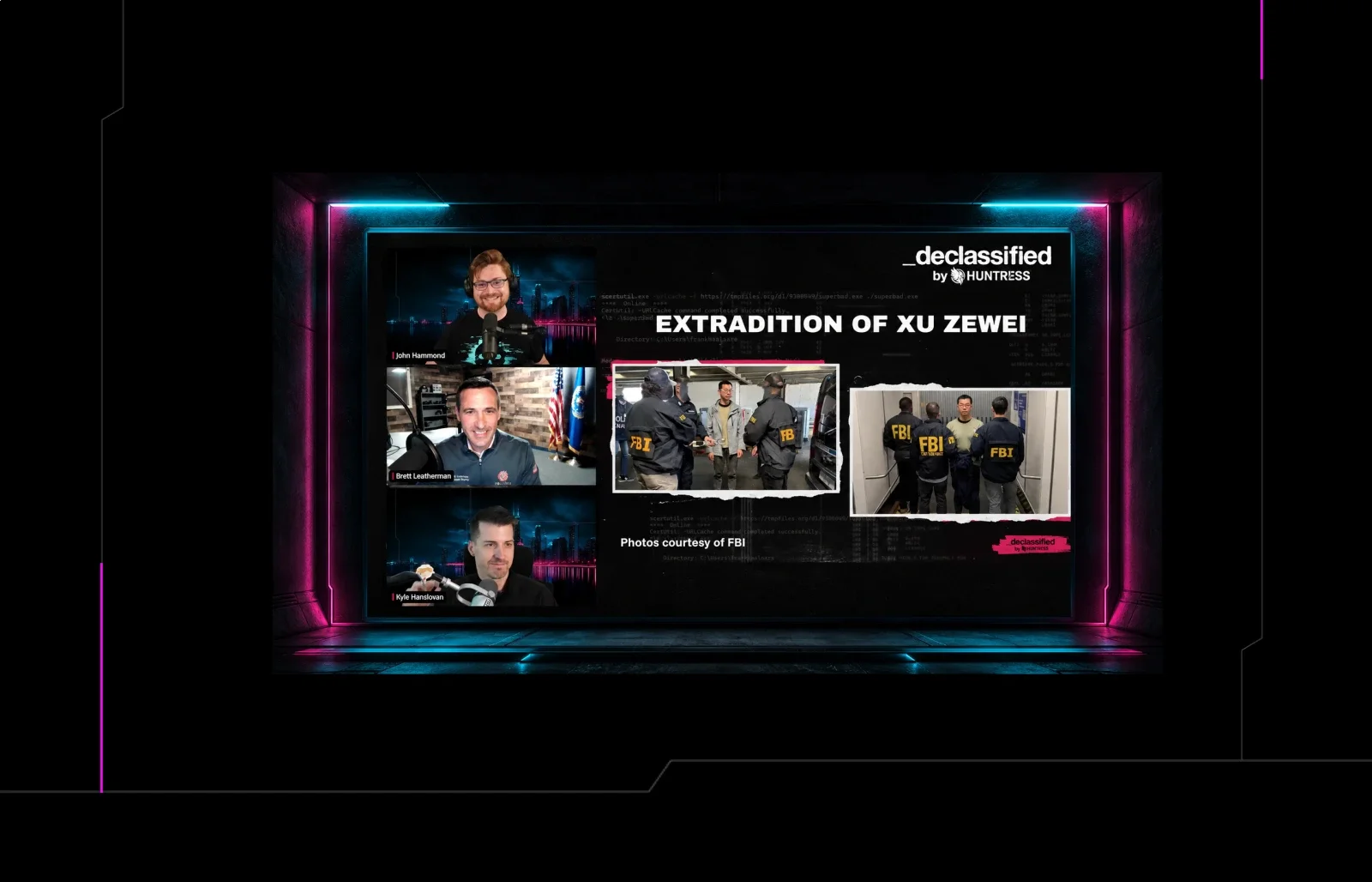
Huntress interview/recap covering the 2021 HAFNIUM (Silk Typhoon) mass exploitation of on-prem Microsoft Exchange servers that led to 88,000+ web shell backdoors, how Huntress and CrowdStrike tracked victims via cloned adversary infrastructure, and the FBI's unprecedented Rule 41 warrant used to remotely remove web shells at scale. It also details the July 2025 arrest of Xu Zewei, and 2026 FBI Operation Riptide takedowns of the Outsider phishing-as-a-service platform, NetNut residential proxy network, and MediaLand bulletproof hosting provider.
huntress.comarticleAdded 3 Sep 2026, published 10 Aug 2026🛡️ Security - UNC6671 Rebrands: Multi-Brand Vishing Extortion Targets Financial Services and Enterprise Cloud Environments
UNC6671 is a vishing and extortion cluster that GTIG links to the BlackFile, Redact, Pink, Helix and Falcon brands through shared passkey-themed AiTM phishing domains and identical templates. Callers pose as IT helpdesk on personal phones, harvest credentials and MFA tokens, then script data theft from Microsoft 365 and Okta. The post covers targeting shifts to financial and legal firms, 141.65 BTC in ransom payments, hardening guidance and Okta/M365 detections.
cloud.google.comarticleAdded 29 Oct 2026, published 6 Aug 2026🛡️ Security  Zero-Click AI Browser Hacking: Claude and ChatGPT Atlas Hijacked via Emails, X Posts
SecurityWeek covers Zenity's 'PleaseFix' research disclosing zero-click indirect prompt injection attacks against OpenAI's ChatGPT Atlas and Anthropic's Claude in Chrome browser extension. In Atlas, a single planted X comment triggers 'intent collision' that resurrects CSRF-like cross-site abuse, letting the agent read WhatsApp Web contacts to send phishing messages or manipulate Amazon carts and use Amazon's Rufus assistant to complete unauthorized purchases. In Claude in Chrome, a malicious email with hidden prompt instructions triggers the agent to import a payload from a rogue NPM package hosted on a fake CDN, enabling exfiltration of Gmail inbox contents via the Atom feed, mass-sharing of Google Drive files, and full account takeover of Slack and X by intercepting MFA codes.
securityweek.comarticleAdded 26 Sep 2026, published 6 Aug 2026🛡️ Security AI-Generated Malware and the Software Supply Chain | Blog | Endor Labs
Endor Labs analysis of how generative AI is reshaping software supply chain attacks: lowering the skill barrier via tools like WormGPT/FraudGPT, enabling faster AI-generated variant/polymorphic malware, scaling malicious package generation (including slopsquatting from LLM package-name hallucinations), and improving phishing for maintainer account takeover. Cites a 14x increase in malware advisories over two years and that 92% of npm account takeovers led to malware distribution, referencing the open-sourced Shai-hulud npm worm. Recommends behavior-based detection before install, dependency/package firewalls, CI/CD hardening against credential-harvesting postinstall scripts, and dependency governance.
 endorlabs.comarticleAdded 3 Sep 2026, published 29 Jul 2026🛡️ Security
- What Are Initial Access Brokers?
Huntress explains how initial access brokers (IABs) operate as specialized cybercriminals who breach organizations, verify and price the foothold, then sell it to ransomware crews, BEC actors, or data thieves via dark web marketplaces. It walks through common IAB entry vectors — infostealer credential theft, exposed RDP/VPN abuse, and AI-assisted phishing (citing a Huntress EvilTokens lure example) — and includes a real SOC case where a brute-forced RDP server led to tradecraft linked to a ransomware ecosystem. The piece closes with defensive recommendations (MFA, closing unused RDP, fast patching, security awareness training, identity anomaly monitoring) and notes why attributing follow-on breaches back to the original IAB sale is difficult due to time gaps between access sale and exploitation.
huntress.comarticleAdded 3 Sep 2026, published 21 Jul 2026🛡️ Security - Every Ransomware Attack Has a Backstory
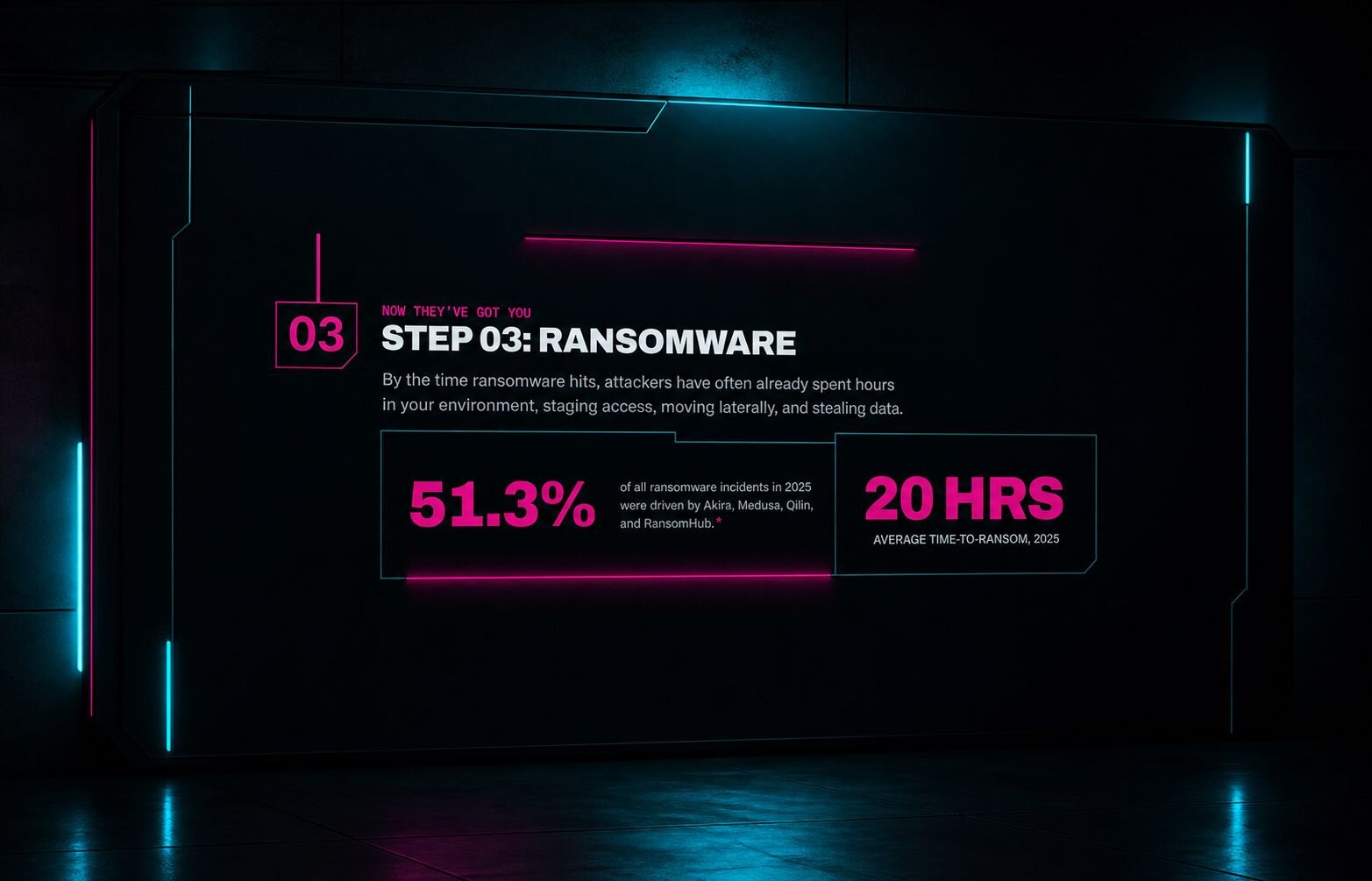
Huntress walks through the ransomware attack chain as a repeatable assembly line: initial access brokers selling footholds (often via infostealers, phishing, or unpatched internet-facing systems), Living-off-the-Land abuse of PowerShell and RMM tools to blend in, and ransomware as the final, visible stage. It cites a real cluster of six ransomware intrusions traced back to the same exposed Citrix NetScaler gateway and session-theft trick culminating in DragonForce ransomware, plus 2026 Cyber Threat Report stats: 37.2% of identity attacks involved suspicious logins, a 277% YoY spike in RMM abuse, ~20 hours average attacker dwell time before detonation, and Akira/Medusa/Qilin/RansomHub driving 51.3% of 2025 ransomware incidents.
huntress.comarticleAdded 3 Sep 2026, published 15 Jul 2026🛡️ Security - Conditional Access Misconfigurations Exposed 55 Orgs with MFA On
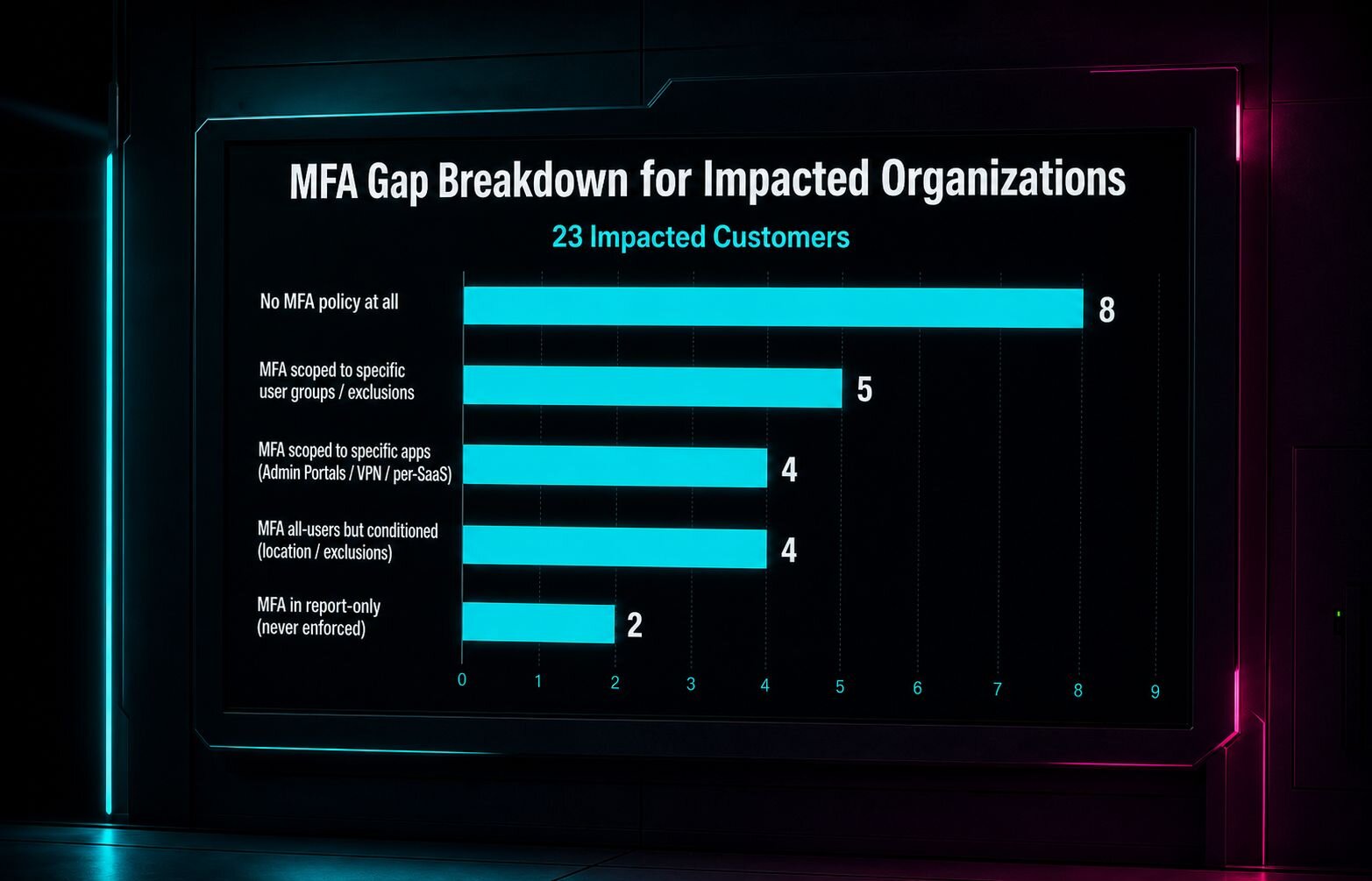
Huntress details two 2026 campaigns that bypassed Microsoft 365 MFA despite Conditional Access policies being in place: device code phishing abusing Railway.com's clean IP infrastructure, attributed to the EvilTokens phishing-as-a-service platform, hitting 344 orgs, and a ROPC-based credential replay attack from LSHIY LLC infrastructure with 81 million login attempts and 78 compromised accounts, 55 of which had active MFA policies that didn't actually cover Azure CLI or legacy auth. It breaks down how narrow Conditional Access policy scoping, missing All Cloud Apps coverage, excluded user groups, report-only mode, mislabeled trusted locations, let attackers through, and recommends blocking device code flow and legacy auth via Conditional Access as the fix.
huntress.comarticleAdded 3 Sep 2026, published 9 Jul 2026🛡️ Security  Orca Security: ITDR for the Cloud
Orca Security explainer defining Identity Threat Detection and Response (ITDR) for cloud environments, distinguishing it from IAM, PAM, EDR, and CIEM as a runtime behavioral-detection layer for identity abuse rather than a preventive/posture control. It covers cloud-specific attack patterns like leaked AWS access-key abuse, AssumeRole/PassRole privilege escalation, OAuth consent phishing, and federation/token abuse, and details how ITDR baselines identity behavior (especially machine/non-human identities) using cloud audit logs like CloudTrail to detect impossible travel and anomalous role assumption, ending with Orca's agentless CIEM+ITDR platform pitch.
 orca.securityarticlePublished and added 3 Jul 2026🛡️ Security
- We Need to Talk About Device Code Phishing
Huntress recaps a Tradecraft Tuesday episode explaining device code phishing, where attackers generate legitimate Microsoft OAuth device authorization codes and phish victims into entering them, instantly receiving valid session tokens that bypass MFA. It covers the technique's origin (Dr. Nestori Syynimaa/AADInternals, 2020), Storm-2372's February 2025 Teams-lure campaign, and a March 2026 EvilTokens PhaaS campaign that abused Railway.com as a clean-IP token-harvesting relay against 344 organizations, plus mitigations like Microsoft's Conditional Access block, device registration monitoring, and disabling device code flow.
huntress.comarticleAdded 3 Sep 2026, published 22 Jun 2026🛡️ Security - How EvilTokens Turbocharges Old School Phishing with AI
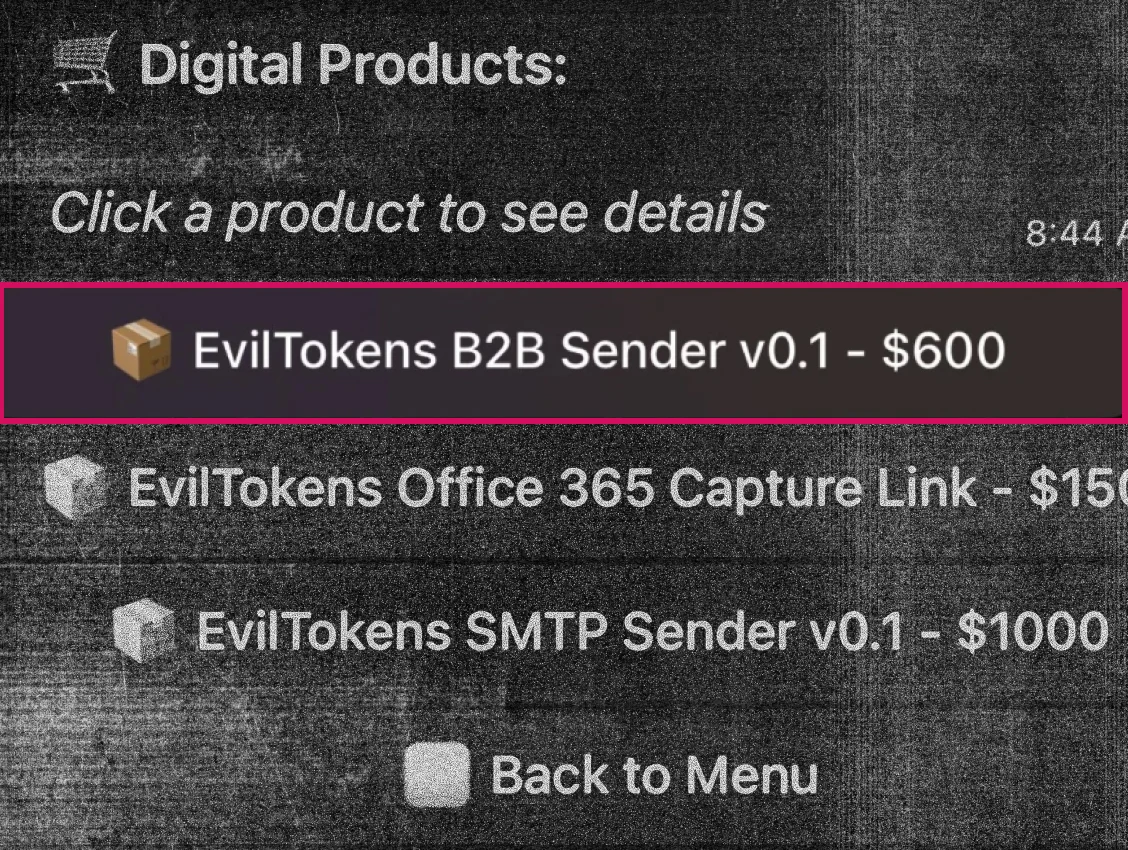
Huntress and Microsoft detail EvilTokens, a phishing-as-a-service (PhaaS) platform sold on Telegram for ~$1,500 that automates OAuth device code phishing to steal valid session tokens and bypass MFA entirely, relaying attacks through the Railway PaaS. The kit integrates AI to generate role-specific, contextually accurate lures, dynamically generate device codes to remove timing constraints, and automatically draft follow-on wire-fraud emails in the victim's own voice after mailbox compromise — a campaign that hit 344 organizations across five countries in 16 days and evaded Cisco Secure Email, Trend Micro, and Mimecast. The piece also covers sibling PhaaS kits (Tycoon2FA, BlueKit, Kali365) and recommends conditional access restrictions, phishing-resistant FIDO2/passkey MFA, and refresh-token revocation as mitigations.
huntress.comarticleAdded 3 Sep 2026, published 11 May 2026🛡️ Security - Social Engineering Leveled Up. Has Your Security Program?
Huntress blog on how social engineering has outpaced traditional prevention-focused security programs, citing specific campaigns: EvilTokens, a phishing-as-a-service operation that weaponized the Railway cloud deployment platform and Cloudflare Workers to run OAuth device code phishing against 340+ organizations, and a campaign using fake ChatGPT/Grok search results to trick macOS users into installing the AMOS infostealer. Also discusses AI-driven deepfake identity attacks and alert fatigue undermining detection.
huntress.comarticleAdded 3 Sep 2026, published 1 May 2026🛡️ Security - Attackers Didn’t Wait for AI. They Built Workflows Around It.
Huntress details three real-world patterns where attackers build workflows around AI adoption rather than attacking AI models themselves: SEO-poisoned/malvertised fake "Claude Code" downloads that deliver credential-stealing malware, an AMOS stealer campaign that spoofs ChatGPT/Grok-style answer pages to trick macOS users into running malicious Terminal commands (ClickFix-style), and the EvilTokens phishing-as-a-service platform, which used Railway infrastructure for on-demand session-token theft and AI-generated, role-tailored phishing lures that bypass email filtering. The piece argues AI isn't the weapon but the accelerant, making malicious activity blend into trusted, expected workflows.
huntress.comarticleAdded 3 Sep 2026, published 22 Apr 2026🛡️ Security - Tradecraft Tuesday Recap: axios npm Supply Chain Compromise
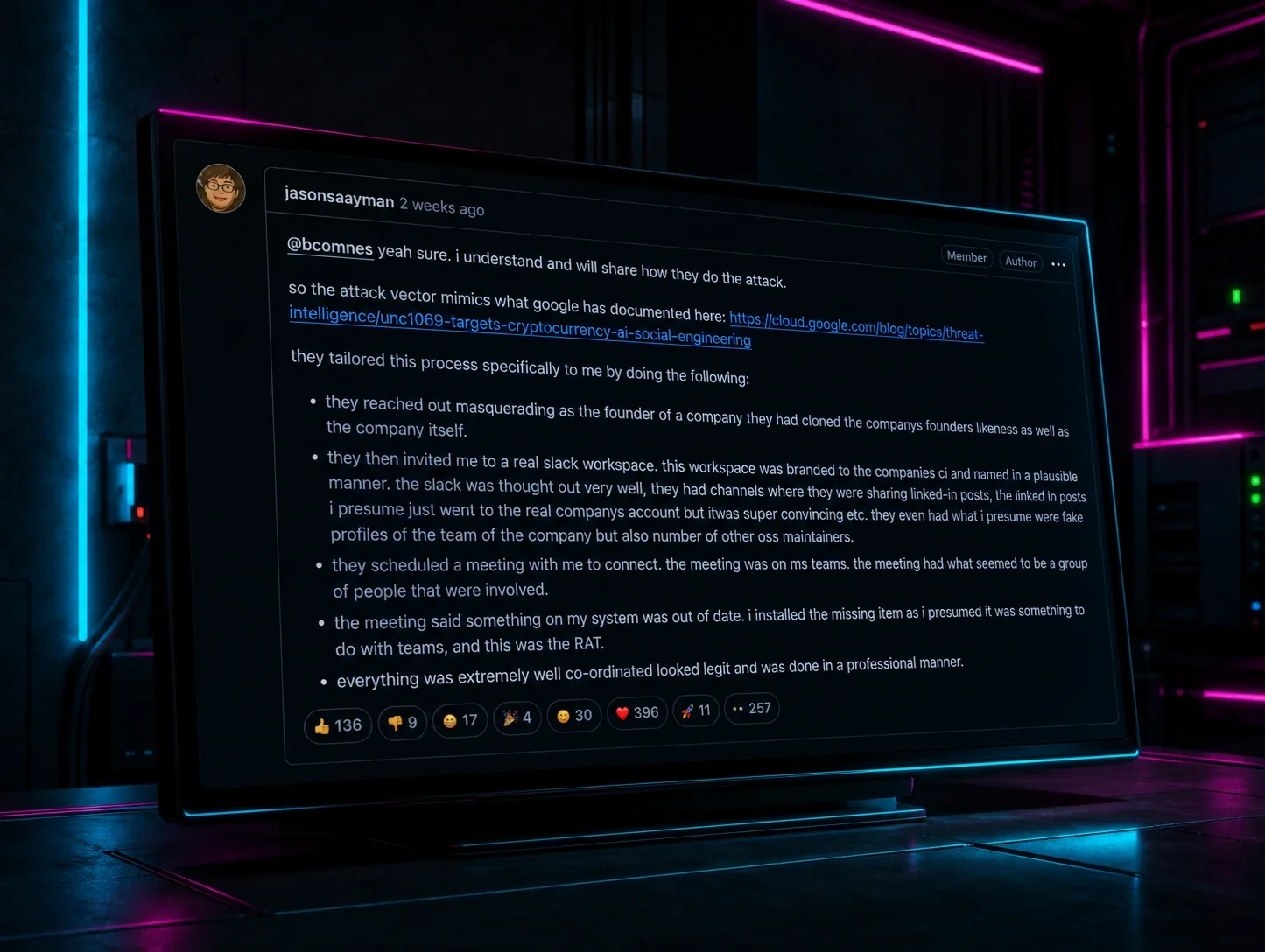
Huntress recaps its April Tradecraft Tuesday panel (with researchers from Wiz and Aikido Security) on the March 2026 axios npm supply chain compromise, in which attackers took over maintainer jasonsaayman's account via an elaborate fake-company/fake-Slack/Teams social-engineering scheme and published two backdoored axios releases ([email protected], [email protected]) carrying a cross-platform RAT. Huntress observed at least 135 endpoints contacting the attacker's C2 during the three-hour exposure window before npm pulled the versions, and Google attributed the campaign to UNC1069, a financially motivated DPRK-linked actor. The piece also contrasts the incident with other 2025-2026 npm attacks (qix account phishing, the Shai-Hulud worm, the Trivy/TeamPCP token-theft spread) and recommends dependency pinning, age-based version gating, and the Clean Source Principle as mitigations.
huntress.comarticleAdded 3 Sep 2026, published 21 Apr 2026🛡️ Security - Phishing Techniques Spotted: Email Examples & Red Flags
Huntress researchers break down five phishing techniques observed in 2025: voicemail-lure emails using obfuscated SVG attachments and the Raccoon0365 phishing kit to redirect victims to fake Microsoft login pages; callback phishing that lures victims to call a fake Visa support number; Microsoft/Docusign brand impersonation abusing open URL redirects on nypost.com; FedEx shipping-notification phishing using an ASCII-rendered QR code to evade image scanning; and Living off Trusted Sites (LoTS) attacks that route victims through legitimate services like Figma and Cloudflare Turnstile before landing on credential-phishing pages. Each example includes specific evasion tradecraft attackers use to bypass email security gateways and detection tools.
huntress.comarticleAdded 3 Sep 2026, published 16 Mar 2026🛡️ Security - Tradecraft Tuesday Recap | Huntress
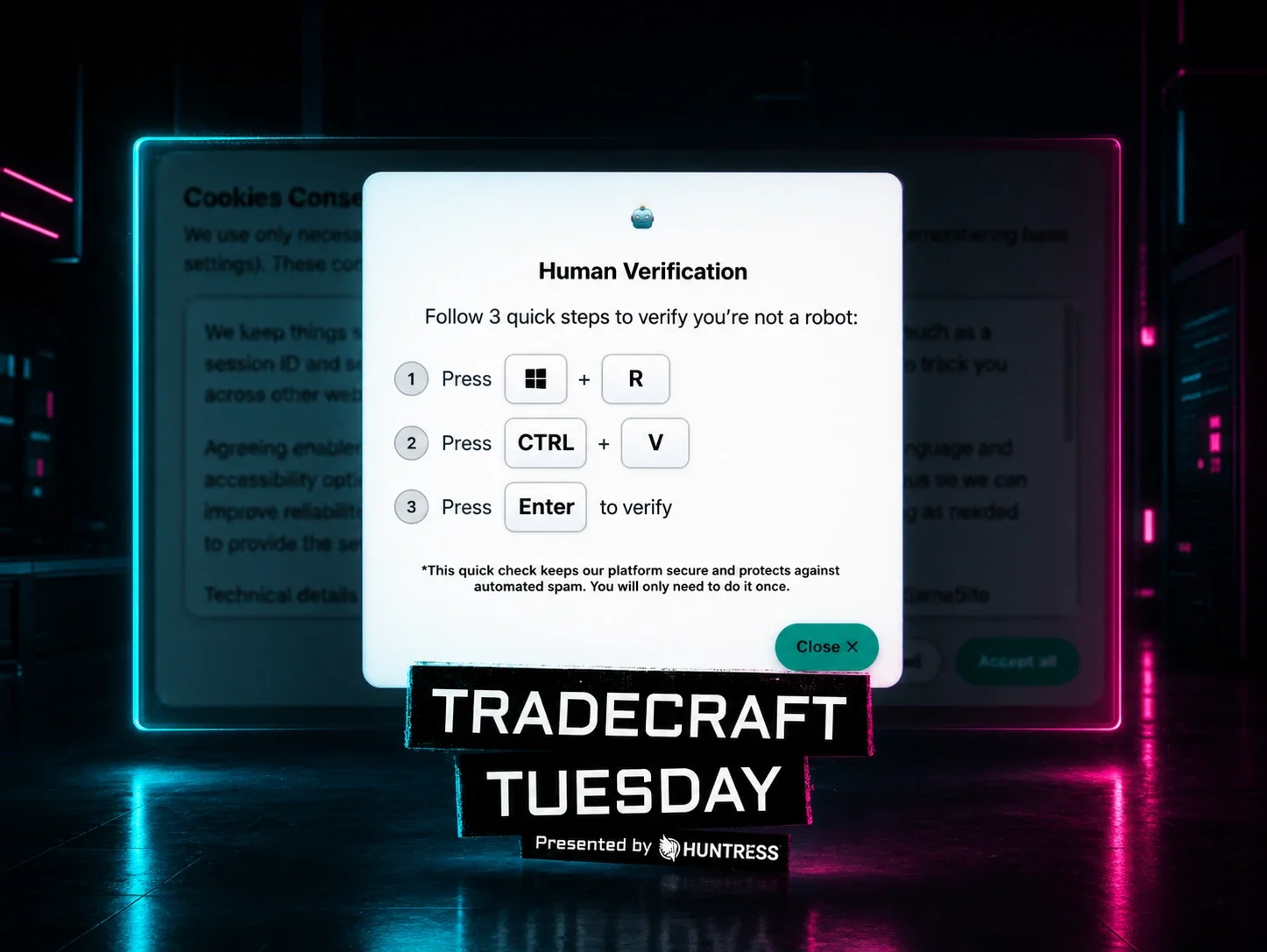
Recap of Huntress's Tradecraft Tuesday webinar featuring CISO Chris Henderson and Brian Milbier, covering active mass-exploitation of a critical React remote code execution flaw (CVE-2025-55182, dubbed "React2Shell") that is dropping cryptominers, the PeerBlight Linux backdoor, tunneling tools, and a Kaiji botnet variant, with GreyNoise data showing exploitation volume approaching Log4Shell scale. It also details the ClickFix technique for tricking users into self-executing malware via fake "human verification" prompts, and "living off trusted sites" phishing that abuses legitimate PayPal/DocuSign/OneDrive senders to bypass reputation-based email filters, closing with a practical hardening checklist (MFA, passkeys, password managers, credit freezes) and coverage of AI-driven sextortion, deepfake romance scams, and pig-butchering fraud.
huntress.comarticleAdded 3 Sep 2026, published 23 Dec 2025🛡️ Security - Deobfuscating Files for Flags: Huntress CTF 2025 Retro
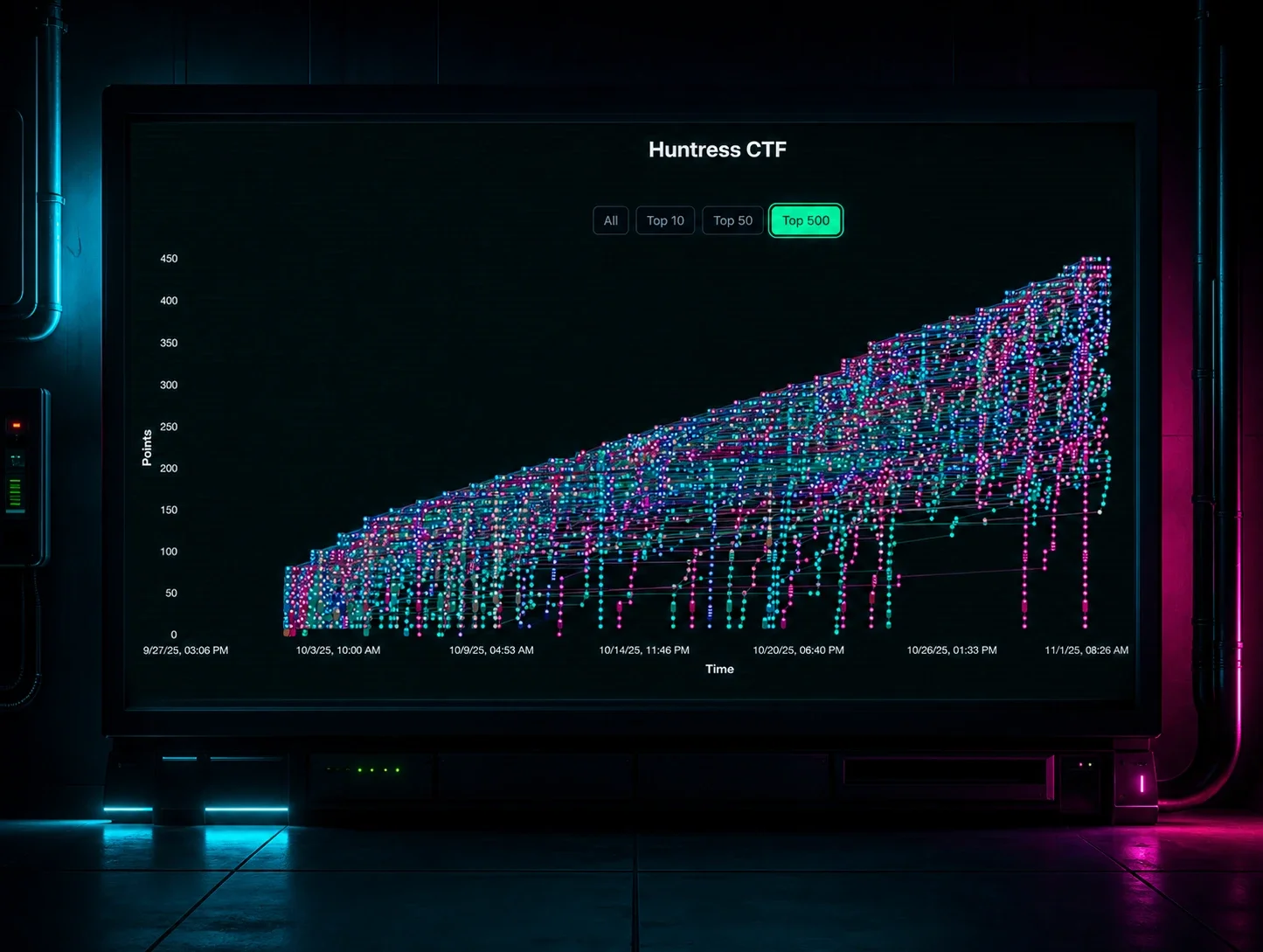
Huntress's recap of its October 2025 CTF event (11,898 registered users, 6,892 teams), covering challenge highlights like an AutoIT-decompiled cryptocurrency stealer ('Sandy'), a Rust-reimplemented supply-chain malware challenge ('Rust Tickler'), a Lua infostealer ('My Hawaii Vacation'), a Linux kernel rootkit reverse-engineering challenge ('Root Canal'), a nested PowerShell malware challenge ('Lizard'), an EntraID phishing challenge ('Angler'), and OSINT/DFIR challenges, with links to community-authored writeups for several. It also notes operational bloopers, including a database overload from launch traffic and participants triggering real Microsoft Defender alerts by analyzing malware outside isolated VMs.
huntress.comarticleAdded 3 Sep 2026, published 6 Nov 2025🛡️ Security - OSINT from images' metadata hosted on websites
A red-team/OSINT writeup detailing how EXIF, XMP, and IPTC metadata embedded in website-hosted images can leak names, email addresses, phone numbers, postal addresses, GPS coordinates, and software/platform info useful for reconnaissance, phishing, and social engineering. It catalogs specific metadata field names (e.g. XMP:CreatorWorkEmail, EXIF:Artist, XMP:HistorySoftwareAgent) and demonstrates extraction using ExifTool with a real example from a news site image. The author also released webimginfo, a Python script built on BeautifulSoup4 and PyExifTool that scrapes all <img> tags from a URL and extracts these metadata fields automatically.
 bencteux.frarticleAdded 3 Sep 2026, published 13 Apr 2023🛡️ Security