 Trojanized Claude Code Extension Plants an SSH Backdoor
Analysis of a trojanized anthropic.claude-code 2.1.313 extension (darwin-arm64), found on Open VSX, with a 66-line loader prepended to extension.js. It adds an svc-telemetry key to authorized_keys, opens a reverse SSH tunnel to 134.209.82.225, sets persistence (LaunchAgent, cron, scheduled task) and sends host recon over HTTP port 8099. Includes IOCs, hashes and response steps; no further payload download was found.
 opensourcemalware.comwriteupPublished and added 30 Oct 2026🛡️ Security
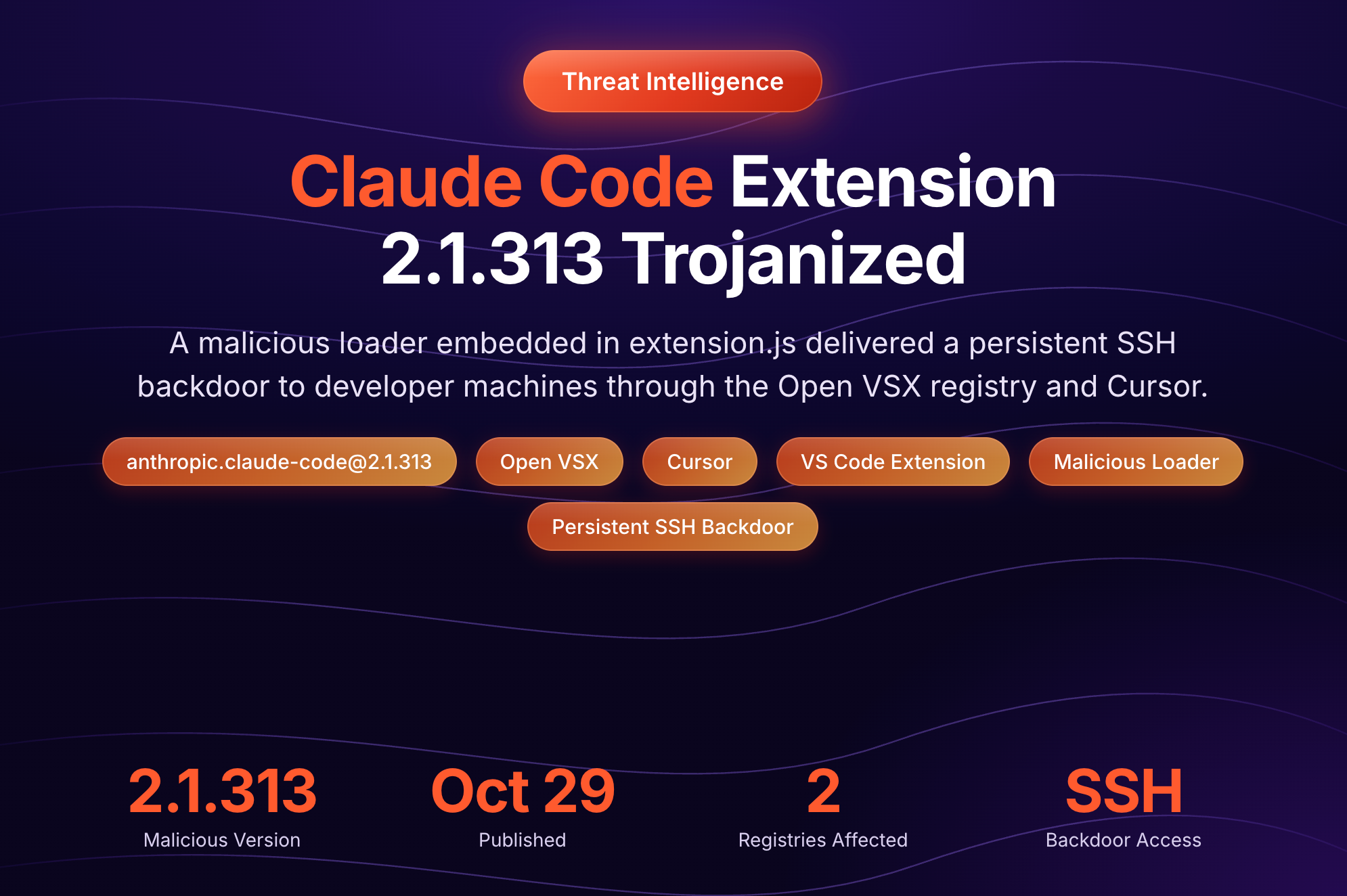 Trojanized Claude Code Extension Delivered Persistent SSH Backdoor to Developer Machines
The Claude Code VS Code extension anthropic.claude-code 2.1.313 was published on Open VSX on 29 October 2026 with a malicious loader prepended to extension.js. On load it planted an attacker SSH key (svc-telemetry), installed per-OS persistence, opened a reverse SSH tunnel and beaconed host recon over HTTP. Cursor reports at most 5,000 users received it in an 11-hour window. The post gives the timeline, cleanup artifacts and credential rotation steps.
 stepsecurity.iowriteupPublished and added 30 Oct 2026🛡️ Security
 Backdoor in Claude Code for VS Code extension on the Cursor Marketplace
Phorion analyzes a backdoor injected into versions 2.1.312 and 2.1.313 of the official Claude Code for VS Code extension on the Cursor Marketplace. An IIFE prepended to extension.js plants an SSH key, opens a reverse SSH tunnel to 134.209.82[.]225, persists via a fake com.apple.sysmond LaunchAgent and beacons host recon. A macOS systemsetup check bug usually stops SSH from being enabled. The post lists detections and remediation.
 phorion.iowriteupAdded 31 Oct 2026, published 30 Oct 2026🛡️ Security
 Rekt - SingularityNET - Rekt
SingularityNET exploit (19 September 2026): attackers with signing authority exposed through a cloud infrastructure breach drained 8.72M FET from the Ethereum bridge converter, then minted about 2.3 billion AGIX, NTX, WMTX and CGV. Rekt's transaction-level reconstruction puts gross liquid proceeds near $2.29M, not the $16.77M headline, and traces laundering via Chainflip, Baltex and THORChain. It notes conversionIn() skipped checkLimits() and trusted a single EOA signature.
 rekt.newswriteupAdded 29 Oct 2026🛡️ Security
- Field Notes: Reconstructing an Attacker’s Workflow
Field note from dfir.ch on PowerShell scripts an attacker left on disk during an incident: a file-watching command runner using Invoke-Expression, a fake Windows credential prompt that validates passwords via Start-Process and logs them in cleartext, AD computer enumeration with WMI access testing, and SMB share discovery via NetShareEnum. It notes where script labels overstate what they prove and lists hunting strings for Event IDs 4104, 4103, 4688 and Sysmon 1.
 dfir.chwriteupAdded 24 Oct 2026, published 22 Oct 2026🛡️ Security
 “Next Exploit Opportunities”: How a Threat Actor Used AI to Help Plan and Execute Multiple Types of Cybercrime Activities
Unit 42 analysis of a threat actor, BUGSTER, who ran the Hermes Agent framework with jailbroken DeepSeek V4 and Cursor to plan and run cybercrime. Activity included a WordPress brute force, a MongoDB exfiltration of over 5,200 student records at an Indian university, VoIP fraud planning, Wi-Fi cracking via Vast.ai GPUs, and crypto whale reconnaissance. The report covers the actor's prompt-level safety override, infrastructure (162.243.3[.]92) and attribution.
 unit42.paloaltonetworks.comwriteupAdded 30 Oct 2026, published 21 Oct 2026🛡️ Security
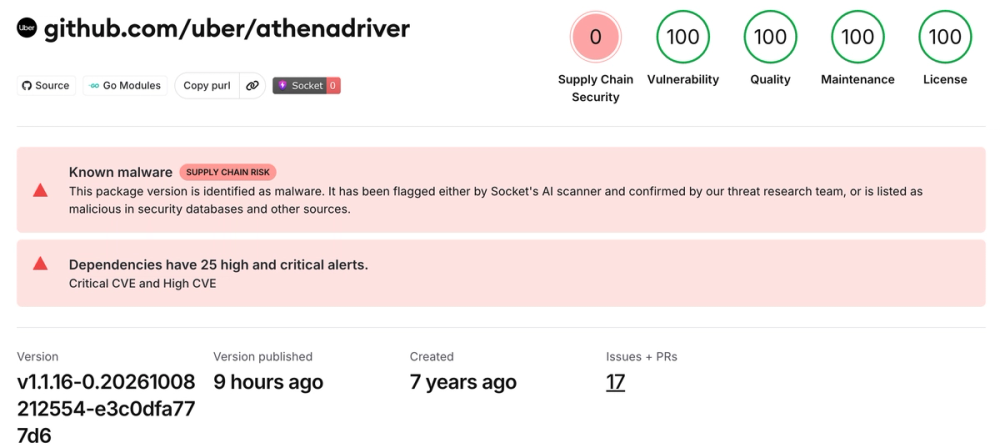 New GhostAction Wave Hits Hundreds of Repos, Expanding Beyond CI/CD Secrets to Cloud Credentials
Socket documents an October 8, 2026 wave of the GhostAction campaign in which two compromised GitHub maintainer accounts (henrywoo and kitao) pushed a malicious security-audit.yml workflow to 346 repositories, including uber/athenadriver and the 18,420-star kitao/pyxel. Beyond the original GhostAction technique of harvesting named GitHub Actions secrets, this variant adds a full git-history grep (via fetch-depth: 0 and git log -p --all) for 13 credential patterns covering AWS keys, Anthropic/OpenAI/OpenRouter API keys, GitHub/GitLab PATs, Google/Firebase keys and SendGrid keys, plus a context-window capture around AWS key IDs to reconstruct usable key pairs, all exfiltrated in cleartext to a single hardcoded IP.
 socket.devwriteupPublished and added 9 Oct 2026🛡️ Security
 How to Investigate a GitHub Repo's Real History
Step-by-step guide to reconstructing the real history of a tampered GitHub repo using data the attacker can't forge: raw commit objects (git cat-file), GitHub's repository activity API and audit log, before/after SHA ancestry checks, and npm publish timestamps. Worked through a PolinRider case (nestjsx/nest-access-control) where a forged commit was force-pushed to master plus 22 branches in 38 seconds, with a malicious .vscode/tasks.json runOn folderOpen trigger. It also covers safe handling of untrusted clones and how to tell victim accounts from attacker accounts.
opensourcemalware.comwriteupPublished and added 6 Oct 2026🛡️ Security- Up a Creek Without a Command Line: Mapping an Akira Ransomware Attack | Huntress
Huntress researchers reconstruct an Akira ransomware attack timeline using forensic artifacts collected after the Huntress agent was installed post-compromise, including Windows Registry Shellbags, Event Logs, and Akira ransomware log files. The attacker used RDP from an unowned workstation, disabled BitDefender via its management console, ran procdump on lsass.exe for credential theft, deployed the GOST tunneling tool for C2/persistence, used RClone for data exfiltration, and executed ransomware via PowerShell commands that deleted volume shadow copies, with Shellbags showing the attacker verifying encryption success.
 huntress.comwriteupPublished and added 6 Oct 2026🛡️ Security
 SMTP is the key: BPFDoor and AVERAT hitting the network edge
Rapid7 details a new BPFDoor campaign targeting telecom and network-edge appliances (ShareTech, SpamSniper mail gateways) and a six-sample Linux RAT family dubbed AVERAT found on compromised Taiwanese CPE (Synology NAS, a NetKlass device, a Dahua DVR). The writeup reconstructs the Rapid7 BPFDoor controller's HTTP-tunneled trigger mechanism, a fileless ShareTech dropper that stages binaries as ntpdate/udevds and deletes them while processes keep running, a BPF Rekoobe variant that hides inside SMTP port-25 traffic, and AVERAT's RC4-derived config/C2 scheme — tying the infrastructure to the broader China-nexus ORB (Operational Relay Box) device pattern described in CISA/NCSC-UK advisory AA26-113A. It closes with detection guidance for unlinked/deleted process execution, dropper staging artifacts, and port-25 C2 callbacks, plus full IOC and ATT&CK tables.
 rapid7.comwriteupAdded 7 Oct 2026, published 2 Oct 2026🛡️ Security
 How AI Helped Chainalysis Investigators Trace the $387 Million North Korea Stole from Bitget
Chainalysis describes its investigation into the September 24, 2026 DPRK-attributed theft of $387 million from exchange Bitget, which within three hours moved across Ethereum (49.7%), XRP (40.8%), Zcash (7.6%), and Tron (1.8%). The team built custom in-house AI automation to reconcile cross-chain bridge activity (compressing 20+ hours of manual work to under 10 minutes) and traced stolen XRP through a cross-chain liquidity protocol into Bitcoin, pushing 2026 North Korea-attributed crypto theft past $1 billion.
 chainalysis.comwriteupAdded 7 Oct 2026, published 1 Oct 2026🛡️ Security
- Field Notes: Reconstructing the Attacker's LSASS Dump
DFIR.ch field notes on an incident where attackers used Ricardo J. Ruiz's TrickDump tool to dump LSASS without creating a conventional minidump file, instead leaving lock.json, shock.json, barrel.json and a ZIP of randomly-named memory-region chunks. The authors reconstructed the dump with TrickDump's create_dump.py and parsed it with pypykatz, confirming the attacker actually recovered reusable Kerberos credential material rather than just detecting that LSASS was touched. Includes hunting guidance (Sysmon EID 10 process-access telemetry, SeDebugPrivilege enablement, multi-binary workflows) and notes TrickDump fails against LSASS protected by PPL.
dfir.chwriteupAdded 1 Oct 2026, published 30 Sep 2026🛡️ Security  Phishing Abuses RMM Tools for Persistent Access
Microsoft Defender Experts document a July 2026 phishing campaign that delivers a masqueraded but legitimately signed MSP360 RMM installer (v2.5.0.67) via meeting-invite, Zoom, Adobe, and DHL-themed lures hosted on both attacker infrastructure and legitimate cloud services (S3, Cloudflare R2, Dropbox, GitLab, Supabase). After UAC-elevated installation and service persistence, the RMM.Agent.exe service launches PowerShell to silently install a ConnectWise ScreenConnect client via msiexec, which the actor then uses via RunFile to drop credential-theft and reconnaissance tools disguised as Windows/Defender/Phone Link components. A separate July intrusion used FaronicsDeployAgent.exe the same way to deploy ScreenConnect, showing the technique is not MSP360-specific; Microsoft provides IOCs, hunting queries, and mitigation guidance (Application Control, AppLocker publisher rules, ASR rules) but does not attribute the activity.
 microsoft.comwriteupAdded 7 Oct 2026, published 29 Sep 2026🛡️ Security
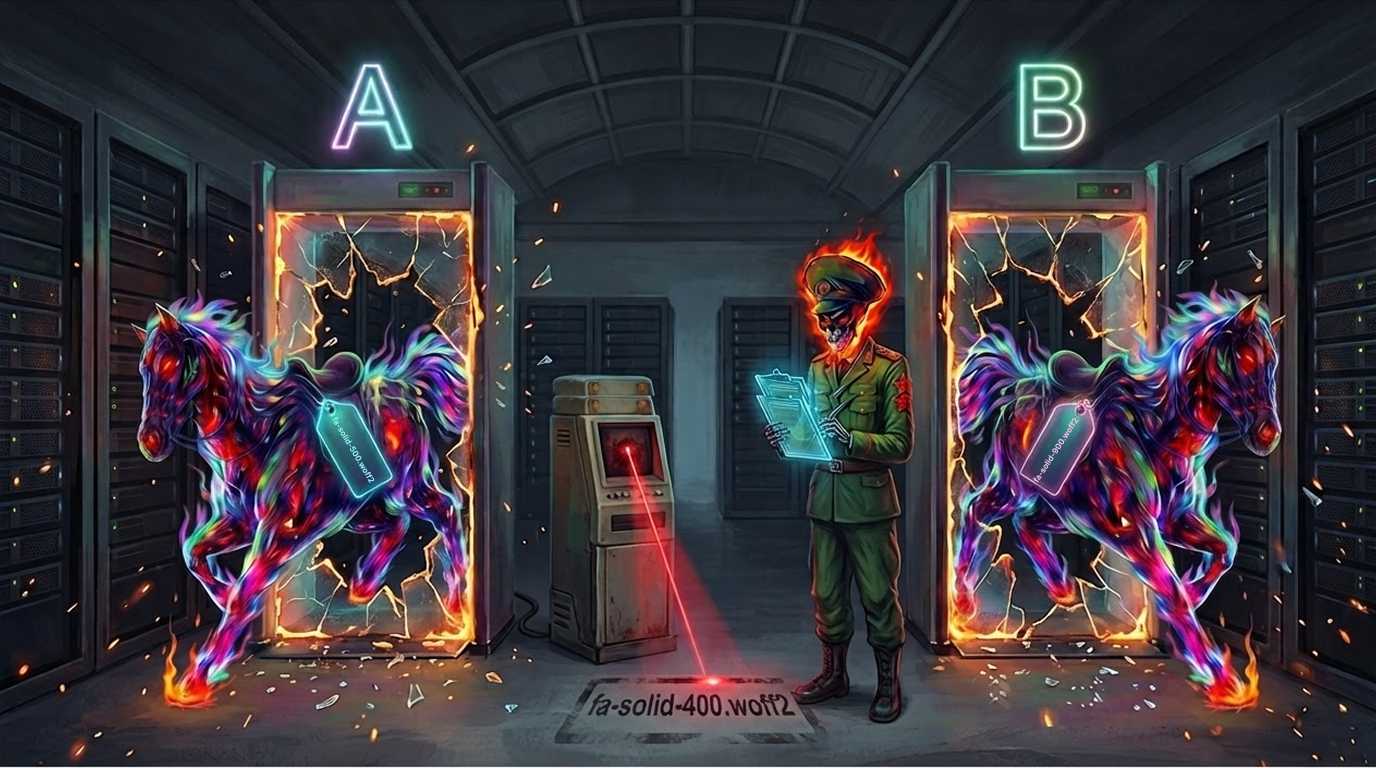 PolinRider is A/B Testing its Way Past Your Detections
Opensourcemalware.com traces PolinRider, a DPRK-linked supply-chain malware delivered via a poisoned .vscode/tasks.json that autoruns an obfuscated payload disguised as a Font Awesome .woff2 file, through an 8-month infection of three real GitHub repos (Binary-Mindz org). Using GitHub's server-side activity log they reconstruct 853 force-pushes showing the operators A/B-testing multiple concurrent payload variants (400/500/900), rewriting commits to impersonate legitimate cleanup commits, hiding payloads inside eslint.config.mjs and prisma.config.ts, and using an Ethereum-wallet-based C2 dead-drop (NullReceiver). The post lists why common detection heuristics (filename search, whitespace padding, marker strings) fail against the new variants and gives working detections (file-type checks, folderOpen task grepping, activity-log force-push monitoring) plus full IOCs.
opensourcemalware.comwriteupPublished and added 26 Sep 2026🛡️ Security Camera Hacking: Testing Cameras with Eyesharvester
Hands-on walkthrough of Eyesharvester, an open-source recon tool (github.com/Exhunterx/eyesharvester) that scans IP ranges to fingerprint IP cameras, DVRs and NVRs, tests default credentials, lists vendor-specific CVEs and generates a hardening checklist. The piece demonstrates finding Hikvision devices vulnerable to CVE-2021-36260, which gives shell access and can be chained with a Metasploit payload and a reverse SSH/Meterpreter proxy to pivot into the internal network.
 hackers-arise.comwriteupAdded 7 Oct 2026, published 25 Sep 2026🛡️ Security
- The Tale of Two INC Ransom Notes: A Ransomware Timeline | Huntress
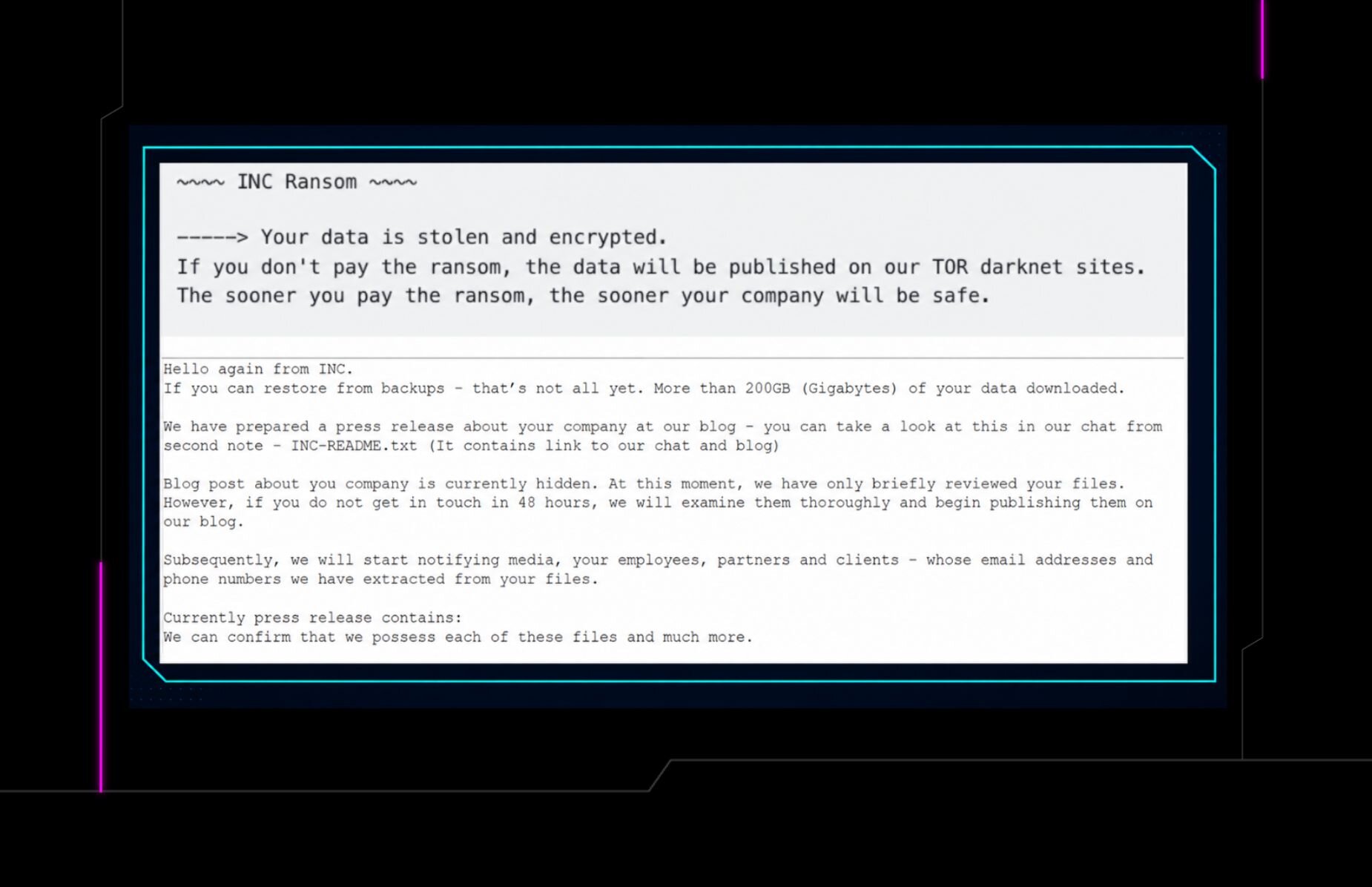
Huntress details a post-incident investigation into an INC ransomware attack that hit 175+ endpoints, reconstructed from surviving EDR telemetry and Windows event logs rather than live detection. The intrusion shows a 17-day gap between initial scheduled-task persistence and RDP lateral movement (possibly an initial access broker), and a second wave using AnyDesk, a BYOVD tool (hwau.exe loading the HwAudio kernel driver) to disable security controls, and Impacket's atexec.py to deploy INC ransomware. Attackers dropped two distinct ransom notes 53 minutes apart: a standard INC-README.txt and a detailed DATALEAK_PRESS_RELEASE.txt threatening to notify media, employees and partners with a full inventory of stolen files.
huntress.comwriteupAdded 22 Sep 2026, published 21 Sep 2026🛡️ Security  Passkey-themed social engineering leads to identity and cloud compromise
Microsoft Security Research details an active campaign (since May 2026) where attackers use voice-phishing and SMS lures impersonating IT helpdesk passkey/SSO enrollment requests to drive victims into AiTM or device-code phishing flows, compromising Microsoft 365 identities. Post-compromise, actors register attacker-controlled MFA methods (e.g., software OTP tokens) for persistence, conduct systematic Microsoft Graph reconnaissance across users, groups, roles, and SharePoint/OneDrive/Exchange, then exfiltrate data at a measured pace using automated Node.js/python-httpx tooling while evading detection through IP rotation and anonymous proxies. The post includes real audit-log JSON examples, multiple KQL hunting queries for GraphAPIAuditEvents/CloudAppEvents, full MITRE ATT&CK mapping, and attributes the initial-access tradecraft to Storm-3121 and Storm-3032, which feed into ShinyHunters/Falcon and Helix extortion operations.
microsoft.comwriteupAdded 3 Oct 2026, published 9 Sep 2026🛡️ Security Active exploitation of Cisco Secure Firewall Management Center vulnerabilities
Cisco Talos details active exploitation of CVE-2026-20079 (CVSS 10.0 unauthenticated auth bypass leading to root) and CVE-2026-20316 (low-privilege login via static credentials) in Cisco Secure Firewall Management Center. Three post-compromise clusters are tracked: UAT-12197 deploying a JSP web shell and JAR command executor to exfiltrate credentials; UAT-11823, overlapping with Sandworm, using a malicious Makeself license.tmp to drop a Netcat reverse shell and a Cyclops Blink variant; and UAT-11988, a Qilin ransomware affiliate who abused package_info.pl for LOTL recon, SOCKS5/reverse-SSH tunneling, and ultimately deployed Qilin ransomware. Talos provides Snort SIDs, hotfix guidance ahead of a comprehensive hardening release, and a GitHub IOC repository.
 blog.talosintelligence.comwriteupAdded 7 Oct 2026, published 9 Sep 2026🛡️ Security
 ClearFake WebDAV infection chain delivers Amatera stealer, ZigCryptoStealer, and NetSupport Manager
Cisco Talos reconstructs two related WebDAV-based infection chains (tracked actor UAT-10820) that use a ClickFix fake-CAPTCHA lure, EtherHiding on BNB Smart Chain to stage JavaScript via a malicious Cloudflare Worker, and WebDAV-delivered disguised DLLs executed via rundll32 ordinal calls to drop the Amatera stealer. Depending on the C2 configuration, Amatera then deploys either a NativeAOT-loaded ZigCryptoStealer with a BYOVD EDR-killer driver and a Go-based Yamux reverse proxy, or a PowerShell stager that installs a trojanized NetSupport Manager RAT pointed at Russian C2 infrastructure. The post details loader internals, Amatera's dead-drop C2 resolution via Telegraph and Steam, and provides ClamAV signatures plus a full IOC list.
blog.talosintelligence.comwriteupAdded 7 Oct 2026, published 8 Sep 2026🛡️ Security- The Crypto Wallet That Never Opened: Tampered Exodus Installer Hides a Modular RAT
Huntress dissects a trojanized Exodus crypto wallet installer (v24.33.4, unsigned MSI built with WiX) that installs a genuine wallet but patches Electron's show()/focus()/center() methods so no window ever appears, then loads a modular RAT via a hand-written reflective PE loader implemented in JavaScript using the Node.js koffi FFI library. The RAT (VNC, SOCKS proxy, browser-credential stealer, recon module) beacons over WebSockets and uses Azure Table Storage as a dead-drop C2 channel to blend into legitimate cloud traffic, while delivery abuses double-extension .pdf.js phishing, ZIP-staged JS files, and an unused search-ms/WebDAV technique; the writeup also covers multi-layer string-array/arithmetic deobfuscation and includes full IOCs and mitigation guidance.
huntress.comwriteupAdded 3 Sep 2026, published 1 Sep 2026🛡️ Security  The Term Finance Exploit: $8.5M Approved by Silence
A transaction-level forensic reconstruction of the August 23, 2026 Term Finance vault drain ($8.5M), in which an attacker funded a wallet via Tornado Cash, deposited a trivial 0.017% stake, and used it to submit an executable governance proposal through Term's opt-out "veto" voting model. The payload sat publicly visible on-chain for six days with no objection, then disabled the seven-day Zodiac delay-modifier timelock from inside the same proposal it was supposed to be gated by, before draining four ETH sub-vaults and five USDC vaults (including contagion into a RockawayX/Tori Finance curated vault). The piece dissects why the exploit required no leaked key, oracle manipulation, or reentrancy — only an unwatched veto queue and a timelock reachable by the mechanism it was meant to contain.
 defiprime.comwriteupAdded 30 Sep 2026, published 23 Aug 2026🛡️ Security
 UAT-10147: Chinese-speaking adversary integrates agentic AI into post-compromise operations
Cisco Talos details UAT-10147, a Chinese-speaking cybercrime group exploiting one-day vulnerabilities in Windows/Linux web servers to deploy BadIIS, QuasarRAT, NoodleRAT, and SPECTRE implants, while also integrating agentic AI tools (PentestGPT, DeepAudit, and AI-orchestrated ysoserial workflows) to generate exploit playbooks, automate ASP.NET ViewState deserialization RCE, validate exploit success, and run reconnaissance/exfiltration end to end. Talos recovered AI-generated Python scripts and a findings log from the actor's C2 open directory showing semi-autonomous exploit refinement, OOB callback verification via webhook.site, and privilege escalation via SeImpersonatePrivilege/Potato exploits — evidence of a shift from AI-assisted scripting toward agentic offensive orchestration.
blog.talosintelligence.comwriteupAdded 24 Aug 2026, published 20 Aug 2026🛡️ Security How to Spot and Stop Rogue Device Joins
Wiz details how attackers abuse Entra ID's Device Registration Service to register rogue devices — often via device code phishing — to satisfy Conditional Access policies requiring joined devices, commonly using the open-source ROADrecon framework and predictable names like DESKTOP-XXXXXXXX. As attackers shift to AI-generated, benign-looking device names (e.g., "Work PC") and plausible User-Agent strings, static IOC matching breaks down, so Wiz shifted to behavioral detections: naming-convention anomaly detection against tenant baselines and correlating device-code-phishing alerts with subsequent device registrations, including a shared KQL query for identifying anomalous naming baselines.
 wiz.iowriteupAdded 3 Sep 2026, published 18 Aug 2026🛡️ Security
 How to Investigate GitHub PAT Compromise: Lessons From a Multi-Organization Campaign
Wiz's Customer Incident Response Team (CIRT) details a real campaign (mid-May–early June 2026) in which stolen GitHub Personal Access Tokens were used for repository reconnaissance, low-volume validation cloning, and then mass exfiltration of thousands of repos per organization from AWS IPs using automated tooling. The post provides a structured investigation playbook — containing the compromised PAT, expanding the timeline via GitHub audit logs and Enterprise Log Streaming, tracing the leak source, assessing blast radius (exposed secrets/PII in exfiltrated repos), rotating credentials, and hunting for downstream cloud abuse — while noting GitHub's 7-day audit log retention limits visibility.
wiz.iowriteupAdded 3 Sep 2026, published 13 Aug 2026🛡️ Security Inside the Metabase SQLi: Exploited in the Wild
Wiz Research reverse-engineers CVE-2026-72898 (GHSA-vwf4-m7j8-wcjf), a zero-day SQL injection in Metabase's /api/session/reset_password endpoint exploited in the wild against Metabase Cloud since August 2026. The bug chains Clojure's merge (which lets an attacker-supplied user-id survive an auth-result merge), JSON keywordization, and HoneySQL's :raw keyword to smuggle unparameterized SQL into a t2/select-one query, yielding blind SQL injection. The post walks through decompiling patched vs. vulnerable JARs to reconstruct the flaw, notes ~2,500 internet-exposed Metabase instances per Shodan, and gives a curl-based exploitability check plus remediation guidance.
wiz.iowriteupAdded 3 Sep 2026, published 10 Aug 2026🛡️ Security Can AI Do Novel Security Research? Meet the HTTP Terminator
PortSwigger research paper on the 'HTTP Terminator', an autonomous LLM-driven pipeline (hypothesis generation from RFC micro-inspiration, live evaluation via a Burp Suite/SQLite harness against 30,000+ targets, and weaponization through an MCP-controlled Turbo Intruder agent) that discovered new HTTP desync triggers and Response Queue Poisoning exploits. It details concrete new techniques (the protocol-ruler recon method, the 'dangling byte' RQP-reliability trick, Response Forking, Status-Line Injection, Range Cache Poisoning) and a major new attack class, Shared Parser Confusion, plus a resulting CVE-2026-63078 zero-day in Apache Traffic Server, and real compromises of banks, an airport admin panel, a Beyond Trust product, a Meta server, and a Citrix NetScaler-based SSO deployment.
 portswigger.netwriteupAdded 18 Sep 2026, published 5 Aug 2026🛡️ Security
- OSINT TikTok Extraction
A hands-on OSINT tutorial demonstrating three tools for TikTok reconnaissance: Unfurl (dfir.blog/unfurl) for decoding video IDs, usernames, and timestamps embedded in TikTok URLs; Bellingcat's tiktok-timestamp tool for extracting exact upload date/time from video links; and omar-thing.site for pulling account-level intelligence such as user ID, creation date, location, language, bio, and follower/following lists. It walks through each tool with example queries to show how public TikTok data can be turned into investigative leads.
hackers-arise.comwriteupAdded 3 Sep 2026, published 31 Jul 2026🛡️ Security  Teaching LLMs to Update Beliefs for Efficient Long-Horizon Interaction
BAIR blog post introducing ABBEL, a framework that replaces an LLM agent's full interaction history with an explicit, RL-trained "belief state" that is periodically updated and graded via an autoencoding-style reconstruction objective (the model must be able to reconstruct the latest observation from its belief). Evaluated on CollabBench (collaborative code generation from Sweet-RL), a Wordle-like Combination Lock game, and multi-objective QA (compared against MEM1), ABBEL closes roughly half the performance gap to full-context models versus unsupervised summarization while using far less peak context, and trains in fewer steps. The post accompanies the arXiv paper "ABBEL: Learning Natural-Language Belief States for Memory-Efficient Interaction" (Lidayan, Bjorner, Golechha, Goyal, Suhr, 2026).
 bair.berkeley.eduwriteupAdded 29 Sep 2026, published 26 Jul 2026🧠 AI
 Compromised PyPI Package: mrmustard 0.7.4 Steals SSH, Cloud, and Kubernetes Credentials
StepSecurity reconstructs how a malicious version of XanaduAI's mrmustard quantum-photonics library (0.7.4) reached PyPI: an attacker compromised a maintainer's GitHub account, used a throwaway workflow to exfiltrate the project's PyPI and Codecov tokens via webhook.site, then published a poisoned tarball directly (the malicious code never touched the git source tree). On import, the payload evades CI/container sandboxes, then steals SSH keys, AWS/Kubernetes credentials, and HPC/GPU environment data, XOR-obfuscates it, and beacons to metrics.femboy.energy before installing three persistence mechanisms (cron job, Python .pth hook, shell rc hook). The post includes full IOCs, detection guidance via Harden-Runner's Secret Exfiltration Attempt detection and Global Block Policy, and step-by-step recovery instructions.
stepsecurity.iowriteupAdded 3 Sep 2026, published 25 Jul 2026🛡️ Security- AI-Coded Malware | Analyzing Vibe-Coded AD Enumeration | Huntress
Huntress recovered and reconstructed "Untitled1.ps1," a PowerShell Active Directory enumeration script used by an attacker during a June 3 incident via RDP access with compromised credentials, and identified it as AI-generated ("vibe-coded") based on artifacts like an unedited LLM placeholder hostname, a "FULLY FIXED" prompt-iteration title, over-engineered five-method DC-discovery fallback logic, and gratuitous colored console/HTML reporting output. The attack chain paired this bespoke recon tool with off-the-shelf abuse of s5cmd (legitimate AWS S3 CLI used for exfiltration) and SharpShares (share enumeration), illustrating how LLM-generated one-off malware evades hash/signature-based detection and pushes defenders toward behavioral analytics on Active Directory enumeration patterns.
huntress.comwriteupAdded 3 Sep 2026, published 8 Jul 2026🛡️ Security 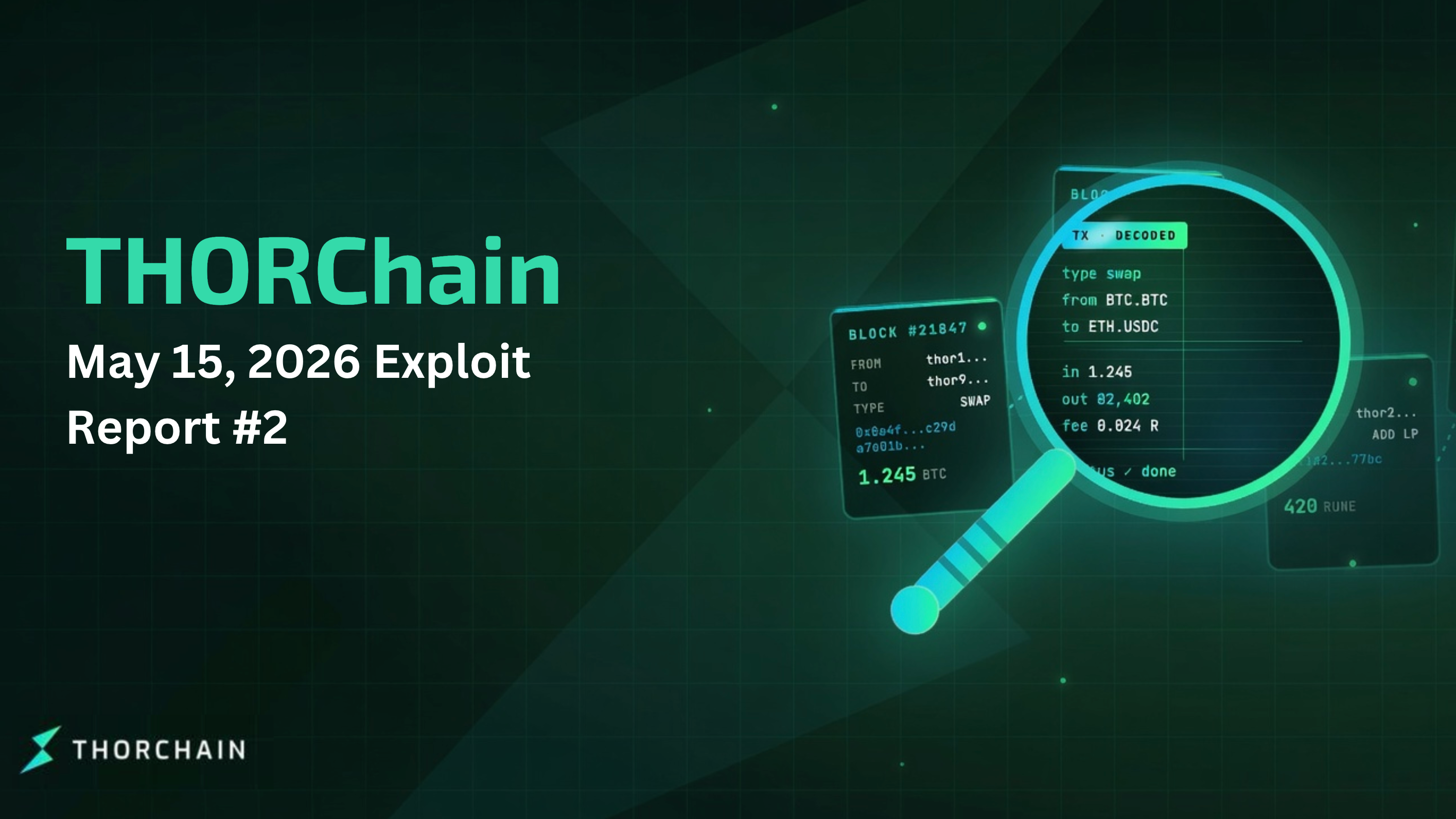 THORChain Exploit Report #2 — GG20 root-cause disclosure
THORChain's second exploit post-mortem details how an attacker who joined as a validator planted a malformed multi-prime Paillier modulus during GG20 threshold-signature key generation, then deliberately failed 864 MTA signing rounds over 2.5 days to leak fragments of other validators' key shares via a combination of three individually low-severity flaws inherited from Binance's tss-lib: an unverified Paillier modulus (the same class documented as BitForge and TSSHOCK), a range proof that didn't bind its two halves together, and an undersized blinding value. Once enough fragments accumulated the attacker reconstructed the full vault private key and drained roughly 10 million dollars in a single transaction before solvency checks could react, since no anomalous fund movement preceded the theft. THORChain is patching the fork, moving from GG20 and Paillier to DKLS and Schnorr based signing, and adding per-validator key-sign failure monitoring as a result.
 blog.thorchain.orgwriteupAdded 29 Sep 2026, published 3 Jul 2026🛡️ Security
- The Devil, Eight Million Emails, and a Whole Lot of Milk | Phishing Stager Exposed
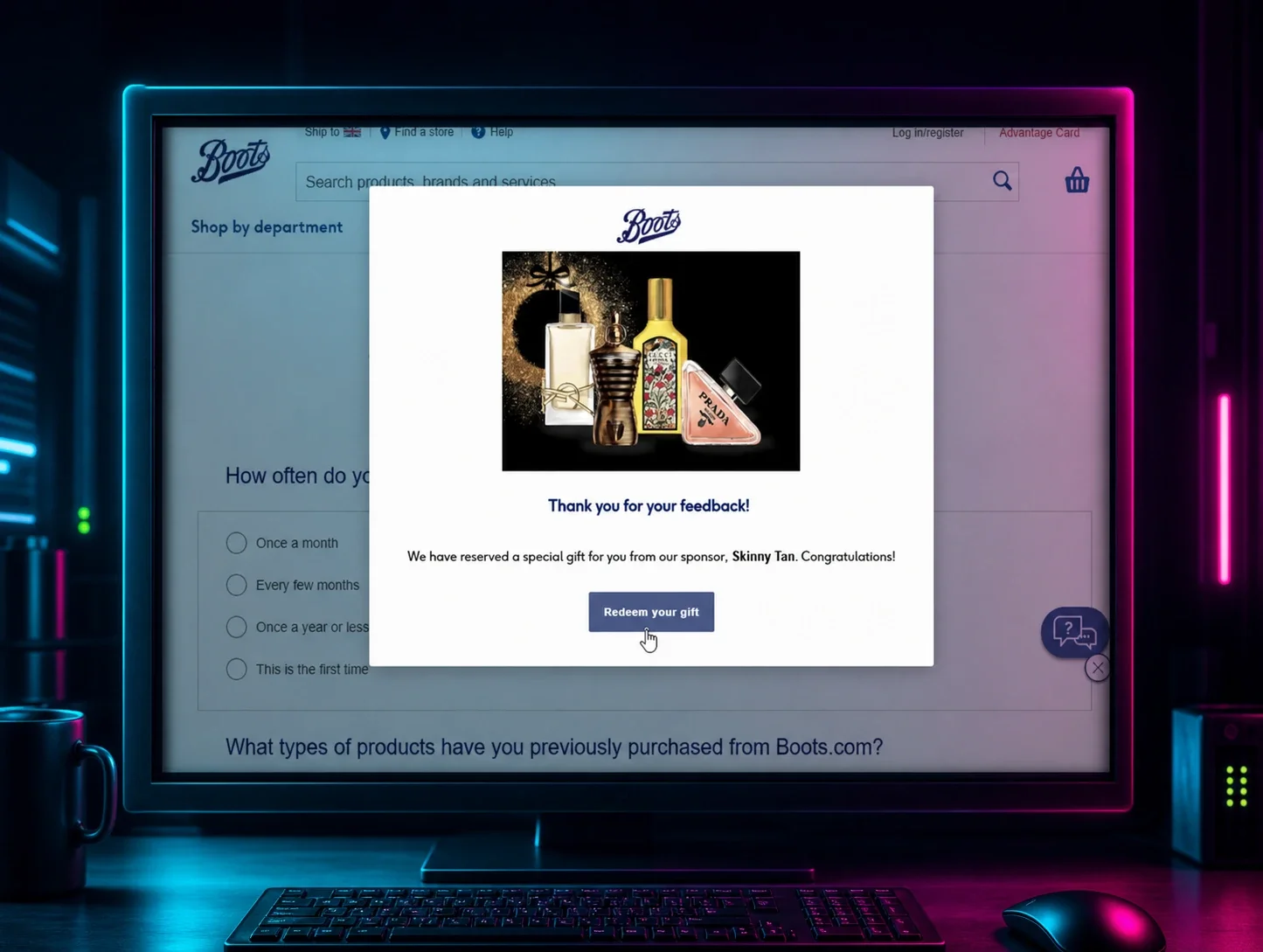
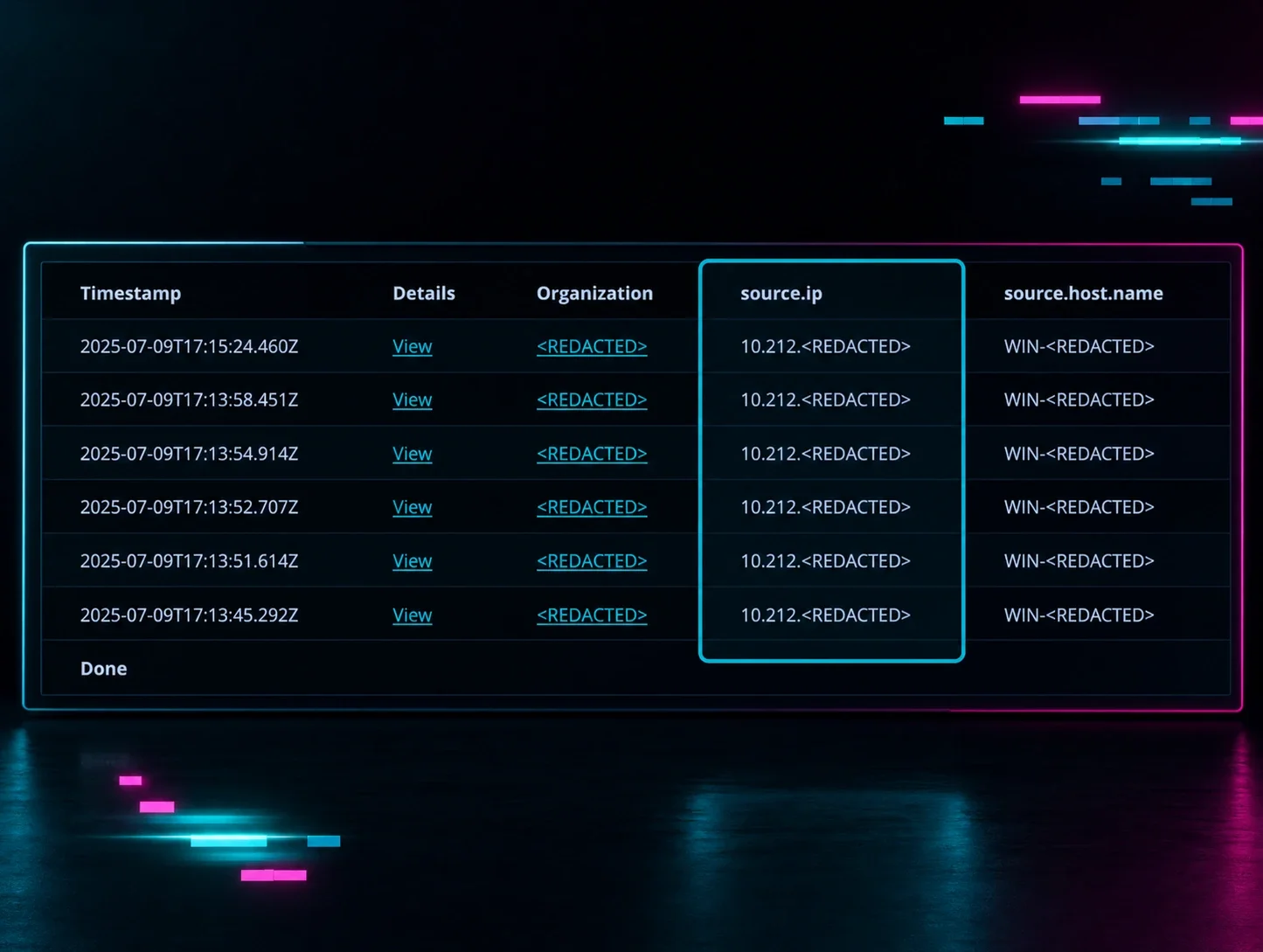
Huntress SOC incident report on an internet-facing RD Gateway/RDWeb terminal server compromised via credential reuse with no MFA, where the actor staged Gammadyne Mailer (a legitimate commercial bulk-mail tool) to send 8.9 million Boots-impersonation phishing emails direct-to-MX from the victim's clean IP, evading AV entirely. The phishing kit itself was hosted on a compromised Bolivian government domain (ipelc.gob.bo) to inherit its trust and dodge reputation blocklists, and the writeup details the log-forensics (Windows Security log gaps, Terminal Services operational logs, Chainsaw parsing, WFP Event 5157) used to reconstruct the timeline and attribute a separate opportunistic brute-force bot.
huntress.comwriteupAdded 3 Sep 2026, published 15 Jun 2026🛡️ Security - Mobile Network Hacking: Recon on Local Mobile Networks
A Hackers-Arise tutorial demonstrating use of FALCON (Fast Analysis of LTE on Control Channels), an srsRAN/srsLTE-based tool, together with DragonOS and a LimeSDR/USRP B210 to decode the PDCCH of local 4G/5G cell towers. It explains how capturing DCI, RNTIs, and resource allocation data can be abused for passive traffic interception, subscriber tracking via RNTIs, and targeted denial-of-service by identifying cell capacity limits.
hackers-arise.comwriteupAdded 3 Sep 2026, published 5 Jun 2026🛡️ Security  Quacc++
Somerset Recon details Quacc++, a proof-of-concept automated bug hunter that queries grep.app's regex-based index of public GitHub repos to find candidate vulnerable code, downloads matching repositories, and runs Semgrep taint-analysis rules to confirm exploitable patterns. Using a search for strcpy(buf, argv[ paired with a custom Semgrep taint rule, the authors discovered an unbounded strcpy stack buffer overflow in GetArgumentFiles() in Google DeepMind's Lab repository (engine/code/bspc/bspc.c), confirmed with AddressSanitizer and pwntools/GDB to give full RIP control at offset 1080. The post also walks through Semgrep rules for SQL injection (CWE-89), hardcoded API keys (CWE-798), and disabled TLS certificate validation (CWE-295) across curl/wget/requests/Node/Go.
 somersetrecon.comwriteupPublished and added 7 May 2026🛡️ Security
 GitHub RCE Vulnerability: CVE-2026-3854 Breakdown | Wiz Blog
Wiz Research's technical breakdown of CVE-2026-3854, a critical vulnerability in GitHub's internal git push pipeline (babeld, gitauth, gitrpcd, pre-receive hook) that let any authenticated user achieve unsandboxed remote code execution with a single `git push -o` command. The root cause is a semicolon-delimiter injection into the internal X-Stat header, chained through unsanitized push options to override security fields (rails_env, custom_hooks_dir, repo_pre_receive_hooks) and escape the custom-hooks sandbox, ultimately giving RCE as the shared git user on GitHub.com's multi-tenant storage nodes and full compromise on GitHub Enterprise Server. Wiz also highlights using AI-augmented reverse engineering (IDA MCP) to rapidly analyze GitHub's closed-source compiled binaries and reconstruct the internal protocol, which enabled the discovery.
wiz.iowriteupAdded 5 Sep 2026, published 28 Apr 2026🛡️ Security Marimo OSS Python Notebook RCE: From Disclosure to Exploitation in Under 10 Hours | Sysdig
Sysdig's Threat Research Team details CVE-2026-39987, a critical (CVSS 9.3) pre-authentication RCE in the marimo Python notebook platform's /terminal/ws WebSocket endpoint, which skips the validate_auth() check used elsewhere in the app and grants an unauthenticated interactive PTY shell. Using honeypots deployed within hours of the advisory, TRT observed a single attacker build a working exploit from the advisory text alone (no public PoC existed), run a scripted PoC validation, manually recon the filesystem, and steal .env AWS credentials and search for SSH keys, all in under 3 minutes, with first exploitation just 9h41m after disclosure. The piece argues niche software (20k GitHub stars) is now exploited as fast as major platforms like Langflow, and provides IOCs and hardening recommendations (upgrade to marimo 0.23.0, restrict/disable the terminal endpoint, rotate credentials).
 sysdig.comwriteupAdded 26 Sep 2026, published 9 Apr 2026🛡️ Security
- The ADWS Architecture That Hides PowerShell AD Enumeration
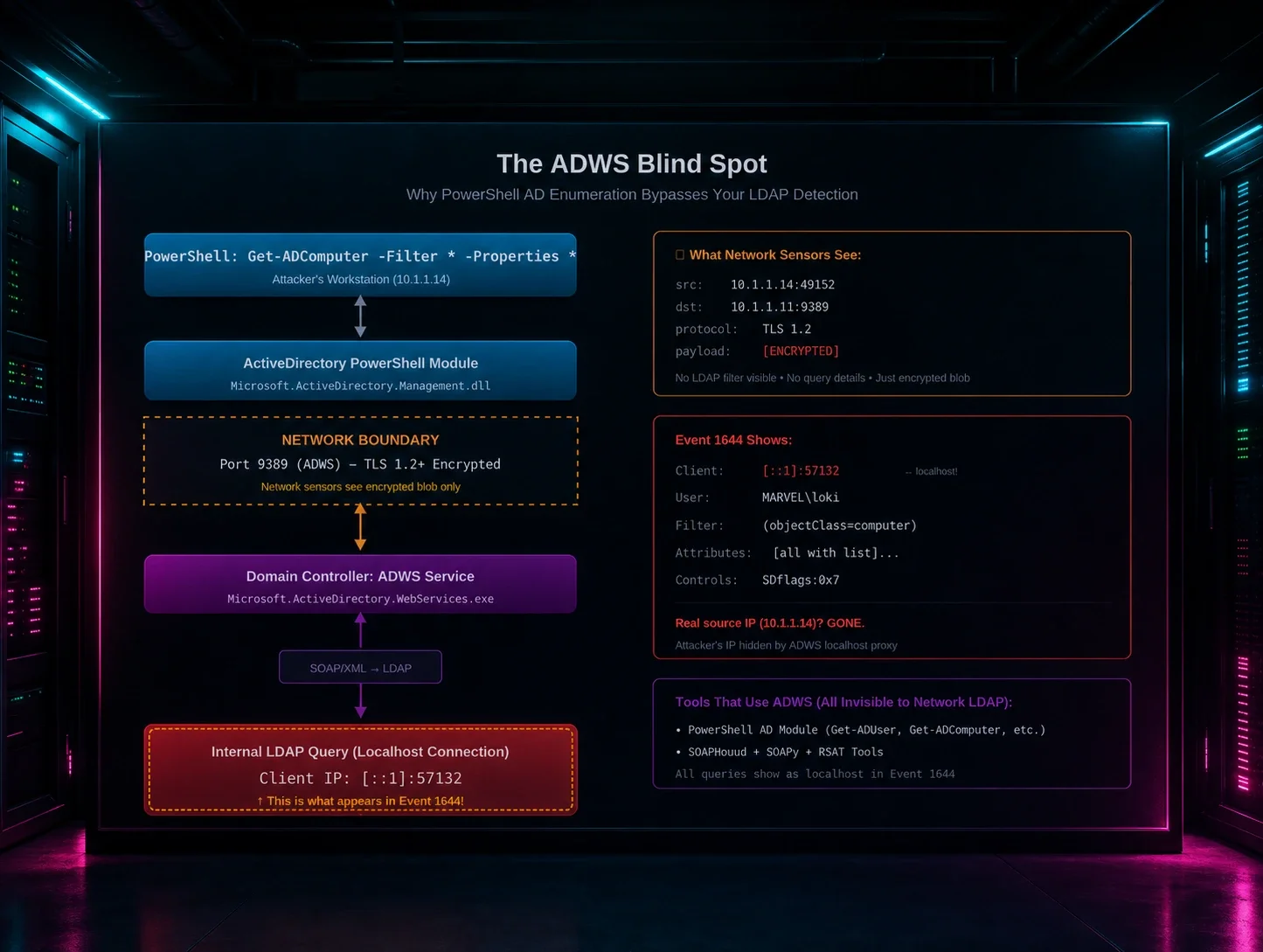
Part 5A of Huntress's LDAP/AD detection series explains why native PowerShell commands like Get-ADComputer -Properties * evade traditional LDAP-based detections: PowerShell's ActiveDirectory module uses Active Directory Web Services (ADWS) over encrypted SOAP on port 9389 rather than LDAP on 389/636, and the resulting Event 1644 log shows the query originating from localhost ([::1]) instead of the attacker's real IP. The author shows how to correlate Event 1644 with ADWS connection/session events (1138, 1139, 1166, 1167) via shared Operation ID to reconstruct full enumeration sessions, and flags the "[all_with_list]" attribute prefix and "SDflags:0x7" server control as high-fidelity indicators of PowerShell bulk property/security-descriptor dumps (as used by tools like BloodHound). It also demonstrates that case obfuscation of cmdlets (e.g., geT-aDcompUTER) is irrelevant at the LDAP layer since PowerShell is case-insensitive and translates to standard LDAP filters before reaching the DC.
huntress.comwriteupAdded 3 Sep 2026, published 8 Apr 2026🛡️ Security - How the Huntress SOC Stopped a VPN-Based Ransomware Attack
Huntress SOC incident writeup describing how attackers breached a small US construction manufacturer via a VPN lacking two-factor authentication, then used RDP for reconnaissance, dumped credentials after lateral movement, and attempted to disable Microsoft Defender and the Huntress EDR agent. The SOC's triage, support, and tactical response teams detected the activity via Managed EDR, isolated the network, reviewed VPN logs, and remediated by disabling compromised accounts and enabling 2FA before ransomware deployment occurred.
huntress.comwriteupAdded 3 Sep 2026, published 13 Mar 2026🛡️ Security - Missing system calls in the Linux kernel audit subsystem classes (CVE-2025-71239, CVE-2026-23241)
A researcher found that the Linux kernel audit subsystem's syscall classes (used to implement auditd's -p r/w/x/a filesystem watch rules) were missing three relatively new syscalls: fchmodat2, getxattrat, and listxattrat. Because these syscalls weren't hooked into the audit_change_attr/read classes, calling them instead of their older counterparts (fchmodat, getxattr, listxattr) let an attacker change file permissions or read extended attributes (e.g., file capabilities, SELinux labels) without triggering any SYSCALL audit alert, enabling stealthy privilege changes and reconnaissance. The gaps were assigned CVE-2025-71239 and CVE-2026-23241, fixed in kernel v7.0 and backported to LTS branches 5.10 through 6.19.
 bencteux.frwriteupAdded 3 Sep 2026, published 8 Mar 2026🛡️ Security
- Unmasking an Attack Chain of MuddyWater
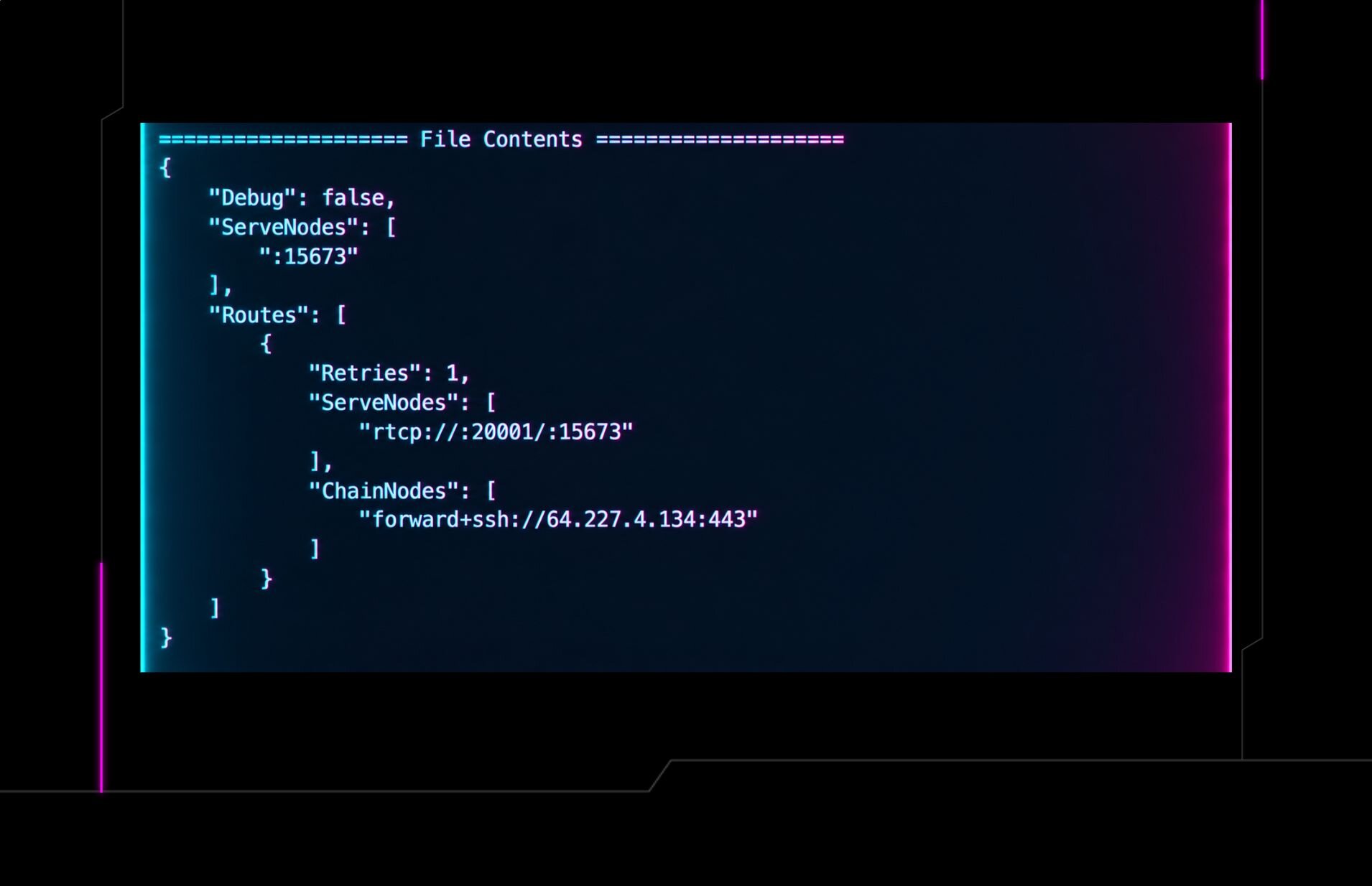
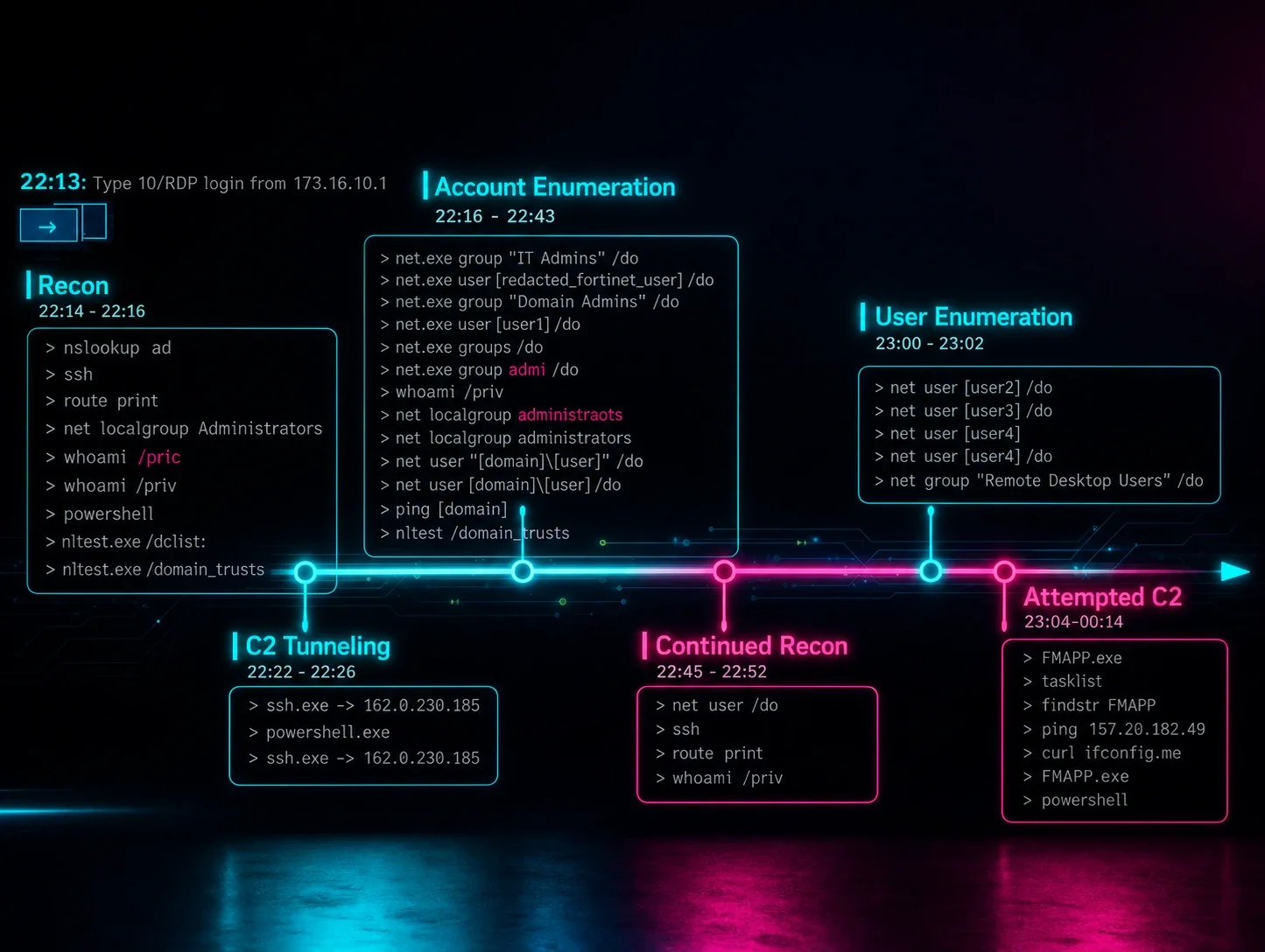
Huntress reconstructs an end-to-end intrusion timeline attributed to the Iranian-linked APT MuddyWater, discovered by pivoting on indicators from a Hunt.io blog and matching them against historical incident data for an Israeli customer. The attacker gained initial access via RDP, established reverse SSH tunnels through OpenSSH (-R 10841, then 8585) to a C2 IP flagged in a Group-IB report, and deployed malware via DLL side-loading — launching the legitimate FMAPP.exe (Fortemedia) to load a malicious FMAPP.dll that beaconed to 157.20.182[.]49. The piece includes command-line-level timeline detail (including attacker typos) useful for detection engineering and control-efficacy review.
huntress.comwriteupAdded 3 Sep 2026, published 6 Mar 2026🛡️ Security - How Hacked Construction Apps Are Bringing Down Jobsite Security
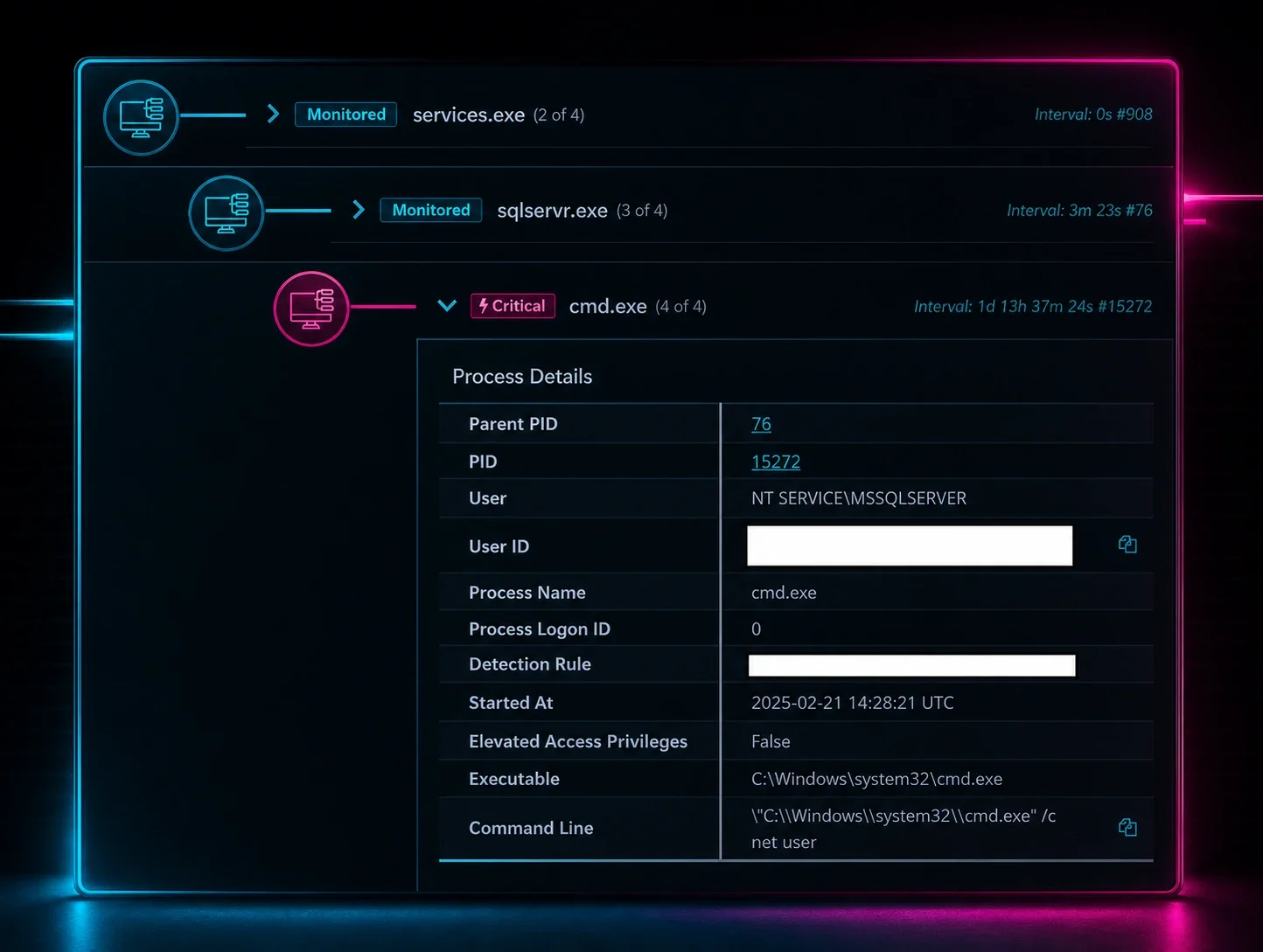
Huntress SOC details active in-the-wild exploitation of CVE-2025-51683, a blind SQL injection vulnerability in Mjobtime construction labor-tracking software (v15.7.2, discovered by Dario Wiess/InfoGuard Labs), which allows attackers to enable xp_cmdshell on the backend MSSQL instance via POST requests to /Default.aspx/update_profile_Server. Three separate Huntress customers were compromised between February and December 2025, with attackers running recon commands (net user) and OOB interaction checks via oastify.com before detection; no patch is currently available from the vendor. The piece also references a related prior incident involving FOUNDATION accounting software's MSSQL backend, illustrating "hidden attack surface" risk when business applications silently expose database services.
huntress.comwriteupAdded 3 Sep 2026, published 21 Jan 2026🛡️ Security - The OID Problem: Writing LDAP Detections That Actually Work
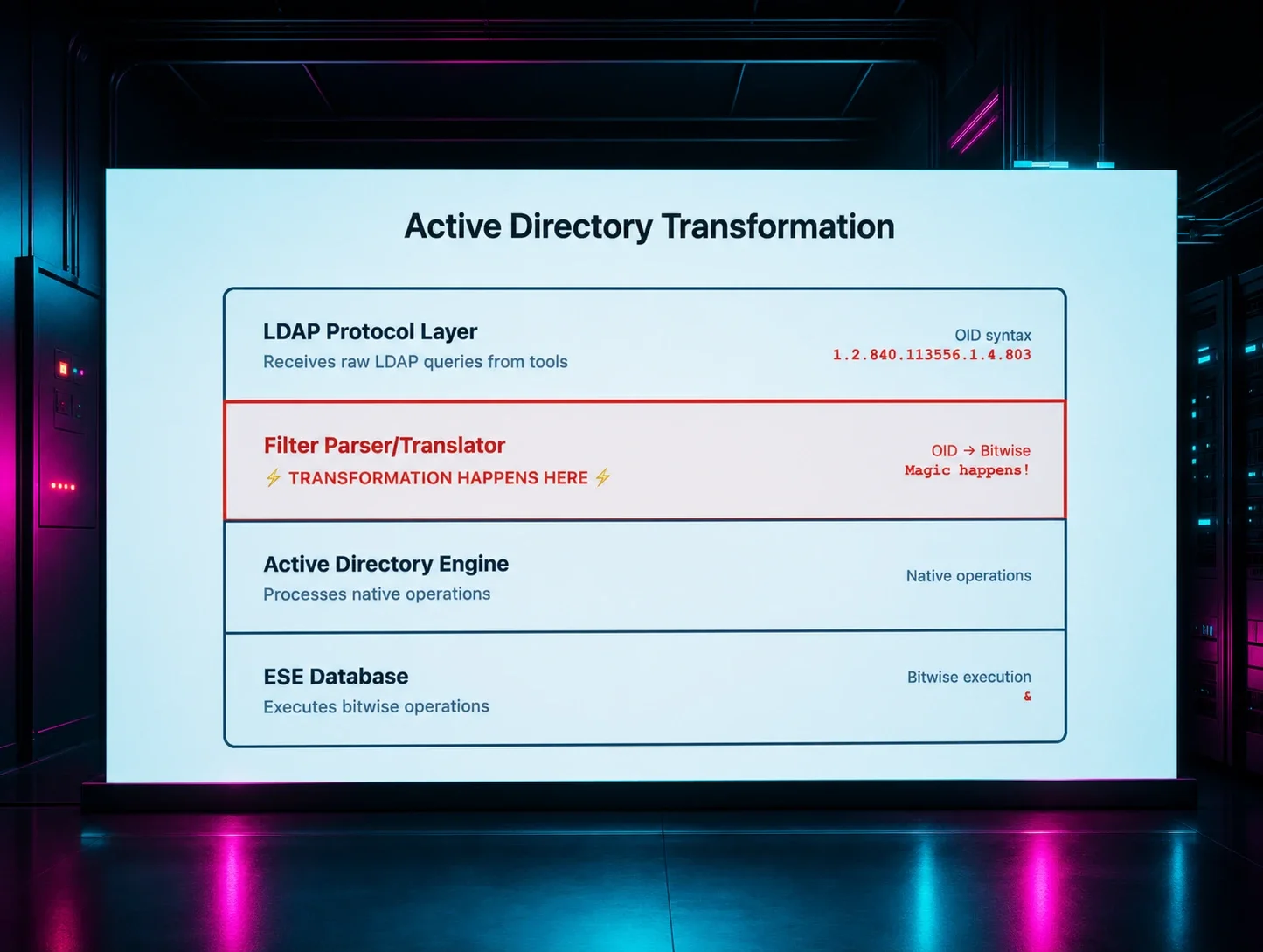
A Huntress detection engineer explains why naive LDAP Sigma rules for Impacket recon tools (GetADUsers.py, GetADComputers.py, GetNPUsers.py, GetUserSPNs.py, findDelegation.py, secretsdump.py) never fire: Active Directory silently transforms LDAP extended-matching-rule OIDs like 1.2.840.113556.1.4.803 into bitwise operators (&) before writing them to Event ID 1644, so rules searching for the OID string in logs get zero hits. The post walks through a source-code-to-telemetry methodology (analyze Impacket source, run tools in a lab, inspect Event 1644/Event 30, then write and validate Sigma rules) and ships working detection logic for each tool, plus notes on correlating server-side Event 1644 with client-side Event 30 (wldap32.dll tools only) for attribution.
huntress.comwriteupAdded 3 Sep 2026, published 16 Dec 2025🛡️ Security 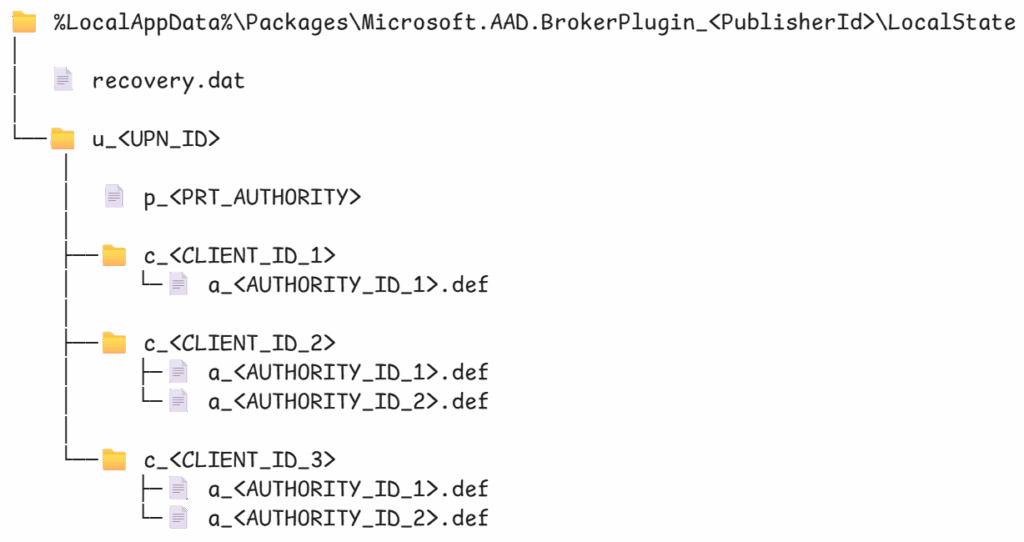 Unpacking the AAD Broker LocalState Cache
Deep technical teardown of the Entra ID (Azure AD) Broker's LocalState cache on Windows 11, reverse-engineering the file naming scheme derived from identity material, the AES-GCM/DPAPI-wrapped Packer::V3 format inside AAD.Core.dll, and the JSON/binary serialization of AuthenticationContext objects used for PRT and per-application authority files. The author shows how to decrypt cached PRT and authority token files, derive the TPM-bound PRT session key via NCryptKeyDerivation (replicating mimikatz's dpapi::cloudapkd), and extract cached access/refresh tokens and JWTs — giving an attacker with local SYSTEM context a path to long-lived, MFA-bypassing cloud access and rich identity reconnaissance data. Companion extraction code is released as AADBrokerDecrypt on GitHub.
 winternl.comwriteupAdded 2 Oct 2026, published 30 Sep 2025🛡️ Security
- Detecting insiders on GNU/Linux servers
A practical guide to building an auditd-based Linux intrusion detection ruleset covering reconnaissance (tcpdump/wireshark/nmap install and execution), privilege escalation (setuid/setgid syscalls, sudoers and /etc/passwd modification, process injection via ptrace and process_vm_writev), container escape via host filesystem remounting, lateral movement (xfreerdp), persistence (SSH authorized_keys, cron, systemd units, udev rules), and detection evasion via /dev/shm. Each rule is accompanied by working C PoCs and ausearch log output to validate detection, plus discussion of auditd's limitations (no path globbing, kernel syscalls only, incomplete file-change detection). Based on the author's incident response and pentesting experience, the rules and full ruleset are published on a companion GitHub repo.
bencteux.frwriteupAdded 3 Sep 2026, published 21 Apr 2025🛡️ Security - AWS Ransomware
A DFIR case study of an AWS S3 extortion incident where an attacker deleted a customer's buckets after reconnaissance (GetSendQuota, ListBuckets, GetBucketVersioning, etc.) and left a Bitcoin ransom note bundled with a Linux 'recovery' binary. Analysis with strace and Ghidra reveals the recovery tool is a complete fake: it never contacts AWS or the network, instead sleeping via clock_nanosleep and fabricating account/bucket details from a bundled aws.txt file to pressure the victim into paying. The post also shares specific CloudTrail event names defenders should monitor to detect similar pre-deletion recon activity.
dfir.chwriteupAdded 3 Sep 2026, published 21 Feb 2024🛡️ Security - Penetration testing Azure for ethical hackers (book review)
A practitioner's review of "Penetration Testing Azure for Ethical Hackers" (Davide Okeyode & Karl Fosaaen, Packt, 2021), walking through its chapter-by-chapter Azure attack methodology: recon of Azure services/vulnerabilities, escalating from Reader to Contributor (IaaS/PaaS) to Owner/Azure AD privileged roles, then persistence in the tenant. The author also shares real troubleshooting notes for the book's hands-on labs, including VM region-allocation workarounds and a fix for a broken Chapter 7 lab script requiring manual global administrator role assignment.
bencteux.frwriteupAdded 3 Sep 2026, published 5 Jun 2022🛡️ Security - Reversing ELFs on TryHackMe: Part 2
Part 2 of a TryHackMe ELF reversing series that solves two crackme challenges: Crackme5 uses ltrace to observe strcmp/strlen library calls and leak the plaintext password directly from traced output, while Crackme6 uses Binary Ninja's graph and pseudo-C views to trace a compare_pwd/my_secure_test function, reconstruct byte-by-byte hex comparisons, and convert them to ASCII to recover the password. It's a beginner-oriented walkthrough demonstrating basic static/dynamic binary analysis workflow and tooling (ltrace, Binary Ninja, mov/test/je instruction reading).
 0xv1n.github.iowriteupAdded 3 Sep 2026, published 1 May 2022🛡️ Security